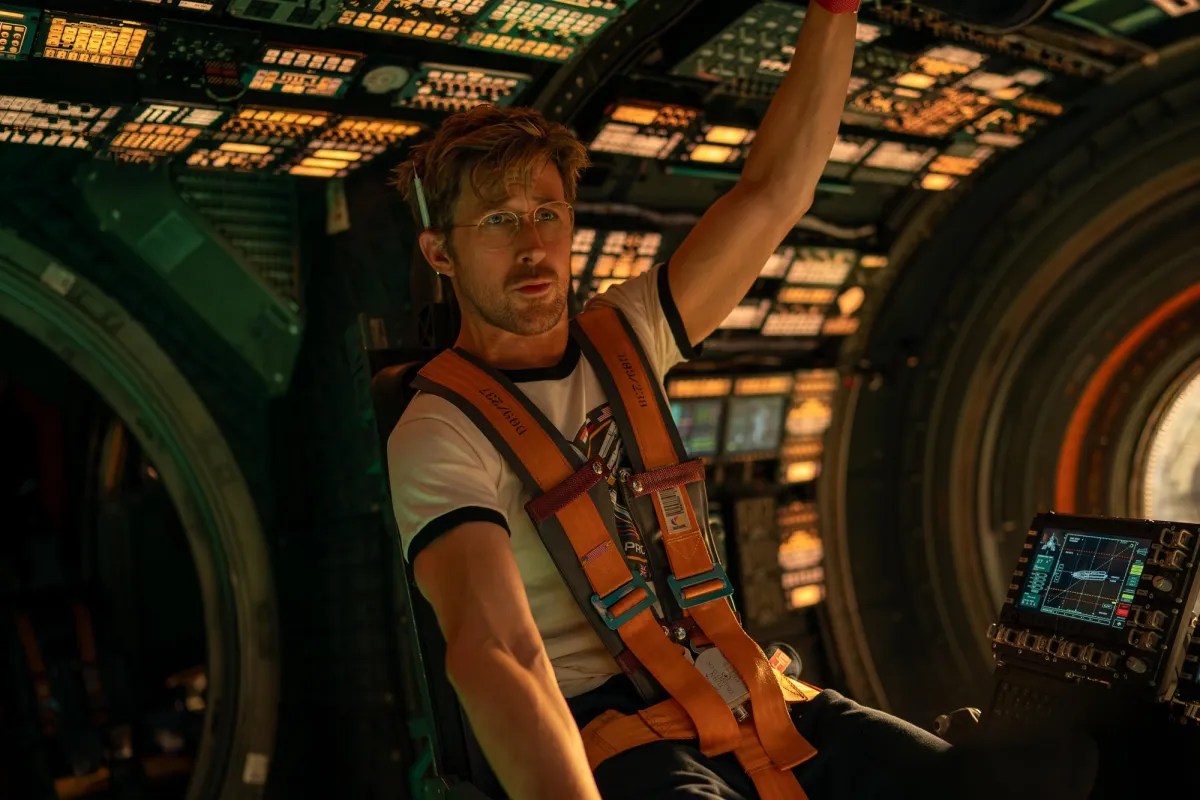
‘Project Hail Mary’ Is A Surprisingly Poignant Take On What Could Be Out There — And A Buddy Comedy Too!

Venture out into the cosmos and we might find an existential threat — or we may find friends who welcome us into a joyous fraternity among the stars.

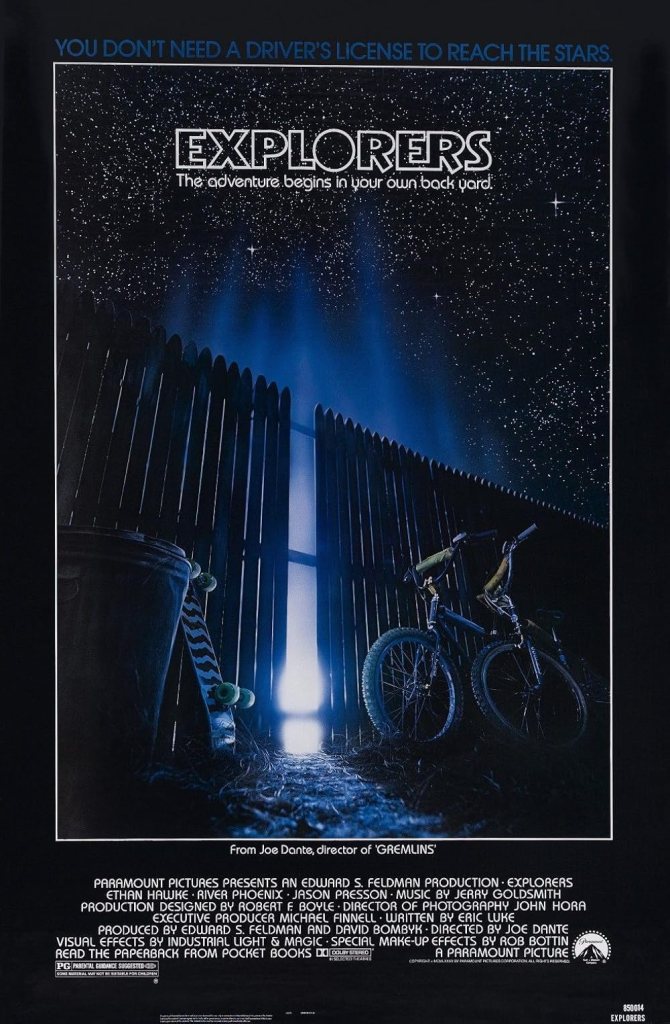
ET. The Last Starfighter. Explorers. Enemy Mine. Arrival.

While Alien is nightmare fuel combining dread in its purest form and the hallucinogenic visuals of one of modern history’s most disturbed artists -creating a vision of extraterrestrial life so horrific that many audiences couldn’t deal with what they were seeing when it hit theaters in 1979 – science fiction also has a strong tradition of imagining friendship in the stars.

Audiences love it when their spacefaring hero finds a buddy.

Project Hail Mary is that kind of movie, but it doesn’t look that way at first. Dr. Ryland Grace (Ryan Gosling) is a biologist who was laughed out of higher education when he published papers arguing that our ideas about what’s necessary for life to spark were all wrong.

Grace is an enthusiastic middle school science teacher when we meet him through the eyes of a UN official who recruits him for what will be known as Project Hail Mary.
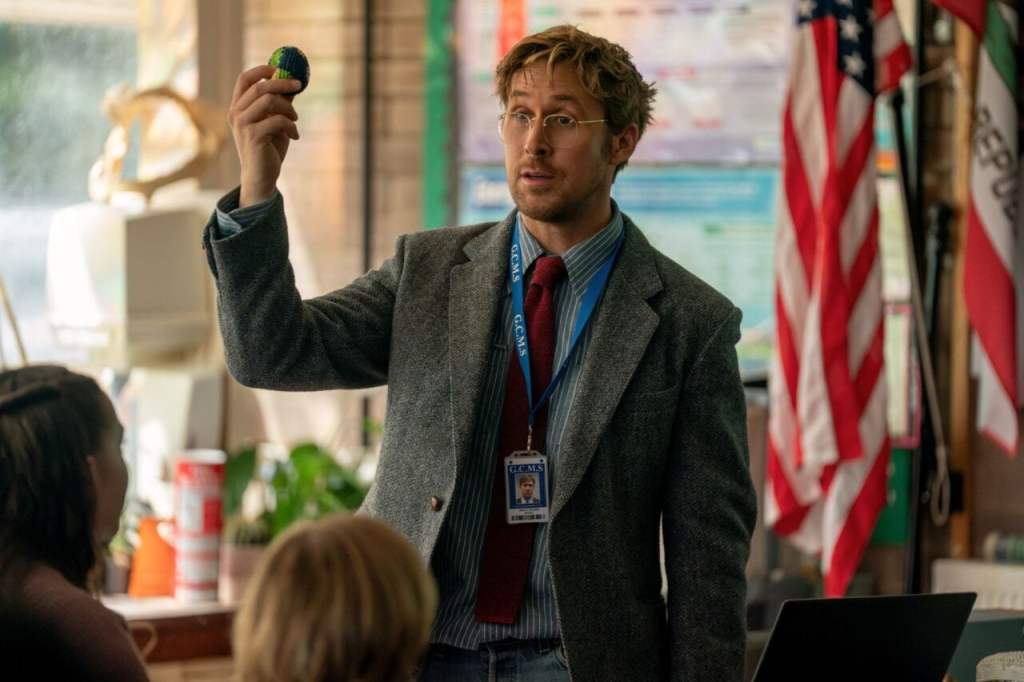
The movie uses classroom scenes for exposition, as the young students beg Goslin’s Dr. Grace to tell them why the astrophage endangers Earth. Credit: MGM

The sun is dying. No one’s sure why until an amateur astronomer named Irina Petrova discovers a wispy line of infrared radiation bridging Venus to our home star. The newly-Christened Petrova Line is made of astrophage, a virus-like organism that feeds on stellar energy, robbing the star of its power.

What begins as a gradual, almost imperceptible drop in the sun’s energy quickly accelerates and the Earth’s temperature begins to plummet.

The same papers that got Grace exiled from academia land him a spot on the worldwide project to study and destroy the astrophage. The usual assumptions about how life operates are not cutting it, and the project needs all the independent thinkers it can find to look for a solution.

If they can’t find one, the dying sun will leave the Earth in a deep freeze. In turn it will bring on a new ice age, the destruction of most of Earth’s arable farmland, mass extinction of plants and animals, then famine and all the horror that comes with it.


The narrative cuts between past (Grace’s introduction to the project and its early days) and present, when Grace is one of three crew members headed to the star system Tau Ceti to find out why it’s the only star in our cluster that hasn’t been infected with astrophage. In our entire galactic neighborhood, only Tau Ceti — a G-type star similar to our sun about 12 light years out — continues to burn bright.
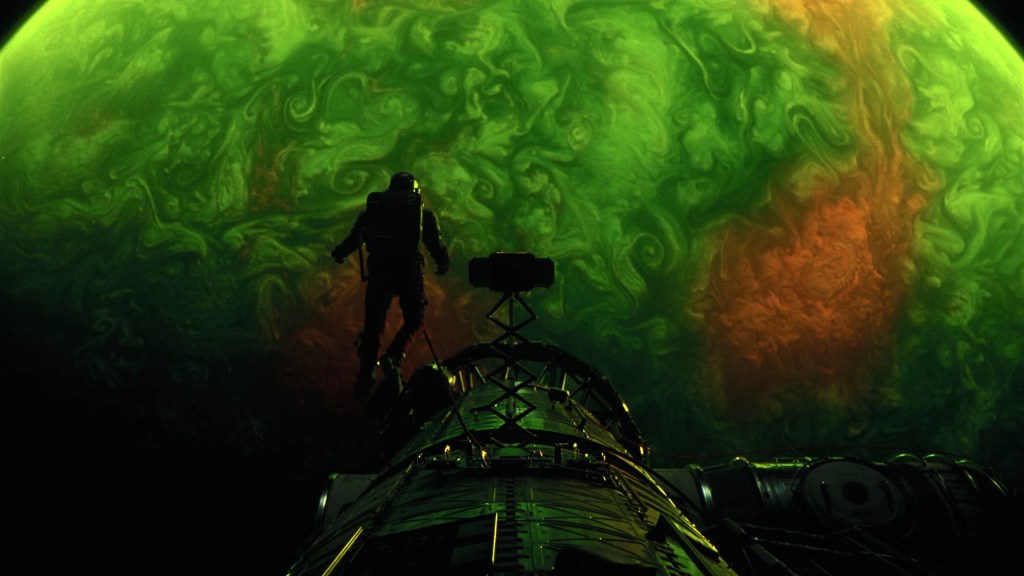
The movie offers some spectacular, sometimes even trippy space vistas, such as this one of the planet Tau Ceti E. Credit: MGM

It turns out humans are not the only ones desperate to know why Tau Ceti is not dying, and that’s where the movie goes from interesting to emotionally resonant, poignant and a heck of a lot of fun.

There’s plenty of mystery, tension, and awe at the beauty of creation, all against the backdrop of Grace’s evolving relationship with his unexpected buddy.

This is a movie that would have been a major challenge for any lead actor, and Gosling not only imbues Grace with with a self-conscious, cautious bearing, he also does a great job of carrying long scenes without the benefit of another expressive human face to help him sell the action and drama.

What could have been convoluted science is explained to the audience in simple and effective terms. The problem is outlined elegantly, and the stakes are made very clear. If no one can figure out how to stop the astrophage, humanity will likely survive in the near term, but only in miserable, resource-depleted, technologically retrograde pockets of people who regard others as a threat. Eventually even those holdouts will succumb to cold and starvation.
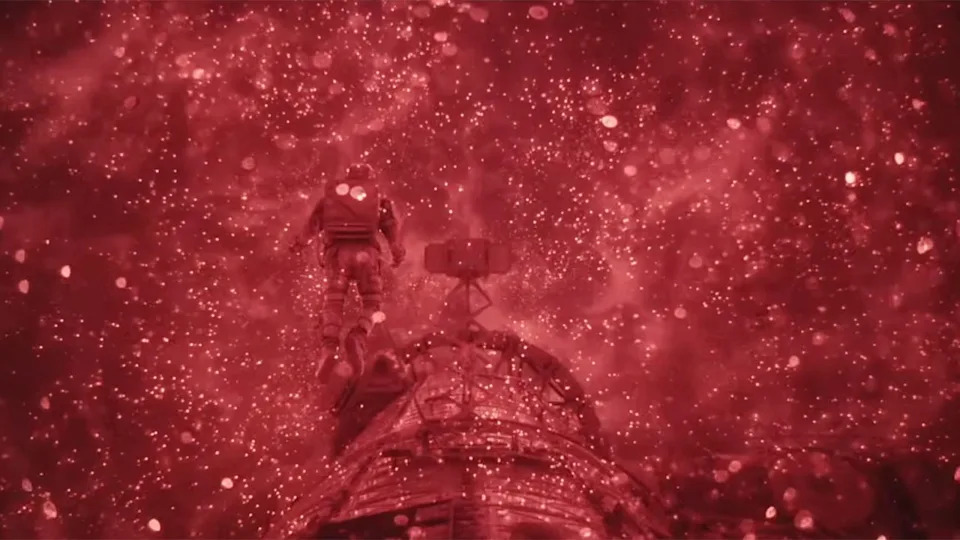
The same image of Tau Ceti E from above, but this time viewed in a different wavelength of light that reveals the astrophage traveling along Tau Ceti’s own Petrova Line.

The film doesn’t trivialize space either. An interstellar journey is the kind of thing we might be able to accomplish with the pooled resources of humanity, the brightest engineers, designers and scientists of our species, but it’s also a long, extremely dangerous and difficult undertaking.

Thus the name Project Hail Mary. It’s a long shot, audacious and unlikely to succeed, but as Sandra Hüller’s UN project leader explains to Goslin’s Grace, the only alternative is to do nothing and wait to die.

Perhaps most importantly from a science perspective, the film offers a clever way for the project to generate the energy needed to send a ship to Tau Ceti at near-light speed. Currently we might be able to build a viable vessel, which would be a monumental design and engineering challenge, but it would take more than 150,000 years to travel that far with our best current propulsion systems. More energy — and speed — is a must, especially when the mission is a race against time, with only a few decades before our planet freezes over.

The movie’s solution won’t help us in real life, but within the context of the narrative it’s a clever way of traversing enormous distances in a short time instead of the thousands of years it would normally take.
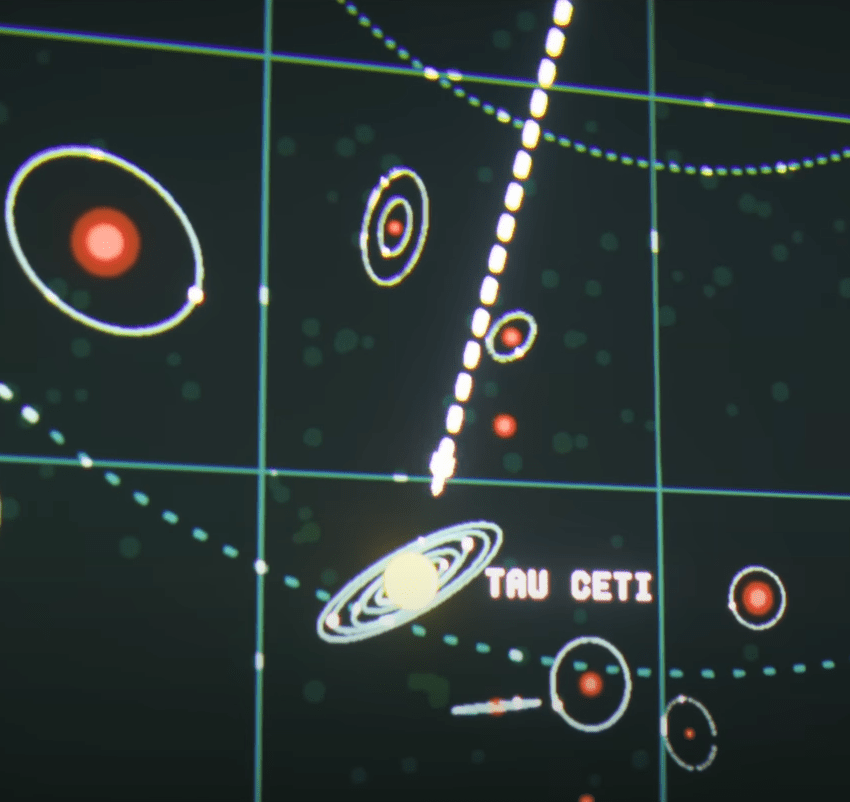
Every star within dozens of light years of Earth is infected with astrophage and dimming except for Tau Ceti. Why?

Plausible science provides the framework for the story, but its payoff is emotional, and Dr. Grace’s experiences with his strange new friends will remain with you after the credits roll.

If you’re like me and didn’t rush to see this in the theaters because you found The Martian — based on a book by the same author — overhyped, do yourself a favor and spend an evening in Project Hail Mary‘s world. It’s a journey well worth taking, and the rare movie that leaves you with a glow by the time the credits roll.

Project Hail Mary is currently streaming on Amazon Prime video.
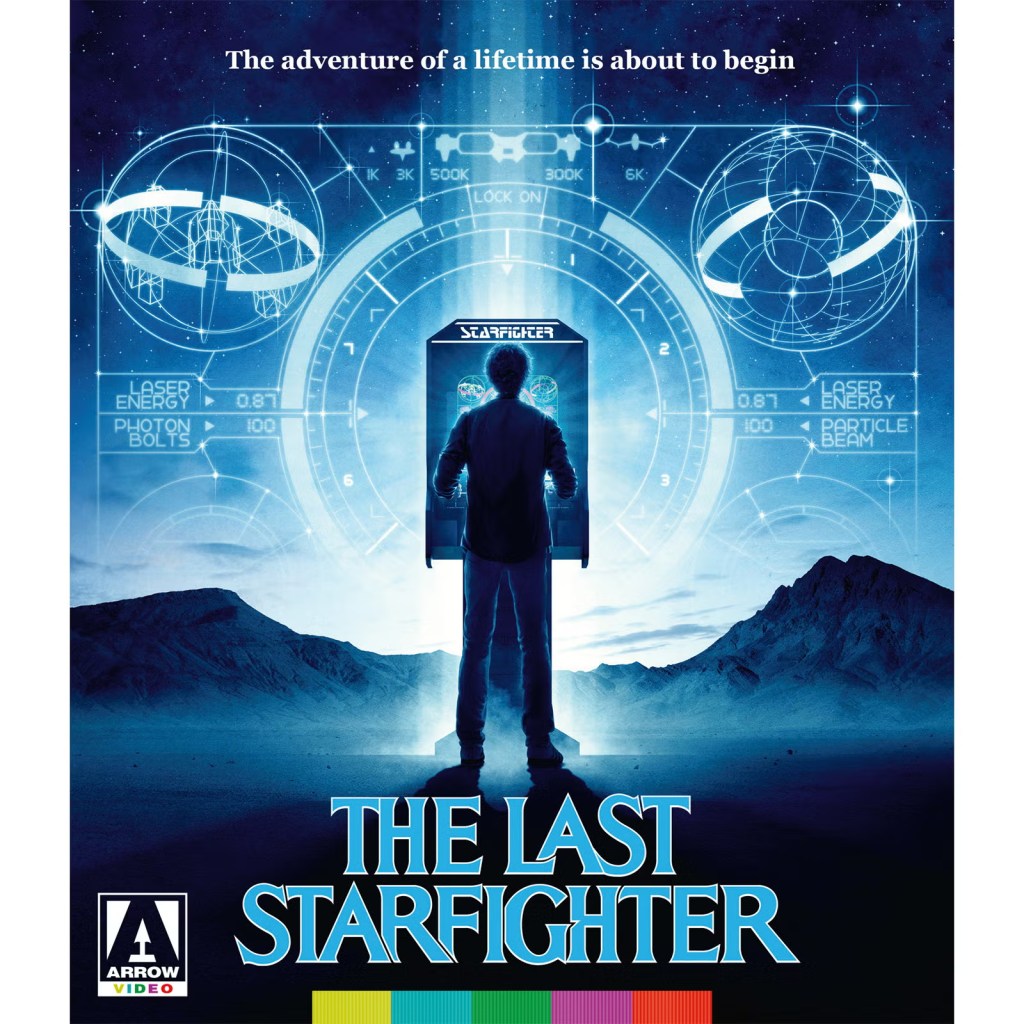
Even a SF-horror fan like me would love to see more lighthearted science fiction in the mold of Project Hail Mary and classic 1980s science fiction adventures like The Last Starfighter and Explorers.

Cat Caught Smuggling Drugs Into Siberian Prison, Plus: Rapper Xhibitz Celebrates His Feline’s 20th

“Well, first of all, I love my cat. I take care of her,” the rapper says of his Thunder Cat.

Some of you may remember Xzibit (pronounced exhibit), if not from his music then his stint as the host of Pimp My Ride, a show in which X and a custom car garage would take people’s junkers and turn them into extravagant moving art pieces with unique and over-the-top features.

One memorable episode, for example, had the crew transform the interior of one car into an aquarium, with fish tanks built into the backs of seats and door panels, while others featured innovations like trunks that folded out to become fully-functional kitchens.

What people may not know is that Xzibit is also a dedicated cat dad, and we mean dedicated. He keeps Thunder Cat on a diet of healthy food, brings her for regular check-ups and IV infusions at the vet due to previous problems with dehydration-related illnesses, and gives her the attention she deserves as a living being.

“She’s seen it all,” he added. “And everybody’s asking how I’ve kept her alive for this long. Well first of all, I love my cat. I take care of her, and I look out.”

The 51-year-old emcee, real name Alvin Nathaniel Joiner, said he was initially surprised when people expressed so much interest in Thunder Cat. He said he constantly gets correspondence from fans who love his cat. In an Instagram video, he held up a shirt with images of Thunder Cat sent to him by a fan.

“And yes,” he said, “I’ve worn this.”

Los Gatos bungles a delivery

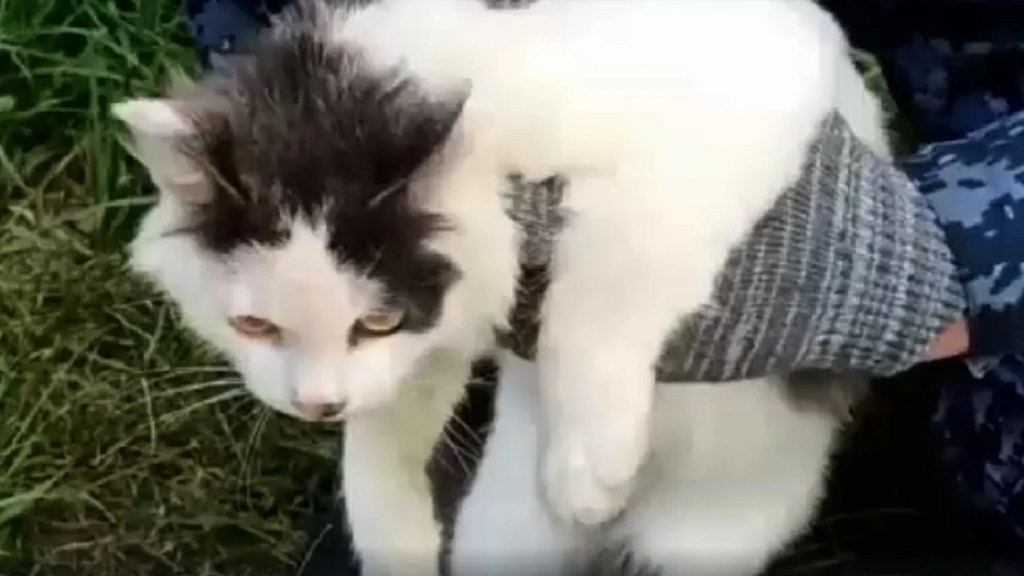
The cat used to smuggle drugs into a maximum-security labor camp prison in Russia. Credit: FSIN/Russian government

A cat has been released and is free to go without charges after inmates tried to use the feline to smuggle drugs into their Russian prison, Russia’s Federal Penitentiary Service (FSIN in Russian) said.

The unimaginatively-named Penal Colony No. 17 is in Krasnoyarsk, a city of about 1.2 million, and it’s brutal. It’s a maximum-security labor camp mostly for foreign prisoners in a region of Siberia where the average temperature in winter is below zero.

Not the kind of place you ever want to find yourself, which is certainly one reason why the inmates are trying to dull their existence with drugs. Their courier was a black and white cat who caught the eye of a prison officer because it was wearing two home made collars.

Prison security called for a K9 unit to sniff at the white powder found inside the collars, and you know the rest. There’s no word on whether anyone inside or outside the prison has been hit with charges, but thankfully the cat was unharmed, deemed healthy and set free.

Watch Mafia Cats Throw Their Weight Around In Pixar’s ‘Gatto’ Trailer

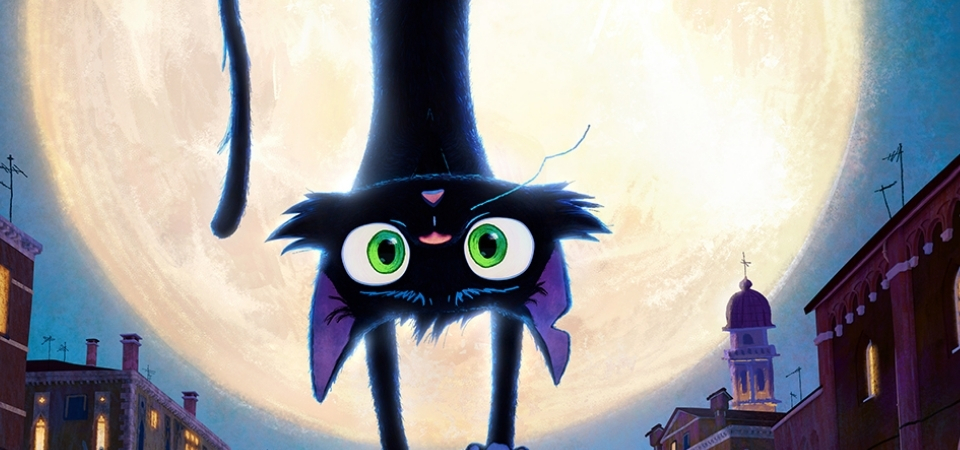
The animation studio’s forthcoming movie is about crime cats who rule Venice with an iron paw.

Cats are cute and furry but they’re also tyrants who are ruthless when it comes to getting what they want.

Maybe that’s why they’re perfect as mobsters, something the creative minds at Pixar realized when they decided their next animated feature would involve feline mafiosos.

Titled Gatto, the movie is slated to hit theaters in 2027, but you can see a preview below. In the film’s first trailer, Mark Ruffalo’s Nero, a skinny black cat, assists the local mafia boss cat, voiced by Laurence Fishburne, in interrogating a ginger tabby about a missing can of tuna.

They’re quite serious about the missing tuna until they get distracted in a most feline way:

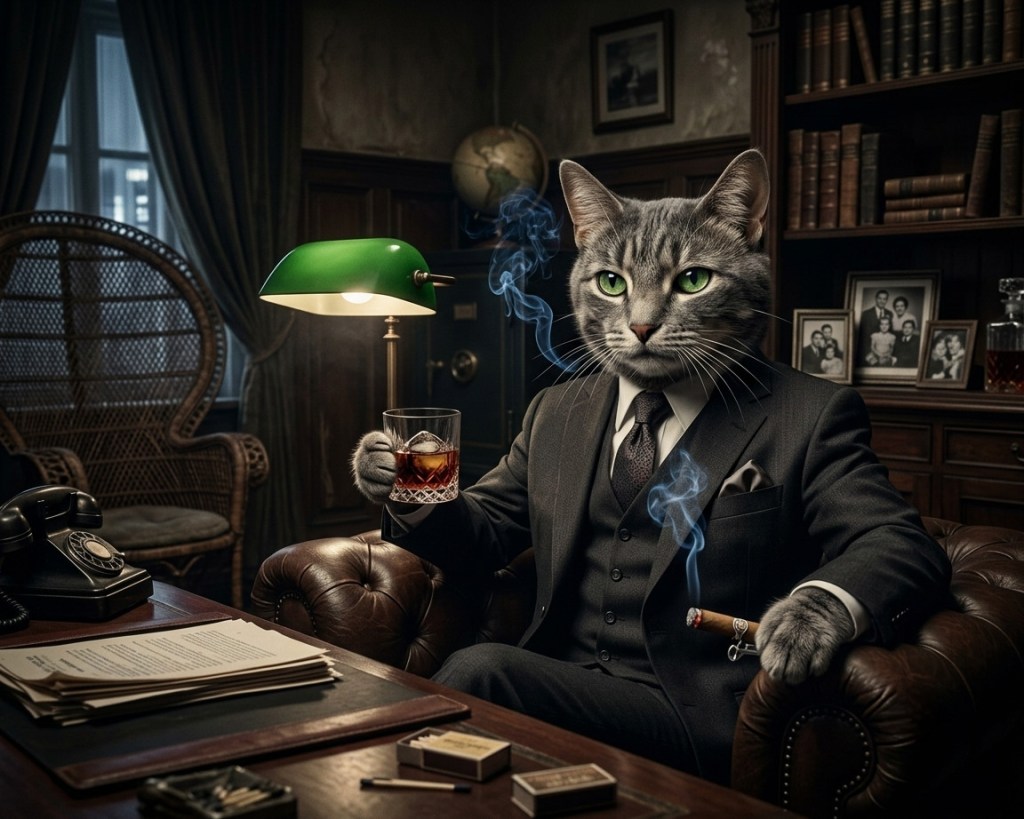
Which reminds me: it’s been ages since we checked in on Buddy’s sworn enemies, Los Gatos cartel, and the Machiavellian maneuvers of the catnip wars… The cartels vs the meowfia promises to be a catnip clash for the ages!

Buddy cuts a dashing figure in his slick Italian suit.

The Big Cats Of ‘Exodus’ Are Badass

The new science fiction franchise consists of novels, a short film, a game due out next year, and an encyclopedic art book. It’s got a compelling narrative, deep lore and all the trappings of great SF, and best of all it has awesome big cats.

Exodus is a hugely anticipated upcoming game from the team behind the beloved Mass Effect series, but it’s so much more than that.

It’s also a 900-plus page science fiction novel, Exodus: The Archimedes Engine by the outstanding novelist Peter F. Hamilton. A second book, Exodus: The Helium Sea, also authored by Hamilton, is due for release on June 16. A short film in the Amazon Prime Video series Secret Level, titled Exodus: Odyssey, further expands the fictional universe and its lore, as does an “encyclopedia” hardcover about the Exodus universe, its major factions, planets and technology.

Matthew McConaughy is enthusiastically involved, as an actor and producer. (Allright, allright, allright!)

Oh, and it has big cats!

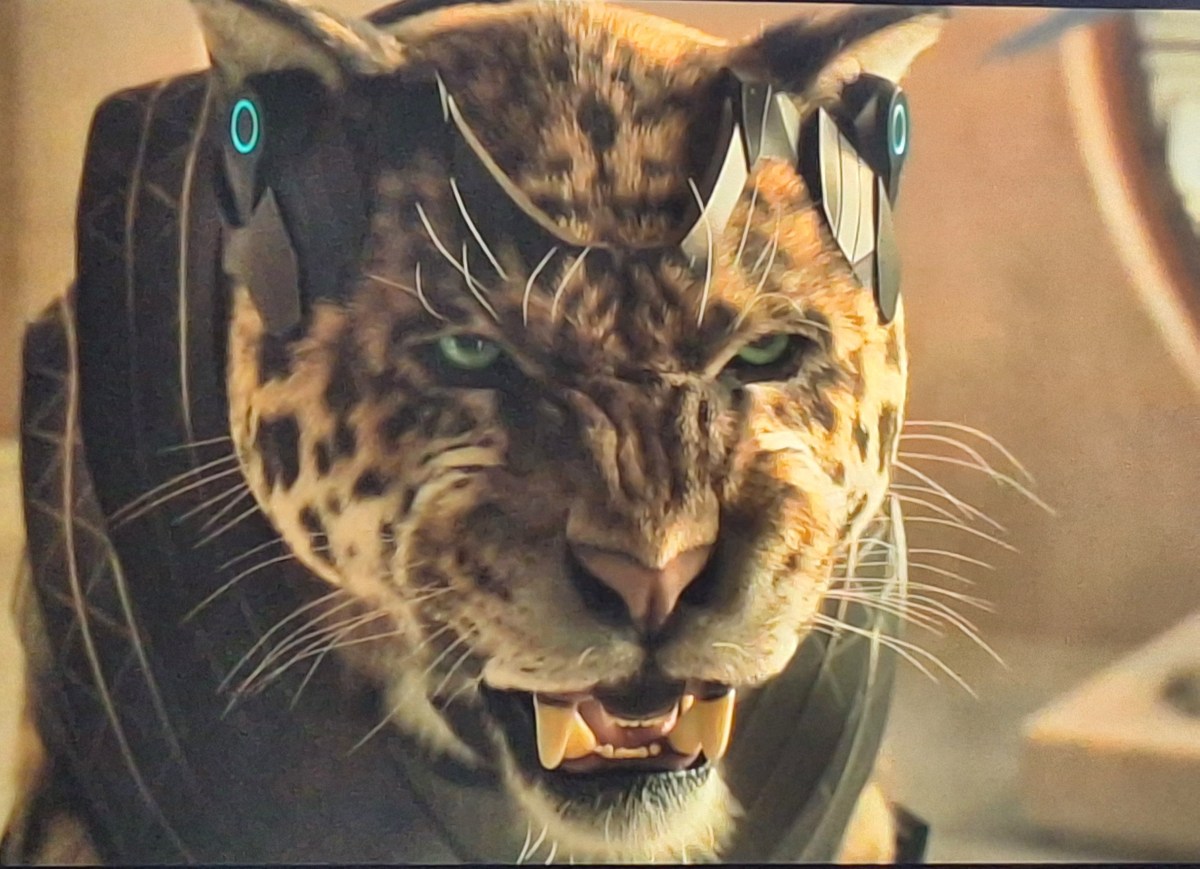
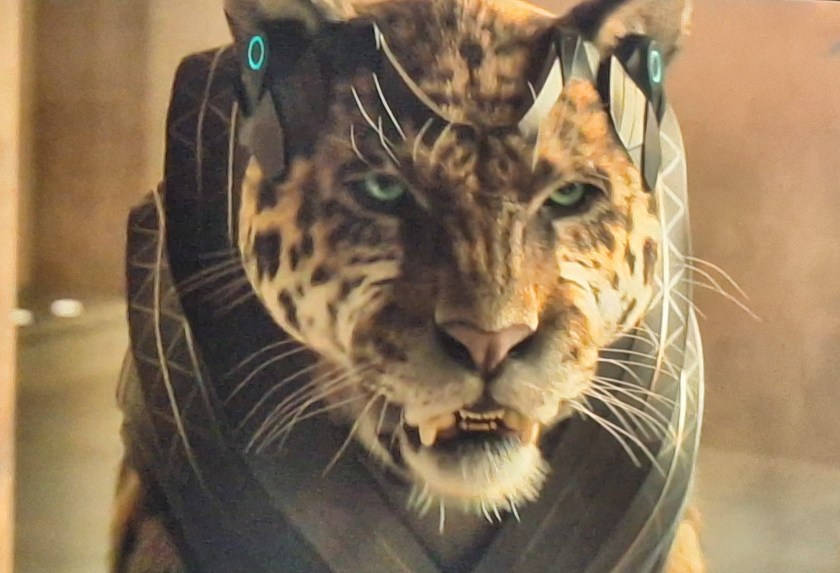
The screenshots in this post are from Exodus: Odyssey, and depict an Awakened Jaguar.

In Exodus, certain animals are “Awakened,” meaning they’ve been genetically modified to give them cognitive and physical gifts.

In the case of big cats, it means they’re smart enough to understand human language, follow complex instructions, interact with technology, and make decisions. Big cats are companions, guards and serve as intimidating special units in the military.

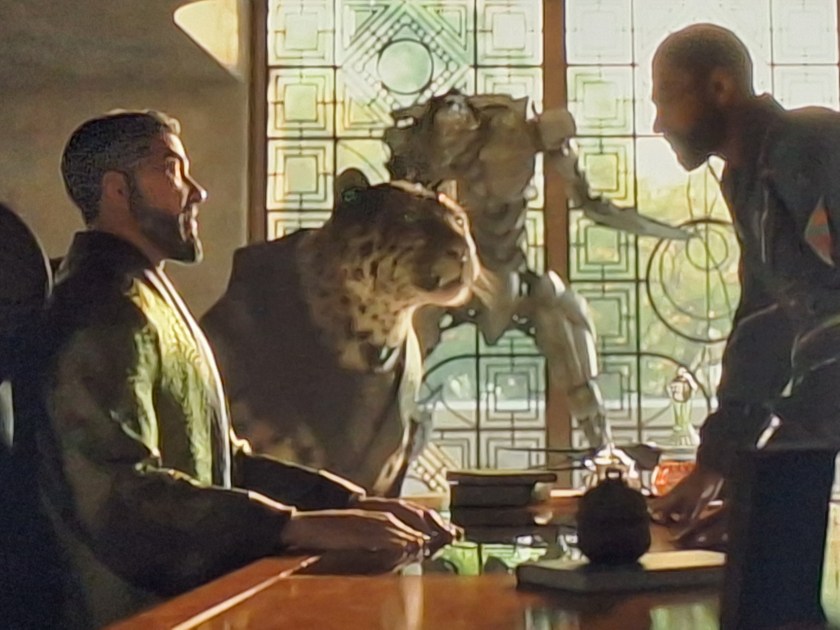
The Awakened Jaguar in this scene is the companion and guardian of a planetary governor. He’s very protective of his human and immediately leaps up to growl in warning when a visitor takes an aggressive step forward.

The Awakened Jaguar leaps up as a conversation becomes intense.
Awakened animals can wear tech peripherals, weapons, armor and tools. Big cats are mostly muscle, guards, soldiers and are used to intimidate enemies, while planetary police forces use Awakened dogs and one prominent character is an Awakened octopus who occupies a tank in his own personal mech, allowing him freedom of movement outside of water.

In Exodus: The Archimedes Engine, there’s a scene depicting Awakened Lions deployed with the military. They’re considerably larger than terrestrial elephants, weighing several tons, standing three times the height of adult men. They’re terrifying to behold, which is precisely why the Celestial military has them accompany their generals as honor guards.

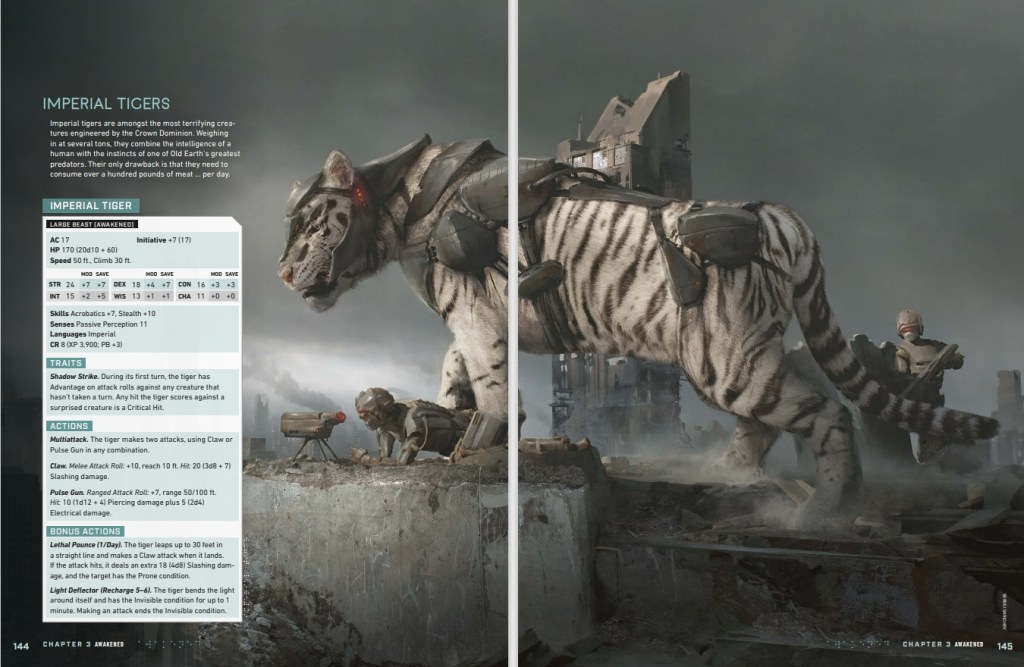
There are also Awakened Tigers who are bigger and much more intelligent than their Earthly counterparts, with fur that can function as active camouflage. The Awakened Tigers are described and illustrated in a companion book, which notes that while the genetically modified big cats are powerful, intimidating and extremely effective, they also have voracious appetites, scarfing down more than a hundred pounds of meat per day.

The Exodus encyclopedia shows an Awakened Tiger standing protectively over a recon soldier:

A two-page illustration of an Awakened Tiger from the Exodus Encyclopedia.

As for the story behind Exodus, I cannot say enough good things about Exodus: The Archimedes Engine.

Hamilton is known for sprawling far-future narratives that combine memorable characters with fabulous technology, vividly imagined societies and awe-inspiring discoveries in the cosmos.

Many of his novels deal with humanity’s encounters with alien civilizations, which range from the serenely benevolent (the Raiel) to the terrifyingly genocidal (MorningLightMountain) and everything in between.

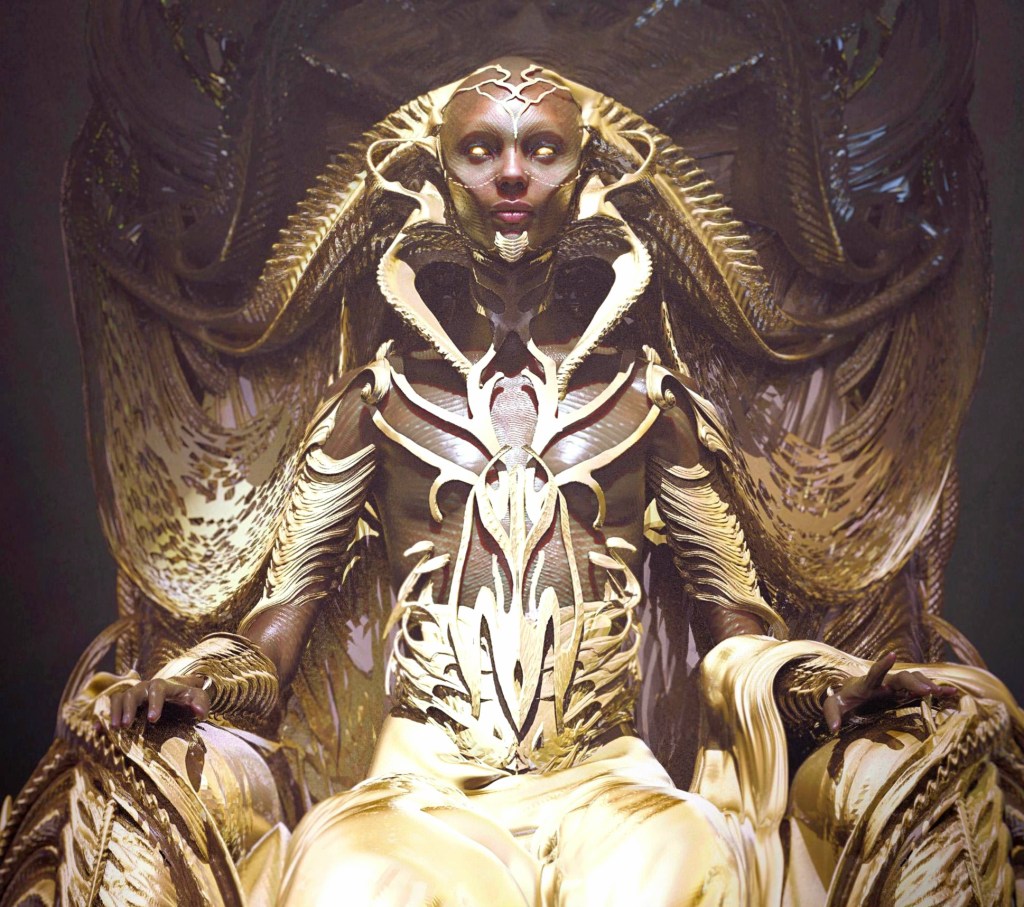
Exodus departs from that template to tell a story about a conflict between regular humans and the Celestials, post-humans who have spent tens of thousands of years on a self-guided evolutionary path that has transformed them into creatures that no longer bear any resemblance to the rest of humanity.

A Celestial queen from the Crown Dominion. The Crown Dominion’s Celestials appear bizarre to us but are actually among the more “normal” looking of the Celestial factions. The most inhuman are said to be the dread Mara Yama and the Talloch-Te.

To say the Celestials consider themselves better than “baseline” humanity is a drastic understatement — Celestial societies have no qualms about breeding humans for specialized labor and roles, emphasizing traits like subservience and loyalty.

In other words, regular humans are treated the same way many in our current society treat animals, as commodities and resources to exploit.

Naturally that does not sit well with people, and the central narrative follows a rebellious group who seek to free every faction from Celestial shackles.

I’m looking forward eagerly to Exodus: The Helium Sea, the second epic novel set for release in six short weeks. I was a bit anxious that a series of novels as a tie-in to a game would be somehow not as great as Hamilton’s usual books, but I should have known the author doesn’t do anything half-assed. The first book introduced compelling mysteries and answered a lot of burning questions, but left plenty to look forward to and resolve.

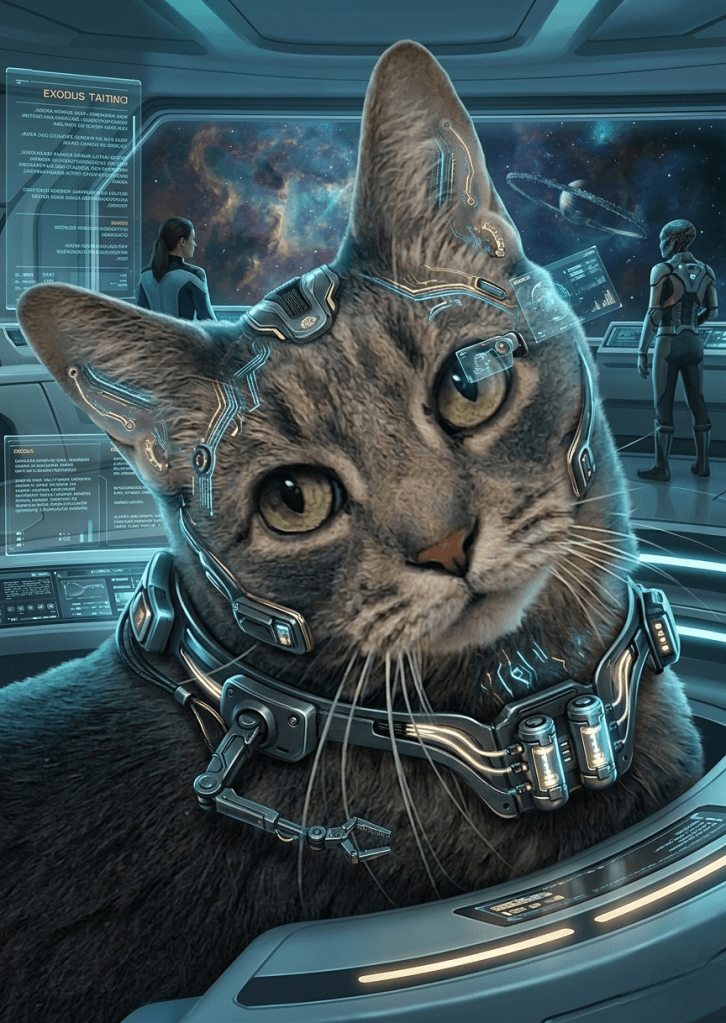
And as much as I’m hyped for the story, I’m also crossing my fingers for more big cats. Maybe I can convince the creative team that their universe needs an Awakened Buddy…

“No, dude, I get the captain’s quarters! I will generously allow you to use my bed and you will continue to have the honor of being my pillow and stuff.”

Of Cats And Books

A look at the strange and wonderful world of rare books where, of course, you’ll also find cats.

I’ve always liked the idea of antiquarian bookshops.

I am almost completely ignorant on the subject, mostly because chasing after extremely rare print volumes is the domain of people with a lot of expendable income. The most valuable books in my possession are an original 1939 first edition print of Will Durant’s The Life of Greece, and two novels signed by their authors. Their value is sentimental, not monetary.

But I like the general romanticized image of the antiquarian bookseller: an older man or woman in tweed ensconced in a cozy shop in Manhattan, with every shelf filled with dusty volumes and every surface covered by globes, astrolabes and other curiosities. There’s one of those tight winding staircases with wrought iron railings leading to a loft for access to the highest shelves, the music is from a vinyl collection of light jazz, and it’s always raining outside.

A doted-on shop cat dozes on a red leather armchair, tail twitching from some nightmare in which it’s slightly less adorable than it thinks it is.

Collectors in damp trenchcoats drop in, asking after 17th-century occult tomes, grimoires, and Voynich-esque manuscripts with engravings of impossible creatures, trees with visual organs and arcane rituals. Bibliophiles ask after leatherbound collections of classics like Don Quixote, and the occasionally curious passerby peeks in, surprised that such shops still exist in the age of the internet.

It turns out that’s not too far from the truth, especially the bits about the internet and, of course, the cats.

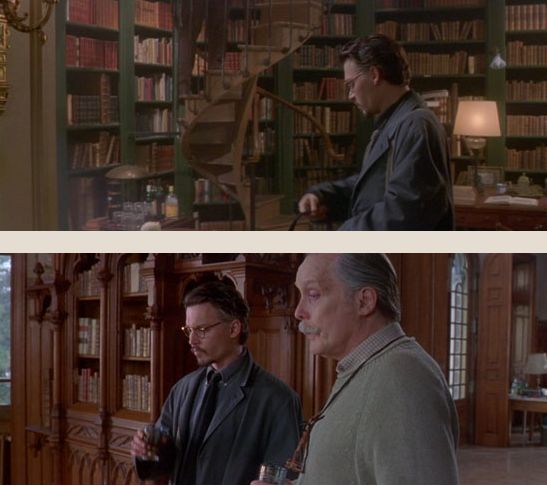
Johnny Depp is constantly smoking and drinking red wine while handling priceless old books in 1999’s The Ninth Gate. Notice the winding staircase in the rare book shop in the top screenshot.

The Booksellers is a documentary that screened in festivals in late 2019 before heading straight to video when the pandemic brought the world to a screeching halt.

It’s an inside look at the annual New York Book Fair and the small world of antiquarian and rare booksellers in New York, a shrinking constellation of people mostly descended from, or formerly apprenticed to, the booksellers of old before Barnes and Noble and Jeff Bezos laid waste to that sector of retail.

Before network TV, cable TV, dial-up internet, broadband, Kindles, iPads and smartphones turned us into a media-gorging — yet paradoxically less literate — society, New York was home to more than 500 bookshops, including generalists and specialists who catered to people with particular and peculiar interests. Now it’s home to fewer than 80, according to the documentary.

When the booksellers were asked about the way the internet has impacted their trade, their weary sighs reminded me of my older colleagues from my brief time experiencing the end of the “good old days” of newspapering, before the internet destroyed or compromised every publishing income stream and delivered us to this moment. This dystopian time when entire swaths of the country have become news deserts, Elon Musk in all his wisdom asserts that Twitter accounts run by anonymous trolls in Belarus are just as reliable — even more trustworthy, in fact — than those liars in legacy media, and corporate raiders are stripping the last handful of newspapers down to assets they can auction off.

A rare book shop in Paris. Credit: Wikimedia Commons

Not all of it’s bad. One rare book dealer laments the fact that “the thrill of the hunt” is gone, meaning it no longer takes years to track down some obscure volume because you can hop online and find it in a few clicks. I get that, but nostalgia for that sort of thing is the ultimate in looking back through rose-colored glasses. Plenty of us could wax nostalgic about the days when we’d hear a song on the radio and have to hum the damn thing to record store clerks, but we’re forgetting about the considerable frustration involved. Given the choice between “fun” ignorance and access to information, I’ll always choose the latter.

As for the cats, it’s not a surprise when many of the book dealers interviewed for the film identify themselves as cat lovers or idly scratch their feline friends while showing off their vast personal collections. Antiquarian bookshops tend to be warm, quiet, gently-lit spaces, perfect napping spots for cats who guard old books from rodents.

If you’re interested in watching The Booksellers, you can find it on Amazon Prime video, or better yet, just click below:

Header image credit: A. Savin/Wikimedia Commons