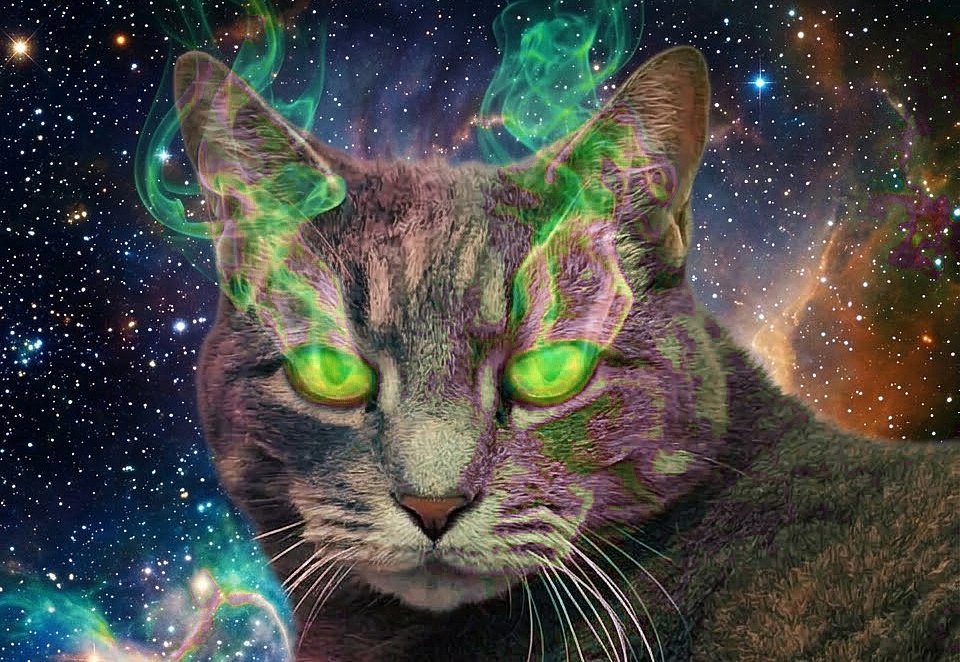
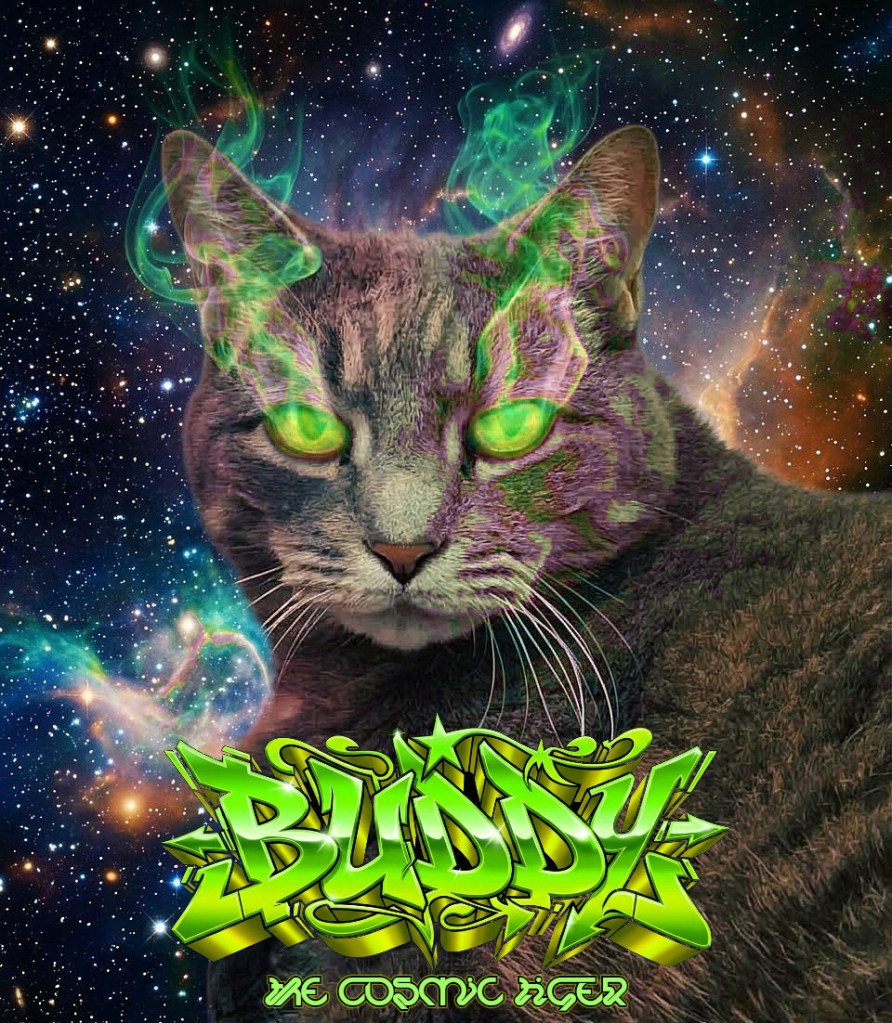
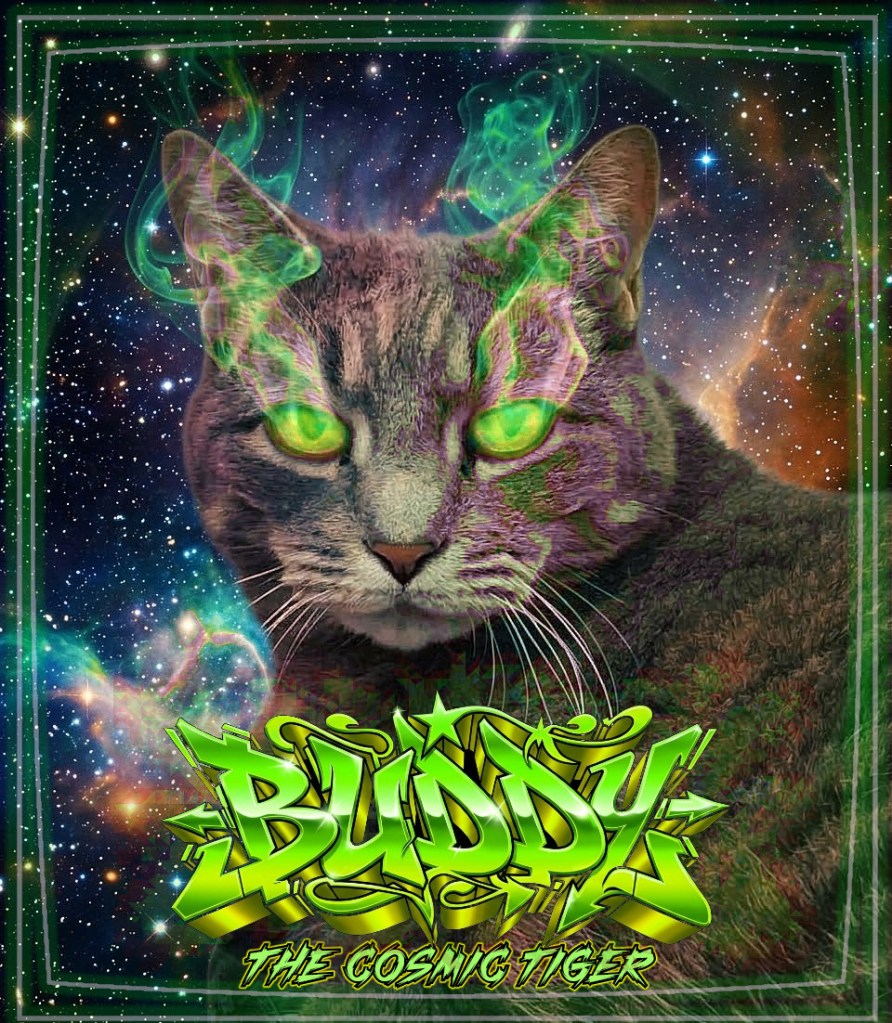
Cheesy Photoshops glorifying my egotistical feline overlord are fun!
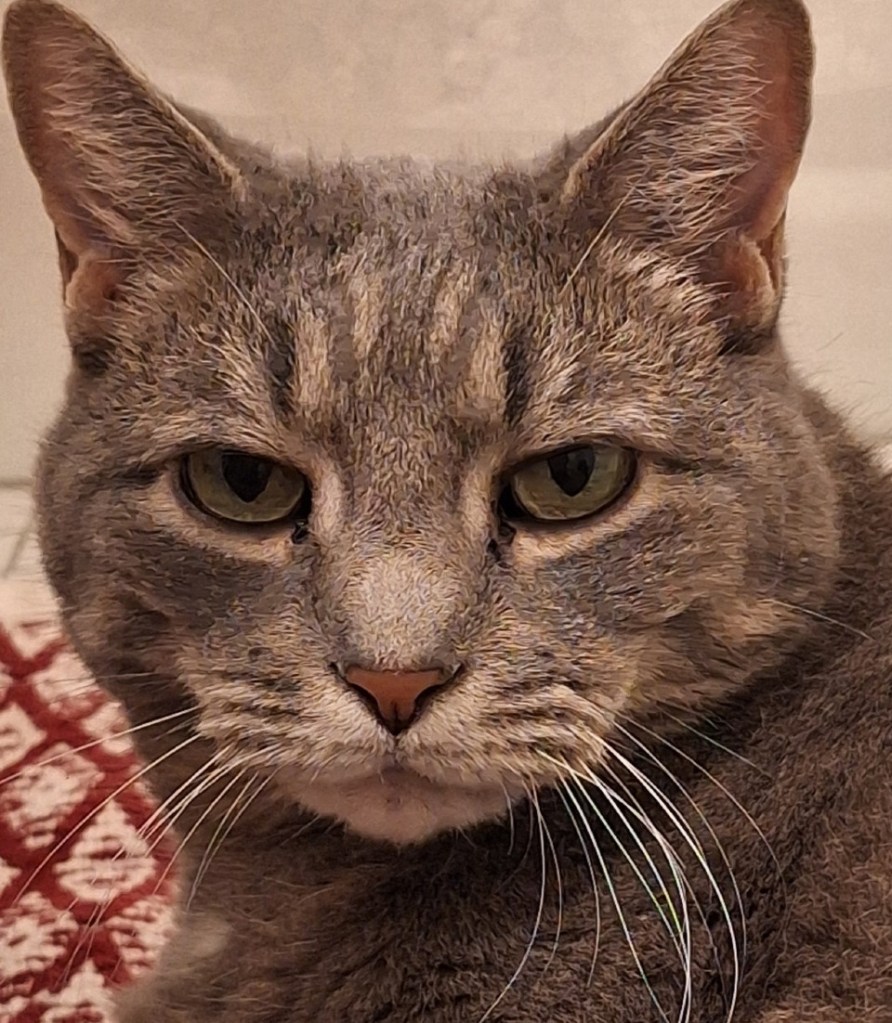
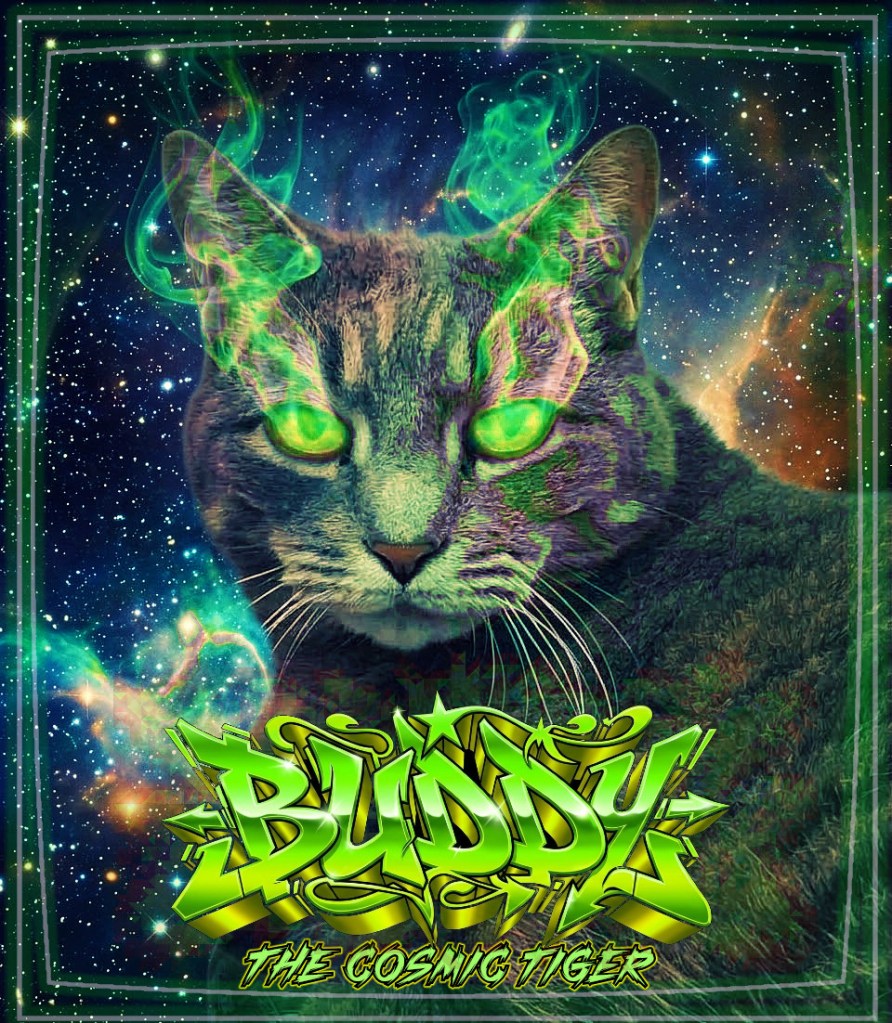
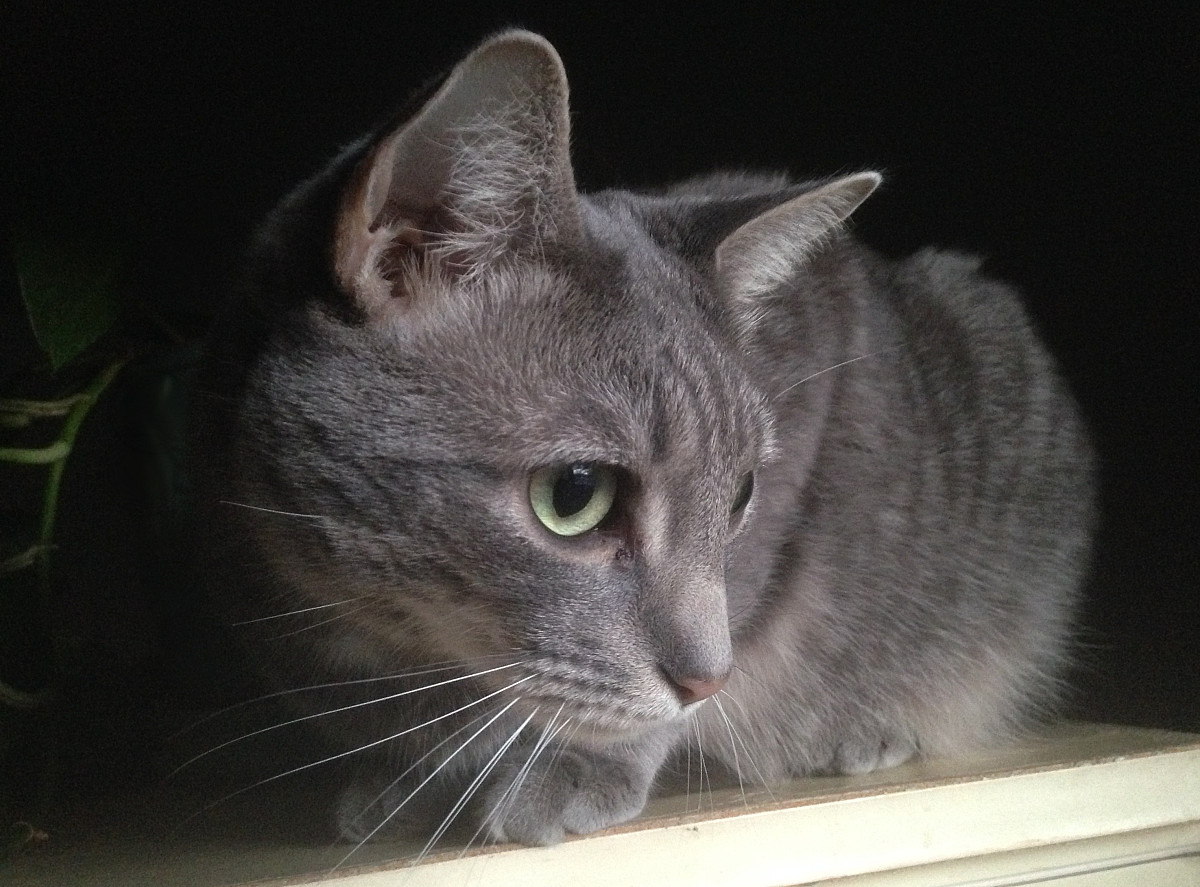
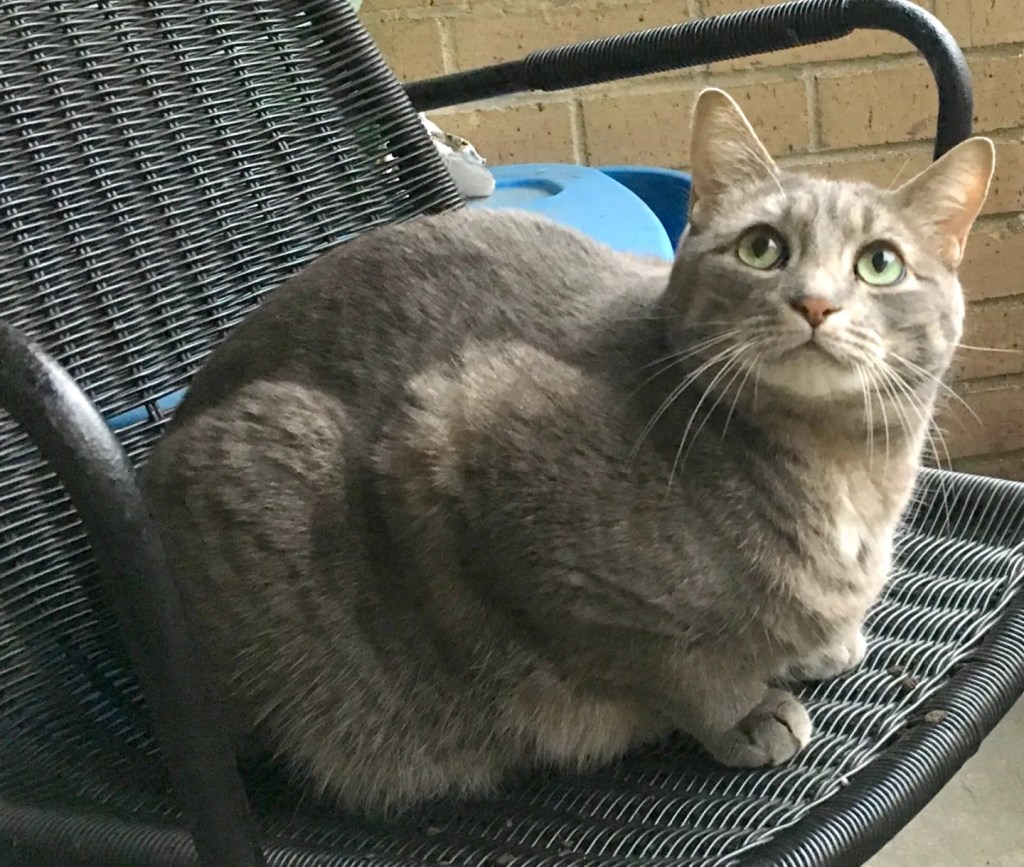
Since hopping off the AI image bandwagon I’ve rediscovered the joys of crappy Photoshops and playing with typesetting. I took the photo yesterday and thought Bud looked pretty regal and majestic.
Here is Buddy transformed to Cosmic Tiger Buddy in all his glory with his name rendered in classic wildstyle, like something you might see on the L in the 90s Bronx…if someone were corny enough to choose Buddy as their tag.
(*) The second typeset is a modified font called Knotted Center, which may not score many points for legibility, but looks pretty cool in the proper context. The third typeset is a font called TrashBrutal.
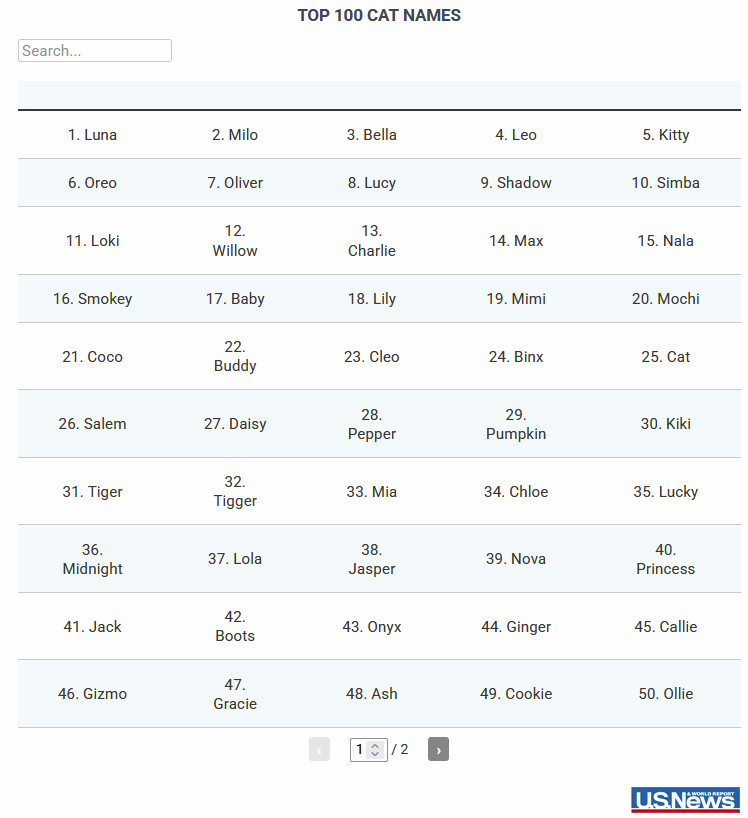
Where does your feline master rank in the newly published list?
Luna and Milo are once again the most popular cat names in the US.
The annual list was published this week by US News and World Report, which tallies the most popular names from more than 3.5 million pet insurance policies.
Luna and Milo have had quite a run, appearing as the top names or within the top five since at least 2020. Lists from Canada and the UK are usually different, with names like Poppy, Jasper, Millie, Alfie, Smudge and Daisy, but Milo and Luna feature prominently in those lists as well, often appearing in the top 10.
Buddy, a name suspiciously absent from some lists, slides in at number 22 in the US News list.
Bella, Oreo, Simba, Cleo, Oliver, Charlie and Nala remain popular names, while Catticus The Destroyer, Buddy’s name for himself, is nowhere to be found.
Is your cat a Six Dinner Sid spending an increasing amount of time with neighbors?
Your neighbors probably aren’t giving your cats flowers or serenading them with Marvin Gaye songs, and hopefully they’re not giving them chocolates, but they may be cat seducers anyway.
The term dates back at least a few years and it describes neighbors who lure pet cats into their homes, ply them with food, even buy them beds and collars, all in an attempt to gain effective “ownership” of the felines in question without having to worry about vet bills or declare to landlords that they have a cat.
Reports of cat seduction are rife with anecdotes about seducers ignoring polite requests from the owners not to feed their cats and even questioning whether the original caretaker is meeting their needs. Some distressed people report their cats are gone for days at a time and rarely return home as the seducers ignore healthy feeding limits and do everything they can to keep the felines in their homes.
Naturally, cat seduction is primarily a problem in the UK. While the culture around feline companions is changing across the Atlantic as people opt for measures like catios and harness training, the majority of British caretakers still believe their little buddies need outdoor time to remain stimulated and happy.
As readers of PITB know, Buddy is an indoor-only cat, and definitely not because he’s frightened of going outside. The problem is, he’s so meowscular, ripped and yuge that neighbors who might spot him crossing a yard at night or padding powerfully down the sidewalk are likely to freak out and call authorities to report a large cat, possibly a jaguar or tiger, is loose in the neighborhood.
So obviously I have to keep him inside not for his safety, but for the safety and sanity of our neighbors. We’re considerate like that here at Casa de Buddy.
A woman named Amy told The Guardian her cat was gone so often, she put a tracker on his collar to find out where he was spending his time. That’s when she realized he was in a neighbor’s house “constantly.” The neighbor, who says she can’t adopt a cat of her own because she travels frequently, was not cooperative when Amy asked her to stop feeding her pal.
“Cats are cats – they have no concept of human boundaries,” Amy told the newspaper. “She’s literally enticing him away.”
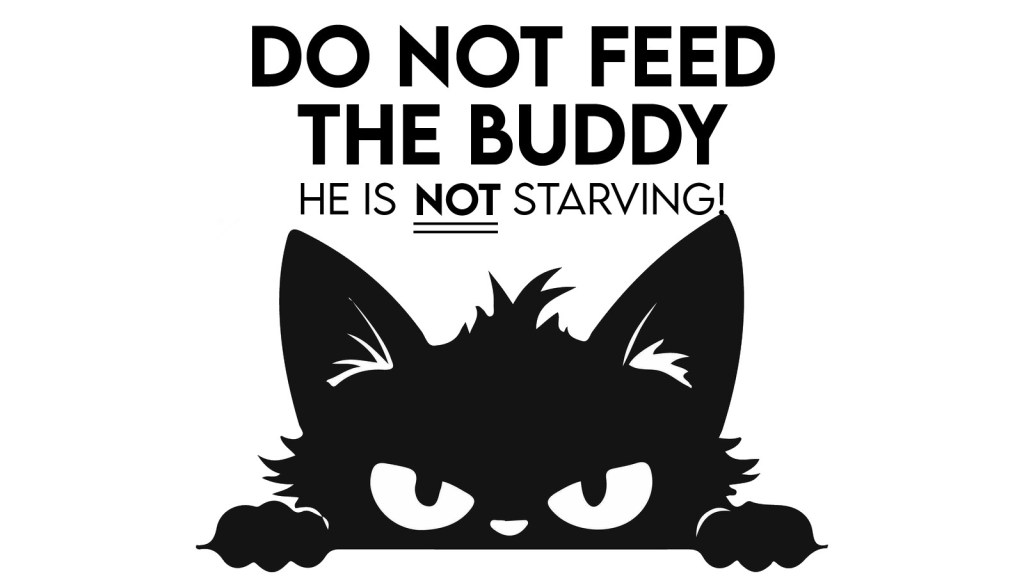
A sign warning admirers not to feed Buddy, who has been known to solicit snacks from the balcony by meowing to passersby.
Alison Ward, who also spoke to The Guardian, said her cat Scooby started coming home “reeking of marijuana” and well-fed “but quite deranged.”
Ward figured out Scooby was being enticed into the home of a group of roommates, all men in their 20s, who had renamed the little guy, purchased food bowls for him and even got him a collar.
“They said they thought he was their cat,” she said.
Online resources dedicated to cat seduction warn of telltale signs. If you’ve restricted your cat’s diet on a veterinarian’s instructions, for example, and the cat is not losing weight or even gaining it, that’s a clear sign the little one is a Six Dinner Sid, bouncing between home and at least one other neighbor’s house. Other signs include constantly “lost” collars, inexplicable grooming, disinterest in the cat’s usual food, and returning home with unfamiliar scents attached to them.
On a subreddit for UK users, several people shared anecdotes about cat seduction.
“My mum’s two cats started disappearing for a day or two here and there. She figured they were shacking up at a neighbours house occasionally which didn’t bother her too much,” a user wrote. “Then one day they both just completely disappeared. Months later she found out who it was that had been sheltering them during those missing periods, and they also happened to have moved away right around the time that the cats disappeared.”
Others worried about their affectionate and sociable cats, and there was a general consensus that social media, particularly posts and memes about the “cat distribution system,” can lead to people believing it’s okay “to take any friendly cat home with them because it ‘chose’ them.”
So ripped!
Of course there’s a simple solution: don’t allow your cat to roam outside unattended.
While some argued that people should keep their cats indoors to keep them safe from dangers like getting hit by cars, as well as to prevent them from killing birds, others rejected the idea. Some even blame US cat lovers for normalizing the practice of keeping cats indoors.
“Oh, you don’t agree with the American way of doing things, well you’re just wrong,” one user wrote. “They’ll rant about the dangers of coyotes etc to cats, while refusing to accept that’s not an issue here. Friends in the US were genuinely shocked when I explained that rabies was eliminated here a long time ago.”
The news site that reported the chief mouser’s death is going with the “we were hacked” excuse.
“If your mom tells you she loves you, verify it with a second source.”
If that sounds absurd, well, it’s meant to be, but it was also a favorite maxim of news editors before the “publish now, verify later, never admit mistakes” style of journalism became the norm.
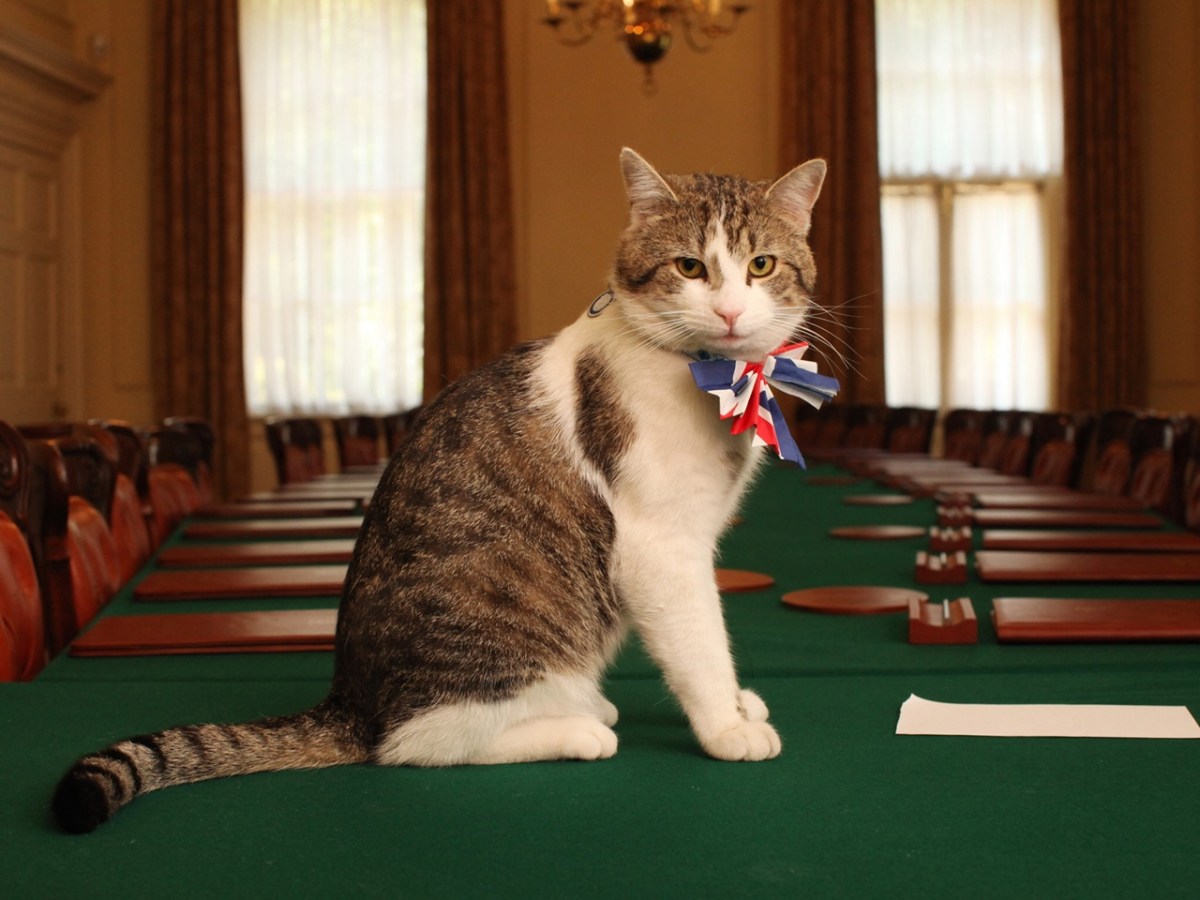
Rushing to publish without verifying is precisely why Politics UK – a news site founded by British populist Nigel Farage – ended up with egg on its face after it reported the death of the beloved 19-year-old mouser at London’s No. 10 Downing St., Larry the Cat.
The site’s editors went with the “we was hacked!” excuse, or a variant of it, claiming their usually reliable source had been compromised by a hacker who wanted to cause mischief.
Even if that’s true, it could have been avoided by simply picking up the phone and calling the prime minister’s office at Downing Street. That’s journalism 101.
Getting a statement from the prime minister’s office would have been part of the reporter’s job here anyway.
While making a big deal over the alleged death of a cat might sound ludicrous to people outside the UK, Larry isn’t just a mouser. He’s become an avatar of stability in a chaotic era that has seen prime ministers swept out of office as quickly as they ascended.
His presence at the UK’s seat of power and his antics are ready-made for the British press, who frequently assemble outside the building while waiting for government announcements. Those reporters and photographers have a front row seat every time Larry chases off an interloper, fights a territorial battle or checks an ego by snubbing a powerful politician.
The press and public are deeply invested in Larry’s adventures, and his natural indifference to political developments is a calming counterweight to the often depressing news.
Meanwhile the real Larry remains blissfully unaware of the momentary distress caused by the false report of his demise, and was recently photographed napping on a windowsill at No. 10.
Larry’s unofficial X account also reassured the British public and admirers worldwide that the UK’s true leader is doing just fine:
We are very glad the iconic feline, who first took over chief mouser duties in 2011 and is now on his seventh prime minister, is alive and healthy.
In a statement, Americat President Buddy said he was relieved to hear from his counterpart across the Atlantic.
“Larry is a Tremendous cat, one of the best cats ever, believe me. They Love him Over There, its incredible,” Buddy wrote. “Now if the Canadian’s don’t send me 50 Ton’s of Turkey by 8 pm tomorrow I’m gonna hit them with Tariff’s the likes of which no one has ever seen! Tariff’s of AT LEAST 700,000%!!! The Governor of the State of Canada needs to Bend the Knee! Thank you for youre attention to this matter!”
Update 1:36 am: Added background on Larry’s time at No. 10.
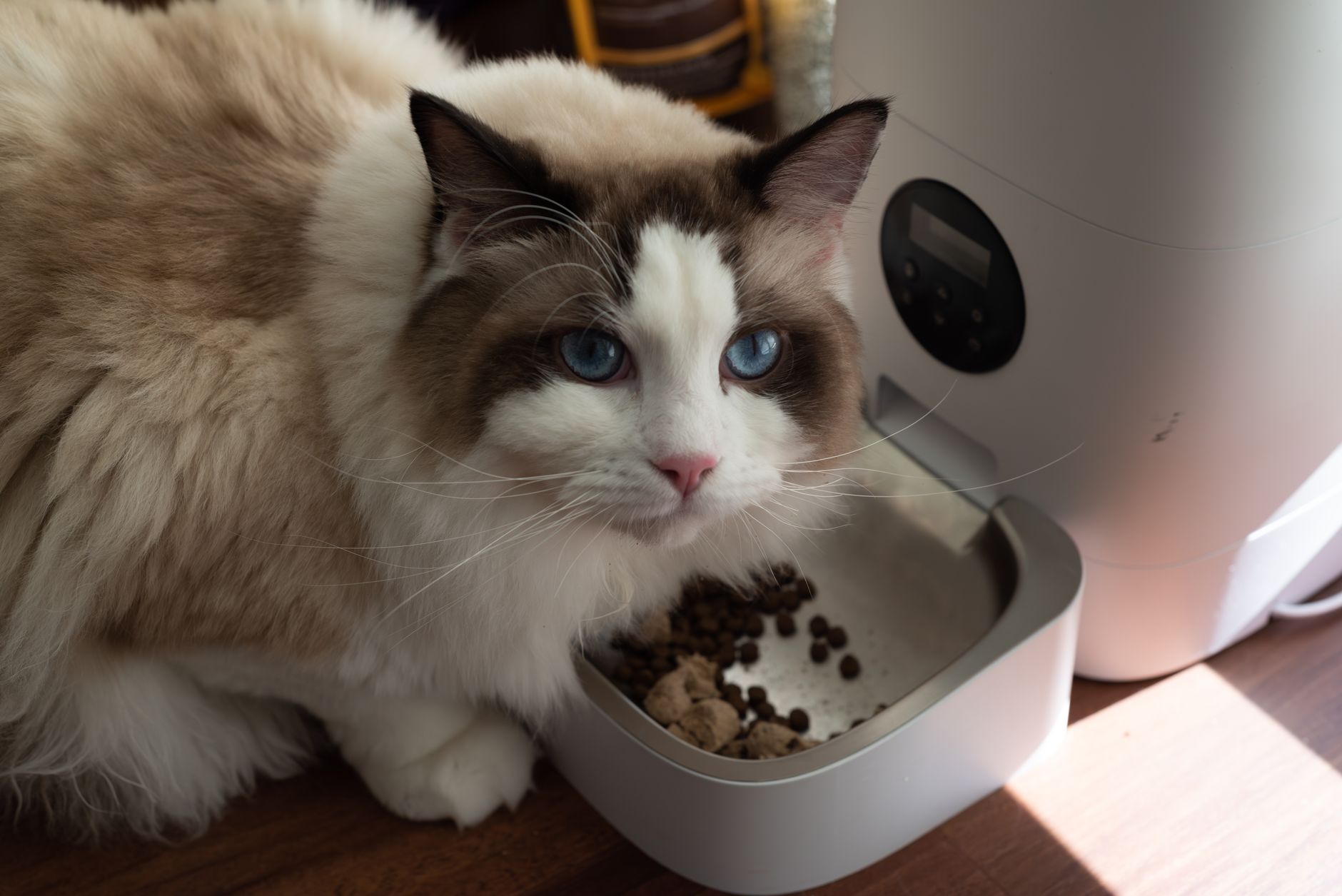
Have you ever asked your cat what she wants to eat?
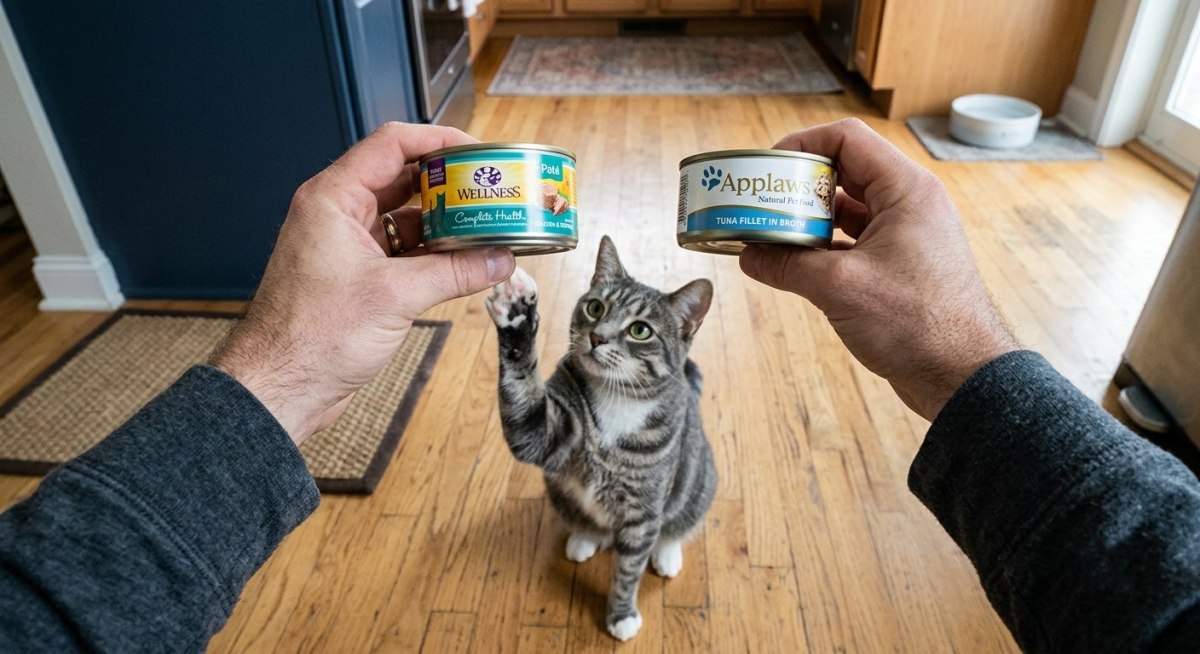
Every once in a while, as Bud happily dances around the kitchen because he knows it’s Yums O’Clock, I’ll look through the available inventory and give him a choice.
“Hey, Bud!” I’ll say, holding a different kind of food in each hand. “Which one do you want?”
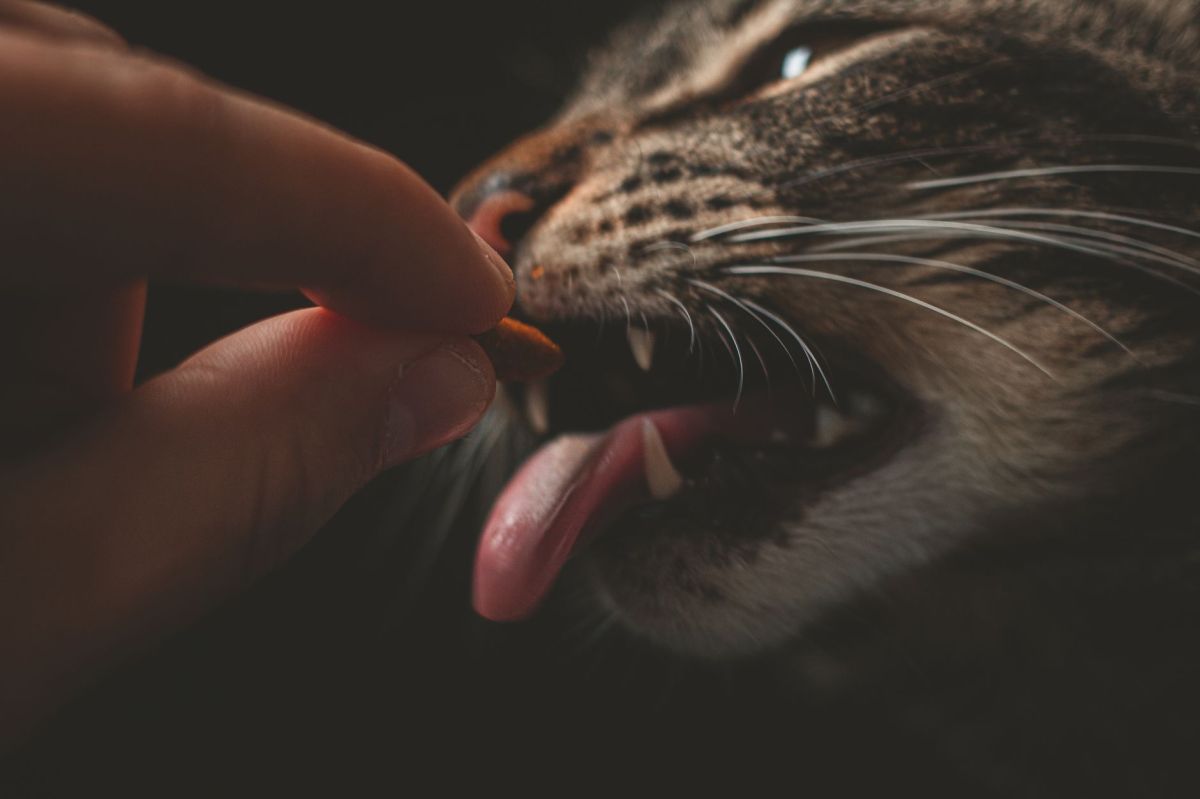
And without fail he’ll mrrrrrp enthusiastically and select his dinner by choosing one can – or more often, a Perfect Portions tub – and rubbing his face against it while trilling.
I’ve addressed the topic of meal variety before on PITB. One great piece of advice I got before adopting the king was to feed him as many different varieties of food as possible. Turkey, his absolute and longtime favorite, chicken, tuna, salmon, beef, duck, trout, pate, chunks, shredded cuts in sauce. Sheba, Iams, Nutro, Blue, Fancy Feast, and occasionally even the Temptations “catnip-flavor” pate, even though that’s probably not great for him.
Credit: David Yu/Pexels
It has many benefits, the most obvious of which is that he enjoys his meals, he looks forward to them, and he reliably eats his wet food. That’s important because cats have a low thirst drive and he needs the hydration. It’s also satisfying as his caretaker to remove his bowl when he’s done and see that he’s licked it clean. It means he’s happy, healthy, has a good appetite, and he won’t be yowling at me for snacks because he’s still hungry.
It also means we won’t be put in a tough spot if, say, one particular brand changes its formula or discontinues a flavor. I’ve heard stories of frustrated people taking weeks to find a food their finicky cats will accept when a particular favorite is no longer available.
Still, I wonder if given the choice, he’d want even more variety. I don’t even know if he’s actively making a choice when I give it to him. Can he smell the food through the sealed packages? Is he really selecting what he wants, or is he just picking one at random?