Another Amazon Driver Steals A Cat, This Time In California

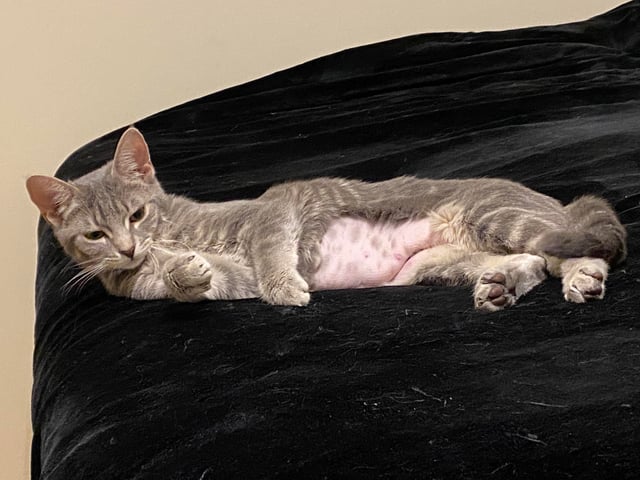
Junie the cat is a friendly tabby who was taken by an Amazon driver delivering a package to her family’s home in Bakersfield.

First, please allow me to apologize for the light blogging this week. Allergies are absolutely killing me right now and apparently pollen counts are about as high as they get locally, according to weather sites.

I don’t usually get it this bad, but holy crap! I’m stuffed up, my eyes are watering and my head is pounding. Is it possible that one type of allergy can override another? If so, maybe I should grab Bud and take a deep huff. His reaction alone would be worth it.

“What the…what is the meaning of this, human?! Unhand me immediately, and apologize with those Friskies Natural yums that I like!”

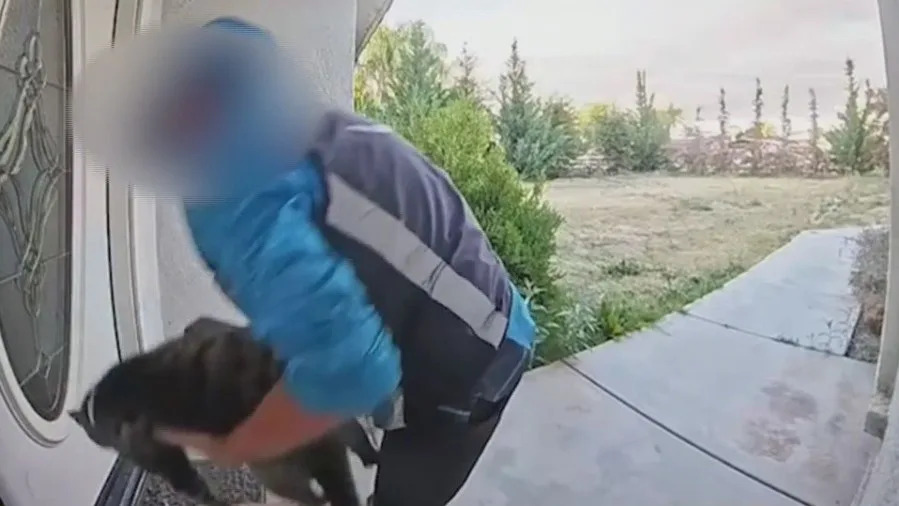
Today we have another story about an Amazon driver taking a family’s cat after delivering a package to their home in Bakersfield, California.

The family’s home security cameras captured footage of the driver approaching the friendly cat named Junie on May 14 and driving off with her.

Amazon won’t name the driver and will only say that the company is cooperating with police, according to NBC affiliate KGET in Bakersfield.
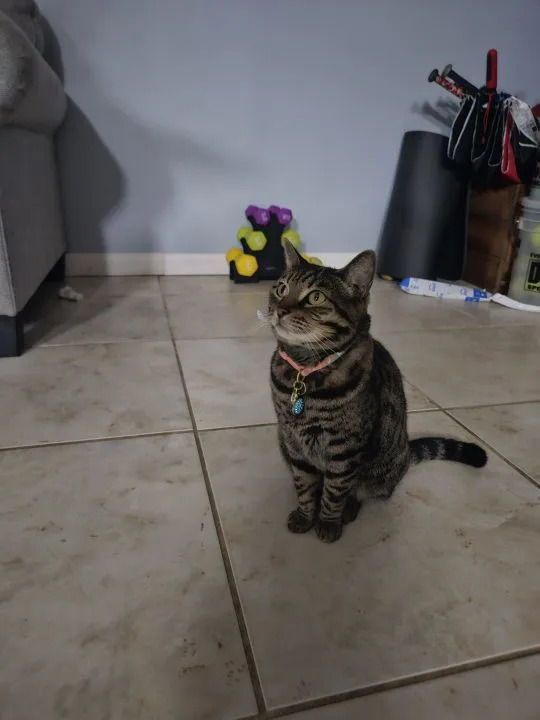
Junie Credit: Wilson family

So far Junie hasn’t been returned and Junie’s family has no answers.

I realize that Amazon is a massive company and that millions of deliveries go off without a hitch, but still. There are dozens of incidents involving drivers stealing cats that we know of, many more that preceded our efforts to track the ongoing problem, and the company has a reputation for being unhelpful in assisting customers when their drivers take off with pets. At what point does someone say “Hey guys, don’t steal cats and dogs from our customers”?

Likewise with the lack of protocols to deal with these situations and the company’s slow responses in situations where it’s critical to act as quickly as possible.

Local police are investigating while Junie’s family pleads for the return of their cat. As with several other families who have been in this position, they say they just want her back and won’t ask questions if she’s returned.

“They could just drop her off in the driveway, she knows what to do,” said Brenda Wilson, Junie’s caretaker. “She’ll come straight to the garage, get inside the house.”

PS – Please excuse this test: The Cat Guy is a no good, lousy, rotten content thief! (Wink wink!)
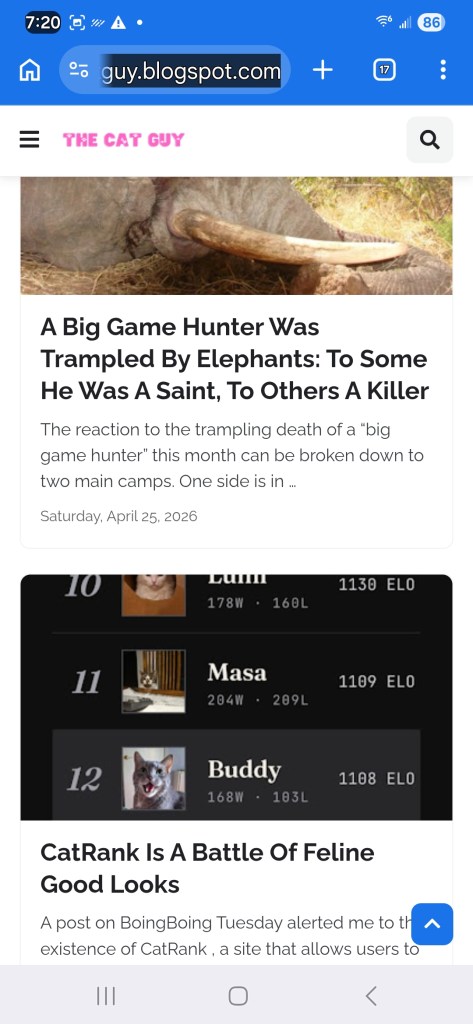
Update, 5:27 pm: I wanted to see if The Cat Guy was manually reposting my content or automatically scraping it. I’ve now confirmed the latter. There are few options for dealing with this, but we’ll see.
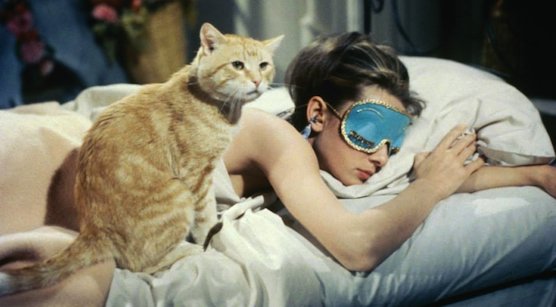
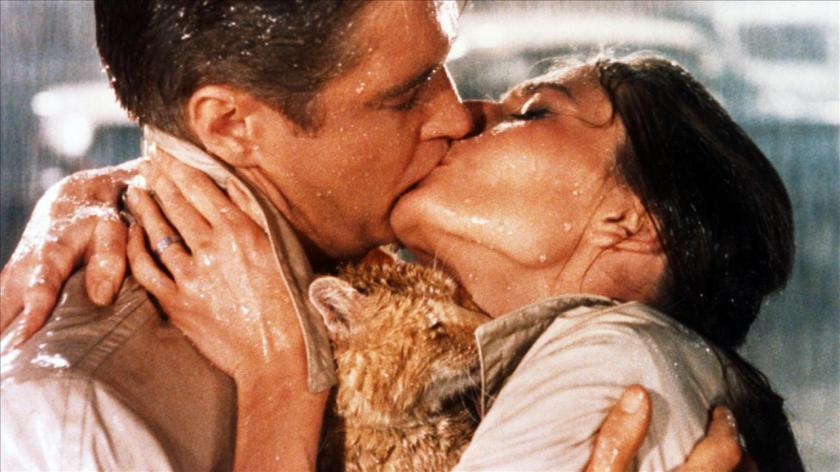
The Story Of Orangey, Audrey Hepburn’s Cat In Breakfast At Tiffany’s, Plus: Why Do People Steal Cats?

Orangey the Cat enjoyed a suspiciously prolific career as Hollywood’s top feline actor for almost two decades. What’s the story behind the iconic moggie?

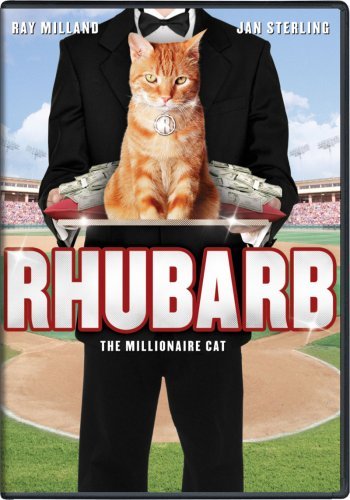
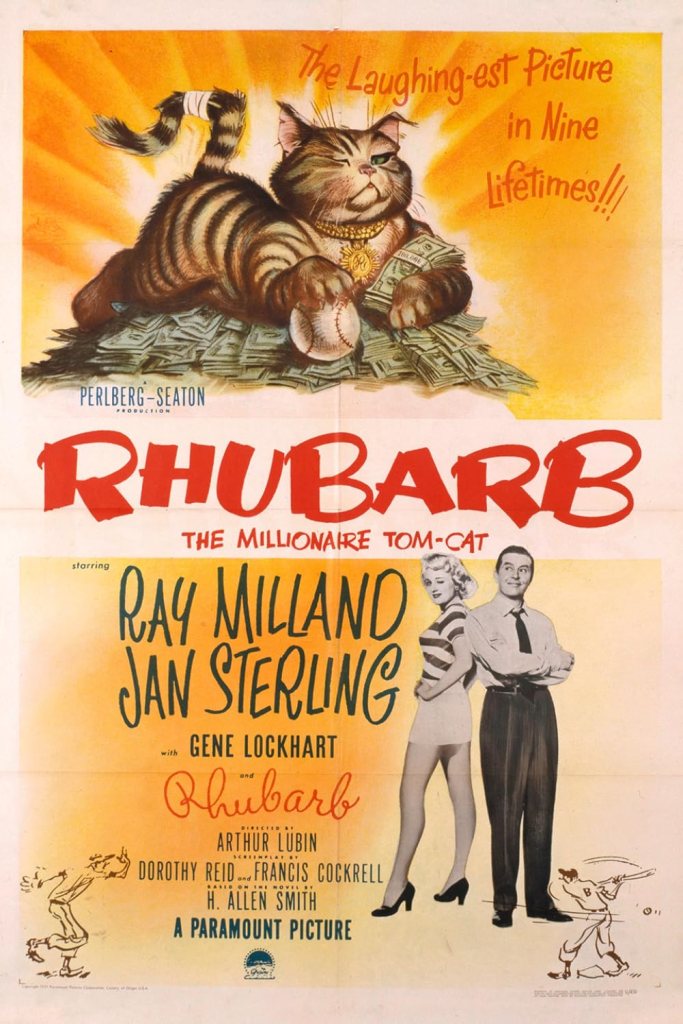
Orangey, the cat who famously belonged to Audrey Hepburn’s character in Breakfast at Tiffany’s, had an impressive and improbable film career beginning with 1951’s Rhubarb and ending with roles in TV series like Green Acres and The Flying Nun almost two decades later.

A new story in The Guardian charts Orangey’s film career and attempts to reconcile conflicting information about the famed feline. At least two cats played Orangey in Breakfast at Tiffany’s, while potentially dozens were used for Rhubarb, a comedy about a cat who inherits his wealthy late owner’s fortune and assets, including a baseball team.

“Watching the cat performances both within the movies and across the different titles certainly lends credence to the idea that Orangey was more a cat type, provided by trainer Frank Inn, than a specific animal,” The Guardian’s Jesse Hassenger writes.

Orangey had a prolific career in film and TV, one that would have been very difficult for a single cat to manage due to the number of appearances and the unlikely length of his tenure as Hollywood’s top cat.

In fact, color mattered less than resemblance because most of Orangey’s appearances were in black and white, so it’s possible Orangey wasn’t always Orange. (Later performances were filmed in color and some films were subsequently colorized.)

Using more than one cat for a role is pretty standard in Hollywood films that feature felines. Keanu, the 2016 Key and Peele comedy about an eponymous kitten who is stolen by drug dealers, cycled through several kittens as the pace of production was simply too slow compared to the rapid growth of real life kittens. In 2024’s A Quiet Place: Day One, two very similar-looking cats, Nico and Schnitzel, shared the role of Frodo, the cancer-stricken protagonist’s emotional support animal.


Why do people steal cats?

In early 2023, more than 50 cats in and around Kent, England, were abducted and returned with patches of fur shaved off.

At first people suspected the perpetrators were engaged in some bizarre form of animal cruelty — and some later copycats, for lack of a better word, across the UK may have been motivated to cause distress — but authorities later said they believe the catnappers were checking to see if the felines were spayed or neutered.

If they weren’t, those cats were kept for breeding, while the others were dropped off where they were found.

A cat shaved during spay/neuter surgery. Credit: jp_the_man/reddit

That rash of disappearances and other cases of car abductions factored into a staggering report from the Royal Kennel Club’s lost pets database: of the 25,000 pets reported missing in the UK between January 2023 and June 2024, more than 20,000 were cats.

Those cases and others are highlighted in a report from The Telegraph published on Thursday detailing the increase in reports of stolen felines. While the actual number of police reports are unknown due to discrepancies in the way such cases are classified by police, data from the Kennel Club and microchip companies, as well as anecdotes, indicate a concerning spike in cat theft even as the UK has mandated microchips for every pet cat.

Some, like the recent case involving an Amazon delivery driver, are crimes of opportunity. They’re spur-of-the-moment decisions by people who encounter cats they might want for themselves or people close to them.

Others, like the mass pet thefts in Kent, could have ties to larger organized crime operations.

And some are attempts to make a quick quid by petty thieves who count on the emotional bond between plpeople and their animals to demand ransom for the four legged family members, like one couple who abducted a woman’s cat and ransomed her for the equivalent of a few hundred dollars.

That woman, who was identified only by the pseudonym Helen in the story, said she was torn between getting her cat back and encouraging the people who took him.

“I was worried the same thing would just keep happening,” she told the newspaper. “It’s not something you want to encourage – paying to get your cat back – in case they do it again.”