Colony Feeders Assaulted In The Latest Example Of Australia’s Freak-Out Over Cats

Vigilantism against stray cats and their caretakers is on the rise in Australia and New Zealand amid increasingly pitched rhetoric from conservationists who say felines are responsible for driving other species to extinction.

Antone Martinho-Truswell wants to get rid of every free-range cat in his native Australia and says “it’s time we outlawed pet cats” as well.

The University of Sydney academic, who styles himself as a zoologist and makes impossible claims about the number of animals supposedly killed by felines every year, doesn’t mince words when presenting his argument, which boils down to a logical fallacy. He says he’s an expert, he says cats must be driven to extinction, ergo it must happen.

“Your cat is a killer and it cannot be permitted to live here,” Martinho-Truswell said.

With rhetoric like that, and special interests groups claiming cats are the primary force behind the pending extinctions of native flora and fauna, it’s not a surprise when people think they should take the problem into their own hands. In Australia and New Zealand we’ve already seen vigilantes who fail at hiding their joy at killing felines, and now volunteers helping cats have to worry about their physical safety.

A colony manager and two other volunteers were feeding strays in western Sydney on April 17 when a man in a gold Nissan stopped and asked them if they were helping the cats.

When they said they were, the man became violent and attacked the colony manager, a 31-year-old woman, and a volunteer who tried to protect her, a 33-year-old man who was knocked unconscious by the suspect, police said. The man drove off before officers arrived.

The victims were treated at a local hospital. Police have a description of the suspect and a license plate number, according to local media in Sydney, but it isn’t clear if they know his identity.

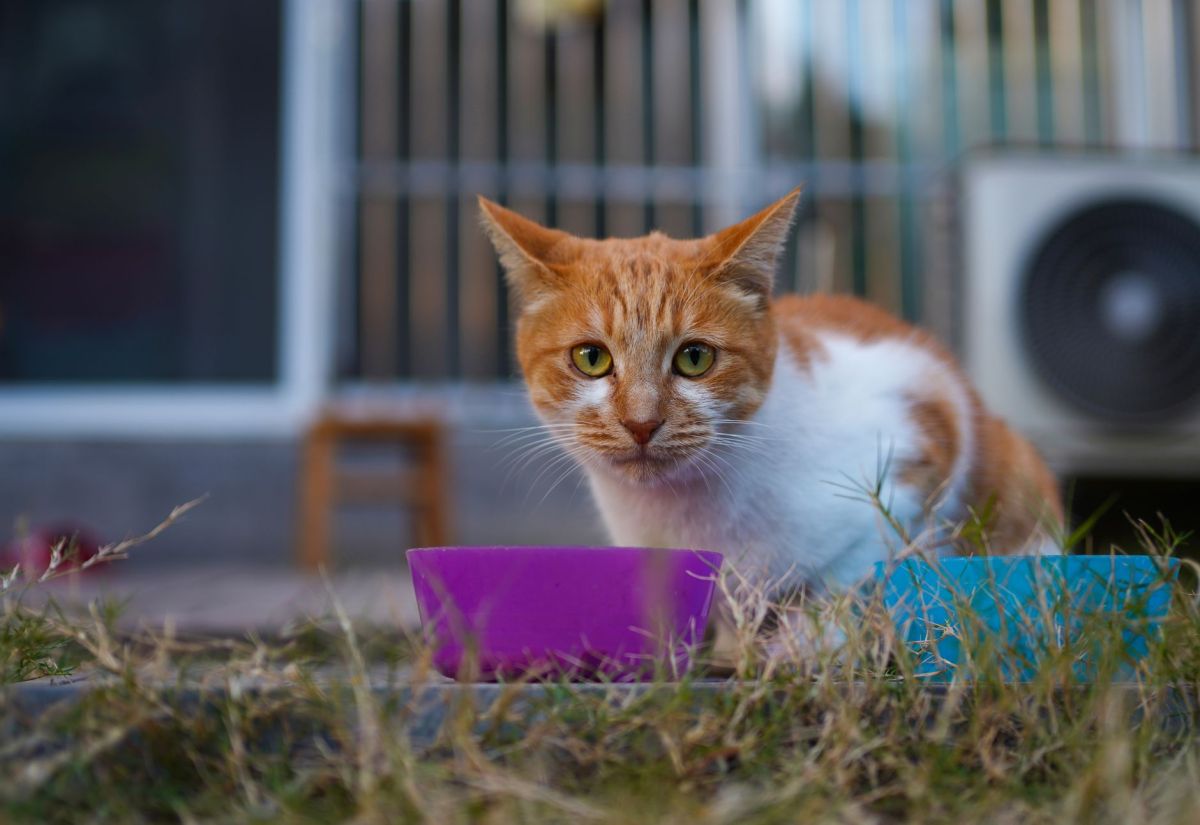
Credit: Cheng Shi Song/Pexels

A spokeswoman for the volunteer group, Community Helping Campbelltown Cats, told Sydney’s 9News that the resources the government makes available are “simply inadequate,” leaving volunteers to do the bulk of the work and fundraising for trap, neuter, return (TNR) and colony management.

“It is left to volunteer rescue groups and members of the community to do what they can to stop the breeding and get cats off the streets when they can,” she said. “These individuals risk their welfare day in day out; it is simply not right.”

As for the conservationists who advocate extreme measures, they need to dial it down a bit with the apocalyptic talk. There are productive ways to handle this problem, and they don’t involve demonizing animals for behaving the way nature intended, whipping people into a frenzy, and calling for the violent extinction of an entire species. Cat owners will need to be onboard for any effort to come up with a meaningful solution, and you won’t secure their cooperation if you’re constantly telling them their companion animals are “murderers” who need to be killed.

Cat Lady Day: Celebrating The Unsung Heroes Who Improve Life For Felines

From TNR to managing colonies and finding homes for friendly strays, cat ladies never stop working to make life better for our furry friends.

Hat tip to Mollie Hunt for making us aware of Cat Lady Day, an unofficial holiday that is part of an effort to reclaim the concept of the “cat lady” through positive association.

That’s a noble goal, and at PITB we’ve long scoffed at the idea that gender makes a difference in appreciating felines.

Cats are paradoxically regal yet derpy, imperious yet loving, and their antics are always amusing. Those are qualities that can appeal to anyone regardless of gender, nationality, age or cultural background.

But I think we should also use a day like this to thank the innumerable cat ladies in every city, town and village across the country who work tirelessly to improve the lives of strays, ferals and shelter cats.

These are the people who walk the walk, who do the hard work of TNR (trap, neuter, return), managing colonies, and protecting cats without homes from animals and mean-spirited humans.

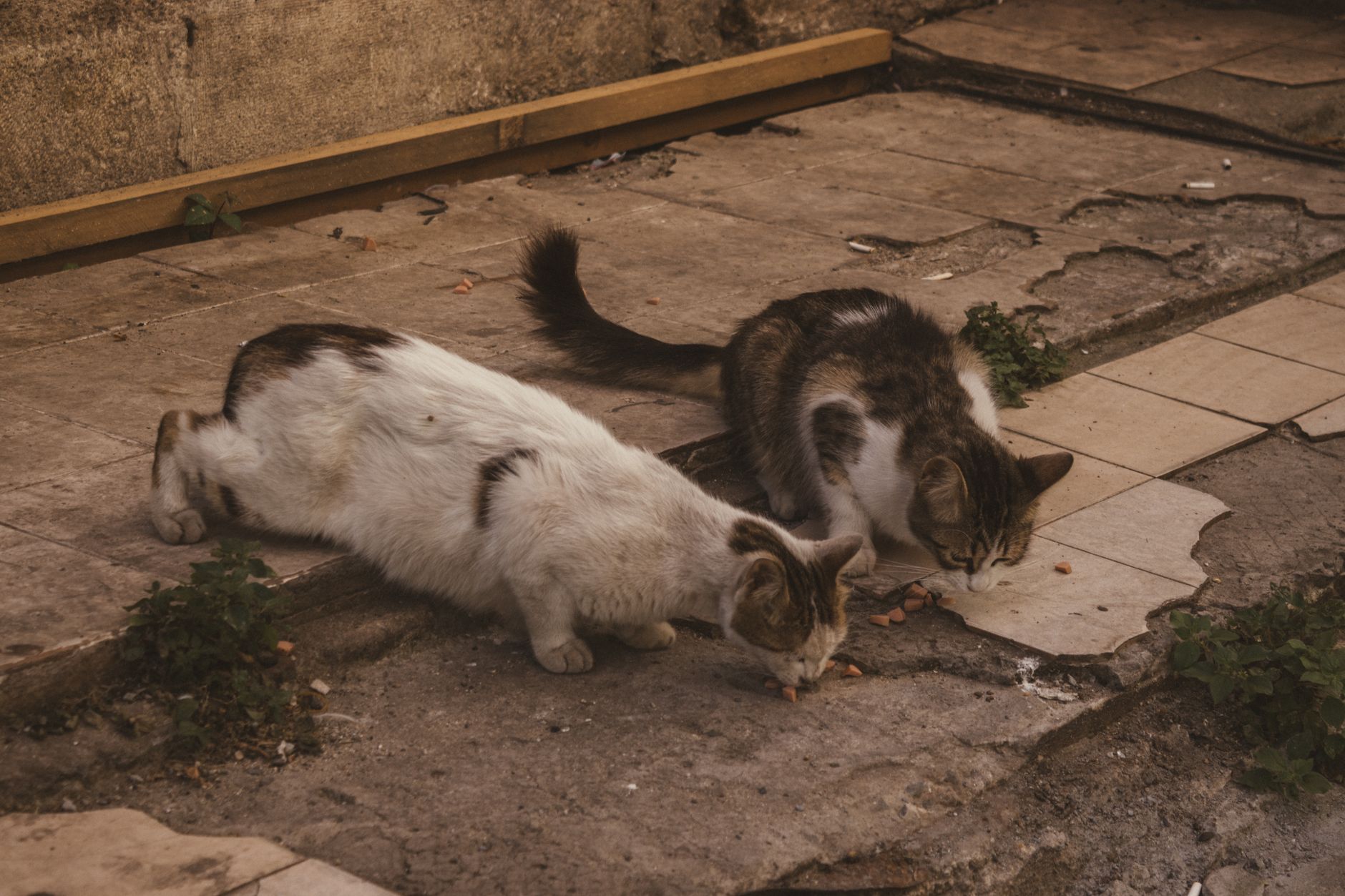
Credit: cottonbro studio/Pexels

Cat ladies find homes for friendly strays, keep colony cats fed, and obtain veterinary care for the sick and injured.

More often than not, they provide help out of their own pockets when donations can’t cover all the costs.

Not only is it thankless work most of the time, but misguided bureaucrats sometimes take it upon themselves to make life more difficult for the cat ladies caring for local strays and ferals.

Yet these women persist because they’re driven by one thing — love for our furry friends.

That’s absolutely worth celebrating.

In Tehran A Woman And Her Cat, Both Terrified, Try To Survive The War

American news networks show us crowds chanting “Death to America!” but the majority of Iranians are just like us.

As our president threatens to erase civilizations, tells the Pope what Christianity is about, and shares AI images of himself as Jesus, it’s important to remember what’s happening in Iran is a real war with real victims, something easy to lose sight of amid all the absurdity.

A first-person account in al Jazeera reminds us of the human and animal suffering caused by war. Even when people aren’t physically impacted, the mental strain of living in a city under attack is considerable, and their poor animals have no idea what’s going on.

One thing you’ll rarely see on American networks is an acknowledgement that the vast majority of Iranians are just like us.

Before the war, they had open access to an uncensored internet. Despite the oppressive theocratic government, it’s easy for Iranians to get TV networks from outside their country. The Iranian regime was never as adept at controlling information as some of its contemporaries.

The people of Iran are overwhelmingly secular, fully aware of what’s happening, and they have long been sick of their government.

The aftermath of a US airstrike on a school in Minab, Iran, that killed 120 young girls and 156 people overall. Credit: Wikimedia Commons

For them it must be a Farenheit 451 moment, watching footage of the bombing while explosions rumble around them. Survival is down to luck. The missile you see streaking toward your city on TV could be the one that hits your apartment building.

To remind us of what’s happening where the bombs are landing, here’s Sana, a 27-year-old woman from Tehran, describing the first night of the war:

Seven or eight more explosions followed. They were bombing near Mehrabad airport, close to us. I genuinely thought I was going to die.

When I finally went back upstairs, my cat was hiding in the wardrobe, trembling. My family and boyfriend had been calling and texting, without response, for hours, watching the news reports about strikes near the airport and imagining the worst.

I recommend reading the rest, if for nothing else than to be reminded that Sana is so normal, so much like us.

Header image of Tehran under attack at night via Wikimedia Commons

‘Biggest Animal Hoarding Case In History’ Is A Reminder To Take A Beat And Wait For Facts

A shelter operator has received death threats amid confusion over the facts after animal welfare authorities raided a Los Angeles County shelter on Friday.

The initial news headlines were apocalyptic — more than 700 dogs and cats were found in deplorable conditions according to authorities, who said the California property where they executed a search warrant represented the most extreme animal hoarding case in history.

A day later the numbers have been revised down to a still-significant 250 dogs and 66 cats, and the owner of Rock N Pawz shelter in Los Angeles County says she and her facility have been smeared, resulting in a flood of death threats directed at her.

The story is a reminder that facts aren’t always established as quickly as we’d like them to be in the age of 24/7 news and social media, and the advent of photorealistic AI can add to confusion and stir public outrage by distorting the reality of fluid situations.

A woman holds a dog found on the Rock N Pawz property. Credit: Los Angeles County Department of Animal Care and Control

What we know for sure is that officers from the Los Angeles County Department of Animal Care and Control executed a search warrant on the property in Lake Hughes, an unincorporated community in the Sierra Pelona Mountains, about an hour’s drive from Los Angeles proper. The investigation was prompted by repeated complaints from neighbors, who said there were overwhelming odors coming from the shelter and claimed there were regular dog fights and incessant loud barking.

A local news station, KTLA, reported authorities on site were wearing respirators with protective gear, and quoted authorities who said they did not believe it was a case of intentional neglect.

“Sometimes people try to do the right thing, and they may bite off more than they can chew,” the Department of Animal Care’s Sgt. Matthew Davoodzadeh told the station. “They end up ultimately not being able to care for the animals in a proper way.”

Authorities have not filed charges related to the case and there have been no allegations of criminal conduct.

Credit: Los Angeles County Department of Animal Care and Control

The influx of animals has strained nearby shelters while veterinarians examine the 316 dogs and cats taken from the property.

In the meantime, shelter owner Christine D’Anda said descriptions of the property and the conditions of the animals aren’t accurate, and took to social media to complain of harassment and death threats directed at her since news of the search warrant hit the web.

The shelter operator asked people to withhold judgment until the facts are established.

On Facebook, users posted images allegedly taken from the property, while others pushed back, alleging the images are either AI creations or were taken from unrelated news stories.

The shelter’s page indicated active rescue and adoption efforts, including fundraisers and an advertised adoption event last weekend.

D’Anda said she will fight the allegations in the legal system.

“There’s nothing that I can do. I’m a very stoic person,” she said. “I’m very sad about the whole situation, and I can’t wait to go to court.”

‘Keeping Us Awake At Night’: As Reward Increases, Charleston Family Hasn’t Given Up On Stolen Cat

A substantial new reward from a local shelter is providing incentive for the return of Willa the cat, who was stolen from her home by an Uber Eats driver in January.

It’s been two months since a delivery driver working for Uber Eats allegedly stole their cat, but a South Carolina family is determined to get their feline family member back.

Four-year-old Willa the cat was a fixture in her neighborhood, known and loved by neighbors and people taking walking tours of the area. The 17-pound Calico, with her magnificent floof and striking coat pattern, could usually be spotted lounging on the front porch of her home, where she liked to watch people going about their business.

Now Pet Helpers, a shelter in Charleston, is helping keep the story in the news and creating greater incentive for people to join the search for Willa by offering a $2,500 reward for her return, in addition to a reward the family is offering.

On Jan. 15, shortly after delivering Greek food to a home on the same street, Katy Barnes of Goose Creek, SC, allegedly scooped Willa up, carried the Calico to her SUV, and drove off.

Willa’s family, the Layfields, did not have an angle on the cat-napping from their home security cameras, but cameras belonging to neighbors and a gym about a mile away show a woman police have identified as Barnes taking Willa, then pulling over and discarding the feline’s collar and AirTag.

Despite her arrest and the footage, Barnes has refused to cooperate with police, claiming she no longer has the Calico. If she did simply release Willa, as she claims, she did it during the coldest season of the year during a deep freeze, when most of the country was seeing single-digit or sub-zero temperatures. That’s a challenge for any cat, especially a feline accustomed to an indoor life.

“I am amazed that people can be so cruel,” Liza Layfield told PITB. “Why? Why would this person take their animal and then put her out to essentially die? Why would Katy take Willa and refuse to give her back or tell us anything about her whereabouts in the face of freezing temperatures and snow? Why would she want to torture a family over a cat that is apparently no longer in her possession? We cannot understand, and it is keeping us awake at night.”

Despite the stress of the situation, the family has continued their relentless efforts to get Willa back.

Charleston police have taken the case seriously, arresting Barnes and charging her with petty larceny. They secured a search warrant for Barnes’ home, which did not turn up any signs of Willa, and they arrested her a second time, charging her with littering for disposing of the collar and AirTag and keeping her in police lockup overnight twice in two weeks.

The message: they’re not letting this go either. Neither are locals, who have rallied to support the Layfields and have started a petition asking authorities to do as much as they can to help find Willa, and calling on Uber to do more to help. Almost 1,700 people have signed the petition, and it continues to accrue signatures.

In the meantime, the Layfields have turned to their community for help. An email account they set up has yielded promising tips, and neighbors have been on the lookout for Willa in Charleston as well as in Goose Creek near Barnes’ home.

“It is very much an active and ongoing investigation,” Liza Layfield told PITB.

“We love our animals as our children, they are a part of our family, and we can’t rest until she is found.”