Cop Named Cat Busts Amazon Driver Named Cat For Stealing Family’s Cat

It’s the first case successfully prosecuted under a new UK law that treats pets as living beings, not the “property” of a person or family.

It started, as these things often do these days, with an Amazon delivery driver who took a shine to a UK family’s pet feline.

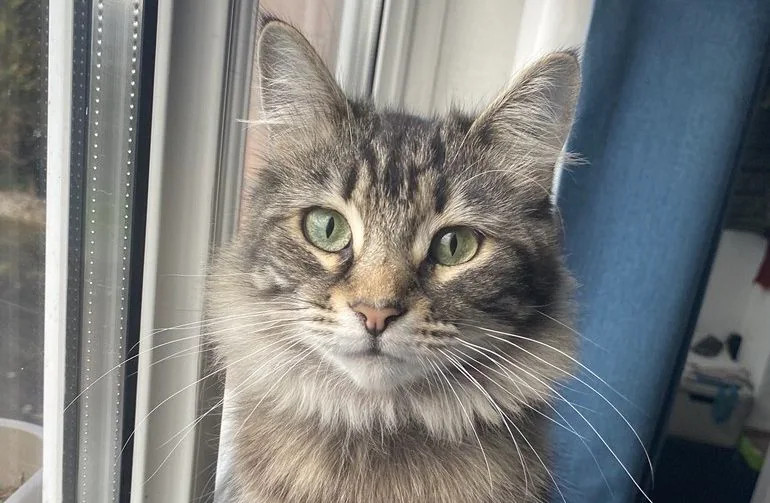
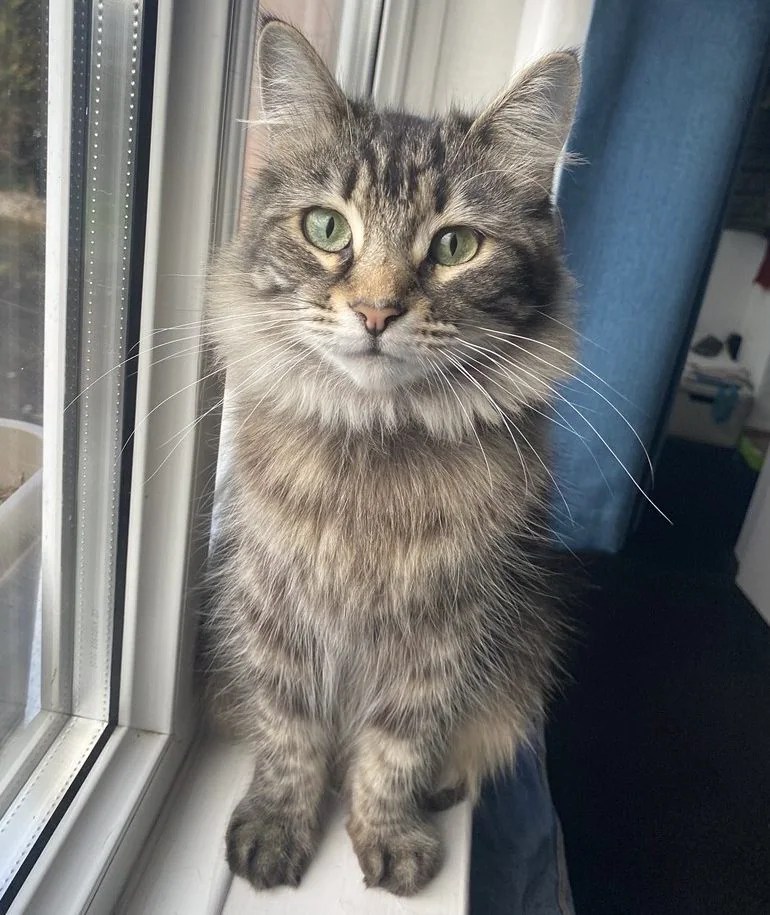
Catalin Stancu, 41, was delivering a package to a home in West Yorkshire this January when he spotted a floofy tabby cat named Nora. When Nora didn’t come back inside that day and was still missing a day later, homeowner Carl Crowthers checked footage from his surveillance cameras and saw Stancu interacting with Nora before picking her up and driving off with her.

We wrote about the theft at the time, noting Amazon hadn’t changed its standard customer service response (“How much would you say your cat was worth?”) to customers traumatized by the company’s drivers stealing their beloved pets.

Crowther also hinted that he’d like to go into more detail, but didn’t want to endanger an ongoing police investigation. Now we know why.

Nora’s family contacted West Yorkshire police, who put Sgt. Cat Ryan in charge of the investigation. Ryan used information from the surveillance videos to track Stancu to his home. Around the same time Stancu, realizing footage of himself was spreading on socials and in traditional media, contacted Crowthers via Facebook to return Nora.

On Thursday, Stancu was sentenced, marking the first time a person has been successfully prosecuted using changes made by the Pet Theft Act.

That law, passed and enacted in 2024, creates a new category for pet thefts recognizing animals are not just property that can be replaced. It gives police new ways to charge people accused of stealing pets and provides judges with more options for sentencing, including up to five years in prison, fines, community service and other sentencing conditions.

It’s also a model for other countries and jurisdictions. Currently, almost every US state law lists pets as property, most under archaic agriculture and markets laws that were meant to settle disputes over farm animals. This is also a subject we’ve covered, noting the numerous advantages of modernizing animal laws so crimes involving pets are treated differently than, say, an argument between two farmers about who owns a particular cow.
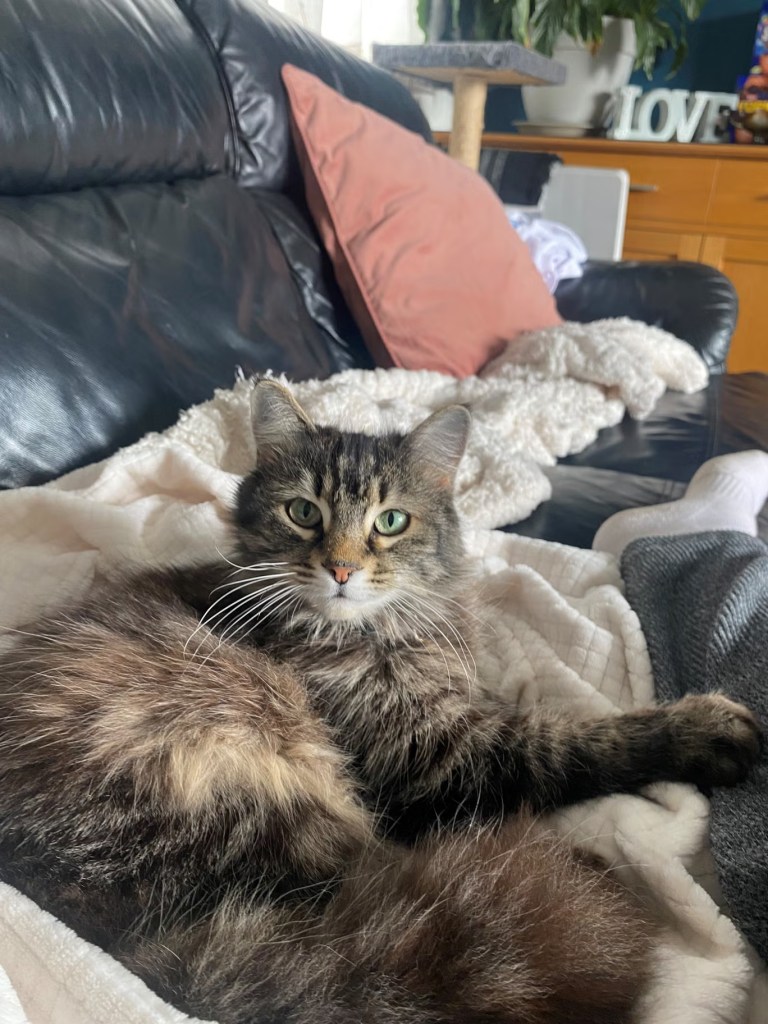
Stancu admitted to driving off with Nora before his sentencing, but said despite the fact that she was wearing a collar, he thought she was a stray.

“I didn’t steal her, I took her,” he told the court.

District Judge Paul Marks gave Stancu an eight week suspended jail sentence and ordered him to pay £500 in compensation, which equals about $670 at current exchange rates. A suspended sentence is the UK equivalent of a conditional discharge in US courts, meaning Stancu must stay out of legal trouble for at least a year to avoid serving jail time.

Marks acknowledged that Stancu made efforts to return Nora once the story hit the press, but said his actions still violated the law.

“Whatever your initial motive was for taking Nora, and whatever concerns you had about Nora’s health, you should not have behaved in the way you did,” Marks told him. “Nora was a much-loved family pet and the family wanted her back… The distress they suffered for three days when they knew nothing of where Nora was, was very upsetting.”

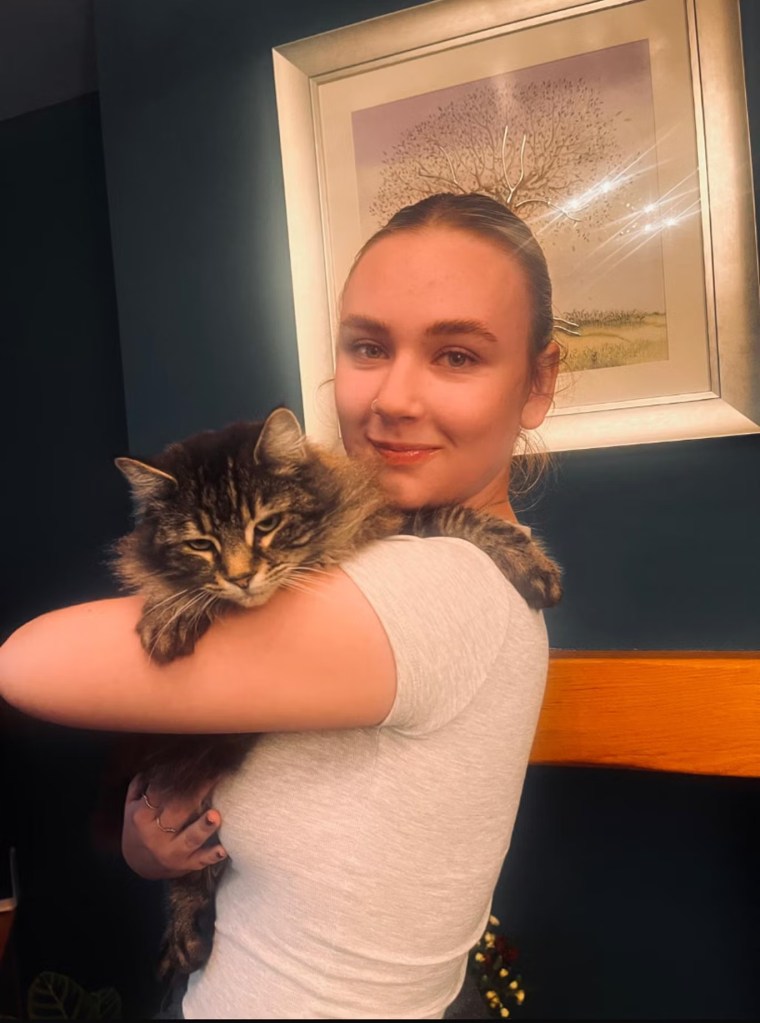
In a statement, the family said they’d spoken to Stancu, accepted his apology, and hope the case helps people realize they’re doing more than removing “property” when they take a cat or dog. Nora, they said, is a member of their family.

“We are incredibly thankful and relieved that she was eventually returned safely to us,” the statement reads. “We hope today’s outcome sends a clear message that animals are not objects to be stolen, and that the pain caused to families by these actions is very real.”

As for Sgt. Cat Ryan, she said she was happy to catch Catalin Stancu and return a family’s beloved cat. The Pet Theft Act, she said, made it possible because such crimes are now taken more seriously under the law.

“One look at how happy the Crowther’s have been happy to have Nora home, and see how settled she is to be back, only confirms how important it was for us to achieve this outcome,” she said.

NOTE, 5/15: Stancu’s sentence included £500 in compensation to the victims and a suspended eight week jail term. Under the plea agreement, Stancu will avoid jail if he stays out of legal trouble for the next year. A previous version of this story did not note the jail sentence was suspended.
Ohio Woman Gets Prison For Cat-Eating Case That Revolted Nation

Allexis Ferrell pleaded guilty to felony animal abuse, but she still hasn’t explained her actions.

A judge struggled to find words for his anger while handing down a sentence to an Ohio woman who ate a cat in front of her home this summer.

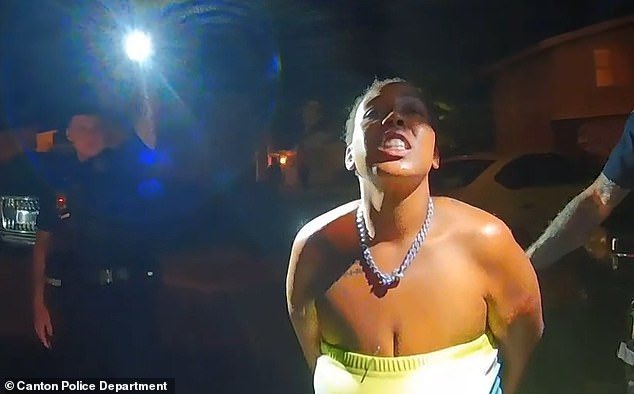
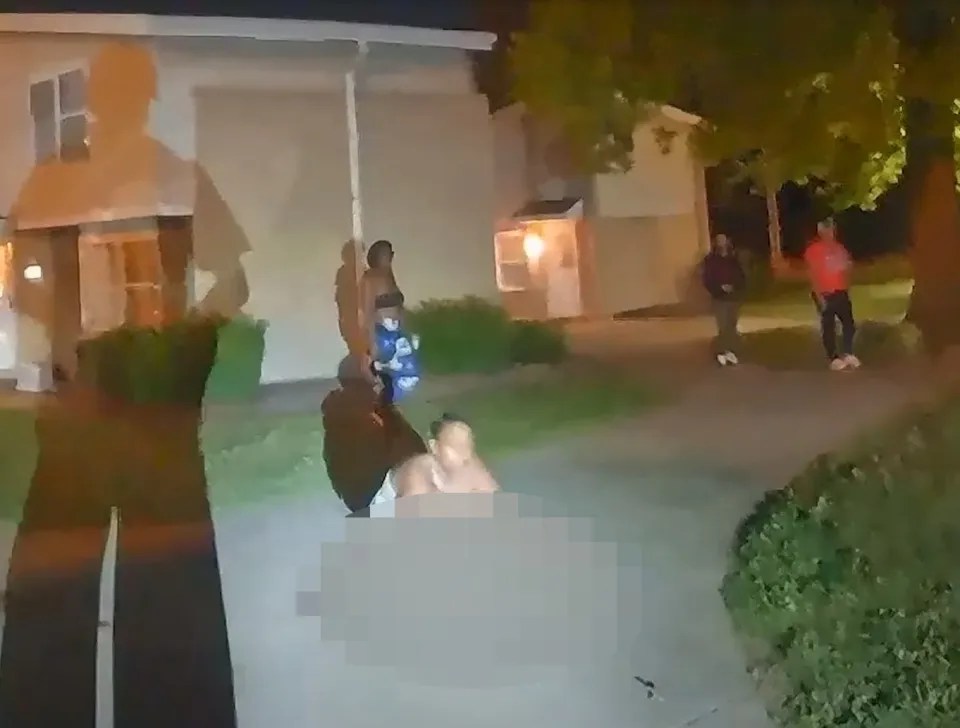
On the night of Aug. 16, 27-year-old Allexis Ferrell grabbed a stray cat and began eating it while it was still alive. Footage from freaked-out neighbors shows Ferrell on all fours in a driveway as she devoured the poor animal.

When horrified police officers arrived and asked Ferrell why she ate a cat, the woman — whose mouth was covered in blood — had no answer.

She still hasn’t explained her actions.

“This is repulsive to me. I mean, that anyone would do this to an animal. And an animal’s like a child. I don’t know if you understand that or not,” said Stark County Judge Frank Forchione. “I can’t express the disappointment, shock, disgust that this crime has brought to me.”

The judge says he considers Ferrell a threat to the community.

Alexis Ferrell
Shocked neighbors called the police when Ferrell attacked the cat.

On Monday, Forchione sentenced Ferrell to a year in prison, which she’ll serve in addition to 18 months’ prison time for two earlier cases involving theft and child endangerment. The one-year sentence is the maximum for felony animal cruelty in Ohio.

The incident made national headlines not only because it was vile, but also because the details weren’t made public until September — after then-candidate Donald Trump claimed immigrants in Springfield, Ohio, were eating pets.

Unscrupulous social media influencers and clickbait “news” sites added to the confusion by initially tagging Ferrell as one of the pet-eating immigrants, despite Canton’s location some 170 miles northeast of Springfield. Ferrell is an American citizen and was born here.

Oddly, although follow-up stories reported Ferrell’s attorneys petitioned the judge for drug and alcohol abuse treatment for their client, there was no mention of Ferrell being under the influence of drugs or alcohol the night she killed the cat.

Here on PITB we’ve flagged stories that illustrate the disturbing normalization of violence toward cats and other animals, but this incident defies categorization. Hopefully Ferrell is given the help she needs and is prevented from ever owning or interacting with animals in the future.

Texas Teacher Grins In Mugshot After STAPLING A Screaming Cat In Front Of Students

Video shows teacher Emily Marie Benner telling her students to hold the screaming cat down as she stapled shut an incision on its abdomen. The students then cheered for Benner, who is not a veterinarian and not licensed to teach veterinary surgery.

Regardless of whether she’s convicted, Emily Marie Benner’s career as an educator needs to end.

Benner is an agriculture teacher at Westwood High School in Palestine, Texas, about 110 miles southeast of Dallas. The 25-year-old was arrested and charged with animal cruelty over the weekend after giving students in her animal science class an unimaginably cruel “lesson” in crude unlicensed veterinary “surgery” on a living cat, local media reported.

On Aug. 23, Benner had her students hold the cat down while she stapled an incision on its abdomen shut. The procedure was performed without anesthesia and footage shows the cat was terrified and screaming. Benner is not a veterinarian, nor is she qualified to teach anything related to veterinary medicine.

After Benner administered the staple, her students began cheering, the video shows.

Texas teacher charged with animal cruelty
Local media showed a still image but said the video was too disturbing to air. Credit: CBS KYTX

It’s not clear where Benner obtained the cat or whether she made the incision to begin with. KYTX, a CBS affiliate in Texas, said it had “obtained a copy” of a video showing the incident, but declined to air it.

“The video is graphic in nature and we are choosing not to share it online or broadcast it on television,” KYTX’s Zak Wellerman wrote.

The cat is now under the care of a licensed veterinarian and is recovering, according to local media reports.

Brenner animal cruelty case
Benner. Credit: Anderson County Jail

Benner did not appear to be remorseful. In a mugshot taken after her arrest, she beams as she wears a t-shirt that reads “Teach Ag.”

Benner was charged with a single count of animal cruelty to a non-livestock animal, a felony under Texas penal law. She posted $7,500 bail, according to KLTV.

In a letter to parents, Westwood Superintendent Wade Stanford said Benner’s actions amounted to animal cruelty, and said he wanted “to make it absolutely clear that our district takes such matters extremely seriously.”

“This behavior is not in line with the values and standards we uphold within our district,” Stanford wrote, “and we are committed to taking immediate and decisive action to address this issue.”

It’s not clear if Benner has retained an attorney, and a preliminary hearing for her case has not yet been scheduled. She faces a maximum sentence of two years in state prison and a $10,000 fine if convicted.

‘We Never Broke Any Laws’: In Disbelief Over Their Conviction, Alabama Cat Ladies Vow To Appeal

After a judge barred them from caring for a cat colony, Mary Alston and Beverly Roberts say they’re worried about the strays, who have been left to fend for themselves as winter sets in.

They’d been treated like hardened criminals and insulted by the same police officers who were supposed to protect them, but Beverly Roberts and Mary Alston didn’t think they’d be convicted.

Not for taking care of cats.

“I felt it was very unlikely that we would be found guilty,” Alston told PITB, “with all of the evidence that we had on our side with the body camera footage, and we never broke any laws.”

Roberts and Alston were arrested on June 25, when a trio of police cars pulled up and officers from the Wetumpka, Alabama, police department confronted them. Police body camera footage shows the women, who had been caring for a colony of stray cats, were surprised by the tone and impatience of the officers.

What they didn’t know was that Wetumpka Mayor Jerry Willis was the one who’d in effect dispatched the officers to the small wooded lot owned by Elmore County, grounds that are open to the public. They didn’t know that the officers — who warned the confrontation was “going to get ugly,” told the women they’re “too old to be acting this way” and later joked that they were “a bunch of cops beatin’ up on some old ladies” — were told by the assistant chief of police to arrest them after Willis spotted Alston’s parked car and called the assistant chief directly.

On Tuesday, despite the fact that Willis’ role was revealed during a trial, and despite the fact that Wetumpka has no laws against managing cat colonies or conducting “trap, neuter, return” activities, Alston and Roberts were convicted of a pair of misdemeanors each. Lacking laws to charge them directly, the authorities instead accused the women of trespassing on public land and being uncooperative with the officers.

“That’s what I kept going back to – that feeding and trapping cats is not illegal,” Roberts told PITB. “I was not in the location I was [accused of trespassing], and I was sitting in my car talking to my friend. I was not feeding cats.”

During the trial, Willis and the police argued that they’d already told Alston and Roberts to stop interacting with the cats, and said the pair chose to ignore earlier warnings to stay away from the stray colony. They reiterated their view that the colony is a nuisance.

Roberts said she’s had her disagreements with Willis in the past about the way the town handles animal-related issues, but says Wetumpka’s animal control officer gave her and Alston his blessing to manage the cat colony at their own expense. The animal control officer confirmed that during the Tuesday trial. Public-private partnerships to care for stray cats are common in towns and cities across the US, with many elected leaders welcoming the opportunity to work with local rescues and volunteers.

Roberts and Alston say they plan to appeal their conviction, hoping a county judge will see the charges as “politically motivated” accusations. They pointed out that Wetumpka municipal Judge Jeff Courtney is employed directly by the town, not elected to the post by voters, and they believe they’re more likely to get a fair shake when the people deciding their fate aren’t serving at the pleasure of the people making the accusations.

In the meantime, the cat colony remains in Wetumpka, and the cats haven’t been cared for since late June.

“We are very worried about them,” Roberts told PITB. “A few animal lovers have said they would help, but we are not sure this will happen. I’m not sure there is enough food available to hunt. The weather is getting colder, and they need protein.”

Since the terms of the sentencing include two years’ probation, Alston and Roberts are prohibited from caring for the strays. Alston noted the irony of local authorities claiming TNR was exacerbating a “nuisance” while, in the absence of care and neutering, the free felines “are left to go hungry and continue to multiply and branch out searching for food.”

Roberts says she still finds it hard to believe Wetumpka officials refused to compromise or find a way to establish cooperative care for a community problem.

“I thought that they surely had more pressing issues to attend to,” she said. “I really thought the judge would dismiss it and tell the city to work it out.”

Top image credit Wikimedia Commons