Veterinarians removed a cyst that was causing the legendary mouser some discomfort, but it did not appear related to any larger health issue.
Not even surgery can slow him down.
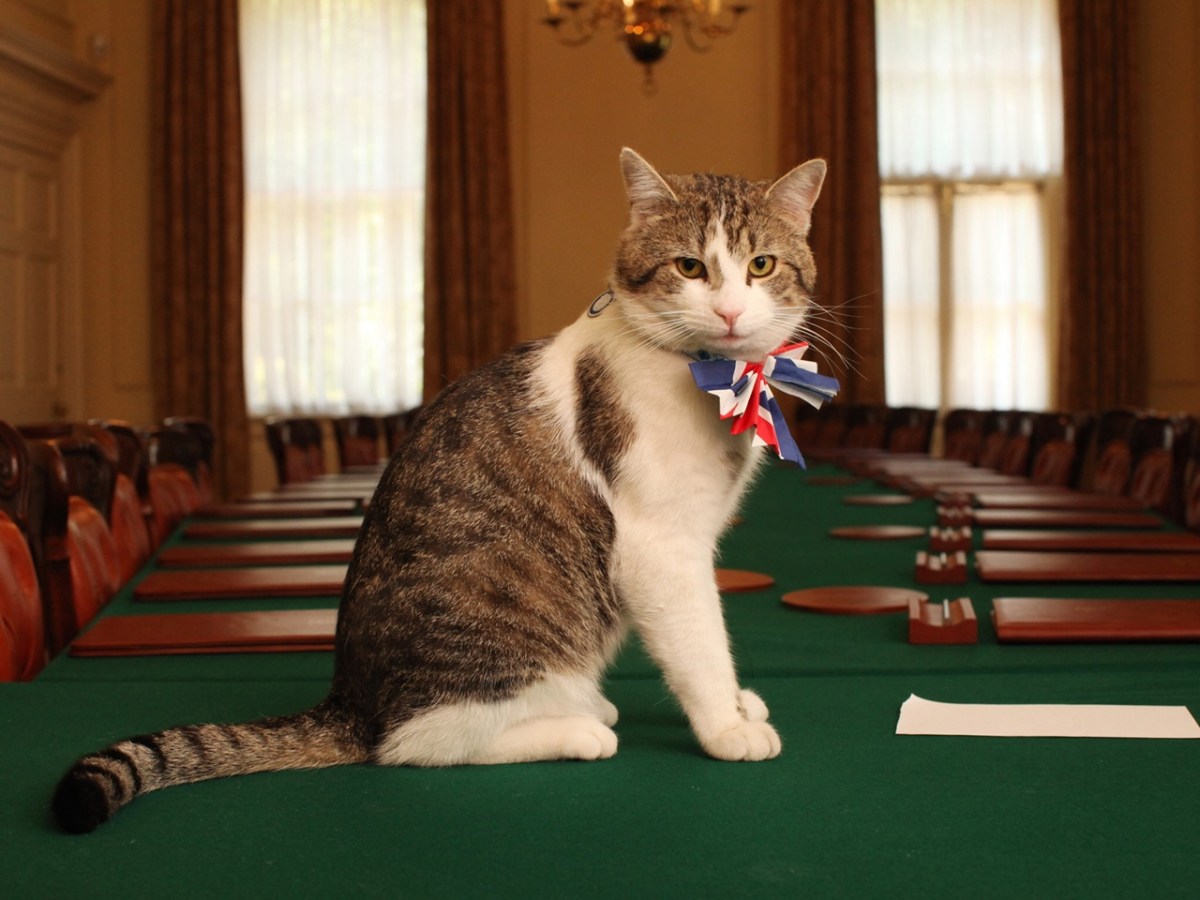
Larry the Cat, the long-serving chief mouser at No. 10 Downing St. in London, underwent an operation on Oct. 8 and was back in the UK’s seat of power the following day.
Veterinarians removed a cyst from the beloved feline, who has held his post for 15 years and is currently on his seventh prime minister. Citing “a Downing Street source,” The Telegraph reported Larry didn’t miss a beat.
“He is feline much better but taking things one paw at a time,” the source told The Telegraph’s Sapphire Hope. “We are grateful to the vets for their outstanding care.”
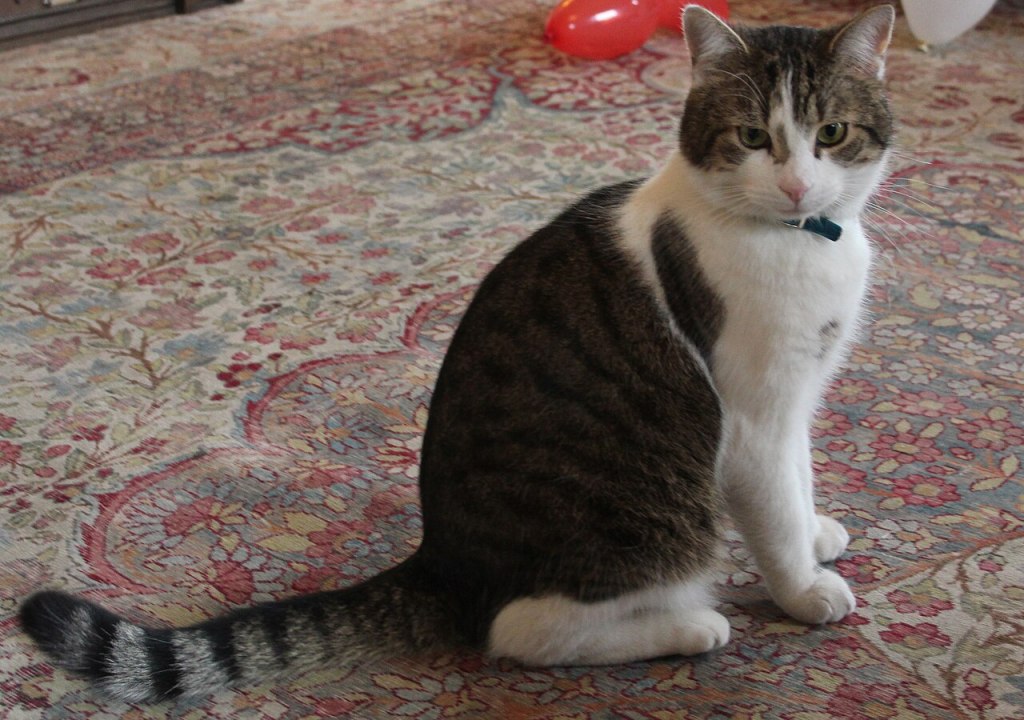
Larry overseeing government operations in the prime minister’s office. Credit: Wikimedia Commons
Cysts are pockets of tissue that are mostly benign but can cause pain and discomfort. There’s nothing to indicate the cyst removed from Larry was associated with any larger health problem, and he reportedly didn’t skip a beat when returned to his rightful place in the UK’s equivalent of the White House, returning immediately to his usual rounds, napping and treats.
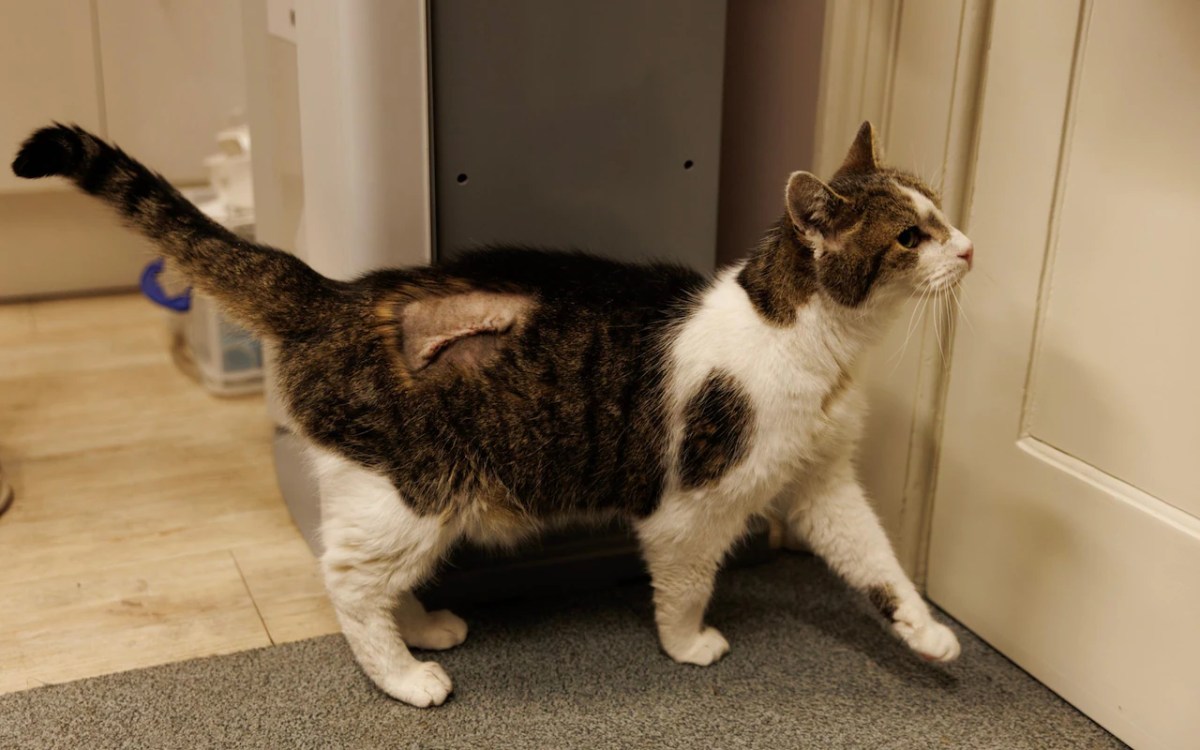
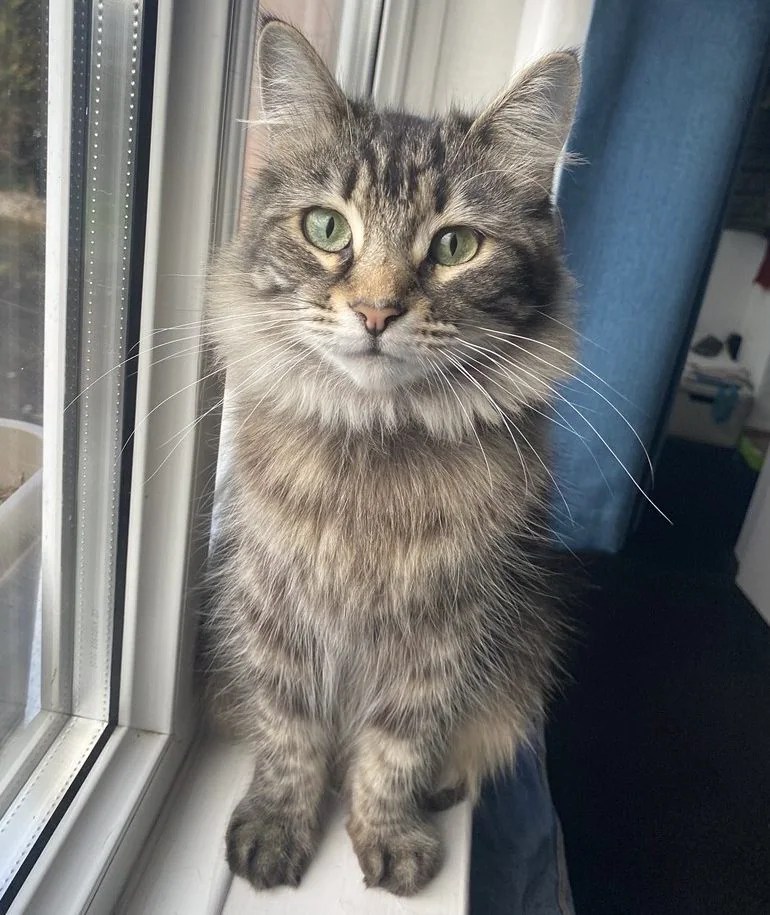
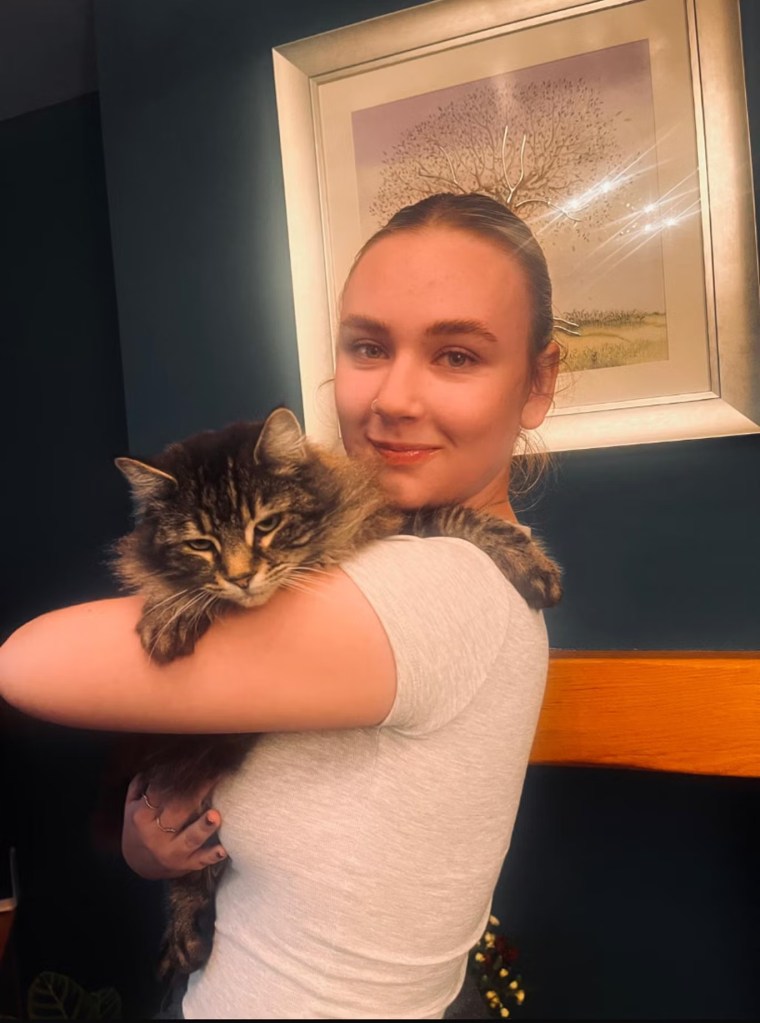
A photo provided by No. 10 Downing St.’s Ben Perry (top image) shows a patch of shaved fur and Larry’s new scar. Perhaps it will make him more popular with the female mousers in nearby government offices.
At 19 years old, Larry has outlasted a record number of prime ministers since he was appointed to his position in 2011 during David Cameron’s tenure, but The Telegraph notes he’s not yet the longest-serving mouser. Peter III, a void kitty, served 17 years until his death on March 9, 1964. Peter oversaw the activities of five ministers prime, including Winston Churchill and Clement Attlee, and enjoyed a similar level of popularity with the adoring public and overseas admirers.
Viral videos show figures dressed as the Dr. Seuss character terrorizing unsuspecting people in mostly quiet suburban settings.
There’s a new freak-out among the terminally online, mostly relegated to Gen Z and people who spend significant amounts of time on TikTok – they think a Dr. Seuss character made flesh is popping up in the suburbs of the UK and Ireland to stalk and scare the pants off people.
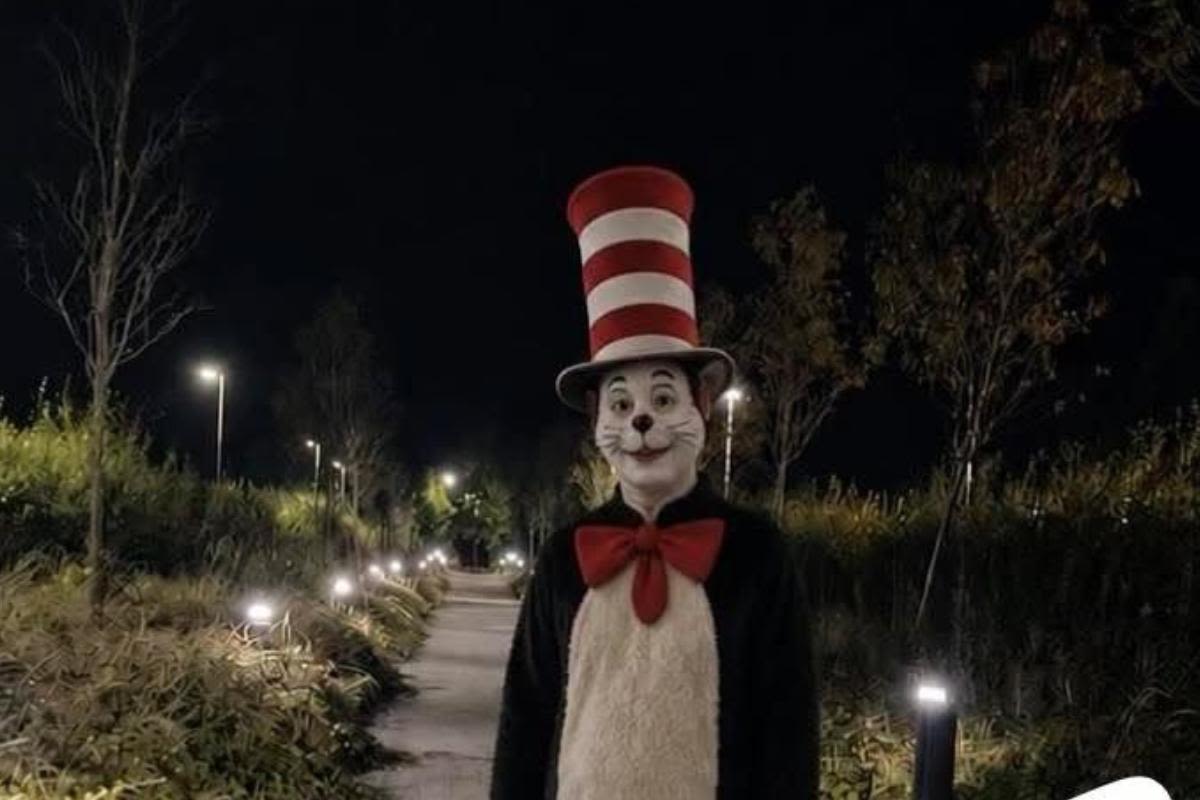
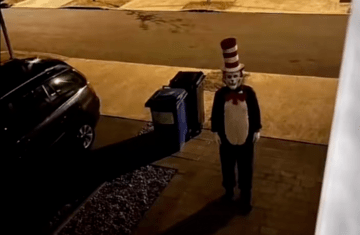
Videos featuring the iconic children’s story character have gone viral on the platform in the last week or two, each of them showing similar scenes: it’s night, usually in some safe-looking suburb, and a person wearing a full size Cat In The Hat costume pops out of the bushes or from behind a car to terrify unsuspecting passersby.
Others show the costumed creeps simply standing in driveways or in the middle of the street and silently observing people in their homes.
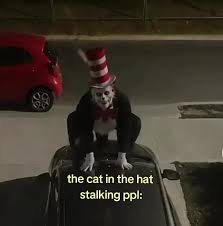
The alleged perps favor a more sinister look than the traditionally friendly-looking creation of Theodor “Dr. Seuss” Geisel in 1957. These cats in hats wear a disturbing grin or a sneer, and some videos depict the costumed weirdos leaping onto cars with feline athleticism or stalking the people they encounter.
While the footage looks real enough that it initially fooled UK media as well as kids, police in several jurisdictions have looked into the reports and concluded the videos are AI generated, likely with Chinese-made tools like Wan and Skywork.
OpenAI, one of the leading AI companies in the US, shut down its Sora AI video generator earlier this year amid widespread criticism and abuse of the tool.
While Sora had guardrails preventing users from generating certain kinds of content or violating intellectual property (you could not, for example, generate a video of a laughing Mickey Mouse gunning down a crowd of people with an Uzi), many of the Chinese-made video generation tools do not place restrictions on videos.
Some western companies have tried to compete in that space, including TripleTaco, which runs quite possibly the creepiest ads touting “AI that never says ‘no.'”
In any case, the panic over the Cat In The Hat mirrors a similar freak-out in India earlier this year when social media was flooded with realistic videos showing tigers and leopards mauling people having their morning tea outdoors or snatching them from moving trains.
The Cat In The Hat videos haven’t really caught on in the US, possibly because it stretches credulity to believe trigger-happy ‘Mericans wouldn’t just shoot weirdos stalking through our neighborhoods.
Regardless, it’s a good reminder to take everything with a grain of salt, especially anything you see on social media.
The news site that reported the chief mouser’s death is going with the “we were hacked” excuse.
“If your mom tells you she loves you, verify it with a second source.”
If that sounds absurd, well, it’s meant to be, but it was also a favorite maxim of news editors before the “publish now, verify later, never admit mistakes” style of journalism became the norm.
Rushing to publish without verifying is precisely why Politics UK – a news site founded by British populist Nigel Farage – ended up with egg on its face after it reported the death of the beloved 19-year-old mouser at London’s No. 10 Downing St., Larry the Cat.
The site’s editors went with the “we was hacked!” excuse, or a variant of it, claiming their usually reliable source had been compromised by a hacker who wanted to cause mischief.
Even if that’s true, it could have been avoided by simply picking up the phone and calling the prime minister’s office at Downing Street. That’s journalism 101.
Getting a statement from the prime minister’s office would have been part of the reporter’s job here anyway.
While making a big deal over the alleged death of a cat might sound ludicrous to people outside the UK, Larry isn’t just a mouser. He’s become an avatar of stability in a chaotic era that has seen prime ministers swept out of office as quickly as they ascended.
His presence at the UK’s seat of power and his antics are ready-made for the British press, who frequently assemble outside the building while waiting for government announcements. Those reporters and photographers have a front row seat every time Larry chases off an interloper, fights a territorial battle or checks an ego by snubbing a powerful politician.
The press and public are deeply invested in Larry’s adventures, and his natural indifference to political developments is a calming counterweight to the often depressing news.
Meanwhile the real Larry remains blissfully unaware of the momentary distress caused by the false report of his demise, and was recently photographed napping on a windowsill at No. 10.
Larry’s unofficial X account also reassured the British public and admirers worldwide that the UK’s true leader is doing just fine:
We are very glad the iconic feline, who first took over chief mouser duties in 2011 and is now on his seventh prime minister, is alive and healthy.
In a statement, Americat President Buddy said he was relieved to hear from his counterpart across the Atlantic.
“Larry is a Tremendous cat, one of the best cats ever, believe me. They Love him Over There, its incredible,” Buddy wrote. “Now if the Canadian’s don’t send me 50 Ton’s of Turkey by 8 pm tomorrow I’m gonna hit them with Tariff’s the likes of which no one has ever seen! Tariff’s of AT LEAST 700,000%!!! The Governor of the State of Canada needs to Bend the Knee! Thank you for youre attention to this matter!”
Update 1:36 am: Added background on Larry’s time at No. 10.
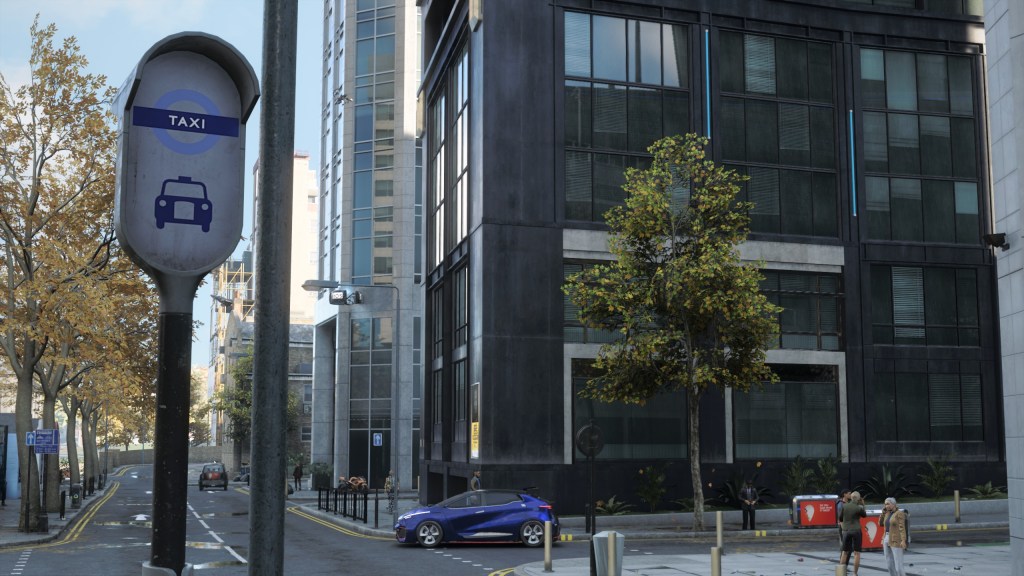
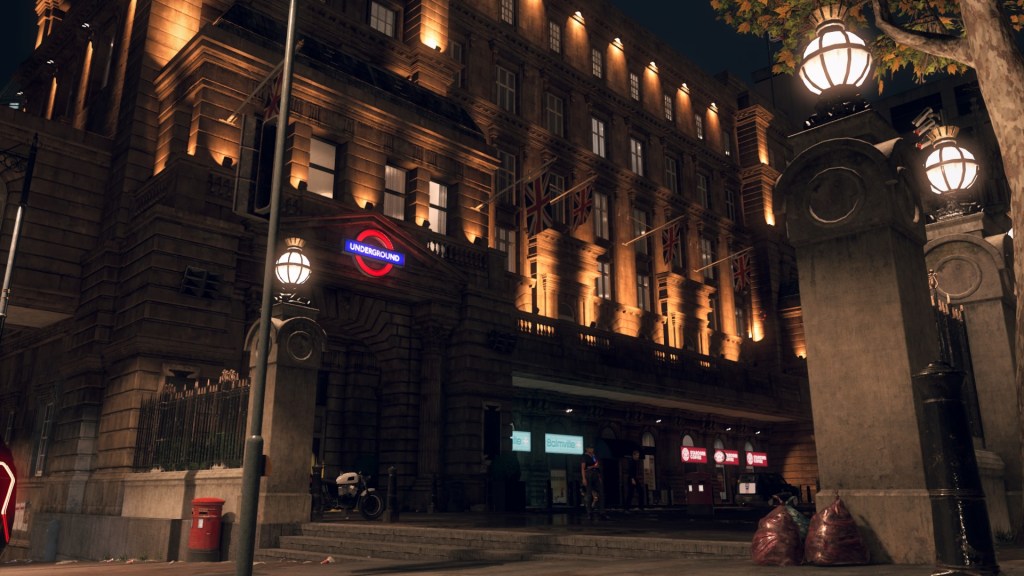
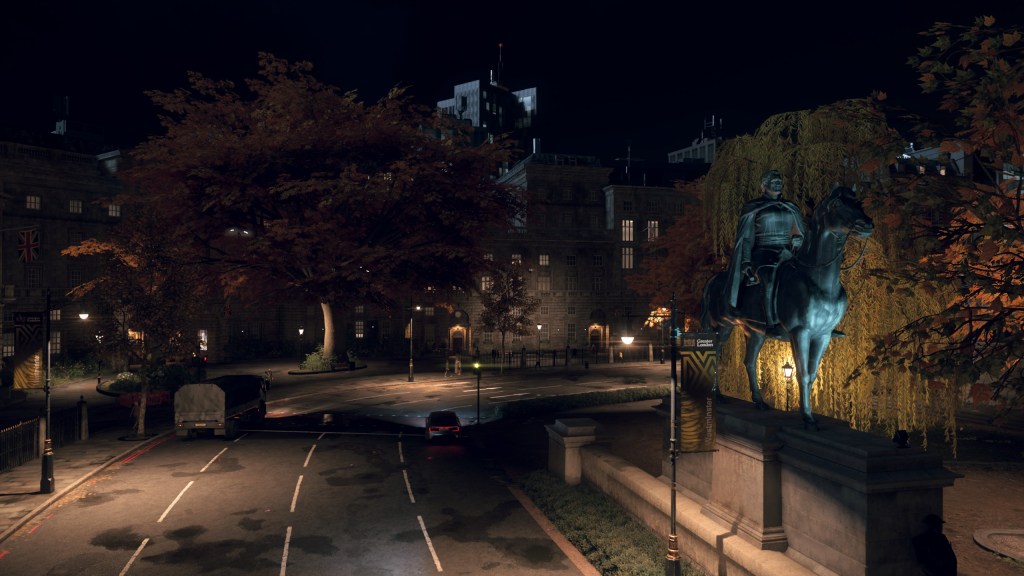
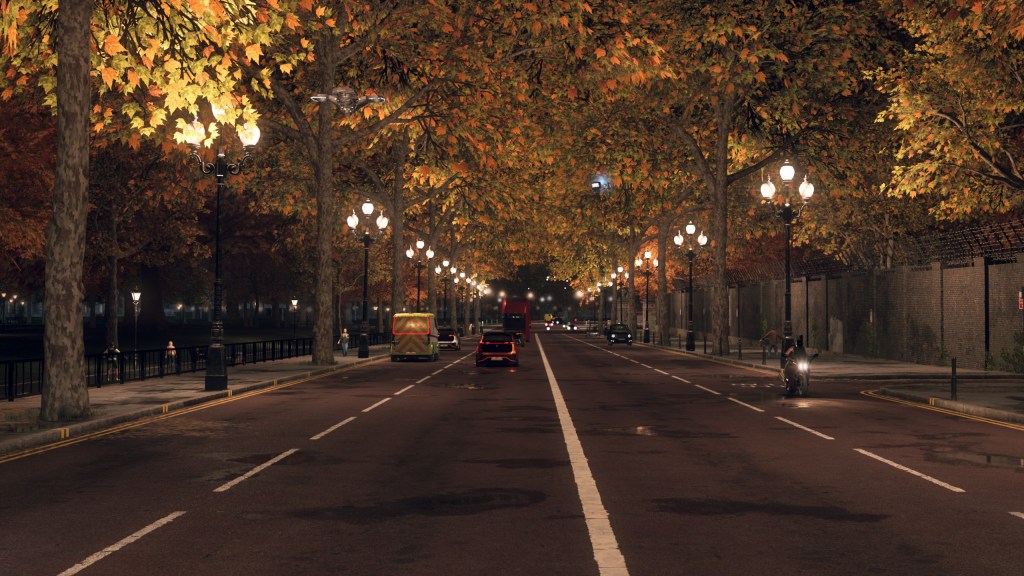
It took a team of thousands to recreate London in stunning detail. Here’s what it looks like.
Over the years I’ve developed kind of an obsession with virtual recreations of real places, and since I’ve mentioned it in the past on PITB, I figured virtual London would be a good place to start.
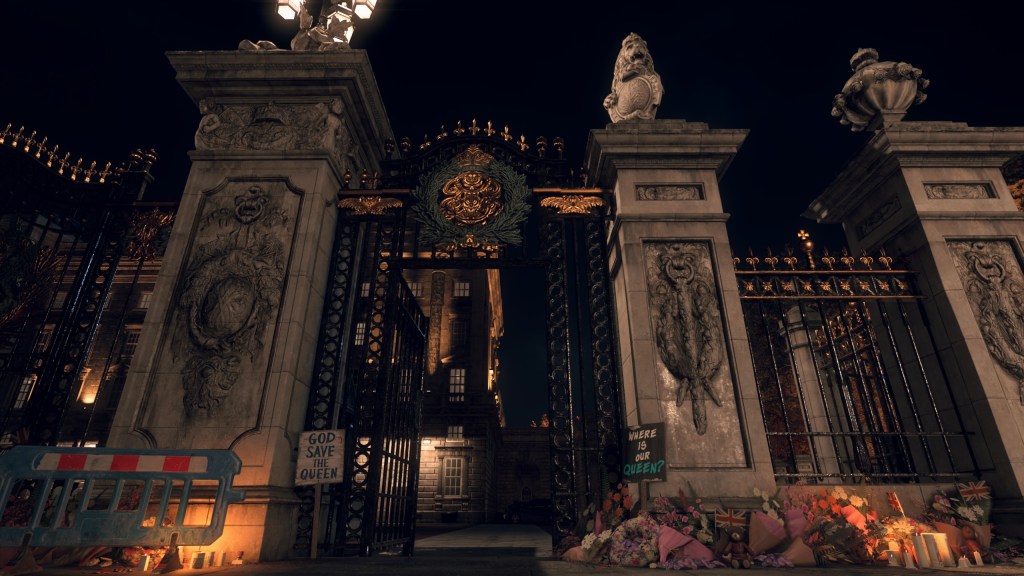
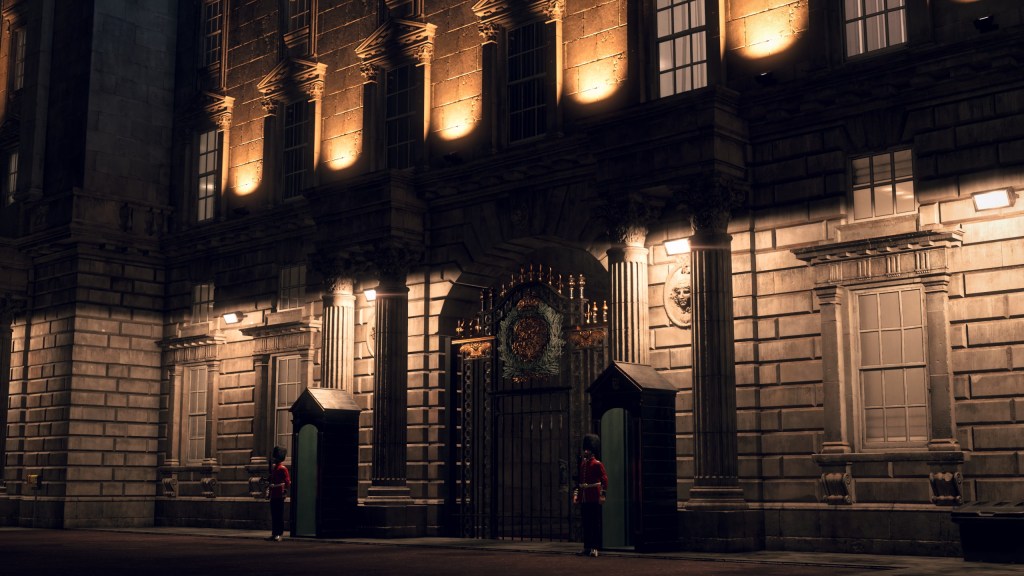
The gates of Buckingham Palace at night. Although Legion depicts a future London, Queen Elizabeth II was still going strong in 2020 when the game was released, and her reign felt like it could go on forever. There’s a hologram portrait of her somewhere in the city, but I cannot remember where I saw it. (Near the British Museum perhaps?)
So the next best thing is an illustrative image of the gates of Buckingham Palace in this future dystopian London, where a private security megacontractor has essentially taken over the city, leaving people pining for a sight of the queen:
In Legion you’re part of an activist/hacker collective called DedSec, fighting back against a police state. As a result, any Londoner is a potential ally. You can recruit police officers, judges, barristers, construction workers, street cleaners, assassins, spies, office workers, store clerks, disc jockeys, the homeless, and people from any background you can think of.
Each has its advantages: judges and cops allow you to get access to restricted spaces and manipulate the legal system from within. Construction workers have access to equipment no one else can touch, and security won’t think twice about them walking into a construction site. Street sweepers are largely invisible to a public that ignores them, allowing them to listen in on conversations.
Every person has a different attitude toward authority, challenging it, and the direction the UK has been heading. Recruiting them involves winning them over to your side by proving you can be trusted, sometimes by helping them out personally, sometimes by keeping secrets, and sometimes by striking back at the authorities.
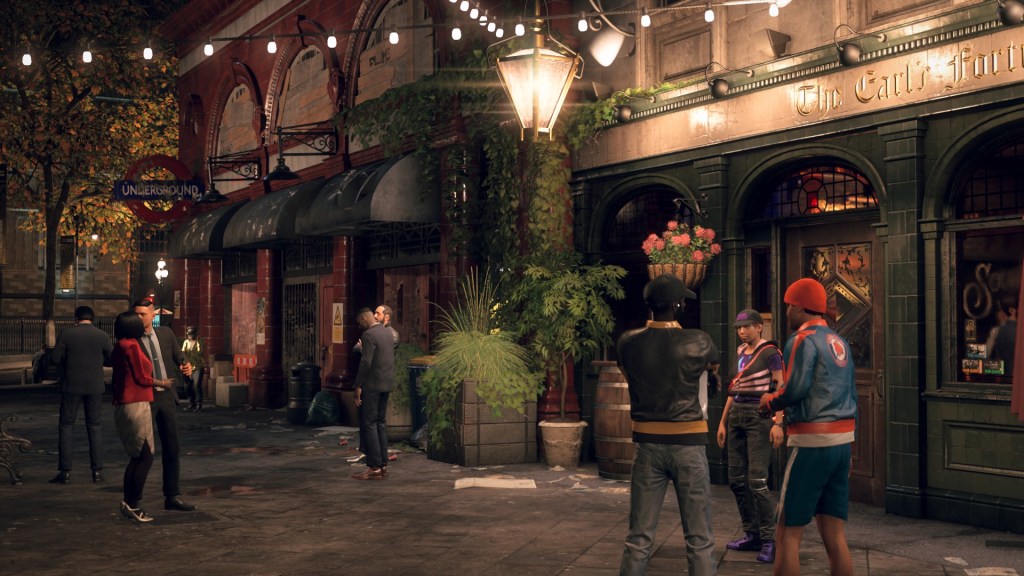
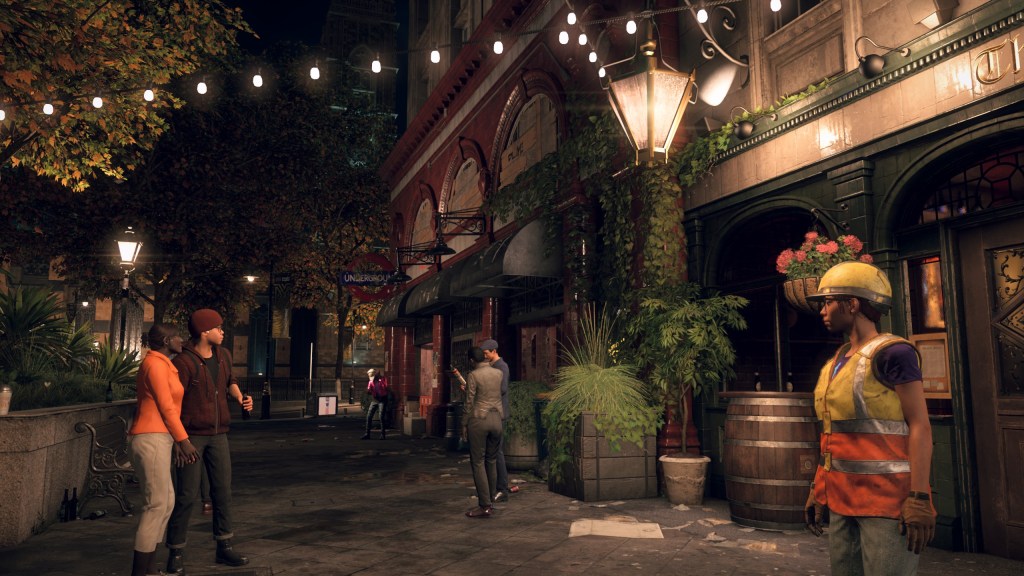
One of the most fun parts is that DedSec’s secret headquarters is tucked into the back of this pub, The Earl’s Fortune, accessible via a secret door in a back room:
Early morning in Piccadilly Circus, before the crowds:
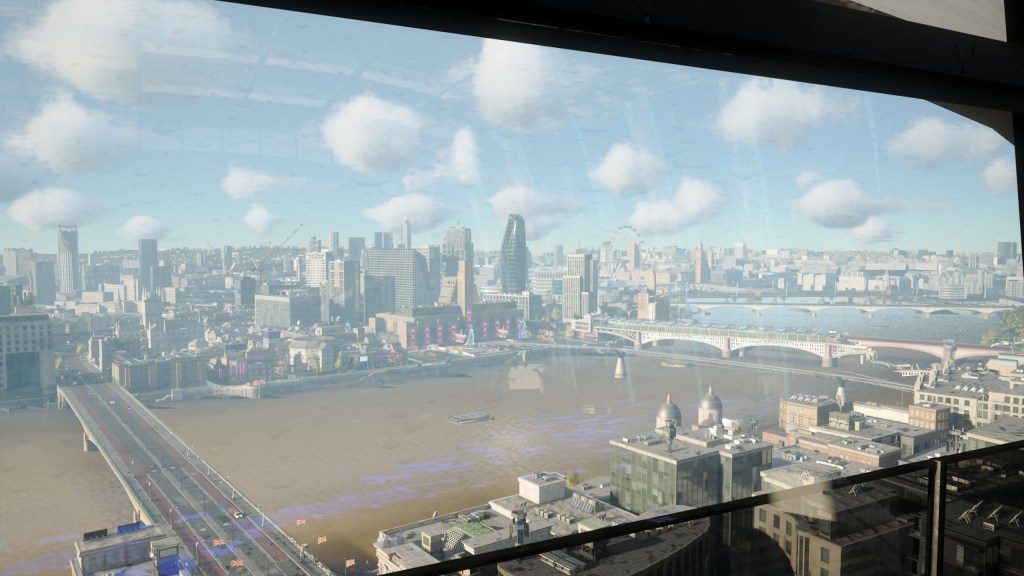
The Sky Garden at the top of the “walkie talkie building” affords incredible views of the city:
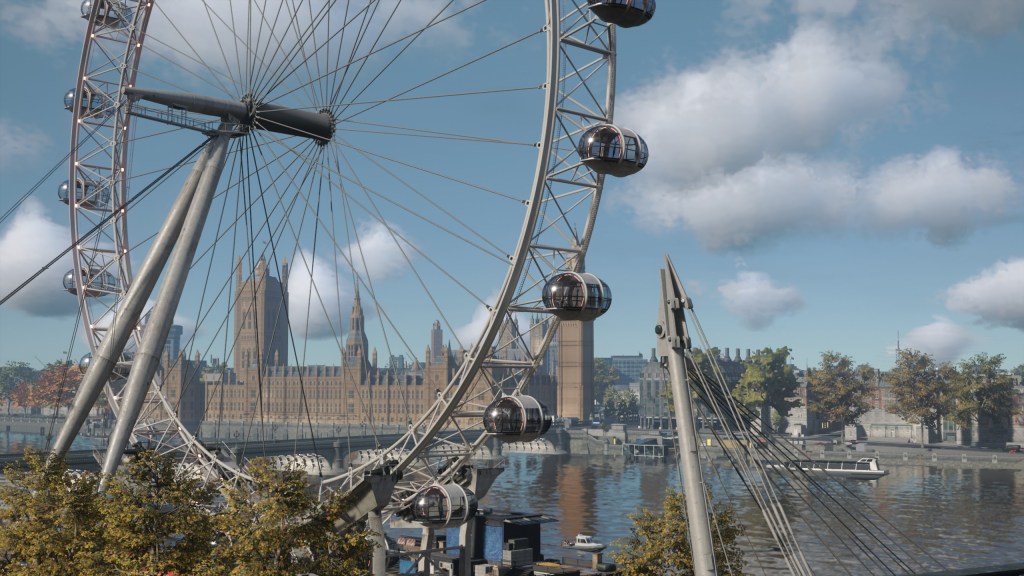
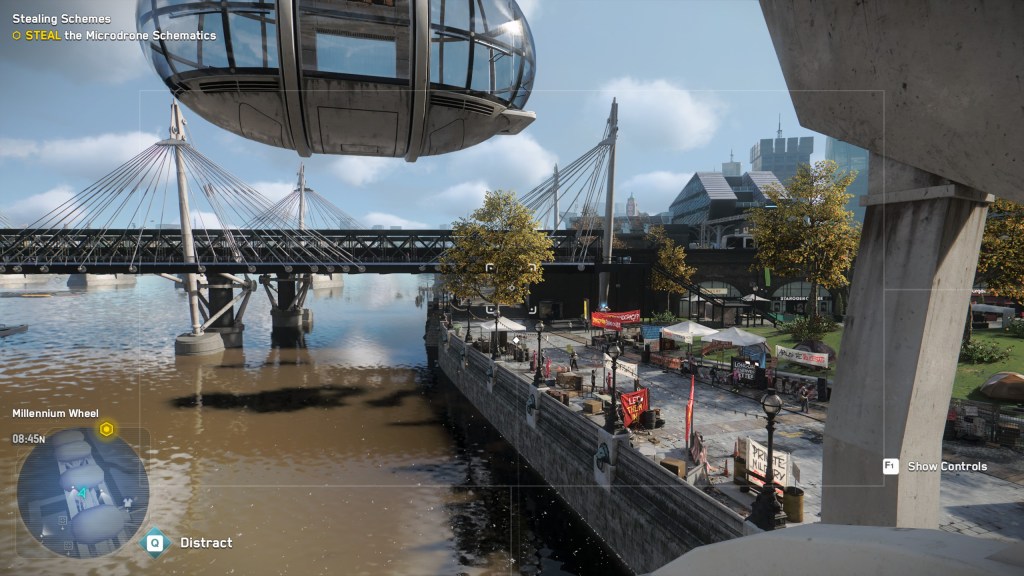
The Eye. Yes, you can ride it. Yes, you can take photos from it.
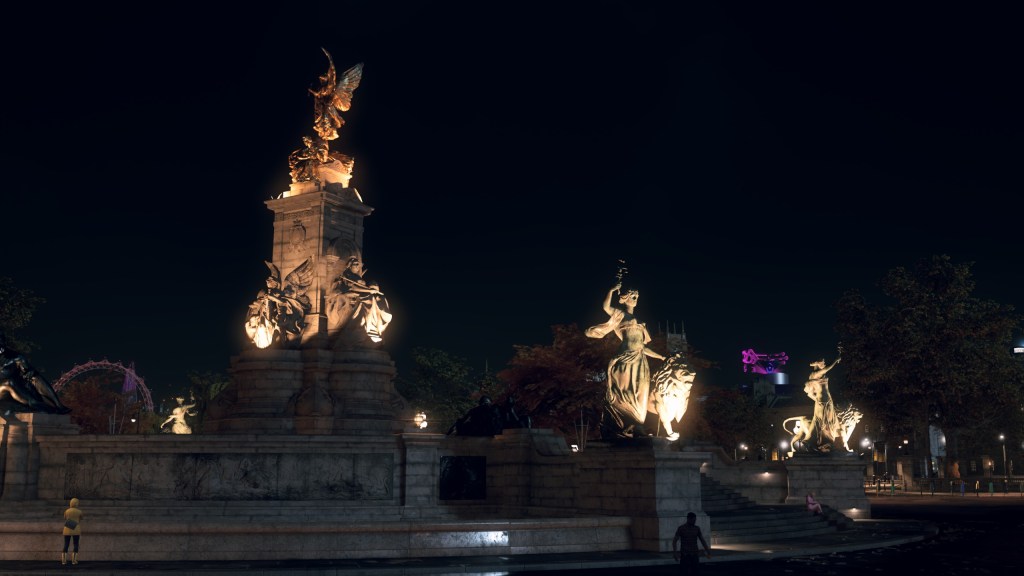
This is called Waterloo Plaza in the game. I’m not sure if it’s a real place or if it’s been renamed due to rights issues:
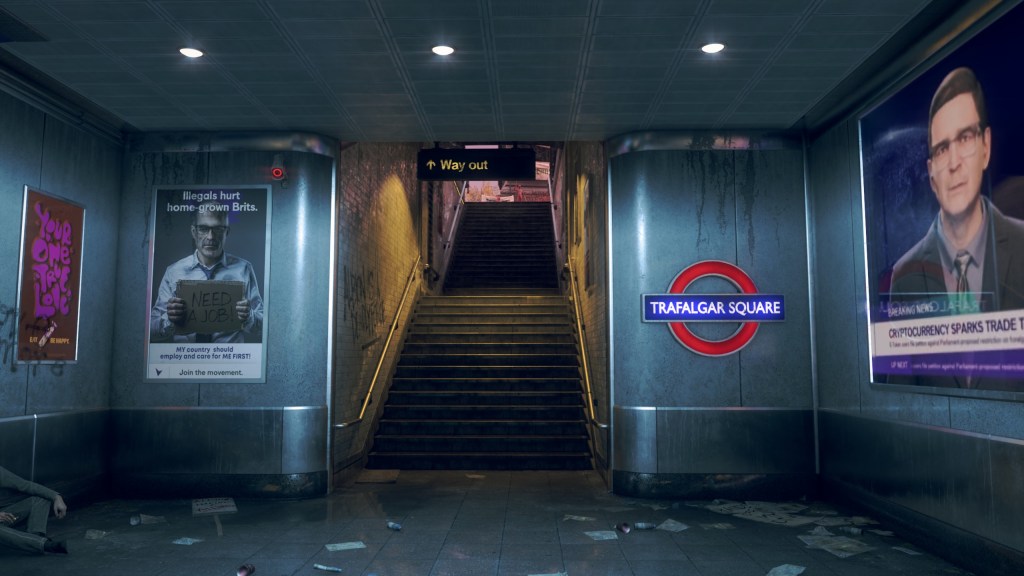
A tube station with an advertisement that reads “Illegals hurt homegrown Brits.” The game clearly took inspiration from real life political events and grievances:
The “gherkin” from the Sky Garden. Again because of rights issues, the logo is from a company that does not exist in the real world:
Beefeaters standing guard:
“Larry?! Larry, where have you run off to?”
The authorities do not like you getting anywhere near No. 10 Downing St. It took a lot of sneaking around for me to get this close and get these screenshots. Sadly, I did not see Larry.
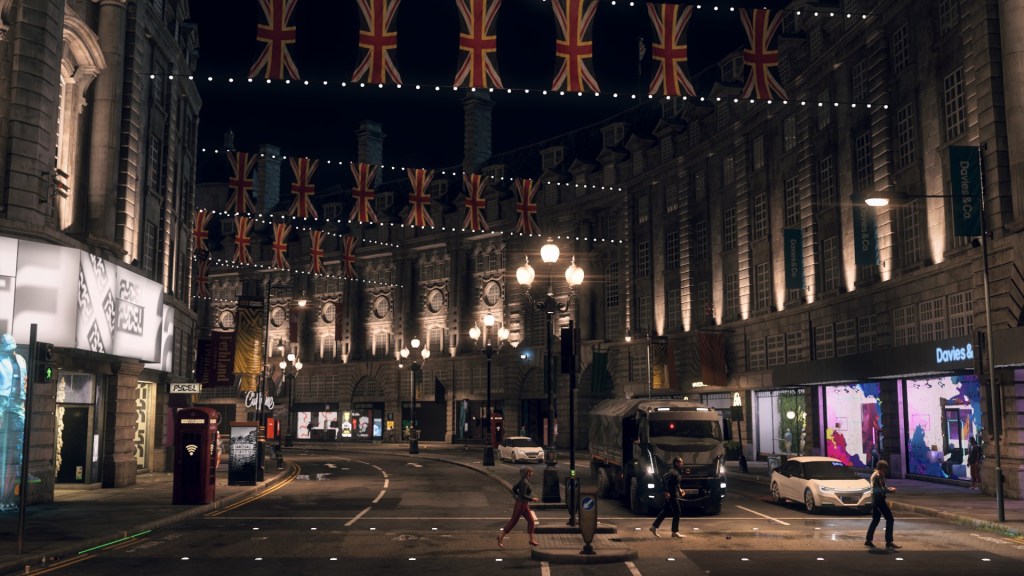
I’m not sure exactly where this is, but the game recreates streets and neighborhoods in astonishing detail. Note the puddle on the pavement. Modern gaming technology actually recreates the way light bounces off of water, stone, windows, plants, etc. In the past, if you saw a reflection in a game, it was a static texture. Thanks to ray tracing technology, all reflections are dynamic, meaning if you’re looking in a store window and a bus passes behind you, you see the bus pass in the reflection. It’s awesome.
A street adjacent to Piccadilly Circus:
The view from an Eye capsule. The Thames is dirty AF!
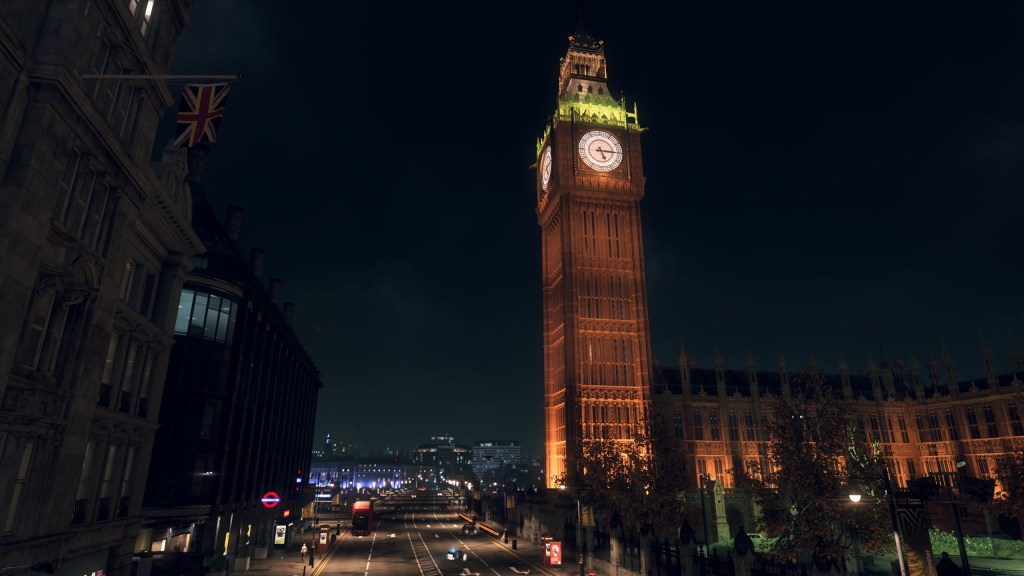
Big Ben:
In reference to the ray tracing effects mentioned above, note the way the windows reflect the surrounding area. You can see the light behaves differently based on whether it’s in shadow or sunlight, and the surrounding structures are reflected in the windows. At night the windows behave dynamically so they are turned on and off randomly. Using shaders, you can see the interior rooms from street level.
Regretfully I did not take enough photos of random neighborhoods. In Southwark, for example, there are run-down areas, public housing and you don’t see the grand structures of historic neighborhoods.
There are parks with people kicking footballs around and laying in the grass, bicyclists, buskers, people talking on their phones, mimes, cops on the beat.
Another view through a Sky Garden window:
In the future, free wifi will be even more plentiful!
What’s next? Tokyo? New York? Ancient Athens? Future Detroit? Los Angeles? Miami?
All images captured on my PC: AMD Ryzen 7 8700F 8-Core Processor (4.10 GHz), AMD Radeon RX 7700 XT (12 GB), 32GB DDR5 G-Skill RAM, Windows 11.
It’s the first case successfully prosecuted under a new UK law that treats pets as living beings, not the “property” of a person or family.
It started, as these things often do these days, with an Amazon delivery driver who took a shine to a UK family’s pet feline.
Catalin Stancu, 41, was delivering a package to a home in West Yorkshire this January when he spotted a floofy tabby cat named Nora. When Nora didn’t come back inside that day and was still missing a day later, homeowner Carl Crowthers checked footage from his surveillance cameras and saw Stancu interacting with Nora before picking her up and driving off with her.
We wrote about the theft at the time, noting Amazon hadn’t changed its standard customer service response (“How much would you say your cat was worth?”) to customers traumatized by the company’s drivers stealing their beloved pets.
Crowther also hinted that he’d like to go into more detail, but didn’t want to endanger an ongoing police investigation. Now we know why.
Nora’s family contacted West Yorkshire police, who put Sgt. Cat Ryan in charge of the investigation. Ryan used information from the surveillance videos to track Stancu to his home. Around the same time Stancu, realizing footage of himself was spreading on socials and in traditional media, contacted Crowthers via Facebook to return Nora.
On Thursday, Stancu was sentenced, marking the first time a person has been successfully prosecuted using changes made by the Pet Theft Act.
That law, passed and enacted in 2024, creates a new category for pet thefts recognizing animals are not just property that can be replaced. It gives police new ways to charge people accused of stealing pets and provides judges with more options for sentencing, including up to five years in prison, fines, community service and other sentencing conditions.
It’s also a model for other countries and jurisdictions. Currently, almost every US state law lists pets as property, most under archaic agriculture and markets laws that were meant to settle disputes over farm animals. This is also a subject we’ve covered, noting the numerous advantages of modernizing animal laws so crimes involving pets are treated differently than, say, an argument between two farmers about who owns a particular cow.
Stancu admitted to driving off with Nora before his sentencing, but said despite the fact that she was wearing a collar, he thought she was a stray.
District Judge Paul Marks gave Stancu an eight week suspended jail sentence and ordered him to pay £500 in compensation, which equals about $670 at current exchange rates. A suspended sentence is the UK equivalent of a conditional discharge in US courts, meaning Stancu must stay out of legal trouble for at least a year to avoid serving jail time.
Marks acknowledged that Stancu made efforts to return Nora once the story hit the press, but said his actions still violated the law.
“Whatever your initial motive was for taking Nora, and whatever concerns you had about Nora’s health, you should not have behaved in the way you did,” Marks told him. “Nora was a much-loved family pet and the family wanted her back… The distress they suffered for three days when they knew nothing of where Nora was, was very upsetting.”
In a statement, the family said they’d spoken to Stancu, accepted his apology, and hope the case helps people realize they’re doing more than removing “property” when they take a cat or dog. Nora, they said, is a member of their family.
“We are incredibly thankful and relieved that she was eventually returned safely to us,” the statement reads. “We hope today’s outcome sends a clear message that animals are not objects to be stolen, and that the pain caused to families by these actions is very real.”
As for Sgt. Cat Ryan, she said she was happy to catch Catalin Stancu and return a family’s beloved cat. The Pet Theft Act, she said, made it possible because such crimes are now taken more seriously under the law.
“One look at how happy the Crowther’s have been happy to have Nora home, and see how settled she is to be back, only confirms how important it was for us to achieve this outcome,” she said.
NOTE, 5/15:Stancu’s sentence included £500 in compensation to the victims and a suspended eight week jail term. Under the plea agreement, Stancu will avoid jail if he stays out of legal trouble for the next year. A previous version of this story did not note the jail sentence was suspended.