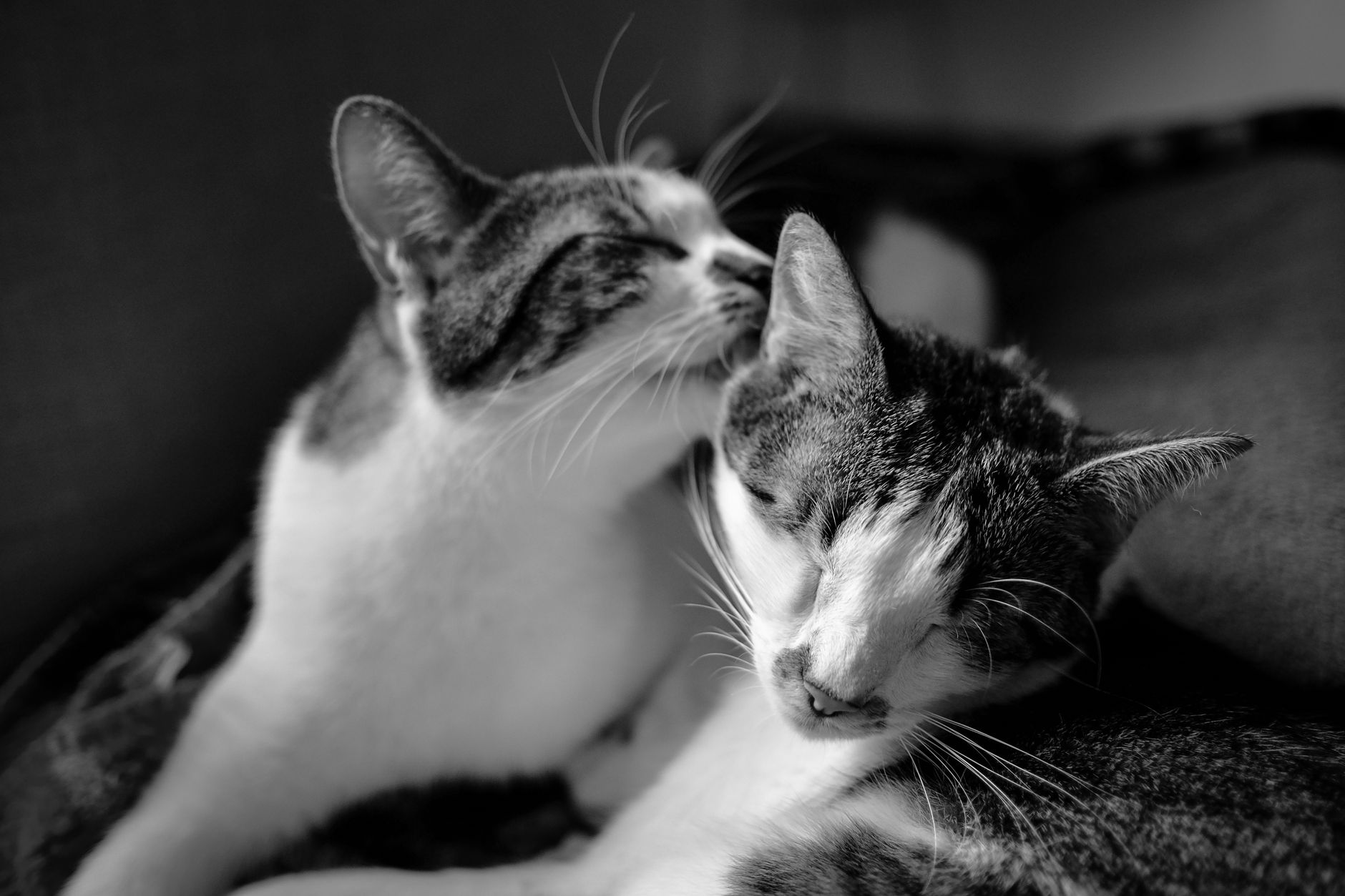
While allogrooming — animals socially grooming each other — is a sign of community, alliance and social bonds in other species, apparently cats have found a way to weaponize it.
By analyzing footage of cats grooming each other, the Belgian team confirmed cats groom the way other animals do, signaling closeness, trust and all that good stuff…most of the time.
But they also use it to seriously piss each other off, usually to take possession of territory they covet.
“I saw these weird grooming patterns in my own cats where I thought, ‘This is not super friendly at all,’” Morgane Van Belle, a cat behaviorist and co-author of the new study, told the New York Times. “Sometimes one cat would lay on the blanket near the window and the other cat would come up and start licking it — but in an annoying way.”
Credit: Francesco Ungaro/Pexels
The aggressor cat is hoping the other feline will get so annoyed with the invasive grooming that they’ll abandon their prize spot, whether it’s a sun puddle or a particularly comfortable spot on the couch.
The study’s authors believe there’s more to learn about this behavior, and understanding it can help people mitigate conflict among their feline overlords.
For readers who have multiple cats, have you witnessed this behavior?
For what it’s worth, allogrooming between cats and humans is a thing too. For example, I brush the Budster, and he grooms my hair when I’m in bed.
Some people find that gross, but I try to take it was the compliment it is. Thankfully I have not been subject to weaponized hair grooming, but I’ve seen examples of the behavior the Belgian researchers have identified, and once you realize what you’re looking at, it makes perfect sense. Taking a normal behavior and turning it into an instrument of annoyance is also a very feline thing to do.
Cats show great ingenuity, so we’re fortunate they’re extremely lazy. If sufficiently motivated, they could undoubtedly rule the world.
One party has produced records. The other has an implausible story. Yet again, a situation highlights the need for new pet laws that reflect the way people see companion animals now, not as they did more than a century ago.
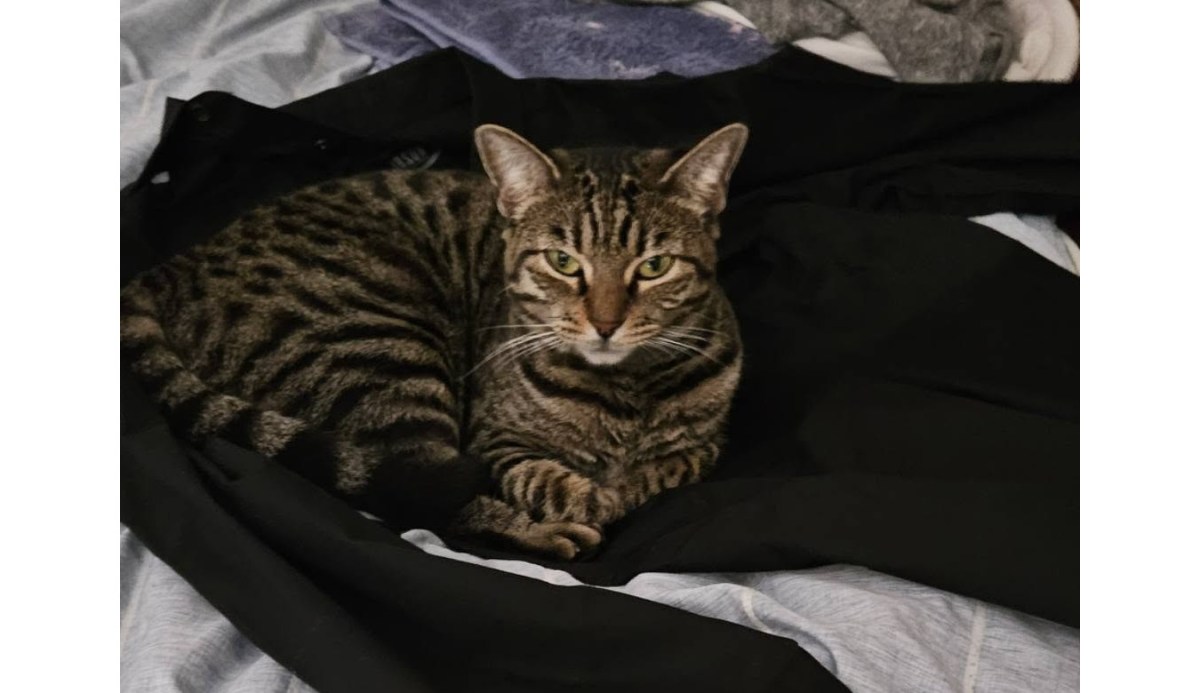
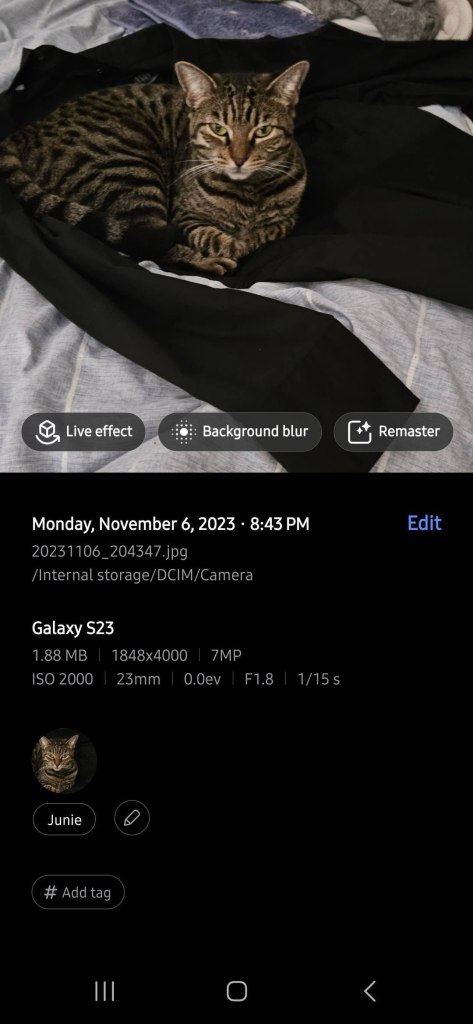
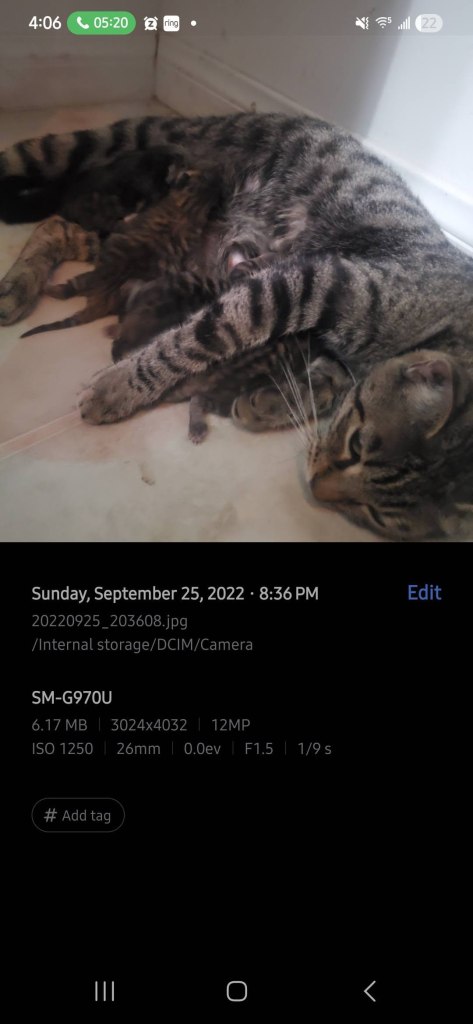
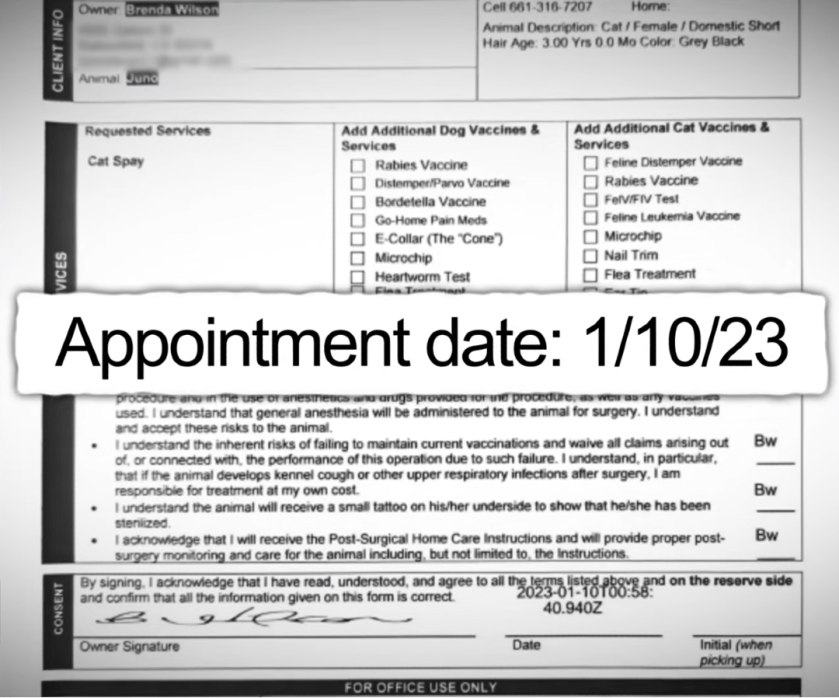
Junie the cat gave birth to a litter of kittens in 2022, was spayed in 2023, and photos show her nursing her babies, relaxing on a favorite blanket, and lazing imperiously on one of her humans’ clean black shirts.
The photos and documents were shared by Brenda Wilson, the Bakersfield, Calif., woman who said her cat still hasn’t been returned to her after an Amazon driver took her several weeks ago.
Since the police say they’re investigating the alleged theft, releasing the documents seems like more of an exasperated act of receipt-producing after the delivery driver, Joshua Gonzalez, went public and said he was retrieving his own cat, not stealing Wilson’s.
You can practically hear Judge Judy snapping “Let’s see the receipts!” as she adjusts her glasses.
In Gonzalez’s version of events he serendipitously happened to discover his own missing cat sitting on the front step of a home that happened to be on his delivery route. At different times referring to the cat as “he,” “she” and “it,” Gonzalez said he’d adopted the feline for his seven-year-old daughter back in October of 2025, still hadn’t bestowed the cat with a name despite her living in his home for seven months, and he knows she’s his cat because she has a “distinct” M-pattern on her forehead.
Gonzalez could be telling the truth. There’s a nonzero chance of that. Truth really can be stranger than fiction. But his version of events stretches credulity to its breaking point.
Literally every tabby cat has the “M” pattern on their heads. It’s what makes them tabbies. He seems as confused about that as he is about Junie’s gender.
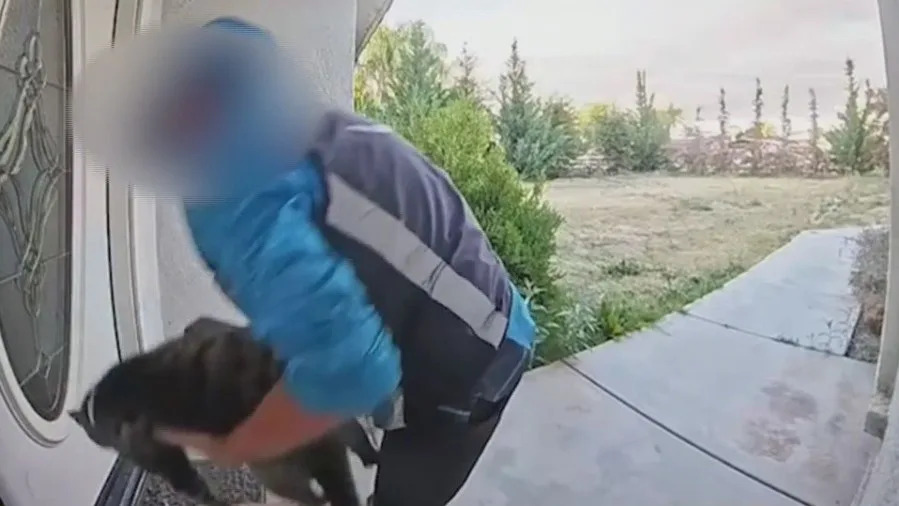
Then there’s the video: the entire sequence of events is captured on a Ring camera near Wilson’s front door. Gonzalez doesn’t react like a man who’s stunned to fortuitously stumble over his own missing cat, at an address his job took him to, no less. He doesn’t express shock or surprise, or seem to visibly react at all. He doesn’t even look at the cat. He delivers the package, logs it on his phone, then swoops the feline up in his arms and walks off with her.
If you’d just unexpectedly found your own cat, would you call out to her, extend a hand, and smile with relief when she pads up with a raised tail and happily brushes her cheek against it? Would you check her coat pattern and markings, then check again? When scooping her up, would you talk to her, maybe even plant a kiss on her head, and tell her how happy you are to find her? Would you look happy? Would you leave a note?
Most people would do at least some of those things. Gonzalez does none of them.
And while Wilson has produced date-and-time-stamped photos of Junie going back years, the only photo Gonzalez shared with a local news station was a smartphone snap from the other day showing Junie in his lap.
And that’s half the problem. Neither party would be going to the media and trying to litigate this in public if the police were motivated to take the alleged theft more seriously. That’s not entirely their fault, because in the vast majority of states, laws regarding animals haven’t been updated since the days, more than a century past, when they were written to settle farm and ranch disputes. There’s little guidance from the law, and fewer options. The law doesn’t recognize pets as conscious individuals with feelings, so courts don’t take into account the best interests of the animals either.
Wilson said she doesn’t want anything but the return of Junie. The police would save her family a lot of angst by making that happen. Unless Gonzalez starts producing some truly impressive evidence, familiarizes himself with the gender of the disputed feline and explains his behavior, it’s difficult to believe Junie belongs with anyone besides the Wilsons.
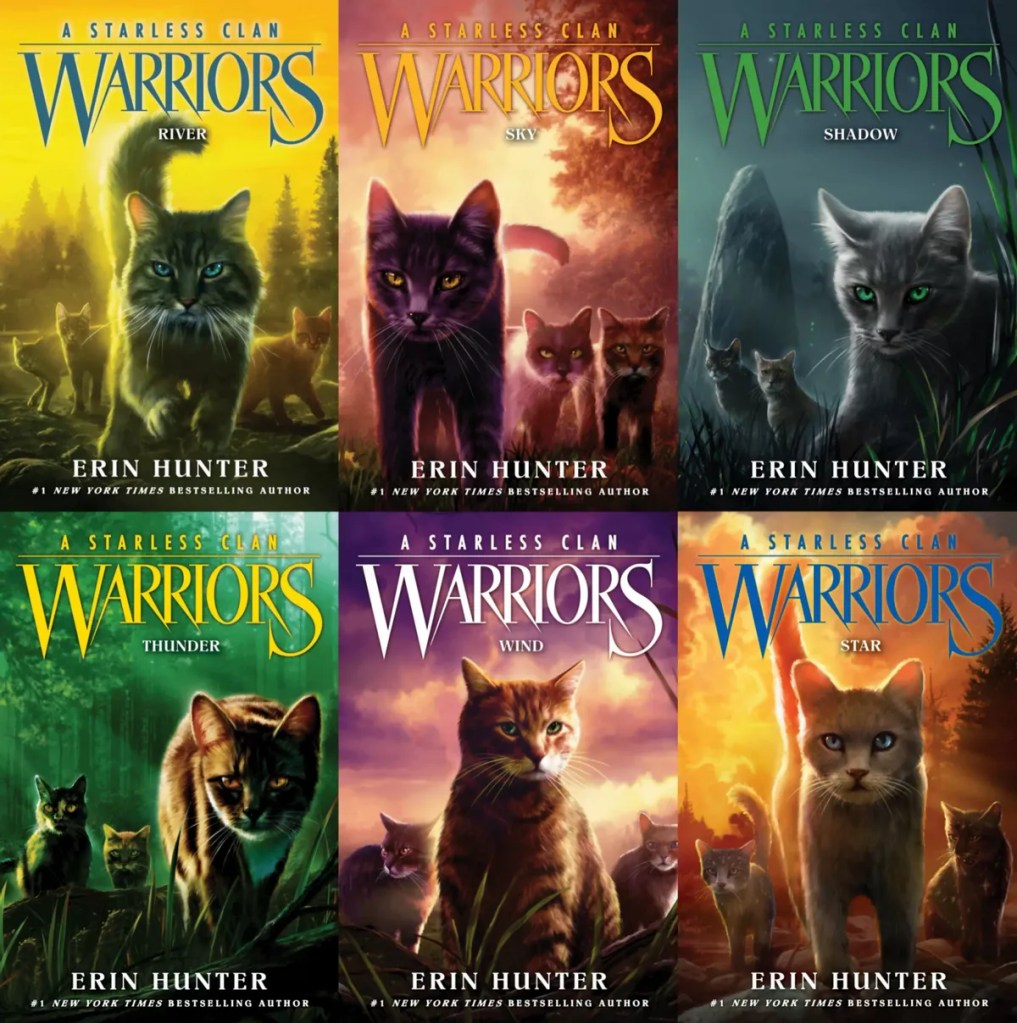
The novels have sold almost 100 million copies worldwide and have prompted millions of kids to read.
Warrior Cats, a series of books that have sold in excess of 90 million copies worldwide, will be adapted as an animated series.
The new TV series is already in production with Chinese media giant Tencent producing in tandem with El Guiri Studios, an animation studio in Madrid.
The series will likely premiere in 2027.
I read the first volume of Warriors a few years ago to see what all the fuss was about and found a much better story than I expected. The narrative follows a young domestic cat named Rusty who ditches his comfortable life to join a clan of stray and feral cats living in the woods near his former home.
Warriors imagines groups of cats living in clans and working together to survive in a dangerous world.
As he adjusts to his new surroundings, he’s welcomed and supported by the clan’s cats, but others mock him as a “kittypet.” Rusty is determined to prove himself and his value to the clan.
The narrative is well paced, and there’s a compelling mix of world-building and action. The series is written for younger readers, probably appealing most to teens and pre-teens, but the authors — who collectively work under the pen name Erin Hunter — don’t condescend to their audience.
There’s tragedy, despair and death, but the book treats them with appropriate gravity, never trivializing events.
At a time when 28 percent of American adults are functionally illiterate, more than half read below a sixth-grade level, and schools are churning out graduates who struggle to read simple sentences, you’ve got to reach younger readers where they are.
We’re living through an unprecedented backslide in capability, one that cannot be fully explained by COVID-prompted disruptions to education.
Well-written books like Warriors are crucial in getting kids to read and turning it from a chore to something they enjoy. In a way, they’re this generation’s version of Lord of the Rings or Harry Potter. Let’s hope the animated series inspires even more kids to pick up the books it’s based on.
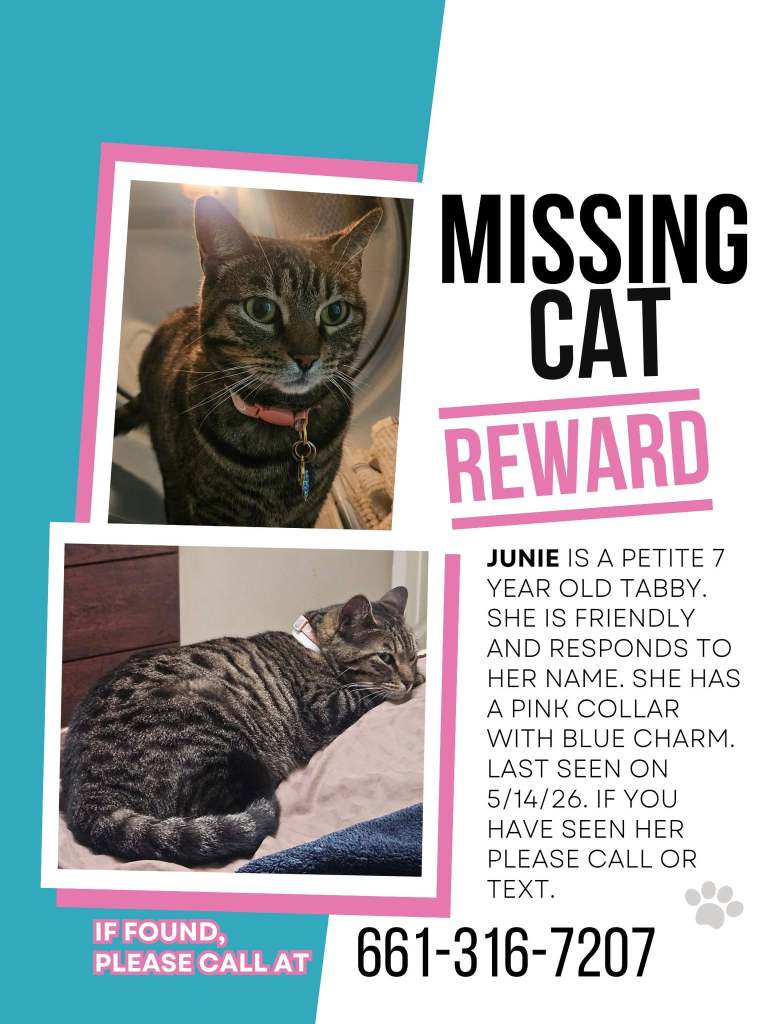
Junie the cat is a friendly tabby who was taken by an Amazon driver delivering a package to her family’s home in Bakersfield.
First, please allow me to apologize for the light blogging this week. Allergies are absolutely killing me right now and apparently pollen counts are about as high as they get locally, according to weather sites.
I don’t usually get it this bad, but holy crap! I’m stuffed up, my eyes are watering and my head is pounding. Is it possible that one type of allergy can override another? If so, maybe I should grab Bud and take a deep huff. His reaction alone would be worth it.
“What the…what is the meaning of this, human?! Unhand me immediately, and apologize with those Friskies Natural yums that I like!”
Today we have another story about an Amazon driver taking a family’s cat after delivering a package to their home in Bakersfield, California.
The family’s home security cameras captured footage of the driver approaching the friendly cat named Junie on May 14 and driving off with her.
Amazon won’t name the driver and will only say that the company is cooperating with police, according to NBC affiliate KGET in Bakersfield.
Junie Credit: Wilson family
So far Junie hasn’t been returned and Junie’s family has no answers.
I realize that Amazon is a massive company and that millions of deliveries go off without a hitch, but still. There are dozens of incidents involving drivers stealing cats that we know of, many more that preceded our efforts to track the ongoing problem, and the company has a reputation for being unhelpful in assisting customers when their drivers take off with pets. At what point does someone say “Hey guys, don’t steal cats and dogs from our customers”?
Local police are investigating while Junie’s family pleads for the return of their cat. As with several other families who have been in this position, they say they just want her back and won’t ask questions if she’s returned.
“They could just drop her off in the driveway, she knows what to do,” said Brenda Wilson, Junie’s caretaker. “She’ll come straight to the garage, get inside the house.”
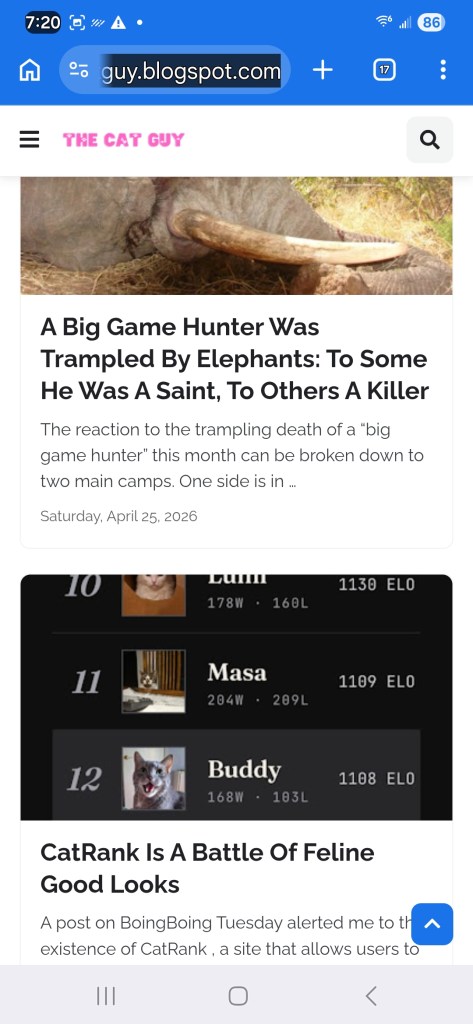
PS – Please excuse this test: The Cat Guy is a no good, lousy, rotten content thief! (Wink wink!)
Update, 5:27 pm: I wanted to see if The Cat Guy was manually reposting my content or automatically scraping it. I’ve now confirmed the latter. There are few options for dealing with this, but we’ll see.
The footballer stars in a TV series that calls cats “unwanted ecological trash” that can be repurposed as “culinary gold.” One cast member claims eating felines is a heroic endeavor: “In some cases you should and could eat it into eradication.”
Earlier this week we noted an Australian celebrity chef’s enthusiasm for eating a “pussycat sandwich,” but Maggie Beer isn’t the only famous Aussie who has raved about eating cats.
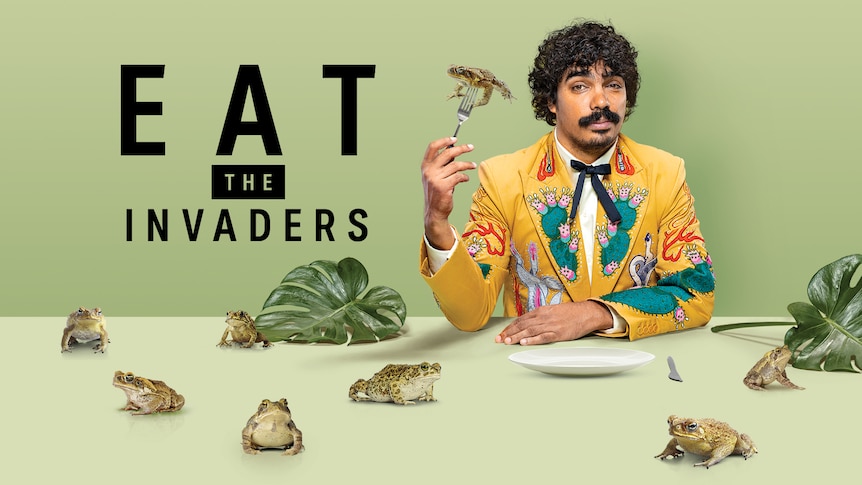
An Australian football (soccer) player, Tony Armstrong, spoke in glowing terms about eating cat meat in an interview with The Guardian a year ago, enthusing that it was “the yummiest.”
“We had it in the Western Desert and cooked it in a fire, wrapped in foil,” Armstrong told the newspaper. “It was like the most delicious rotisserie chicken I’ve ever had.”
Armstrong’s interviewer, Sian Cain, the Guardian’s deputy culture editor for Australia, didn’t bat an eye or consider the answer worthy of a follow-up question. She just moved on, asking him if rising early for “breakfast telly” was as difficult as keeping in shape for football.
Armstrong consumed the cat meat for his television show, Eat The Invaders, which casts it as an attempt to “turn our unwanted ecological trash into desirable culinary gold.”
That’s what the life of a cat is casually referred to in certain mainstream segments of Australian culture: “unwanted ecological trash.”
Armstrong and his castmates say they’re on a noble quest to eradicate invasive species by eating them.
As we noted in our post about Beer’s “pussycat sandwich,” the casual way this is talked about in Australia provides a window into the way some people there think about animal life in general and felines in particular.
Not all of them, of course. There are lots of people for whom the idea of eating intelligent companion animals is extremely disturbing. But the idea is widespread enough to make it onto mainstream Australian television without much of an uproar, undoubtedly because Australians are constantly told felines — not industrialization, pollution, pesticides, traffic collisions, man-made environmental hazards, and habitat loss — are almost solely responsible for declining populations of native fauna.
When the choice is between modifying our own behavior or blaming animals who cannot speak for themselves, it’s always easier to shift the blame than to, say, derail development projects or outlaw the use of harmful chemicals.
Just look at the decades-long controversy involving the weedkiller Roundup despite the damage it does to other plants, animals and the people working directly with the substance. Despite successful lawsuits on behalf of cancer patients and evidence that chemicals in the herbicide cause cancer, the EPA says it’s safe. Roundup and other glyphosate-based herbicides are widely used in Australia as well, but that fact is rarely raised in discussions about protecting native fauna and flora.
In a promo for Eating the Invaders, after blaming “colonial ancestors” for introducing non-native species and repeating the claim that cats kill 3 billion animals per year in Australia (an assertion for which there is no evidence), Armstrong casts himself as a crusader righting ecological wrongs.
“But what if we could help,” he asks in a voiceover, “by reimagining this problem as a tasty solution?”
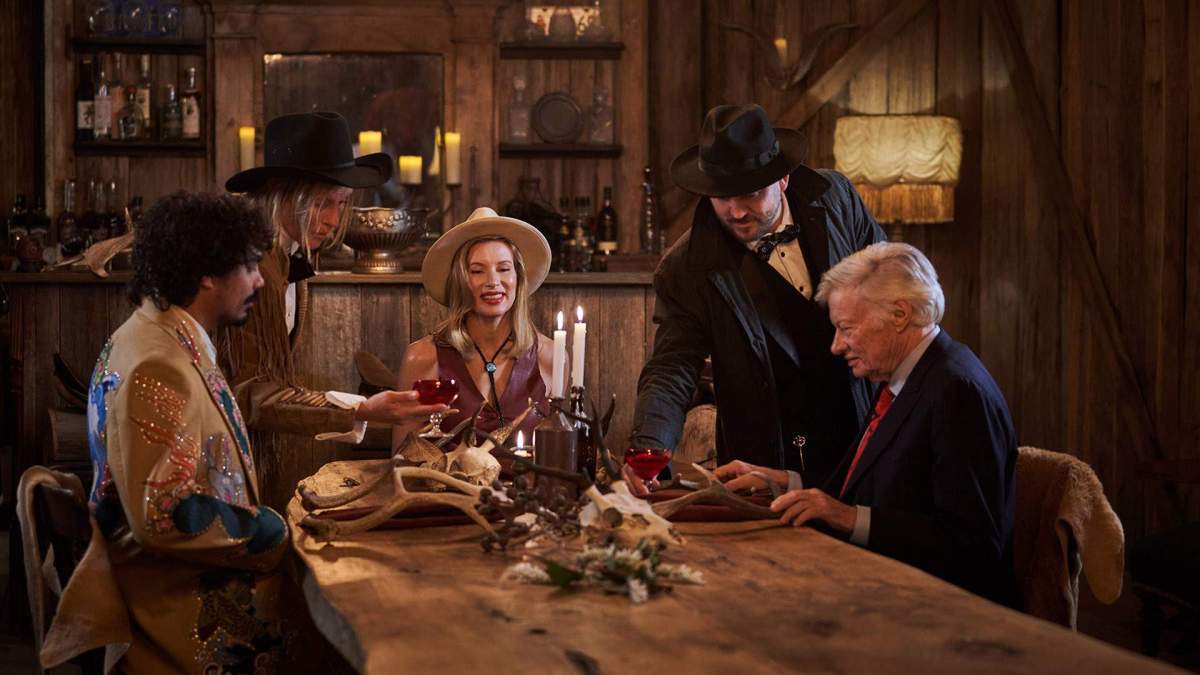
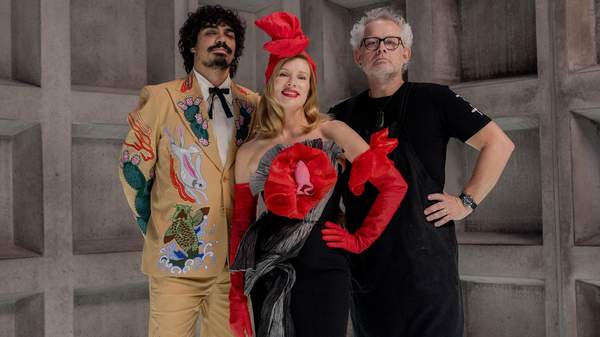
In the series, Armstrong works with chef Vince Trim and “artist and curator” Kirsha Kaechele, who credits herself with staging “immersive feasts [that] transform invasive species into art.”
Armstrong, Kaechele and Trim. Credit: Eat The Invaders
Kaechele says she has no qualms about eating intelligent domesticated animals.
“In some cases you should and could eat it into eradication,” Kaechele says.
Just as there is no hard evidence that cats are the primary force behind species extinction, there is no data to support the idea that randomly killing and eating cats has any positive impact on species survival.
But eating cats isn’t just about saving the world, Kaechele explains. It’s about aesthetics as well.
“In these feasts,” she says, “every element has to be art.”
By that she means she fashions cutlery, centerpieces and containers from the deceased animals.
Kaechele is no stranger to controversy. As an amateur troll, she’s known for attention-grabbing stunts. She’s faced legal complaints for opening an Australian lounge/art gallery that admitted women only, “so men feel as excluded as possible,” and attended one of her subsequent hearings with 20 female supporters who dressed like her and moved in sync with her.
The appearance was “performance art,” she claimed. The judge disagreed, calling it a disrespectful display. Kaechele was also blamed for gentrifying a New Orleans neighborhood after Hurricane Katrina, snapping up and later allegedly abandoning five properties and allowing them to decay. They were subsequently taken over by squatters while Kaechele was MIA, presumably globetrotting and enlivening people’s drab existences by “transforming them into art.”
“Women are better than men in every respect,” Kaechele says in one video, echoing the provocateur Dick Masterson’s assertion that “men are better than women.”
The difference is that Masterson is a character created by a comedian. Whether individual people find his act amusing or not, Masterson performs for an audience of men and women who are well aware his schtick is tongue in cheek. Kaechele may or may not believe what she’s saying, but one thing she’s not doing is comedy. No one’s laughing.
She’s a deeply unserious person who shouldn’t be anywhere near any conversations about conservation.
As for Trim, he can’t bring himself to admit he’s cooking cats. To him, they’re no different than anything else in his fridge or pantry.
“It’s really exciting to be using a lot of these invasive ingredients that we have,” he said.
It’s one thing to consider the possibility that species like cats are signficant drivers of native species extinction, and another to prove they are measurable contributors compared to the hundreds of ways human behavior impacts animal life.
But you have to be really far up your own ass to keep a straight face while claiming you’re saving the world by eating cats, and even more divorced from reality to characterize it as a form of artistic expression.
Perhaps most concerning, telling people that cats are “yummy” could inspire others to try it for themselves, and turning it into a trend would be an entirely new level of barbarism.
Say what you will about people who participate in China’s infamous Yulin dog meat festival. At least they plainly admit they eat dogs and cats because they like the taste without clinging to any pretense that they’re creating high art or saving the planet.



 Pain In The Bud