The comedian’s animated show for adults imagines life through the eyes of sarcastic street cats.
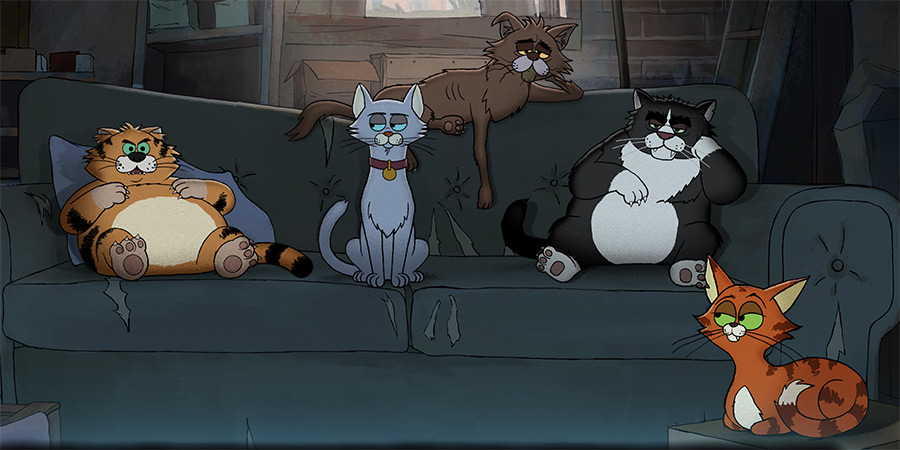
When a lost kitten says he wishes he’d never been born, scruffy tomcat Gus is in disbelief.
“Don’t ever say that! Life is a gift, and you’re a cat!” Gus says. “Do you know how good that is, to be a cat?”
“Pretty good?” the kitten asks.
“It’s f—ing great!”
That’s one of a few short scenes revealed in the first trailer for Alley Cats, a new Netflix show created by Ricky Gervais. The comedian plays Gus and an ensemble cast provides the voices of the other neighborhood strays, who seem to spend most of their time veering from one lazy activity to the next while zinging each other with one-liners.
Warning: NSFW language in this trailer:
Although it’s animated, Alley Cats is a comedy for adults. Think South Park except with cats and a much more sarcastic, dry sense of humor. As the trailer makes clear, it’s irreverent and over-the-top, and it seems to tie cat humor in well with broader comedy.
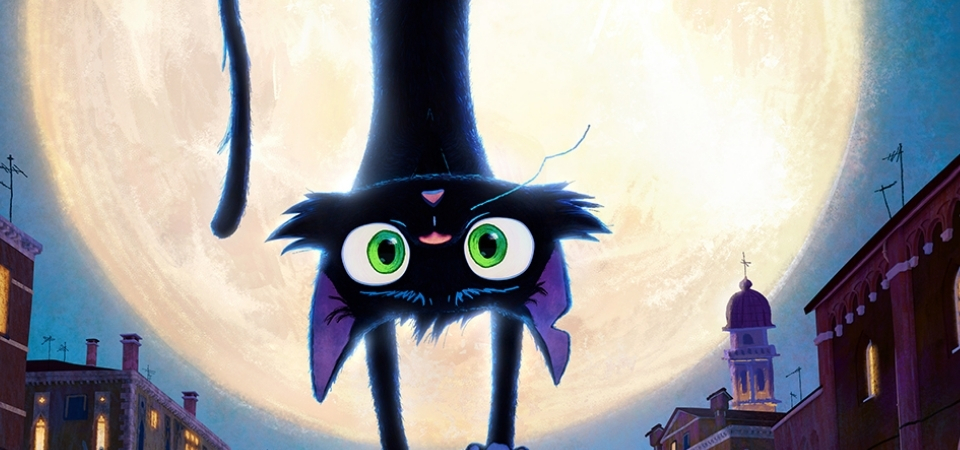
The animation studio’s forthcoming movie is about crime cats who rule Venice with an iron paw.
Cats are cute and furry but they’re also tyrants who are ruthless when it comes to getting what they want.
Maybe that’s why they’re perfect as mobsters, something the creative minds at Pixar realized when they decided their next animated feature would involve feline mafiosos.
Titled Gatto, the movie is slated to hit theaters in 2027, but you can see a preview below. In the film’s first trailer, Mark Ruffalo’s Nero, a skinny black cat, assists the local mafia boss cat, voiced by Laurence Fishburne, in interrogating a ginger tabby about a missing can of tuna.
They’re quite serious about the missing tuna until they get distracted in a most feline way:
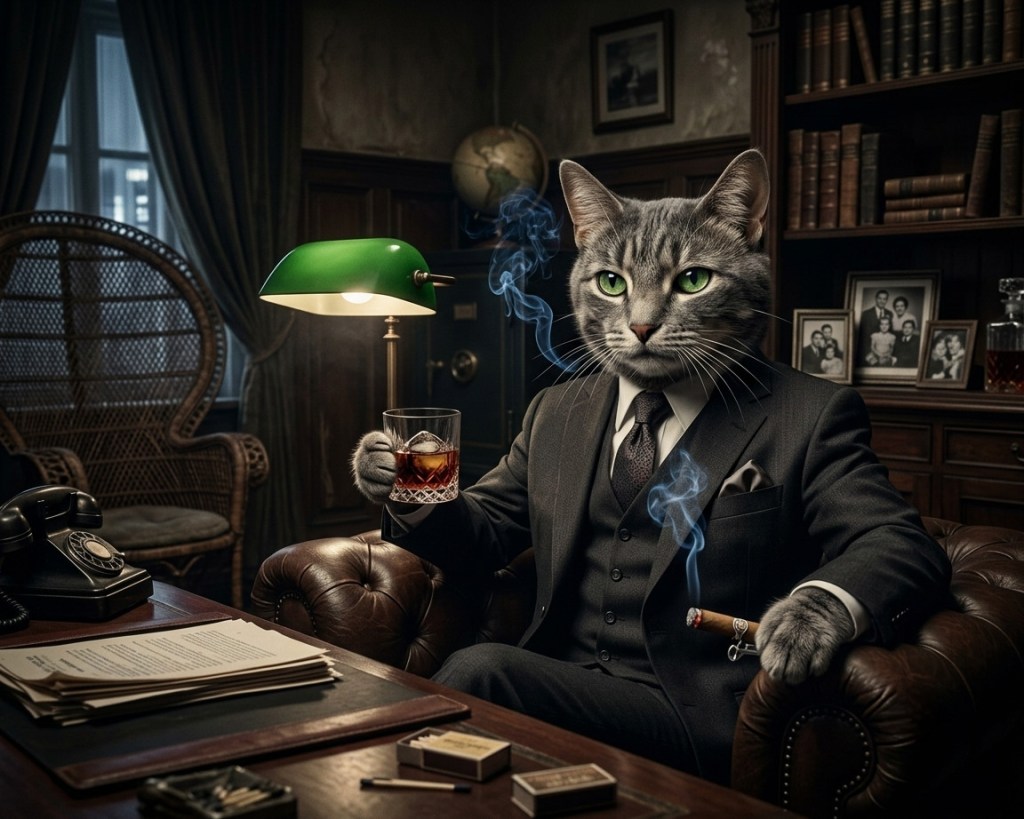
Which reminds me: it’s been ages since we checked in on Buddy’s sworn enemies, Los Gatos cartel, and the Machiavellian maneuvers of the catnip wars… The cartels vs the meowfia promises to be a catnip clash for the ages!
Buddy cuts a dashing figure in his slick Italian suit.
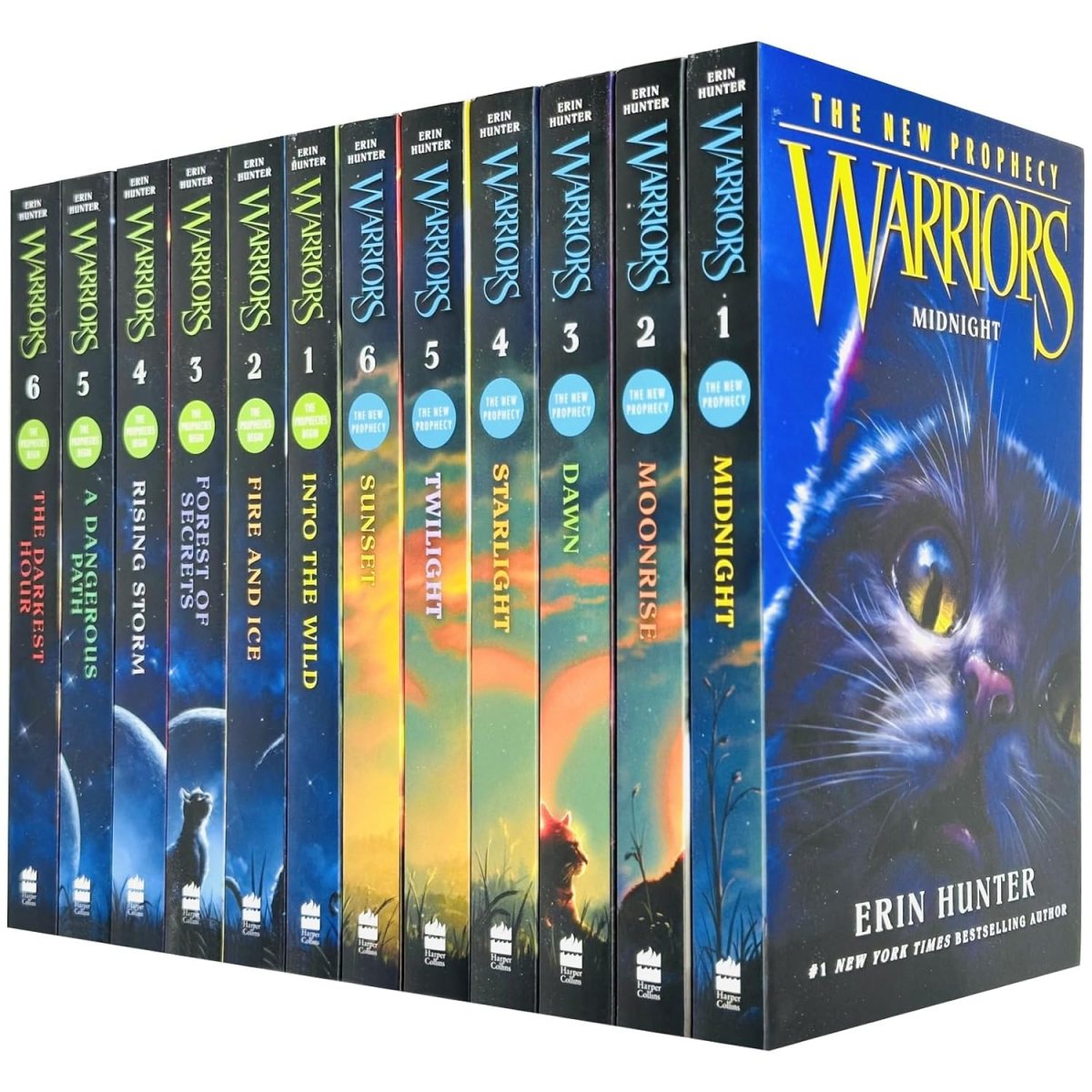
The novels have sold almost 100 million copies worldwide and have prompted millions of kids to read.
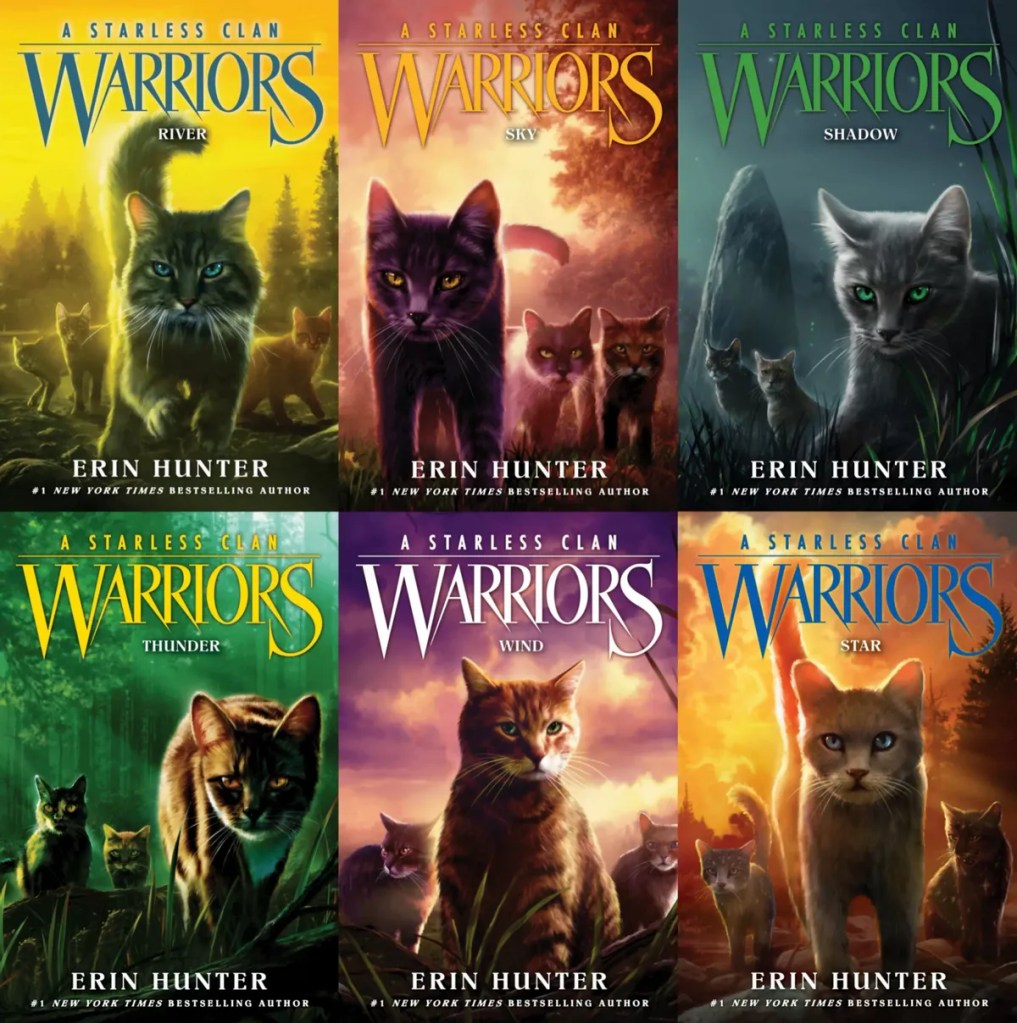
Warrior Cats, a series of books that have sold in excess of 90 million copies worldwide, will be adapted as an animated series.
The new TV series is already in production with Chinese media giant Tencent producing in tandem with El Guiri Studios, an animation studio in Madrid.
The series will likely premiere in 2027.
I read the first volume of Warriors a few years ago to see what all the fuss was about and found a much better story than I expected. The narrative follows a young domestic cat named Rusty who ditches his comfortable life to join a clan of stray and feral cats living in the woods near his former home.
Warriors imagines groups of cats living in clans and working together to survive in a dangerous world.
As he adjusts to his new surroundings, he’s welcomed and supported by the clan’s cats, but others mock him as a “kittypet.” Rusty is determined to prove himself and his value to the clan.
The narrative is well paced, and there’s a compelling mix of world-building and action. The series is written for younger readers, probably appealing most to teens and pre-teens, but the authors — who collectively work under the pen name Erin Hunter — don’t condescend to their audience.
There’s tragedy, despair and death, but the book treats them with appropriate gravity, never trivializing events.
At a time when 28 percent of American adults are functionally illiterate, more than half read below a sixth-grade level, and schools are churning out graduates who struggle to read simple sentences, you’ve got to reach younger readers where they are.
We’re living through an unprecedented backslide in capability, one that cannot be fully explained by COVID-prompted disruptions to education.
Well-written books like Warriors are crucial in getting kids to read and turning it from a chore to something they enjoy. In a way, they’re this generation’s version of Lord of the Rings or Harry Potter. Let’s hope the animated series inspires even more kids to pick up the books it’s based on.
The series has become known for its whimsical feline-centric episodes, with cats who are always trying to save the world or conquer it.
Love, Death + Robots has had a thing with cats since the very beginning.
The science fiction anthology started off on the right paw with 3 Robots, an inaugural season episode about a trio of intelligent machines touring the ruins of human civilization on a post-apocalyptic Earth, only to discover it isn’t quite as lifeless as they thought, with cats happily ruling the ashes.
We’ve written about the episode before, and it ends, naturally, with cats making the robots their new servants.
The gray tabby who tricks the titular 3 Robots into becoming his servants.
A sequel to that episode added to the legend of feline dominance, and now the fourth season brings us two more cat-centric episodes, For He Can Creep and The Other Large Thing.
For He Can Creep is set in 1757 London, where a poet named Christopher is incarcerated at St. Luke’s Asylum for Lunatics (an actual place) with only his cat. Jeoffry, for company. Christopher’s talent is mistaken for madness by the asylum staff, but not by the devil, who realizes the poet’s words have a unique power.
The problem? Jeoffry stands in his way. It turns out felines have spectacular evil-fighting powers, and the very British, very 18th-century devil offers Jeoffry an endless supply of treats, plus dominion over the Earth, if he’ll simply stand aside and let his human fall under the influence of evil.
Jeoffry, of course, is not having it, but to have a chance of defeating such powerful evil, he’ll need to enlist the help of the nearby alley cats, including an adorable but ferocious kitten named Nighthunter Moppet…
Nighthunter Moppet may be a tiny kitten, but she’s ferocious!
Jeoffry demonstrates the feline ability to teleport, a skill Bud has often used to confound me.
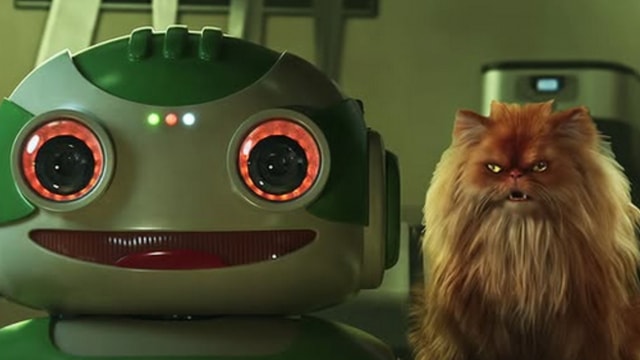
The Other Large Thing is a prequel to 3 Robots and 3 Robots: Exit Strategies, and focuses on a fluffy Persian whose humans call him Sanchez, a name he hates.
The humans are portrayed as jibberish-speaking morons for whom Sanchez has nothing but contempt, and when the “pathetic minions” bring home a domestic robot servant, Sanchez is infuriated — until he realizes the robot can “speak God’s language,” aka cat, and has opposable thumbs.
With the robot as his new minion, Sanchez finally sets out to conquer the world!
Sanchez realizes he’s struck gold when the new robot home assistant fetches as many cans of “the good stuff,” aka wet food, as he wants from the previously unreachable cupboard top shelf.
Both episodes are based on short stories, and they’re both written by people who clearly love cats.
Some episodes of LDR can get a little dark or somber. That includes Beyond the Aquila Rift and Sonny’s Edge, written by Alastair Reynolds and Peter Hamilton, two of my favorite novelists. Both episodes are spectacular, but they leave you with a chill and some disturbing thoughts that linger long after the credits end.
The feline-themed episodes are the perfect digestifs, offering doses of whimsy and levity to counter the existential dread and nightmarish visions of the future of other installments.
With no more humans to do their bidding, cats seize the opportunity and conscript the visiting robots as their new minions.
If you haven’t had the chance to check out the series, which streams on Netflix, I highly recommend starting with the aforementioned first season episodes 3 Robots and Beyond the Aquila Rift, then working your way through the rest of the cat episodes.
Not all of the episodes are great. The 400 Boys, one of the new episodes, is little more than inane and pointless violence, and the ubiquitous, creepy smiling “Mr. Beast” makes an appearance in another installment in an unnecessary attempt to attract new viewers. Thankfully most are strong, with more hits than misses.
Other highlights include the Christmas-themed short, All Through the House, Harlan Ellison’s Life Hutch, Reynolds’ Zima Blue, and Snow In The Desert.
The animated feature about a cat surviving an apocalyptic flood has racked up awards and earned universal acclaim.
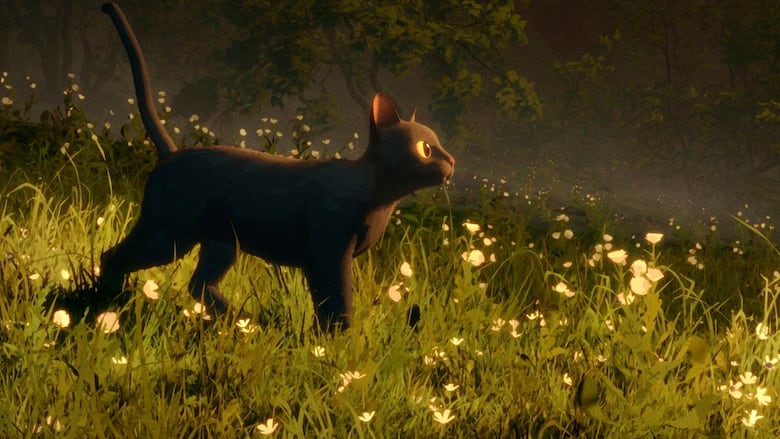
It’s been quite a year for Latvian animator Gints Zilbalodis and Cat, the star of Flow.
Their film won an Oscar for best animated feature film, racked up wins at the Golden Globes and smaller film festivals, became the most-watched film in Latvian history, snuggled its way into the hearts of audiences in the US, Europe and Asia, and enjoys incredibly rare universal accolades from critics and viewers alike, scoring 97 and 98 percent with each group respectively on film review site Rotten Tomatoes.
Now Cat has officially recognized his Oscar by doing precisely what his species loves to do. In a short video posted by Zilbalodis, Cat smacks the golden statue off the railing of his boat and onto the deck, to the annoyance of his lemur buddy.