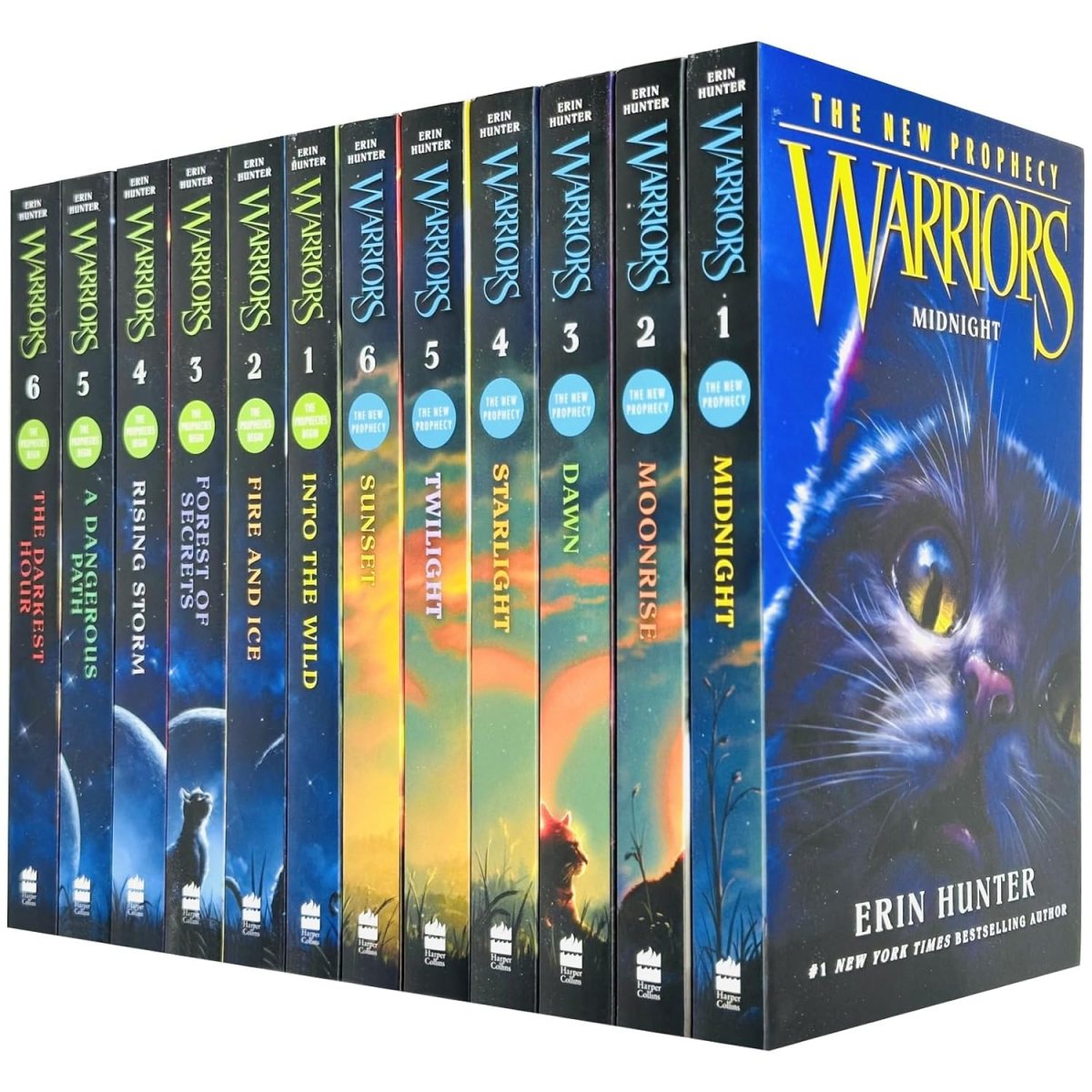
Hugely Popular ‘Warrior Cats’ Book Series Scores A TV Adaptation

The novels have sold almost 100 million copies worldwide and have prompted millions of kids to read.

Warrior Cats, a series of books that have sold in excess of 90 million copies worldwide, will be adapted as an animated series.

The new TV series is already in production with Chinese media giant Tencent producing in tandem with El Guiri Studios, an animation studio in Madrid.

The series will likely premiere in 2027.

I read the first volume of Warriors a few years ago to see what all the fuss was about and found a much better story than I expected. The narrative follows a young domestic cat named Rusty who ditches his comfortable life to join a clan of stray and feral cats living in the woods near his former home.
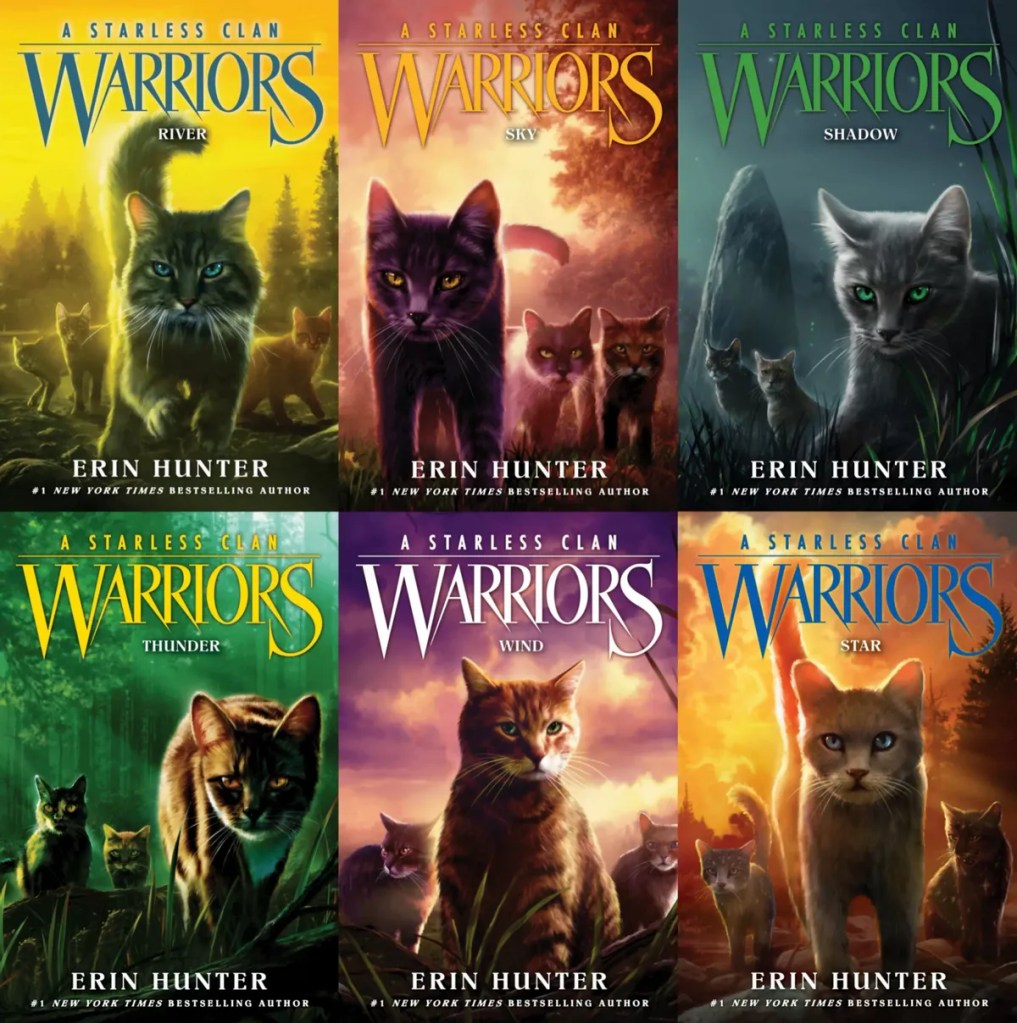
Warriors imagines groups of cats living in clans and working together to survive in a dangerous world.

As he adjusts to his new surroundings, he’s welcomed and supported by the clan’s cats, but others mock him as a “kittypet.” Rusty is determined to prove himself and his value to the clan.

The narrative is well paced, and there’s a compelling mix of world-building and action. The series is written for younger readers, probably appealing most to teens and pre-teens, but the authors — who collectively work under the pen name Erin Hunter — don’t condescend to their audience.

There’s tragedy, despair and death, but the book treats them with appropriate gravity, never trivializing events.

At a time when 28 percent of American adults are functionally illiterate, more than half read below a sixth-grade level, and schools are churning out graduates who struggle to read simple sentences, you’ve got to reach younger readers where they are.

We’re living through an unprecedented backslide in capability, one that cannot be fully explained by COVID-prompted disruptions to education.

Well-written books like Warriors are crucial in getting kids to read and turning it from a chore to something they enjoy. In a way, they’re this generation’s version of Lord of the Rings or Harry Potter. Let’s hope the animated series inspires even more kids to pick up the books it’s based on.
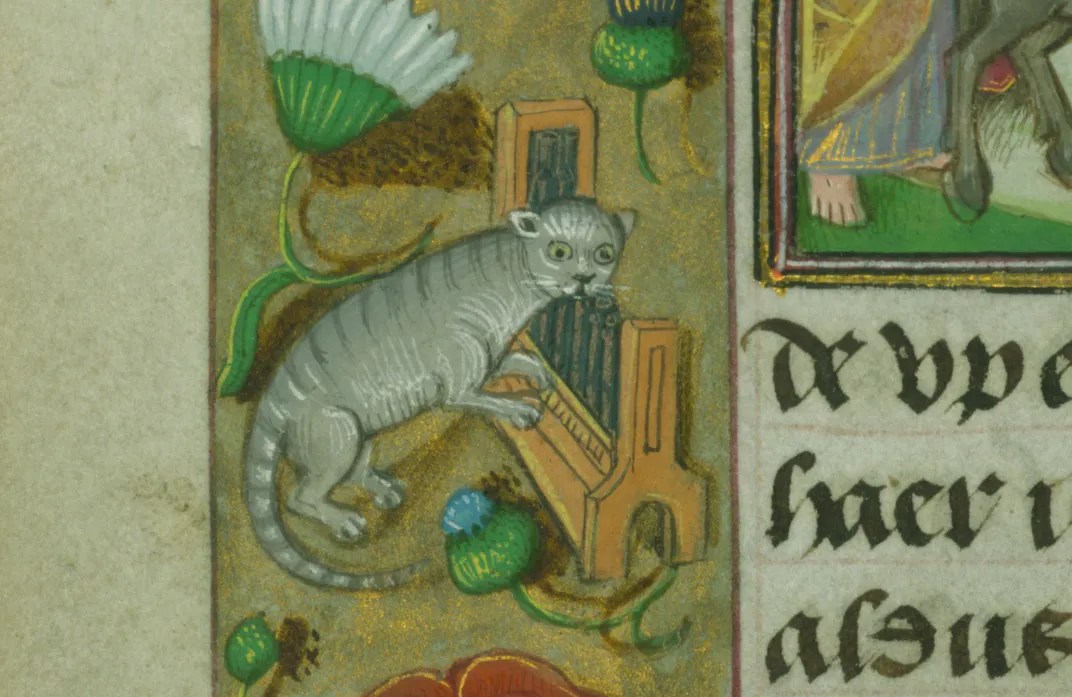
‘I Tread Where I Please’ Said Cat Who Left Paw Prints On Manuscript 500 Years Ago

It turns out cats have been adding their special sauce to our communications for as long as written language has been a thing.

Illuminated manuscripts date back long before the printing press, and their manufacture was arduous.

Literacy itself was rare in the Dark Ages and usually only the province of educated nobility and the professionally religious. Most people had no hope of learning to read, so the monks charged with copying religious texts were already practitioners of a rare skill for their time.

They weren’t just writing either. They carefully illustrated each page with drawings, cartouches and other decorative touches, and the text itself was a form of art in its calligraphic symmetry, designed to be beautiful as well as legible.

It took thousands of hours to complete a manuscript. There was no whiteout and no do-overs: a mistake meant the page had to be scrapped even if it represented a week’s worth of work.

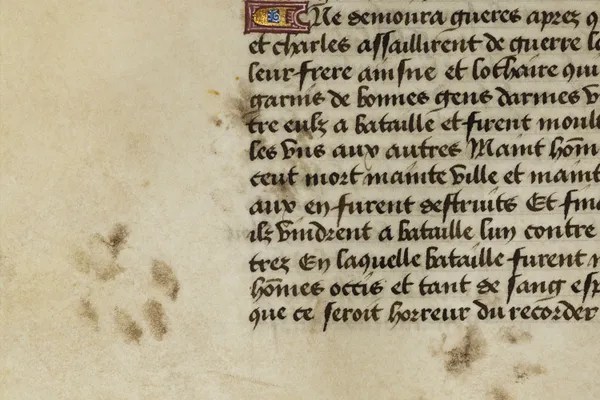
So when a Flemish scribe finished a page of his manuscript and set it aside, he thought he was in the clear — until a cat came along and left its own signature in the form of paw prints.

Three of them, in fact, representing one and a half kitty strides. Two of the feline’s little feet found white space, but another landed right on top of the meticulously rendered text.

The feline-marked parchment in all its glory.

It kind of puts keyboard cats in context, doesn’t it? Our four legged friends may occasionally ruin our drafts or emails — or in my case wreck a music recording session with a discordant keyboard solo by walking across a synthesizer at an inopportune time — but at least they don’t cost us dozens of hours of work.

The 500-year-old, kitty-marked manuscript is now the centerpiece of “Paws On Parchment,” a new exhibit at Baltimore’s Walters Art Museum.

Click here for more details from the museum, which is open Tuesday through Saturday, with late hours on Thursday evenings. Admission is free.

And if you ever take up calligraphy as a hobby, keep your work hidden from your feline overlords!