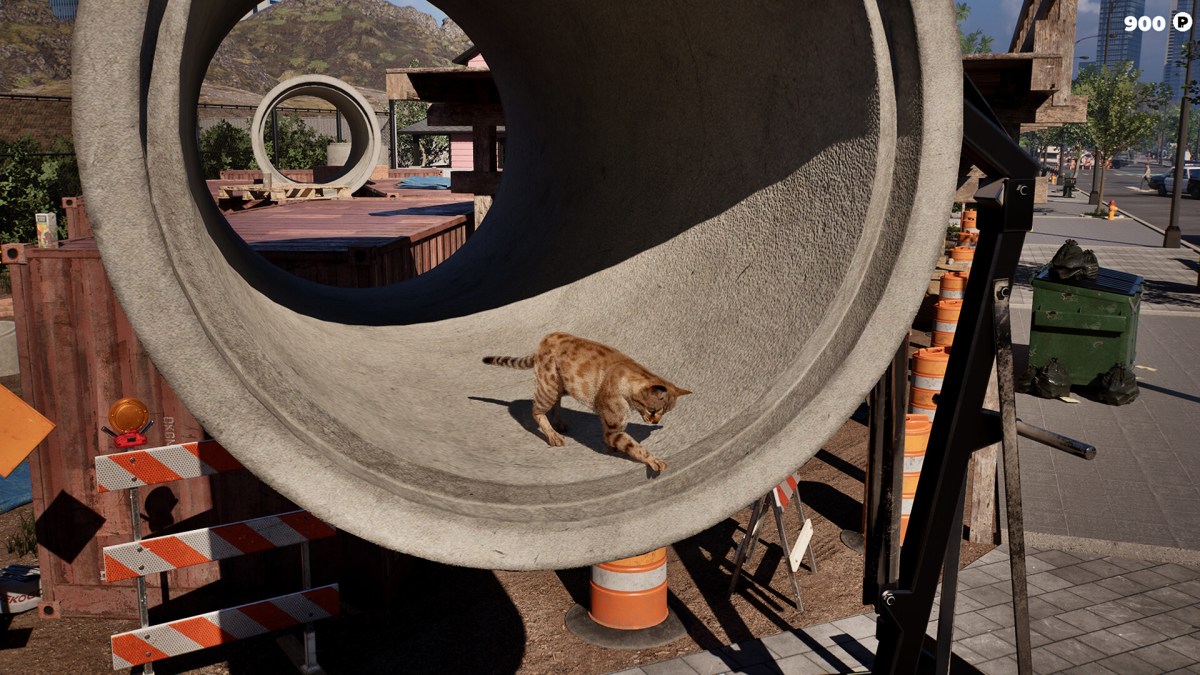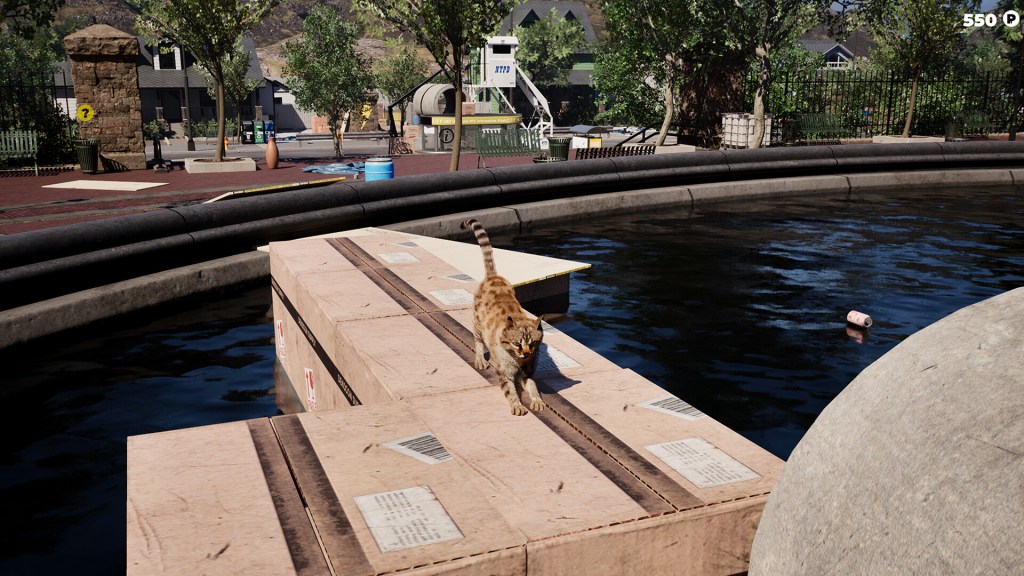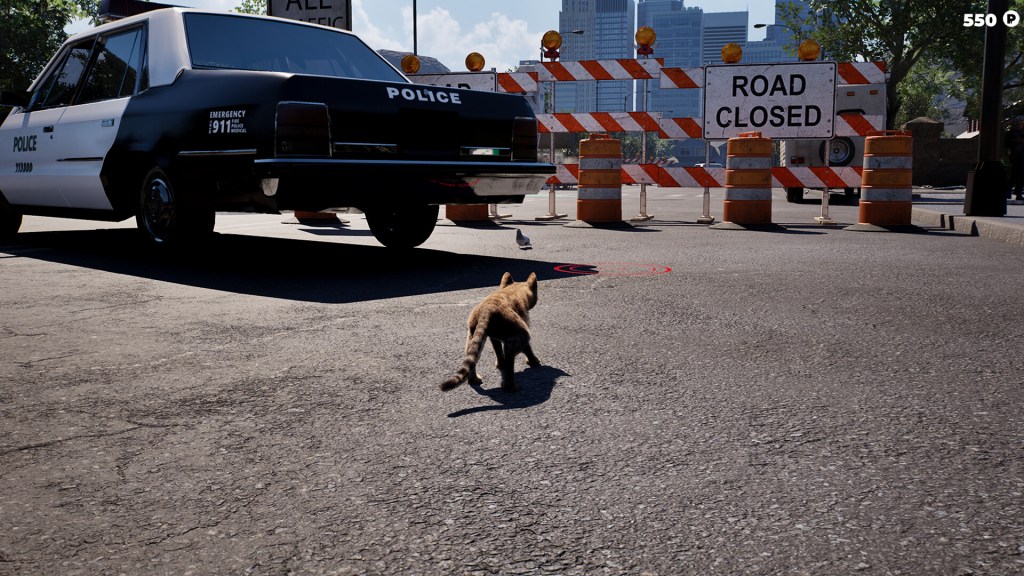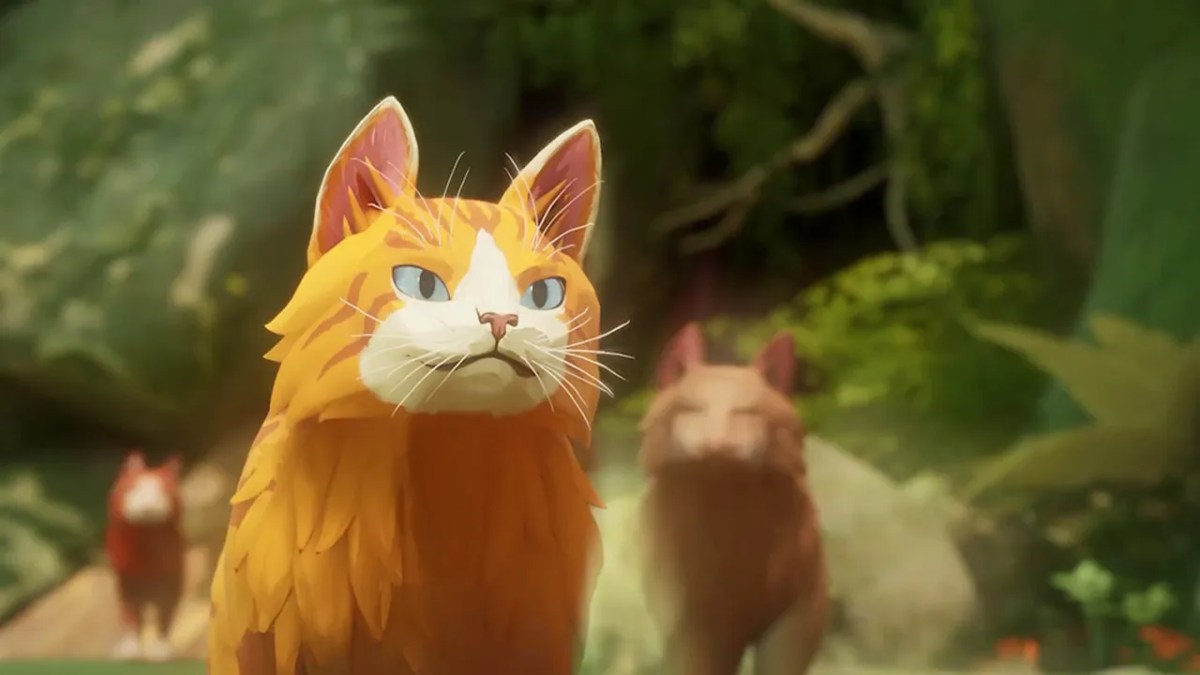
When reviewers accuse you of ruining childhood memories and start invoking all-time pop culture lows like Indiana Jones and the Crystal Skull, you know you’re in trouble.
I winced when I opened Steam on Friday and saw the newly-released Warrior Cats: Clans of the Forest had an abysmal “Mostly Negative” aggregate score on Steam. Since then the reviews have marginally improved, if you can call it improvement, with only 47 percent of players recommending the game for a “Mixed” rating, but most of the muted enthusiasm comes from the game’s intellectual property, not its production values, game loop or mechanics.
One reviewer called the narrative “diabolically bad,” saying the game’s story writers apparently paid little attention to the bestselling books it’s based on. Almost every review mentioned disappointment with the game’s cat-creation system, with Warrior Cats limiting users to a series of pre-determined names and strange coat colors that supposedly correspond to your character’s capabilities.
That means if players want to make their own cats in the game, they’re out of luck, and they have to choose between a cat who they favor aesthetically and one who has the attributes they want.
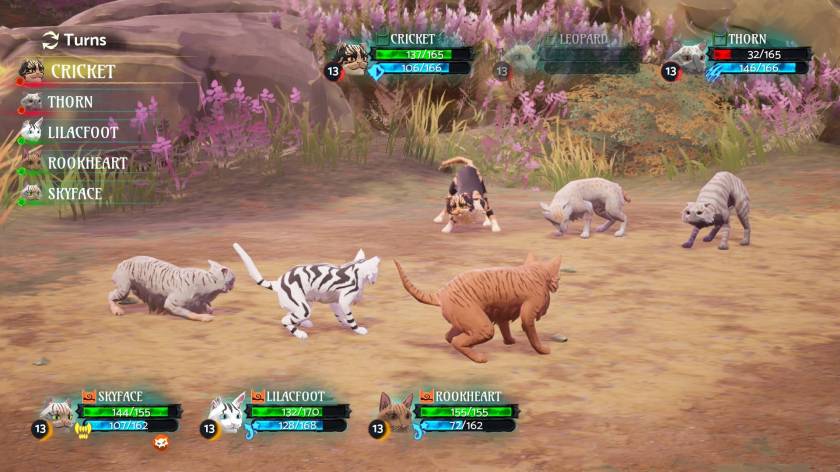
“I would’ve hated this as a kid as much as I do now. Playing Warriors on the playground by myself was more fun than this,” one reviewer wrote. “At least I had my imagination. Here, you have a buggy game with completely unintuitive mechanics, randomly generated clan cats that don’t matter to the story or to your story, tiny field mice that attack you, a lack of swimming ability in Riverclan, repetitive fight mechanics, invisible walls abound in an open world, and a storyline that is beyond paper thin. I wrote Warriors dialogue on Proboards when I was 8 that [were] better than anything in this game.”
“[S]uch a slog to get through; awful camera controls, repetitive quests, and a nonsensical story,” another wrote. The ending for the player’s chosen clan was “so absurd and out of nowhere I was dying from laughter from how bad it was.”
It’s worth noting that most of the negative reviews were from players who spent significant time in the game, enough to provide a fair assessment of what the game has to offer. The reviews PITB sampled were from players who had mostly between seven and 14 hours in-game.
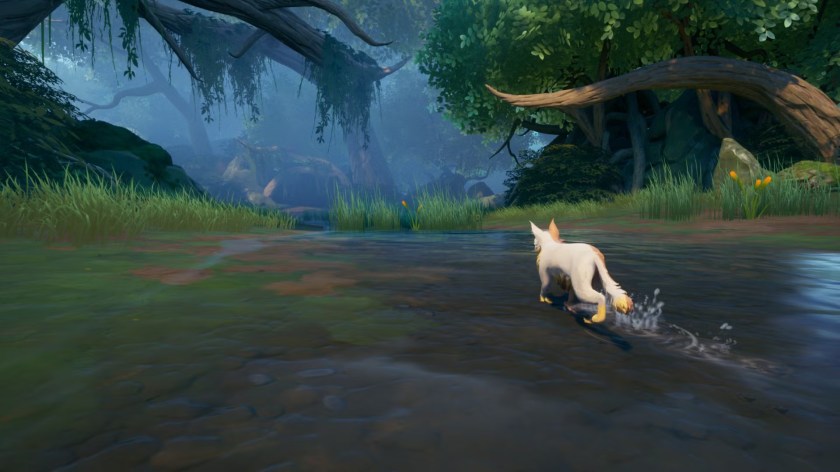
Not everyone was down on the game. Most, including those who didn’t like the story or mechanics, praised the visuals, and a sizable minority of players wrote about how much they enjoyed playing a game set in a universe that was important in their childhood. Nostalgia did a lot of the heavy lifting in positive reviews.
Reviews from game critics were also mixed, although it’s worth noting there aren’t enough reviews for a consensus on Metacritic yet.
Steam shows the amount of in-game time under reviews so other players can get a sense of how much the individual reviewers stuck with games. The reviews show time played as of the moment of the review and total time played, so you can also see if a positive review preceded repeated plays. In a narrative game like Warrior Cats, 10 to 15 hours’ worth of content is about expected for a playthrough, while players in some games – open world exploration, survival, strategy, multiplayer – can amass hundreds of hours or more over years, attesting to a game’s replay value and the amount of content included.
Steam review aggregates are broken down into Overwhelmingly Positive for games praised by 95 percent of players or more, Very Positive for games reviewed favorably by at least 80 percent of players, Positive for games that have the same ratio of favorable reviews but fewer total reviews, Mostly Positive for games favored by 70 to 79 percent of players, and Mixed for games that meet the approval of between 40 and 69 percent.
The worst are Negative, Very Negative and Overwhelmingly Negative, reserved for games that are total disasters without redeeming qualities. Those games are often unfinished, abandoned by their developers, or are blatant cash-grabs.