Amazon Driver Accused Of Stealing Family’s Cat Now Says It’s His Cat And Always Has Been

The case of an allegedly stolen feline has taken a strange turn.

Two weeks ago we posted a story about Junie, a tabbie in Bakersfield, Calif., who was grabbed by an Amazon driver making a delivery at her family’s home.

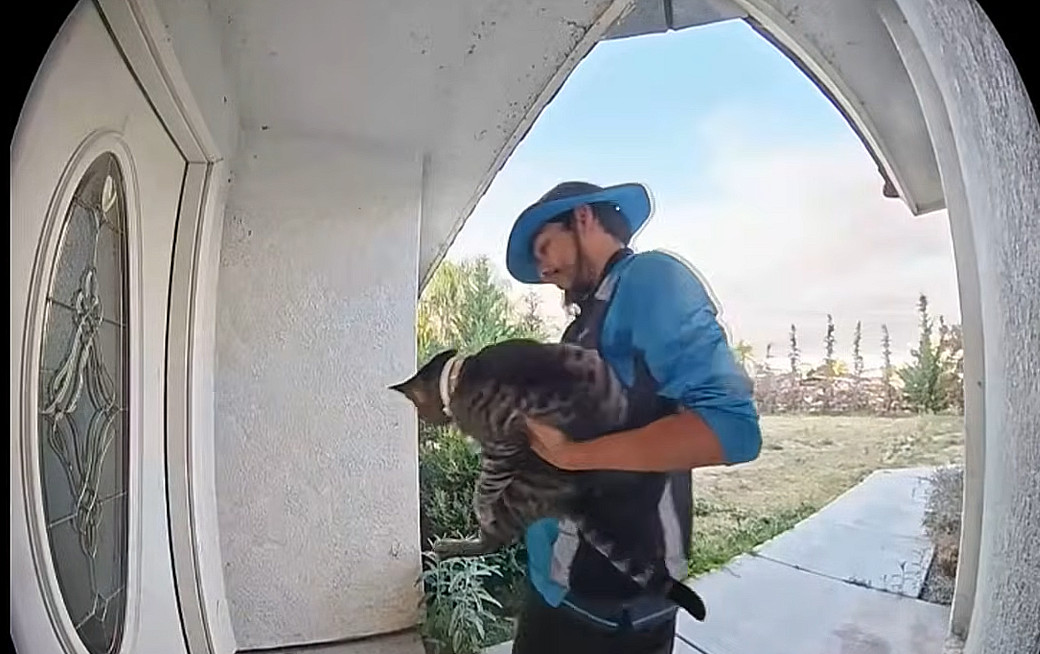
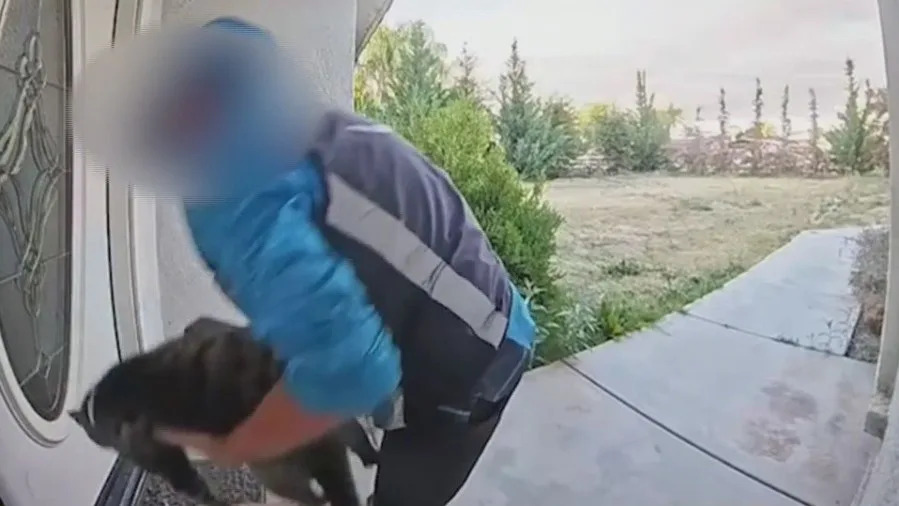
The Ring camera video clearly shows the driver delivering a package, picking Junie up and walking off with her. In the intervening time, the family has released the video, spoken to local media, filed a report with police and implored Amazon to help them get their cat back.

Amazon shifted the blame to a local contractor that employs delivery drivers, saying the driver is actually an employee of that company despite wearing an Amazon uniform. Police say the investigation is ongoing.

But now the driver has come out publicly and said that, actually, Junie is his cat, and actually, he just happened to deliver a package to the home of the family who allegedly took her.

“I was just doing my regular route. I approached the house. I got Brenda’s package, and I took it like a normal day,” Joshua Gonzalez told KGET, the local NBC affiliate in Bakersfield.

Brenda Wilson is Junie’s caretaker who previously spoke to the same news team about the alleged theft.

The document Gonzalez produced says the feline was a stray adopted on Oct. 9 of 2025, but Gonzalez said he never got around to naming her. Referring to the cat variously as “him,” “her” and “it,” he said he was thinking of naming “him” Spartan.

“I heard a meow,” he said of the moment he delivered the package. “I recognized it was my cat because of the distinct design it had on its forehead. It has the ‘M,’ the eyes, and how the body was set. I knew it was my cat. So I just grabbed him and walked off.”

Gonzalez says he adopted the cat for his seven-year-old daughter.

Aside from the incredible coincidence of supposedly finding his cat during a random work delivery, and the odd detail about not naming a cat that he says had been in his home for at least six months — as well as his apparent uncertainty about the feline’s gender — the document Gonzalez produced does not include a photo of the animal.

Then there’s the fact that literally all domestic tabby cats have the “M” marking on their foreheads, which is the most clear sign they’re tabbies. It’s not clear if Gonzalez thinks the mark is unique, and the news team didn’t ask the obvious question.

Wilson’s been in touch with Gonzalez and his family. She says she’s had Junie for five years, says Gonzalez used to live in her neighborhood, and has gotten nowhere with attempts to get Junie back.

“We’ve had some back and forth with them and they really are saying this is their cat, and I don’t know if it’s a cover, [if] they just really wanted her, or if they really do think this is their cat,” she said. But, she noted, “it’s an easy fix,” meaning the police can quickly determine who Junie/Spartan belongs to by looking at photos, timestamps, vet and adoption records.
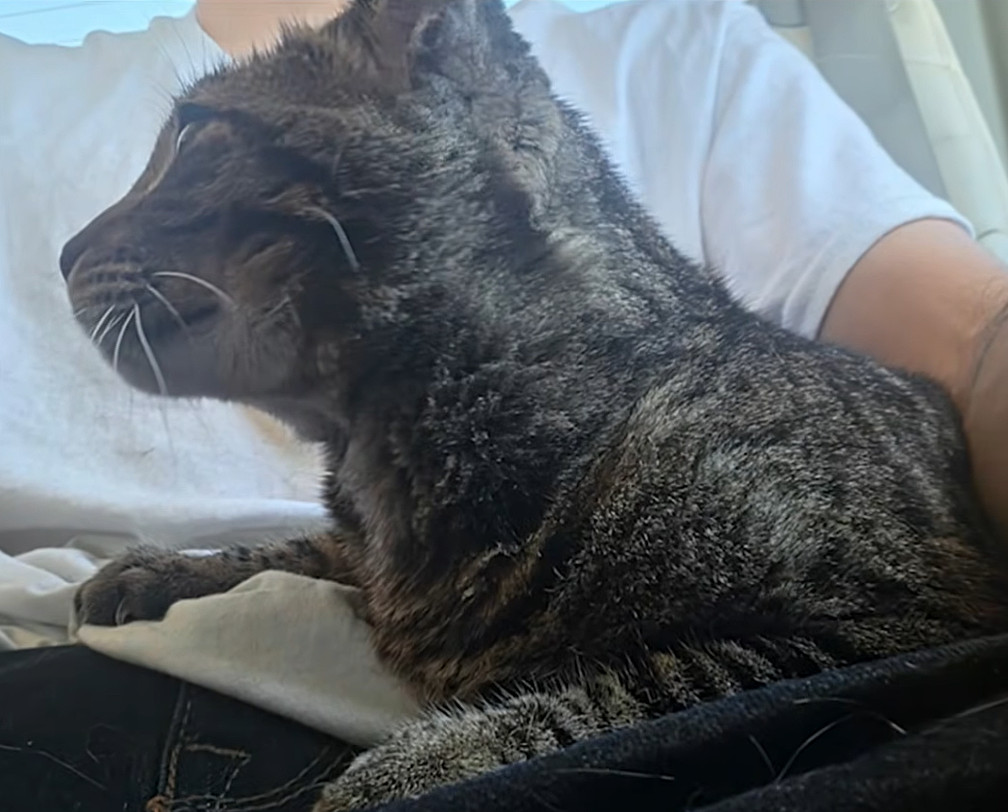
Junie, whom Gonzalez says might be named Spartan, is pictured here in an image provided to KGET by Gonzalez. He says the cat is in her rightful home and is happy.

Gonzalez told KGET he realizes the video of him taking the cat “looks bad,” but said neighbors should not jump to conclusions.

“I want them to know I didn’t do anything bad but get my cat back, and now it’s in its rightful home, it’s back where it belongs,” he said. “Like anybody else would do, if they lost their cat and they see it on someone else’s porch, they would do the same thing.”

A couple thoughts here: in addition to the unlikely coincidence that someone would randomly discover their missing cat this way, not bestowing a name on a pet he’s allegedly had for seven months, and the inconclusive document, the video does not show surprise on Gonzalez’s face, nor does it show any hesitation or effort on his part to look at the cat closely.

Instead, he goes immediately from scanning the package and placing it down to picking the cat up. Then just walks off. Even when he pauses momentarily, it’s to look at his phone, not the animal.

You’d think that, if he really did serendipitously discover his own missing pet, there’d be visible surprise or a reaction on his face. You’d think he’d take a long look at the cat just to make sure it really is his. You’d think he’d knock on the door or at the very least leave a note instead of just walking off with the cat. And if this really happened the way Gonzalez says it did, wouldn’t he have told his employer so there’s no misunderstanding?

None of that happened, according to the media reports, the video and Gonzalez’s own words. Of course, Gonzalez could be telling the truth. Stranger things have happened. But the burden of proof is on him here.

I have written in the past about people who aren’t sure if they’ve recovered their own cat, and while I’ve said I’d know Bud instantly — and I maintain I absolutely would, because of his behavior and demeanor as well as his appearance — I’d still be shocked at finding him that way.

If he were missing, I would be overjoyed at finding him. Thrilled. Ecstatic. I’d probably act like a complete idiot, pick him up, spin around and kiss his little forehead. And he’d definitely react, trilling out a “Servant! Where have you been?!? This period of separation has been unacceptable and intolerable! Return me immediately to my proper domicile, where I expect you will have my preferred meal and be ready to ply me with snacks and catnip in profound apology for allowing this ghastly ordeal!”

Okay, so maybe people wouldn’t understand that bit of dialog, but I sure as hell would get his meaning, and I am absolutely a thousand percent sure that’s how he’d react. We’d both be ecstatic about being reunited.
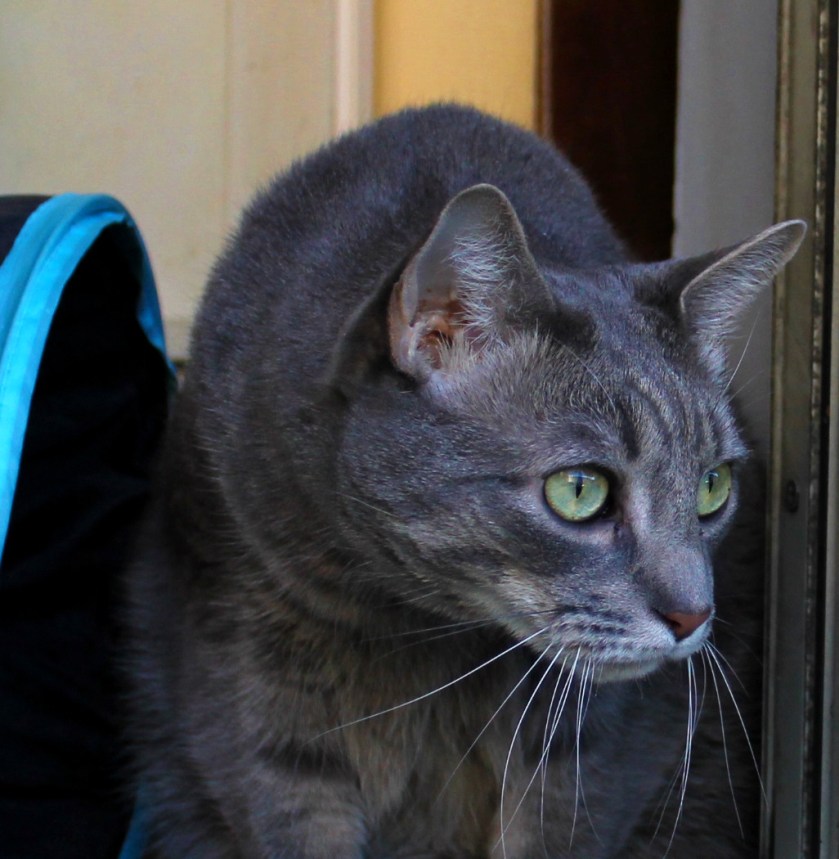
Above: One of approximately 716,253 photos of Buddy in my possession.

I’d also have a mountain of proof: literally four cell phones’ worth of camera roll photos, several hundred photos from my Canon, neuter and vaccination records, receipts from the emergency vet, Chewy records listing an obscene amount of turkey orders, poorly Photoshopped images of him committing various heroic deeds with timestamps dating back more than a decade, and an entire blog dedicated to glorifying him as a meowscular, handsome and inimitable little fellow. But that’s just me.

A spokesperson from the local sheriff’s office told KGET they’re still investigating the alleged theft. I hope that’s true, and I hope they take this seriously. Regardless of US law’s archaic view of pets as property worth a fixed, cheap value that does not take sentiment into consideration, serving the public means setting things like this right. If one party doesn’t like what the police decide, they can go to court.

But for the sake of Junie and her family, they need to get this settled, and quickly, before the feline disappears.

“The evidence is overwhelming, your honor. He even has a disturbing number of poorly Photoshopped images of his cat slaying dragons, fighting evil robot armies, landing on the moon and dunking basketballs over NBA players.”

Another Amazon Driver Steals A Cat, This Time In California

Junie the cat is a friendly tabby who was taken by an Amazon driver delivering a package to her family’s home in Bakersfield.

First, please allow me to apologize for the light blogging this week. Allergies are absolutely killing me right now and apparently pollen counts are about as high as they get locally, according to weather sites.

I don’t usually get it this bad, but holy crap! I’m stuffed up, my eyes are watering and my head is pounding. Is it possible that one type of allergy can override another? If so, maybe I should grab Bud and take a deep huff. His reaction alone would be worth it.

“What the…what is the meaning of this, human?! Unhand me immediately, and apologize with those Friskies Natural yums that I like!”

Today we have another story about an Amazon driver taking a family’s cat after delivering a package to their home in Bakersfield, California.

The family’s home security cameras captured footage of the driver approaching the friendly cat named Junie on May 14 and driving off with her.

Amazon won’t name the driver and will only say that the company is cooperating with police, according to NBC affiliate KGET in Bakersfield.

Junie Credit: Wilson family

So far Junie hasn’t been returned and Junie’s family has no answers.

I realize that Amazon is a massive company and that millions of deliveries go off without a hitch, but still. There are dozens of incidents involving drivers stealing cats that we know of, many more that preceded our efforts to track the ongoing problem, and the company has a reputation for being unhelpful in assisting customers when their drivers take off with pets. At what point does someone say “Hey guys, don’t steal cats and dogs from our customers”?

Likewise with the lack of protocols to deal with these situations and the company’s slow responses in situations where it’s critical to act as quickly as possible.

Local police are investigating while Junie’s family pleads for the return of their cat. As with several other families who have been in this position, they say they just want her back and won’t ask questions if she’s returned.

“They could just drop her off in the driveway, she knows what to do,” said Brenda Wilson, Junie’s caretaker. “She’ll come straight to the garage, get inside the house.”

PS – Please excuse this test: The Cat Guy is a no good, lousy, rotten content thief! (Wink wink!)

Update, 5:27 pm: I wanted to see if The Cat Guy was manually reposting my content or automatically scraping it. I’ve now confirmed the latter. There are few options for dealing with this, but we’ll see.

Beloved Bodega Cat Killed By Autonomous Taxi In San Francisco

In disrupting another industry, AI has moved into a realm where its use has physical consequences.

I’d planned on taking a break and easing up on posts after the glut of cat-related news the past few days, but this story is disturbing, timely, and sadly we’ll almost certainly hear about more of these incidents in the near future.

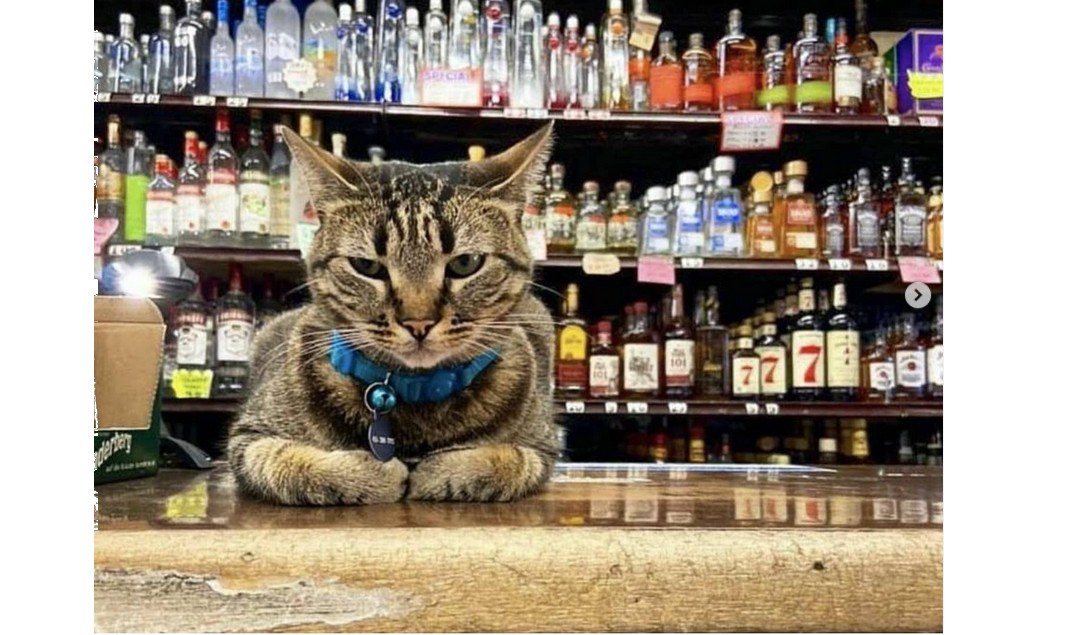
KitKat, a nine-year-old tabby who called Randa’s Liquor Store in San Francisco’s Mission District home, was killed late Monday night by a vehicle owned by Waymo, an autonomous ride-hailing service.

Witnesses said they saw the Waymo hit the cat and pulled him out from under the self-driving car. They say KitKat was sitting on the sidewalk at the time. It’s not clear if the Waymo vehicle drove up onto the sidewalk or if its bumper was the impact point.

A witness who filed a report with 311 via smartphone said the Waymo vehicle “did not even try to stop.” The car continued on to its next pickup.

Several people rushed the injured tabby to a 24-hour emergency veterinary clinic, but his injuries were too severe and he died five minutes before his human arrived.

KitKat outside Randa’s Market. Credit: Randa’s Market Instagram

KitKat was extremely popular with people in the neighborhood, patrons of the neighboring bar and sandwich shop, and passersby. They described him as a feline who liked to patrol the sidewalk and pop into the bar and sandwich shop to “supervise,” making sure all was well in his little realm.

“Everyone’s heartbroken,” Jessica Chapdelaine, who tends bar next door and lives in an apartment above the liquor store, told Mission Local. “He’s the baby. He was everyone’s best friend and he was just the sweetest boy.”

Waymo didn’t respond to requests for comment by Mission Local, TheSFist and other media. The Google-owned company had not addressed the incident on its website’s press page, nor on its X account despite several users bringing it up, as of Thursday morning.

“You can’t even drive in the dark in normal weather without killing a cat,” one user wrote, while others weren’t nearly as diplomatic.

The San Francisco Standard provides a bit of context on the autonomous vehicle issue in California:

“The state had logged 884 autonomous vehicle collision reports as of Friday, according to the Department of Motor Vehicles (opens in new tab). A dog was struck and killed by a Waymo in Bernal Heights in 2023. A week later, a Labrador survived getting hit by a Cruise self-driving car; the company no longer tests its cars in San Francisco.”

On the other hand, there have been several dramatic incidents involving autonomous vehicles that have successfully avoided collisions with other cars, people and animals, even when given a fraction of a second to respond. In an incident in LA from earlier this year, a home security camera caught footage of a Waymo stopping instantly to avoid a dog that ran out into the street directly in the car’s path:

A human driver almost certainly could not make a safe decision in that time interval, but a machine can confirm there is no car immediately behind it and execute the stop within a few milliseconds.

Still, as more ride hailing services roll out autonomous fleets and expand into more cities — as the major players in the still-developing industry are already doing — this will become more of an issue. Waymo operates fleets in San Francisco, Los Angeles, Phoenix, Austin (TX) and Atlanta, and plans to roll out its service in Miami and Washington, D.C., in the near future.

The obvious question is whether AI-driven vehicles are safer than cars with people behind the wheel, for drivers and pedestrians. The answer seems to be yes, especially as the technology improves. Machines don’t text while driving, don’t get distracted fiddling with radios and don’t get behind the wheel after drinking. Sensors and software have improved dramatically in just a few years.

But that won’t be enough. There’s a psychological hurdle in giving up control. It’s the same reason why so many people are terrified of flying even though we’re statistically much more likely to die in car collisions. When you’re behind the wheel, you have control over your fate — or the illusion of control, anyway.

A close-up shot of hardware and some of the sensors on the Jaguar I-PACE Waymo autonomous vehicle. Credit: Waymo

Parallel to the questions about safety are concerns about whether any corporation should be permitted to put driverless cars on the road, especially when the companies with the resources to commit to a major venture like this are the familiar Big Tech conglomerates run by the same handful of tech oligarchs.

Should they be allowed to wipe out yet another industry, taking away work from people who drive taxis or for rideshare companies? Do we need the government to step in and place some guiderails on tech that has developed at an unprecedented pace and threatens to upend huge swaths of society? Should we demand a much more robust regulatory process and risk falling behind other countries in the AI race?

These are questions we’ll all have to grapple with, and there are no easy answers.

RIP KitKat.

All images of KitKat credit: Randa’s Market/Instagram


Amazing Cats: The Adorable Colocolo, Feline Of The Pampas

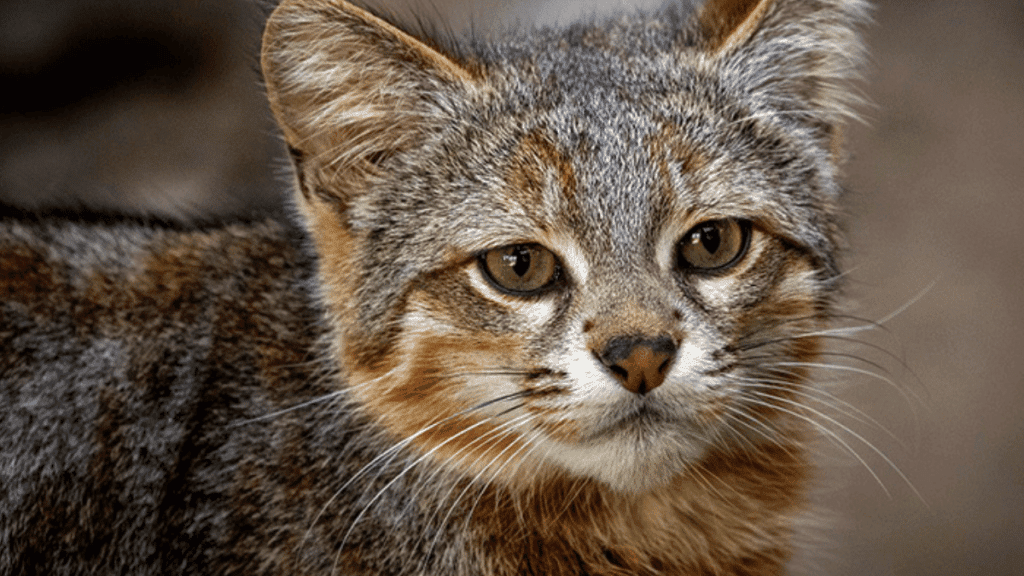
With a perpetual kitten-like appearance and mismatched coat patterns, colocolos may look like the product of AI or Photoshop, but these little ones are very real — and very feisty.

We’re heading back into obscure territory with this edition of Amazing Cats, focusing on a little-known species that ekes out an existence in the forests and plains of South America.

The colocolo, also known as the Pampas cat, superficially resembles the familiar house cat, but a closer look reveals some striking differences.

Colocolos are small, about the same size and weight as felis catus, but their tails can be quite a bit shorter and extremely fluffy.

Colocolo full
Colocolos have pattern and color combinations seen only in their species. This one has rosettes on his body and tabby stripes on his limbs and tail. Some colocolos have thick tails with tabby-like rings, while others have bushy tails more commonly associated with long haired domestic cat breeds.

There are at least five variations of fur color and pattern, ranging  from marbled to jaguaresque rosettes and, most strikingly, a seemingly mismatched pattern in which the legs have dark stripes over rusty/cinnamon-colored fur, which contrasts dramatically with the gray, gold, silver or tan of their bodies. The overall effect makes some colocolos look like they’ve been photoshopped, or assembled from spare parts.

Some colocolos appear to have solid-color coats which are actually an agouti pattern with barely visible bands of slightly darker fur.

While the species may look stocky, conservationists say it’s smaller than it appears, with its fur making up the majority of its “bulk.”

Colocolo color variant
This photo might look like a fake, but it’s a documented combination of coat pattern and color among colocolos.
Colocolo color variant
Another photograph of a colocolo with the rusty/cinnamon limb coloring.

As if that wasn’t enough to distinguish them, Pampas cats have neotenous features that give them an even stronger kittenlike appearance compared to house cats and comparable species like the rusty spotted cat.

In other words, they’re very cute and looking at them can trigger the same protective instincts we feel when we see kittens and cute adult cats. But don’t let their disarming features deceive you — these little guys are not cuddly, don’t respond well to people who get close, and will turn aggressive if you encroach on their space.

Cute colocolo
This adorable colocolo appears to be giving the side-eye to someone. Note the slight suggestion of the classic tabby “M” on the forehead.

While they’re alternately called the Pampas cat, the word “colocolo” comes from the language of the Mapuche, an indigenous group that lived in lands that are parts of modern day Chile and Argentina.

In the Mapuche language, Colo Colo was the name of a Mapuche warrior who led his people in their resistance against Spanish conquistadors in the 16th century, but it’s also the name of an evil rat-like creature in Mapuche folklore. It’s not clear how a feline came to bear the name, but the species — leopardus colocolo — is often called gato colocolo to distinguish between the historical figure and the modern-day Chilean football club, Colo-Colo.

Colocolo
You might feel an urge to hug a colocolo, but that would not be a good idea. Experts say the small cats don’t take kindly to close human proximity.

Although they’re associated with the pampa, the flatlands in and around Peru best known for the mysterious Nazca lines, colocolo are adaptable and thrive in forests, jungles, wetlands, and mountain ranges like the Andes, among other terrain.

Their range stretches from Argentina in the south through Chile, Bolivia, Paraguay, Ecuador, western Brazil and an isolated population in Uruguay.

Despite their relatively wide distribution and variety of habitat, colocolos are not well understood. Experts still haven’t settled the question of whether they’re all one species or whether subgroups qualify as their own subspecies. Their hunting habits are not well-documented, although it’s known they prefer small rodents, and there is ongoing debate about whether they are crepuscular, like most felid species, or nocturnal.

Colocolo share a continent with jaguars, pumas, ocelot, jaguarundi, margay, oncilla, kodkod, Geoffrey’s cat and the Andean cat, and the fact that they live in the deep wilderness makes them more difficult to study.

Because their coloration and coat patterns can vary so widely, Pampas cats are often mistaken for other small wildcats living in South America, and people unfamiliar with their species sometimes mistake them for domestic felines.

They’re also very rare in zoos, with only one US zoo (Cincinnati) counting them among their exhibits, and only four Pampas cats in captivity worldwide. (Excluding private captivity by poachers and illegal wildlife traders.)

Like virtually every species of wildcat, the colocolo’s numbers are declining due to a number of factors, primarily human activity like habitat destruction, sport hunting and development cutting populations off from each other.

The more people are aware of these beautiful and little-known felines, the better their chances for long term survival as conservation groups receive more donations to help protect them, and lawmakers are pressured to protect the wilderness where they live.

Yawning colocolo
Like all cats, colocolos appreciate the value of a nice nap.

Previously:

Amazing Cats: The Mysterious Marbled Cat
Amazing Cats: The Rusty-Spotted Cat
Amazing Cats: ‘He Who Kills With One Bound’
Amazing Cats: The Puma

Amazing Cats: The Sunda Clouded Leopard

Man Takes Beloved Bodega Cat: ‘He Stole A Precious Thing In This Community’

The store’s owner says he’s not interested in having anyone prosecuted and he just wants his cat back.

Another day, another person who decided to steal a cat instead of adopting one of the estimated 3.2 million languishing in shelters and waiting for homes.

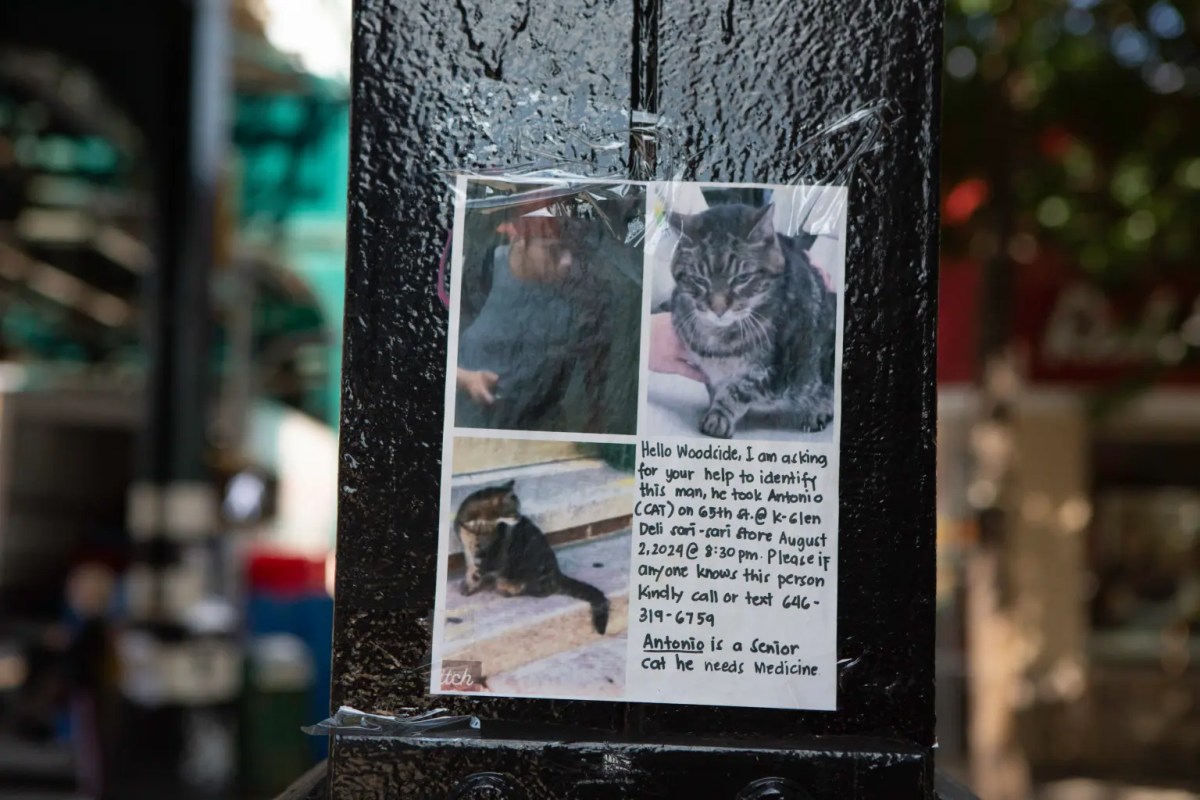
This time, a man made off with Antonio, a well-loved bodega cat who was the unofficial mascot of K’Glen Deli and Sari Sari Store in Woodside, Queens. When store owner Glen Alagasi couldn’t find Antonio and the tabby failed to show up for meal time, Alagasi panicked.

Sure enough, footage from security cameras showed a man picking Antonio up right in front of the store’s entrance and walking away earlier that day, on the afternoon of Aug. 2. As the man walked off, Antonio managed to squirm out of his hands and was trying to get back to the bodega. The man scooped him up again and Antonio was last seen in his arms as they headed toward Woodside Avenue.

Antonio the cat
Credit: Glen Alagasi

Like others who have had their feline friends taken from them, Alagasi said he’s much more interested in getting his cat back than any form of retribution or punishment.

“We’re not asking for any criminal prosecution,” Alagasi told CBS New York. “Just, we need the cat back. [The thief] stole a precious thing here in this community.”

For people unfamiliar with city living, especially in New York, bodegas are a daily part of life and often the only places to buy food in neighborhoods that are otherwise “grocery deserts.” When you live in Manhattan or a borough, the concept of big-time grocery shopping just doesn’t exist, because chances are you’re hauling your purchases back on foot and ascending stairs or an elevator to your apartment.

Technically, the Department of Health forbids the keeping of cats in bodegas and delis, which almost always have hot food and sandwiches prepared on-site. But the fine for a rat infestation is the same as it is for having a cat, and inspectors can’t be everywhere, so most bodega owners figure it’s better to have a little pal who keeps the rats away than cede territory to rodents, especially in a city that struggles with a perpetual rat problem.

The laws are so openly flouted that there are entire social media accounts dedicated to bodega cats, and the operators don’t bother to hide their cats from customers or the press. If the inspectors are going to come, they’ll come.

Alagasi says he’s lost a friend, and customers like Pia Tracy are used to seeing the little guy every day.

Antonio, who often plays with Tracy’s cat, is “part of our everyday life.”

Tracy says she’s “devastated and heartbroken because I don’t know if he’s okay. We just hope he’s okay.”