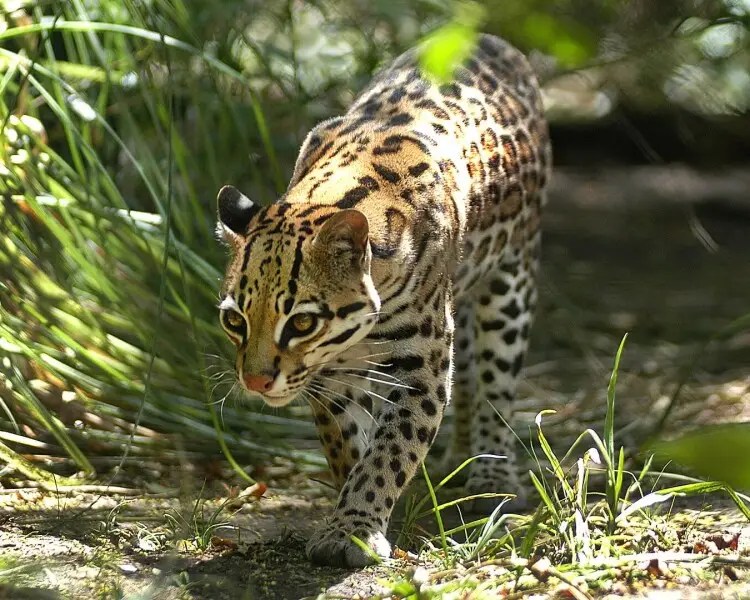
A New Species Of Cat Has Been Identified For The First Time In A Century

With its kitten-like features and striking rosettes, the Tilcayo tiger cat managed to evade scientists thanks in part to its remote range.

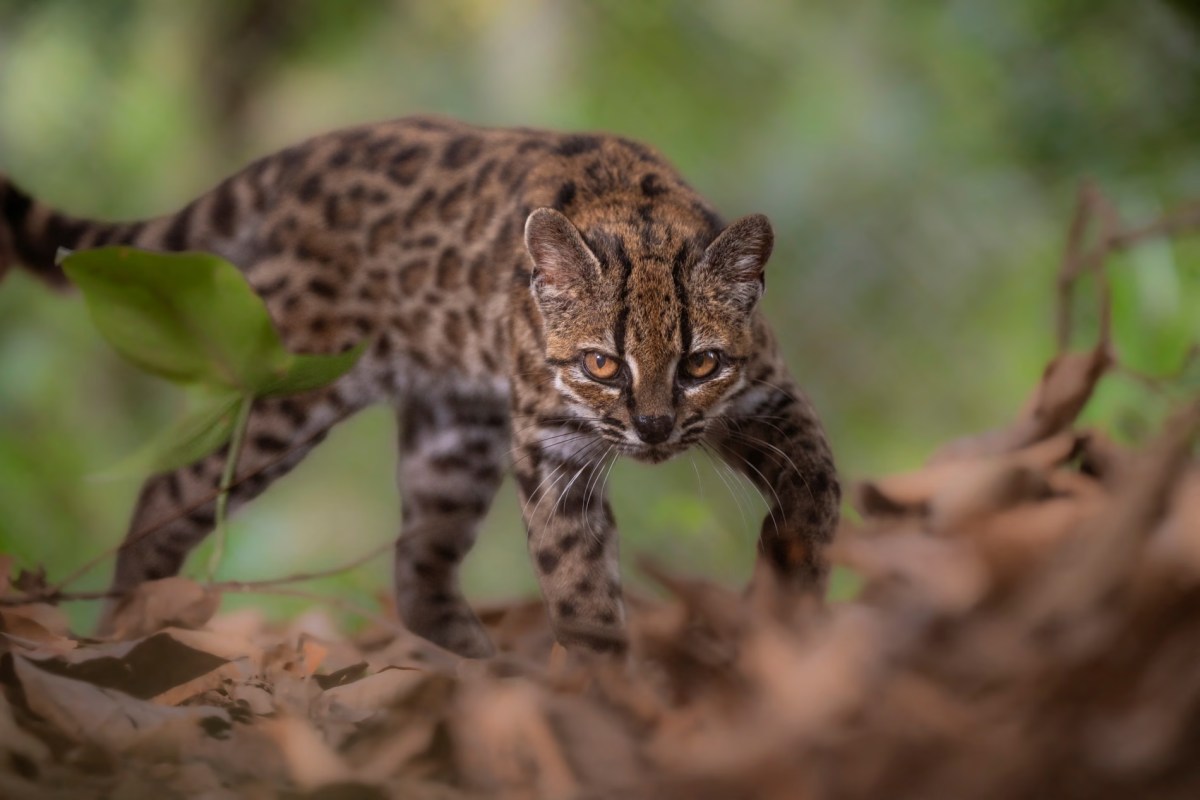
Say hello to Leopardus tilcayo, also known as the Tilcayo tiger cat.

The small, slender feline is the first new species of cat discovered in 103 years following the Uruguayan pampas cat in 1923. Found in Bolivia’s Yungas forest, also known as the cloud forest for its high elevation and lush vegetation, the Tilcayo tiger cat is smaller than domestic felines, weighing in at about six pounds on average.

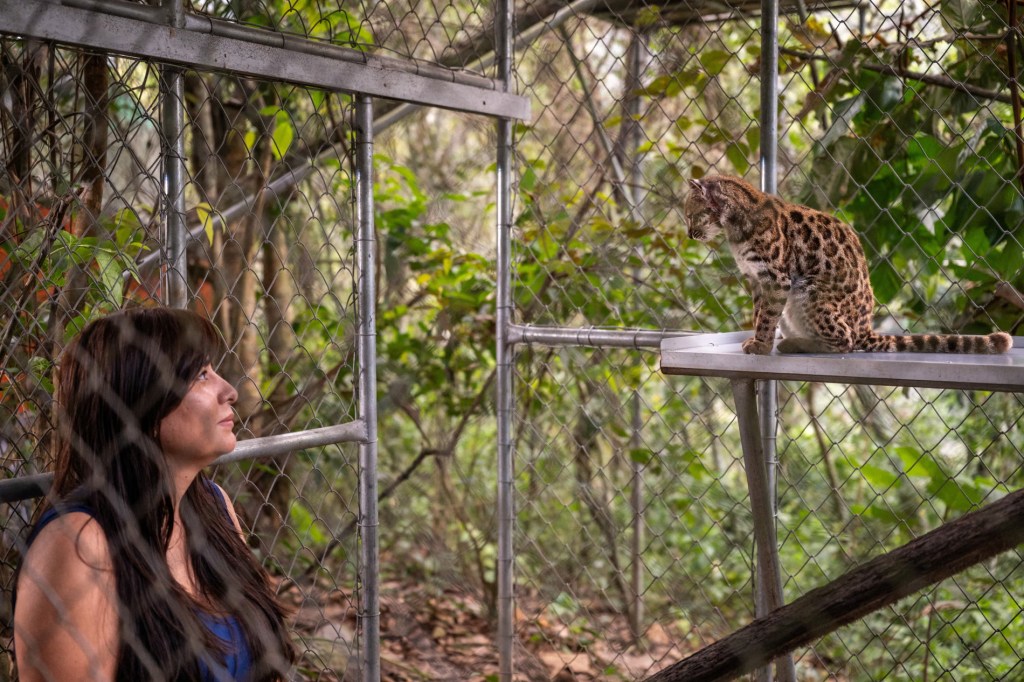
A woman inside a wildlife enclosure gazes at a small, spotted cat perched on a platform, surrounded by greenery and a chain-link fence.
Paola Nogales Ascarrunz, a scientist and National Geographic explorer, co-authored the study that announced the discovery of Leopardus tilcayo. Her team used genetic analysis to confirm the Tilcayo tiger cat is a separate species. Credit: National Geographic

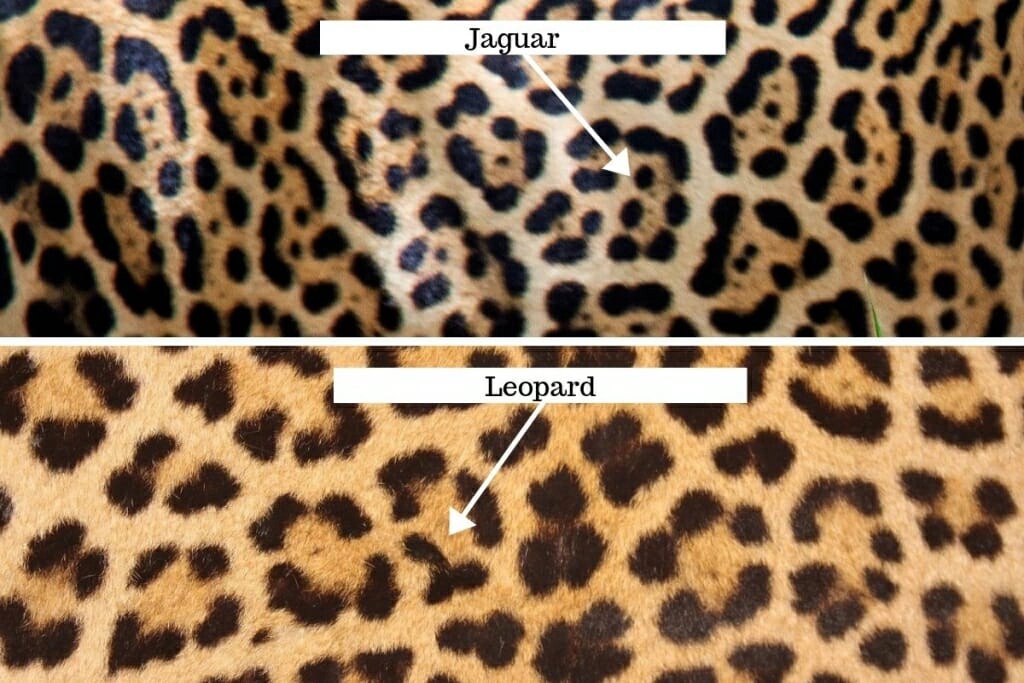
Although it’s part of the genus leopardus and it’s colloquially known as a tiger cat, its coat pattern features rosettes that more closely resemble those of jaguars with the latter felid’s broken patterns and spots inside the rosettes. By contrast, leopard rosettes do not have randomly placed spots.

A comparison of jaguar and leopard fur patterns, showing distinct differences in the shape and arrangement of spots. The top section labeled 'Jaguar' features interspersed rosettes and spots, while the bottom section labeled 'Leopard' displays more solid rosettes.

The new feline is closely related to the other “tiger cats” of the Americas, including the ocelot, oncilla, kodkod, pampas cat and margay.

Notably, it is not a subspecies split from another cat, but an entirely new species to scientists. DNA tests confirmed its status as a separate species. It eluded discovery for so long in part because of its remote location in forests at high elevation.

Paola Nogales Ascarrunz, co-author of the study in the journal Current Biology, said a discovery like this is extremely unusual. The discovery of Leopardus tilcayo was formally announced to the world on Thursday when the paper was published. The same paper noted a new subspecies of tiger cat, the Leopardus tigrinus antisuyo, but the Tilcayo tiger cat is the big news.

“This time, it’s a cat. That’s really novel. And it hasn’t happened in 100 years,” Ascarrunz said. “No one else had named it. No one else had described it.”

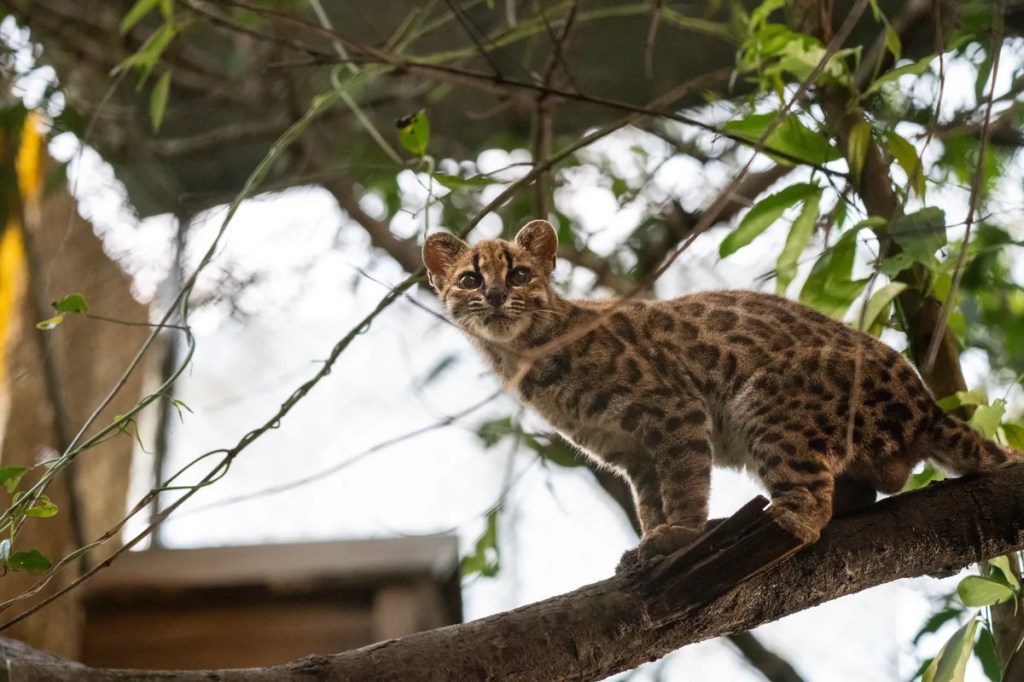
The first time Ascarrunz saw the Tilcayo tiger cat while volunteering at a wildlife rehabilitation center in Bolivia, she “thought it was a kitten,” she said.

A small, spotted wildcat perched on a branch surrounded by green foliage.
Credit: National Geographic

Biologists are still learning about the Tilcayo tiger cat. They’ve only closely examined two members of the species and have camera trail footage of several others. They don’t yet have an estimate of how many individuals live in the Yungas forest.

Unfortunately, study co-author Tadeu de Oliveira noted, all of South America’s tiger cats “are in habitats that are vanishing fast.”

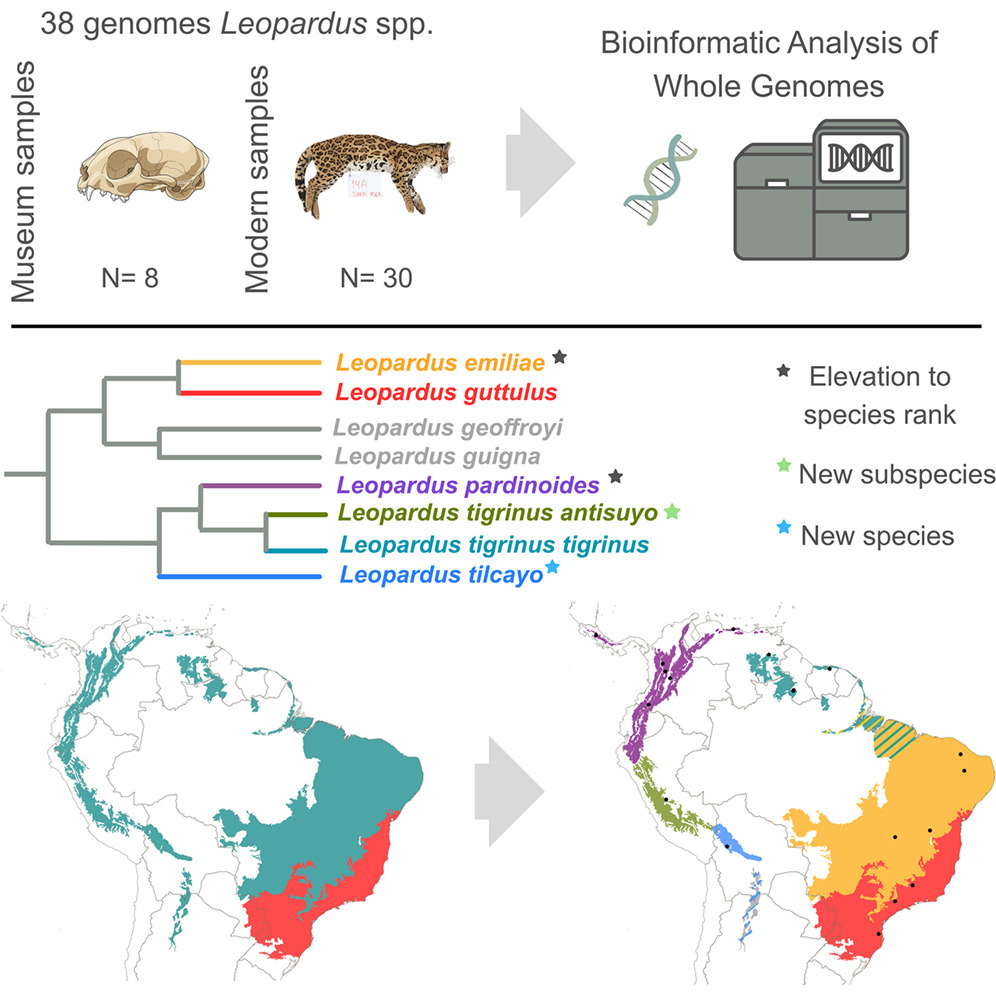
Diagram illustrating the analysis of 38 genomes from Leopardus spp. including museum and modern samples, highlighting bioinformatic methods, phylogenetic relationships, and geographic distribution.
Maps show the current habitats of tiger cats in South America. Leopardus tilcayo’s range can be seen in the darker blue sections of the map on the right. Credit: Current Biology

Eduardo Eizirik, an evolutionary biologist at Brazil’s Pontifical Catholic University of Rio Grande do Sul, said the new discovery emphasizes the importance of preserving the Earth’s remaining wild places as humanity encroaches from every angle.

“Showing the general public that even in a flagship group such as cats … there are still new species to be discovered may transmit an important message,” Eizirik said. “There are many undiscovered species out there in the world, and they are at risk of disappearing before we even discover them.”

Saber-Toothed Cats Were Fearsome But Had A Major Disadvantage, New Research Shows

Their greatest strength was also their greatest weakness, which is why modern big cats have smaller, sturdier teeth.

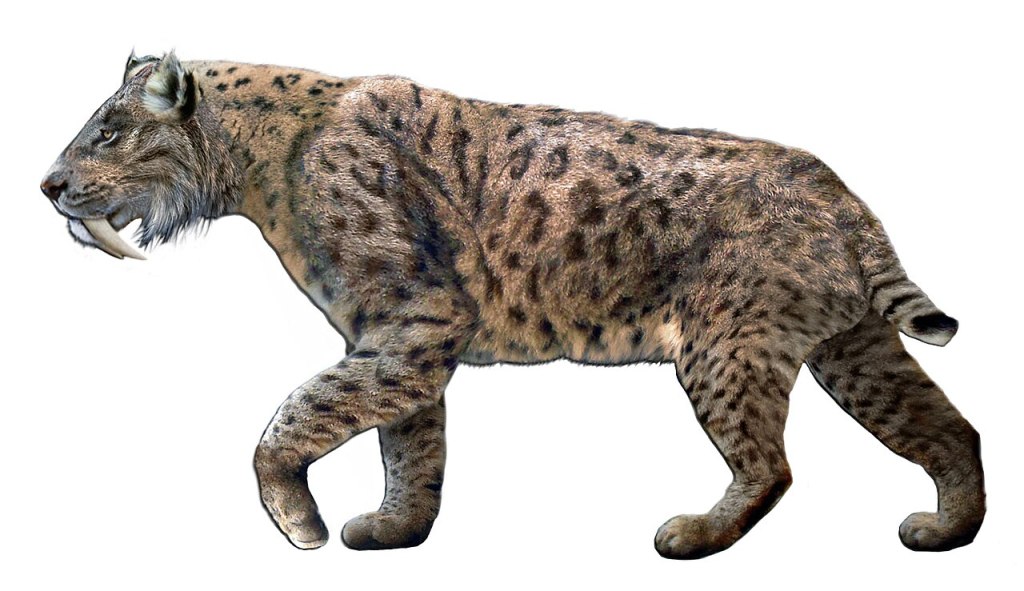
Saber-toothed cats — an umbrella term for a wide variety of felid species with massive, scimitar-like teeth — are some of the most terrifying prehistoric predators, carnivorousness incarnate.

But it turns out the teeth that give them their name and their fearsome reputation were also their greatest weakness.

The problem? While the oversized upper canines were optimal for delivering kill bites and tearing into flesh, they could break if the teeth met bone with force.

“Slicing and crushing are basically the two main things a carnivorous mammal’s teeth can do,” said Narimane Chatar, a postdoc at UC Berkeley studying carnivores. “But for saber-toothed animals, there’s a clear trade off. Those upper canines were extremely efficient but also break very easily.”

As experts on extant big cats are well aware, a hypercarnivore with broken or damaged fangs can struggle to take down their typical prey. That’s what often turns tigers, leopards and lions into man-eaters. (Interestingly, there are no documented accounts of man-hunting jaguars. Jaguar attacks on humans are exceedingly rare, and while they have killed humans, there’s no jaguar equivalent of the Chamapawat Tiger or the Leopard of Rudraprayag.)

A reconstruction of Smilodon, commonly known as the saber-toothed tiger, although it’s not closely related to modern tigers.
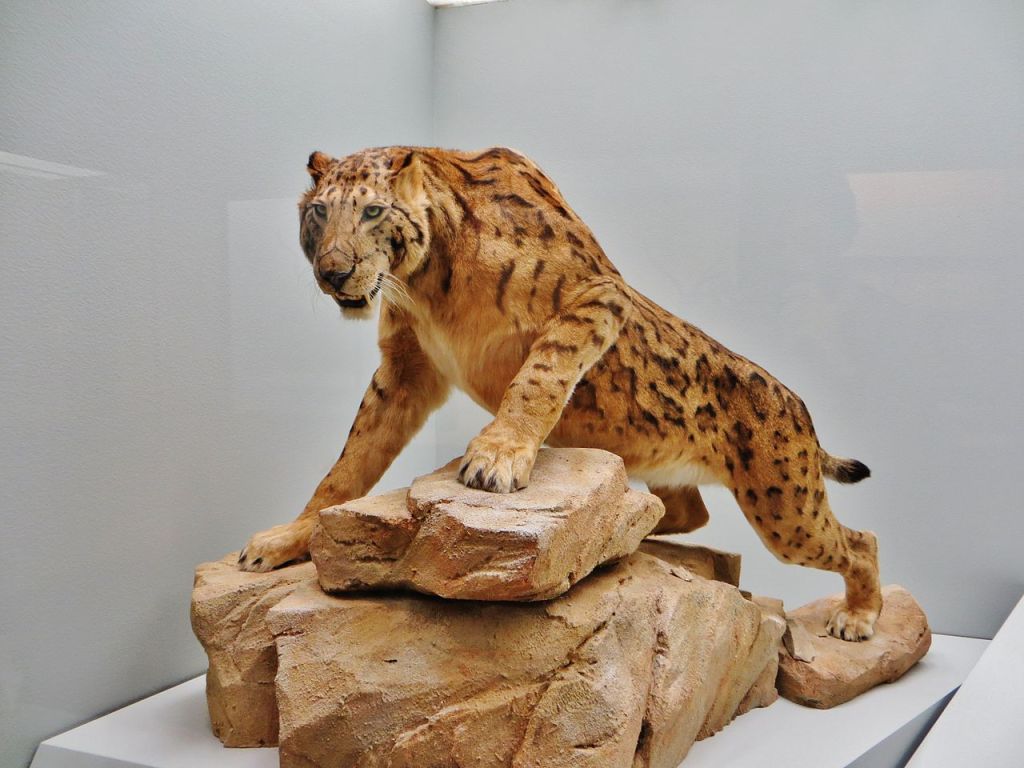
A reconstruction of Megantereon, a saber-toothed cat that went extinct as late as 350,000 years ago.

During her research, Chatar found the skull and teeth of a saber-toothed cat in Berkeley’s archives and realized it was not the same species associated with saber-toothed cats in the Americas.

Although Smilodon and Homotherium are the most well-known species, “there was a crazy variety of saber-toothed cats,” Chatar said.

Her research has confirmed the prehistoric cat’s sword-like fangs were double-edged, literally and figuratively. Per UC Berkeley:

“In simulations, 3D-printed saber teeth from various species proved ideal at penetrating a gel with the consistency of flesh but fractured easily against simulated bone. In the former tests, Smilodon came out on top. In the latter, Smilodon fared the worst.“

Smilodon lived in the Americas and went extinct about 8,200 years ago. Los Angeles’ La Brea Tar Pits have yielded a number of preserved skeletal remains, making Smilodon and its three sub-species among the best-known prehistoric felids.

Smilodon and Megantereon images via Wikimedia Commons.

Amazing Cats: Dwelling In Dense Jungles, Margays Are Tricksters and Champion Climbers

Strongly resembling ocelot cubs, margays have a unique biological adaptation to tree-climbing and a devious ability that gives them a massive advantage over their prey.

Taxonomic name: Leopardus wiedii
Genus: Felis (small cats)
Weight: Between 5 to 9 pounds with typical felid sexual dimorphism
Lifespan: More than 20 years in captivity
Gestation: About 80 days
Litter size: Single kitten, rarely more than one
Distribution: Central America, including Brazil, Paraguay, Peru, Chile, Ecuador, Venezuela, Guyana, Colombia, Panama and parts of Mexico
IUCN Red List Status: Near threatened

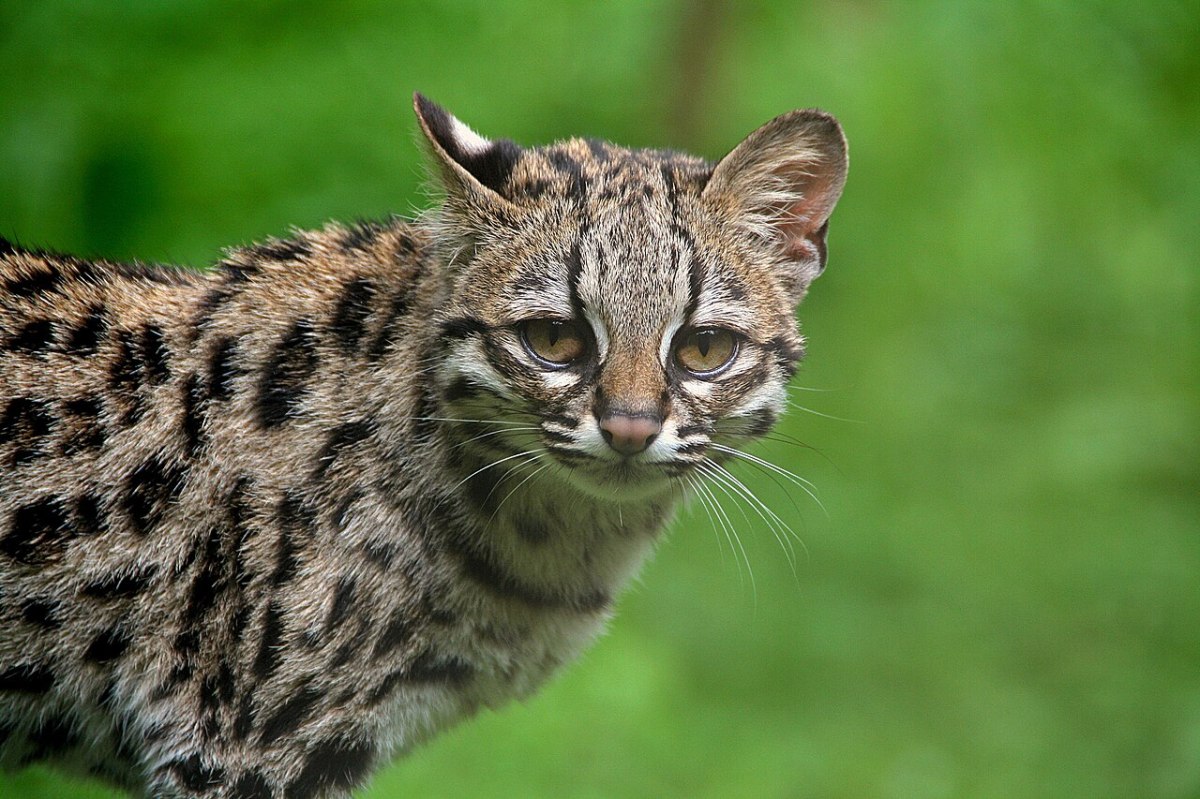
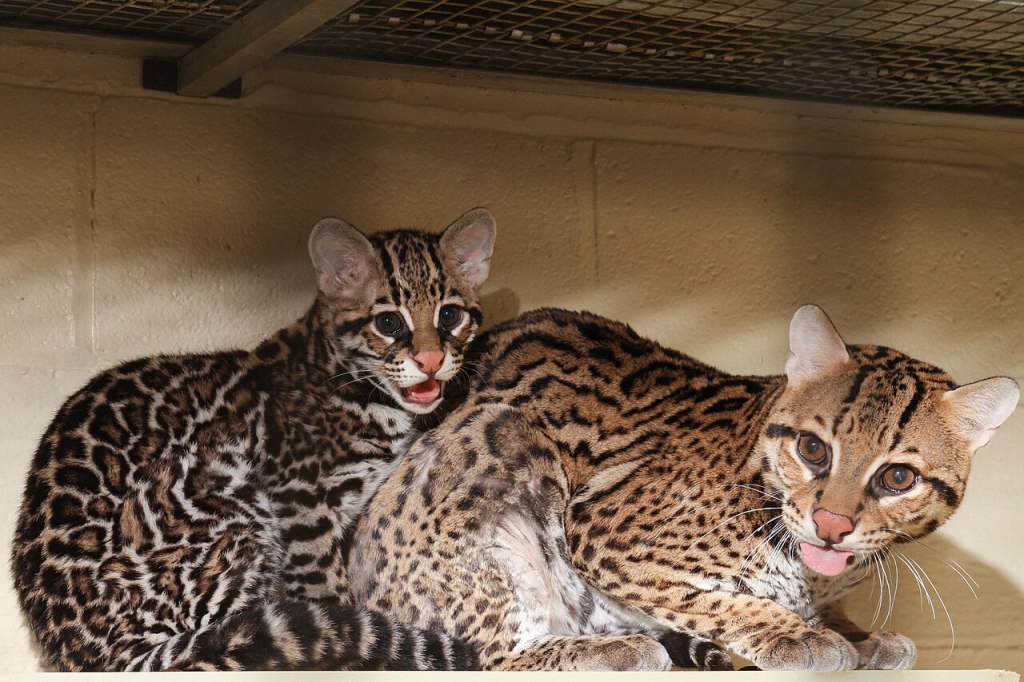
If you’re fortunate enough to catch a glimpse of a margay, you might think you’re looking at an ocelot cub.

The two species look remarkably similar, sharing beautiful rosette patterns in their fur, intense eyes and prominent facial stripes.

But ocelots are medium-size cats that can top out at 35 or 40 pounds, while margays are even smaller than domestic felines, weighing between five to nine pounds.

An ocelot cub with, left, with its mother. Margays are easily mistaken for ocelot kittens. Credit: Mark Dumont via Wikimedia Commons

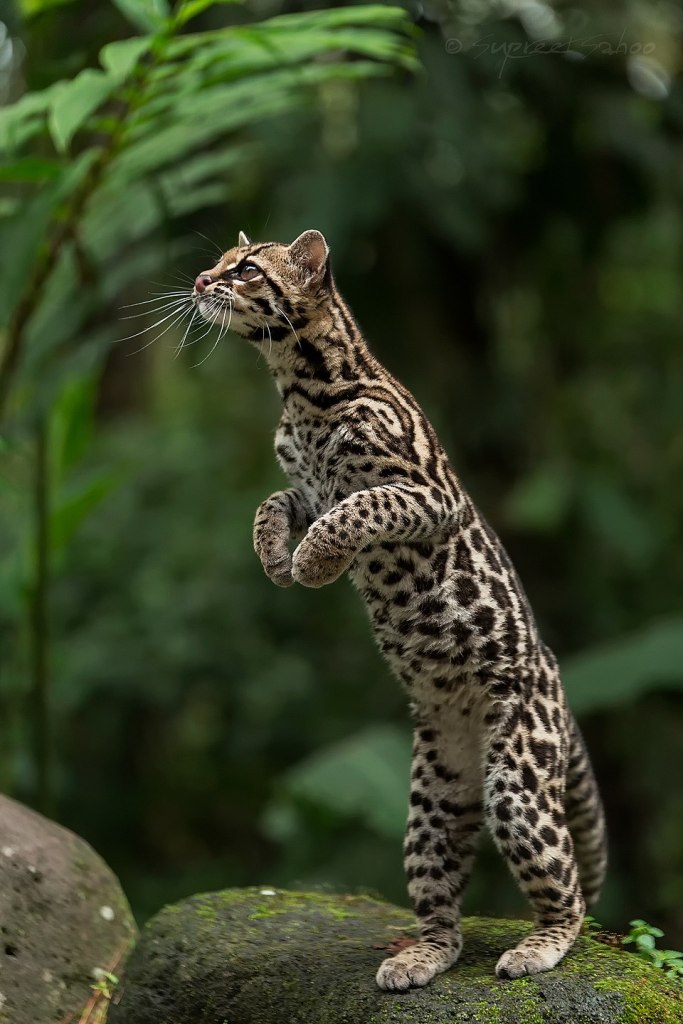
Living in jungles teeming with life, margays have a distinct advantage that allows them to escape land-based predators while making them a threat to monkeys and other critters living in the branches — they are outstanding climbers with unique biological adaptations that allow them to do things other cats cannot.

Credit: Supreet Sahoo via Wikimedia Commons

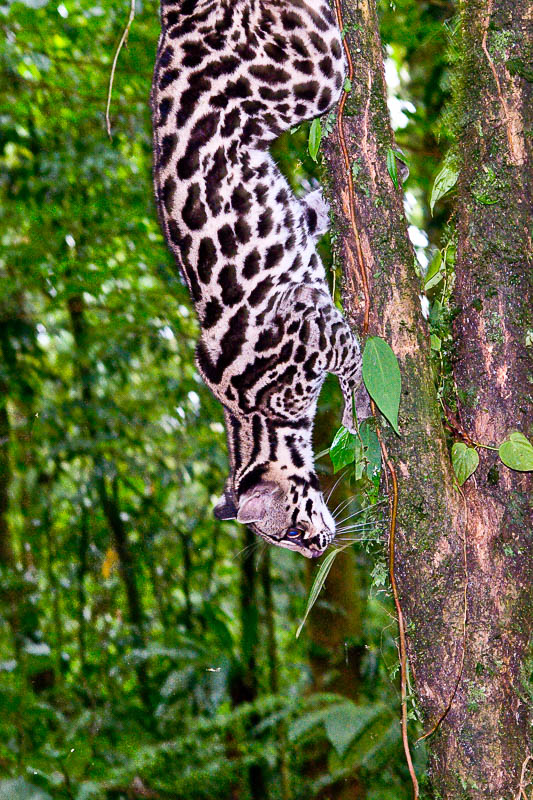
The most dramatic example is their ankle joints, which allow them to rotate 180 degrees as the little spotted cats anchor themselves to trunks and branches. As a result, margays don’t just climb with speed and ease, they are capable of swiftly evacuating trees by climbing down head-first like squirrels.

Other cat species lack that adaptation, which is one reason why we often hear about domestic cats who find themselves uncomfortably high up in trees or on utility poles, refusing to come down for days despite hunger and coaxing by humans trying to help.

A margay demonstrating its ability to climb head-first down a tree thanks to its unique ankle joints. Credit: James Kaiser

Margays are outstanding jumpers in addition to their unrivaled climbing ability, able to leap six to eight times their own height. It’s easy to see how these diminutive cats can intercept birds and monkeys far above the jungle floor in addition to hunting terrestrial mammals.

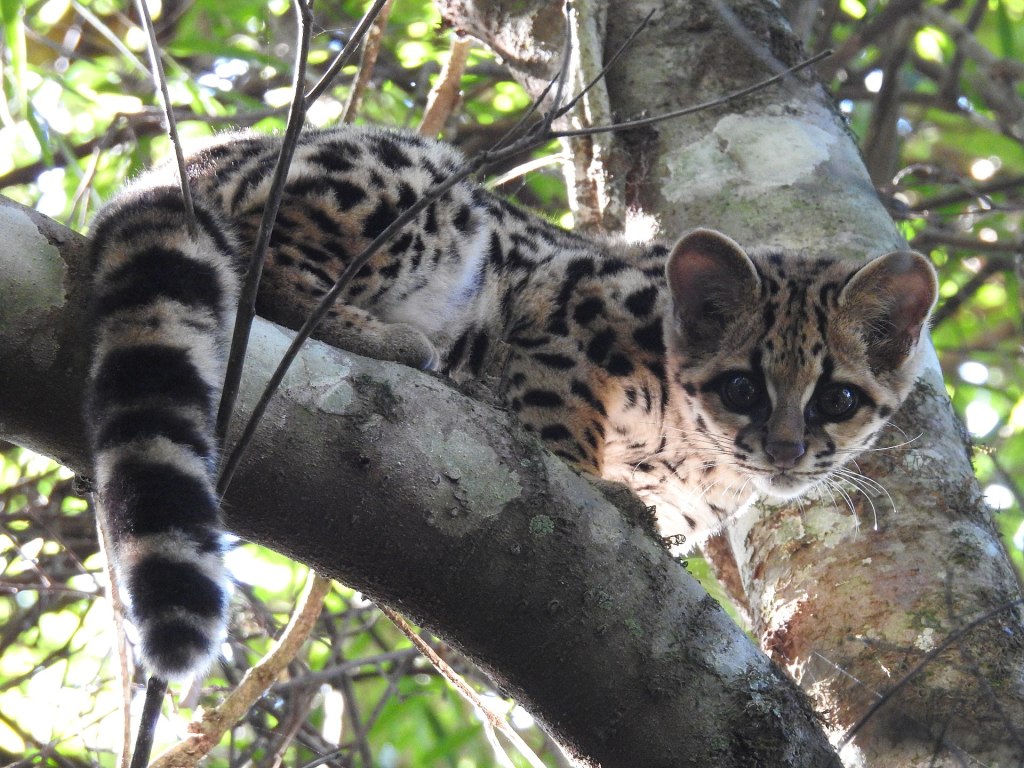
Indeed, using their large tails as a counterbalance, margays traverse branches with a swiftness and sure-footedness that rivals the gibbon.

The jungle’s tricksters

They’re also remarkably clever. Scientists have documented margays mimicking the vocalizations of monkeys, their favorite prey. In one documented example, a margay imitated the call of a baby tamarin, then ambushed the adult tamarins who approached to investigate the sound.

That’s a surprising adaptation for a cat species, and we should be thankful they’re tiny. The thought of tigers or leopards with that ability is terrifying.

Margays are solitary and due to their size, they’re both predator and prey. Because of that, these tiny cats spend the majority of their time well above ground level and are usually found deep in old growth jungles where they can blend into dense vegetation, hiding among leaves and branches, where their coat patterns help them blend in.

Like all wildcats, margays face increasing pressure from habitat loss, poaching and other threats, and they’re classified as near-threatened on the IUCN Red List.

Credit: Anderson Cristiano Hendgen via Wikimedia
Credit: Wikimedia Commons

Header image credit Clément Bardot via Wikimedia Commons

Copyright 2026 – Pain In The Bud – May not be reproduced without permission

Previously:

Amazing Cats: The Mysterious Marbled Cat
Amazing Cats: The Rusty-Spotted Cat
Amazing Cats: ‘He Who Kills With One Bound’
Amazing Cats: The Puma

Amazing Cats: The Sunda Clouded Leopard

Amazing Cats: The Adorable Colocolo, Feline of the Pampas

Amazing Cats: The ‘Fire Tiger’ Is The Stuff Of Legend

Amazing Cats: Ocelots Love Trees, Water And Calvin Klein’s Obsession For Men

Amazing Cats: Pallas Cats Are The Grumpy Little Hobbits Of The Feline World

Amazing Cats: The Jaguarundi Is Adept, Adaptable And Mysterious

Amazing Cats: The Jaguarundi Is Adept, Adaptable And Mysterious

With their otter-like features, their squeaky vocalizations and their mastery of multiple environments, jaguarundis are unique in the world of cats.

Jaguarundi

Taxonomic name: Herpailurus yagouaroundi
Genus: Felis (small cats)
Size: Males weigh up to 20 lbs, with typical sexual dimorphism for felid species
Lifespan: Up to 20 years in captivity
Gestation: 75 days
Litter size: Between one and four kittens per litter
Distribution: Almost the entirety of South America as well as the southern US
IUCN Red List status: Least concern, but threatened by habitat loss

If you spot a jaguarundi in the wild, there’s a good chance you won’t know what you’re looking at.

Their sleek, elongated bodies are almost weaselesque when seen from the side, an impression made stronger by the way their heads are shaped in profile. From some angles they can strongly resemble otters, an likeness strengthened by their short, dusky coats.

But seen head-on they’re definitely cats, and even though they’re small felines — about one and a half to two times the size of domestic kitties — their facial features can be reminiscent of big cats, especially their broader noses, rounded ears and the set of their eyes.

Seen from an angle like this, jaguarundis resemble jaguar cubs:

Indeed, jaguarundi means “dark jaguar” in Old Guarani, an extinct predecessor of the Tupi family of indigenous languages that were spoken in South America for thousands of years before the arrival of the conquistadors and the Spanish language. Modern variants of the language still exist in countries like Paraguay, which may account for the enduring names of several species of western hemisphere cats. (Jaguar itself is based on the indigenous Tupi word “yguara,” and pumas have dozens of surviving names with indigenous roots to go along with their many names in English.)

As New World cats, jaguarundis boast an impressive range that stretches from southern Argentina through Latin America and into the lower US states.

Like their larger cousins, the jaguars, jaguarundis are comfortable in the water and are strong swimmers. They’re also adept hunters on land, excellent climbers, and they’re impressively sure-footed while traversing branches high above ground level.

In short, the adaptable felines can just about do it all.

Note the otter-like appearance of the jaguarundi head in side profile.

In the wild, jaguarundis have been known to hunt prey as large as small deer and help themselves to seafood snacks when the mood strikes them, but analyses of their diets shows they have a strong preference for mammals, particularly a variety of wild rodents found in dense jungles and forests.

Jaguarundis don’t just look different compared to other cats — they sound different as well.

Conservationists call the jaguarundi’s vocalizations “whistles” and “chirps,” but to us they sound more like squeaks.

Take a listen for yourself:

It’s illegal under the Big Cat Public Safety Act to keep jaguarundis as pets, and the jaguarundi curl, a breed meant to mimic the appearance of the jaguarundi, is not related to the wild cat.

While they’re known to range in Texas and Arizona, sightings of jaguarundis are rare. From a distance their movement looks almost indistinguishable from those of house cats, and they’re famously elusive — by the time most people do a double take, the shy felines have disappeared into tall grass, brush or jungle.

Images via Wikimedia Commons

Previously:

Amazing Cats: The Mysterious Marbled Cat
Amazing Cats: The Rusty-Spotted Cat
Amazing Cats: ‘He Who Kills With One Bound’
Amazing Cats: The Puma

Amazing Cats: The Sunda Clouded Leopard

Amazing Cats: The Adorable Colocolo, Feline of the Pampas

Amazing Cats: The ‘Fire Tiger’ Is The Stuff Of Legend

Amazing Cats: Ocelots Love Trees, Water And Calvin Klein’s Obsession For Men

Amazing Cats: Pallas Cats Are The Grumpy Little Hobbits Of The Feline World

Amazing Cats: Pallas Cats Are The Grumpy Little Hobbits Of The Feline World

The Gremlin-like felids have some unusual habits compared to other cats in addition to the trademark scowls that distinguish them from other feline species.

The fact that they live in burrows and crevices is the first indication that Pallas cats are the weirdos of the feline family.

The small, bushy little creatures greet the day by poking their heads out of their burrows just enough to see what’s going on. Thanks to the low profile of their ears, which stick out almost horizontally, only their eyes and tufts of frosty-looking fur are visible in those first moments.

When they’re satisfied nothing’s going to vex them further than their usual, seemingly perpetually-annoyed default, they fully emerge from their dens, and that’s when their true form becomes apparent.

Behold grumpiness incarnate:

“These kittens today, they want everything now. No patience and not a lick of common sense between ’em. Hey! Get off my lawn, you little cretins…” Credit: Wikimedia Commons
“Would it kill these dogs to clean up after themselves? Sheesh! You don’t see me defecating all over everything. When nature calls, I do what civilized cats do, find a private spot and bury my business. Hey! Hey! Don’t you dare move that rock!”

These little guys look like they start every day off getting rained on while birds with impeccable aim empty their bowls on their heads. Then they file out, each one grumbling, and engage in their species’ favorite pastime — complaining about everything, like a perpetual Airing of Grievances on Festivus or a communal bitching session about joint pain at the local senior center.

“Oh, my back! For crying out loud! They couldn’t have dug this tunnel at a more forgiving angle? Aww crap, look at the weather! Hunting in this is gonna suck. Lenny, is there any more of the rabbit from last night? No? Of course not. And we’re out of coffee again! I don’t know why I even roll out of the burrow. This place is a dump!”

First observed and written about — in the western world, at least — by Peter Simon Pallas in 1776, Pallas cats are about the same size as our domestic feline buddies, but they look stockier thanks to their heavy coats. Pallas, a Prussian explorer and naturalist, was presumably going about his day when he heard a group of these malcontents complaining from a mile or two away.

“Whatchu lookin’ at?” Credit: Wikimedia Commons

Jokes aside, Pallas cats only look angry to us because we anthropomorphize them. Difficult as it is to believe with their convincing scowls, there’s no evidence to suggest they’re actually grumpy.

The fact that they sometimes co-occupy burrows means they have a cooperative and social component to their behavior that many cat species lack. You won’t find tigers cooperatively hunting, napping in communal burrows or padding out together to greet the crepuscular morning, but that’s what Pallas cats do. That’s a pretty good indication of a sunnier disposition than their trademark scowls indicate.

Here’s a remarkably clear and close video showing a Pallas cat mom poking her head out from a burrow and making sure the coast is clear before emerging with her four cubs close behind her:

Spread throughout mainland Asia, and concentrated most heavily in Mongolia, Kyrgyzstan, Bhutan and parts of China, individual Pallas cats move between different burrows and crevices depending on the need for cover and the season. They’re found on the vast plains of Mongolia, as well as in mountains like the Himalayas and the Altai range.

They usually top out at about 10 pounds and primarily hunt rodents, pikas, shrews and other small, ground- and underground-dwelling prey, but like most cats they’re adept ambush hunters and take opportunities where they find them.

Happily, and owing partly to their remote habitats, Pallas cats are one of the few wild species that are not listed as threatened or endangered on the IUCN Red List.

Header image credit: Wikimedia Commons

Proof they don’t scowl in every photo. Credit: Wikimedia Commons

Previously:

Amazing Cats: The Mysterious Marbled Cat
Amazing Cats: The Rusty-Spotted Cat
Amazing Cats: ‘He Who Kills With One Bound’
Amazing Cats: The Puma

Amazing Cats: The Sunda Clouded Leopard

Amazing Cats: The Adorable Colocolo, Feline of the Pampas

Amazing Cats: The ‘Fire Tiger’ Is The Stuff Of Legend

Amazing Cats: Ocelots Love Trees, Water And Calvin Klein’s Obsession For Men