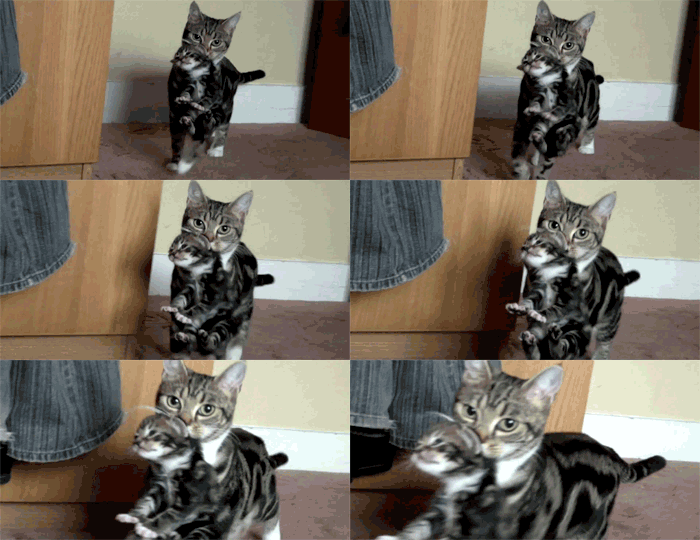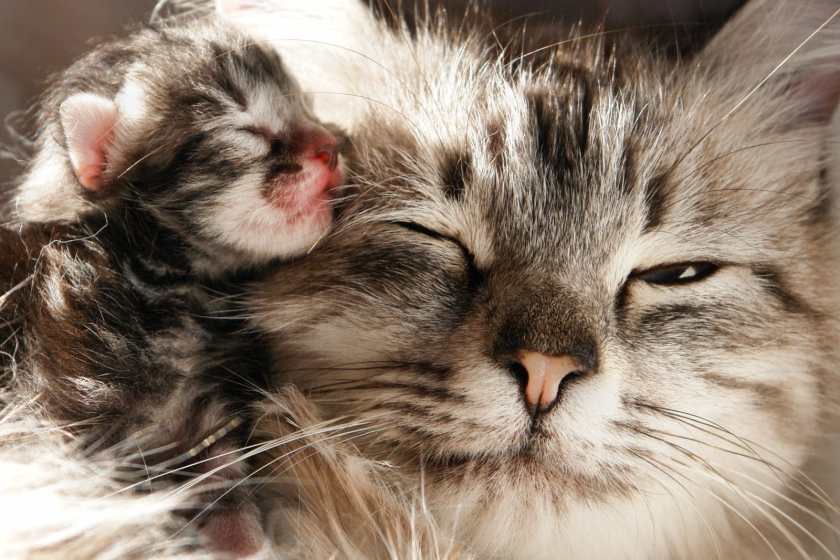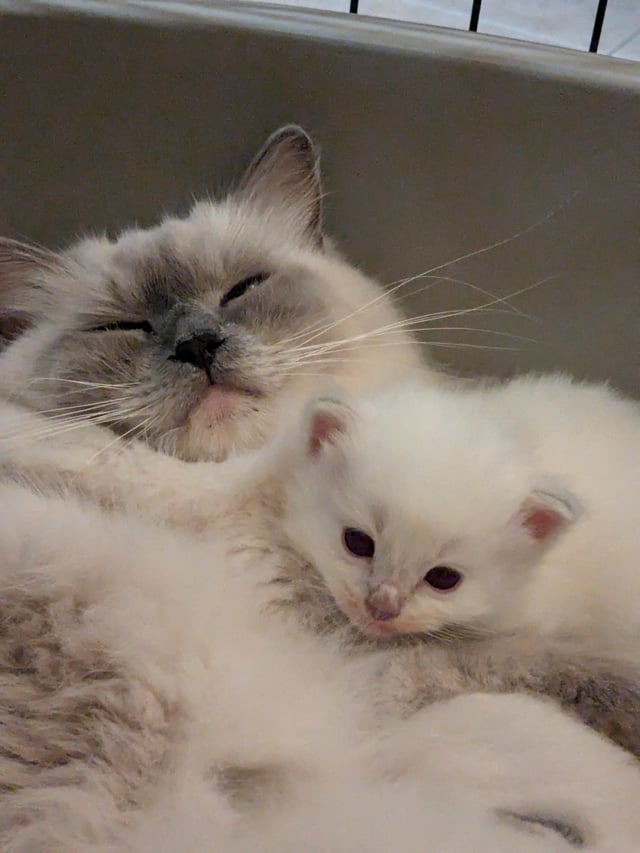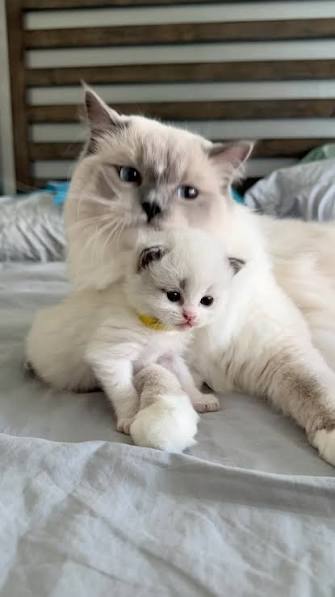
From TNR to managing colonies and finding homes for friendly strays, cat ladies never stop working to make life better for our furry friends.
Hat tip to Mollie Hunt for making us aware of Cat Lady Day, an unofficial holiday that is part of an effort to reclaim the concept of the “cat lady” through positive association.
That’s a noble goal, and at PITB we’ve long scoffed at the idea that gender makes a difference in appreciating felines.
Cats are paradoxically regal yet derpy, imperious yet loving, and their antics are always amusing. Those are qualities that can appeal to anyone regardless of gender, nationality, age or cultural background.
But I think we should also use a day like this to thank the innumerable cat ladies in every city, town and village across the country who work tirelessly to improve the lives of strays, ferals and shelter cats.
These are the people who walk the walk, who do the hard work of TNR (trap, neuter, return), managing colonies, and protecting cats without homes from animals and mean-spirited humans.
Credit: cottonbro studio/Pexels
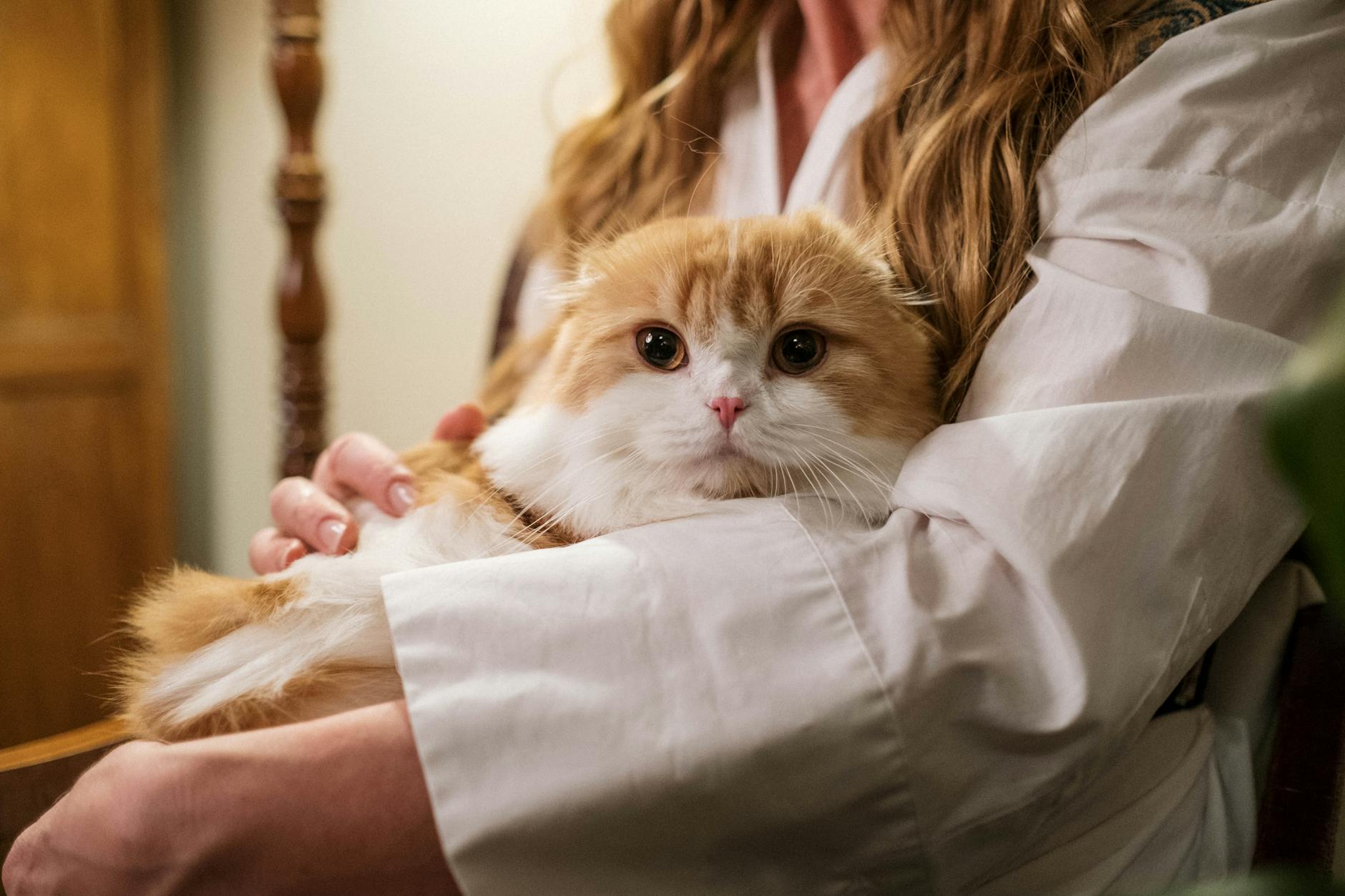
Cat ladies find homes for friendly strays, keep colony cats fed, and obtain veterinary care for the sick and injured.
More often than not, they provide help out of their own pockets when donations can’t cover all the costs.
Not only is it thankless work most of the time, but misguided bureaucrats sometimes take it upon themselves to make life more difficult for the cat ladies caring for local strays and ferals.
Yet these women persist because they’re driven by one thing — love for our furry friends.
There are lots of questions but very few answers so far related to the death of a woman on a hiking trail in northern Colorado. Authorities have not confirmed a puma attack.
A woman who was found dead on a hiking trail may have been killed by a mountain lion, state authorities say.
Several hikers were making their way along the Crosier Mountain Trail in northern Colorado at noon on Thursday when they came upon a woman laying on the ground and a puma about 100 yards away from her, according to police.
The hikers made noise and tossed rocks to scare the cat off, then one of them — a medical doctor — checked the woman and found no vital signs.
They notified authorities, who launched a massive search by air and ground, closing down the neighboring trails and bringing search dogs into the effort.
The search teams found and killed two mountain lions, who will be autopsied to determine if either had human remains in their stomachs. If they do not, rangers and police will keep looking, as they say Colorado law requires them to euthanize animals who have killed humans, local news reports said.
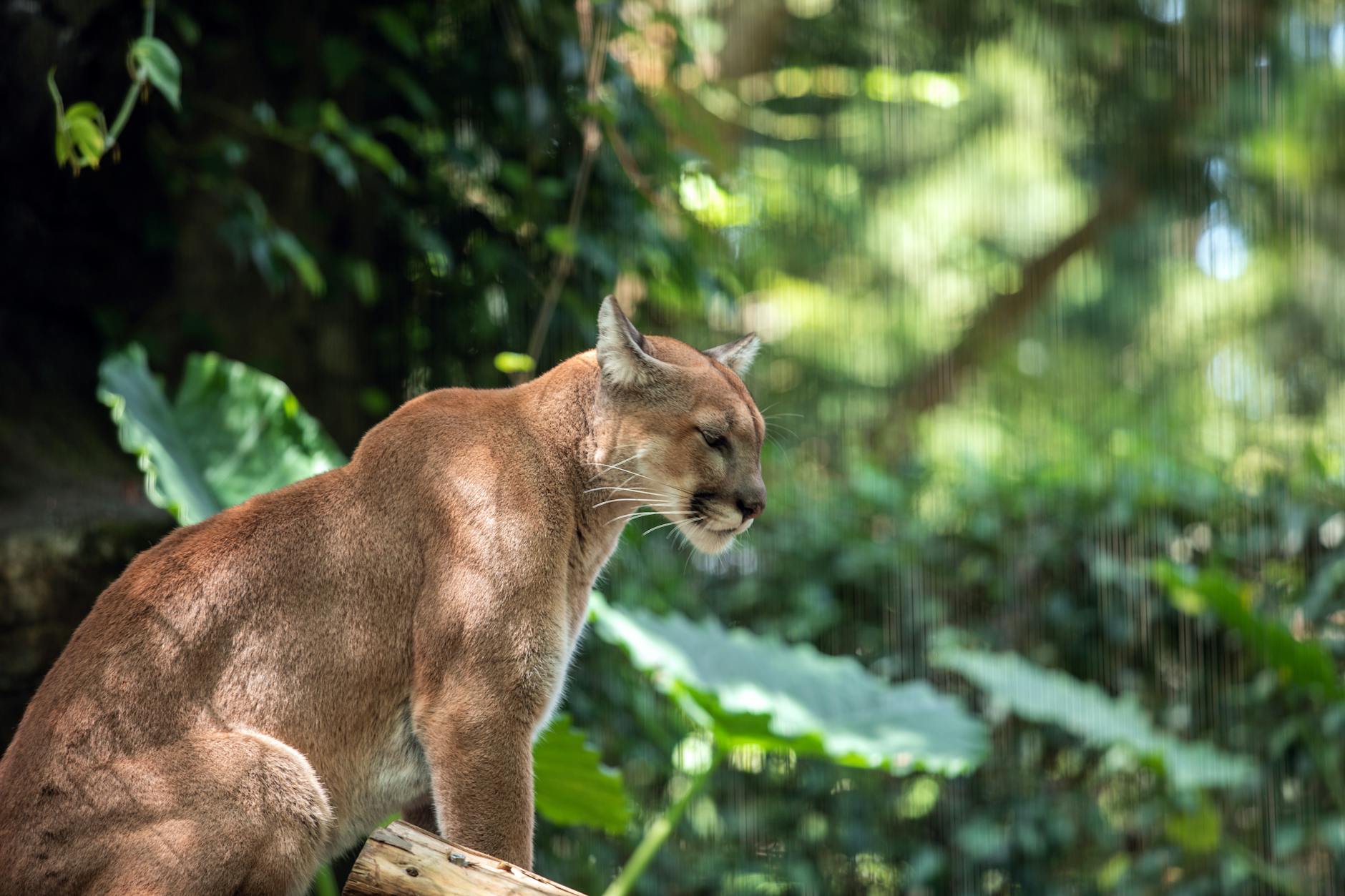
Pumas, also known as mountain lions, cougars, catamounts, screamers and many other names, are the widest-ranging cats on Earth, found throughout South America, the west of the US, and southern Canada. Credit: Charles Chen/Pexels
It’s important to note that there are no autopsy reports so far. Police don’t know how the woman died, if she was killed by the puma spotted near her, or if the animal approached after her death.
If an investigation does determine a puma was responsible, it’s crucial to place the incident in context. The last recorded fatal mountain lion attack in Colorado was in 1999, and was not confirmed. The victim, a three-year-old boy named Jaryd Atadero, wandered away from the hiking group he was with and was never seen again.
Search efforts in the following days and weeks didn’t turn up anything, but in 2003 another group of hikers found part of Atadero’s clothing. His partial remains were later found nearby.
Police said Atadero could have been killed by a mountain lion, but there’s no definitive evidence and his cause of death remains a mystery.
Aside from that incident, there have been 11 recorded, non-fatal injuries attributed to pumas in Colorado in the past 45 years despite as many as 5,000 of the wildcats living in the state’s wilderness.
Nationally there is some discrepancy in record-keeping, but most sources agree there have been 29 people killed by mountain lions in the US since 1868. By contrast, more than 45,000 Americans are killed in gun-related incidents per year, about 40,000 Americans are killed in traffic collisions annually, and between 40 and 50 American lives are claimed by dogs per year.
Americans are a thousand times more likely to be killed by lightning than by a puma, according to the US Forestry Service.
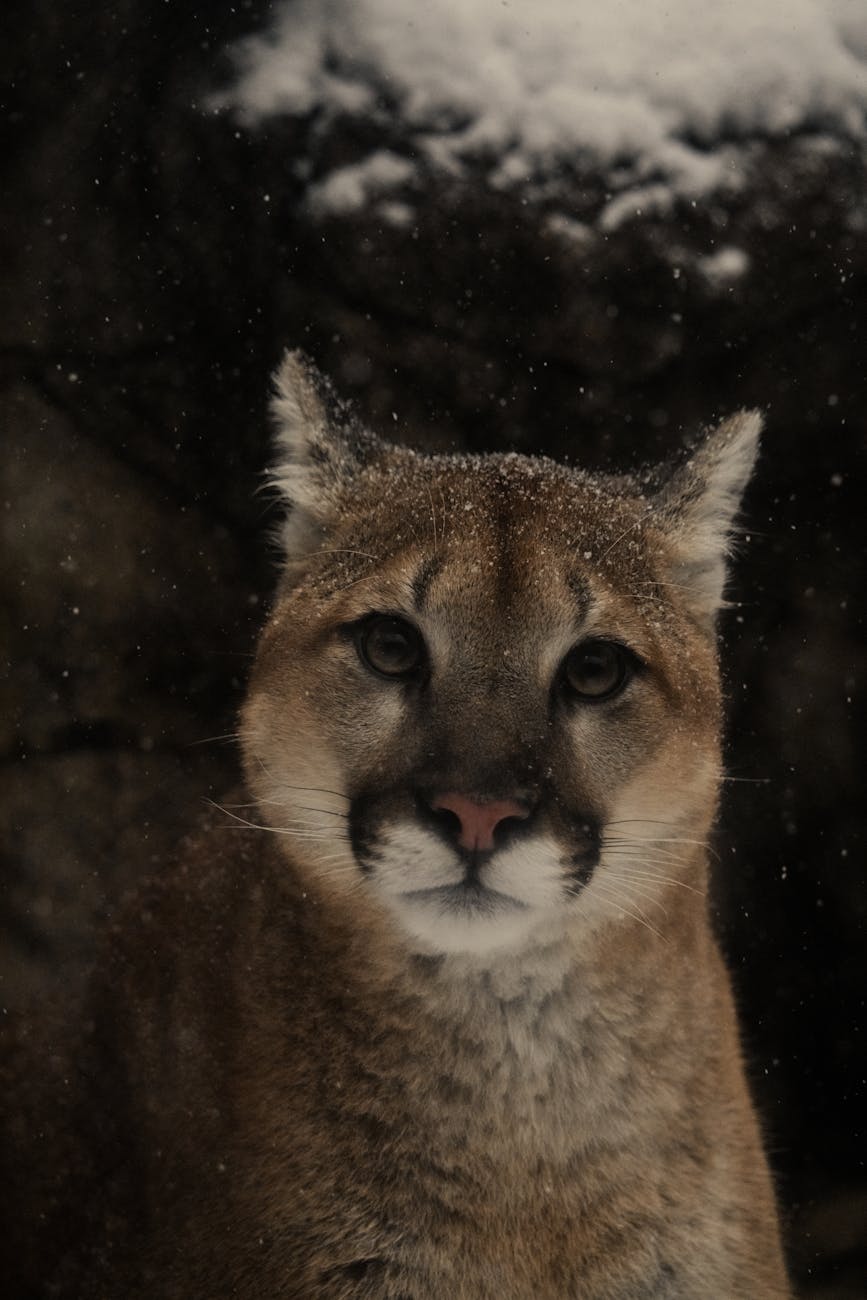
Despite their size, pumas are more closely related to house cats and small wild cats. They can meow, but they cannot roar. Credit: Caleb Falkenhagen/Pexels
Cougars are elusive, do not consider humans prey, and the vast majority of the time go out of their way to avoid humans. Most incidents of conflict are triggered by people knowingly or unknowingly threatening puma cubs, or cornering the shy cats.
Despite that, there’s confusion among the general public. Mountain lions are routinely confused with African lions, so some Americans believe they are aggressive and dangerous.
Pumas, known scientifically as puma concolor, are part of the subfamily felidae, not pantherinae, which means they are more closely related to house cats and smaller wildcats than they are to true big cats like lions, tigers, jaguars and leopards.
Pumas can meow and purr, but they cannot roar. Their most distinctive vocalization is the powerful “wildcat scream,” leading to nicknames like screamer.
In the Colorado case, police say they believe the victim was hiking alone. Her name hasn’t been released, likely because authorities need to notify next of kin before making her identity public.
This is a tragedy for the victim and her family, and we don’t wish her fate on anyone. At the same time, we hope cooler heads prevail and this incident does not spark retaliatory killings or misguided attempts to cull the species.
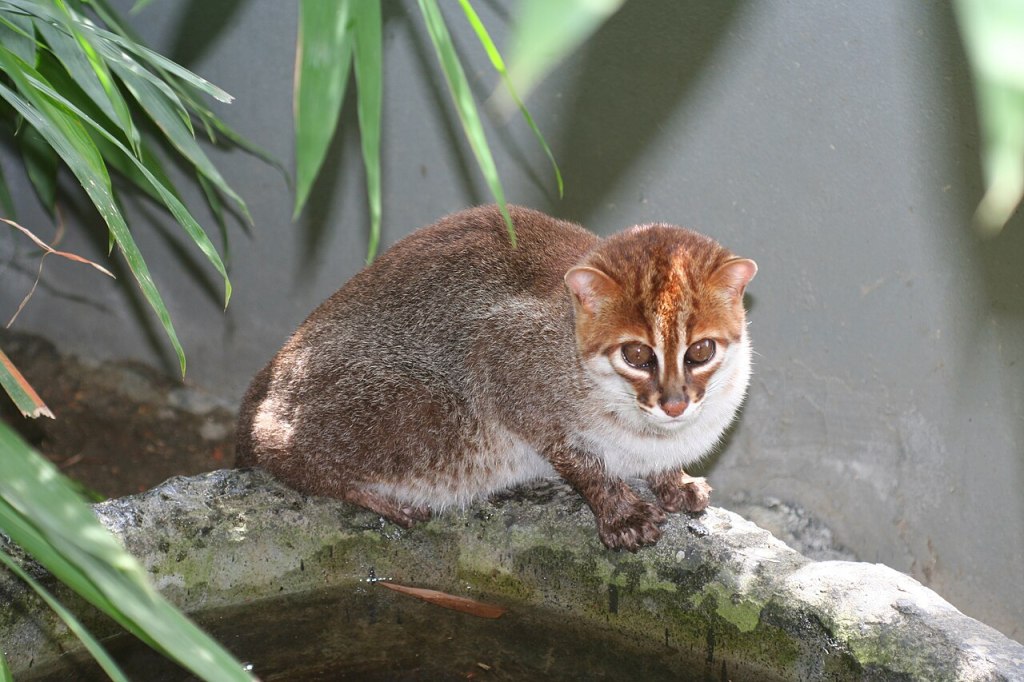
The species has webbed feet and lives in some of the most remote regions in the world.
The flat-headed cat is one of the most elusive and rare felines in the world, and for three decades conservationists thought it had died out in Thailand, leaving only a handful of places where the species still eked out an existence.
Now there’s good news: the tiny feline, which weighs about half as much as a house cat, has been spotted in a remote region of the country.
Camera traps set up for an ecological survey starting last year detected flat-headed cats 29 times in Thailand’s Princess Sirindhorn Wildlife Sanctuary, according to the country’s Department of Parks, Wildlife and Plant Conservation. One of the sightings was a female and her cub, an encouraging sign that shows the local population is breeding.
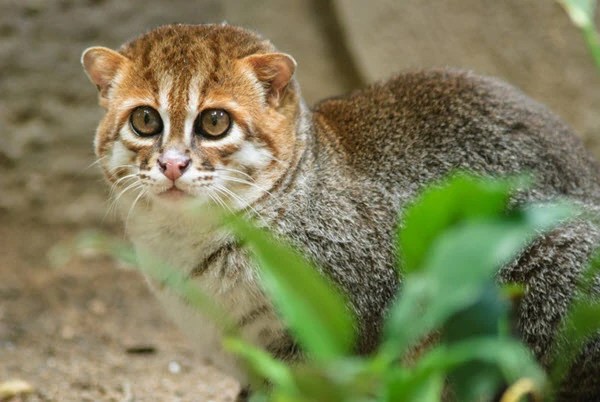
Credit: Jim Sanderson/Wikimedia Commons
The sanctuary covers five square kilometers of rainforest and peat swamps. Along with the flat-headed cat and several unique species of birds, it’s also home to the endangered hairy-nosed otter.
Conservationists believe about 2,500 flat-headed cats remain in the wild. The species is mostly nocturnal and has webbed feet, helping the tiny wildcats navigate mangrove swamps and rivers in its rainforest habitat. Known as Prionailurus planiceps in scientific nomenclature, the flat-headed cat is most closely related to the fishing cat (Prionailurus viverrinus), which also has webbed feet, and the leopard cat.
Finding evidence of the endangered feline in Thailand is “exciting, yet concerning at the same time,” said Kaset Sutasha of Kasetsart University.
That’s because it means the surviving population is severely fragmented, which makes it more difficult for the cats to breed and could lead to genetic bottlenecks.
But Atthapol Charoenchansa, director general of Thailand’s parks department, also called it a “significant win” for conservation efforts. Knowledge of its presence in Thailand provides more opportunity to study the rare felines to better understand their behavior and protect them from extinction.
Positive contact with our furry friends releases happy chemicals for both human servant and feline master, improving their bond.
Happy Cater, uh, unday!
We’ve got no immature cat humor for you today, but I thought PITB readers might be interested in this essay from The Conversation, which despite its ominous title actually goes into some detail about research showing the positive effects of bonding with a cat.
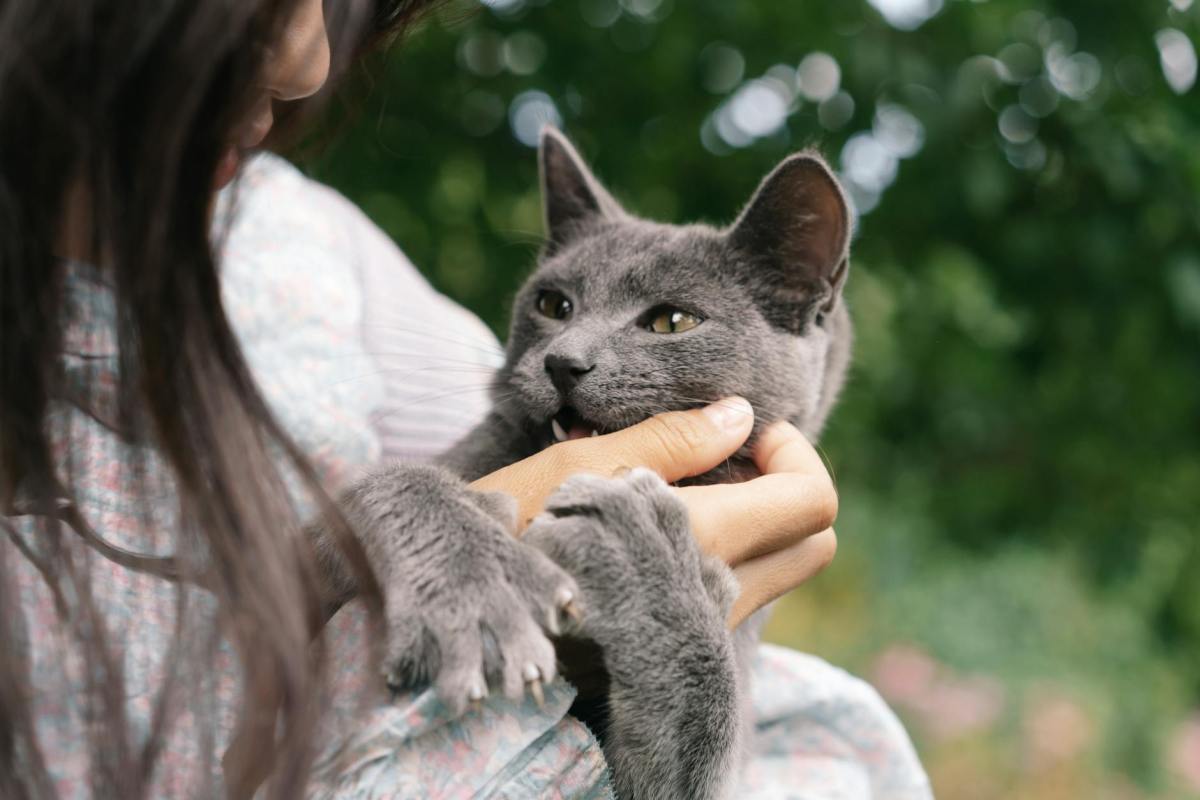
Affection between you and your feline friend results in a burst of oxytocin — the happy brain chemical — for both of you.
But crucially (and here’s where I feel validated for constantly preaching this), your cat enjoys the benefit only if the little one is securely attached and is not forced into interaction.
I’ve said it so many times, I feel like a broken record, especially because the web is saturated with articles that ask “How Can I Make My Cat Like/Love Me?“
And the answer, of course, is that you can’t.
That’s part of what makes cats so awesome. We have to earn their trust and affection, and a major part of that process is respecting our cats’ feelings. That means we let them come to us, we stop petting them when they’ve had enough, and we don’t prevent them from leaving when they decide they want to lay on the couch or the floor instead of our laps.
Credir: TIVASEE/Pexels
Cats grant us benefits beyond oxytocin boosts, of course, and the linked article goes into that as well. It’s well worth a read, even if you’re an old pro at cat whispering.
President Buddy: Not Funny!
It’s obvious I model President Buddy’s behavior after a certain someone in addition to dialing his own traits up to 11, but in the wake of recent news, a story I’d written no longer feels funny.
Not because it was offensive, but because satirizing current events just feels inappropriate with all that’s been going on, from our extreme polarization and political violence, to the sad state of global affairs.
At the same time, I spent quite a bit of time making another denomination of Cat Dollars, and since there’s no longer any satirical story for it, I figured I’d share it here.
President Buddy sure does like seeing his portrait everywhere. This time I skipped the powdered wig and gave him a more modern appearance:
Meowster Money and Meowster Delicious are the treasurer and secretary of yums, respectively. A thousand cat bucks is a lot of cans! (Or snacks.)
In the meantime I’ve been working on some designs I hope to turn into t-shirts and possibly other things like prints. They range from a regal-looking lion to a jaguar roaring in the night with a retrofuturistic feel. Watch this space for more details in the near future!
Some names climbed the rankings, while others are perennial favorites tied to coat colors, patterns and personalities.
Another year, another list of the most popular names for our furry overlords.
This one is based on data from a pet insurance company commissioned by US News & World Report, and while there are others based on things like chip registrations and veterinary records, they agree on pretty much all the most popular names.
So what are the top names we bestow on our little pals?
Unsurprisingly, Bella and Luna retained their top spots for female cats, while Leo ane Milo were the most popular names for male cats.
There’s not even a mention of the name Buddy, which is either a heresy which shall not go unpunished, or pretty cool because it’s kind of unique, and there are probably only like 25,000 Buddies in the US. Buddy hasn’t made up his mind yet, although I think he’s too lazy to go around punishing alleged heretics.
Credi5: Mahmoud Yahyaoui/Pexels
Interestingly, Luna and Bella are also the top names for female dogs. Leo enjoys enduring popularity due to its association with lions (panthera leo) while Milo owes its popularity at least in part to the film The Adventures of Milo and Otis.
Rounding out the list are Simba (Disney’s The Lion King), Nala from the same film, and traditional cat names like Kitty, Oreo, Shadow and Smokey, with the latter three referencing coat patterns and colors.