Big Buddy And The Black Bear: A True Story Of Suspense And Stupidity!

My first real camping trip ended in disaster, though thankfully without any injury besides wounded pride, after an encounter with a ravenous bear.

The bear was outside my tent.

Its moans cut through the night above the cricket song and I could see its distorted shadow cast against the fabric by the dying fire as it circled our camp.

Something ripped — the canvas of one of our packs, I later learned when daylight revealed the carnage outside — and there was a loud crunch of ursine teeth against plastic packaging and the styrofoam of an egg container.

Then my friend Larry did what he’d been doing all night: he raised a ruckus by banging pots and pans, scaring the 500-pound animal away. Temporarily.

The bear’s breathy vocalizations faded into the distance. After a few minutes I breathed a sigh of relief. I had to pee so badly, worse than I’d ever had to go in my life, but there was no way in hell I was stepping out of my tent. Then I heard the air horn from the campsite a mile or two away.

The bear was making its circuit again. I was still too scared to leave my tent.
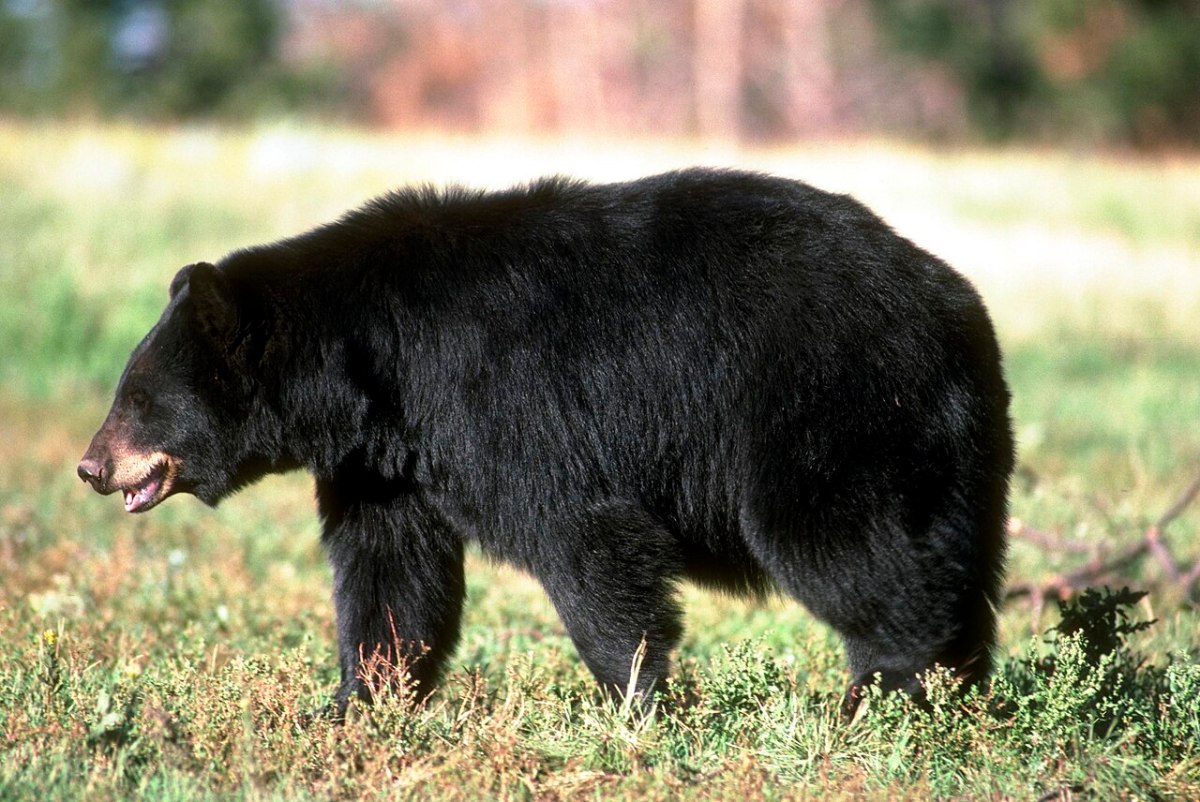
An adult male American black bear, the species I encountered in New York’s Adirondack Mountains. Credit: Wikimedia Commons

How we blundered into a bear

Larry was a family friend and outdoorsman. Since my brother and I were kids of a single mom it had become something of a tradition for Larry to take us and others on annual camping trips every summer. Without Larry, who was the closest thing to a father I’ve had, we would have never known what it was like to tell scary stories by a fire, hook a fish from a river or navigate rapids while whitewater rafting.

That year we headed upstate to the Adirondacks with the aim of climbing Mount Marcy, the highest peak in New York.

Most people think of New York City when they think of our state, and the city and its environs were what I was familiar with. But New York is a big state and once you get north of the suburbs it’s almost entirely rural. If randomly blindfolded and dropped in the middle of the Adirondack mountains, few people would guess they were in New York.

We arrived at the ranger station, registered our destination and set off. Why we didn’t know about the bear I cannot say, but we found out later he was notorious. The rangers were well aware of him, and he was the reason why, after hiking for some 15 miles to Marcy Dam, we saw dozens of packs hanging from the dam itself, fastened to the metal safety railings.

That was our second opportunity to learn about the bear, but when we saw the packs we just shrugged and made our way further in to find a good spot for camp.

After the day-long hike we hurried to set up our tents and got a fire going before sundown, then made dinner. When you’re camping — real camping, not the drive-up KOA camping that’s really an excuse to get drunk with your buddies — you do two things to keep critters out of your camp: you hang your packs from a tree with a sturdy branch, and you dump any leftovers several hundred feet away.

So when my brother and my friend Richie went to go dump the leftover mac and cheese, they came back white-faced.

“Larry! Larry!” they shouted. “There’s a bear!”

Larry shook his head.

“You didn’t see a bear,” he said, laughing.

“But we did!”

Larry didn’t believe them, and I didn’t either. Until I was ripped out of sleep by the sound of a prime specimen of ursus americanus tearing through our camp, helping himself to our food.
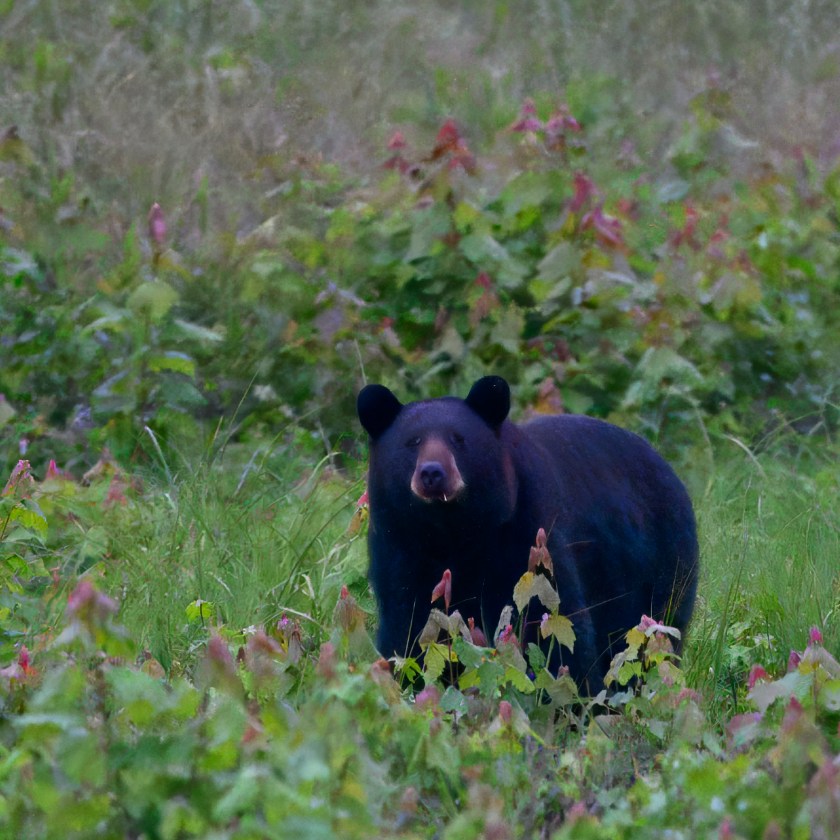
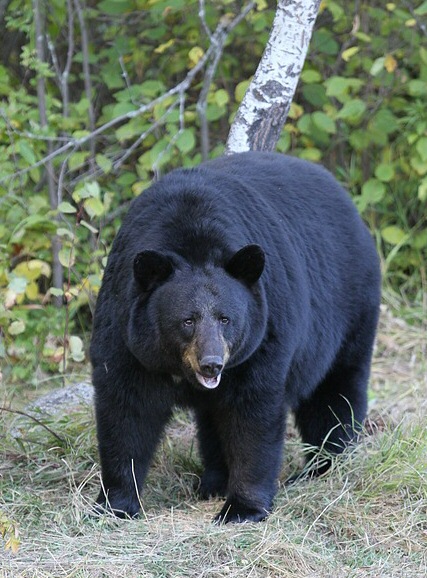
Black bears aren’t aggressive in the same way their ursine brethren can be, but they can still be exceptionally dangerous. Credit: Wikimedia Commons

I cannot tell you how many times the bear came back that night, or how many return trips it took him to consume every last morsel of food we brought with us.

What I can say for certain is that he spent the majority of the night making a loop between our camp and two others, including the camp with the air horn.

I was already a bit freaked out even before the bear invited himself into our camp. I had never been in true wilderness before. I never knew night could be so dark, nor had I ever been to a place where there wasn’t even a hint of the ambient glow of a city on the horizon.

I tried to convince myself that the thin fabric of my tent somehow afforded protection the same way a child terrified of ghosts or monsters convinces himself his blanket can shield him from the supernatural. Every kid knows the monsters can’t get you if you’re under your blanket.

By the time the bear came around for the second time that night, I had to piss like a racehorse. I toyed with the idea of slipping out ninja-like for a stealth draining, but who was I kidding? I was too terrified to move.

I thought of urinating every few seconds. I dreamed about it. In the video game The Legend of Zelda, which I played a lot as a kid, there are hidden lakes on the map where fairies restore your health. Your character, Link, says “Ah! Refreshing!” as you’re healed.

I dreamed I was Link stepping to the edge of a lake, where a fairy kindly invited me to urinate.

“Ah!” I said as I emptied my bladder. “Refreshing!”

For a few glorious moments, it was real. It was so good.

Then I woke up and I was back in the tent with a full bladder and the bear outside, tearing his way through our gear in search of every last bag of peanuts and stick of beef jerky.
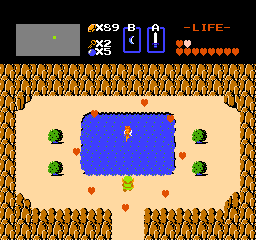
“Ah! Refreshing!”

I know what you’re thinking because I thought it too. I reached a hand down just to be sure. I was dry. In a way I wished I had peed myself. At least it would be over.

Larry was banging the pots and pans again, and a few minutes later the familiar air horn cut through the night, giving us a temporary reprieve. The bear was someone else’s problem for the next 20 or 30 minutes as he made his rounds to raid the other campsites.

The post apocalypse

The long night finally relented. Birds began tweeting, the sun came over the horizon, and our ordeal was over.

I poked my head out of the tent, then ran to the nearest tree and recreated Niagara Falls in miniature for what felt like an eternity. Sweet relief!

Then I noticed the carnage.

It was actually even more of a mess than this!

Every pack we’d left hanging from a nearby tree had been shredded. The torn fabric and zipper remnants swayed in the breeze, still attached to the ropes around the tree branch. Potato chip bags had been popped with bear teeth and crunched along with their contents, then spat back out. The ground was strewn with egg shells, and all that was left of the bacon was half a plastic wrapper.

The entire area was dusted with powdered milk. Remnants of graham crackers, chocolate and marshmallows were scattered in the dirt. In a horrifying display of casual strength, the bear had split a Coleman cooler in half to get at the raw hot dogs and hamburgers inside . There were the barely recognizable remnants of a box of Lucky Charms. And one pack was left intact except for the smallest zipper pouch, which had been clawed open for the handful of granola bars inside.

I stared at it, amazed that an animal could smell food in sealed plastic wrappers inside a canvas rucksack.

We broke camp quickly because we had to go back to civilization. There was no other option: we had no food left.

When we returned to the ranger station, Larry spoke to one of the rangers, who said the other campers were hanging their packs from the dam because the notorious bear had learned how to cut down packs hanging from trees. Just like it did to our gear. Then he reminded Larry why it’s a good idea to have those conversations before you venture into the woods.

It was the most terrifying night of my life, but as an adult I just shake my head and smile whenever I think about it. And all these years later, when I wake up in the middle of the night and stumble to the bathroom, Bud in tow, I still shake off the last drops, sigh, and whisper “Ah, refreshing!”

Note: Every damn word of this is true, or at least as accurate as it can be when experienced through the eyes of a 10-year-old and recalled all these years later. It eventually occurred to me that Larry must have been terrified, if not for himself, then for the fact that he had someone else’s kids with him. I know I’d be crapping bricks if I’d taken my brother’s kids camping and an unreasonably clever bear wouldn’t leave us alone. I told this story to my nieces one night, and instead of having a bit of sympathy, they think it’s absolutely hilarious that their dad and uncle were terrorized by a black bear during a camping trip. Their favorite part is my dream of being Link from The Legend of Zelda and joyfully peeing into a lake. Apparently my misfortunes are rich comedic material for them.

Header image via Wikimedia Commons

A Colorado Woman May Have Been Killed By A Puma, But We Should Wait For The Facts

There are lots of questions but very few answers so far related to the death of a woman on a hiking trail in northern Colorado. Authorities have not confirmed a puma attack.

A woman who was found dead on a hiking trail may have been killed by a mountain lion, state authorities say.

Several hikers were making their way along the Crosier Mountain Trail in northern Colorado at noon on Thursday when they came upon a woman laying on the ground and a puma about 100 yards away from her, according to police.

The hikers made noise and tossed rocks to scare the cat off, then one of them — a medical doctor — checked the woman and found no vital signs.

They notified authorities, who launched a massive search by air and ground, closing down the neighboring trails and bringing search dogs into the effort.

The search teams found and killed two mountain lions, who will be autopsied to determine if either had human remains in their stomachs. If they do not, rangers and police will keep looking, as they say Colorado law requires them to euthanize animals who have killed humans, local news reports said.

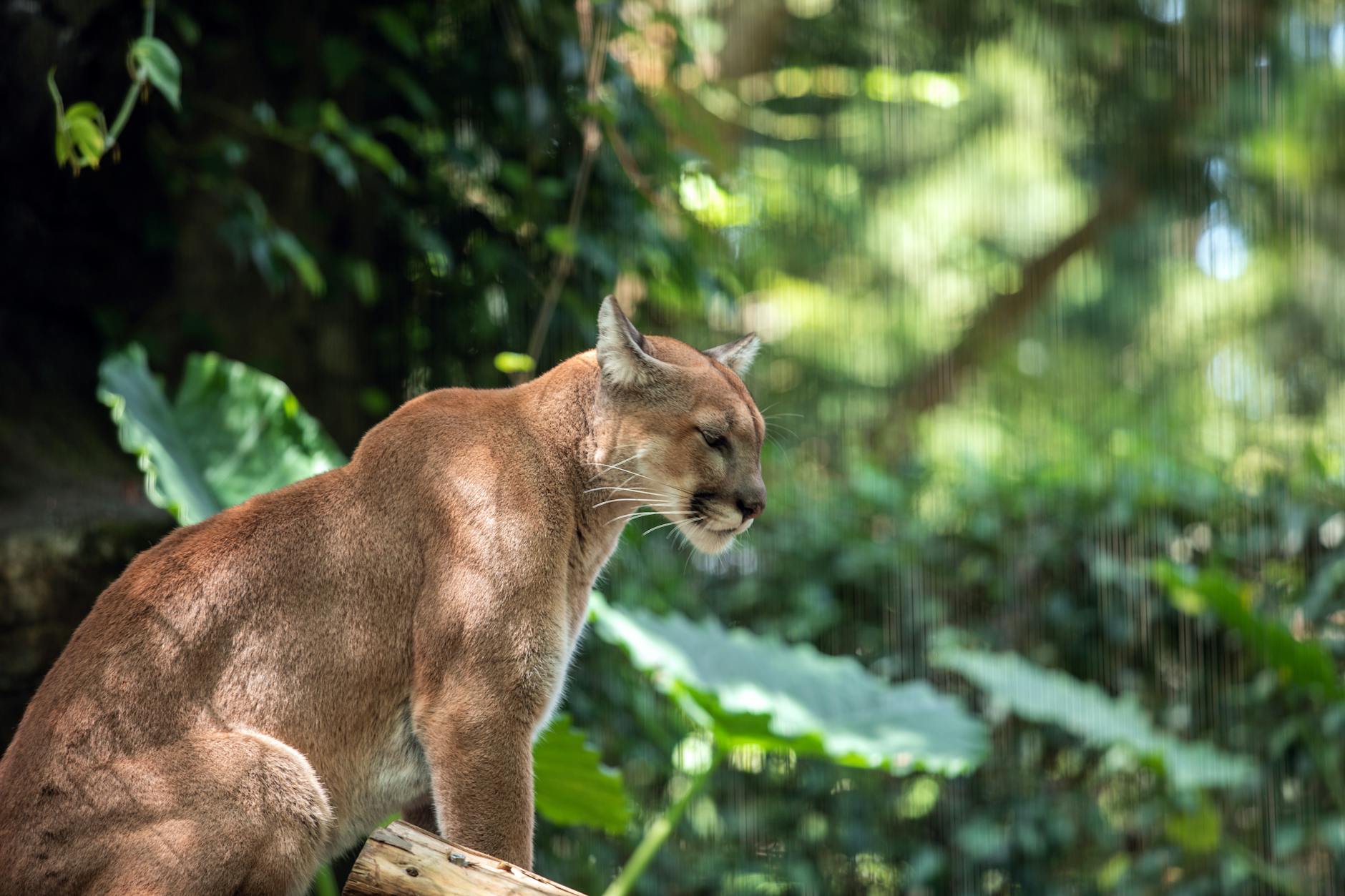
Pumas, also known as mountain lions, cougars, catamounts, screamers and many other names, are the widest-ranging cats on Earth, found throughout South America, the west of the US, and southern Canada. Credit: Charles Chen/Pexels

It’s important to note that there are no autopsy reports so far. Police don’t know how the woman died, if she was killed by the puma spotted near her, or if the animal approached after her death.

If an investigation does determine a puma was responsible, it’s crucial to place the incident in context. The last recorded fatal mountain lion attack in Colorado was in 1999, and was not confirmed. The victim, a three-year-old boy named Jaryd Atadero, wandered away from the hiking group he was with and was never seen again.

Search efforts in the following days and weeks didn’t turn up anything, but in 2003 another group of hikers found part of Atadero’s clothing. His partial remains were later found nearby.

Police said Atadero could have been killed by a mountain lion, but there’s no definitive evidence and his cause of death remains a mystery.

Aside from that incident, there have been 11 recorded, non-fatal injuries attributed to pumas in Colorado in the past 45 years despite as many as 5,000 of the wildcats living in the state’s wilderness.

Nationally there is some discrepancy in record-keeping, but most sources agree there have been 29 people killed by mountain lions in the US since 1868. By contrast, more than 45,000 Americans are killed in gun-related incidents per year, about 40,000 Americans are killed in traffic collisions annually, and between 40 and 50 American lives are claimed by dogs per year.

Americans are a thousand times more likely to be killed by lightning than by a puma, according to the US Forestry Service.

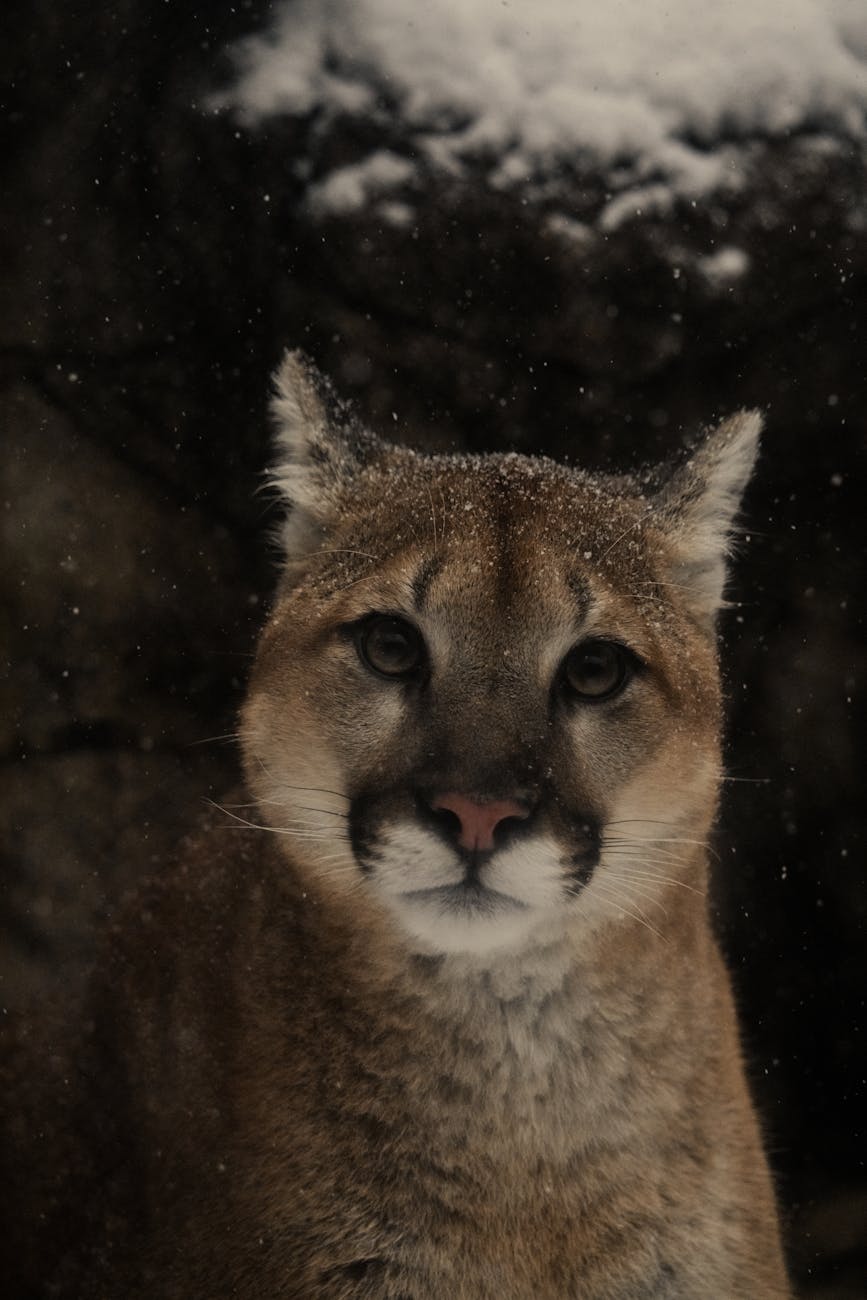
Despite their size, pumas are more closely related to house cats and small wild cats. They can meow, but they cannot roar. Credit: Caleb Falkenhagen/Pexels

Cougars are elusive, do not consider humans prey, and the vast majority of the time go out of their way to avoid humans. Most incidents of conflict are triggered by people knowingly or unknowingly threatening puma cubs, or cornering the shy cats.

Despite that, there’s confusion among the general public. Mountain lions are routinely confused with African lions, so some Americans believe they are aggressive and dangerous.

Pumas, known scientifically as puma concolor, are part of the subfamily felidae, not pantherinae, which means they are more closely related to house cats and smaller wildcats than they are to true big cats like lions, tigers, jaguars and leopards.

Pumas can meow and purr, but they cannot roar. Their most distinctive vocalization is the powerful “wildcat scream,” leading to nicknames like screamer.

In the Colorado case, police say they believe the victim was hiking alone. Her name hasn’t been released, likely because authorities need to notify next of kin before making her identity public.

This is a tragedy for the victim and her family, and we don’t wish her fate on anyone. At the same time, we hope cooler heads prevail and this incident does not spark retaliatory killings or misguided attempts to cull the species.

Mt. Takao: Snow Monkeys and Shrines

About an hour from the heart of Tokyo, Mt. Takao offers shrines, snow monkeys and hiking paths.

I arrived at Mt. Takao’s monkey park just in time to watch an exciting part of the day for the troop: lunch.

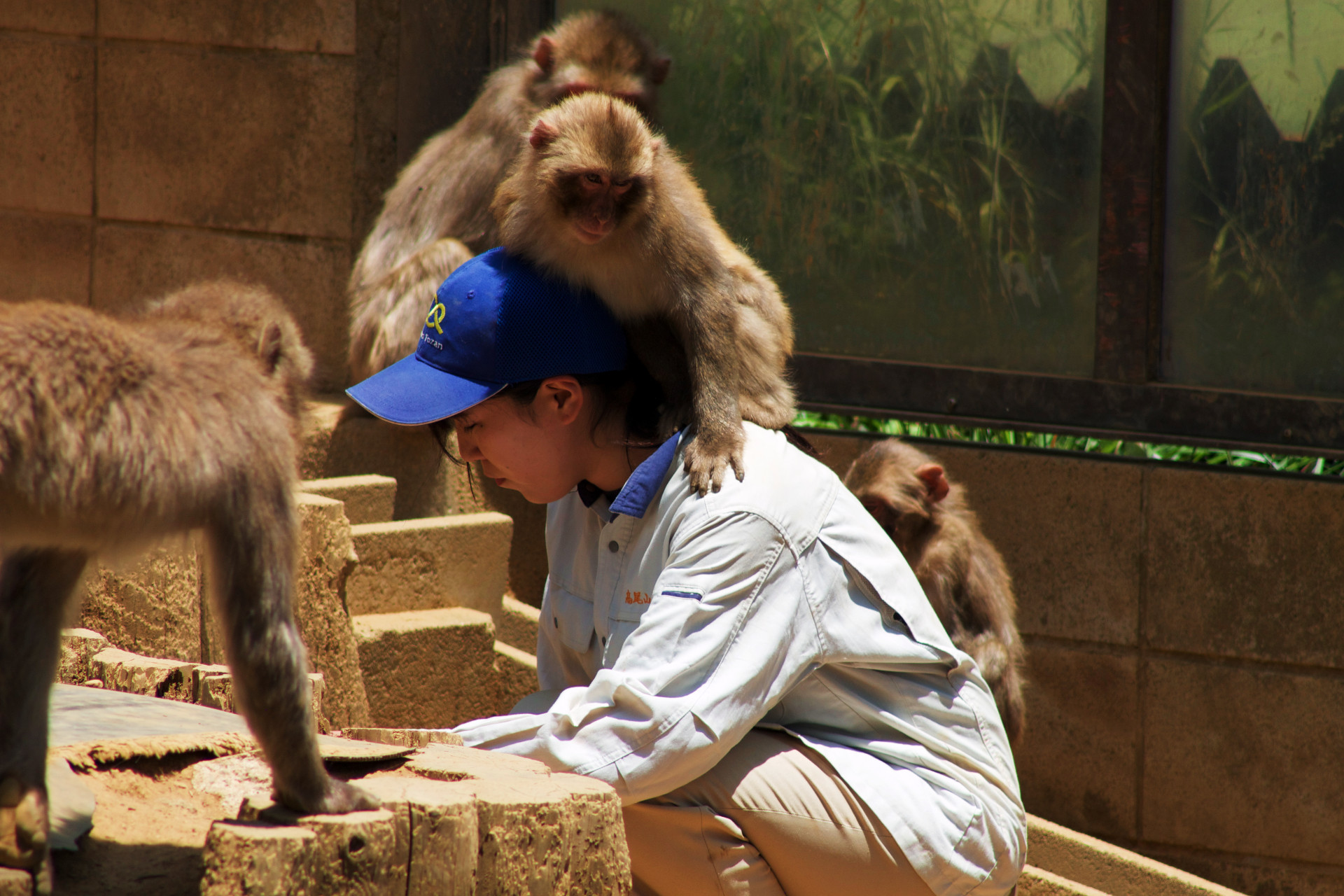
One of the keepers entered the exhibit with a bucket of seeds, and this little guy decided he wanted a ride:

Mt. Takao snow monkey rides a keeper
A juvenile snow monkey at Japan’s Mt. Takao hops on a keeper’s shoulder.

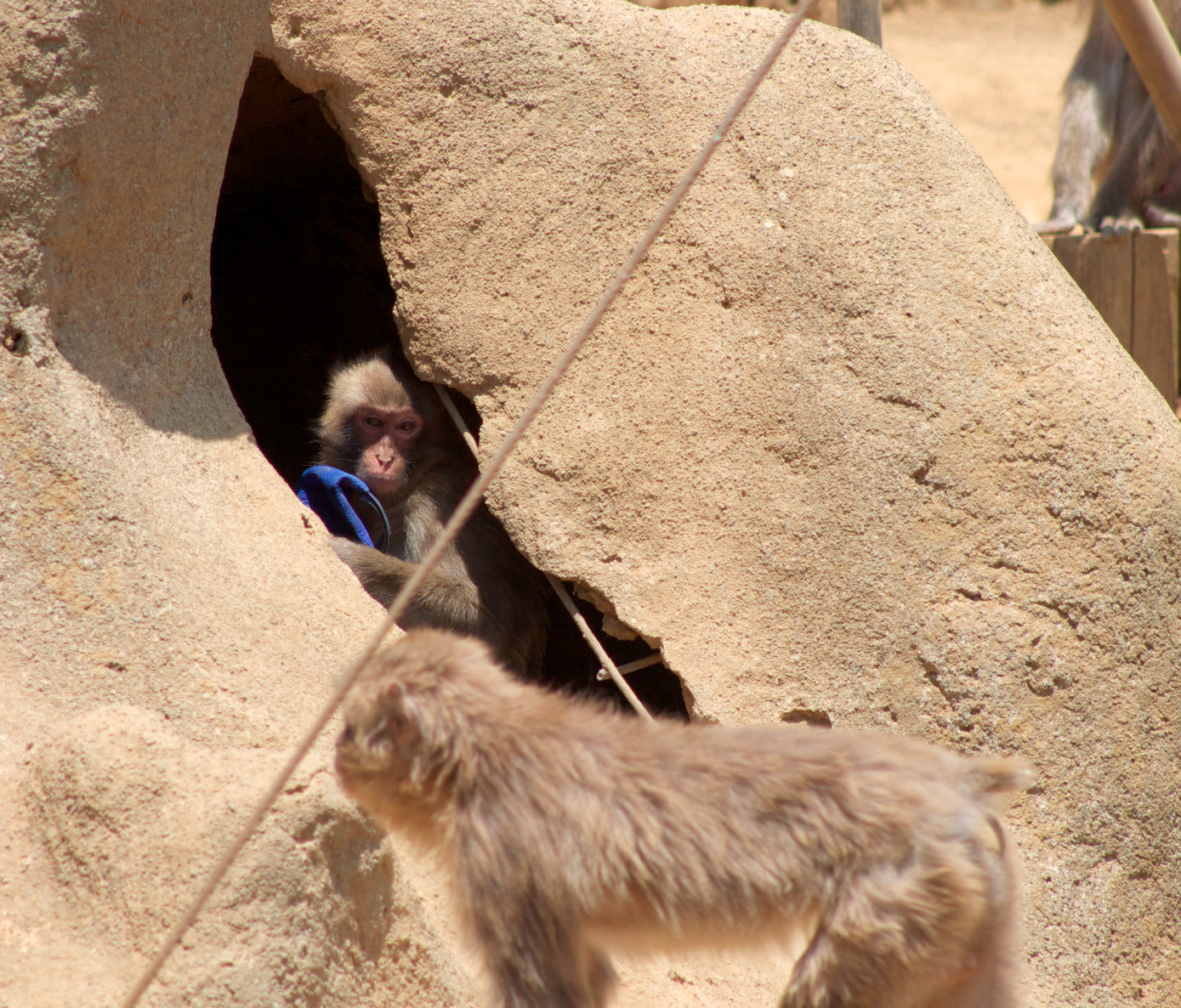
After a few minutes of snatching up seeds, the little monkey decided he liked the keeper’s hat, so he helped himself to it:

My. Takao snow monkey steals hat
A young snow monkey hides from one of his keepers after running off with her hat.

The keeper couldn’t get the monkey to give up the hat, so she called in reinforcements. For the next few minutes, two keepers tried to grab a hat from one monkey hiding in a den with five exits.

It was like wack-a-mole as his little face kept popping out of the various holes only to beat a hasty retreat and try for another when one of the keepers spotted him.

Eventually they did get the hat back after the prankster grew bored.

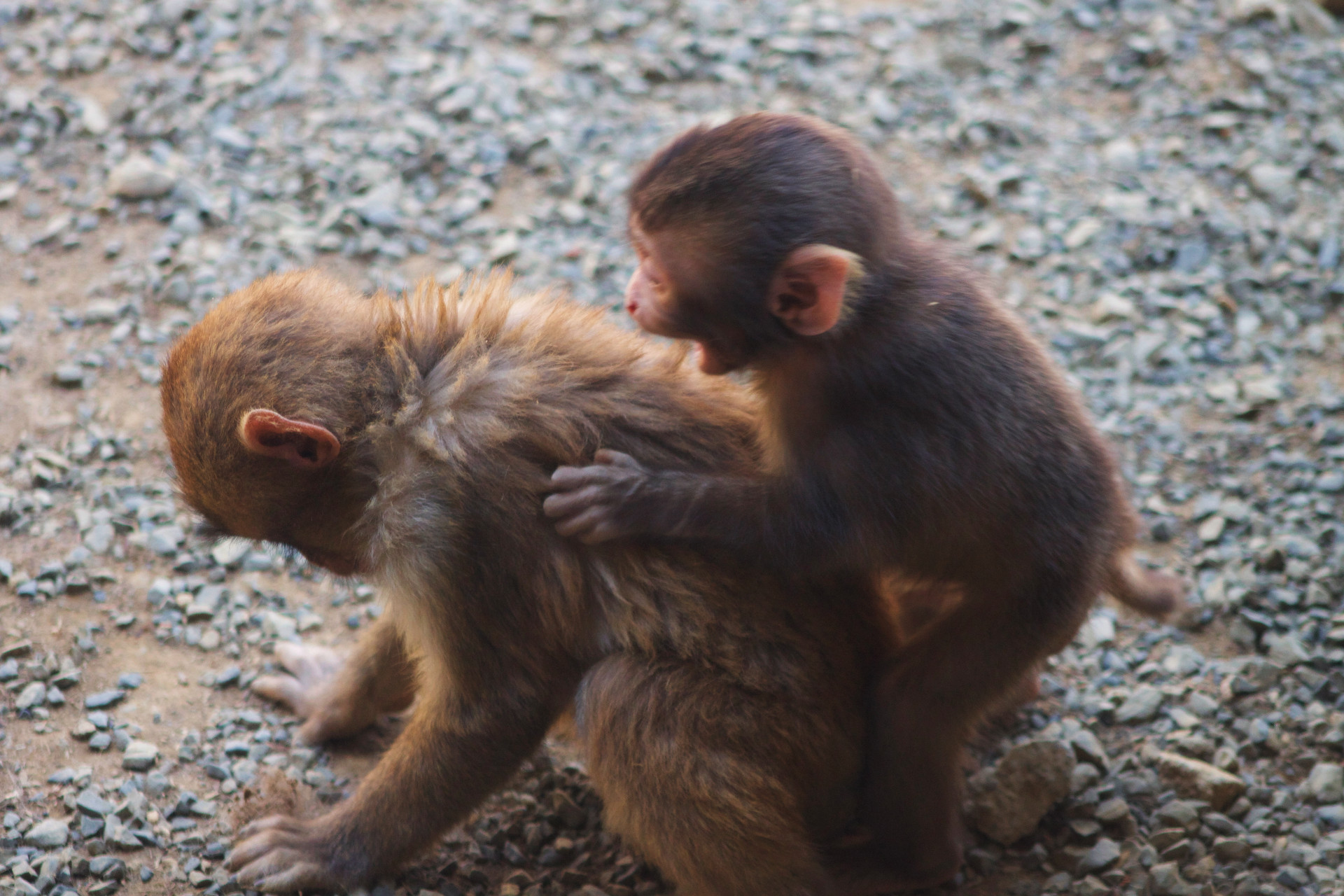
Snow monkey baby and older sibling
A weeks-old snow monkey baby wants to play with her older sibling, who’s picking seeds off the ground.

Snow monkeys are macaques, just like rhesus monkeys, bonnets and long-tails. What makes them unique is the fact that they are the northern-most, coldest-dwelling non-human primates on the planet.

No other monkey or ape can tolerate the extreme cold like Japanese macaques. Most people have seen images of them in snowy Nagano, where they bathe in hot springs during the deep chill and sleep in tightly-packed “group hugs” to share body heat.

Japanese macaques live in matriarchal societies. Each troop is headed by an alpha and a matriarch. Troops have strict hierarchies, and rank is matrilineal — a monkey’s standing in the troop depends on who his or her mother is.

Females stay in their maternal troops for life, while males are driven out by the alpha and his lieutenants on the cusp of adulthood, usually around six or seven years old.

This has the benefit of removing potential challengers to the throne as well as preventing inbreeding. The ousted males will spend their next few years trying to prove themselves to new troops, or decide to start their own.

I spotted the group’s alpha in the most well-shaded corner of the enclosure, attended to by three lesser-ranked monkeys who were grooming his fur. Grooming is a big deal in macaque society — it’s one of their primary social activities, where relationships are forged and problems smoothed out.

It pays to be king: The alpha always eats first, has first claim to choice spots and first crack at propagating his DNA.

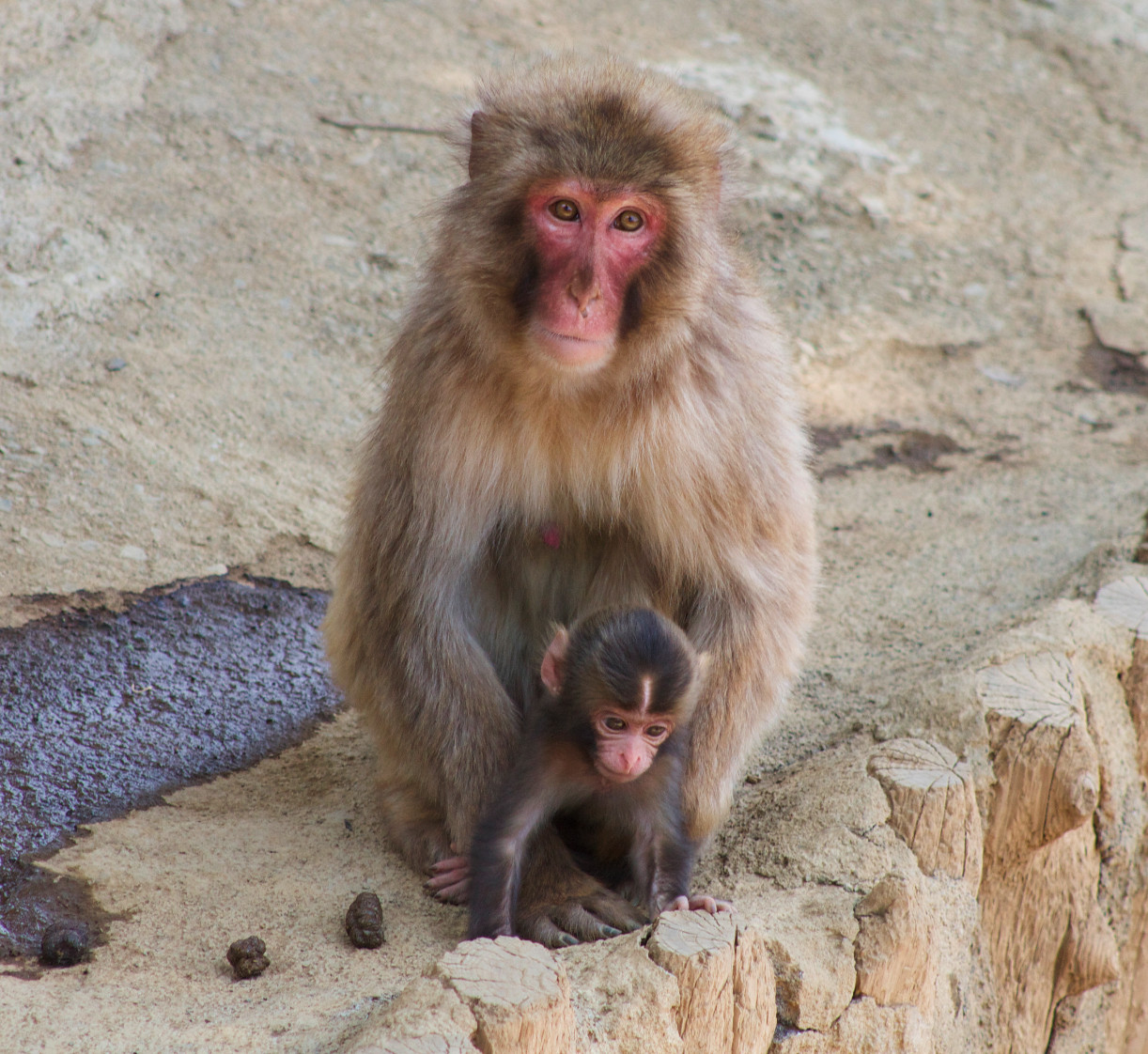
Also present were two nursing moms with infants. Macaques, especially Japanese and rhesus monkeys, are extraordinarily dedicated mothers.

Japanese macaques mom and her baby
A snow monkey mom encourages her baby to take a few steps.

Babies spend almost the entirety of their first six to eight months of life clinging to their mothers by clutching their fur. As the babies become more ambulatory, their mothers gently nudge them to crawl, to take their first steps or climb their first obstacle.

Upon success, the babies will hop back into their mothers’ arms. Life continues that way for several more months until the babies are about a year old and start to venture further from their moms. They continue to nurse for up to two years.

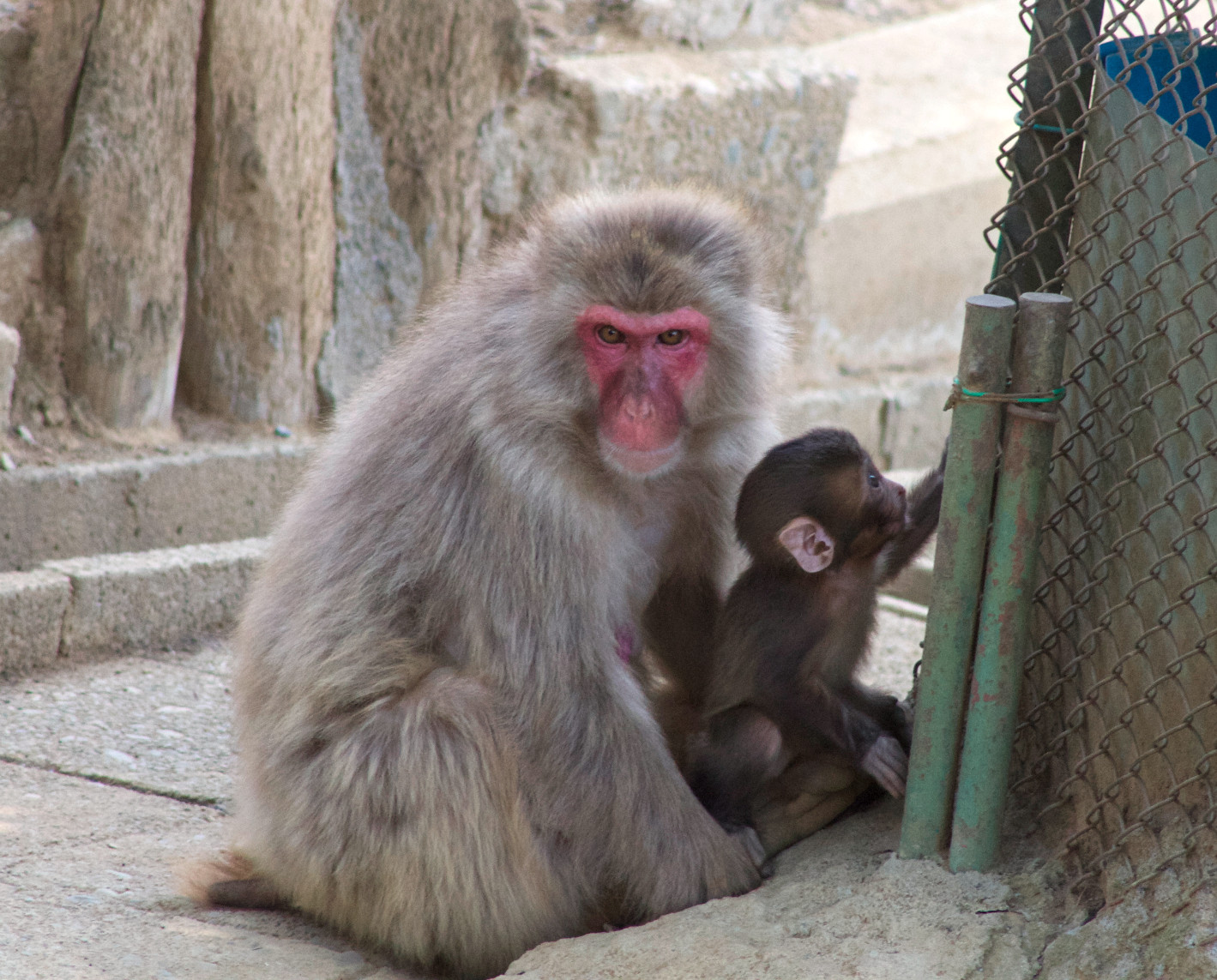
Japanese macaque and baby
A patient mother encourages her weeks-old baby to climb.

After the impromptu monkey show, I met up with my brother and we made our way up mountain toward several shrine complexes and temples.

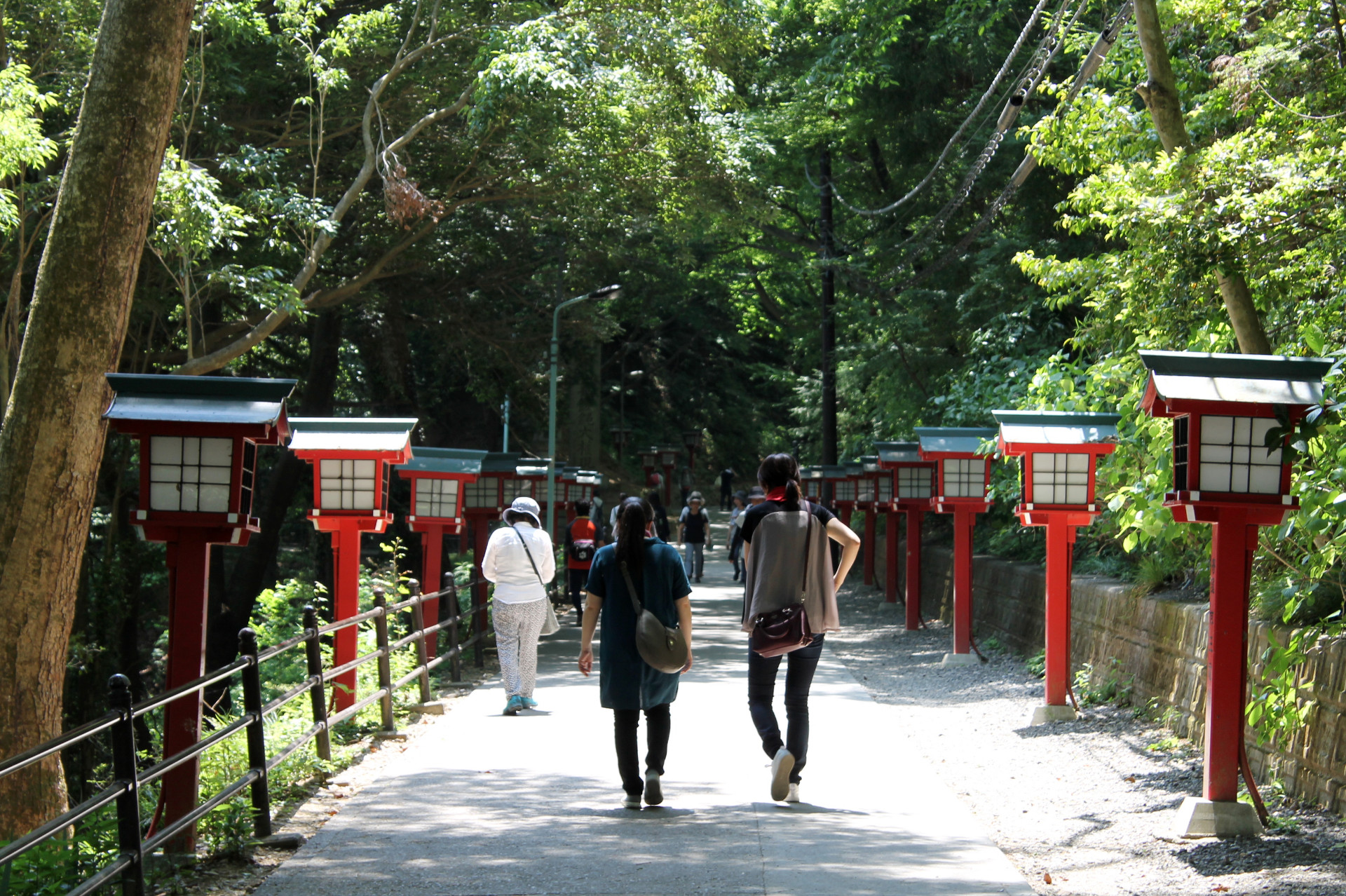
Mt. Takao, Tokyo, Japan
Visitors make their way toward a shrine on Mt. Takao.

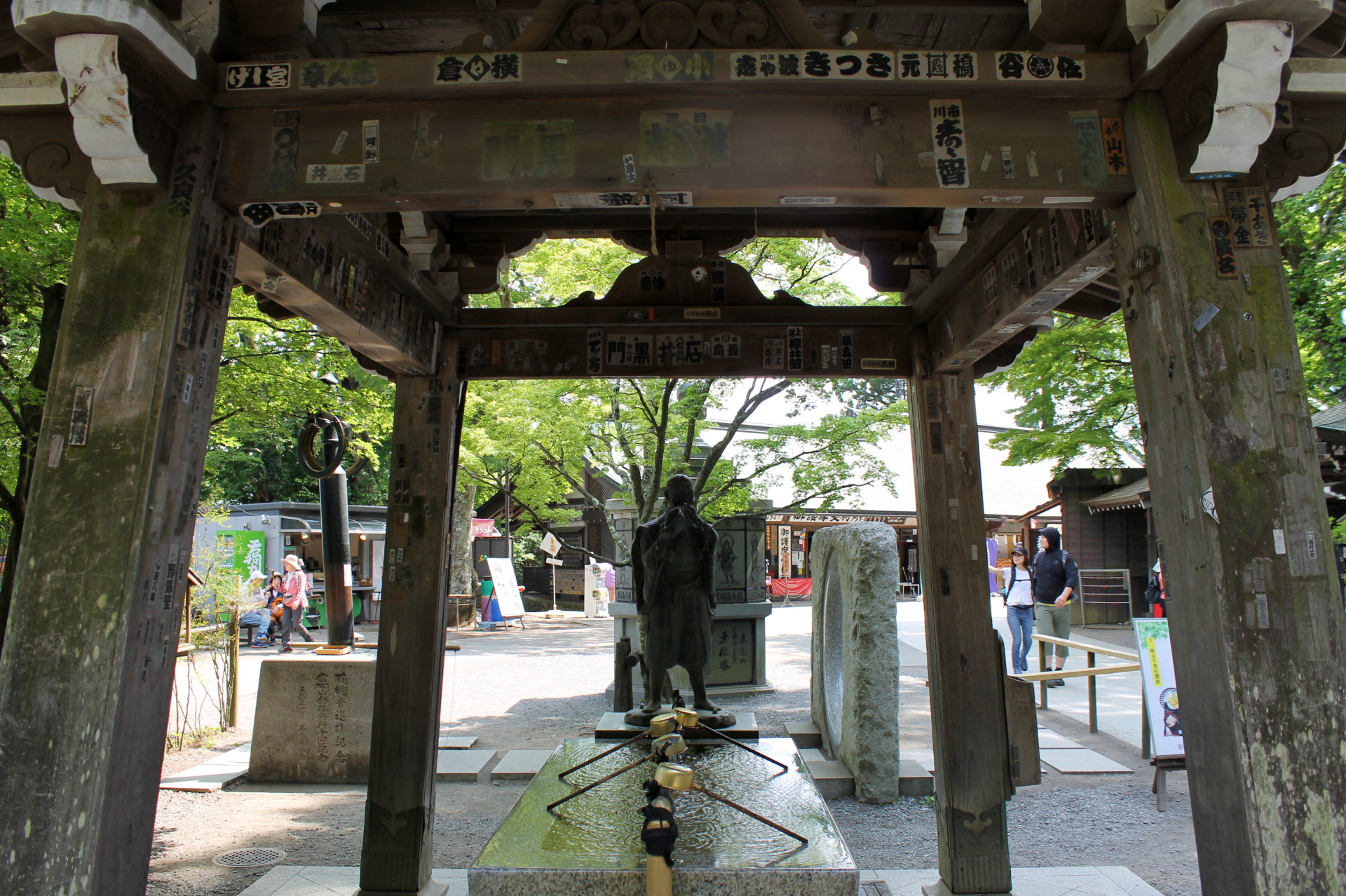
Mt. Takao tops out at 1,965-ft, and the ascent to its peak is peppered with mixed Buddhist-Shinto shrines. They’re the real deal, with centuries-old woodwork and artifacts that date back even further.

Each shrine in the country has its own unique stamps and calligraphic symbols. Visitors can buy blank books and collect stamps and calligraphy from each shrine they visit.

In this photo, a woman paints calligraphy onto a blank page with precise brush strokes:

26939D8B-0061-4AD5-8F5E-A799F74E7531

Further uphill are the temples:

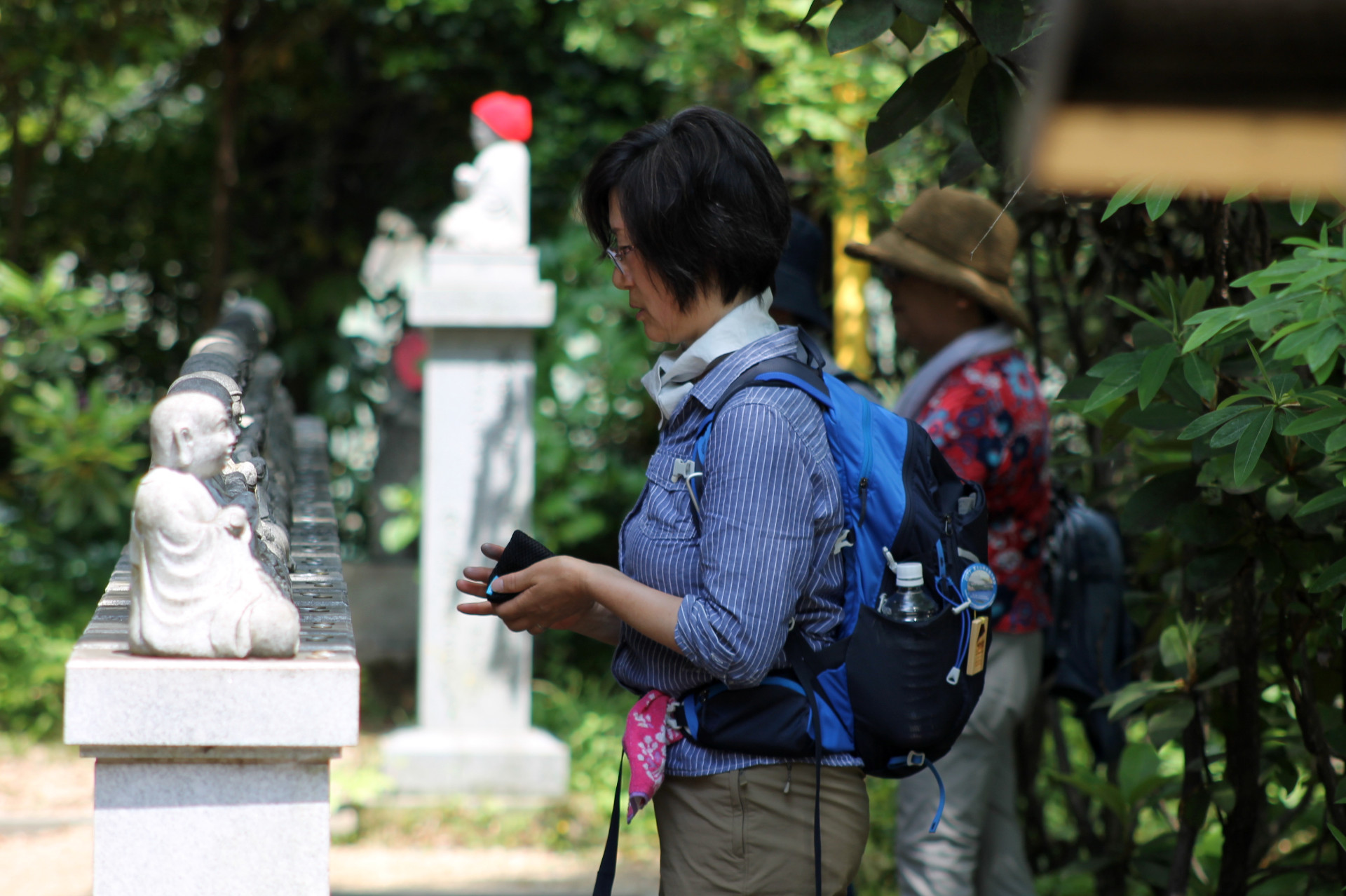
Woman in prayer
The shrines and temples aren’t just part of history, they’re sites of religious importance.

Buddha statues
Statues of Buddha on tall plinths line a path adjacent to a medium-size temple

3985F1B9-1B80-44AB-9867-016B825F5AC5

646B2D88-6C6E-4C15-BF2D-06F12ADC4534

00CCC686-B77D-4185-809B-48330BC1CD0E