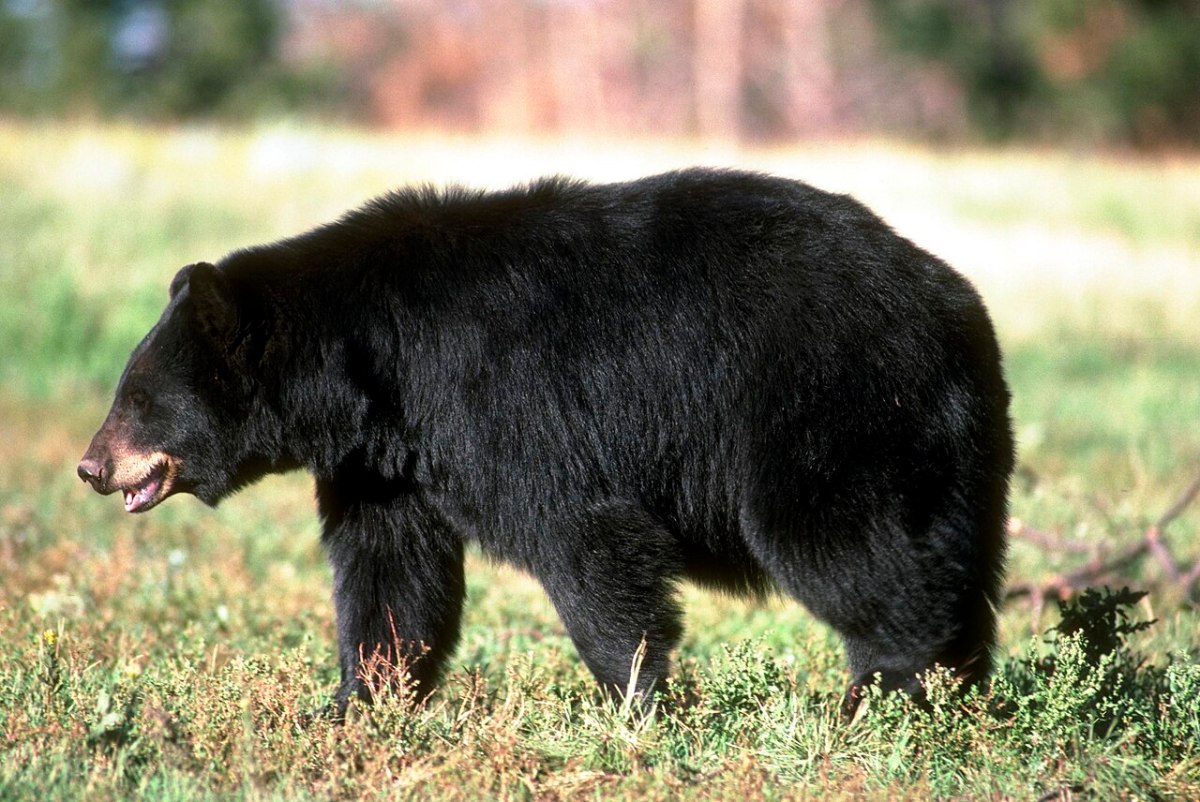
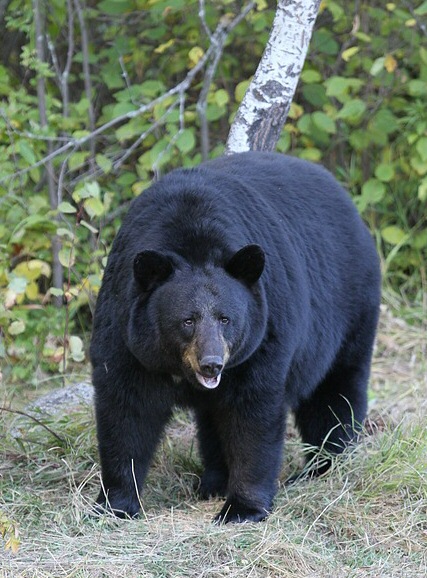
The bear was outside my tent.
Its moans cut through the night above the cricket song and I could see its distorted shadow cast against the fabric by the dying fire as it circled our camp.
Something ripped — the canvas of one of our packs, I later learned when daylight revealed the carnage outside — and there was a loud crunch of ursine teeth against plastic packaging and the styrofoam of an egg container.
Then my friend Larry did what he’d been doing all night: he raised a ruckus by banging pots and pans, scaring the 500-pound animal away. Temporarily.
The bear’s breathy vocalizations faded into the distance. After a few minutes I breathed a sigh of relief. I had to pee so badly, worse than I’d ever had to go in my life, but there was no way in hell I was stepping out of my tent. Then I heard the air horn from the campsite a mile or two away.
The bear was making its circuit again. I was still too scared to leave my tent.
How we blundered into a bear
Larry was a family friend and outdoorsman. Since my brother and I were kids of a single mom it had become something of a tradition for Larry to take us and others on annual camping trips every summer. Without Larry, who was the closest thing to a father I’ve had, we would have never known what it was like to tell scary stories by a fire, hook a fish from a river or navigate rapids while whitewater rafting.
That year we headed upstate to the Adirondacks with the aim of climbing Mount Marcy, the highest peak in New York.
Most people think of New York City when they think of our state, and the city and its environs were what I was familiar with. But New York is a big state and once you get north of the suburbs it’s almost entirely rural. If randomly blindfolded and dropped in the middle of the Adirondack mountains, few people would guess they were in New York.
We arrived at the ranger station, registered our destination and set off. Why we didn’t know about the bear I cannot say, but we found out later he was notorious. The rangers were well aware of him, and he was the reason why, after hiking for some 15 miles to Marcy Dam, we saw dozens of packs hanging from the dam itself, fastened to the metal safety railings.
That was our second opportunity to learn about the bear, but when we saw the packs we just shrugged and made our way further in to find a good spot for camp.
After the day-long hike we hurried to set up our tents and got a fire going before sundown, then made dinner. When you’re camping — real camping, not the drive-up KOA camping that’s really an excuse to get drunk with your buddies — you do two things to keep critters out of your camp: you hang your packs from a tree with a sturdy branch, and you dump any leftovers several hundred feet away.
So when my brother and my friend Richie went to go dump the leftover mac and cheese, they came back white-faced.
“Larry! Larry!” they shouted. “There’s a bear!”
Larry shook his head.
“You didn’t see a bear,” he said, laughing.
“But we did!”
Larry didn’t believe them, and I didn’t either. Until I was ripped out of sleep by the sound of a prime specimen of ursus americanus tearing through our camp, helping himself to our food.
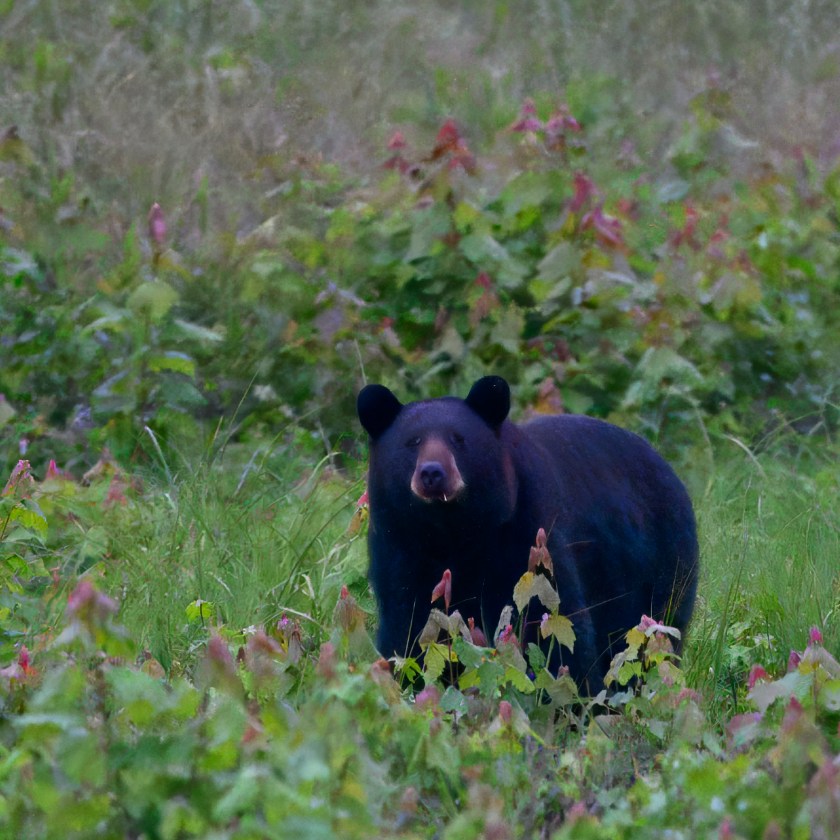
I cannot tell you how many times the bear came back that night, or how many return trips it took him to consume every last morsel of food we brought with us.
What I can say for certain is that he spent the majority of the night making a loop between our camp and two others, including the camp with the air horn.
I was already a bit freaked out even before the bear invited himself into our camp. I had never been in true wilderness before. I never knew night could be so dark, nor had I ever been to a place where there wasn’t even a hint of the ambient glow of a city on the horizon.
I tried to convince myself that the thin fabric of my tent somehow afforded protection the same way a child terrified of ghosts or monsters convinces himself his blanket can shield him from the supernatural. Every kid knows the monsters can’t get you if you’re under your blanket.
By the time the bear came around for the second time that night, I had to piss like a racehorse. I toyed with the idea of slipping out ninja-like for a stealth draining, but who was I kidding? I was too terrified to move.
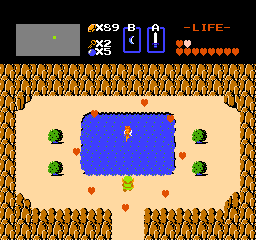
I thought of urinating every few seconds. I dreamed about it. In the video game The Legend of Zelda, which I played a lot as a kid, there are hidden lakes on the map where fairies restore your health. Your character, Link, says “Ah! Refreshing!” as you’re healed.
I dreamed I was Link stepping to the edge of a lake, where a fairy kindly invited me to urinate.
“Ah!” I said as I emptied my bladder. “Refreshing!”
For a few glorious moments, it was real. It was so good.
Then I woke up and I was back in the tent with a full bladder and the bear outside, tearing his way through our gear in search of every last bag of peanuts and stick of beef jerky.
I know what you’re thinking because I thought it too. I reached a hand down just to be sure. I was dry. In a way I wished I had peed myself. At least it would be over.
Larry was banging the pots and pans again, and a few minutes later the familiar air horn cut through the night, giving us a temporary reprieve. The bear was someone else’s problem for the next 20 or 30 minutes as he made his rounds to raid the other campsites.
The post apocalypse
The long night finally relented. Birds began tweeting, the sun came over the horizon, and our ordeal was over.
I poked my head out of the tent, then ran to the nearest tree and recreated Niagara Falls in miniature for what felt like an eternity. Sweet relief!
Then I noticed the carnage.

Every pack we’d left hanging from a nearby tree had been shredded. The torn fabric and zipper remnants swayed in the breeze, still attached to the ropes around the tree branch. Potato chip bags had been popped with bear teeth and crunched along with their contents, then spat back out. The ground was strewn with egg shells, and all that was left of the bacon was half a plastic wrapper.
The entire area was dusted with powdered milk. Remnants of graham crackers, chocolate and marshmallows were scattered in the dirt. In a horrifying display of casual strength, the bear had split a Coleman cooler in half to get at the raw hot dogs and hamburgers inside . There were the barely recognizable remnants of a box of Lucky Charms. And one pack was left intact except for the smallest zipper pouch, which had been clawed open for the handful of granola bars inside.
I stared at it, amazed that an animal could smell food in sealed plastic wrappers inside a canvas rucksack.
We broke camp quickly because we had to go back to civilization. There was no other option: we had no food left.
When we returned to the ranger station, Larry spoke to one of the rangers, who said the other campers were hanging their packs from the dam because the notorious bear had learned how to cut down packs hanging from trees. Just like it did to our gear. Then he reminded Larry why it’s a good idea to have those conversations before you venture into the woods.
It was the most terrifying night of my life, but as an adult I just shake my head and smile whenever I think about it. And all these years later, when I wake up in the middle of the night and stumble to the bathroom, Bud in tow, I still shake off the last drops, sigh, and whisper “Ah, refreshing!”
Note: Every damn word of this is true, or at least as accurate as it can be when experienced through the eyes of a 10-year-old and recalled all these years later. It eventually occurred to me that Larry must have been terrified, if not for himself, then for the fact that he had someone else’s kids with him. I know I’d be crapping bricks if I’d taken my brother’s kids camping and an unreasonably clever bear wouldn’t leave us alone. I told this story to my nieces one night, and instead of having a bit of sympathy, they think it’s absolutely hilarious that their dad and uncle were terrorized by a black bear during a camping trip. Their favorite part is my dream of being Link from The Legend of Zelda and joyfully peeing into a lake. Apparently my misfortunes are rich comedic material for them.
Header image via Wikimedia Commons