For The First Time, Americans Are Adopting More Kittens Than Puppies

Americans live differently than they did even a decade ago, and those lifestyle changes have changed what they look for in companion animals.

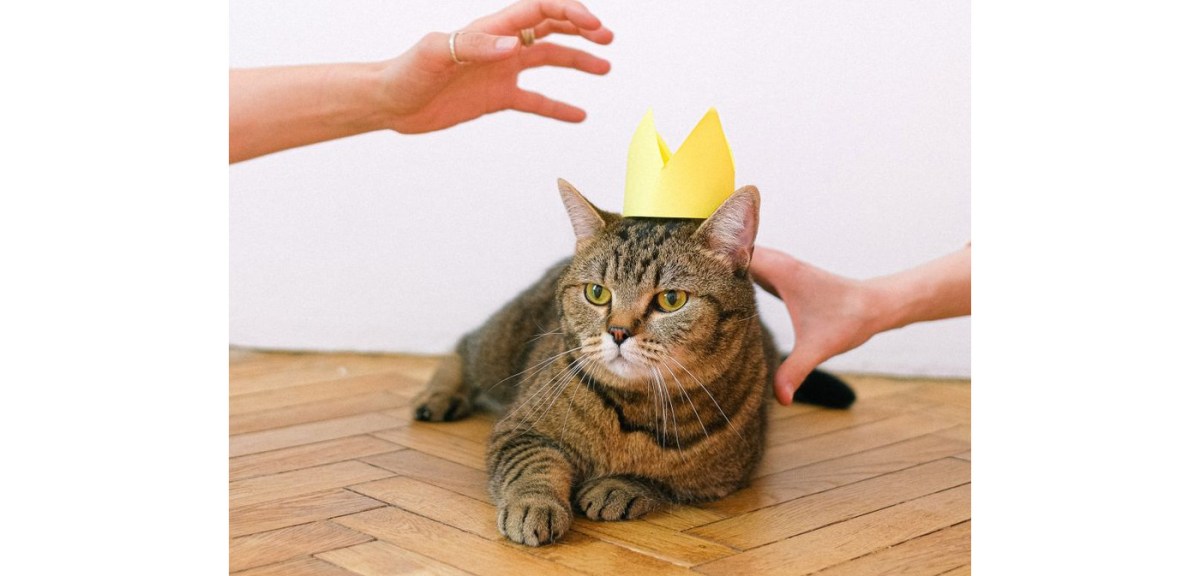
About a decade ago, Americans were adopting almost twice as many puppies as they were kittens, continuing a long tradition of dogs wearing the favored pet crown in the US.

Now households have only .94 puppies for every kitten, according to researched firm Packaged Facts, and it’s not because people are adopting more cats. Instead, people are adopting fewer puppies and dogs.

The reasons are complex but boil down to larger trends in our society. People have less disposable income, live in smaller homes, and travel more. Dogs have to be kenneled or brought along on trips, which presents additional logistical challenges, while cats are rarely taken on short trips and vacations. As highly territorial animals who thrive on stability, cats do better staying at home where things are just how they like them, with familiar sights, sounds and smells.

Yet despite the significant shift in the adoption ratio, the pet products market hasn’t adjusted, Packaged Facts CEO Robert Granader writes in the Washington Post. Most services, including grooming and boarding, are aimed at dogs, as are special retail items, accommodations and conveniences.

“There are dog parks, dog beaches, dog-friendly hotels, dog-friendly restaurants, dog bakeries and even dog airlines,” Grenader writes. “Cats are largely left out. They get leftover boxes from Amazon deliveries.”
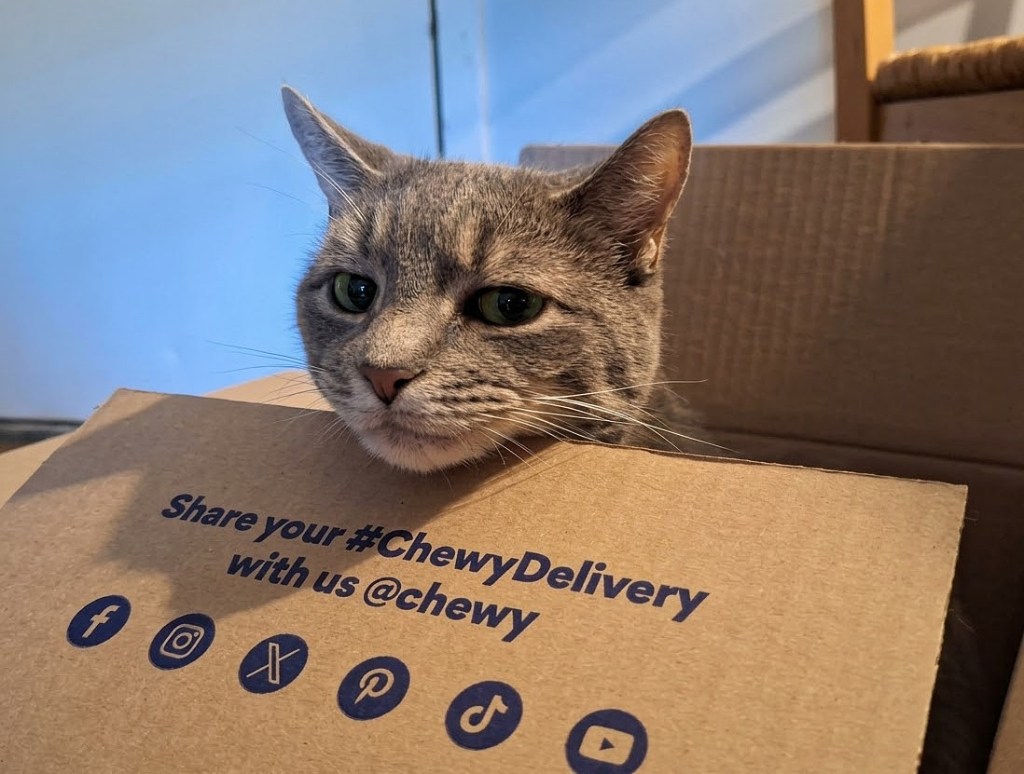
A gray cat's head peeking out from a cardboard box with the text 'Share your #ChewyDelivery with us @chewy' printed on it.
“We get the boxes. I like boxes!”

Noting that homeowners are twice as likely to adopt dogs than renters, Granader points to decline home ownership, higher mortgages and stagnant wages as additional contributors to the dog adoption slowdown.

Of course that also means dogs will have fewer opportunities to find homes, and will lead to a ripple effect on shelters and euthanasia rates. Unless economic and societal changes revert, the trend is likely to hold.

“This isn’t a story about cats replacing dogs,” Granader wrote. “It’s about Americans becoming more like cats: living in smaller spaces, valuing independence and preferring to be left alone.”

Of course the story includes common misconceptions about cats. Grenader claims cats are “quieter” and find it “easier to live by themselves.”

“A cat barely notices you’ve left the house,” he writes.

Granader may not have much experience with cats, as those of us whose feline overlords wait by the door for us to return and vocalize regularly can attest the species is not necessarily quieter or less attached. They may pretend they are unbothered by our absence, but that’s feline stoicism and weirdness, not a reflection of reality. The idea that domestic cats prefer solitude is also an old myth.

As for the impact on products, services and choices, the market will go where the money is, and it’ll take a few years for the effects of declining dog adoptions to fully realize in consumer spaces. In other words, don’t expect your local pet shop to switch an extra aisle over to cat gear next time you pop in.

Lastly, we would not rule out the possibility that this is all the result of some feline scheme whose foundations were laid years ago. Cats are remarkably lazy but equally innovative when properly motivated, and they’ve always been sure they should possess the crown.


The photo of Buddy in his new box was taken on Saturday. Looking pretty good for a little dude pushing 13, eh?

Header image credit: Pexels
His Mission: Save Cats, And Prove Men Can Love Them Too

Abdul Raheem found peace when he adopted his beloved cat, Bambi. Now he wants other men to know felines are awesome.

There’s something to the idea that people who aren’t fond of felines just haven’t met the right cat.

For me, it was the experience of interacting with a friend’s affable tuxedo — just one, since all my experiences up to that point had been with people who kept an unreasonable number of cats.

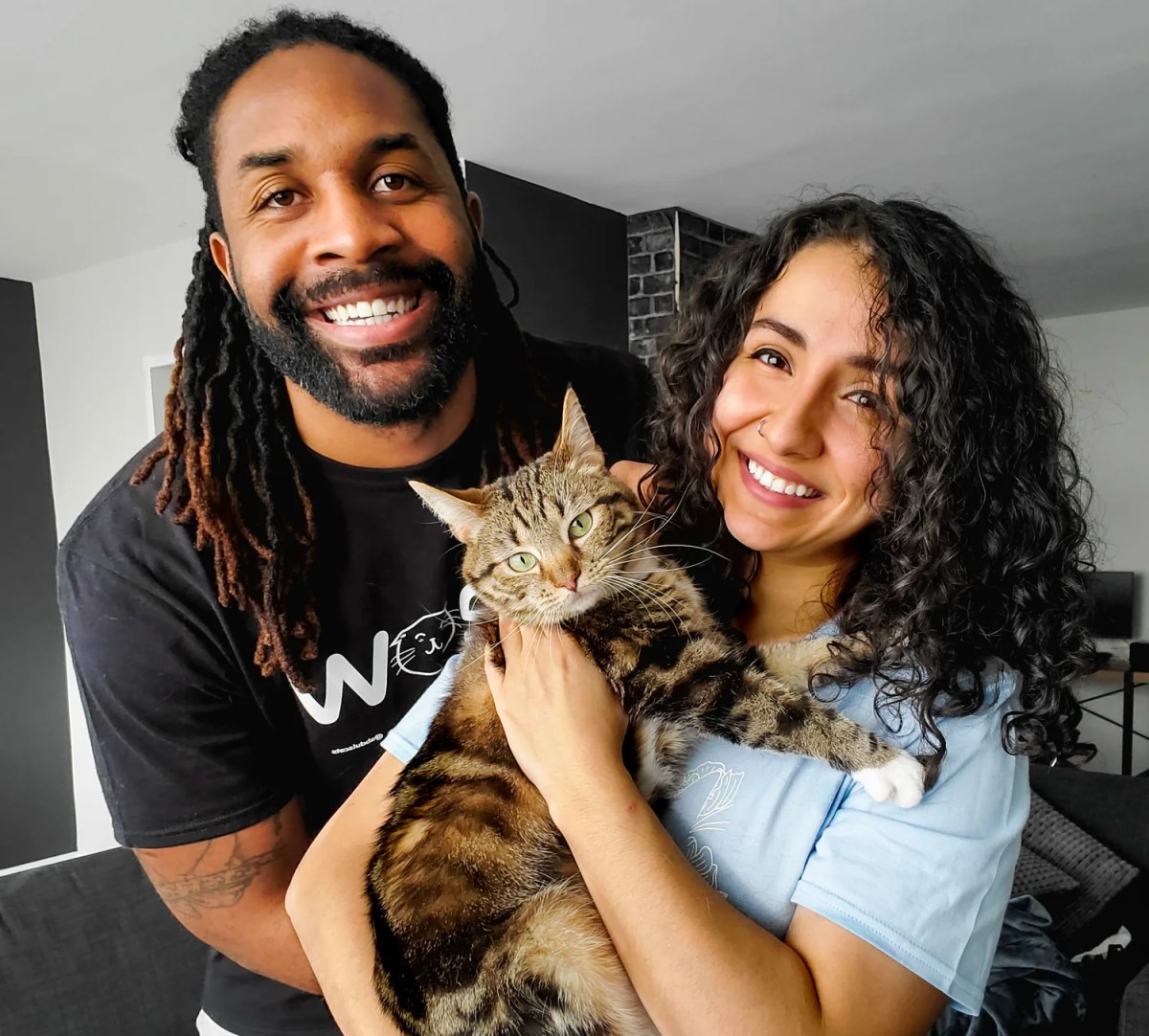
For Abdul Raheem, it was adopting a cat named Bambi after he and his wife fostered and fell in love with her.

“She brought me so much just happiness, and she made my mental health better,” Raheem told the Washington Post. “My anxiety was better when I was around her. So I just want to give other people that feeling.”

Raheem and his wife, Shamiyan Hawramani, became regular fosters for a shelter near their home, and Hawramani began filming her husband’s doting interactions with the baby felines.

Raheem with one of his bottle babies. He and his wife have fostered about 200 kittens and cats since the COVID pandemic.

Their friends found the videos amusing, and lots of people online have too. Abdul’s Cats, an Instagram account documenting Raheem caring for fosters, has a large following — including young men, many of whom are thinking about adopting a cat for the first time because Raheem is showing them something that challenges stereotypes.

My favorite anecdote is about Raheem’s enthusiasm for cats spreading to his friends. At first, they got accustomed to the idea of baby cats jumping in their laps and taking curious swipes at controllers on nights when they’d hang out and play video games.

Then they came to the same conclusion Raheem had: hanging out with cats is relaxing. Several of those friends have since adopted their own feline overlords, and Raheem says one friend now has four cats running around his house.

As for stereotypes, I think cat ladies get a bad rep. They’re the ones who do all the hard work of managing colonies, trapping, fostering, volunteering in shelters and placing cats in good homes.

When you think of the sheer volume of work, and the things they’ve accomplished — including a dramatic reduction in euthanized cats thanks to TNR efforts — they are the unsung heroes. They do it because they love cats.

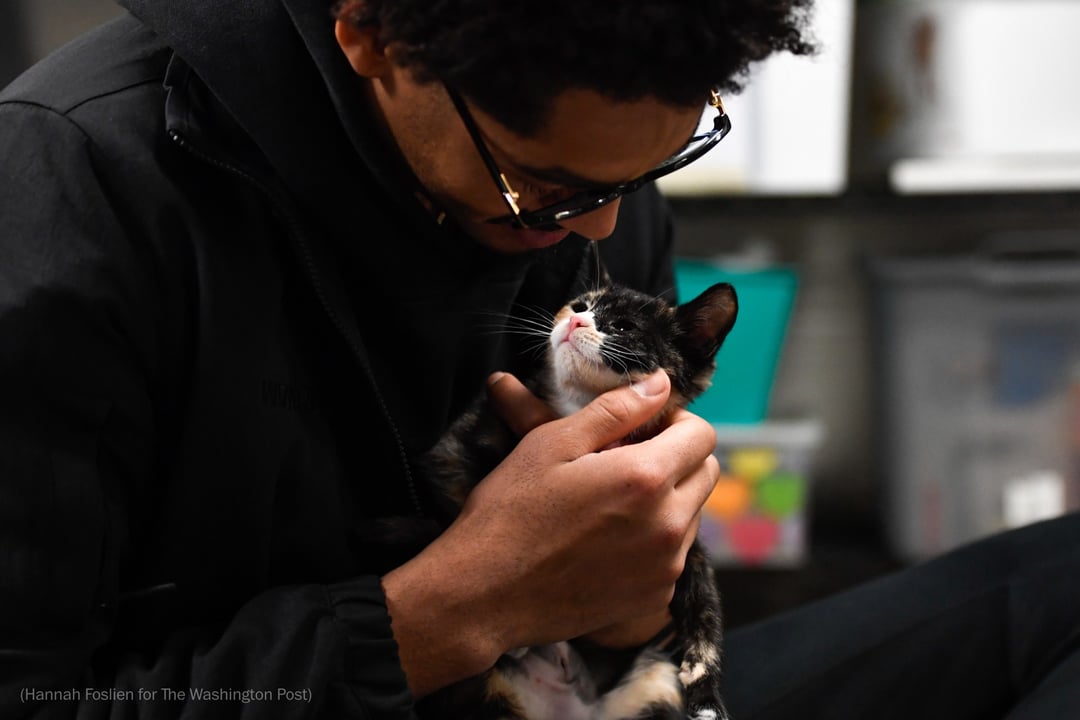
Jordan Poole is one of several NBA players who have professed their love of felines. In the off-season Poole volunteers with his local shelter.

But it’s also good to toss aside labels and outdated attitudes, like the insistence that cats are companions for women only, and that adopting and caring for a feline friend is somehow unmanly.

Like Jordan Poole, the NBA guard who evangelizes the awesomeness of cats to his fellow players, men like Raheem show guys that they can adopt too.

Now if you’ll excuse me, Bud and I have a busy day of lifting weights, watching football, working on the hot rod we’re restoring in the garage, and drinking beer. Then we’re gonna chant Viking drinking songs until we pass out.

Header image credit Abdul’s Cats

Happy Tuesday Blog Hop

https://www.linkytools.com/basic_linky_include.aspx?id=317817

‘They’re A Really Dope Companion’: Jordan Poole Is The NBA’s Most Doting Cat Dad

The Washington Wizards’ Jordan Poole loves cats, and he’s showing his fellow NBA players what awesome little buddies they can be.

Jordan Poole finds it difficult to leave the Falls Church, Va., animal shelter where he volunteers.

He likes the staff and fellow volunteers, but most of all he hates leaving while knowing the cats he’s interacted with still need homes.

“Every time I come, it’s: ‘Let me leave with all of them! Give me 14 of them right now!’” he joked to the Washington Post’s Candace Buckner, who calls him “the lead crusader of the Secret Society of NBA Cat Dads.”

Some aren’t so secret: teammate Tristan Vukcevic recently adopted a cat after Poole converted him to the dark side, and a coy Poole says he “may have” convinced NBA superstar Stephen Curry to adopt a feline friend.

Poole with one of his tabby cats, brothers he adopted together from a California shelter when he was with the Golden State Warriors. Credit: Jordan Poole/Instagram

In a 2022 profile in The Athletic, Poole’s mother Monet says her son adopted his first cat when he was in high school.

“And when I tell you he fell in love with cats,” she said. “He loves his cats. … And he’s got some pretty cats too.”

When Poole was drafted by the Golden State Warriors in 2019, his cat stayed with his mom back in Michigan because she wouldn’t have adjusted well to the move to the west coast, as well as an empty apartment when Poole was on road trips with the team. Later that year, the then-rookie adopted brother cats who had been abandoned by their former owner.

Since he was traded to the Washington Wizards, Poole has volunteered at a Virginia shelter.

His enthusiasm is one reason why he’s been able to get teammate and friends interested in adopting. The NBA has other notable cat dads, including twins Brook and Robin Lopez, whose cats hilariously can’t stand each other. But Poole takes it to another level.

“A lot of guys are dog people, but just the energy [and] the way I talk about [cats], the pictures and videos and stuff that I show them, it just gives them a little bit more interest,” Poole told the Post. “So I give them a different perspective. Maybe they’re not as much maintenance, but they’re still a really dope companion and friend to have. You don’t have to really take them out three or four times a day. You can still get your rest. Normally [my peers] like to explore it. I’ve had a lot of friends and teammates who are also cat people.”

Former Knicks center Robin Lopez, pictured with his cat Edward, says his brother’s cat is sneaky and evil for attacking Edward: “The second I lay eyes on him, he’ll act like, ‘I’m a cherub. I’m innocent.’ I’m not buying it.”

The 25-year-old Poole is averaging 20.3 points, 4.8 assists, 3.1 rebounds and 1.5 steals per game this season while shooting an excellent .391 on three-point attempts. The 6’4″ guard spent his first four seasons with Golden State before he was traded to Washington.

Tokyo’s ‘Waving Cat’ Temple, Gōtoku-ji, Has Run Out Of Cats

The world-famous cat shrine has experienced a surge in tourism, leaving it bereft of the familiar statues that are inspired by the legend of a friendly cat.

Gōtoku-ji temple has a unique problem.

The complex, where legend says a friendly waving cat led a Japanese feudal lord and his men to warmth and safety ahead of a brutal storm, has seen an influx of travelers since Japan relaxed its COVID-era restrictions and tourists have returned.

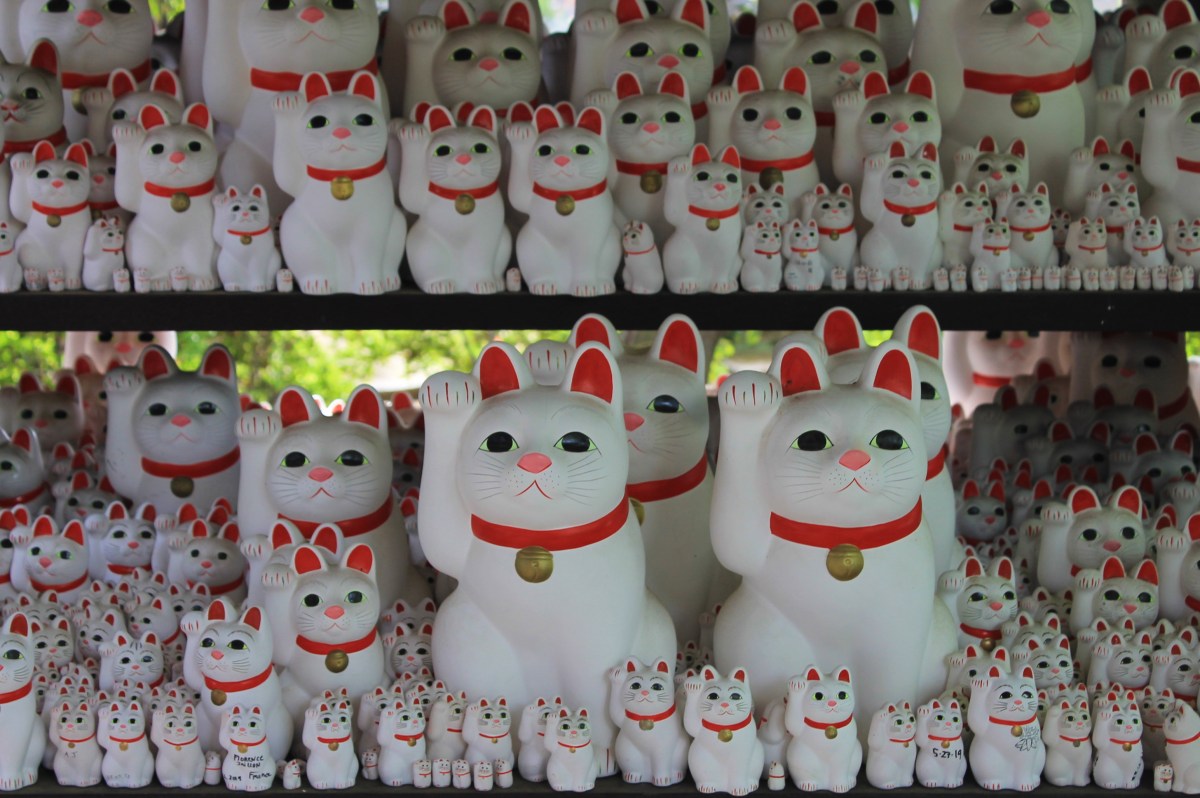
Now Gōtoku-ji can’t keep up with the demand for maneki neko, the ubiquitous “beckoning cat” statues that visitors purchase at the shrine’s tiny gift shop, the Washington Post says in a new report. People who come to the temple write prayers on the statues and place them in a perpetually-expanding section of the shrine grounds.

The cats are said to bring good luck, with variations in their designs and colors: red for health, pink for love, gold for success and so on. White maneki neko, which are sold at the shrine, are the original and “all purpose” prayer cats. The shrine is Buddhist, but practitioners of Shinto, Jainism, Christianity and other religions write prayers on the little cats, hoping they’ll be heard by whichever version of God they believe in.

The manufacturer, which also makes statues for the Lunar New Year and other festivities, can’t keep up with the demand. Now staff at Gōtoku-ji have put up signs apologizing to visitors. They say they don’t know when they’ll get more maneki neko.

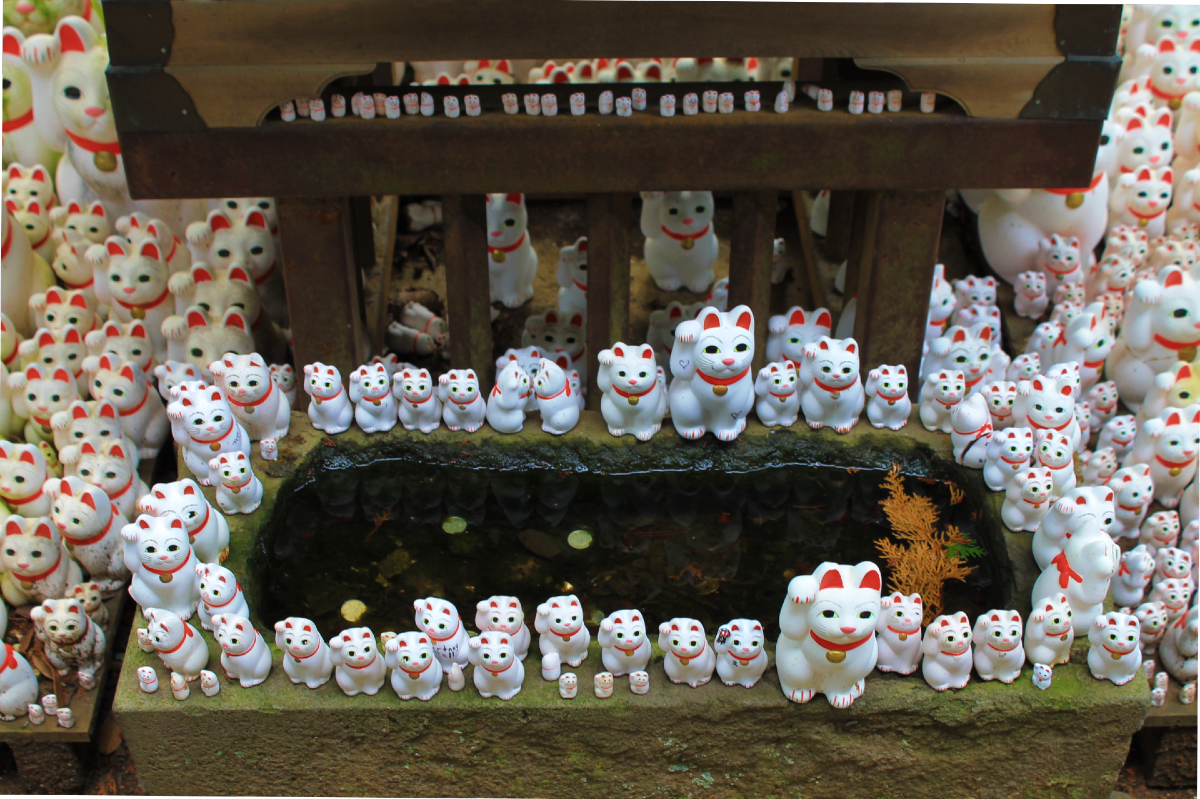
When I visited in 2019 there were many thousands of the iconic statues, but the photos from Monday’s WaPo story show thousands more placed on recently-built shelves. Temple staff have begun asking visitors to take their maneki neko home with them instead of leaving them at Gōtoku-ji. They clean, shelve and organize the thousands of statues currently there and won’t dispose of them because they represent the prayers of visitors, but the volume has become unmanageable.

Maneki Neko at Setagaya Tokyo
Visitors leave their own maneki neko statues at the shrine, often with personal messages asking for different blessings and written in black marker on the back of the statues. Credit: Pain In The Bud

Despite Gōtoku-ji’s rise in popularity, I still recommend checking it out, especially for cat lovers who are headed to Japan. While most of Tokyo’s most famous shrines are located in the city proper, with modern skyscrapers looming above temples that date to pre-modern Japan — never letting you forget you’re in a bustling metropolis — Gōtoku-ji is in Setagaya, a mostly-residential ward.

The temple grounds are surrounded by homes and they’re quiet in a way that others aren’t. The shrine is well-manicured and beautiful, dotted with statuary as well as centuries-old wooden temple structures.

When I was there a smiling elderly docent walked the grounds carrying a photo album that showed the temple and its structures over the years. With my sister-in-law’s rudimentary Japanese we were able to get a bit around the language barrier, and he told me one of the most striking buildings, a three-story tiered wooden tower, was home to one of the resident cats who liked to sleep on its second floor.

I wasn’t able to catch a glimpse of the little one but I imagine Gōtoku-ji is one of the best places on the planet a stray cat could call home. Like the people of Turkey, respect for cats is ingrained in Japanese culture and temple cats in particular are treated extremely well. Some even have their own Instagram pages and fan clubs, becoming tourist draws in their own right.

Maneki Neko Setagaya Tokyo
Maneki Neko statues at Setagaya shrine. Credit: PITB

WaPo’s Guide To Taking Better Photos Of Your Cat, PLUS: Snopes Weighs In On Cats And Bubonic Plague

A historian casts doubt on tales of widespread cat purging, tracing the origin of the claims to a novel published in the 1990s.

The Washington Post has a new guide for taking better photos of cats and dogs with some solid advice for people using smartphones as well as more traditional cameras.

The article is in front of the paywall so you don’t need a subscription to view it, and it emphasizes a few major points I’ve often written about when people ask me how I’ve been able to get certain shots of Bud:

  • Always let your cat get used to the camera, whether she sniffs it, head butts it or just wants to see it up close. Let her check it out and lose interest and then it becomes just another thing, allowing you to begin capturing more candid-style photos.
  • Bribe ’em: Your cat’s a model and deserves compensation. A few treats will keep him hanging around and happy as you snap away.
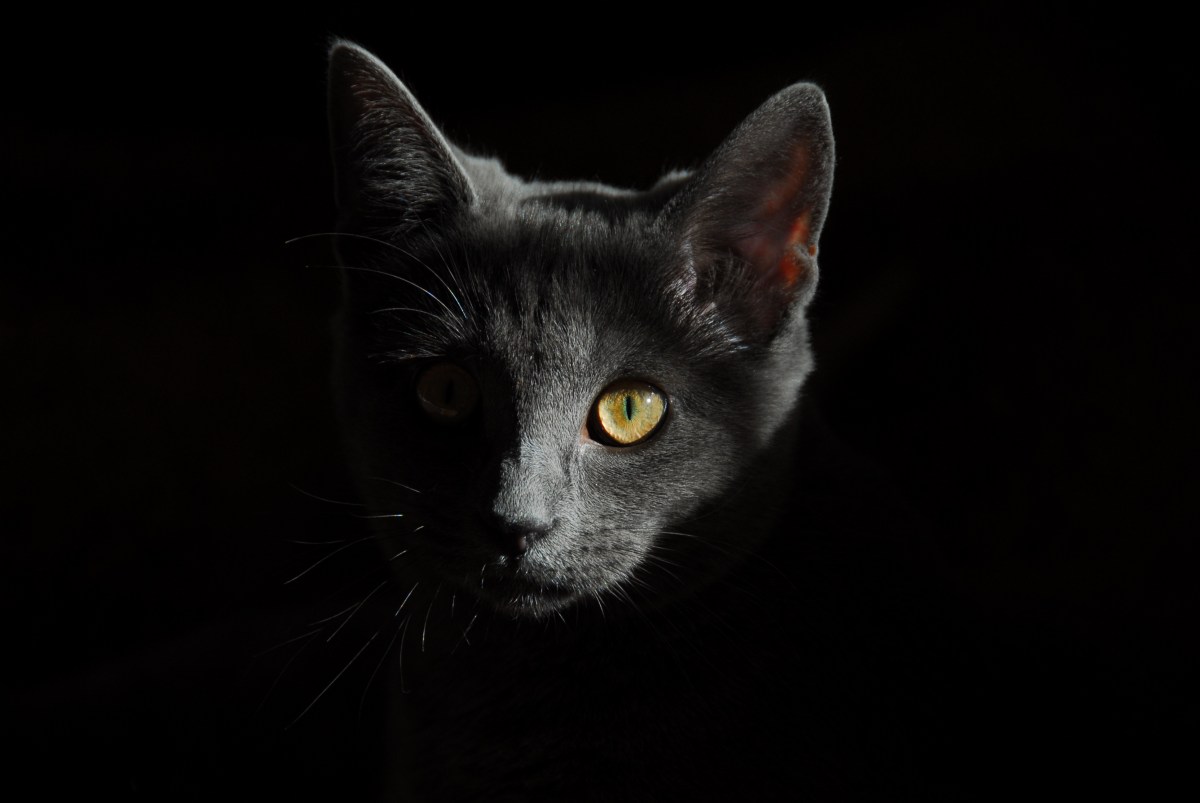
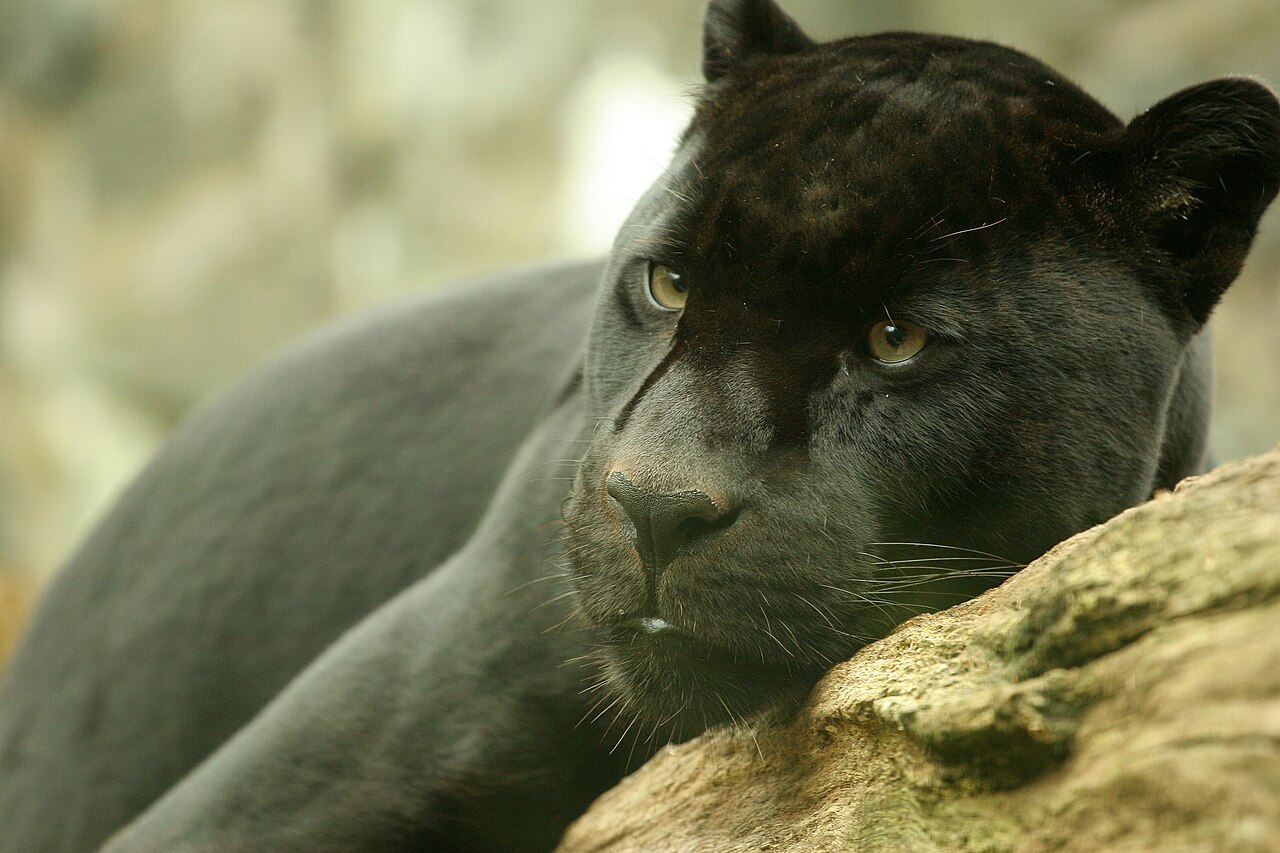
  • Pay attention to the lighting, especially if you’re shooting a black cat or a kitty with a darker coat pattern. Unless you’re going for a silhouette or a sunrise behind your furry friend, keep your cat facing to the right or left of the primary light source so you’re getting light and shadow to put those feline features in relief. It’s also worth taking a close look at how professional photographers shoot melanistic jaguars and leopards, carefully using light to highlight their features. In the right conditions their rosettes are still visible, they’re just slightly different shades of black. While house cats don’t have rosettes, the same attention to light and detail can help pick out the contours of their beautiful coats.

Black jaguar at Edin Zoo
Under the right light conditions, the contours, spots and rosettes of a black jaguar are visible in beautiful detail. Credit: Edin Zoo/Wikimedia Commons

Did People Really Slaughter Cats During The Plague?

It’s often claimed that Europeans murdered felines en masse during the waves of Black Plague that devastated Europe during the Dark Ages, visiting countless cruelties on cats while inadvertently amplifying the spread by nearly wiping out disease-carrying rodents’ most effective predators.

In a new post that closely examines documents and evidence from burial sites of the era, Snopes concludes there was much less cat-killing than claimed, and the claims of widespread purging at the hands of pandemic-weary zealots have their roots in a 90s novel, which was then circulated on the web as fact.

Sites where as many as 79 sets of cat bones from the era were found show clear signs that the animals were slaughtered for their fur, and a singular slaughter in 1730s Paris often cited as proof is not only a few centuries off but was also motivated by class hatred, not fears of the plague.

While the papal bull Vox In Rama was real, and a famously zealous inquisitor really did make the preposterous claim that Satanists had a ritual that involved literally kissing the asses of black cats, the pope never called on anyone to kill felines and there’s no evidence that people took it upon themselves to do so. There was plenty of other unbelievable superstitious idiocy that led to the deaths of animals at the time, including the practice of putting animals on trial for alleged crimes, but Europeans weren’t rampaging through towns and killing cats.

Snopes quotes Welsh historian Mike Dash, who says the modern claims of widespread cat-killing are “almost certainly a modern internet-based fabrication.”