It started, as these things often do these days, with an Amazon delivery driver who took a shine to a UK family’s pet feline.
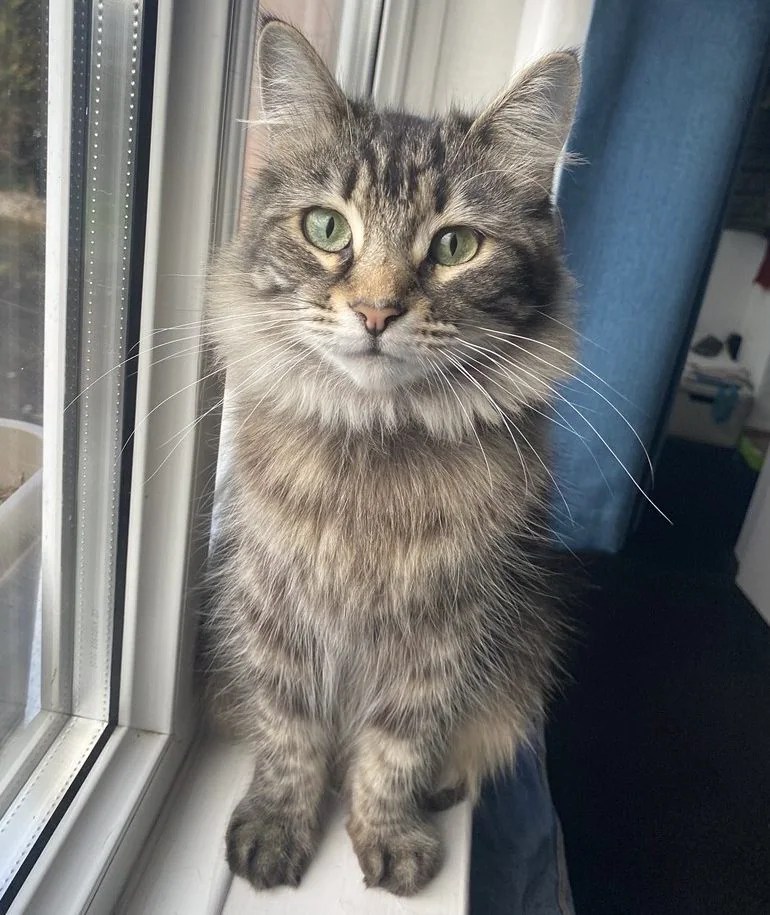
Catalin Stancu, 41, was delivering a package to a home in West Yorkshire this January when he spotted a floofy tabby cat named Nora. When Nora didn’t come back inside that day and was still missing a day later, homeowner Carl Crowthers checked footage from his surveillance cameras and saw Stancu interacting with Nora before picking her up and driving off with her.
We wrote about the theft at the time, noting Amazon hadn’t changed its standard customer service response (“How much would you say your cat was worth?”) to customers traumatized by the company’s drivers stealing their beloved pets.
Crowther also hinted that he’d like to go into more detail, but didn’t want to endanger an ongoing police investigation. Now we know why.
Nora’s family contacted West Yorkshire police, who put Sgt. Cat Ryan in charge of the investigation. Ryan used information from the surveillance videos to track Stancu to his home. Around the same time Stancu, realizing footage of himself was spreading on socials and in traditional media, contacted Crowthers via Facebook to return Nora.
On Thursday, Stancu was sentenced, marking the first time a person has been successfully prosecuted using changes made by the Pet Theft Act.
That law, passed and enacted in 2024, creates a new category for pet thefts recognizing animals are not just property that can be replaced. It gives police new ways to charge people accused of stealing pets and provides judges with more options for sentencing, including up to five years in prison, fines, community service and other sentencing conditions.
It’s also a model for other countries and jurisdictions. Currently, almost every US state law lists pets as property, most under archaic agriculture and markets laws that were meant to settle disputes over farm animals. This is also a subject we’ve covered, noting the numerous advantages of modernizing animal laws so crimes involving pets are treated differently than, say, an argument between two farmers about who owns a particular cow.
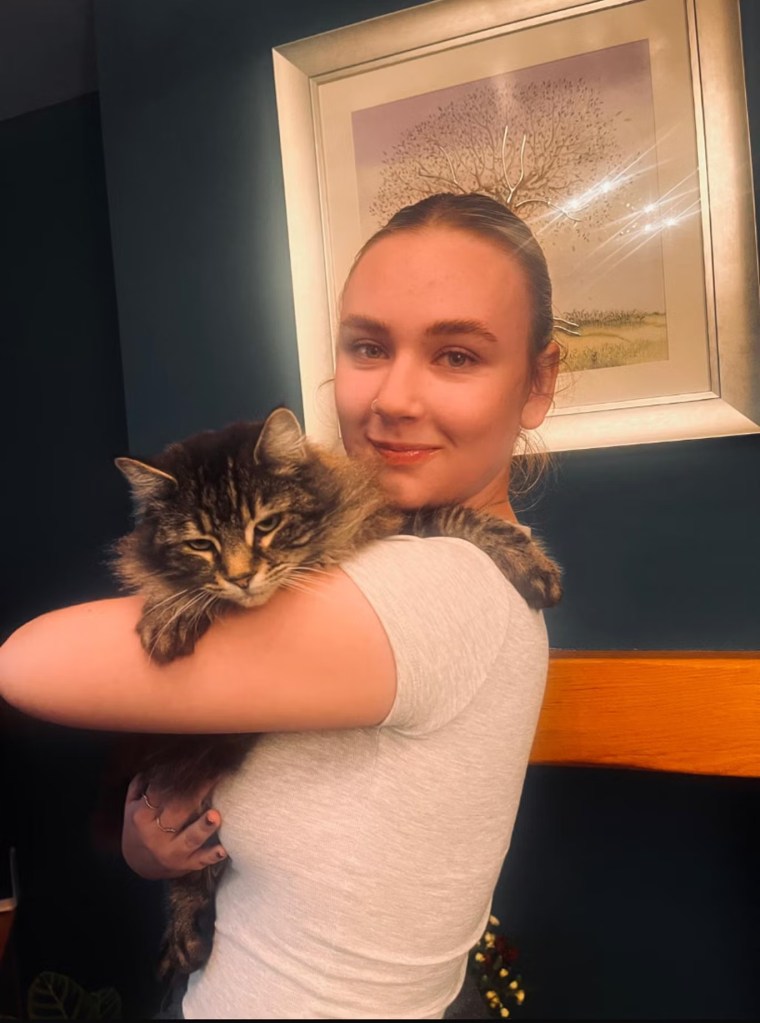
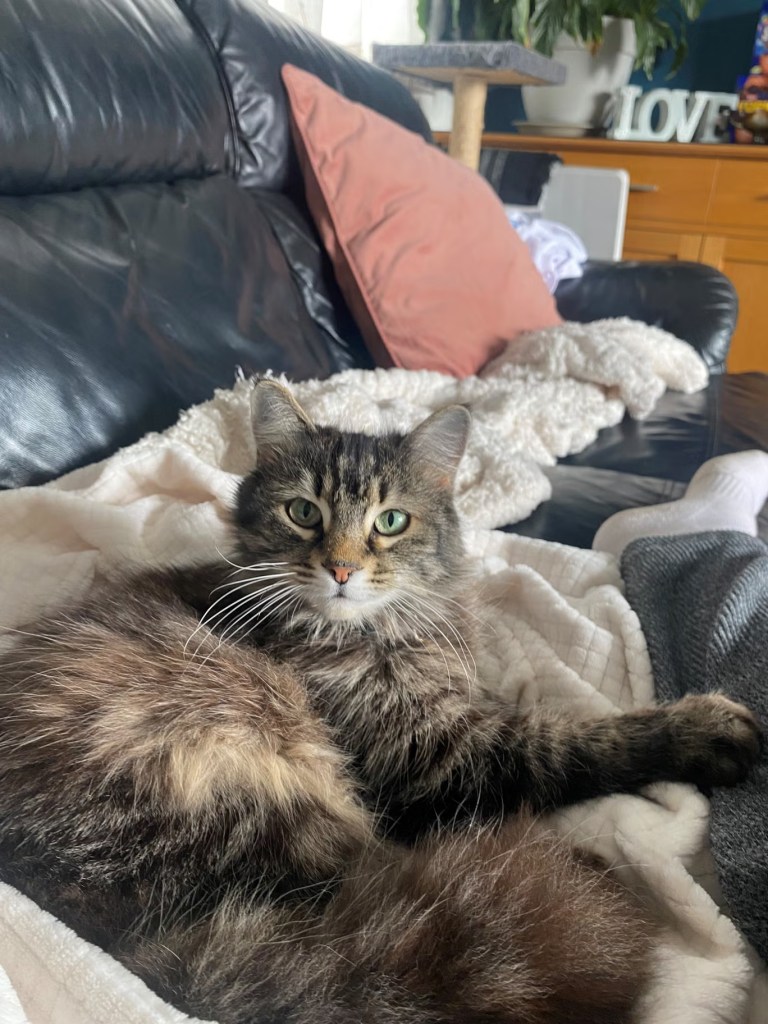
Stancu admitted to driving off with Nora before his sentencing, but said despite the fact that she was wearing a collar, he thought she was a stray.
“I didn’t steal her, I took her,” he told the court.
District Judge Paul Marks gave Stancu an eight week suspended jail sentence and ordered him to pay £500 in compensation, which equals about $670 at current exchange rates. A suspended sentence is the UK equivalent of a conditional discharge in US courts, meaning Stancu must stay out of legal trouble for at least a year to avoid serving jail time.
Marks acknowledged that Stancu made efforts to return Nora once the story hit the press, but said his actions still violated the law.
“Whatever your initial motive was for taking Nora, and whatever concerns you had about Nora’s health, you should not have behaved in the way you did,” Marks told him. “Nora was a much-loved family pet and the family wanted her back… The distress they suffered for three days when they knew nothing of where Nora was, was very upsetting.”
In a statement, the family said they’d spoken to Stancu, accepted his apology, and hope the case helps people realize they’re doing more than removing “property” when they take a cat or dog. Nora, they said, is a member of their family.
“We are incredibly thankful and relieved that she was eventually returned safely to us,” the statement reads. “We hope today’s outcome sends a clear message that animals are not objects to be stolen, and that the pain caused to families by these actions is very real.”
As for Sgt. Cat Ryan, she said she was happy to catch Catalin Stancu and return a family’s beloved cat. The Pet Theft Act, she said, made it possible because such crimes are now taken more seriously under the law.
“One look at how happy the Crowther’s have been happy to have Nora home, and see how settled she is to be back, only confirms how important it was for us to achieve this outcome,” she said.
NOTE, 5/15: Stancu’s sentence included £500 in compensation to the victims and a suspended eight week jail term. Under the plea agreement, Stancu will avoid jail if he stays out of legal trouble for the next year. A previous version of this story did not note the jail sentence was suspended.