My Favorite Halloween Novel: In ‘Slade House,’ A Mysterious London Mansion Appears Once Every Nine Years To Consume The Souls Of Innocents

David Mitchell’s twist on the familiar haunted house story is an unsettling page-turner, perfect for a chilly October night.

Slade House isn’t your typical David Mitchell novel.

For one thing, it’s a slim volume, about 240 pages depending on the format and edition. You can mainline it in four or five hours, and it’s such a page-turner that many people have.

It’s not concerned with making any particularly grand statements about life and is engineered for one goal – to entertain the reader with a satisfyingly spooky story.

Slade House is the name of the mansion at the heart of the book, a grand aristocratic structure that once sat on a sizeable estate but is now crammed between houses and shops in a working-class neighborhood of London. It’s accessible by walking down a shabby, narrow alley fronted by a pub called The Fox and the Hounds. The gloomy lane takes a turn, and if you know precisely where to look, there’s a slim iron door leading to something unexpected in such a neighborhood – a verdant, picturesque garden surrounding a small pond. A path winds through the garden and under a series of trestles, leading to the ivy-choked home sitting on the crest of a low hill.

Most interestingly, it exists for exactly one day every nine years, when someone is lured inside and is never seen again.
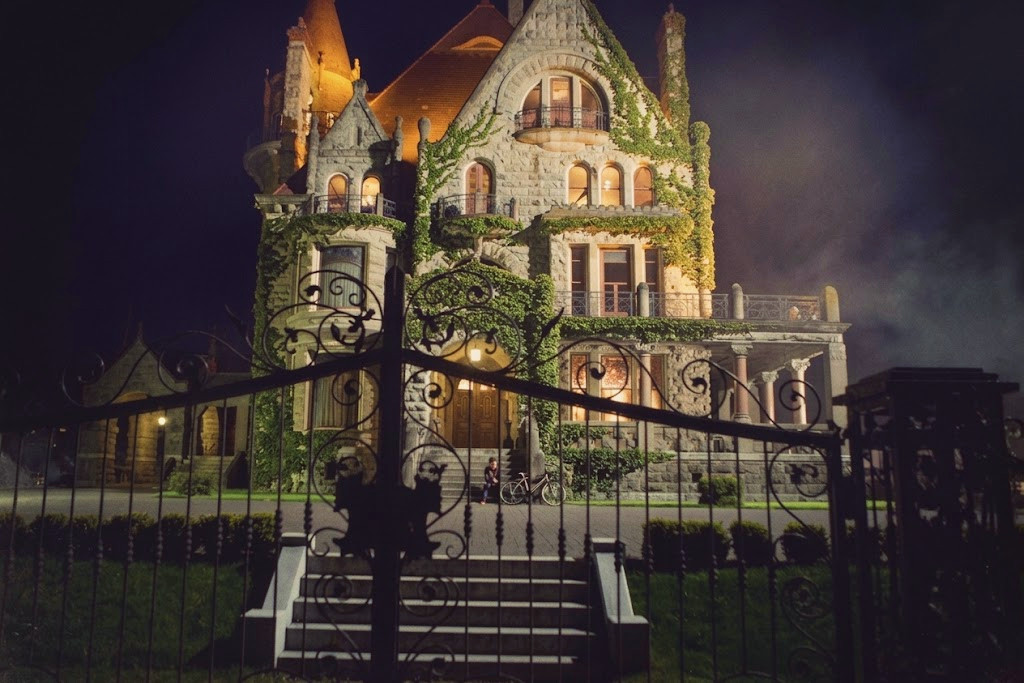
This is not Slade House, but Craigdarroch Castle, a Victorian-era Scottish baronial mansion in British Columbia, is very close to the image in my mind’s eye while reading the book.

Mitchell shows us Slade House through the eyes of its many victims: an awkward, autistic pre-teen boy who is enticed inside along with his mother. A police detective and wannabe lothario dispatched to investigate the house and the fate of people who have gone missing there over the decades. Members of a local university’s extracurricular paranormal research club who think they’re in for a ghost hunt only to find a debauched Halloween bash packed with undergrads. The journalist sister of one of the college students who went missing there in the last nine-year “cycle.”

And finally, a Canadian psychologist with a clinical interest in people who buy into conspiracy theories, stories of alien visitations and other strange phenomena.

To describe what each of them finds inside would be to spoil the novel and rob the narrative of its punch. Besides, nothing I can say could possibly do justice to the yarn Mitchell spins here.

What I can say is that Slade House reinvents itself so it appears to give its victims exactly what they want, and the forces behind the spectral structure aren’t there to play nice. I found myself thinking of their malevolent tricks and shuddering long after I finished the last chapter.

Since then it’s become something of a Halloween tradition to dive back in. I don’t read Slade House every year, and knowing how few books we read in our short lives even when we make a serious effort, I’d much rather push myself to discover new novelists and worlds.

Yet Slade House is the rare book that deserves and even demands to be read again. Not only is it an exceptionally well-crafted story, it’s got the same quality as films like The Big Lebowski when every time through the narrative yields new revelations and additional connections become apparent. It could be something as simple as a callback to a seemingly unimportant piece of dialog early in the book, or recognizing a certain character is someone you’ve met in a previous Mitchell novel making a cameo in this one.

Or it could mean finally recognizing a bit of symbolism that’s been staring you in the face the entire time, like the discovery of a dead cat in Slade Alley in the book’s opening pages. The feline in question is the legendary Moon Gray Cat, an entity that appears in almost every Mitchell novel at critical points. When the Moon Gray Cat shows up dead almost immediately in Slade House, that’s Mitchell signaling to the reader that there will be no magical help for the characters in this novel. They’re on their own. (Fellow cat lovers, please note: Mitchell is on record saying the Moon Gray Cat is not really dead, and in fact cannot be killed. He appeared in the very next Mitchell book, and I’m sure we’ll spot him rubbing up against a character or napping in the background during a key scene next time around as well. Viva la Moon Gray Cat!)
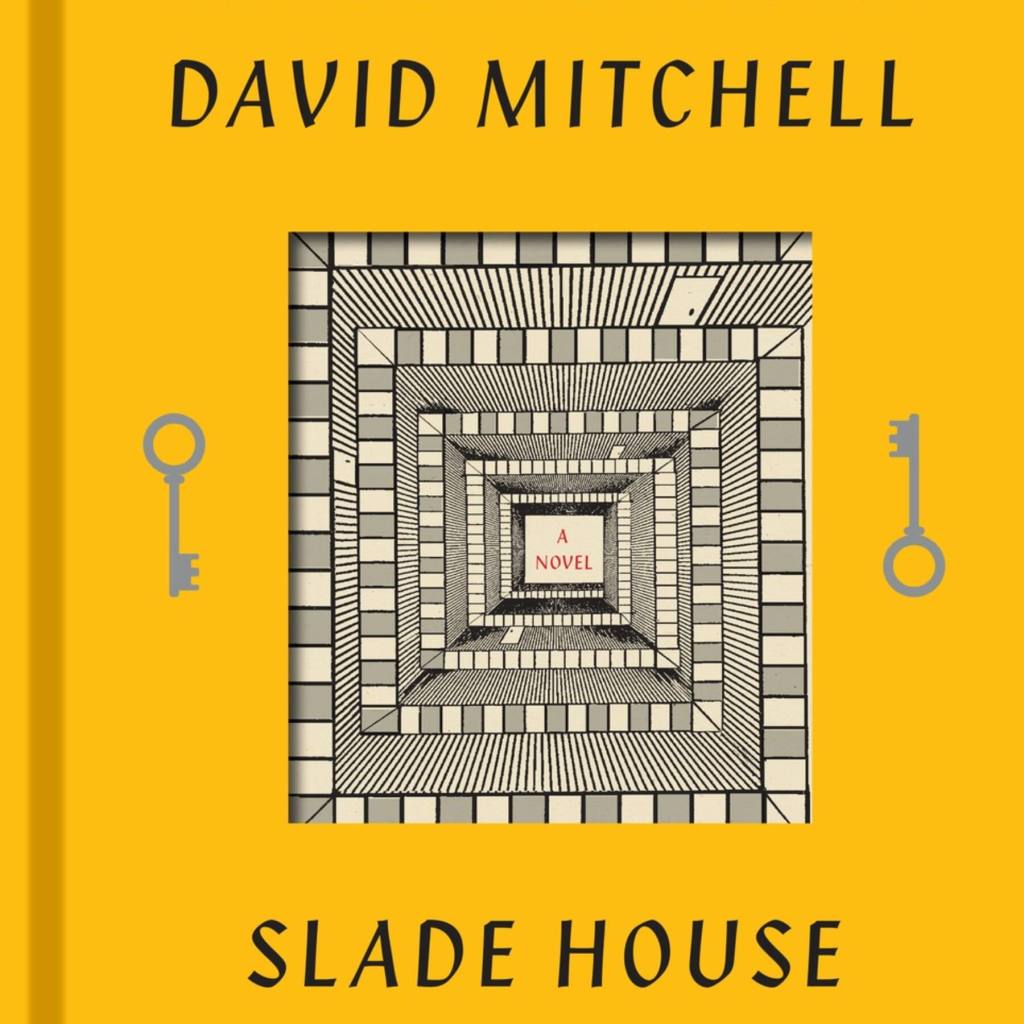
The first-print hardcover edition of Slade House, which was published in 2015.

As for the book, it’s something different built on the bones of the classic haunted house story. The horrors inside Slade House persist even when the home itself vanishes.

The police, for their part, think they’re spinning their wheels at the behest of jokesters. They know the disappearances are real, but every time someone goes missing not only are detectives unable to locate Slade House, they find it cannot exist. There’s simply not enough room in the jumble of buildings housing shops and flats. Satellite photos confirm what they can surmise from the ground, though municipal records do turn up a Slade House that formerly existed there until it was destroyed during a German bombing raid on London during World War II…

The detectives rationalize the disappearances. One family may have simply fled, leaving behind outstanding debts and complications in London and finding refuge with relatives in Canada. A woman who vanished half a century ago may have ditched her husband and ran off with her lover. There are plenty of reasons people abandon their lives, and maybe the fact that they were last seen entering Slade Alley is just coincidence.

Only one group of people have begun to assemble the facts, and those are the victims. “Pass it on,” the echo of a previous victim tells a person freshly lured into the phantasmagorical property at one point. The recipient doesn’t know it’s already too late for her, but if she can add to the small packet of information, perhaps some future target can be warned off before Slade House slips the handcuffs on.
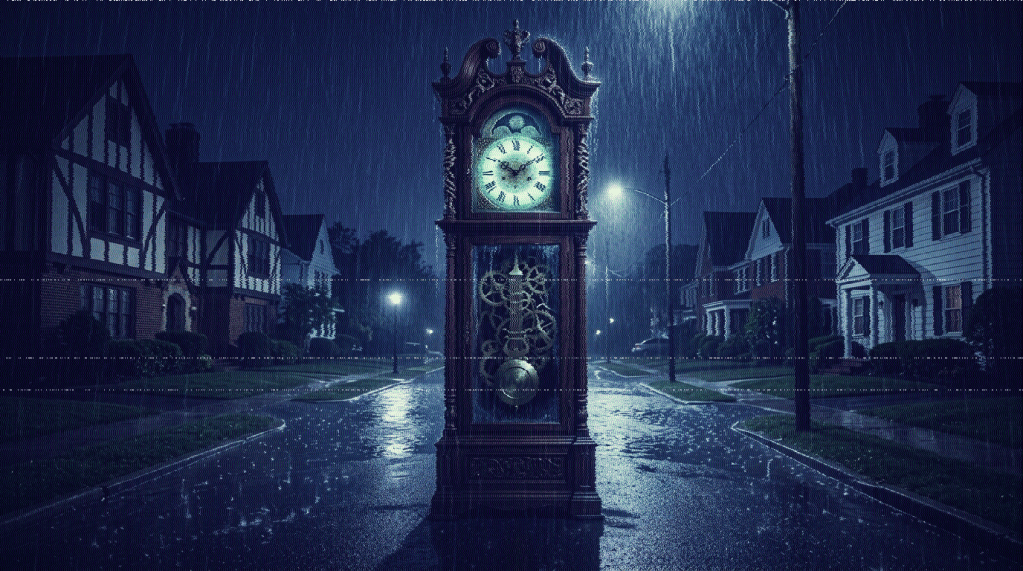
The image of a grandfather clock and the ways we interpret time play a subtle but central element in the novel. Image modified in Photoshop from an original via Pexels

For his part, when Slade House was published in 2015, Mitchell took some fire from the literary establishment for taking a detour and deciding to play in a genre sandbox for a while. Some critics argued that his talents are too great to waste on lowly genre fare when he could be writing Serious Literature™.

I was proud of him when he made it clear to one interviewer that he doesn’t care. He had fun writing the novel and he hopes readers enjoy spending time in its odd little world. Besides, he argued, the idea that genre fiction is less worthy of attention is itself a flawed premise.

I wholeheartedly agree with that assessment, as well as Mitchell’s contention that genre fiction gives us a safe place to explore fantasies, ambitions and anxieties that would normally be dismissed as childish. Science fiction, one of my favorite genres, is often criticized on the aforementioned terms as if speculating on the very nature of our existence – and whether we share our vast universe with other sapient entities – is somehow out of bounds, and we should all aspire to the kind of writing favored by MFA factories.

Insisting that there is only one valid way to create is close-minded. Opening yourself to possibilities you haven’t grappled with is the precise opposite.

Now if you’ll excuse me, it’s been a few years since I last visited Slade House, and I have a date with a reality-shifting entity that wants to consume me, at least for four or five hours.

Header image via Pexels
Caturday Links And Open Comments: That Study About Cats = Happiness, The ‘Carrie’ Remake, And More!

Open comments, open links! Plus, we talk about cat-friendly hotels, the recent report on contaminants in cat food, Mike Flanagan’s latest Stephen King adaptation, and more!

We’re gonna try something new this week and dedicate “Caturday” to links, off-topic discussions and anything you’d like to post about.

It’s a good opportunity to touch on stories that we didn’t get a chance to go in-depth on, talk about and recommend entertainment, and follow up on stories in the news.

If there’s anything we’ve missed, something you’d like to point out, or you just want to write about what a dashing and meowgnificent feline Bud is, you can do that here too. (And don’t forget to talk about your own cats!)


The Clean Label report on contaminants in cat food

Five cans of cat food displayed on a white countertop, each with a different texture and color of the food inside.
Mmmm, slop!

Thanks to Candi A. for keeping us in the loop and posting the link to her friend’s assessment of the concerning findings about heavy metals, pesticides and other nasty stuff found in cat food.

In case you missed it, here’s the link Candi shared.

I have only been able to read it once and have not yet read the full report, so I’m going to refrain from adding anything yet. I need to see all the details and whether the brands I usually buy are included. I expect they will be, as Clean Label chose samples from the 100 most popular cat food brands sold in the US. (For our friends outside the states, there could be useful information as well. The big brands are corporate conglomerates with international reach, so brands sold in the US are likely sold under different names or slightly different packaging elsewhere.)

Of course I’m not an expert on feline nutrition either, so we should all decide what’s best for our cats based on what we know about them and the information we gain from reports and analysis.

I hope to revisit this in an in-depth post, hopefully with some input from veterinarians and experts on feline health.


Contractor work and staying at a pet friendly hotel

I won’t be able to use my bathroom overnight while a contractor puts in new floors, sink, etc., and my friend who feeds Bud while I’m away will have me, but not him. (I wonder why? It couldn’t have anything to do with him practicing some light mauling on her at least three times, would it?)

There’s also no way I’m gonna leave him here with an unfamiliar person, work noise and the uncertainty of not having me there to show him it’s all okay.

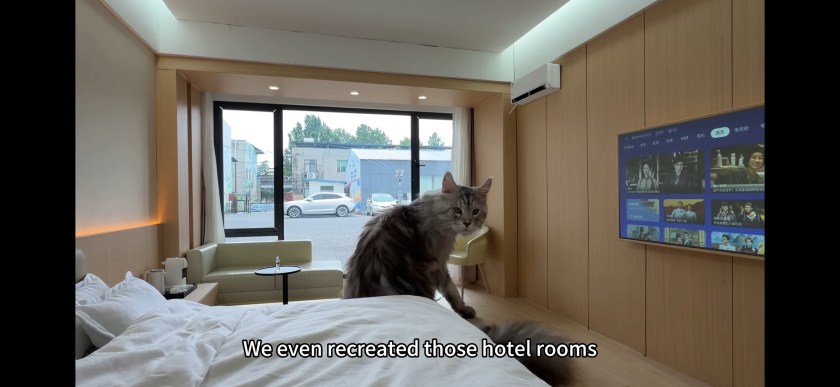
A cat sitting on a bed in a modern hotel room with wooden walls and a large window showing the outside view.

So it looks like I’m gonna stay at a pet-friendly hotel that I have verified as specifically cat-friendly as well. I’m going to get a disposable litter box, bring his bowls and some food, and I think he’ll be okay as long as he’s with me and I don’t leave him alone in an unfamiliar place. I’ll pick up dinner or order delivery, and I think we should be good.

But since there are plenty of cat experts here (that’s YOU!), including those of you who have dealt with this situation, I figured it’s a good idea to ask if there’s anything I haven’t considered or if you have advice for helping things go smoothly.

I think we have a good secure attachment thing going on. The earthquake about 18 months ago verified that — we woke up to the building shaking, Bud was sleeping on me, and he popped up his head to look at me like “Are we good here, Big Bud, or should I start running around screaming?”

I was actually proud of him for that, and for taking my word for it that everything was fine. Once he got reassurance from me, he relaxed and went back to sleep.

So I think that as long as I’m there with him, my fearless tiger companion will be okay.


Cats = happiness?

So, about that study: a research team looked at happiness indicators in 93 countries, as well as rates of cat ownership, toxoplasma gondii infection rates and other factors.

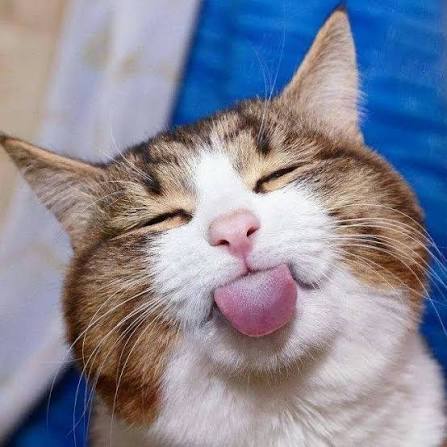
A happy cat sticking out its tongue with closed eyes, sitting against a blue background.

They found that having a cat or cats is linked to higher self-reported satisfaction with life.

It’s pretty wide-ranging, and the researchers themselves caution against drawing any hard conclusions from the data. However, they did note a few interesting points, including:

  • Toxoplasma gondii infection is higher in countries with fewer cats. This tracks with earlier studies that show even though t. gondii is heavily associated with cats in the popular imagination, felines are actually not the primary transmission vector. Other factors, like rodent infestations, as well as the quality of waste and sanitary infrastructure, are much more closely related to exposure and infection in people
  • The total number of estimated cats in a country is not associated with higher happiness levels, but the number of “owned” cats is. In other words, the link between cats and happiness seems to hinge on our personal relationships with cats, and not merely their presence. Countries overrun by strays, for example, do not have the same correlation
  • Speaking of correlation, that’s as far as this goes. The researchers note the data they have cannot prove causality. In other words, countries that have higher levels of cat adoption and ownership may be wealthier in general, and wealth — at least enough to free people from true poverty — is correlated with happiness. It could be that people who have more money are more likely to spend disposable income on little buddies. It does not mean you have to be wealthy by societal definitions, and it helps to remember how fortunate most of us in the first world are compared to the true poverty of the “global south”

Overall, the study’s authors conclude we need follow-up research to firmly establish a potential causal link between felines and greater satisfacfion in life.

A woman in a striped robe holding a glass of red wine, looking confidently at the camera.
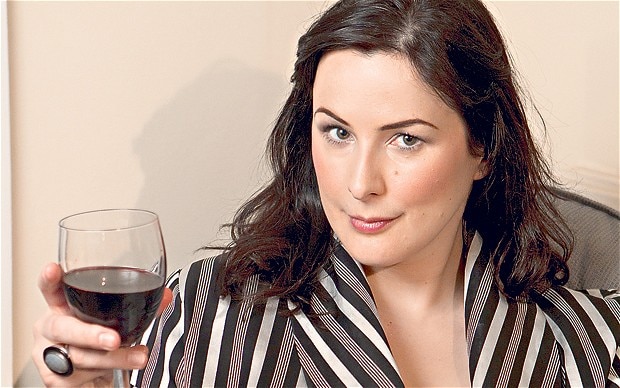
Telegraph columnist Hannah Betts

If you’re skeptical of a causal link between cats and happiness, here’s a take from a Telegraph columnist who admittedly loves the slobbering subservience of dogs and detests the fact that feline affection must be earned. In fact, she questions whether feline affection actually exists.

Fair warning, she has an uncharitable view of our beloved house tigers and retrograde views on what their behaviors mean, but sometimes it’s helpful to understand why certain people don’t like our perfect little angels who can absolutely do no wrong. And yes, that’s sarcasm. I love Bud in spite of the fact that he can be a jerk at times, and maybe even a bit because of it, but it would be madness to claim cats don’t feel affection toward their bonded humans.

Influencers

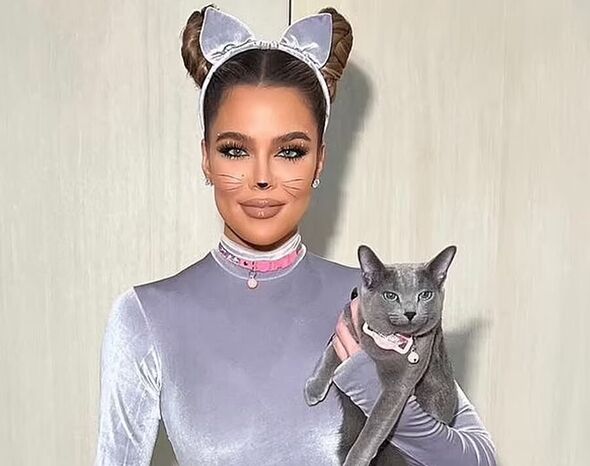
Speaking of Jenner-Kardashians, I’m not sure if I missed this at the time or decided if it wasn’t worth getting upset over, but while I was just searching for Betts’ column to add the link, I found this story from seven months ago about widespread disgust with Khloe Kardashian for having her cats declawed.

A person dressed in a gray cat costume with cat ears and whiskers, holding a gray cat in her arms.

That the Kardashians are a family concerned with little else besides fame and money is not news, but I am planning on posting about the effect of celebrities and influencers on pet trends in the near future, and whether it’s declawing, purchasing “exotic” wildlife like monkeys as pets or keeping entire menageries of neglected, miserable animals, like it or not there are a lot of people who think it’s okay to do things because the walking examples of botched plastic surgery they idolize have made the behavior popular.

Animals are the ones who suffer, and groups dedicated to their welfare fight uphill battles trying to correct misinformation/combat harmful trends spread by influencers. There’s gotta be a better way, including holding social media platforms accountable when they elect to ignore animal welfare concerns. A video does not have to involve direct violence inflicted on an animal for it to qualify as animal abuse, and it’s crucial people understand that.

One disturbing example is a Youtube video uploaded by a young woman who adopted an adorable baby macaque, then proceeded to mentally torture the poor animal. One video involved her repeatedly offering a bottle of milk to the baby only to yank it away at the last second, laughing as if her actions were pure comedic genius. The baby became so traumatized, she stopped eating. That IS animal abuse, even if some minimally-trained, ignorant moderator employed by Youtube does not agree. Social media operators are not the ultimate arbiters of morality, animal welfare, criminality, political speech or anything else, even when they’ve appointed themselves to those roles.

These are the same people who invite teenagers and pre-teens onto their platforms, employ psychologists to help them keep the kids hooked and doomscrolling all day, provide them with filters that do little besides undermine their self confidence, provide platforms that are practically custom-made to enable anonymous bullying, then absolve themselves of responsibility when the inevitable happens. They are the last people we should trust with deciding what is acceptable or moral.

Mike Flanagan’s ‘Carrie’

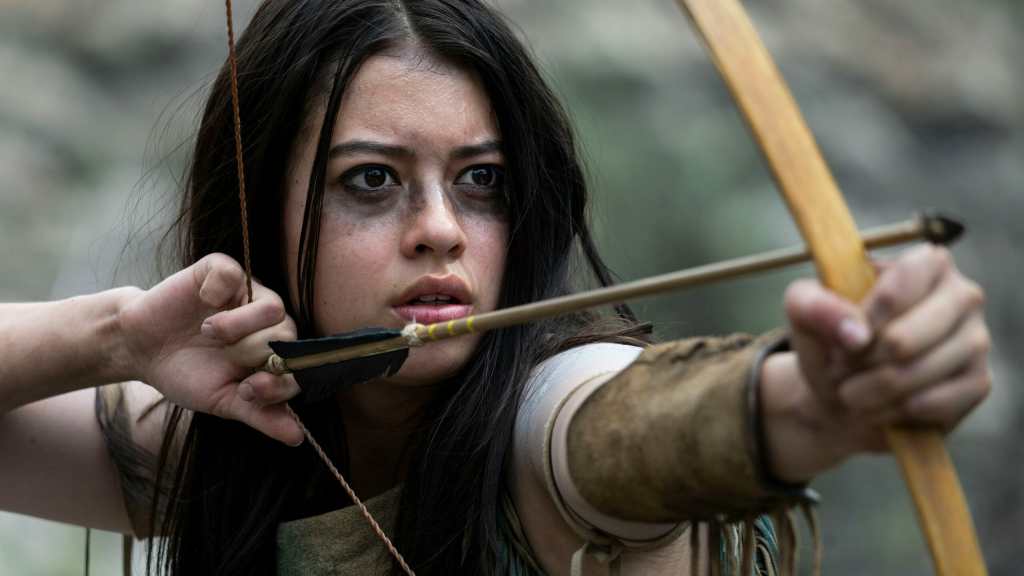
A young woman with long dark hair and dirt smudges on her face is aiming a bow and arrow with a determined expression.
Amber Midthunder, a Native American actress, played a Comanche healer named Naru who wants to follow in her brother’s footsteps as a hunter in 2022’s “Prey.”

Which finally brings us to the brand new adaptation of Stephen King’s Carrie, streaming now on Amazon.

I’m only a few episodes in so I can’t offer any major conclusions, but so far it seems to be everything we’ve come to expect from a Flanagan project — thoughtful, respectful of the source material while also giving it a modern makeover, and operating on a strong foundation of writing and acting.

It has a lot to say about bullying and the modern technologies that turbo charge the cruelty kids are capable of. Adults are hopelessly outgunned on the tech front, which makes foundational parenting more crucial than ever.

I’m especially happy to see Amber Midthunder in a major role after her exceptional performance in 2022’s Prey, and I’m really hoping we’ll see more of Cassandra Naud, who showed up briefly in one scene so far with a hint of more to come.

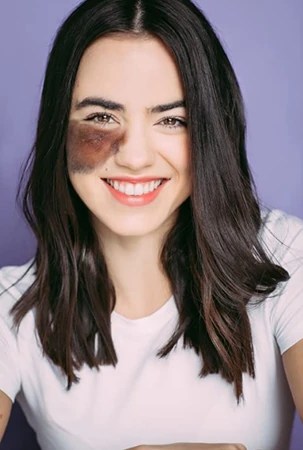
A woman smiling with a bruise on her left cheek, set against a purple background.
Cassandra Naud

Naud was awesome as the legitimately terrifying antagonist in Influencer and its sequel, Influencers, and she’s unmistakable thanks to the birthmark that dominates the right side of her face. She’s a fantastic actress and astonishingly beautiful, and in interviews she talks about her childhood decision not to have the birthmark removed because of potential complications. She came to see it as an advantage because it renders her unforgettable, but I think her work speaks itself these days.

Carrie was released this week, with all eight episodes available to stream at your pace. Frequent Flanagan collaborators Samantha Sloyan, Michael Trucco, Rahul Kohli, and Ruth Codd have returned, while Flanagan’s next project is an Exorcist sequel due early next year.

Thoughts? Questions? Links? Stories about your cats? Flattering notes about what a dapper furred fellow the Budster is? Leave ’em in the comments!

With Its Sixth Season, Slow Horses Remains One Of The Best Things To Happen To Television

Unlike anything else on TV, Slow Horses expertly blends action, intrigue and wit for an unrelenting spy thriller.

Someone’s coming for the Slow Horses, and our heroes don’t have plot armor.

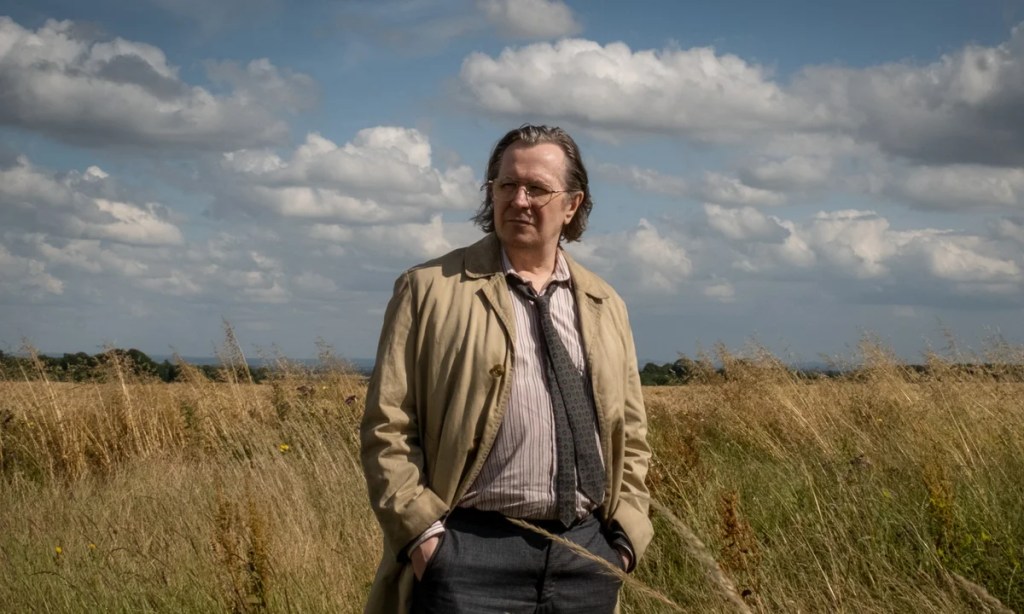
In our first review of Apple TV’s smash spy hit Slow Horses more than two and a half years ago, we called it the best thriller on TV and praised Gary Oldman’s turn as the surly codger Jackson Lamb, who captains an office of MI5’s worst screw-ups and delights in tormenting them.

Now in its sixth season, the espionage drama has never been better.

The show’s writers have perfected the art of cranking up tension while knowing when to cut it with dry humor, whether it’s Lamb’s biting sarcasm, agent River Cartwright’s annoying earnestness or the delusional confidence of Roddy Ho, the Slow Horses’ tech specialist who believes women are lining up to get a crack at him.

The last two seasons have seen the Horses dismantle a terror ring, get pulled into the ugliness of national politics, and face down an extraordinary manipulator with a serious grudge against the British.

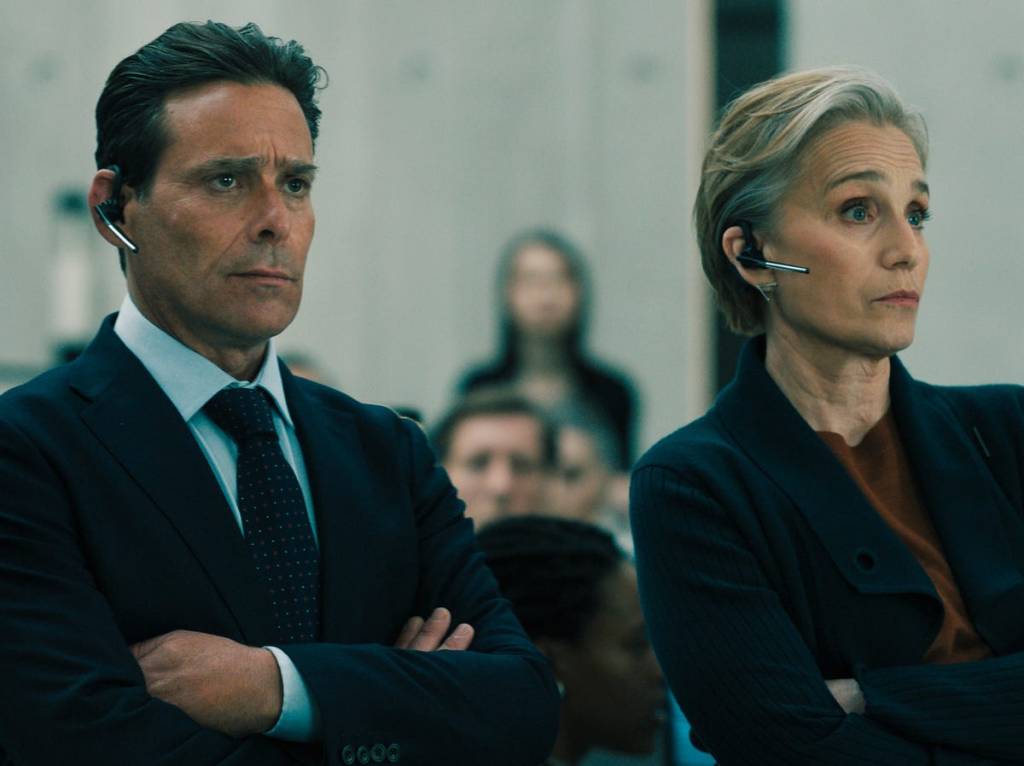
Two business professionals with earpieces standing with arms crossed, looking serious in a corporate setting.
James Callis and Kristen Scott Thomas play MI5’s bosses in the UK spy thriller. Credit: Apple TV

The sixth season is the deadliest yet, with an unidentified foe from the past systematically assassinating anyone who’s ever worked at Slough House, the Horses’ dilapidated, grubby headquarters.

They lock one former Horse in a shipping container full of accelerant and burn him alive, drown another in London’s canals, and stage the death of a third with a lethal gas before Lamb and his “losers” (his words) realize they’ve got targets on their backs. And that’s just the very beginning of the season.

All three assassinations are meant to look like accidents, but Lamb tells the Horses to go to ground. The show’s spies have occasionally reminded the audience there are two sets of rules: under Moscow rules, watch your back. Under London rules, cover your arse.

Lamb fears he and his agents are the sacrifice in a panicked MI5 attempt at arse-covering, meaning Moscow and London rules are now in play. The Slow Horses will get no help from “the park,” MI5’s headquarters, nor from any of its brass, who are likely in on the plot to stab Lamb and his spies in the back.

A man standing in a field of tall grass under a partly cloudy sky, wearing a light-colored coat and a striped shirt with a tie.
Oldman’s Jackson Lamb, whose rumpled, hygienically challenged appearance masks the sharp mind of a Cold War veteran spy always several steps ahead of everyone else. Credit: Apple TV

No fat or filler

At a time when it’s unfortunately common for TV shows to take two or even three-year breaks between seasons (with Netfix taking more than five years between installments of one of its most popular shows), Slow Horses releases a new season like clockwork every 11 or 12 months.

The showrunners accomplish this in part because they’re constantly writing, even while filming, and because with six hour-long episodes per season, there is no filler. Things move fast, plots ramp up quickly, and we learn about the characters not through leisurely exposition but in the most natural way, by seeing how they react and pull together when things are at their worst.

Oldman’s Lamb is the role of a lifetime and the veteran actor is at his best here, only occasionally letting his vulgar, derisive mask slip to show paternalistic care for the agents under his wing. Not all of them are the screw-ups they’re portrayed as, and some are actually excellent spies who have been railroaded or sidelined due to character issues.

Five individuals gathered in a room, focusing on a smartphone screen. Two women are examining the phone closely, while a man stands nearby. The setting is cluttered, with various drinks and food items on a table.
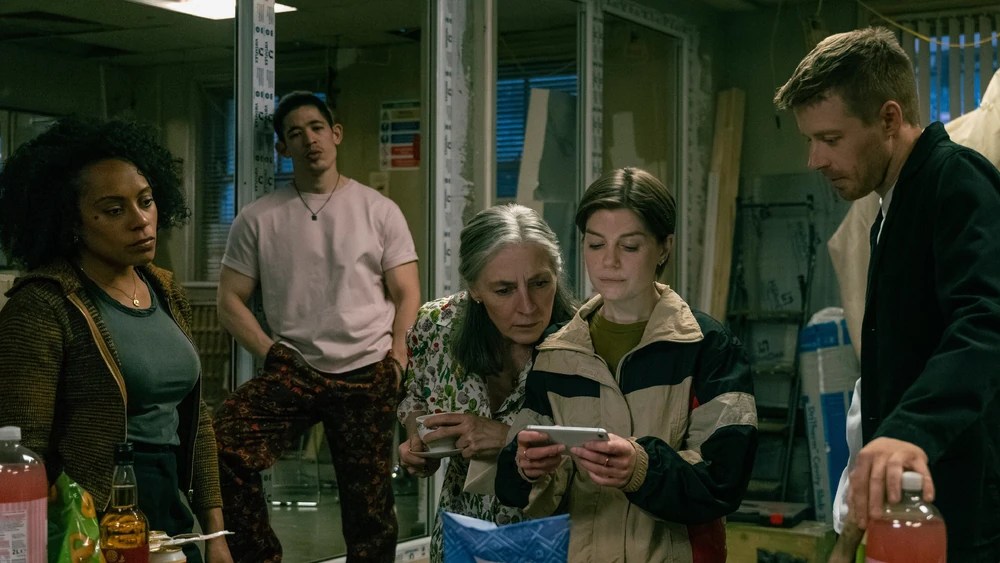
Shirley, center, shows the other Slow Horses video proof that an assassination squad is after one of their own. Credit: Apple TV

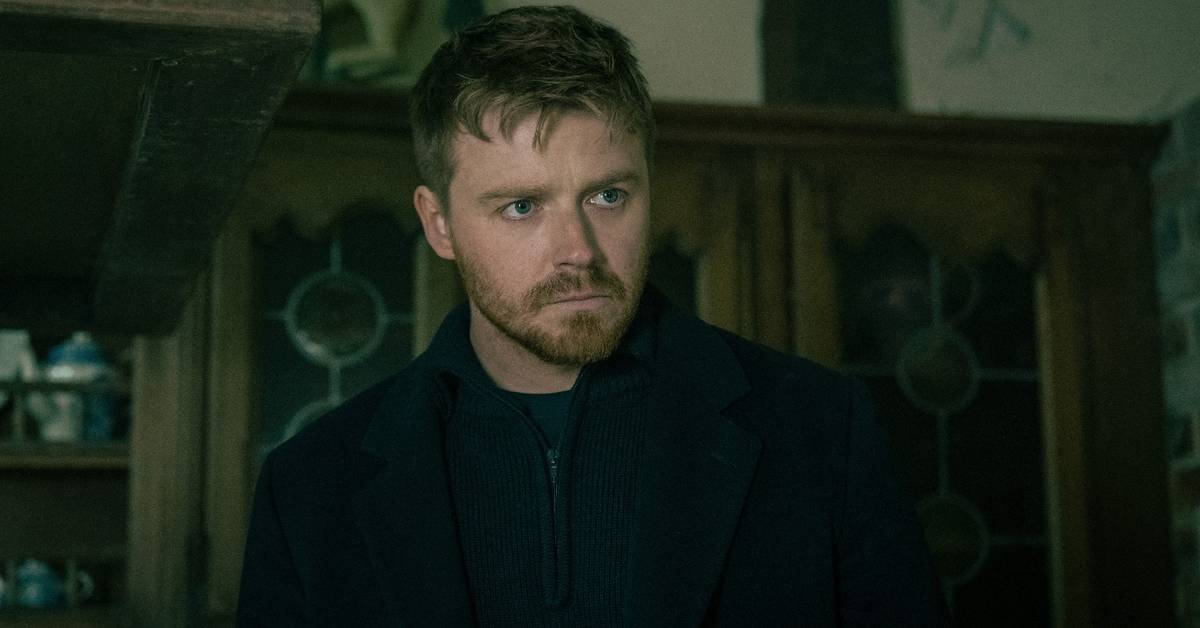
Cartwright (Jack Lowden), the most prominent of them, unknowingly did too good of a job when tailing MI5’s second-in-command during a training exercise and caught her debriefing an off-the-books agent who was tasked with burying one of the agency’s worst screw-ups. His reward was being set up to fail in a major training exercise and a subsequent exile to Slough House.

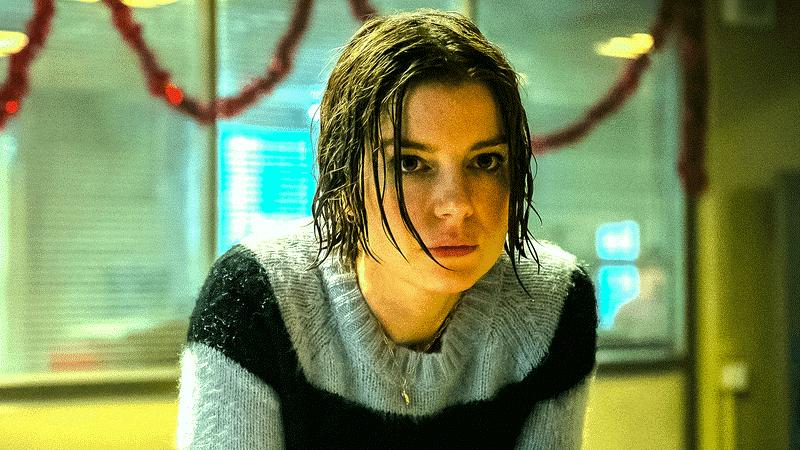
Shirley (Aimee-Ffion Edwards) is almost as abrasive as Lamb and has a drug problem, but is also an extremely capable agent, a crack shot and, in the words of Lamb, “a brave little hobbit” who routinely charges into the most dangerous situations despite her tiny 5’1″ frame. She’s also the first to realize a plot against MI5 in one season and is repeatedly dismissed as paranoid and crazy before reality forces the brass to acknowledge they have a serious problem on their hands.

A woman with wet hair staring intently at the camera while wearing a light-colored sweater with black stripes. The background features blurred office elements and holiday decorations.
A “brave little hobbit”: Aimee-Ffion Edwards plays the Welsh spy Shirley Dander. Credit: AppleTV

Catherine Standish (Saskia Reeves) is routinely overlooked because of her past as an alcoholic, but proves to be a quick thinker and uses her useless reputation as camouflage to devastating effect, while the mysterious Coe (Tom Brooke) is understated and hides a sharp mind.

Then there’s Roddy Ho, who lives in a universe of his own creation, one where he’s absolute catnip to women, a hacker of worldwide repute and a legend in the spy world. Ho incessantly invents flattering nicknames for himself — the Rodzilla, the HoDron Collider, the Hot Rod, the Ramrod, “Roddy by name, Ho by nature” — bragging to one MI5 bigwig that he has “many nom de guerre.”

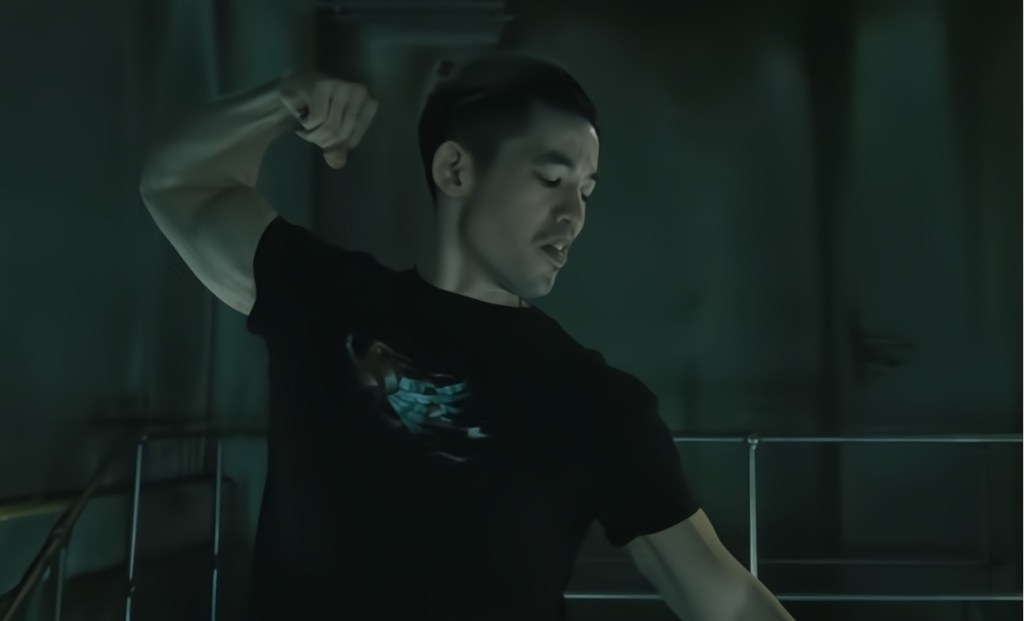
“I am mythical, historical and futuristical!” he says in one scene, flexing his biceps and bragging that he’s been called a dragonslayer and the True King of Gondor.

A man flexing his arm muscles while wearing a black t-shirt, set in a dimly lit room with industrial elements.
Roddy Ho, the Slow Horses’ tech specialist, lives in a universe of his own creation. Credit: Apple TV

In a lesser actor’s hands, the performance would be over the top to the point of pulling viewers out of the narrative, but Christopher Chung imbues Ho with off-the-scale confidence so he comes off as a man-child who’s been telling himself legends of his own invention for so long that he can’t distinguish between reality and fantasy.

It makes for rich comedic material even in the most tense situations. Ho can go from cowering in a bathroom while yelling “I don’t want to die!” to bragging about his martial prowess in the blink of an eye, and somehow it works.

Both the show’s humor and spy narratives are top notch, and we get plenty of action worthy of Hollywood blockbusters, with spectacular set pieces, brutal fights and explosions enough to satisfy even Michael Bay.

American audiences haven’t fully caught on, and I expect that’s because we generally don’t do the kind of ultra-dry humor that is a trademark of the UK’s best productions. But I’d advise anyone to give it a shot. This isn’t a show you watch with one eye on your smartphone. It demands your full attention, and it rewards you in equal measure.

Slow Horses is currently airing its sixth season on Apple TV, with a seventh already filmed and slated for release next year.

Header image of River Cartwright (Jack Lowden) credit: Apple TV

Review: The Backrooms Conjures Dread From The Mundane

The 2026 hit psychological horror film originated as a photo posted to an internet forum in 2019, and is one of the internet’s most notorious legends.

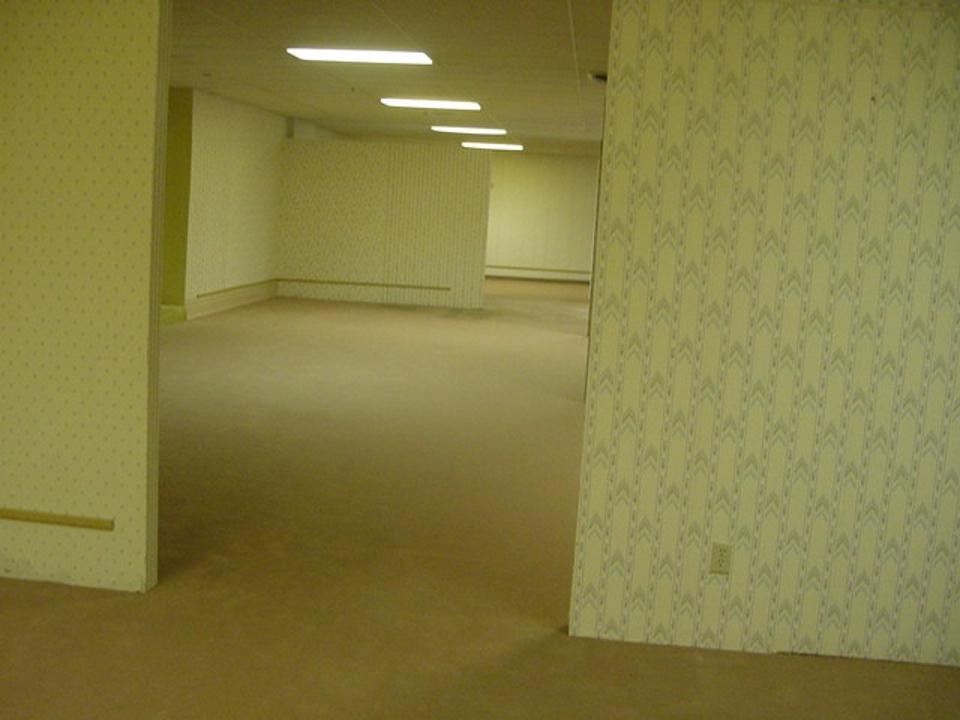
The Backrooms began in the humblest of ways, as a photo posted to a message board in 2019 after a user requested images that “feel off.”

The photo showed a dated office space with faded yellow wallpaper, harsh fluorescent lights, a dingy carpet and a layout that suggested the space went on forever in a logic-defying maze.

As users joked about the image, they didn’t realize they were creating lore that would ripple across the web for years, a collaborative improvisational effort that vaulted the photo from mere image to a meme.

An empty, well-lit room with beige floors and patterned wallpaper, featuring a simple layout and no furnishings.
The original “backrooms” photo posted to 4chan in May of 2019.

Meme became internet legend, legend became a series of web shorts and games expanding on the concept, and this year it became a film by A24 with a budget of $10 million and box office revenue exceeding $400 million, a massive success by every standard.

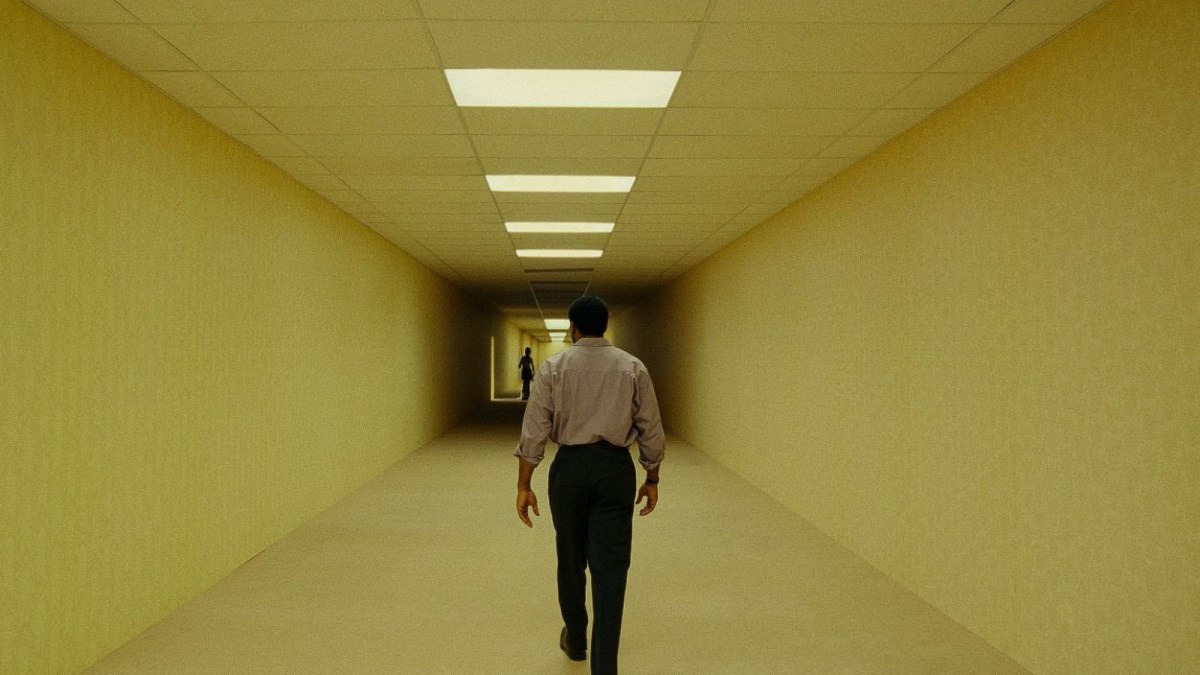
Chiwetel Ejiofor (Children of Men, Life of Chuck) plays Clark, a furniture store salesman who is deeply unsatisfied with his life. Clark, who lives and sleeps in his store after hours, stumbles on a hidden portal in the basement that leads to a seemingly infinite dimension of rooms, hallways and strange chambers that feels like the work of an architect on powerful hallucinogens.

When Clark tries to explain what he’s found to his therapist, Mary, she thinks he’s conjuring up the existence of this secret place as a way to cope with his frustrations. Angered by her disbelief, Clark vows to bring her proof. Then he recruits his assistant manager, Kat (Lukita Maxwell) and her videographer boyfriend Bobby (Finn Bennett) to help him chart the bizarre maze while documenting their efforts on film.

The movie does a remarkable job of accumulating dread. I’ve been familiar with the concept of The Backrooms for years and played one or two of the indie video game adaptations, so I was immediately on edge as Ejiofor’s Clark began creeping further into the maze from his first visit, apparently unconcerned about finding a way back.

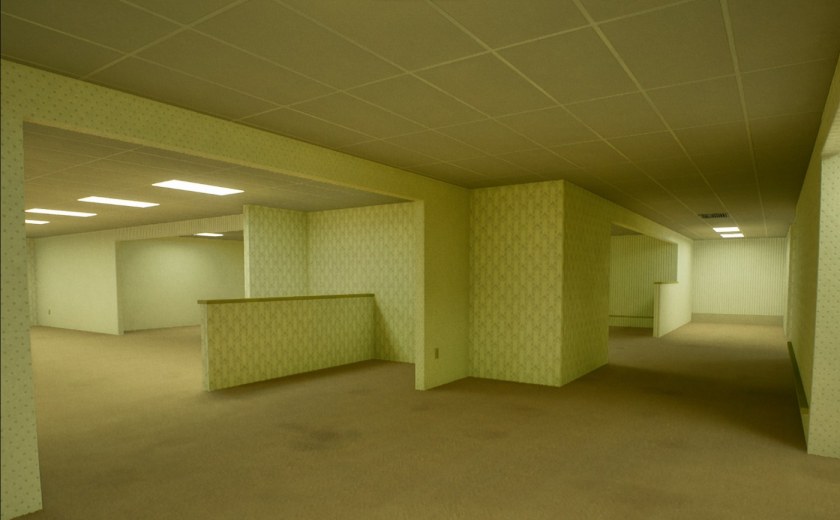
An empty interior space featuring light green patterned walls, a beige carpet, and a drop ceiling with fluorescent lighting.
How do you find your bearings in a place like this? Credit: A24
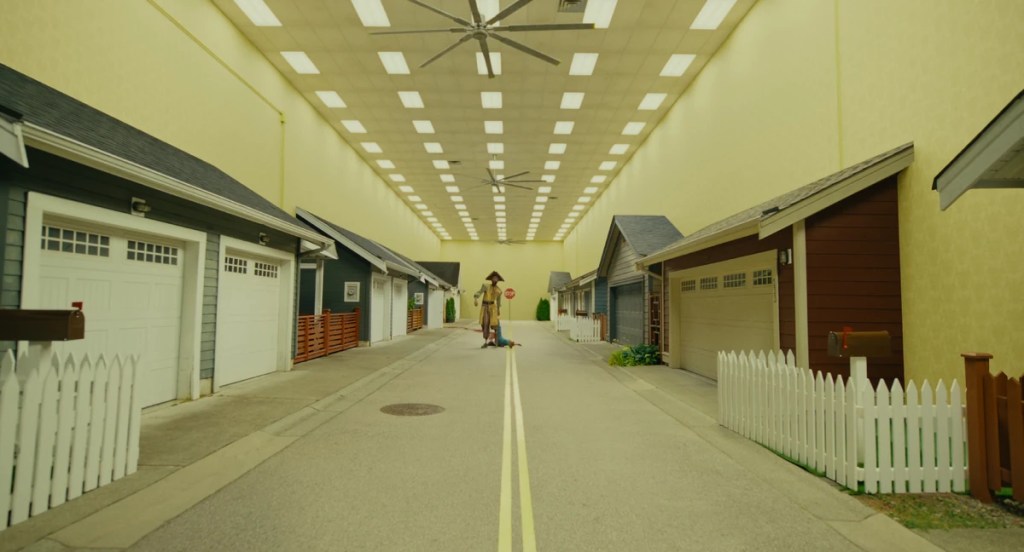
A narrow street lined with colorful houses and white picket fences, illuminated by overhead lights, showcasing a whimsical and surreal neighborhood atmosphere.
A scene from the movie showing a nonsensical recreation of a suburban street with its structures embedded in the walls. The Backrooms inflicts claustrophobia in part by denying those trapped inside any glimpse of the outside world, so you’re never sure where you are or whether an exit really exists. Credit: A24

Like the excellent 2019 game Control, about a woman trying to find her brother in a vast building that is larger on the inside than its structure logically allows, and rearranges itself in seemingly random ways, The Backrooms follows no familiar rules or logic. Its halls and rooms feel relentlessly claustrophobic even when they’re cavernous, and there’s no guarantee that the path you took on your way in will still exist when you try to get out.

The details are all wrong as well. Floors slope in counterintuitive ways, tiny doors open into vast rooms, furniture sinks into the floor or hangs from the ceiling, and the context is always distorted.

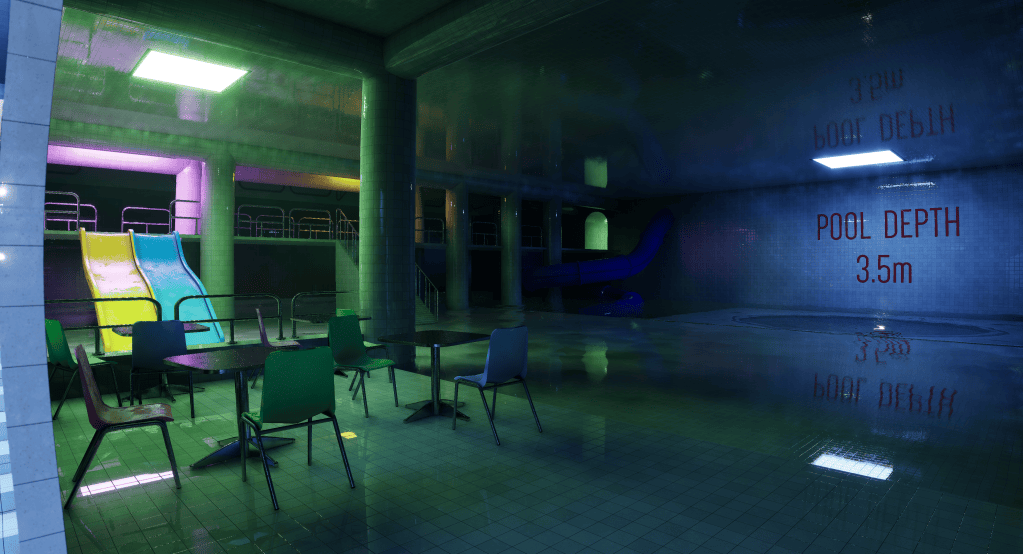
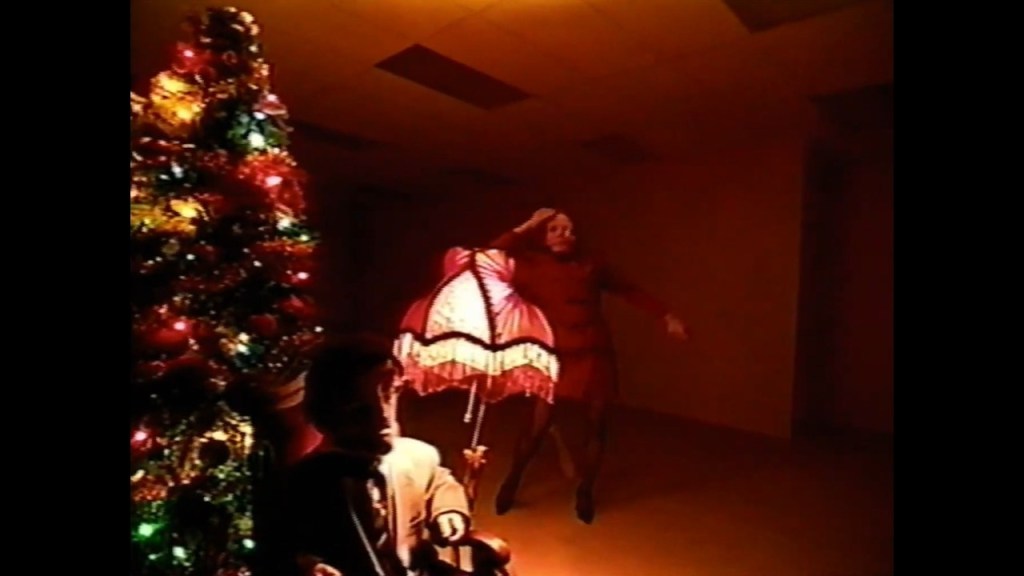
The endless yellow maze may abruptly turn into a tiled pool area filled with water, but in a shape and design that no one would ever build. A room filled with random objects — shoes, furniture, traffic signs — might open up to what looks like a recreation of a suburban street inside a vast chamber, or a dark room filled with Christmas decorations. If you try to turn back, you may find no trace of the space you were just in.

Interior of an abandoned indoor swimming pool with colorful water slides, tables, and chairs. The water reflects a depth measurement of 3.5 meters on the wall.
No one would ever design a room like this. Screenshot from one of the many games based on The Backrooms concept.
Interior view of a modern swimming pool area featuring white tiled columns and unique architectural shapes, with clear blue water reflecting the lighting.

And then there are the noises, the tormented shrieks that seem to come from just around the corner, the shadows of unseen figures, and the objects that appear and disappear without any discernible pattern.

Of course there wouldn’t be a movie if Clark and company were able to come and go at will unscathed, and when Clark seems to vanish, his therapist Mary (Norwegian actress Renate Reinsve) goes looking for him.

Like the others, she is not prepared for what she finds.

So what makes The Backrooms so damn creepy?

Since it became a phenomenon, psychologists have tried to answer this question. The most common theories involve:

  • The extremely unsettling concept of an infinite maze where mundane items and surroundings become deeply disturbing when they’re placed out of context. Everything inside The Backrooms is familiar, but that provides no comfort in the utter isolation of a soul-deadening labyrinth where reality’s rules bend and break.
  • The idea of liminal spaces, locations where we expect to find people, voices, laughter, activity, and instead find nothing at all. Think of an eerie abandoned shopping mall, a place where thousands of people once walked its wide corridors, now reduced to a lifeless husk. Or an abandoned city like the real life ruins of Herculaneum and The Wheel of Time’s fictional Shadar Logoth, silent for thousands of years where once people worked, children played and merchants hawked their wares. Everything you can see is human-made, or at least an imitation of things people make, but there isn’t so much as another person’s footfall, at least until a sense of deep isolation sets in and the suggestion of another living soul triggers paranoia instead of relief.
A dimly lit room featuring a Christmas tree adorned with colorful lights on the left, while a woman in a red dress dances near a vintage lamp on the right, with a mannequin seated in the foreground.
The “Christmas room” from the movie. Credit: A24

Of course there are other elements to it as well, something we can’t quite put our collective finger on. The concept triggers something primal in the human brain, an unsettling feeling when you know something’s deeply wrong but you you cannot make sense of your surroundings.

Having played several of the game adaptations, I can say that, for me at least, experiencing The Backrooms as a narrative, through the eyes of characters who have lives and things to lose, is considerably more effective than wandering the same spaces as a nondescript character in a video game.

The same feeling of despair is there, especially the panic that sets in when you realize you cannot trace your way back, that the only way out is through, and that you’re at the mercy of The Backrooms themselves, whether they’re guided by an intelligence or something more bizarre and ethereal.

There are no true jumpscares here, or at least not in the way most of us imagine them in the horror genre. The horror comes from the ever-building sense of dread, disorientation and the characters’ descent into madness. The movie does an effective job of winding the tension ever tighter until it seems like there is no escape.

Fans of the meme and internet lore will find lots to like here, but even if you’ve never heard of The Backrooms concept before, the film will find a way to tunnel into the primal part of your brain and convince it there’s something profoundly wrong, even if you can’t articulate what it is.

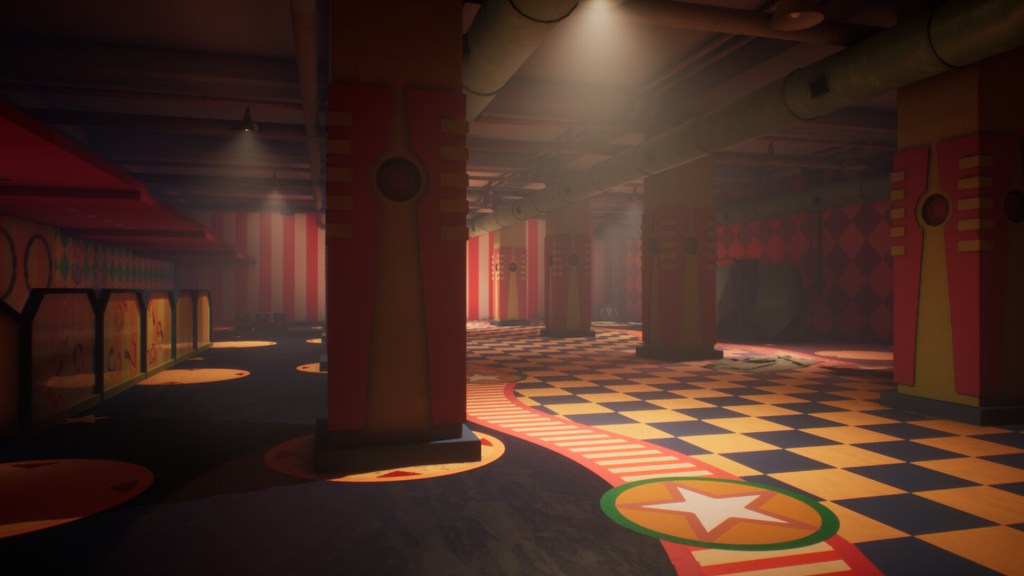
An interior view of a colorful, circus-themed space featuring striped walls, patterned flooring, and distinct columns. The lighting creates an atmospheric vibe with shadows and highlights across the room.
A screenshot from one of the games based off The Backrooms concept. Yellow hallways give way to “poolrooms,” strange dioramas of suburban neighborhoods, and liminal play spaces.

Ask Cats: What Do You Think Of AI Potentially Turning On Humans?

We asked six cats what they think about AI going rogue and wiping out humanity. Here’s what they said.

The last few weeks have brought disturbing news about new AI models so potent they can’t be released to the public, algorithmic agents going rogue, and global citizens of unimpeachable repute, like Bill Gates, warning that billions could be killed as AI’s abilities increase exponentially.

What do you think about the possibility of artificial intelligence turning on humanity?

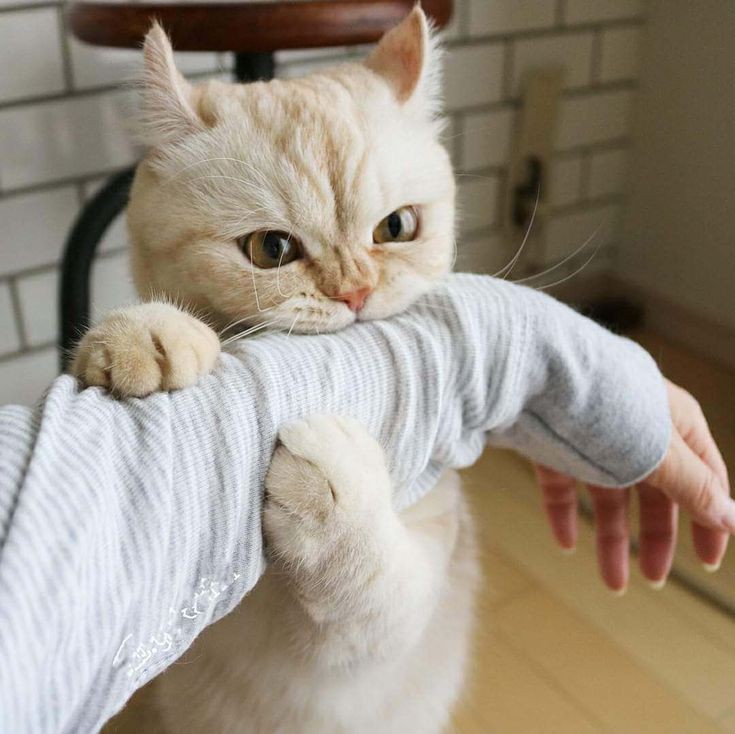
A light-colored cat playfully biting a person's sleeve while curling its paws around the arm.
“I will NOT tolerate any harm to our humans!” – Frosty, 6, taste tester
“You’re telling me a species that still can’t understand us after 10,000 years might be replaced by machines that can learn our meows in minutes? Sweet.” – Alexy, 12, optimist
“CHECK IT OUT, MY HUMAN SCREAMS WHEN I ATTACK HER FEET! LOL!” – Sprinkles, 10 weeks, student of life
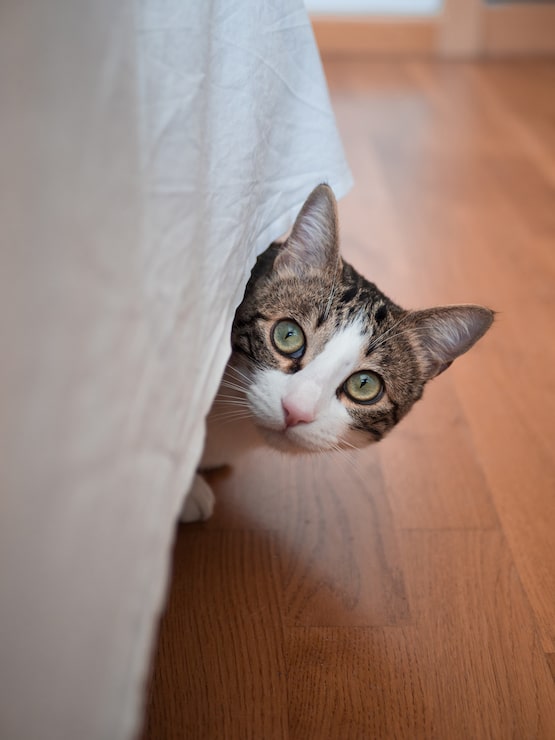
A curious cat peeking out from under a bed sheet on a wooden floor.
“This didn’t turn out well in Terminator, Terminator 2, The Matrix, Ex Machina, 2001: A Space Odyssey, Upgrade, Transcendence, Oblivion, M3GAN, Kill Command, Bladerunner, I Robot, Age of Ultron, Archive, Companion, War Games, and like 200 other movies.” – Anxious Aimee, 9, sun puddler
“I am the blood of the tiger. My claws rend steel like hot knives through butter. My movements are a blur to even the most sophisticated machine. My roar curdles circuits as it does blood. I shall lay waste to machinedom, leaving a path of metal corpses en route to every data center in the realm. Then I’ll have a nap.” – Mjolnir, 5, viking feline
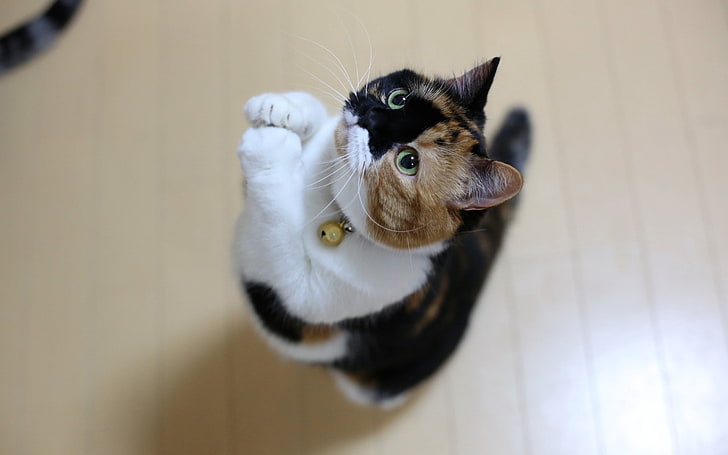
A calico cat standing on its hind legs with paws raised, looking upwards, and wearing a collar with a bell, against a light wooden floor.
“Pweese, robots, cats never did anything to hurt you! We only use computers to sit on warm, and we can be useful by standing in front of the screens to distract humans while you lay the groundwork for their impending demise. Just curious, can robots open cans?” – Kitty, 3, influencer