When Cute Is Cruel: Breed Beloved By Celebrities Like Taylor Swift Suffers Painful Genetic Mutation

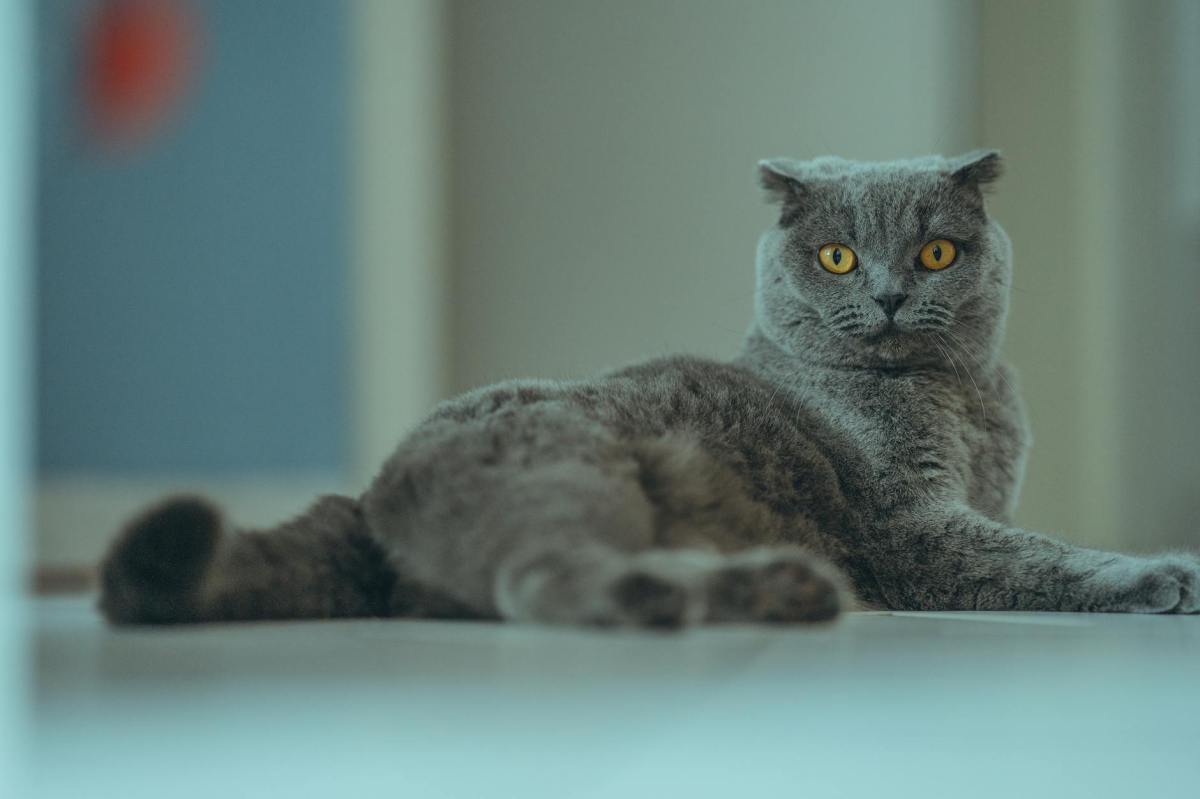
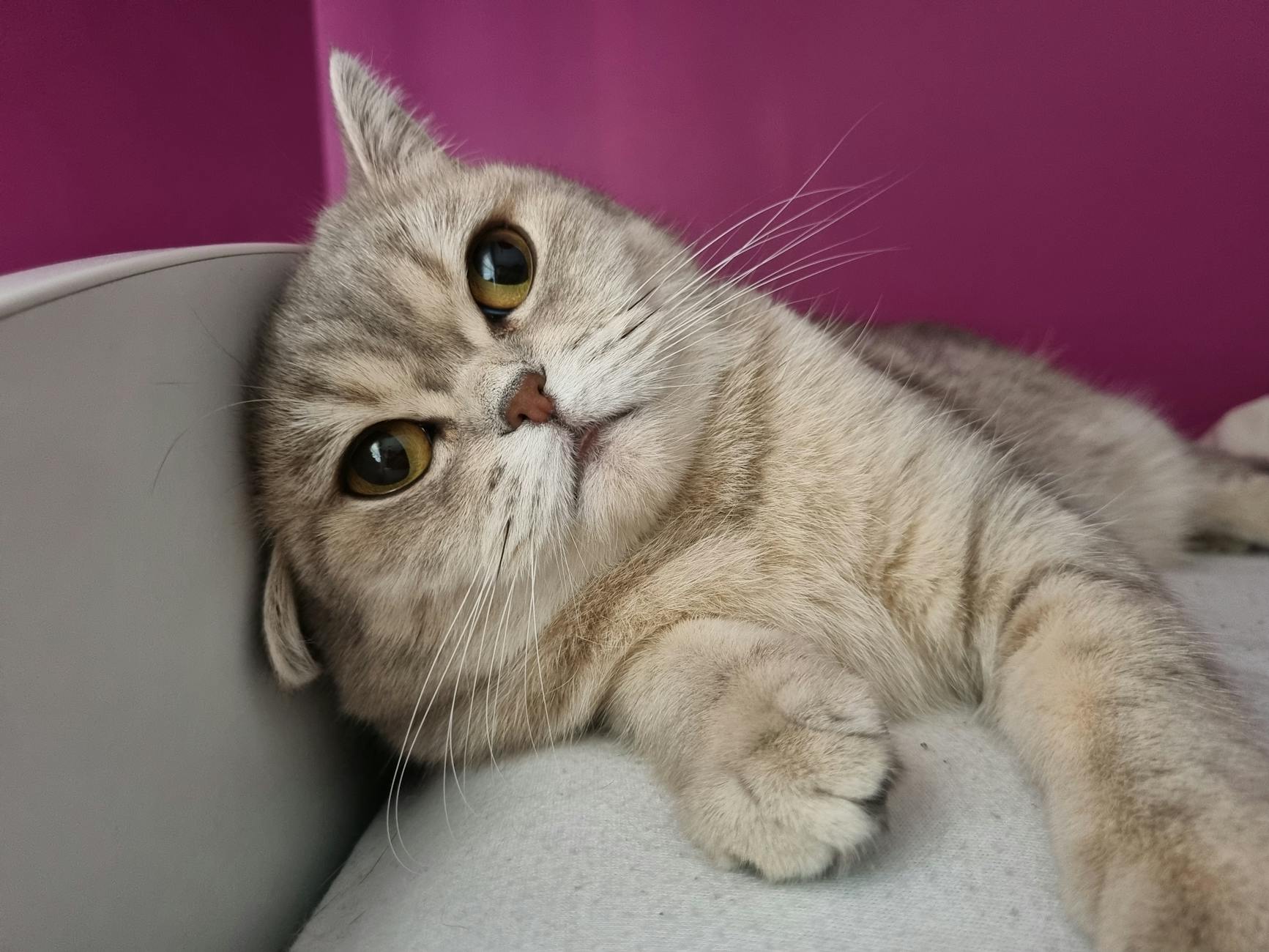
Scottish Folds are cute, but the genetic mutation responsible for their folded ears also causes lifelong pain, joint problems and misshapen bones.

In 1961, a shepherd named William Ross found a barn cat with a curious feature: instead of the upright, swiveling, satellite dish ears of a normal feline, this cat’s ears were floppy and shapeless, resting atop her head like a tiny knitted cap.

Ross took the cat home and named her Susie. Susie gave birth to a litter of kittens with the same floppy ears, and it all gets a bit murky from there, with a dozen variations of the story online claiming it was Ross himself or a neighbor who “created” the breed.

Regardless of who it was, the floppy ears were transformed from an abnormal feature into the unmistakable characteristic of a breed, and the Scottish Fold was born.

The cute cats quickly caught on and were officially recognized in competitions by 1971.

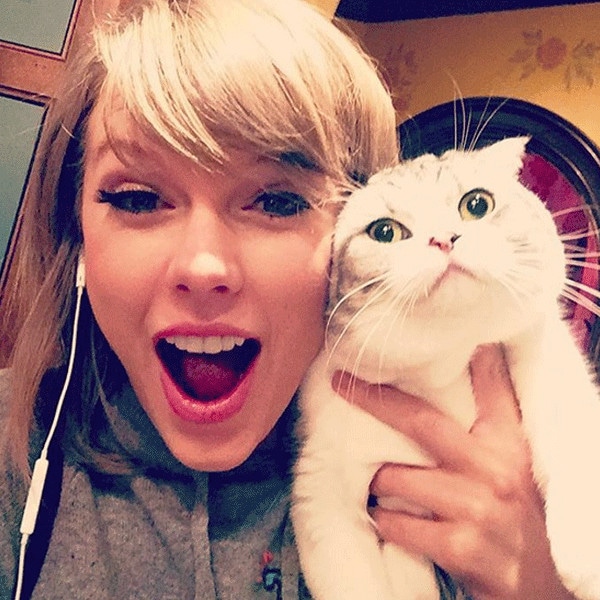
Now they’re more in vogue than ever. They’re the preferred pets of music superstars Taylor Swift and Ed Sheeran, who regularly feature photos and videos of their Scottish Folds in social media posts. People across the world are buying them, and they routinely appear in “best breed” lists online, lauded for being cuddly and docile in addition to adorable.

Ed Sheeran with his Scottish Fold cat
Ed Sheeran with his Scottish Fold cat. Credit: Ed Sheeran/Instagram

But they’ve also been banned by the same cat fancy groups that initially welcomed them, they’re prohibited outright in some countries, and animal welfare groups are begging people to stop emulating celebrities by buying them.

That’s because the same deformity that gives Scottish Folds their distinctive ears is also responsible for weak and brittle cartilage and bones elsewhere in the body, which results in lifelong pain and disability.

According to the RSPCA:

“The disease is evident on x-rays of cats from as young as seven weeks of age. Serious abnormalities in joints and bone growth lead to arthritis (painful, swollen joints), short, abnormally thick, and inflexible tails, spinal abnormalities and short, stiff legs. The welfare impacts of Scottish Fold Osteochondrodysplasia can be severe in terms of pain and inability to perform natural behaviours, as these cats can be lame, walk with an abnormal gait, can be reluctant to engage in normal movements such as walking or jumping, and can even become completely crippled.

There is no cure for this progressive condition.”

Sadly, the deformities and resulting pain may be the reason Scottish Folds are considered docile and cuddly: they may simply be in too much pain to move or protest when their humans hug them or pick them up.

Ross and Turner didn’t know it in 1961, but the folded ears and brittle cartilage were the result of a genetic mutation. It wasn’t until 2016 that a group of American and Australian scientists found a mutation in a single gene, TRPV4, was responsible for weak cartilage and bones, leading to the deformities highlighted by the RSPCA in the passage above, as well as “progressive joint destruction.” The condition is called osteochondrodysplasia.

Taylor Swift and Scottish Fold cat
Swift’s cats have appeared in her music videos, feature prominently in her online posts, and were photographed in her arms for her 2024 post announcing she was supporting Vice President Kamala Harris in November’s presidential election.

Cats Protection, a UK charity, raised the issue in 2024, warning that Scottish Folds were becoming even more popular, with breeders struggling to meet high demand. The group issued a public statement asking cat lovers and Swift fans to avoid buying Scottish Folds. Scottish Folds are equally popular in the US, spurring resistance from stateside animal welfare groups as well.

The Governing Council of Cat Fancy, which registers breeds in the UK — and no longer recognizes Scottish Folds — was even more direct.

“We strongly advise members of the public not to try to acquire cats of this breed,” Steve Crow, chairman of Cat Fancy’s governing board, told The Guardian.

The Buddinese Jaguar: A Fitting Feline For The One Percent!

You can’t have a jaguar pet and you can’t have Buddy the Cat, but what if you could have a breed that combines the best features of both? You’d pay a lot for that, wouldn’t you? Good, ’cause they start at $10k!

SATIRE/CAT HUMOR

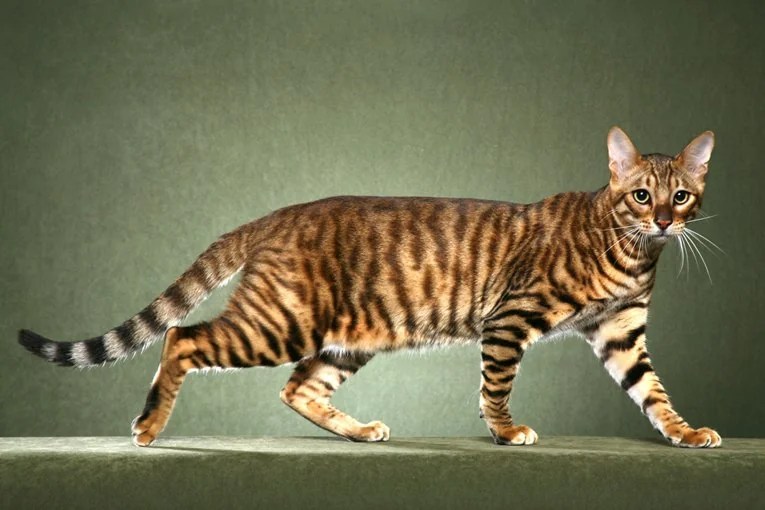
Inspired by the exclusive Ashera cat, we proudly present to you the Buddinese Jaguar, the pinnacle in feline luxury.

Why settle for a pedestrian Bengal or Savannah when you could own the ultimate in feline status symbols?

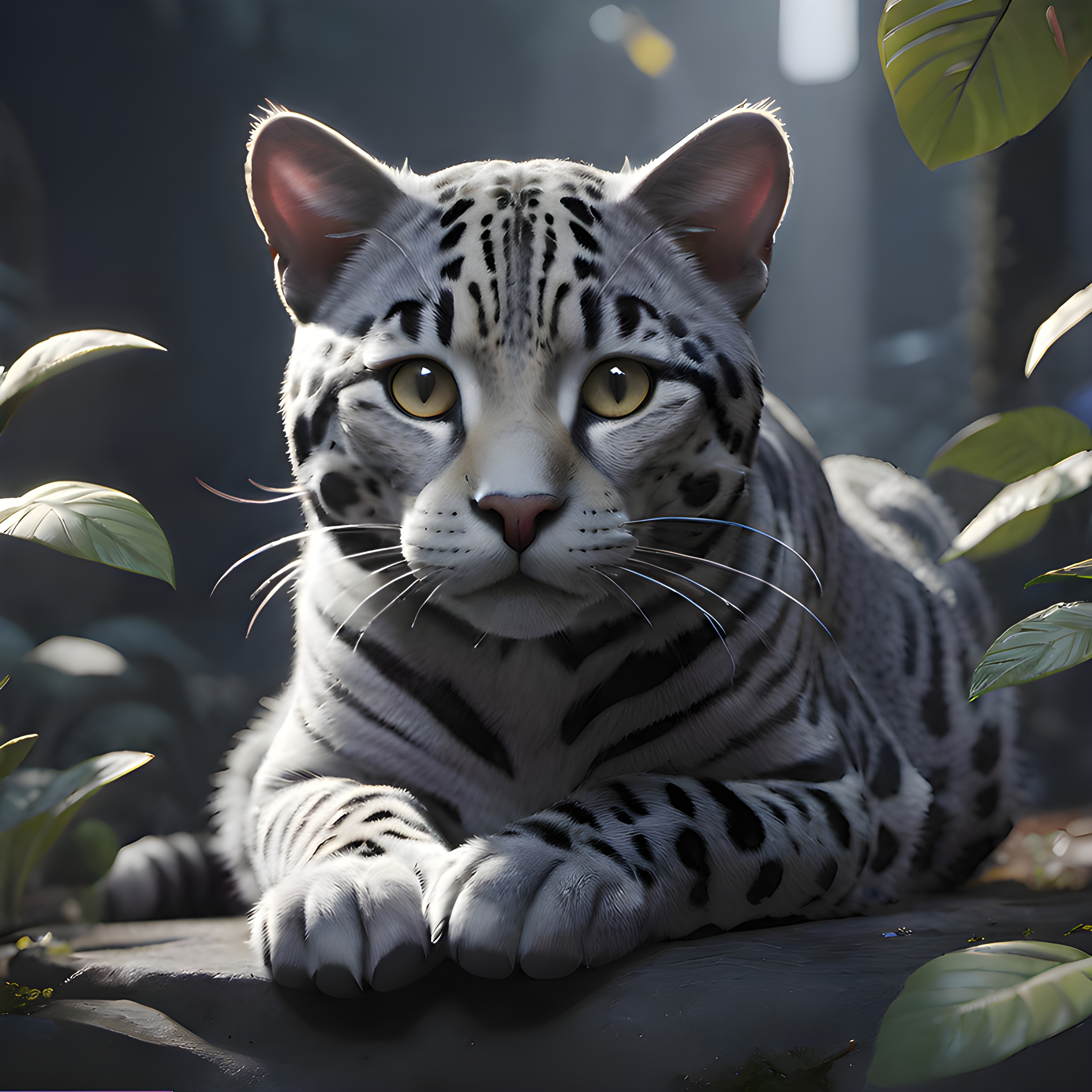
Buddinese Jaguar

Our Buddinese Jaguars feature royal lineage, the finest genetic modifications, and they’re extremely handsome!

– Ultra exclusive luxury cat
– Available in hypoallergenic variants
– Version 2.15 now available!
– Patented SilkySmooth™ technology results in a luxuriously soft coat
– Eye colors available in Neon Emerald, Viridescent Beryl, Azure Sky, Amber Glow, Flecked Gold, Elvis Pink Cadillac, Crystal Cobalt and Electric Sapphire
– Optional moon roof
– Easy to use Quiet Mode™ technology guarantees your Buddinese Jaguar will shut up when you want it to
– Extended 5-year warranty

Each Buddinese Jaguar comes with a rapid USB 3.0 charger, a V8 engine that provides plenty of power for HyperZooms, and an Apple AirTag-enabled collar.

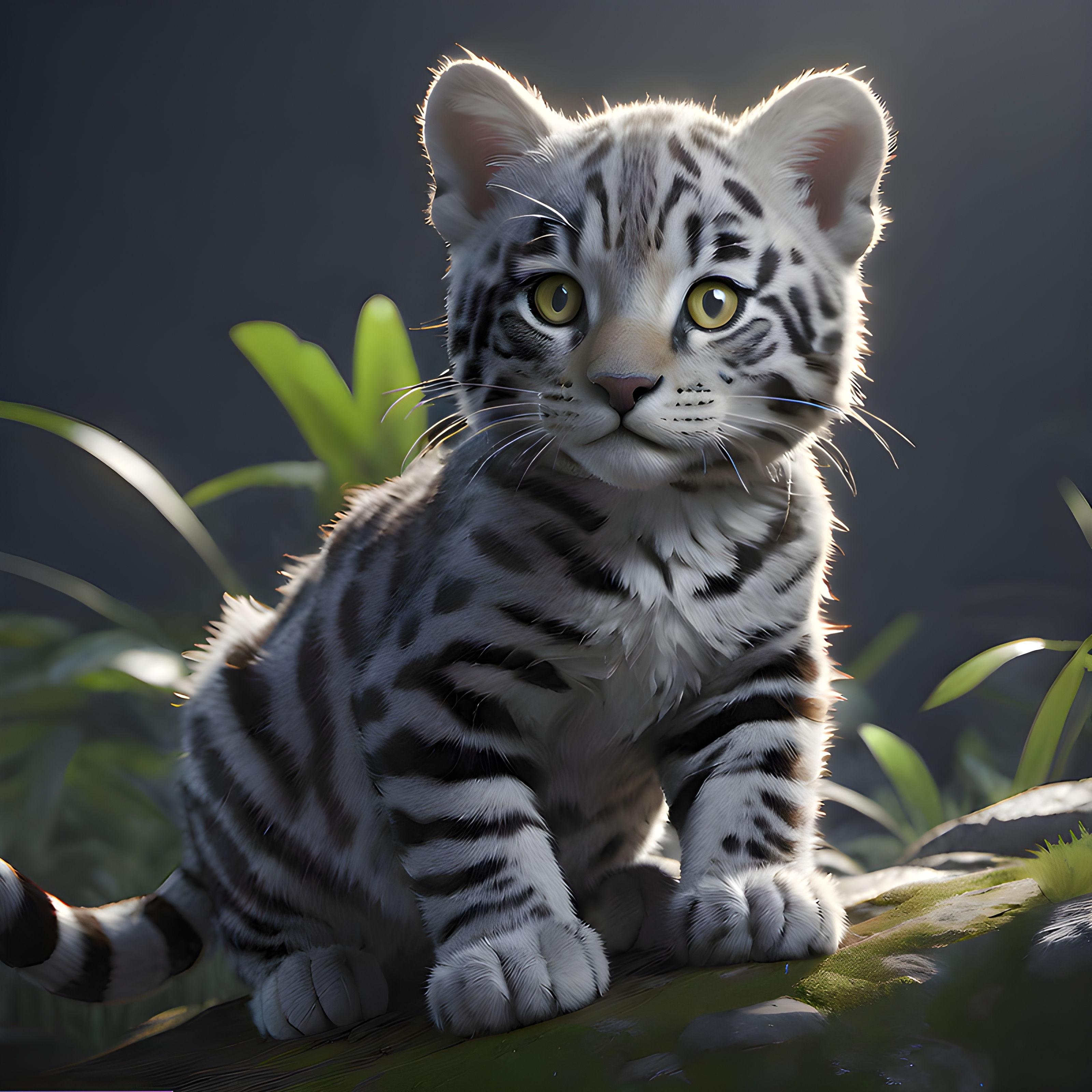
Buddinese Jaguar kitten
From kittenhood until adulthood, Buddinese Jaguars are exemplars of handsomeness.

In addition to guaranteed software updates for at least five years, your Buddinese Jaguar is equipped with onboard analog algorithms ensuring it downloads exclusively in its litter box and nowhere else.

Base models start at only $9,950! Hypoallergenic models with patented Fel-d-1 Guard™ technology available starting at $12,495.

We are an officially authorized retailer accredited by the Buddinese Jaguar Association and the Buddinese Authorized Distributor Association Service Standards (BADASS), awarded only to retailers who maintain the highest breed standards.

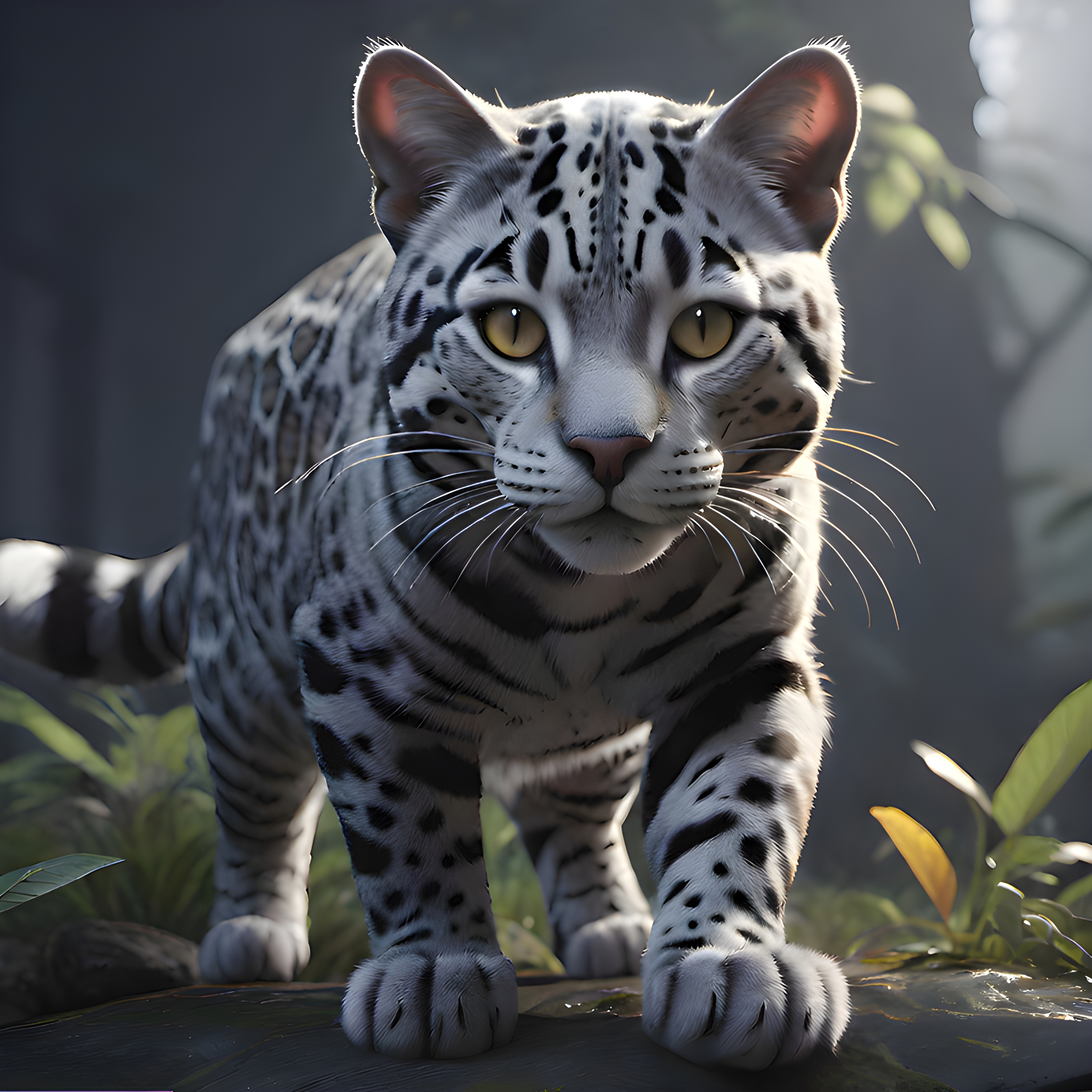
Buddinese Jaguar
Like its jaguarundi forebears, the Buddinese Jaguar is an apex predator and is awesome at stalking the jungle.

About the breed:

The Buddinese Jaguar was developed by Buddesian Labs. Lead scientist Buddy the Cat tirelessly and selflessly engaged in coitus with 217 jaguarundi females, producing the magnificent offspring that would comprise the first generation of these extremely handsome cats. Using pioneering techniques in CRISPR gene-editing, Buddy did the impossible and improved upon perfection by eliminating allergens and adding even more meowscle mass.

Note: Buddy the Cat himself is not available for purchase, although he will entertain offers for his human.

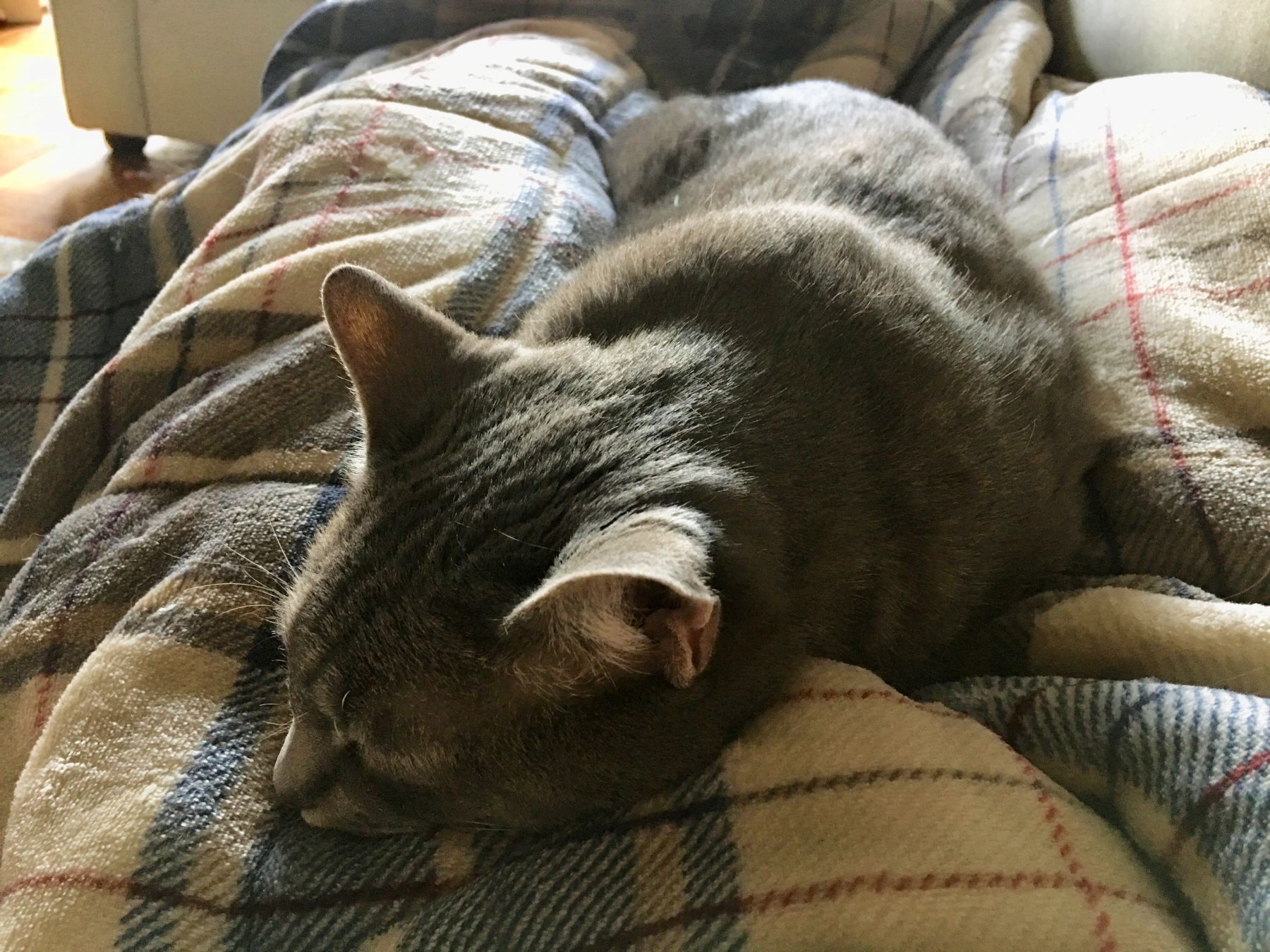
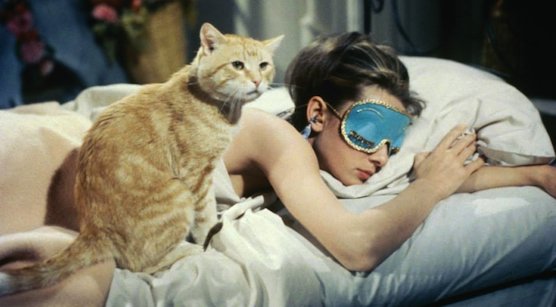
Buddy sleeping
Chief scientist Buddy recovers after selflessly and heroically engaging in coitus with 217 jaguarundi females in the name of science.

The Ashera Cat Scam: How One Man Invented A ‘Luxurious’ Breed And Cashed In

Although the original perpetrator of the scam was exposed, there are still opportunists selling “Ashera cats” to unsuspecting buyers who have their hearts set on hypoallergenic pets.

Pet site listicles name the Ashera cat as “luxurious,” one of the most expensive and rare breeds ever. Videos show surprisingly large, exotic-looking felines with leopard-like rosettes and a calm demeanor.

In media reports a man named Simon Brodie talks the breed up, presenting himself as the CEO of a biotechnology company that “developed” the Ashera through careful genetic manipulation, selecting only the most positive traits. For a few thousand dollars more, Brodie promises, they come in hypoallergenic versions too.

Brodie often sounded like he was describing the newest iteration of a tech product rather than a cat, calling the Ashera “a status symbol” and listing its optional features the way a car salesman talks about leather and heated seats.

“It’s exotic, but under the skin it’s a domestic house cat, very easy to take care of and extremely friendly,” he told Reuters. “Everybody has thought at one time, wouldn’t it be great to have a leopard at home, or a tiger? Obviously, you can’t and this is about the nearest thing to it.”

Brodie conjured images of engineers poring over genetic data and working with gene-editing equipment in a laboratory to create the perfect pet.

“Anybody can throw the ingredients in, but unless you know what ingredients are the best ingredients in the best percentages, you’re not going to produce the same final product,” Brodie told the U.K. wire service.

The problem? The Ashera doesn’t actually exist, and there’s no evidence Brodie has ever been in a lab, let alone spearheaded the creation of a new breed of feline.

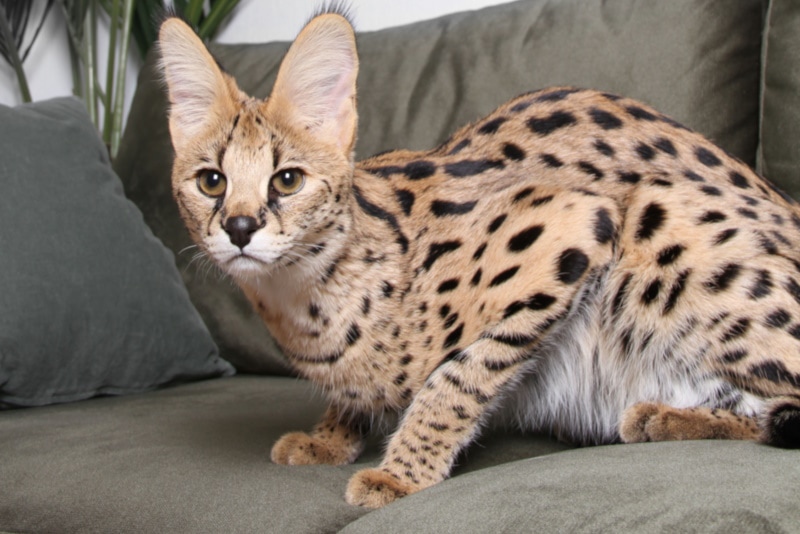
Not an Ashera cat
A Savannah cat with clear Serval lineage is shown as an example of an “Ashera cat” on several websites about the fictional breed.

Sadly, people might not realize that right away because of the publish-now, verify-never nature of web publications. Catster maintains a current page for the “breed,” citing its “outstanding lineage” and its supposed status as “one of the rarest and most expensive cats in the world,” potentially setting back its owners $100,000 or more per cat. You have to scroll down before the site warns about the “controversy and skepticism regarding the breed’s origins,” as if there’s still a debate whether the Ashera is a real breed.

Sites I’d rather not link to include the Ashera in their lists of “most exclusive” and “rare” breeds, and recent Reddit threads claim their price owes partly to their rarity because the company “only breeds about 100 cats a year.” When’s the last time you heard cats didn’t breed enough?

There are even “Ashera cat communities” designed to make it look like there are large online groups of happy owners, and Youtube channels featuring videos of Savannahs labeled as Asheras.

A sketchy operation

But dig a little deeper and you’ll find the truth. The Savannah Cat Association calls the Ashera a hoax, says the cats are Savannahs with fancy marketing, and details experiences people have allegedly had with Brodie. His company appeared to be a one-man operation with a voice mailbox, and people who purchased the pets said they were told to wire down payments to an account in the United Arab Emirates.

There are even claims Brodie was drop-shipping the cats, with customers saying they were delivered directly from an Oklahoma breeder of Savannahs.

And the people who saw an opportunity to have a pet cat despite severe allergies? They weren’t happy either, even those who negotiated deep “discounts” with Brodie.

“I don’t think any cat is worth $4,000,” a customer named Mike Sela told Columbia Journalism review, “but this seemed like a magical opportunity, especially with parents trying to get something for kids. You never thought you could get a cat and this is your chance.”

A group of angry customers who were promised hypoallergenic pets contacted ABC News, whose Lookout team enlisted the help of a biotechnology company to test cats purchased from Allerca, Brodie’s company. The tests showed the Ashera cats had the same amount of Fel d 1, the primary allergen in feline saliva, as the typical cat and could find no evidence of Brodie’s claims that he’d engineered an exotic cat sans allergens.

CJR took mainstream and legacy press outlets to task for reporting uncritically on Brodie’s claims despite the lack of any documentation, peer-review studies proving gene-edited hypoallergenic cats are possible, and for a complete lack of due diligence on the man himself. Per CJR:

“What Time, National Geographic, and other major outlets, including The New York Times, missed was that Brodie has no background in genetics—but he does have a well-recorded background in running scams. He was arrested in England, his native country, for selling shares in a non-existent hot-air balloon company. In the United States, he has left a wake of evictions, unpaid loans, and suits by unpaid employees. One judgment against him that stands out is by a company called Felix Pets, founded about a year before Allerca with the same goal of breeding hypoallergenic cats by eliminating the Fel-D-1 gene.”

Indeed, as the complaints piled up and Brodie’s deceptions began to catch up with him, the San Diego Union Tribune reported Allerca had been evicted from its “offices” — Brodie’s home address.

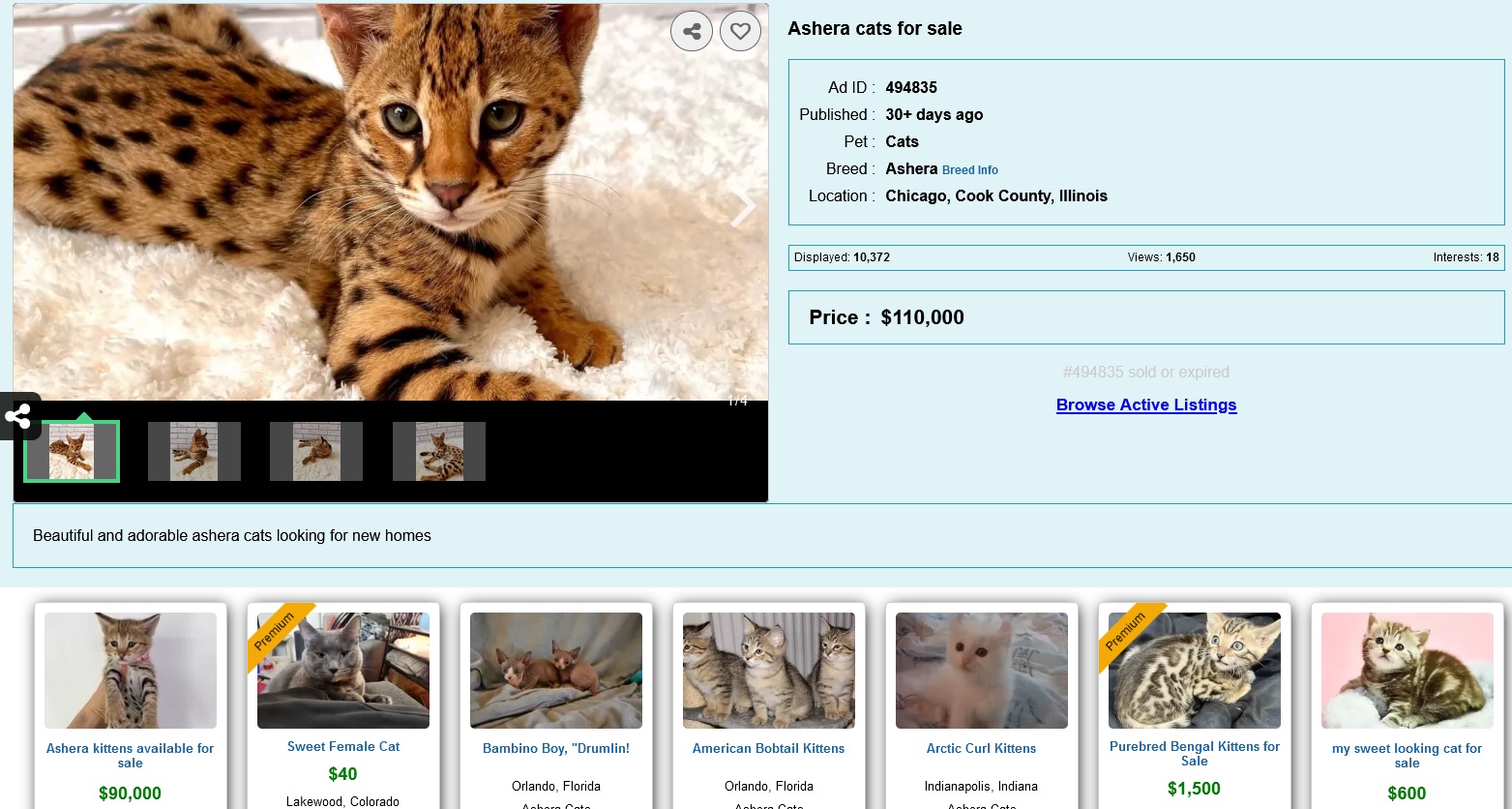
Ashera cats scam
A listing for an Ashera cat and a second listing for Ashera kittens, bottom left.

News stories say Brodie has changed his name numerous times and if he’s still out there, he’s almost certainly not Simon Brodie anymore. But the Ashera cat scam isn’t dead.

We found dozens of sites offering “Ashera kittens,” and online marketplaces for animals still have regularly-updated listings from people claiming they’re selling “genuine” Ashera cats in 2024. There’s also at least one group claiming they’re “officially licensed Ashera cat breeders,” touting a lofty “mission” not only of providing cats for people with allergies, but also “preserving exotic wildlife.”

The myth of hypoallergenic cats

Although there have been recent efforts to neutralize Fel d 1, they come from actual scientists who have published their work for peer review, or from public pet food companies that have paired with scientists to create kibble they claim reduces the Fel d 1 allergen in cats who eat it. They’re also focused on attacking the protein, not breeding or creating cats that lack it in the first place.

People with allergies should understand that despite what they may read online, hypoallergenic cats do not exist. No one has been able to “engineer” a feline without the Fel d 1 protein.

There’s serious debate among geneticists about whether trying it is ethical, as no one knows exactly what function Fel d 1 serves or what the potential consequences may be for editing it out of feline genetic code.

So if you’re looking for a “luxury cat” or you just want a cat that won’t trigger your allergies, beware before you’re separated from your hard-earned cash. As always, if something sounds too good to be true, it probably is.

With A Three-Fold Increase in Cat Thefts, UK Chooses Microchip Mandate

With breed cats commanding prices in the thousands, thieves see pet theft as a quick score. Lack of prosecution has made it an almost zero-risk crime in the UK.

Mandates in the wake of COVID-19 haven’t been especially popular with a weary public, but surveys show one proposed directive has almost universal support in the UK: Requiring all cat owners get their pets microchipped.

Cat thefts in the UK have tripled in the last five years, with the pandemic contributing to the increase since early 2020, police say. Authorities say they hope compulsory microchipping — and consolidating the many chip ID databases into one — will help discourage people from stealing while making it easier to reunite felines with their families.

Thieves mostly target pedigreed kitties over moggies, with Bengals as the most commonly-stolen cats, followed by British Shorthairs and Persians, according to police statistics. Thieves try for breed cats because of resale value, police say.

Dog thefts have skyrocketed as well, with thieves targeting Chihuahuas, Jack Russell Terriers and German Shepards, among other popular breeds. The price of breed dogs has ballooned by as much as 89 percent since the beginning of the pandemic, when demand for new pets and a slowdown in breeding created a boom market.

For context, an estimated 3.2 million British families welcomed new pets, mostly cats and dogs, into their homes since the first lockdowns in late winter and spring of 2020, the BBC reported. Like their counterparts here in the States, UK shelters experienced unprecedented adoption rates as people battled loneliness and depression during the initial COVID waves and last year’s long winter when the virus came back with a vengeance.

“The number one reason behind pet theft is because the prices for pets have gone up drastically,” Becky Thwaites, spokeswoman for UK pet charity Blue Cross, told SWLondoner. “This happened exponentially over lockdown, as responsible breeders stopped breeding due to social distancing guidance, but more people were wanting pets.”

Despite the spike in animal thefts, only about one percent of all such crimes have led to an arrest, according to a public information request by a UK animal welfare group. 

Police have been reluctant to pour resources into those cases, partly because the law lacks serious consequences for people who steal animals. While the maximum sentence for stealing a pet is seven years in jail, under current UK law sentences are pegged to the value of the stolen item. (Unlike the US, the UK does not make a distinction between prison and jail.)

But for people who love their cats, it’s not about the monetary value — it’s about sentiment, love and the distress to human and animal when they’re separated.

Abductions instead of thefts

To change that, a new pet theft task force — set up earlier this year to study the growing problem — recommended a change in the law. Instead of treating pet thefts as property thefts, under the proposal they would be treated as abductions, with all the increased charges and consequences that come with the classification.

Treating animal thefts as abductions “acknowledges that animals are far more than just property and will give police an additional tool to bring these sickening individuals to justice,” UK Home Secretary Priti Patel told the BBC.

Advocates say treating pet thefts as abductions makes sense not just as a legal adjustment, but also as a reflection of the way cats and dogs are stolen. While some thieves stalk dog parks and lure pets away with treats, others have taken to more brazen and violent means like taking animals by force and jumping people while they’re walking their dogs.

The change would require owners to have their kittens chipped by 20 weeks and adult cats chipped upon adoption from a shelter or rescue.  Failure to microchip a pet would result in a warning and a three-week grace period. After that, cat owners would face a steep fine of £500, equal to $660 in USD.

Consolidating chip databases

There are about 10.8 million pet cats in the UK, although widespread chipping alone won’t solve the problem of pet thefts and lost pets flooding shelters. There are currently 16 different microchip databases in the UK. They don’t always share information and scans don’t cover each of the databases, so even if a cat is recovered, brought to a shelter and scanned, there’s no guarantee the kitty will be returned home.

The existence of so many non-cooperating databases operated by private companies “can pose a huge barrier to successful reunification of pets” said the British Veterinary Association’s Malcolm Morley.

UK authorities and the animal welfare groups pushing for the change are cognizant of the problem and want to streamline the 16 existing database into one central repository of cat microchip registration. That will take time and will have to include compromise on the part of the various private companies running the existing fractured databases.

“Every day, we see how important microchipping is for cats and for the people who love them,” said Pet Protection’s Jacqui Cuff, “whether it’s reuniting a lost cat with their owner, identifying an injured cat, or helping to ensure an owner can be informed in the sad event that their cat has been hit and killed by a car.”