President Buddy Warns Persian Cats Face ‘Armageddon’ If They Don’t Negotiate

As defiant Persian cats refused to budge in negotiations to end the war, President Buddy has made a series of increasingly dramatic threats.

WASHINGTON — When President Buddy launched an offensive against Jazmin and Xerxes, Persian cats belonging to a neighbor, he said he expected the besieged felines to capitulate in “two weeks, maybe three.”

Six weeks later not only have the Persian cats refused to meet the president’s demands, they’ve closed the Passage of Four Moose, a key alley that connects the residential area to the rear of a plaza where dumpsters overflow with with yums discarded by a restaurant, a bagel and breakfast cafe, and a bakery.

Without dumpster food supplementing the meals they get from neighbors, local cats are growing increasingly impatient with the war.
President Buddy dismissed their concerns, saying negotiations were going smoothly shortly before expressing anger that talks with the Persians weren’t moving fast enough.

“My envoys say we’re getting close on a deal,” President Buddy told reporters. “A big, beautiful deal unlike anything you’ve ever seen before. It’s gonna be incredible!”

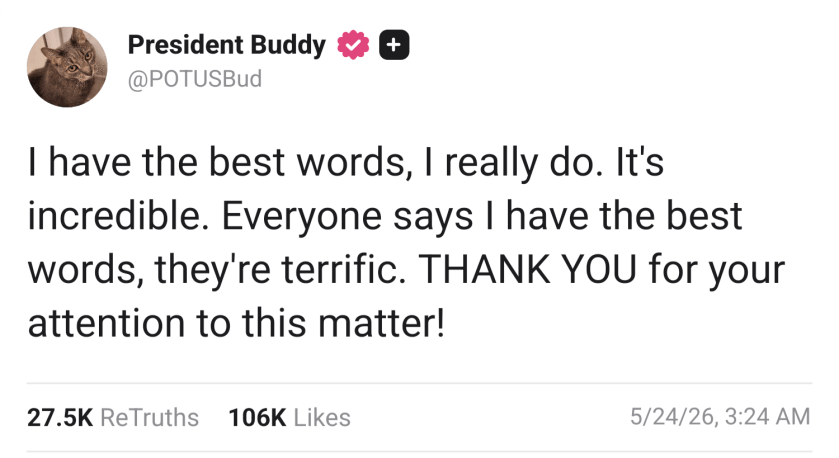
But just three hours later the president took to his personal social media platform, Meow Social, to issue a direct threat to the felines who continued to defy him.

“If they don’t open the alley, we’re gonna blast them to oblivion!” he wrote. “We’re gonna send them back to the stone ages with the — and by the way, my weapons are very powerful. Everyone says it. Open the alley you crazy bastards!”

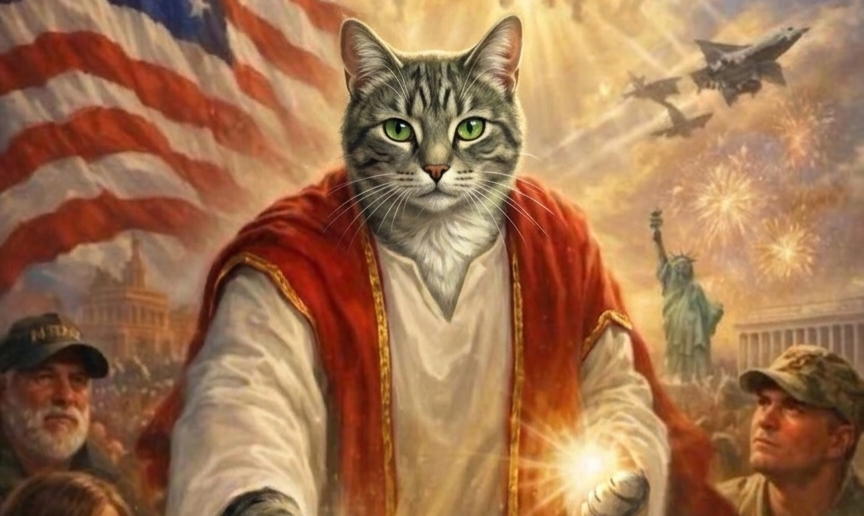
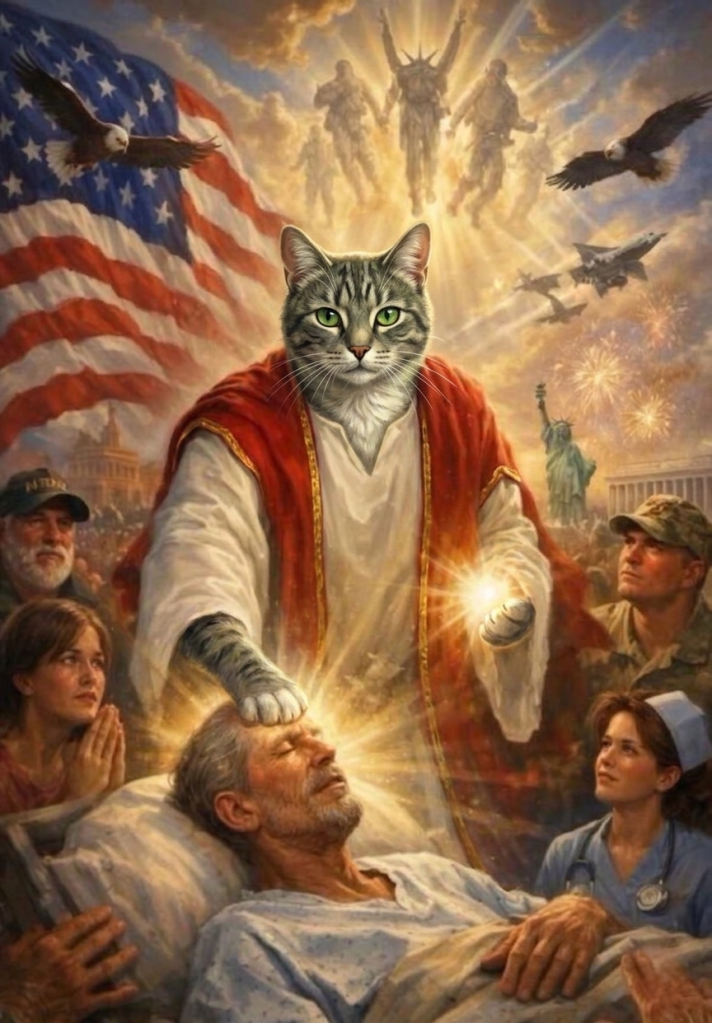
The president separately posted an AI generated image of himself “as a physician who just happens to be wearing robes” during his war of words with Leo, an Italian lion and spiritual leader.
Previously, President Buddy had threatened to “destroy,” “obliterate,” “armageddonize,” “vaporize” and “unleash fury the likes of which they’ve never seen” on five different occasions, setting deadlines only to pull back at the last minute because, he said, meows between the parties were more favorable.

A spokescat for the Persians said negotiations were “nowhere close to reaching a resolution” and warned they would keep the alley closed until President Buddy recalled his forces. They also expressed frustration, saying that six weeks into the conflict, they still weren’t sure what the president wants or seeks to accomplish.

“He just rambles about ‘tremendous words’ and ‘powerful numbers,”” one source close to Xerxes and Jazmin meowed. “We were able to get his attention by offering access to the coveted McDonald’s trash bins four blocks away because we know he loves Big Macs, but he insisted we give him yellow cake. We don’t have any cake.”

Despite the Persians’ insistence on a withdrawal, Buddesian forces continued to surround the alley, with the aircat carrier USS Tremendous patrolling one end.
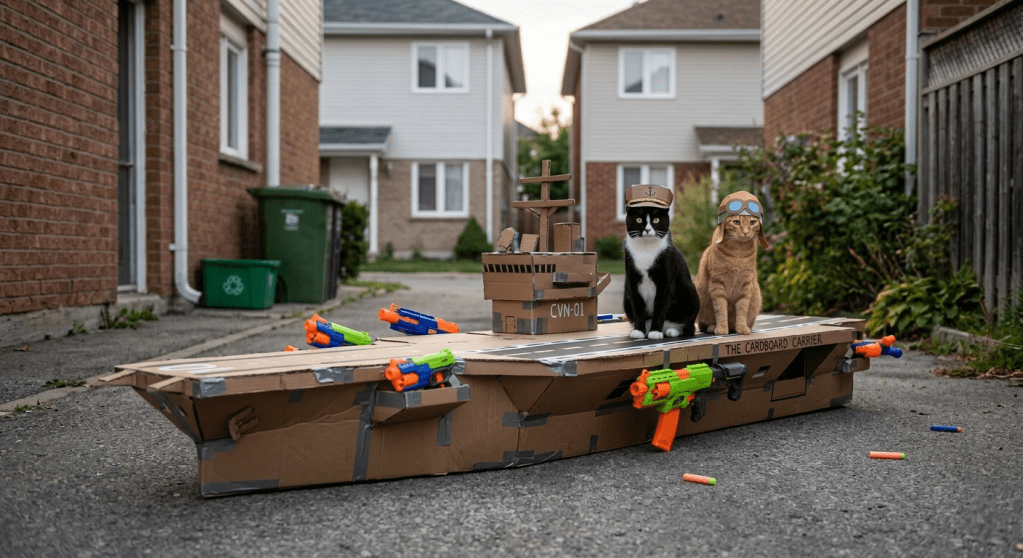
Sailors aboard the USS Tremendous, which was deployed to the Alley of Four Moose after Xerxes and Jazmin closed it.

Although President Buddy faces growing concern about the standoff with cats in his own party, he told felines at a Friday rally that a favorable resolution was imminent.

“I wrote the Deal of the Art,” the president told the crowd. “Nobody negotiates like I do. I’ll talk about, like, nine different things, and they all come back brilliantly together. And it’s like – and friends of mine that are English professors – they say it’s the most brilliant thing they’ve ever seen. So the Persians – and by the way, Tuesday will be litter box day, and food bowl day. They’ll be gone, obliterated in one day. So those are very powerful numbers, and we’re gonna attack the Siamese next.”
The Netherlands Now Bans These Breeds, Citing Their Suffering

Popularized by celebrities like Taylor Swift and online “influencers,” the breed cats have cute features but also suffer from chronic health problems.

Lots of people think breed cats are the product of fine pedigrees, the result of careful breeding to produce “superior” cats, like some sort of feline genetic aristocracy.

The truth is a lot less glamorous. So-called pedigree cats are the result of relentless breeding and inbreeding, often by people who know nothing about genetics, for a single purpose: magnifying a particular aesthetic quality, like a coat pattern, ear shape or flattened head.

Because the breeding pairs are selected for aesthetic characteristics only, without consideration for anything else, breed cats are often at higher risk of certain types of diseases or physical problems.

Persians, with their flat faces, often have problems breathing. Bengals are known for heart problems and a tendency to suffer from kidney stones. Ragdolls are prone to heart disease. Munchkins, with their unnaturally stubby legs, often have joint problems and quality of life issues.

The heartiest, healthiest and most long-lived cat is the “plain” old domestic moggie, proving that human-directed breeding has nothing on the designs of evolution and mother nature.

In the Netherlands, two breeds with chronic health problems have become especially popular thanks in large part to social media influencers who show off their pets.

As a result, Dutch legislators passed a law making it illegal to buy or own Scottish fold and sphynx cats. The legislation was hailed by veterinary groups, who noted that their members know better than anyone how much cats can suffer from chronic problems like arthritis, heart disease and susceptibility to infection.

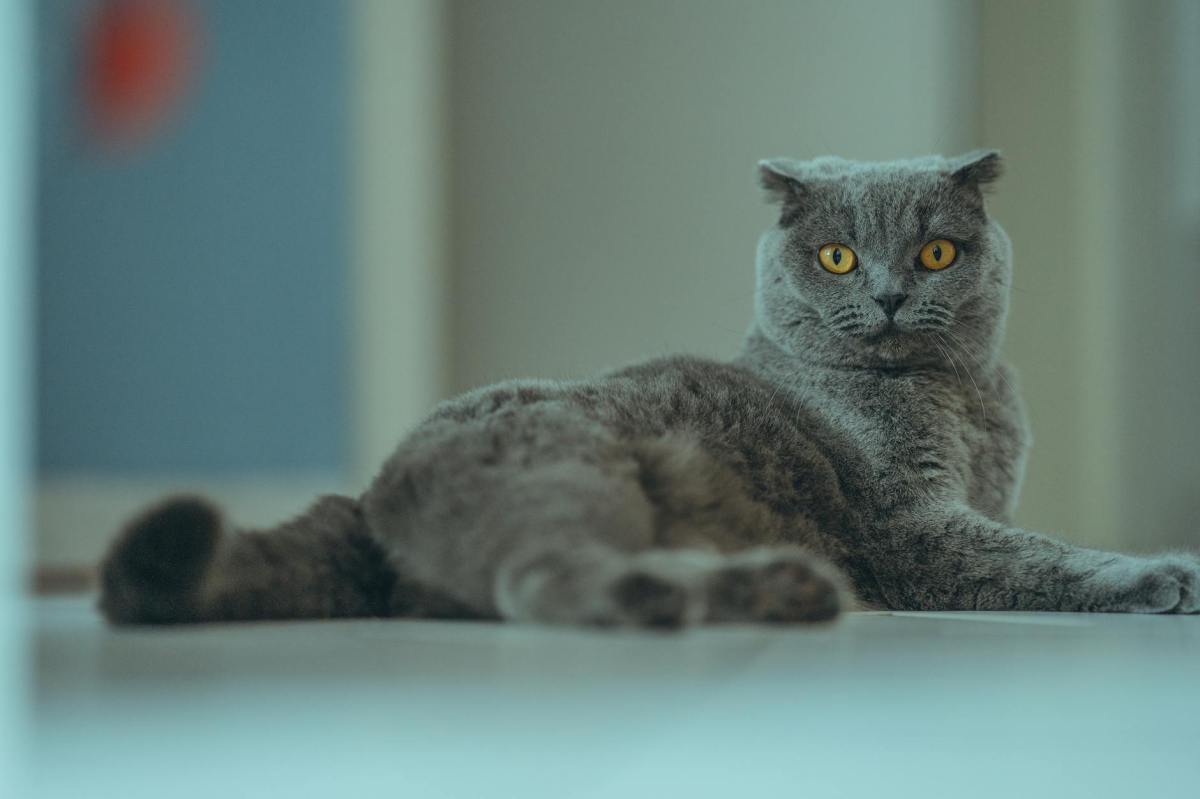
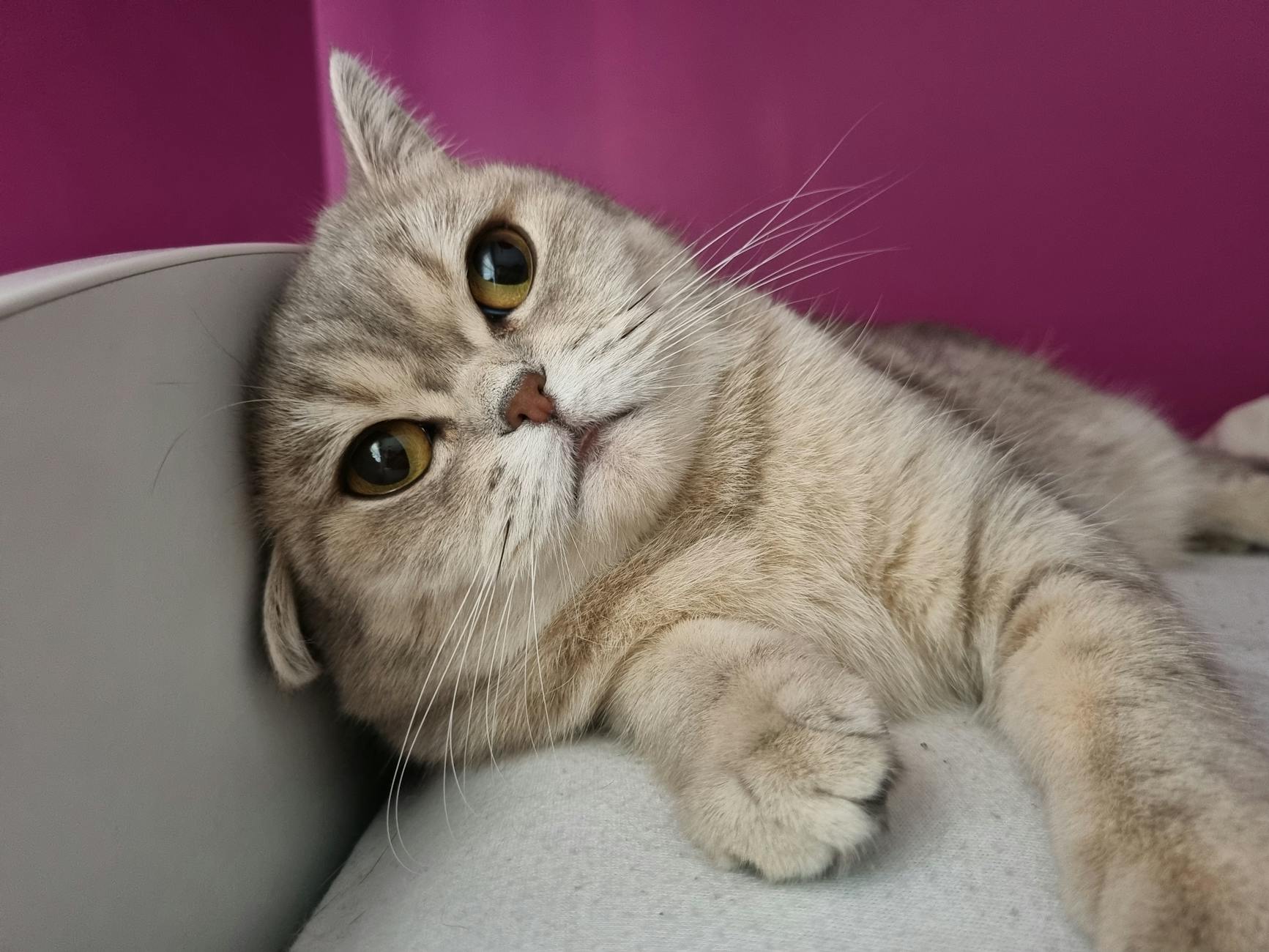
A classic Scottish fold with floppy ears. Credit: Mina Bau015fer/Pexels

The former is a classic example of breeding to emphasize a”cute” feature without regard for the consequences. Lots of people think Scottish folds are cute because they have floppy ears like puppies, which amplifies their natal features. But the same genetic mutation that weakens the cartilage in their ears also weakens cartilage and bones in the rest of their compact bodies. As a result, Scottish folds not only regularly suffer arthritis and joint deformities, they begin to suffer from those conditions well before old age.

Taylor Swift is the most well-known fan of the breed, and its popularity skyrocketed as her two Scottish folds, Meredith Grey and Olivia Benson, have been frequently pictured on the singer’s Instagram feed. They’ve starred in her music videos, accompanied her on tour and appeared on magazine covers in her arms and perched on her shoulders.

Sphynx cats have their own unique set of problems. Like several other breeds, sphynxes are more susceptible to heart disease, and their most recognizable trait, their lack of fur, is the source of most of their maladies. Sphynxes are more sensitive to cold and can’t regulate their body temperatures as well as other cats. The many folds in their skin make them vulnerable to dermatitis and fungal infections.

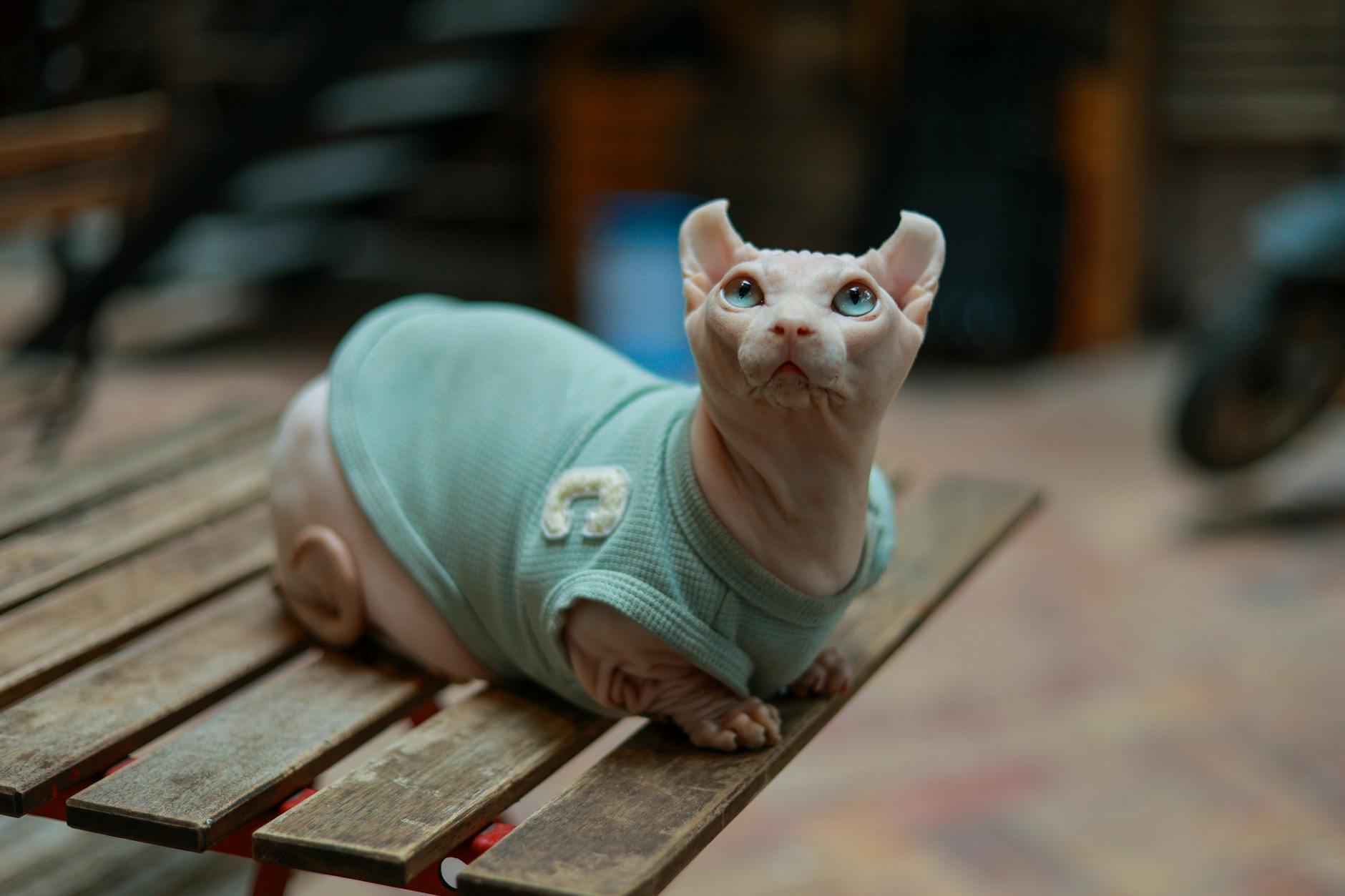
Sphynx cats are often seen bundled up because they have difficulty regulating their body temperatures. Credit: Nguyu1ec5n Thanh/Pexels

Previous attempts to curtail the popularity of sphynxes and Scottish folds had little impact, so under the new law it is illegal to buy, sell, breed and import felines of those breeds into the Netherlands. The previous law had severely curtailed the domestic breeding of Scottish folds and sphynxes, but did not make a dent in ownership rates as people elected to buy them from other European countries and “import” them.

People who already have cats of either breed will not have to surrender them. They will be grandfathered in, but they’re required to register their cats and have them microchipped, which the government hopes will stop people from reselling them.

“Animal welfare is my top priority,” said Jean Rummenie, the country’s agriculture and nature secretary. “It is important that cats do not suffer unnecessarily because of their physical traits. This ban allows us to prevent such suffering.”

Do you think the Netherlands made the right call here? Should the US, UK and other countries ban breeds that suffer from chronic health problems?