WaPo’s Guide To Taking Better Photos Of Your Cat, PLUS: Snopes Weighs In On Cats And Bubonic Plague

A historian casts doubt on tales of widespread cat purging, tracing the origin of the claims to a novel published in the 1990s.

The Washington Post has a new guide for taking better photos of cats and dogs with some solid advice for people using smartphones as well as more traditional cameras.

The article is in front of the paywall so you don’t need a subscription to view it, and it emphasizes a few major points I’ve often written about when people ask me how I’ve been able to get certain shots of Bud:

  • Always let your cat get used to the camera, whether she sniffs it, head butts it or just wants to see it up close. Let her check it out and lose interest and then it becomes just another thing, allowing you to begin capturing more candid-style photos.
  • Bribe ’em: Your cat’s a model and deserves compensation. A few treats will keep him hanging around and happy as you snap away.
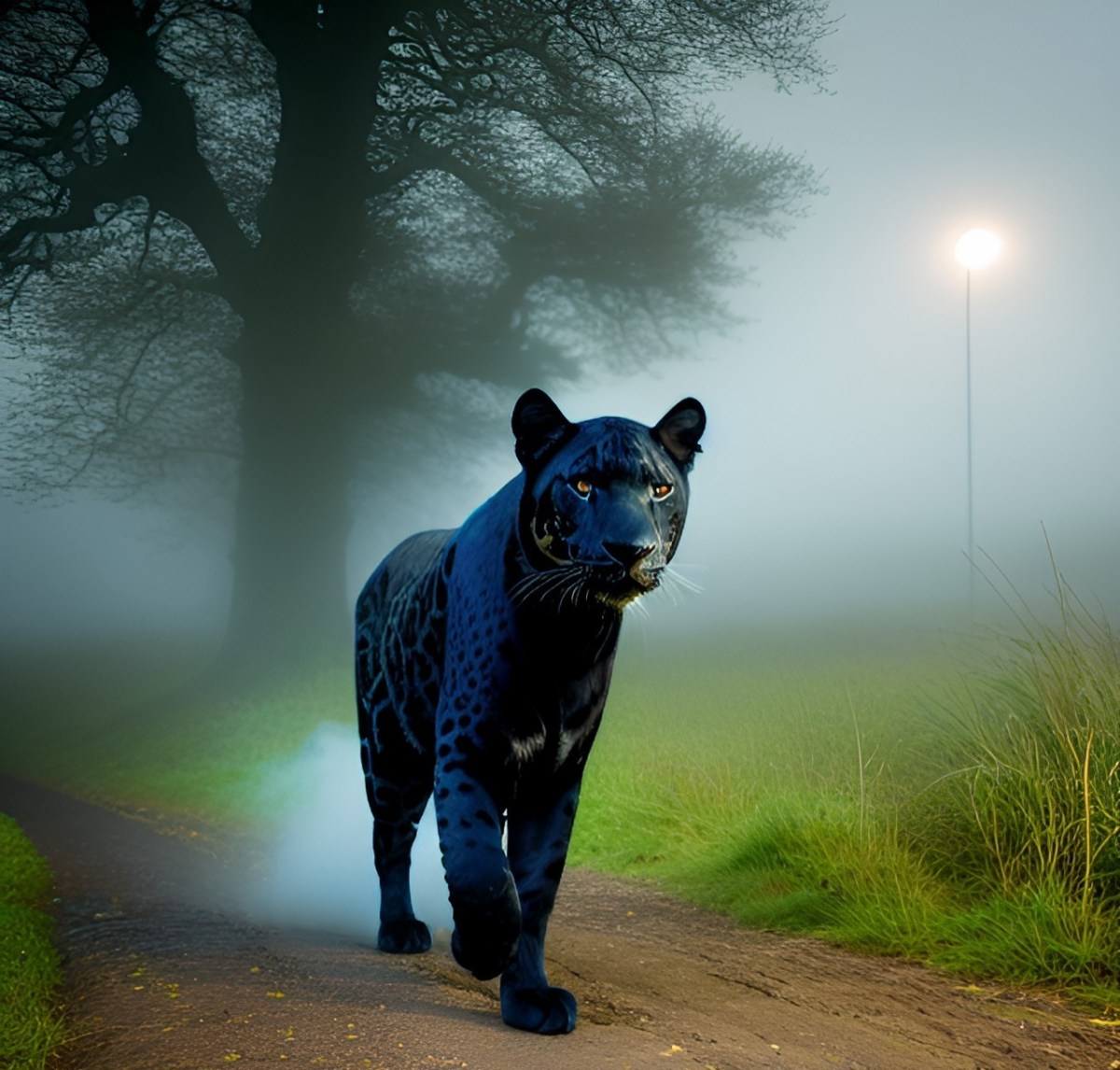
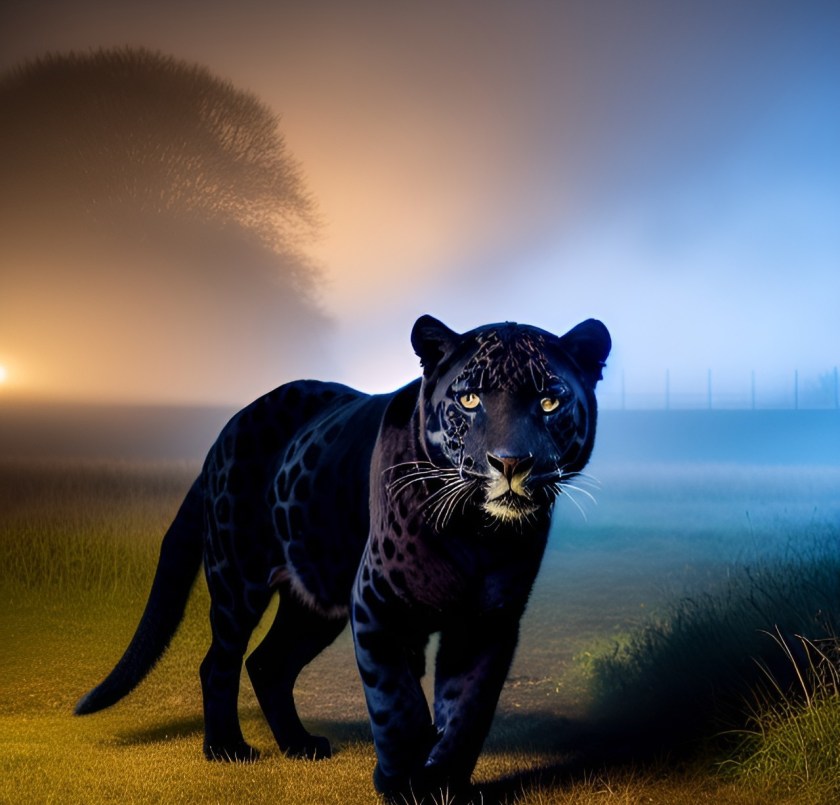
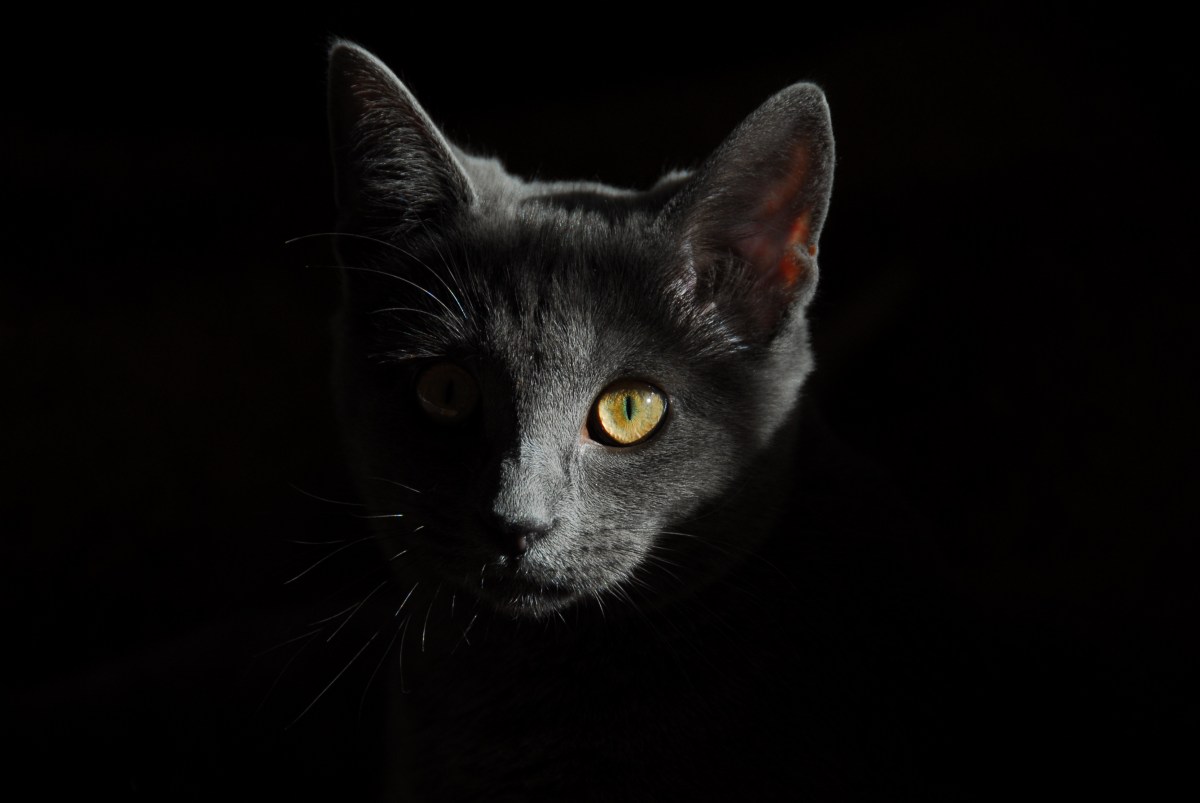
  • Pay attention to the lighting, especially if you’re shooting a black cat or a kitty with a darker coat pattern. Unless you’re going for a silhouette or a sunrise behind your furry friend, keep your cat facing to the right or left of the primary light source so you’re getting light and shadow to put those feline features in relief. It’s also worth taking a close look at how professional photographers shoot melanistic jaguars and leopards, carefully using light to highlight their features. In the right conditions their rosettes are still visible, they’re just slightly different shades of black. While house cats don’t have rosettes, the same attention to light and detail can help pick out the contours of their beautiful coats.
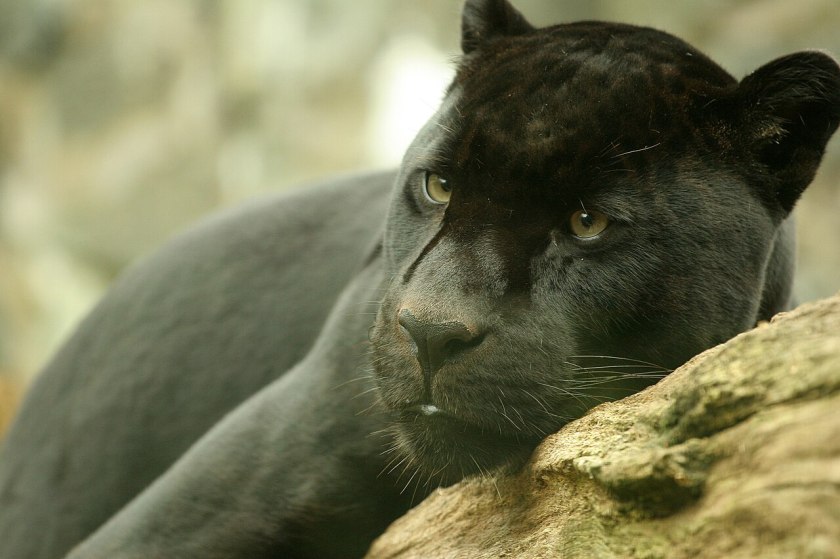
Black jaguar at Edin Zoo
Under the right light conditions, the contours, spots and rosettes of a black jaguar are visible in beautiful detail. Credit: Edin Zoo/Wikimedia Commons

Did People Really Slaughter Cats During The Plague?

It’s often claimed that Europeans murdered felines en masse during the waves of Black Plague that devastated Europe during the Dark Ages, visiting countless cruelties on cats while inadvertently amplifying the spread by nearly wiping out disease-carrying rodents’ most effective predators.

In a new post that closely examines documents and evidence from burial sites of the era, Snopes concludes there was much less cat-killing than claimed, and the claims of widespread purging at the hands of pandemic-weary zealots have their roots in a 90s novel, which was then circulated on the web as fact.

Sites where as many as 79 sets of cat bones from the era were found show clear signs that the animals were slaughtered for their fur, and a singular slaughter in 1730s Paris often cited as proof is not only a few centuries off but was also motivated by class hatred, not fears of the plague.

While the papal bull Vox In Rama was real, and a famously zealous inquisitor really did make the preposterous claim that Satanists had a ritual that involved literally kissing the asses of black cats, the pope never called on anyone to kill felines and there’s no evidence that people took it upon themselves to do so. There was plenty of other unbelievable superstitious idiocy that led to the deaths of animals at the time, including the practice of putting animals on trial for alleged crimes, but Europeans weren’t rampaging through towns and killing cats.

Snopes quotes Welsh historian Mike Dash, who says the modern claims of widespread cat-killing are “almost certainly a modern internet-based fabrication.”
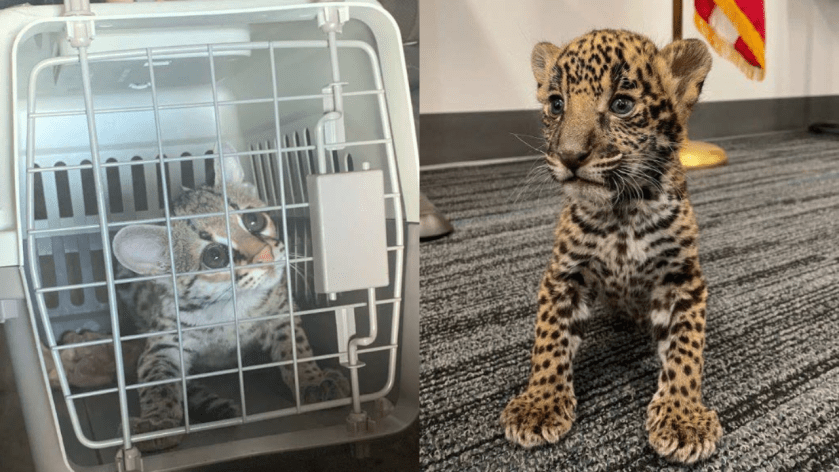
Feds Nab Couple Selling Jaguar, Margay, PLUS: Cat Wins ‘Hambone’ Award For Derpy Accident

Giles the cat is recognized for the most ridiculous pet insurance claim of the year, while federal prosecutors use the new Big Cat Public Safety Act to go after alleged illegal wildlife traders.

A Texas man and his wife were arrested after allegedly selling a margay kitten and trying to sell a jaguar cub in a second deal, federal authorities said.

Rafael Gutierrez-Galvan, 29, and his wife Deyanira Garza, 28, whom prosecutors describe as “legal permanent residents,” sold the margay cub for $7,500 to an undercover agent, meeting him in the parking lot of a Texas sporting goods store on Aug. 24. On Sept. 26 Gutierrez-Galvan made plans to sell the jaguar cub to the same man, and agents arrested him and his wife en route to the meet-up, according to the U.S. Attorney’s Office for the Southern District of Texas.

Gutierrez-Galvan and Garza face federal charges under the new Big Cat Public Safety Act, which was signed into law in 2022. They can be sentenced to a maximum of five years in federal prison and ordered to pay a $20,000 fine if convicted.

Prosecutors did not say how the couple obtained the two wild cats or if they were working with anyone else.

jaguarmargray
The margay kitten, left, and jaguar cub recovered from a Texas couple who are accused of illegally selling them. Credit: U.S. Attorney’s Office, Southern District of Texas

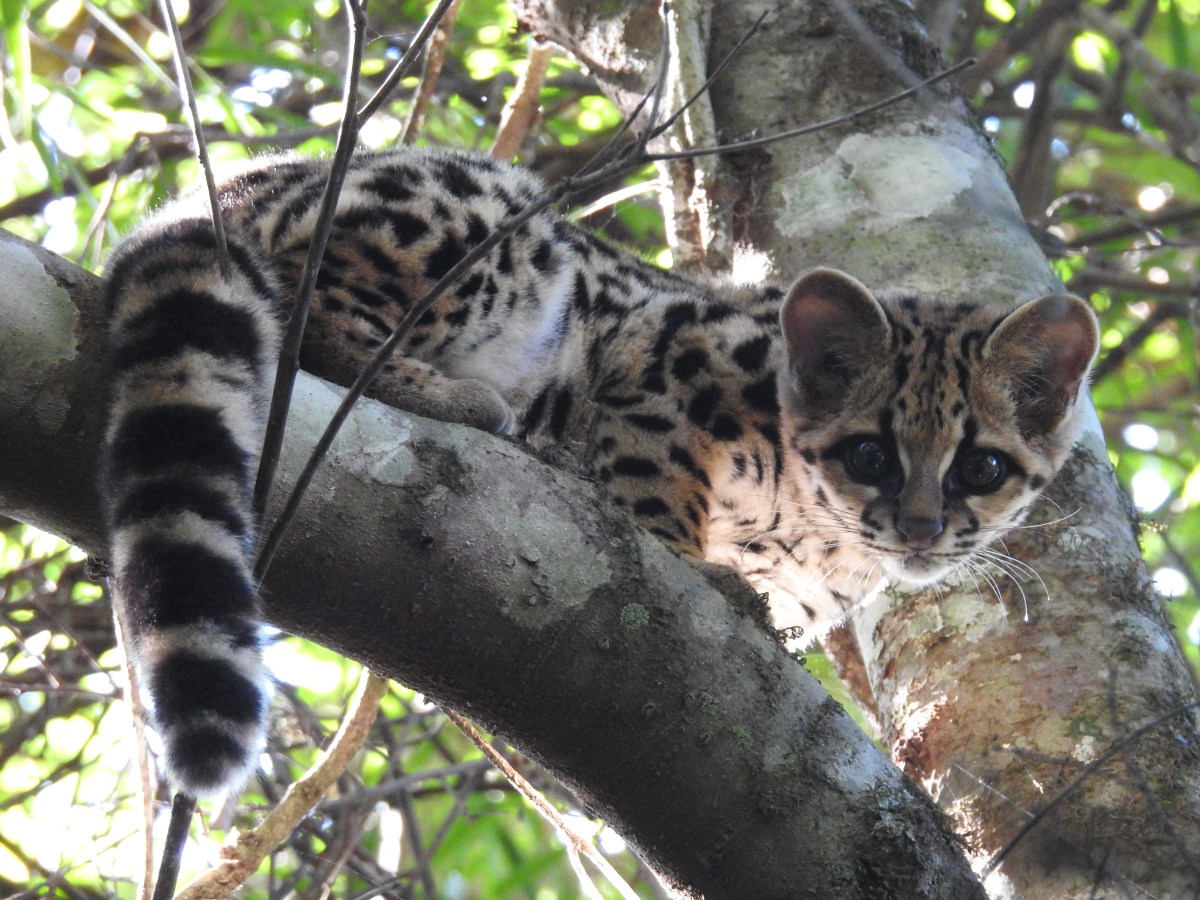
Jaguars are endangered and margays are threatened. Both are native to South America, although jaguars once ranged as far north as Ohio and Pennsylvania. Margays (leopardus wiedii) are small arboreal wildcats who thrive in the deep jungle, away from human interference. They’re typically smaller than domestic cats, with an average weight of six pounds, and are among the most sure-footed of all felid species.

Jaguars (panthera onca) are true big cats and the only extant big cat species native to the Americas. They’re under enormous pressure from Chinese poachers, who capture and kill them to use their body parts in traditional Chinese “medicine,” as well as local illegal wildlife poachers. Both jaguars and margays, as well as other cat species native to South America, are also endangered by habitat loss.

Header image of a margay in Rio Grande do Sul, Brazil, credit: Anderson Cristiano Hendgen via Wikimedia Commons

New York cat wins Hambone Award for most ridiculous pet insurance claim

The Hambone Award was started in 2009 when a family filed a pet insurance claim for their dog who got trapped in a refrigerator, suffered mild hypothermia and tried to make the best of the situation by eating an entire ham.

That inspired the Veterinary Pet Insurance Company, a subsidiary of Nationwide, to create the award and make it an annual event. The first recipient of the “honor” was Lulu, an English bulldog who ate 15 baby pacifiers, a bottle cap and part of a basketball, necessitating a trip to the veterinarian and an insurance claim.

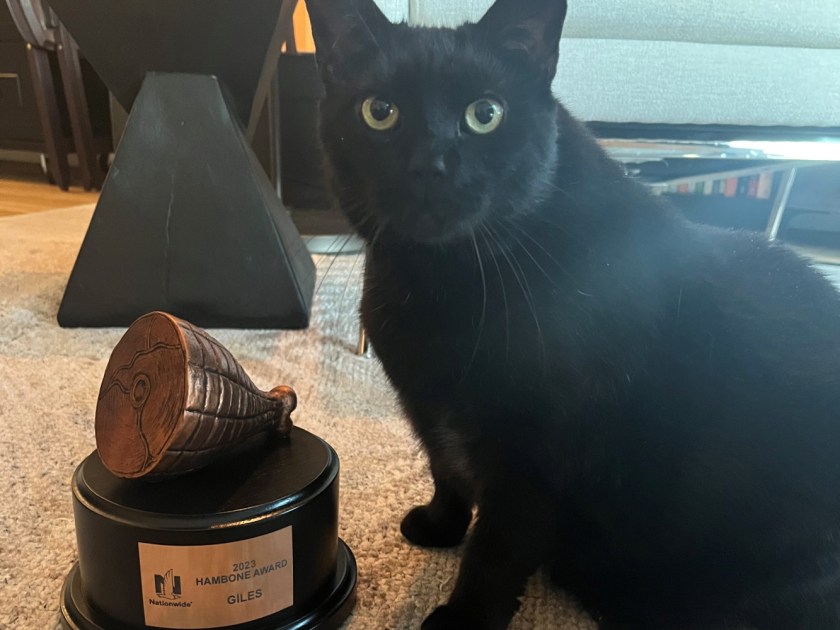
This year the award went to Giles, a handsome black kitty who has a habit of hiding in a sofa bed and getting stuck there when one of his humans folds the bed back into the couch. His humans, Kaitlyn and Reid, always check to make sure Giles isn’t in the space beneath the bed when they fold it up, and had warned Reid’s visiting parents that the playful cat likes to hang out there, but they forgot to check and ended up smooshing Giles.

c1920_giles-hamboneaward
Giles poses proudly next to his Hambone Award. Credit: Nationwide

Luckily the little guy didn’t break any bones, but he did take a hit to the face pretty hard and needed stitches.

“I [had] no idea what’s going on—we got him in his carrier and ran him up the street,” Reid said. “Luckily, we have a wonderful vet hospital just around the corner from us, so we were able to take him right there. Fortunately, it wasn’t too bad. He did need some stitches … but he was the model patient, as he always is.”

Giles’ competition this year was mostly dogs, but the other feline finalist was Miko, a New Orleans cat who spotted a pair of doves nesting in a hanging plant just outside on the patio. Miko executed a Jordanesque leap and swatted at the doves, but as the birds fled one of them gave the bold cat a parting gift, pecking Miko in the face. Thankfully he wasn’t seriously injured.

For his exploits, Giles received a trophy and his humans will receive a gift card and a donation in their name to the pet charity of their choice.

As Registration Deadline Looms, Big Cat ‘Owners’ Face A Reckoning

The days of tiny backyard enclosures for big cats are over.

The passage of the Big Cat Public Safety Act has been a massive win, resulting in the end of the wild cat trade in the US and the cruel practice of taking cubs from their mothers for use in roadside zoo petting attractions.

But there’s another, often-overlooked component of the new law that’s about to result in big changes for captive tigers, jaguars, pumas and other wild cats.

While current “owners” of big cats were grandfathered in under the BCPSA, they have until June 18 to register with the federal government, and with registration comes requirements, inspections and minimum standards of living for the wild felids.

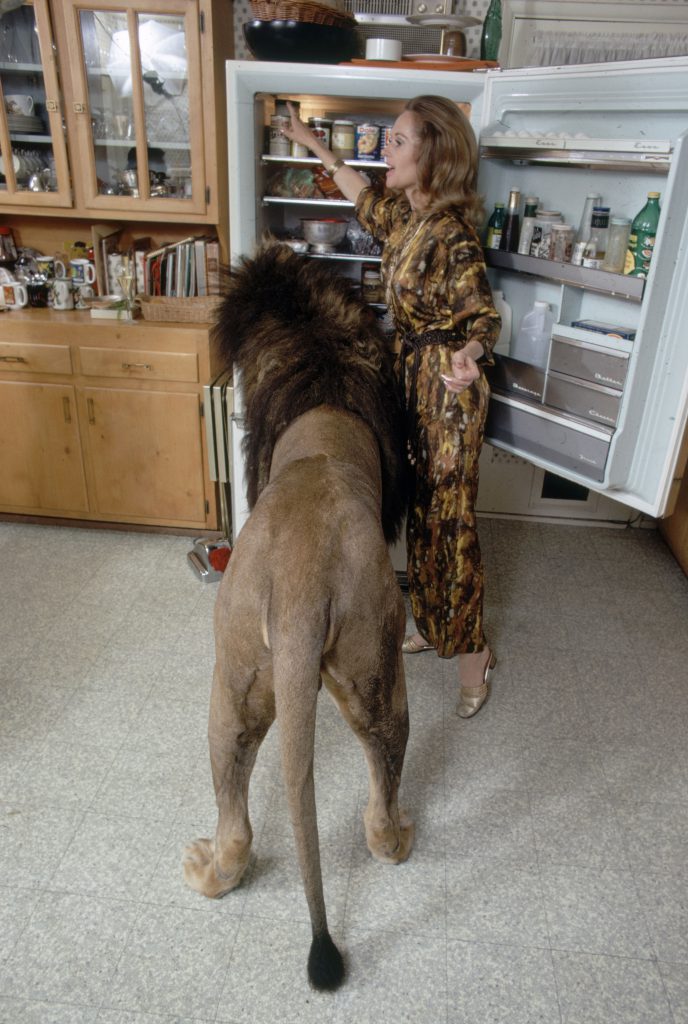
In other words, most of the people who “own” the estimated 20,000 privately held big cats are about to get a rude awakening. The days of tiny makeshift enclosures in backyards are over, as is the practice of keeping big cats in the home as if they’re domestic felines. (With apologies to Tippi Hedren, who once owned as many as 60 lions and tigers, and at 93 years old still has “13 or 14” big cats, according to her granddaughter, actress Dakota Johnson.)

141028-neil-lion-12-688x1024
Tippi Hedren with one of her lions in a vintage LIFE magazine photo. Hedren kept the lion and other big cats as pets in her home.

If people who have possession of big cats don’t register with the U.S. Fish and Wildlife Service, they’ll have their animals taken away. Likewise for people who don’t provide adequate enclosures that not only provide enough space, but are built to contain the apex predators.

As a result, sanctuaries are bracing for an influx of tigers, lions, jaguars, leopards, cheetahs, snow leopards, clouded leopards and pumas, all of whom are protected under the Big Cat Public Safety Act.

Experts anticipate a significant number of big cat “owners” could try to part with their animals if they can’t or won’t provide adequate enclosures, and the government is already cracking down on people who are trying to sell their “pets.”

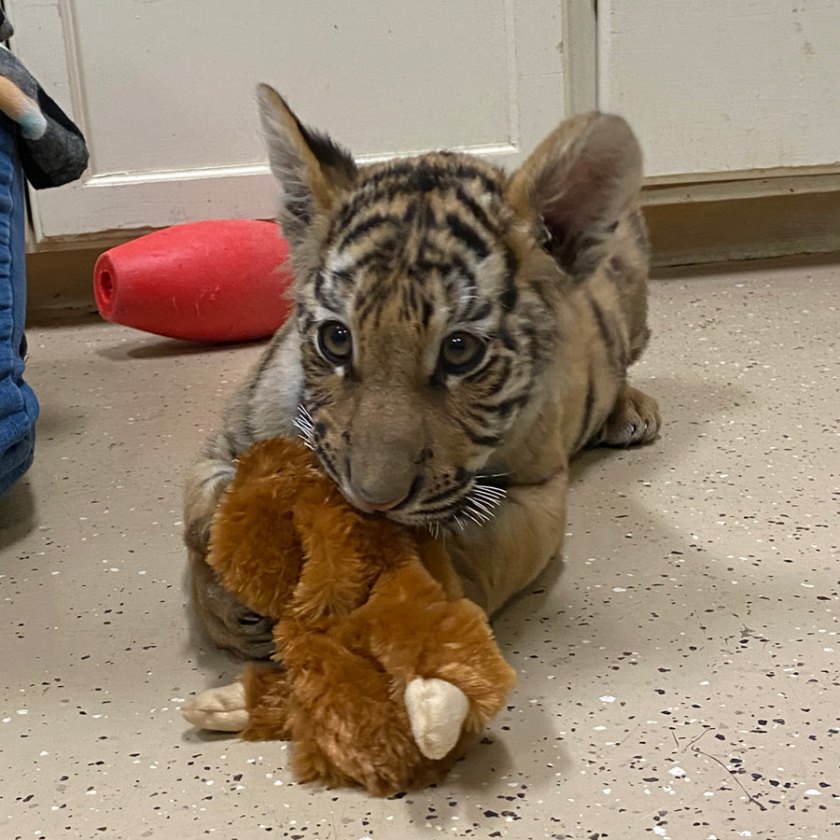
A tiger cub named Indy is one of the first to be taken out of private hands and placed in an accredited sanctuary. Indy was recently sold by her original “owner” and the man who purchased her for $25,000 tried to flip her, advertising the cub online.

Authorities moved in and found Indy in a dog kennel in a closet inside the man’s Arizona home. Police, who said they could hear Indy “moaning” from inside the closet, also seized an alligator and a dozen snapping turtles.

Tammy Thies, founder of the Wildcat Sanctuary in Sandstone, Minn. — Indy’s new home — said the cub is lucky she wasn’t confined to the small space for long.

“Many of the cubs we get are suffering from metabolic bone disease, malnutrition, sometimes they have such long confinement that they don’t have use of their back end, so Indy’s a lucky one,” Thies told WKQDS, the local Fox affiliate.

indytiger
Indy was found in a tiny cage in a man’s closet. Now she’s enjoying sunshine in an accredited sanctuary. Credit: Wild Cat Sanctuary

Indy arrived in May and has adjusted well to her new home in less than a month, according to the sanctuary. A page dedicated to tracking her progress has photographs of her meeting another tiger cub for the first time and playing in the grass.

As the deadline fast approaches, we hope Indy’s story is just one of many, and big cats who have suffered for years in tiny enclosures, under the “care” of people who aren’t qualified to keep them, find their way to accredited sanctuaries so they can live out the rest of their lives in sunshine, feeling grass and earth underneath their paws, with enrichment programs created by professionals who care about their well-being.

It’s about time.

tiger in shallow photo
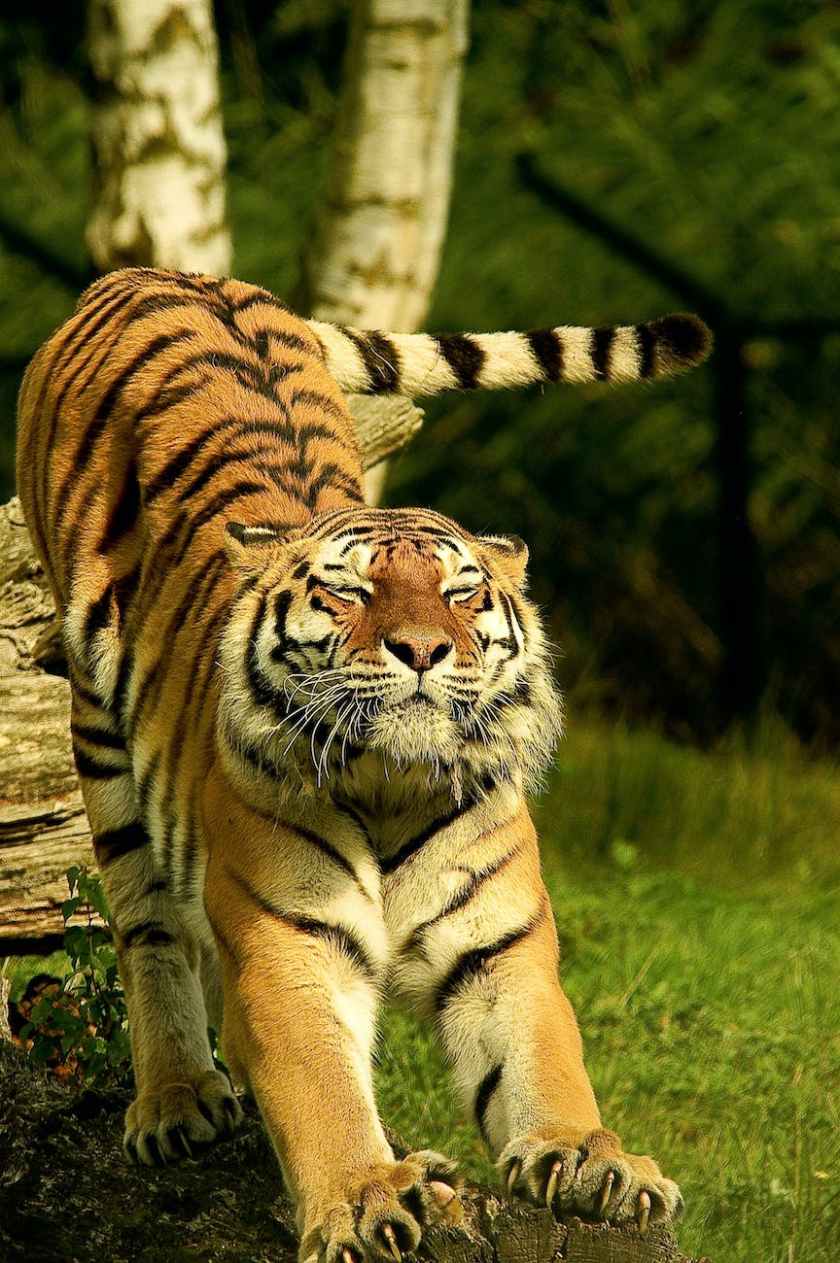
Credit: Richard Verbeek/Pexels.com

UK’s Elusive ‘Big Cats’ Turn Out To Be Buddy Playing Pranks, Police Say

The American feline has also been linked to the appearance of crop circles in several US states.

GLOUCESTERSHIRE, United Kingdom — The alleged phenomena of big cats stalking the forests and outskirts of villages in the UK turned out to be a hoax this week after authorities caught an American feline planting “evidence” near the A40.

The perpetrator, who goes by the names Buddy the Cat, Kinich Bajo, The Buddinese Tiger and several other monikers, was spotted at the edge of the Forest of Dean using a ladder to create claw marks at roughly tiger height, Detective Inspector Alistair Clarke said.

When he realized he’d been made, the gray tabby cat yelled “Oh shit!” then bolted down the ladder and into the forest, Clarke told reporters.

Police called in a K9 unit, which was able to track a trail of crumbs and discarded turkey bones to a clearing where authorities discovered non-toxic black paint, a fog machine and a copy of Arnold Schwarzenegger’s 1977 docudrama Pumping Iron.

“It’s our belief that the suspect painted himself black, played prerecorded clips of various big cat roars, then posed menacingly amid the fog for the benefit of locals, mostly drunks stumbling out of local pubs,” Clarke said. “Choosing inveterate drunks as his primary witnesses ensured the resulting smartphone camera footage would be grainy, shaky and inconclusive, adding to the legend and mystique of phantom big cats in the countryside.”

Puma pub
Buddy in costume in late 2022, after parading himself in front of a group of heavily intoxicated people leaving a pub. Credit: PITB

Asked by a reporter whether Buddy’s dedication to weightlifting contributed to locals misidentifying him as a big cat, Clarke shook his head.

“We don’t think so, no,” he said. “Despite his apparent obsession with bulking up and the 63 bottles of protein powder we recovered, the suspect remains a tiny little stinker, which is why he carefully revealed himself only to the thoroughly inebriated.”

Buddy the Cat remained in a local lock-up awaiting extradition back to the US. His human told reporters the feline hadn’t said much about his predicament.

“He’s complained loudly about the food and said the British should be thanking him for increasing tourism to southern England, but other than that he’s kept a lid on his thoughts,” Big Buddy said.

Buddy in costume II
Buddy is seen here patrolling the UK countryside after painting himself black, prompting several calls to the police. Credit: PITB

In the meantime, the South Carolina state police forensics division and detectives from several US police departments have been in contact with UK authorities after similarities emerged between the fake big cat sightings and a series of bizarre crop circles in the US.

“We also found turkey bones and crumbs scattered around the crop circles, but at the time our working theory was that we were dealing with aliens who had a taste for turkey,” said one law enforcement official, who spoke on condition of anonymity. “Now we believe our cases may be connected to the UK hoax.”

Panther!
“Lads, that’s a panther, innit? A panther, wow!” Credit: PITB

WATCH: New Buddy Wildlife Documentary Premieres On PITB!

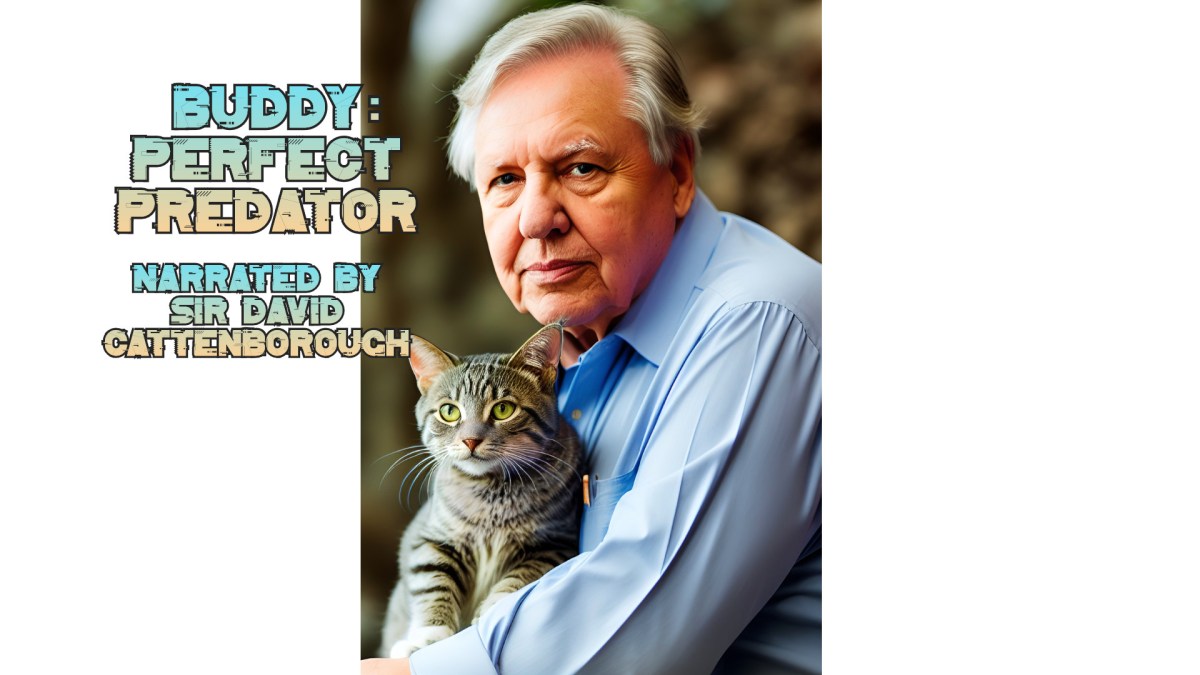
Watch the premiere of Buddy: Perfect Predator exclusively streaming NOW on PITB!

It’s here!

The long-awaited documentary feature: “Buddy: Perfect Predator” has arrived on PITB.

Join Sir David Cattenborough and his intrepid crew of wildlife videographers as they follow the elusive Buddinese tiger through the dense undergrowth and dangerous terrain of its natural habitat in suburban New York.

Watch never-before-seen footage of the silver-furred Buddy stalking his prey, lounging, sleeping and eating, and follow a tense encounter between the Buddy and a red laser dot.

“I’m extremely proud of the work we’ve done here, and I believe our audience will be thrilled to learn more about this little-known creature, who shares so many qualities with tigers, lions, jaguars and leopards,” Cattenborough said.

“We fell in love with the silver-furred Buddy as we kept our cameras trained on him, and we think our audiences will find him just as charming as we did,” the British naturalist said. “He’s such a good boy!”

(Please ensure your sound is enabled or wear headphones to hear the narration and the atmospheric sounds.)

About this video:

This story was made possible with the use of artificial intelligence tools. To create the images of Sir David Attenborough with Buddy, we used a natural language processing AI trained to output realistic-looking images and Pixlr to refine the images in post. To create the narration, we assembled samples of Attenborough speaking and trained a vocal synthesis AI, based on brand new technology, to mimic Attenborough’s unique pronunciation, cadence and rhythm, then layered the audio with a background of various nature sounds and incidental sounds, such as a tiger roaring.

Just a year ago it would not have been possible to generate images like this or faithfully recreate Attenborough’s famous narrative style, proving AI not only allows users to achieve things that were previously impossible, but has been making major leaps forward in short periods of time.

We believe AI, when properly used, can be a great instrument in the creative toolbox.

Finally, a thank you to Buddy for being a good sport about having cameras in his face. Great job, Bud!

Cattenborough and Buddy
Sir David Cattenborough with Buddy the Cat.