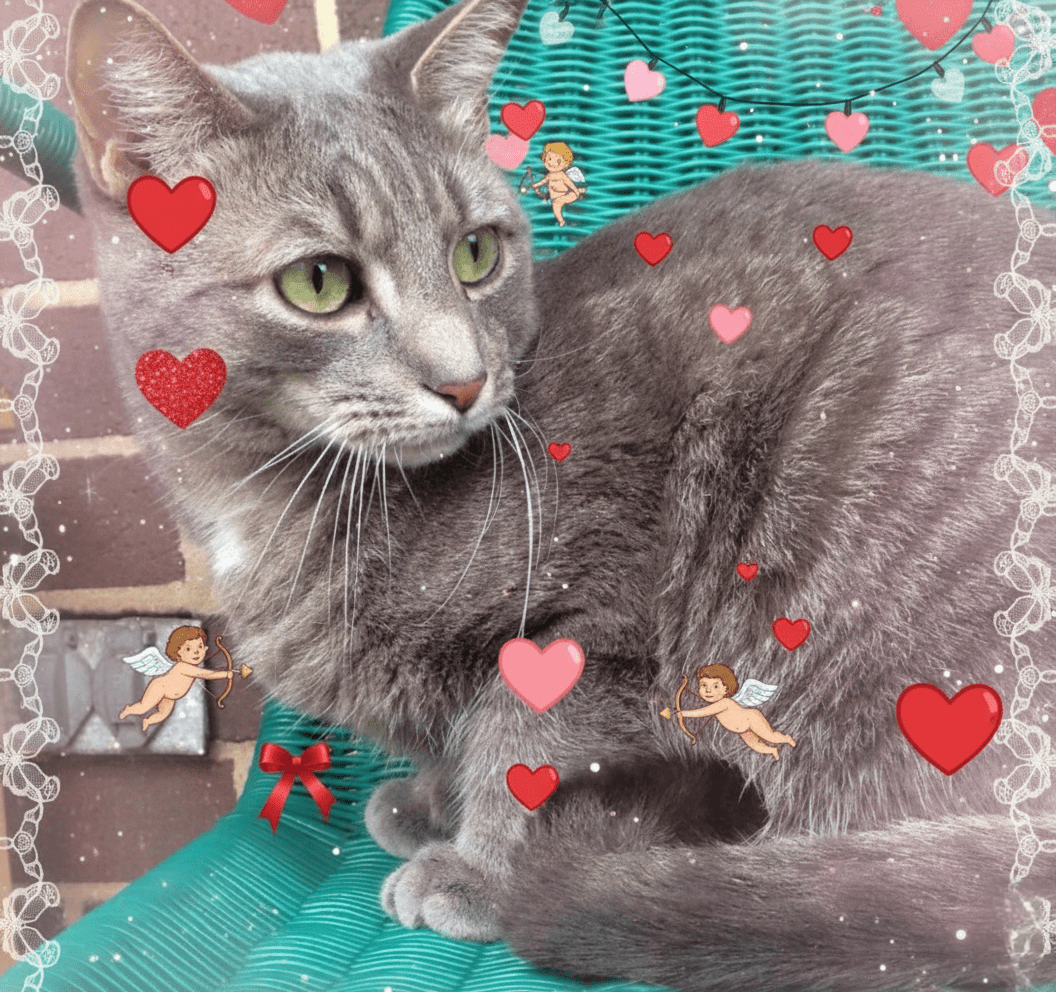
Buddy the Cat’s female admirers, both feline and human, say he is a sexy beast.
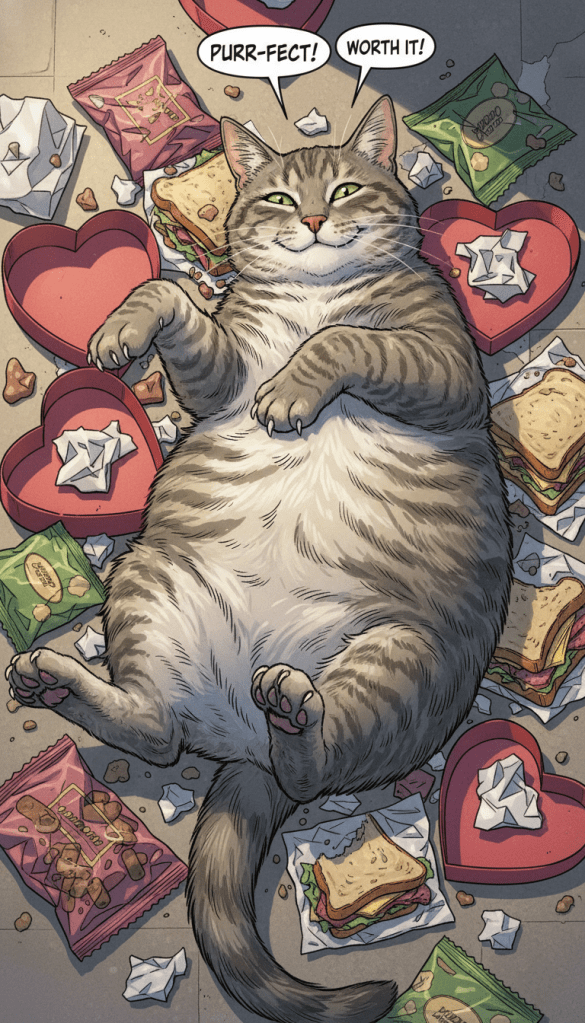
NEW YORK — For the third night in a row, Buddy the Cat rolled onto his back, belched thunderously, and settled down for a restful nap surrounded by the devoured remnants of treats and snacks gifted to him for Valentine’s Day.
“It’s wonderful to be so loved that hundreds of Valentines Day packages are deliv…ooh, bacon-flavored crunchies!” Buddy said, breaking his train of thought after discovering six or seven of the little treats under a pile of opened and discarded packages.
“Where was I?” the bloated feline asked, blinking. “Oh yeah. It’s such a great feeling to have so many admirers that … mmmm, sandwich … every day brings new …* burp *! … gifts of food to sample and … oh, I love turkey gravy!”
The chubby tabby has been the recipient of countless Valentine’s Day gifts this year, reflecting his considerable popularity among females, both feline and human. He’s been eating his way through them with enthusiasm since the packages began arriving.
Witnesses report the well-fed feline was unable to complete a sentence without getting distracted and stopping to shovel food into his mouth mid-sentence.
“He only stops eating when he falls asleep,” one witness told PITB. “At this rate, his human will have to roll him around like a boulder because, frankly, I’m not sure anyone makes a cat carrier with material strong enough to lift him without ripping apart.”
As of press time, Buddy had fallen asleep with a sloppy hand-written note taped to his forehead, asking visitors to leave Valentine’s Day gifts in one of the 27 provided baskets.
“Activate your chakras and, like, serve me turkey and stuff.”
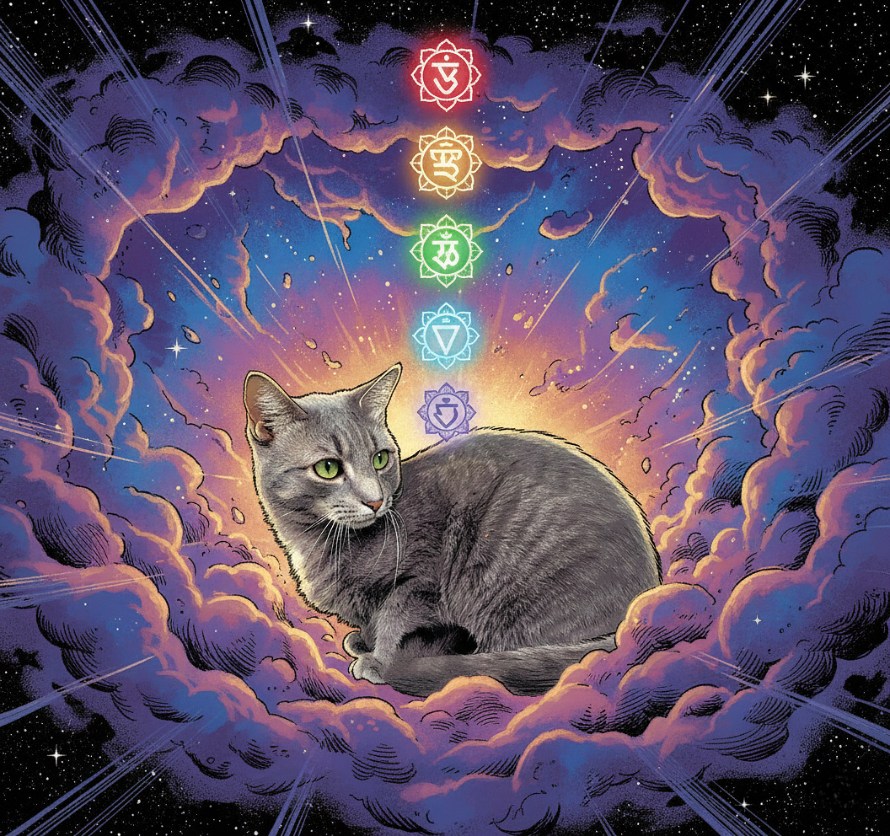
Buddy the Cat sits in a lotus position, whiskers relaxed, with a serene expression on his face.
“As we enter the quantum realm of the mind and traverse the sacred lacuna leading to the mysteries of the cosmos, let us allow ourselves to drift, to feel the subtle tug of gravity asserting itself upon our quantum existences, so that we may reach simultaneous quantum enlightenment within the subatomic and macro universes,” Buddy says softly as a room full of his disciples imitate his posture.
Suddenly the chubby cat opens his eyes, scanning the room.
“And now the time has come,” he says, “for a quantum nap. Who would please the spirit of the cosmos by providing a suitably soft napping substrate?:
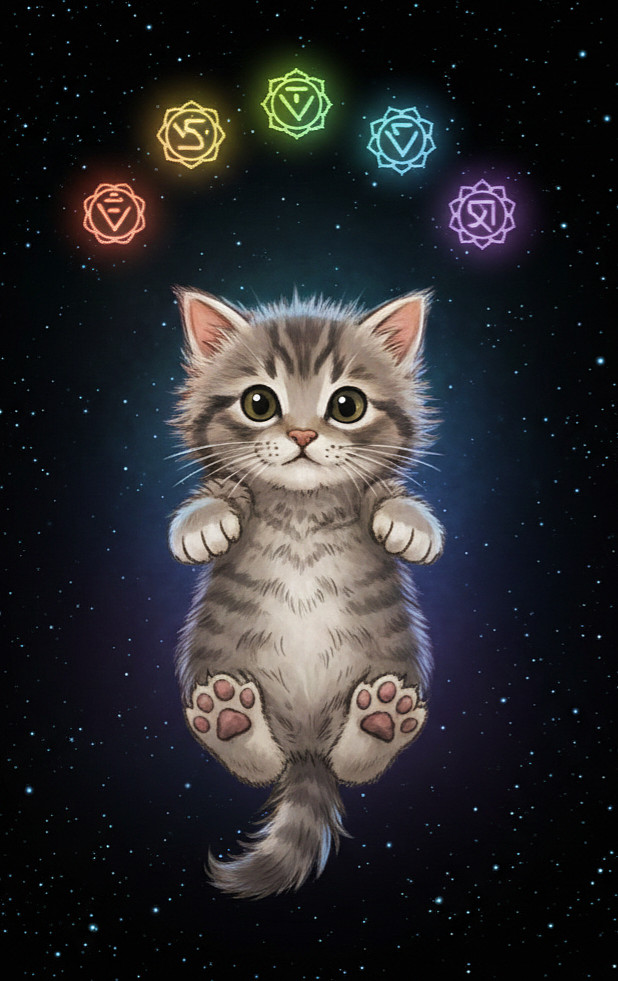
Buddy regains his kitten form after communing with the quantum alchemists of Epsilon Eridani, who grant him special powers after circumambulating a triple star system within a quantum starship and stuff.
Every hand shoots up, with disciples — or “quantum mignons,” in Buddesian parlance — begging to be chosen.
The guru pads along the rows of disciples, wrinkling his nose to “discern the most comfortable chakras,” before settling in the lap of Maelle, a 20-year-old exchange student from France.
“I feel so blessed to be chosen,” she confesses as Guru Buddy climbs into her lap.
“I shall meditate,” Buddy tells her with a yawn, “upon your anima as the soothing stillness of sleep embraces me, fortifying your spirit with an increase in your alpha quotient.”
“And remember,” Buddy says, “should you feel the call of nature or the need to adjust your position, meditate upon your quantum quantumness to fortify your, uh, quantums so you don’t disturb me.”
The tabby cat settles down, then opens one eye.
“I almost forgot,” he says, raising his meows so all can hear him. “Please prepare my post-nap feast, for the quantum processes of my restorative beauty sleep make me famished. Serving me delicious food is most pleasing to the cosmic pantheon. I shall now spirit-walk the galactic plane and commune with the ancient alchemists of Epsilon Eridani to probe the mysteries of dark matter and KFC Extra Crispy. Can someone bring me a quantum pillow?”
I expected something truly extravagant when a reader wrote to Slate’s advice column to say she was considering doing something “wildly elitist” involving her cat.
What could it be? I wondered. Pure gold or silver eating and drinking bowls, a la Choupette? A fashionable $600 pet stroller like the young, childless women of Tokyo favor for their felines? Feeding premium meat from the butcher exclusively to her cat?
None of the above, it turns out. The allegedly “wildly elitist” thing this woman was deliberating was simply paying a veterinarian to have dental work done on her cat, with costs estimated at between $800 and $2,000, depending on the extent of the kitty’s cavities.
To make matters even stranger, the letter writer says the cost won’t be a financial hardship for her family. Their cat is only three years old, she notes, and the family has had him since he was found on the street as a kitten.
“I guess I didn’t think that part of taking him in would entail thousands of dollars to keep him alive at this stage of the game,” she wrote. “At what point do people draw the line on what it costs to save a cat’s life?”
Credit: Wikimedia Commons
The writer was essentially looking for “permission” to have the cat put down, for Slate’s advice columnist to virtually pat her on the head, say “There, there!” and agree that taking care of your own cat is “wildly elitist.”
Thankfully, Slate columnist Athena Valentine was having none of it, telling the woman seeking advice that “when you adopt an animal, you take financial responsibility.” Spending money on veterinary care when needed, Valentine noted, is “exactly what you signed up for” by adopting the little guy. A cat who, by the way, could easily live another decade at least.
“If you do not want to pay for your cat’s treatment, please surrender him to a rescue that will,” Valentine wrote. “The rescue will raise the funds you do not want to part with to pay for his teeth and will then adopt him out to a new home that understands the responsibilities of pet ownership. I also advise you to not adopt any more animals until you’re fully ready to accept the financial obligations that come with it.”
Cheers to Valentine for not taking the bait.
Do your feline overlords use their own beds?
One of the first things I bought for Bud, along with his litter box, bowls and toys, was a bed. It’s nothing extravagant, but it does look pretty comfortable.
He has never used it.
Or rather, he lounged on it a handful of times when he was a kitten, but he claimed my bed as his own. He was very clear on the new ownership situation, and generously allowed me to continue sleeping on my his bed as long as I accepted the fact that he would use me as a pillow, which he has been doing for more than a decade now.
A Newsweek story details the efforts of a woman who bought her cat a new bed, hoping he’d let her sleep at night, only for the feline overlord to drag his new bed onto her bed. Essentially, she bought him a new pillow.
Do cats ever do what we want them to? That’s a rhetorical question, by the way.
A cat whose fantasy soccer team ranked 222 out of 13 million players
At The Athletic, Conor Schmidt writes about creating a fantasy football (soccer) team for his cat, and letting the little guy choose who to draft and trade by writing the names of players on a dry erase board and putting treats next to each name. The first treat his cat goes for is the one whose associated player is dealt or drafted.
He says his cat reached an astonishing world ranking of 222 out of almost 13 million players on the same platform worldwide, which means either the little dude has incredible luck, or he’s a genius who knows a lot more than he lets on.
Maybe I should register a fantasy basketball or baseball team for Buddy, smear turkey gravy next to players’ names, and see how he does.
Popularized by celebrities like Taylor Swift and online “influencers,” the breed cats have cute features but also suffer from chronic health problems.
Lots of people think breed cats are the product of fine pedigrees, the result of careful breeding to produce “superior” cats, like some sort of feline genetic aristocracy.
The truth is a lot less glamorous. So-called pedigree cats are the result of relentless breeding and inbreeding, often by people who know nothing about genetics, for a single purpose: magnifying a particular aesthetic quality, like a coat pattern, ear shape or flattened head.
Because the breeding pairs are selected for aesthetic characteristics only, without consideration for anything else, breed cats are often at higher risk of certain types of diseases or physical problems.
Persians, with their flat faces, often have problems breathing. Bengals are known for heart problems and a tendency to suffer from kidney stones. Ragdolls are prone to heart disease. Munchkins, with their unnaturally stubby legs, often have joint problems and quality of life issues.
The heartiest, healthiest and most long-lived cat is the “plain” old domestic moggie, proving that human-directed breeding has nothing on the designs of evolution and mother nature.
In the Netherlands, two breeds with chronic health problems have become especially popular thanks in large part to social media influencers who show off their pets.
As a result, Dutch legislators passed a law making it illegal to buy or own Scottish fold and sphynx cats. The legislation was hailed by veterinary groups, who noted that their members know better than anyone how much cats can suffer from chronic problems like arthritis, heart disease and susceptibility to infection.
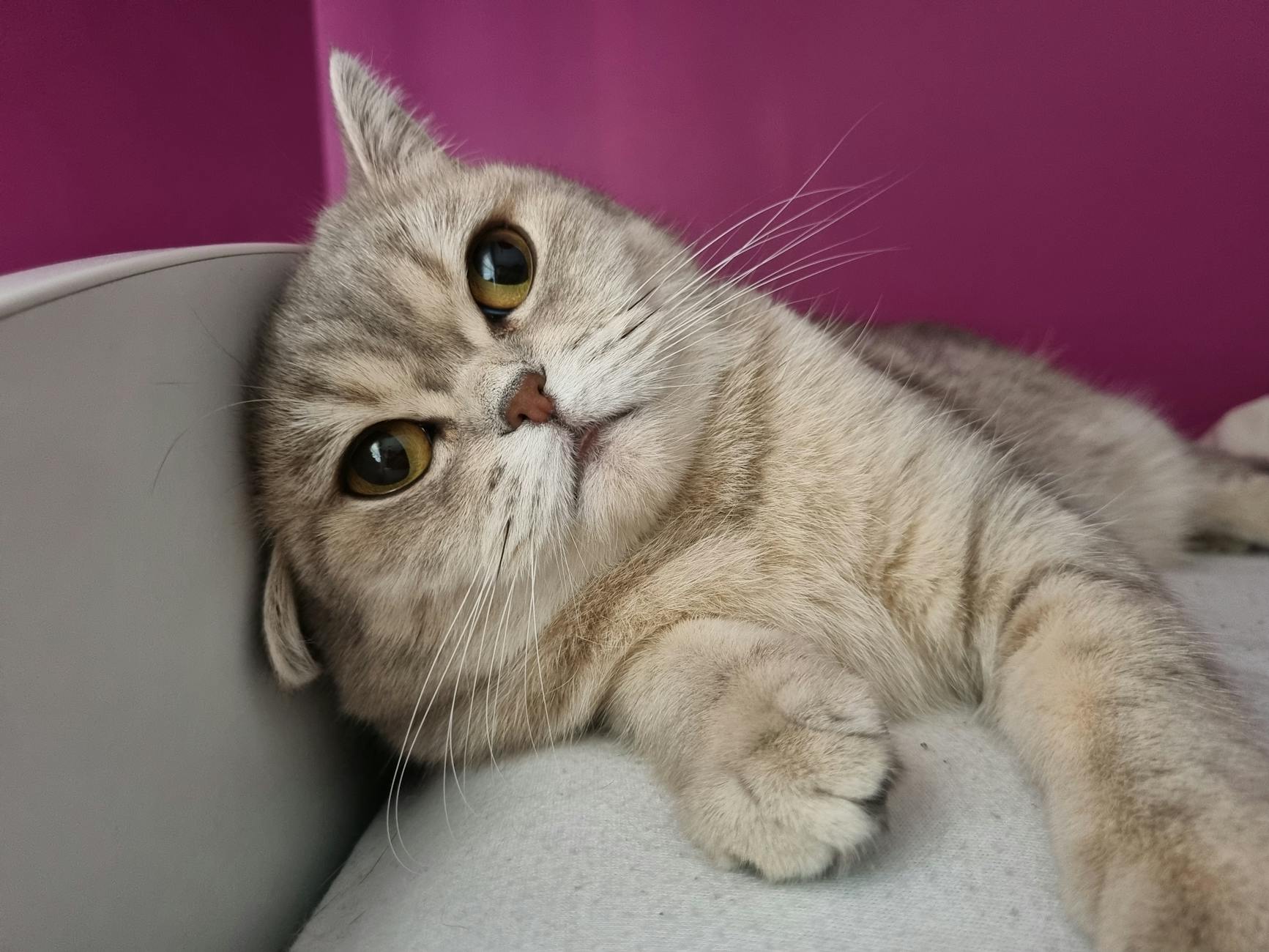
A classic Scottish fold with floppy ears. Credit: Mina Bau015fer/Pexels
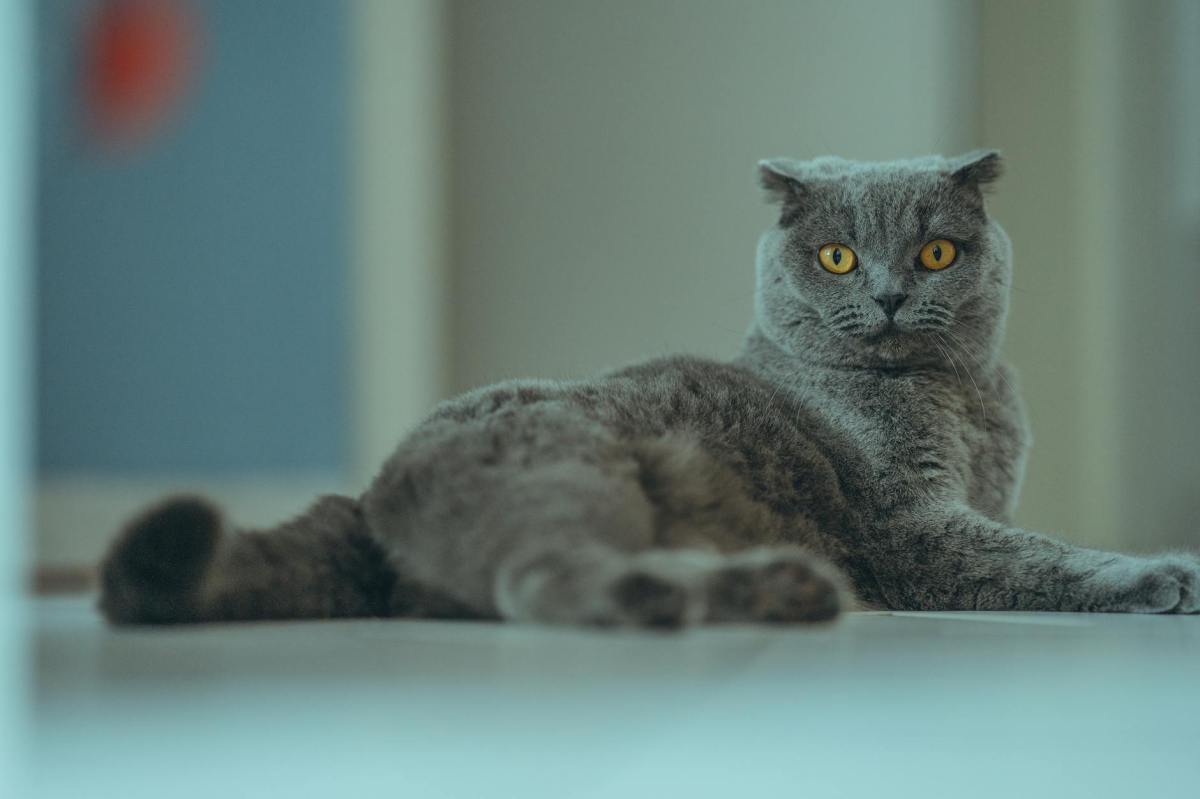
The former is a classic example of breeding to emphasize a”cute” feature without regard for the consequences. Lots of people think Scottish folds are cute because they have floppy ears like puppies, which amplifies their natal features. But the same genetic mutation that weakens the cartilage in their ears also weakens cartilage and bones in the rest of their compact bodies. As a result, Scottish folds not only regularly suffer arthritis and joint deformities, they begin to suffer from those conditions well before old age.
Taylor Swift is the most well-known fan of the breed, and its popularity skyrocketed as her two Scottish folds, Meredith Grey and Olivia Benson, have been frequently pictured on the singer’s Instagram feed. They’ve starred in her music videos, accompanied her on tour and appeared on magazine covers in her arms and perched on her shoulders.
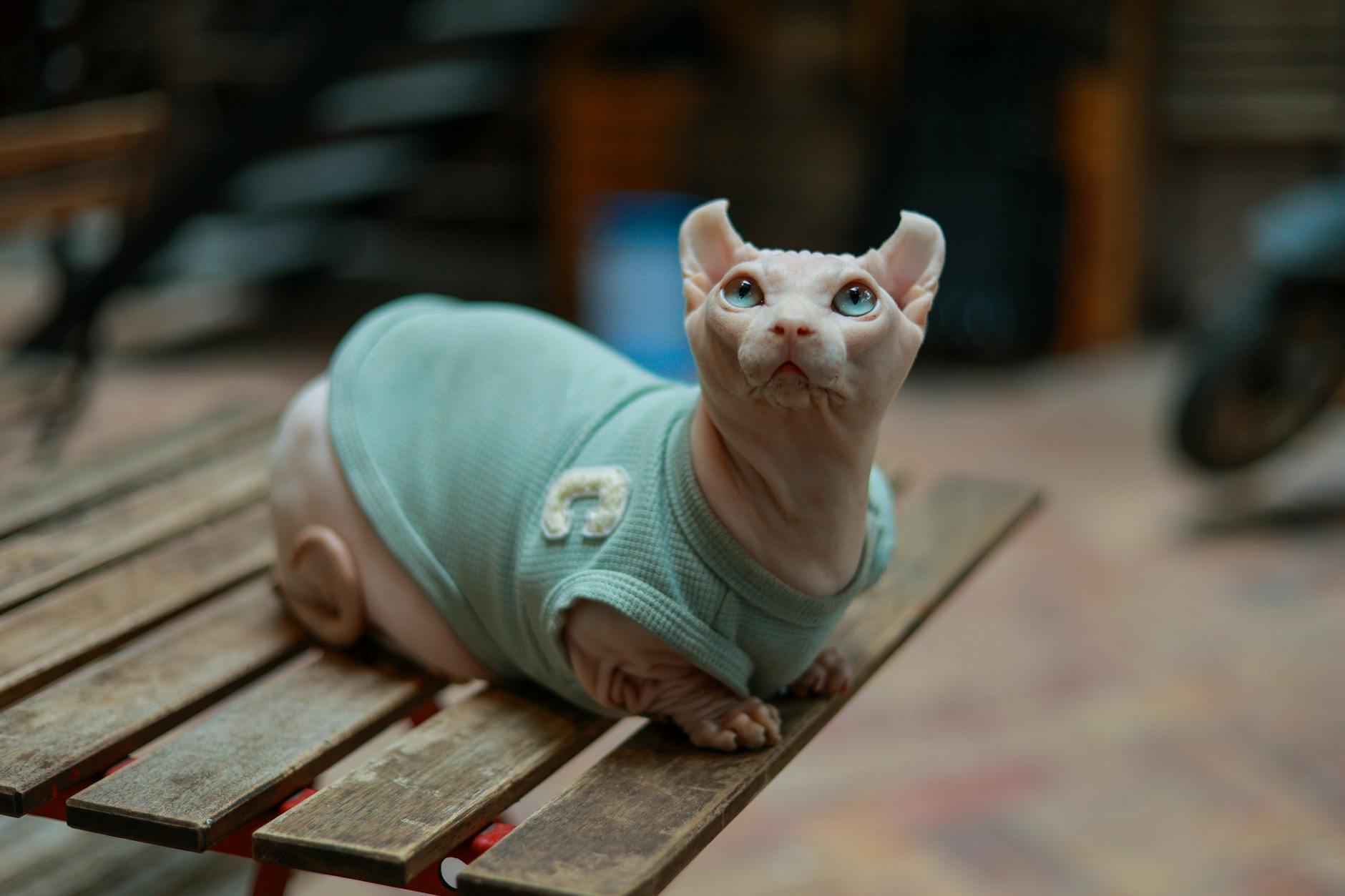
Sphynx cats have their own unique set of problems. Like several other breeds, sphynxes are more susceptible to heart disease, and their most recognizable trait, their lack of fur, is the source of most of their maladies. Sphynxes are more sensitive to cold and can’t regulate their body temperatures as well as other cats. The many folds in their skin make them vulnerable to dermatitis and fungal infections.
Sphynx cats are often seen bundled up because they have difficulty regulating their body temperatures. Credit: Nguyu1ec5n Thanh/Pexels
Previous attempts to curtail the popularity of sphynxes and Scottish folds had little impact, so under the new law it is illegal to buy, sell, breed and import felines of those breeds into the Netherlands. The previous law had severely curtailed the domestic breeding of Scottish folds and sphynxes, but did not make a dent in ownership rates as people elected to buy them from other European countries and “import” them.
People who already have cats of either breed will not have to surrender them. They will be grandfathered in, but they’re required to register their cats and have them microchipped, which the government hopes will stop people from reselling them.
“Animal welfare is my top priority,” said Jean Rummenie, the country’s agriculture and nature secretary. “It is important that cats do not suffer unnecessarily because of their physical traits. This ban allows us to prevent such suffering.”
Do you think the Netherlands made the right call here? Should the US, UK and other countries ban breeds that suffer from chronic health problems?
Your cat may mean the world to you, but in American courts she’s no different than a TV or an air fryer.
With a quick resolution to a UK cat theft that made international news, it’s become clear that our friends across the Atlantic are way ahead of us in crafting laws that protect animals.
In the US, the legal system views pets as property. You can see the vestiges of our agricultural past in the way animal-related crimes are categorized. Here in New York, they’re found in Agriculture and Markets law, not the state penal code.
The former was written to handle things like compensation for killed or stolen livestock, not to recognize the emotional damage a thief does to both the person and pet when they’re separated.
Today laws forbidding puppy mills and defining the responsibilities of municipal pounds are lumped in with legislation governing things like farm fencing and how horses may be tested for performance-enhancing drugs ahead of county fairs. It’s archaic, confusing and limits the legal consequences for mistreating pets.
Credit: Breno Cardoso/Pexels
That means the penalties for stealing someone’s beloved dog or cat amount to a slap on the wrist. Your cat may mean the world to you, but in the eyes of the court she’s worth the $175 fee for adoption and shots you paid to a shelter.
That’s also why police enforcement is a crapshoot. If someone makes off with your furry friend, you might get lucky when you find out the local sheriff loves his dogs dearly and makes sure animal-related crime is taken seriously.
Or you might get a desk sergeant who thinks you’re wasting department resources, glowers at you from behind the desk as you submit your report, and leaves it in a pile with other things he believes are beneath the dignity of real police.
It’s easy to blame the police, but their attitudes are impacted by the outdated laws and a society that hasn’t caught up. SPCA law enforcement officers are often treated like Ace Ventura with a badge, and police agencies are reluctant to devote significant resources to cases that will amount to misdemeanor charges, which can be pleaded down further in court.
Credit: Alexandros Chatzidimos/Pexels
Compare that to the West Yorkshire police, who launched an investigation when security camera footage showed an Amazon delivery driver stealing a family’s cat a week ago. Happily the feline has been reunited with her people and is back home, but neither the driver nor the company are off the hook, as the police still have an active investigation.
In the UK, courts take animal-related crimes seriously, and so do the police. That’s because of several important pieces of legislation, starting with the Animal Welfare Sentience Act of 2022.
The law finally frees cats and dogs from any remaining association with property laws. Instead they’re viewed as what they are, sentient creatures who have their own feelings. It also recognizes animals like the octopus, which can be startlingly intelligent.
That opens the door to legislation like the Pet Abduction Prevention Act of 2024, which takes into account the trauma to the human and animal victims. Both dogs and cats are likely to be deeply confused and distressed at being taken from their people, and cats in particular don’t do well when removed from their territory.
When a judge sentences a person for, say, stealing a family’s beloved senior dog, he can take into account the stress both the family and dog endured, and the disruption to their lives. When a couple breaks up and both sides fight over a cat, the judge can base a decision at least in part on what’s best for the kitty.
You can’t do that when a law says the animal in question is no more important than a toaster.
The 2024 law cited more than 2,000 dog abductions and more than 400 cat thefts in 2020, and it has legal teeth — judges have discretion to put convicted pet thieves behind bars for as many as five years.
American lawmakers should take a look at how things are done across the pond. At a time when rancorous politics and divisive ideology stains almost everything, this is an opportunity for legislators of all ideological stripes to work together, earning a win for themselves, and most importantly, for animals.

 Pain In The Bud