Beware Of Cat!

Want to dissuade criminals from targeting your home but can’t afford a fancy security system? A warning sign featuring Buddy’s terrifying visage will do!

Times are tough, everyone’s feeling the squeeze, and criminals are more motivated than ever to target homes that may have valuables in them.

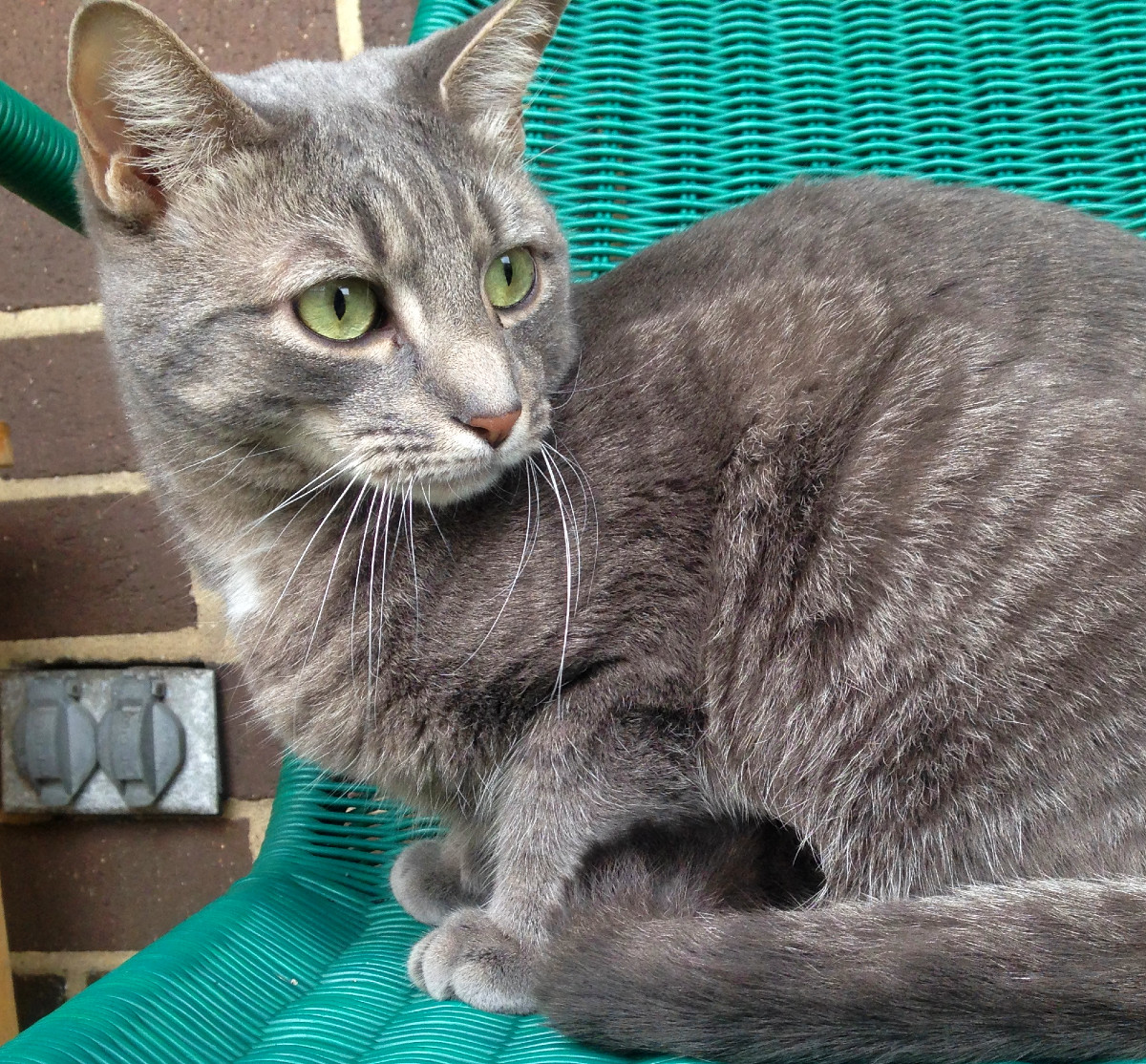
That’s why Buddy, in the spirit of altruism (and the guarantee of extra turkey) agreed to lend his fierce likeness to the below poster. According to the Buddinese Center For Criminal Justice, homeowners who display this “BEWARE OF CAT” sign are 99% less likely to be the victims of home robbery or burglary, as criminals will simply move on to a home that isn’t protected by an intimidating, extremely ripped feline:

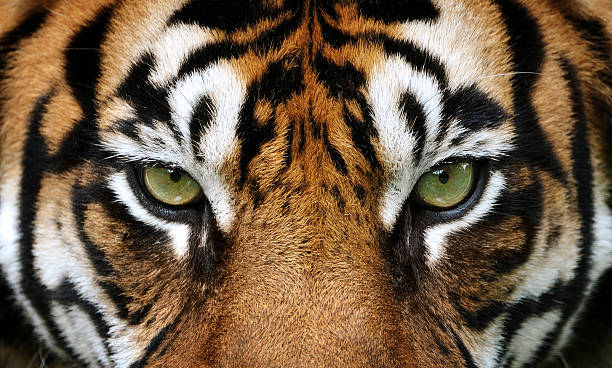
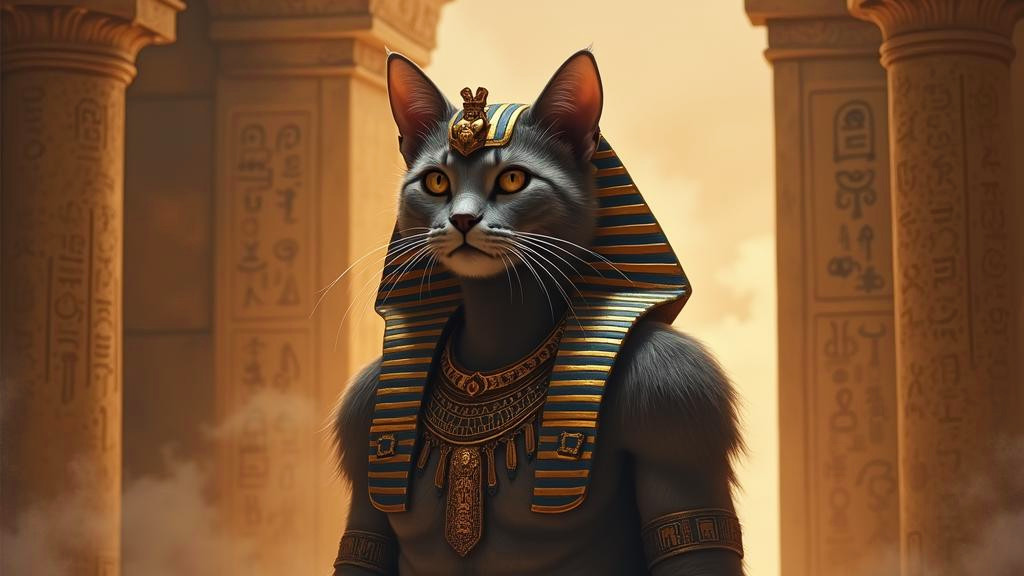
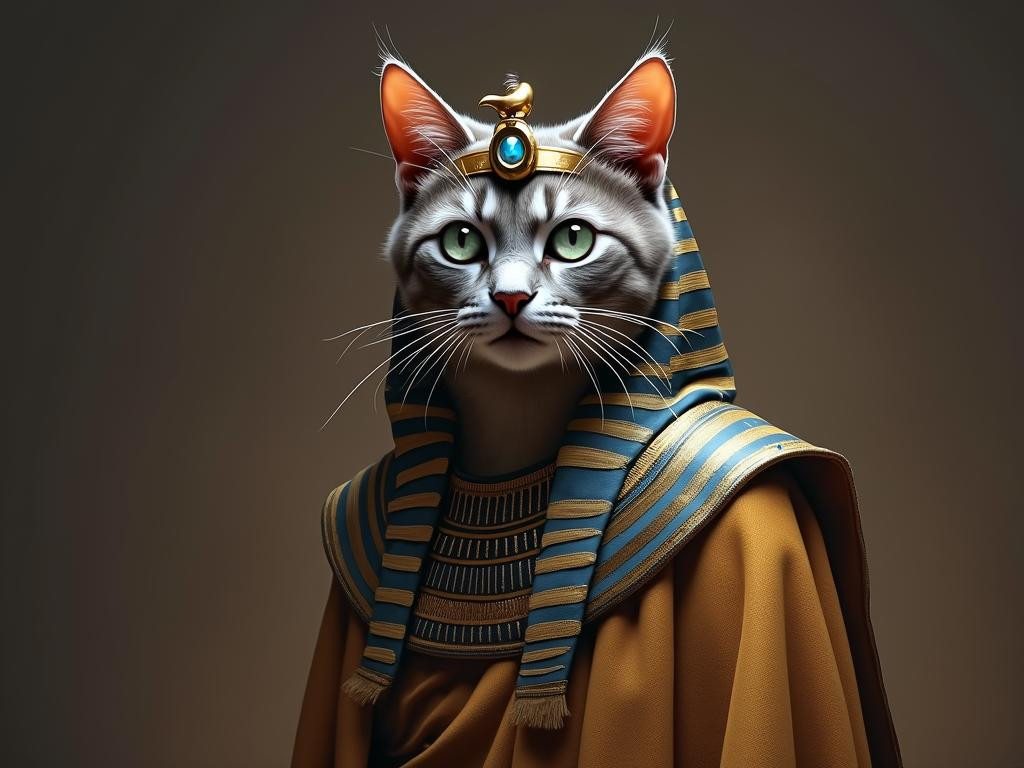
Alternate version with even more intimidating image of feline protector:

What’s Good About Having A Pet? Everything!

Animals are a real source of joy in this world, and few things are better than cozying up on a couch with a book and a purring cat in your lap.

Daily writing prompt
What is good about having a pet?

For more than two weeks after adopting him, I still didn’t have a name for my cat.

I imagined something badass, something funny, something better than all those boring pet names. But the playful, energetic, bold little kitten in front of me was no Brasidas (my favorite Spartan), Mo (my favorite pitcher) or Timothy Cavendish. (My favorite character from David Mitchell’s Cloud Atlas.)

So I kept calling him buddy while I waited for something to come to me, and then it became obvious: He is Buddy.

Original? Nah. But it describes him perfectly, and to me that’s the best part about adopting him, my first-ever pet.

We’re pals. Amigos. Chums. Accomplices. Buddies.

Buddy as he exists in his mind!

I don’t consider myself his “dad” even though I have parental, protective feelings for him. He’s my buddy who wants to be involved in everything I do, whether it’s helping me greet trick-or-treaters at the door like he did last night, batting a paw at my guitar strings to add his special touch to my recording takes, or just hanging out while I’m reading.

I knew it intuitively, but the best advice I ever got was to always remember your little friend, be it a cat or dog, has his or her own feelings.

There’s a lot of confusion around the word sentience and people often confuse it with the concept of sapience, but there is no doubt about it: mammals like cats and dogs, avian species like corvids (ravens, jays, crows and magpies), and even cephalopods like octopus are sentient.

They think. They feel. They experience emotions like joy, sadness, excitement, anxiety, love, loneliness and more, just as intensely as we do. They may not be able to articulate those feelings in words, but they’re real.

More than half a century’s worth of science has confirmed that fact at every step, and we continue to learn more about animal cognition with every advance in technology that allows us to peer deeper into their minds.

Awww, he tolerates me!

When you treat your pet with respect and keep their feelings in mind, you’ll have a friend for life.

A loyal friend whose love comes without condition.

A friend who won’t lie to you…except maybe when it comes to food. After all, Bud could win an Oscar for his role as a starving cat, even though a single glance at him confirms he’s never missed a meal.

If you’re where I was years ago and considering bringing a pet into your life, ask yourself if you’re ready for a commitment that could last two decades, if you’re ready and motivated to give an animal not just a forever home, but the best life the little one can live.

Remember that kittens and puppies grow up fast, and think about whether you’d rather have a whirlwind of energy who will wreck your sleeping habits for months, or an adult furball who is much more chill. Remember that you will have to do things you don’t like, whether it’s scooping a litter box or bagging poop on a walk. There will be expenses, scares, the occasional puked-on rug.

But the joy you’ll get, and the friendship you’ll have, will make it all worth it.

And if you’re sure, find yourself a buddy at your local shelter. Your life will be better for it.

P.S. If you’re a fool like me, you can also have fun imagining your cat or dog in absurd scenarios based on their personalities.

Were Cats Really Domesticated By The Egyptian Cult Of Bastet?

While the sensational claims have spawned headlines around the world, a closer examination raises more questions.

According to dozens of articles, a pair of new studies throws doubt on the commonly-held view that cats self-domesticated 10,000 years ago by helping themselves to rodents invading human grain stores.

The conventional wisdom for some time has been that house cats are the domesticated ancestors of felis sylvestris lybica, the African wildcat. Their genomes are nearly identical, it’s often difficult even for experts to tell the species apart, and they’re much more tolerant toward humans than the comparatively hostile felis sylvestris, the European wildcat.

But two new papers are raising eyebrows for their fantastic claims that feline domestication was actually human-driven and began about 5,000 years ago in Egypt.

Specifically, the papers claim cats were sacrificed en masse by the cult of Bastet, an Egyptian feline goddess, guiding the species toward domestication in a way that doesn’t quite make sense with what we know of evolution.

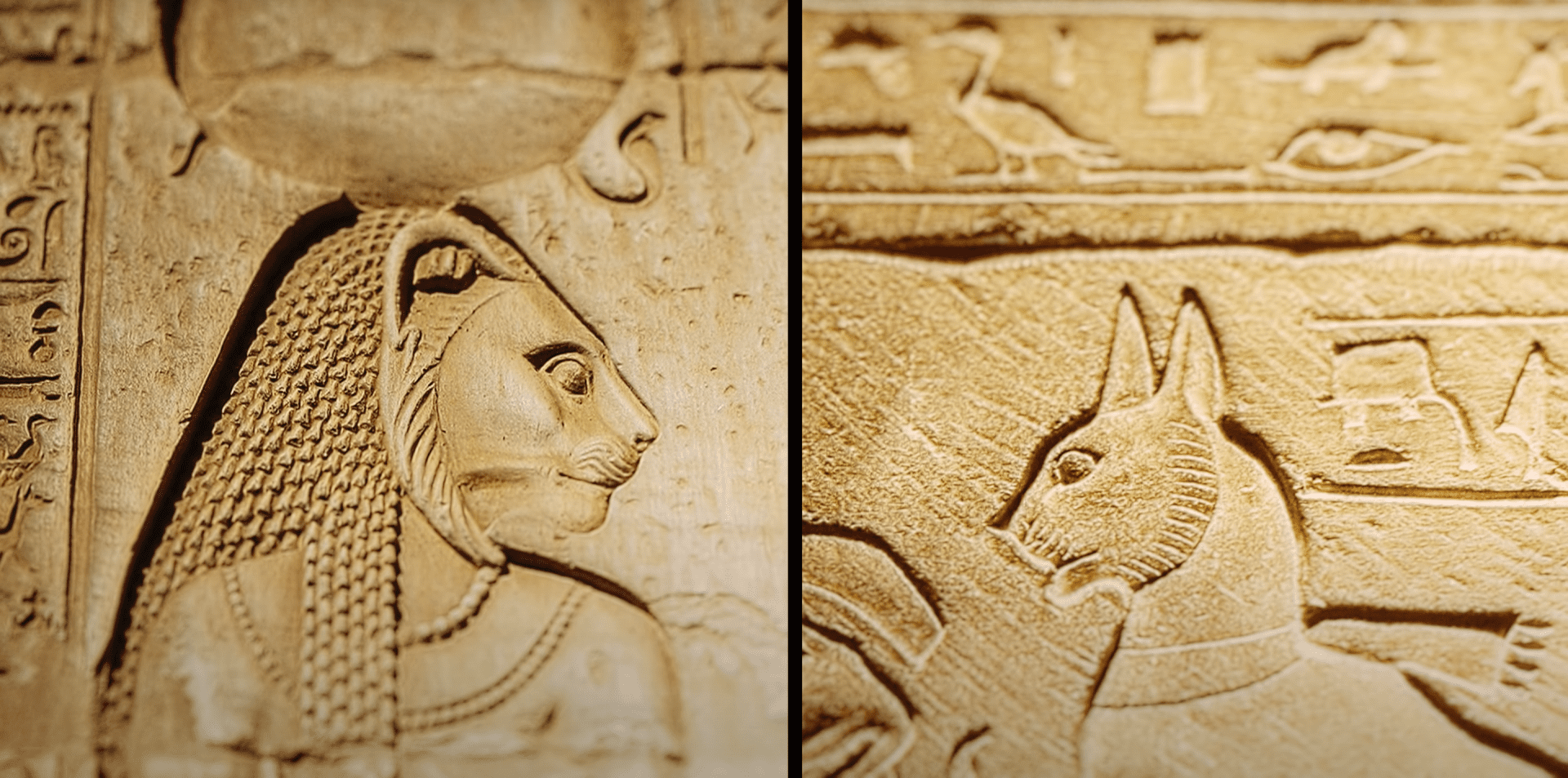
Bastet was originally depicted with the head of a lion, but the imagery around her evolved as she became a more prominent deity in the Egyptian pantheon. Later glyphs depicted her with the head of a domestic cat or African wildcat.

There are two main elements to the new claim:

  1. The earliest grave in which a cat was buried with a human was dated to about 10,000 years ago, and was found in Europe. But an analysis of the cat’s remains indicate it had DNA somewhere between a wild cat and a domestic feline. That, the authors claim, throws into doubt the idea that cats drifted into human settlements, drawn by the presence of rodents.
  2. If domestication was closer to 5,000 years ago, that would coincide with the rise of the cult of Bastet, the Egyptian cat goddess, around 2,800 BC.

Instead of the feel-good, fortuitous sequence of events the scientific community has accepted as the likely genesis of our furry friends, the authors of the new papers claim aggressive and fearful traits were essentially murdered out of the feline population by Bastet cultists who sacrificed cats in large numbers and mummified their corpses.

Neither paper has been peer-reviewed yet, and experts on ancient Egypt, genetics and archeology have already begun pushing back.

The new timeline, they say, doesn’t quite add up, with cat mummies found throughout different periods in Egyptian history, not just during the height of Bastet’s popularity in the Egyptian pantheon. Bastet’s popularity came approximately 700 years later than the authors claim the sacrifices began, and early imagery of the felid goddess depicts her with a lion head. It wasn’t until later centuries that Bastet was represented with the features of a domestic cat.

The powerful Pharaoh Budhotep I, considered an apocryphal king by some, sent a fleet of ships to the Americas to bring back turkey, according to legend. Credit: The Royal Buddinese Archaeological Society

Separate from timeline concerns is the lack of historical evidence. Cats were revered in ancient Egypt, and while there are an abundance of cat mummies — as well as the mummified remains of many other animals — that does not mean the cats were ritually sacrificed.

Indeed, archaeological, hieroglyphic and anthropological evidence all show cats enjoyed elevated status in the Egypt of deep antiquity, long before the nation became a vassal state of the Greeks, then the Romans.

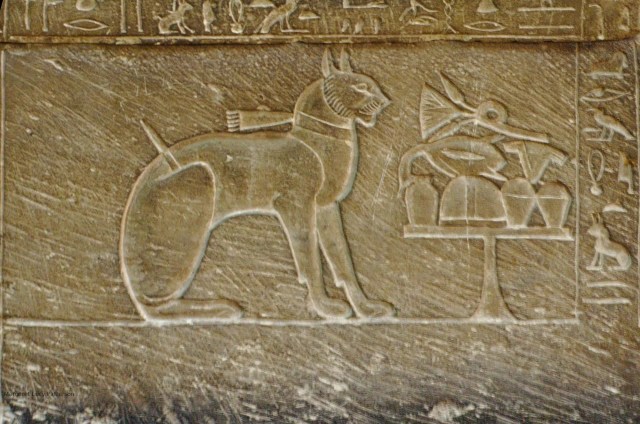
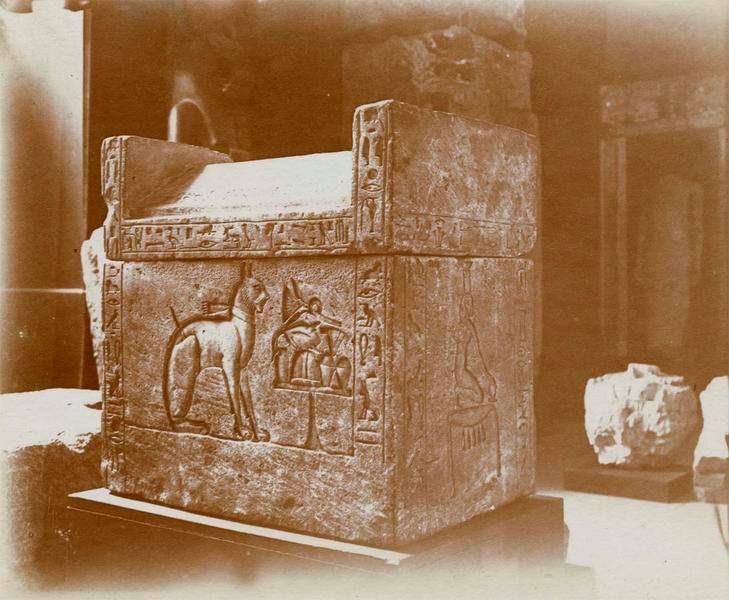
Cats were associated with magic, the divine and royalty, and cats who were the favored pets of Egyptian elites were given elaborate burials. Like Ta-miu, Prince Thutmose’s cat who is known for her grand sarcophagus decorated with images of felines and prayer glyphs meant to guide her to the afterlife.

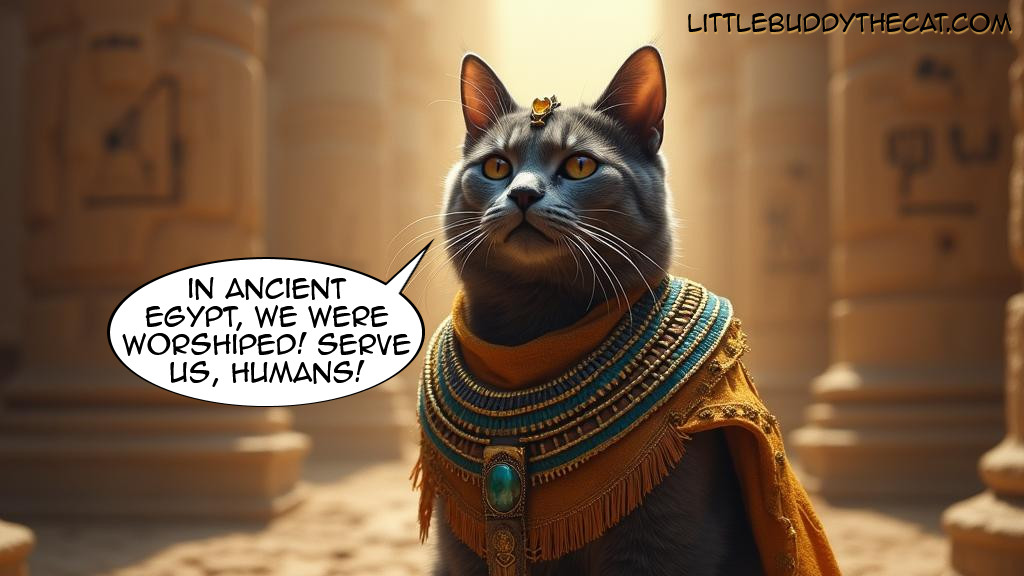
Cats were sacred companions to the Egyptians

When cats are found buried with humans, the more common explanation is that those cats were the pets and companions of those humans. If the authors of the two new papers want to prove their claim that cats were ritually sacrificed by the tens of thousands — slaughter on a scale that would influence evolution — they’ve got a lot more work ahead of them. (And the burden of proof rests squarely with them, as the originators of the claim.)

Not only does their research attempt to change the origin stories of kitties to an ignominious tale of human barbarity, if we take their assertions at face value, we’re talking about a case of “domestication by slaughter.”

While it may be true that the earliest evidence of companion cats outside of North Africa revealed hybrid DNA, that doesn’t cast doubt on the commonly-accepted view of feline domestication, it strengthens it. Domestication is a process that takes hundreds of years if not more, and it occurs on a species level, so it makes perfect sense that cats found in burial sites from early civilization would be hybrids of domestic and wild. Those felines were of a generation undergoing domestication, but not quite there yet.

A detail from the sarcophagus of Ta-miu, Prince Thutmose’s beloved cat.
Ta-miu, Prince Thutmose’s beloved cat, was buried in an elaborately decorated sarcophagus with glyphs and offerings meant to guide her to the afterlife. Thutmose, son of Amenhotep III and Queen Tiye, lived in the 14th century BC.

Killing off docile cats?

Which brings us to another significant problem with the claim: if the ancient worshipers of Bastet were selecting the most docile and easiest-to-handle wildcats for their sacrifice rituals, as claimed, then they would be influencing evolution in the other direction.

In other words, they’d be killing off the cats who have a genetic predisposition toward friendliness, meaning those cats would not reproduce and would not pass their traits down. It would have the opposite effect of what the papers claim.

So despite the credulous stories circulating in the press and on social media, take the assertion with a grain of salt. Something tells me it won’t survive peer review, and this will be a footnote about a wrong turn in the search for more information on the domestication of our furry buddies.

Cats would like human civilization to return to the good old days.

‘The Sexiest Beast Of Them All’: Buddy The Cat Joins OnlyFans!

Health authorities said thousands of female cats around the world fainted when they heard the news that Buddy the Cat is launching his very own OnlyFans.

After resisting calls from his admirers for years, Buddy the Cat has finally joined OnlyFans.

“It’s a dream come true,” said Nala, 5, a Burmese who describes herself as “Buddy’s biggest fan.”

Other felines posted celebratory messages online after the news broke, with most expressing an intent to subscribe to Buddy’s OnlyFans “no matter how much he charges.”

“A dollar a month, ten bucks a month, a hundred bucks a month, it doesn’t matter. It’s worth it,” said Penny, a puma who said she has posters of Buddy in her enclosure at a wildlife sanctuary. “Buddy is the sexiest beast of them all.”

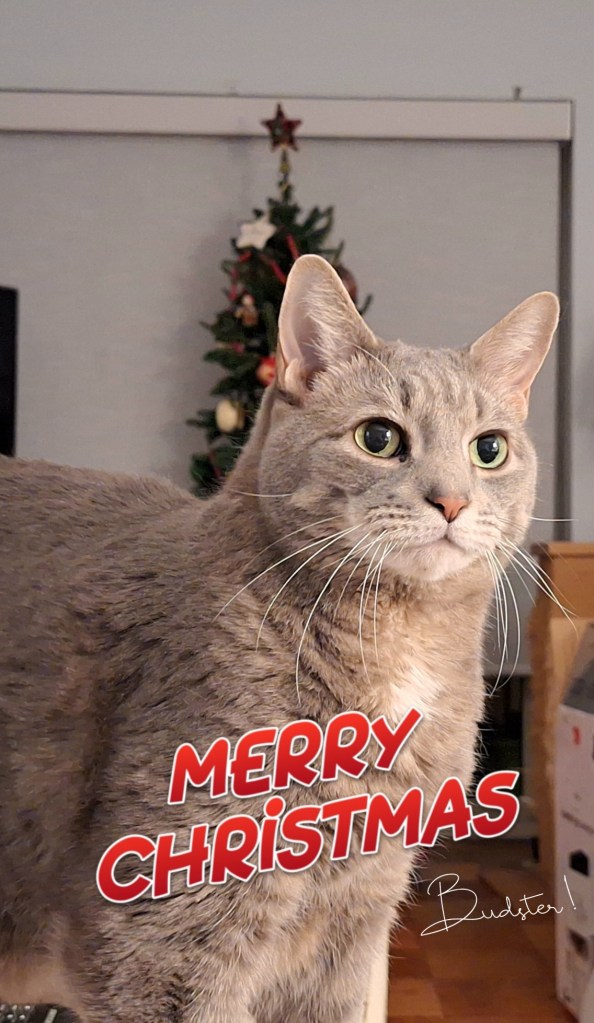
Buddy the Cat, a gray tabby cat, being handsome.
A sizzling snap of Buddy being sizzling for his new OnlyFans site.

Buddy’s new OnlyFans site promises “sizzling snaps of Buddy napping,” “hot photos of him yawning and stretching,” and regular videos of the mercurial tabby being handsome.

“Finally, my fans can get more Buddy without having to read that stupid blog my human writes,” Buddy wrote in his announcement. “It’s full of ridiculous slander, vile lies and claims that I’m wimpy when everyone knows I’m, like, brave and stuff.”

buddy_catpeople_edited

1735594107387

As of Friday, the new site featured a handful of clearly photoshopped images of the gray tabby with bulging muscles as he lifted weights, and a poorly produced video depicting the diminutive feline “ambushing” a stuffed alligator, with the sounds of a jaguar dubbed into the footage.

“Just catching me some lunch!” Buddy captioned the clip. “Us apex predators don’t eat from a can, we hunt our own meals.”

A gray tabby cat sits in a cardboard box.
Buddy the Cat poses in a box, striking a handsome pose as he gazes yonder.

There was no sign that questions about the veracity of the images bothered the egotistical feline’s admirers.

“OMG ADORBZ!” commenter princess2017 wrote.

“My handsome little prince!” wrote another poster, LioNeSS, who also added several heart and turkey emojis.

Soon after Buddy’s OnlyFans launch, it was announced that Smudge, his arch-nemesis, signed a deal to create a show about his life for Netflix. Titled “Smudge: New York’s Most Heroic Cat,” the series will “follow Smudge as he fights for truth and justice against the evil Dubby the Cat, a chubby gray tabby with an inflated ego.”

Amazing Cats: The Sunda Clouded Leopard

This singular species of wildcat exists only on two islands and has evolved to live a semi-arboreal existence deep in the jungle.

While tigers, lions and domestic cats are the stars of the felid world and command the lion’s share (pun intended) of the attention, even from cat lovers, there are obscure species living in far-off locations where they’re rarely glimpsed by human eyes.

There’s the fishing cat, the black-footed cat and the sand cat, and then there are species that are obscure even among the obscure. The Sunda clouded leopard fits into that category, inasmuch as the unique felid can fit into any category.

Like orangutans, the Sunda clouded leopard can be found in only two places in the world: the Indonesian islands of Borneo and Sumatra. They’re faced with the same existential threat that has pushed orangutans dangerously close to extinction, which is the relentless destruction of old-growth jungle to clear land for more palm oil plantations.

Sunda clouded leopard
The species has an incredibly long tail that can match or exceed the length of its body. The large tail is crucial in a jungle environment, where it acts as a counterbalance high above the ground. Credit: Panthera

Palm oil is coveted by multinational corporations in the food and cosmetics businesses, and it’s in everything from chocolate and instant noodles to lipstick and margarine, according to the World Wildlife Fund.

The problem with razing old growth jungle and forest is that it doesn’t just grow back. They’re extremely delicate ecosystems that have arrived at a natural balance over thousands of years, with every species of animal and plant contributing something vital to the vibrant tapestry of life the jungles host and support. You can’t just plant trees and usher animals to a new home. It would take hundreds of years for those new jungles to even superficially resemble the lifegiving old growth jungle.

There are heartbreaking images of shocked orangutans sitting in the ruins of their former homes, with nothing but the stumps of trees and dozer-trodden vegetation as far as the eye can see.

Those are the lucky ones. The loggers who work for massive multinational corporations aren’t bound by rules or ethics, and they won’t wait for animals to clear out before they destroy.  They often shoot orangutans on sight regardless of whether the animals are carrying young.

Baby boot camp
Roux, a baby orangutan in a “boot camp” for orphans, learns how to walk. Credit: Phys.org

That’s the primary reason why Borneo and Sumatra are now home to entire academies for orangutan orphans, who spend at least eight years learning how to fend for themselves with the help of specialists who teach lessons that would normally be taught by the orphan orangutans’ mothers. They include the very basics, like how to move and climb through the jungle, as well as crucial information such as which berries to avoid while foraging.

While there’s no “academy” for clouded leopards and the felids are more adept at avoiding human wrecking crews, they’ve suffered the same fate as orangutans when it comes to dwindling jungles.

This is the situation Sunda clouded leopards find themselves in, so when a trail camera recently captured footage of a mother and her two cubs, conservationists were thrilled.

The footage comes from camera traps belonging to the Orangutan Foundation, and it’s the first time anyone’s managed to obtain video of the Bornean clouded leopards with cubs in tow. The brief video shows the little family bounding through the jungle. They quickly move past the camera, but not before one of the cubs stops to look right at it with typical kitten curiosity.

Sunda clouded leopards are extraordinary cats. Size-wise, they are firmly in the “medium size wildcat” category, with males weighing about 50 pounds. Despite that, they are members of pantherinae, the genus of big cats, having diverged from a common ancestor shared with tigers, leopards, lions and jaguars.

As further proof of their in-between status, Sunda clouded leopards can neither purr nor roar. Typically, each species of felid can do one or the other. Even the species’ scientific nomenclature, neofelis nebulosa, references its intermediate status. (If you encounter alternate taxonomy for them, it’s because the clouded leopards of Borneo and Sumatra are considered distinct subspecies.)

“Due to a different bone structure in their neck, the clouded leopard cannot roar like the larger cats, but also cannot purr because it lacks the fully ossified hyoid bone that allows small cats this ability,” the Smithsonian National Zoo’s keepers explain.

Sunda clouded leopards have several unique adaptations that allow them to thrive in arboreal environments. Their massive tails act as crucial counterweights, allowing them to traverse branches high above the ground without falling. Their paws and paw pads are specialized for gripping tree branches, and their ankles can articulate in ways other felid ankles cannot, allowing the jungle-dwelling wildcats to descend from trees head-first.

Domestic cats infamously lack this adaptation, which is why firefighters are also part-time cat rescuers, coaxing the terrified little ones down from trees, utility poles and rooftops.

sundacloudedleopard
Credit: Panthera

The clouded leopards of Borneo and Sumatra are also undeniably cute. People have noticed, which is why one of Google’s auto-complete suggestions for Sunda clouded leopard suggests the word “pet” as an addition. It’s okay to fantasize about having a clouded leopard buddy, but in addition to the fact that they are endangered, they’re also wild animals.

Consider the fact that across the estimated 200,000 years of our species’ existence, homo sapiens have domesticated precisely one felid species, and even that’s not entirely accurate. Felis catus played just as much of a role — and arguably more — than humans did in their own domestication. As predators and obligate carnivores, they are unique among domestic animals, and it took and equally unique set of circumstances to bring cat and man together.

Instead of lamenting the fact that Sunda clouded leopards can’t be pets, we can admire them in the best way possible, from a distance, while helping ensure the survival of this extraordinary, distinctive species by donating to groups like Panthera, the WWF and Global Conservation.

Previously:

Amazing Cats: The Mysterious Marbled Cat
Amazing Cats: The Rusty-Spotted Cat
Amazing Cats: ‘He Who Kills With One Bound’
Amazing Cats: The Puma