‘Swift And Lethal’: Cats Have No Defense Against Bird Flu, And It Keeps Showing Up In Their Food

Bird flu is killing cats domestic and wild, in captivity and in nature. Experts are sounding the alarm, warning people not to feed their cats raw food, allow them to drink milk, or let them roam outside where they can easily catch the virus by going after small prey.

Highly Pathogenic Avian Influenza, the clinical name for bird flu, is a danger to all animals, but for cats it’s a virtual death sentence.

Only a handful have survived infection thanks primarily to early diagnosis, intervention and round-the-clock veterinary care. In the vast majority of cases, the virus burns through its feline victims in three or four days.

Bird flu has become even more deadly for felines of late. Of the 126 domestic cats killed by H5N1 since 2022, according to the US Department of Agriculture, half of them have have died in 2025 — and it’s only been three months.

Notably, that total doesn’t include captive wild cats and big cats, such as the 20 pumas, bobcats, tigers and other felids who succumbed to the virus at the Wild Felid Advocacy Center, a sanctuary in Washington state. Nor does it include cats living in the wild, like two pumas in the same state that died in December.

To appreciate the true scope of the problem, the more illuminating statistic may be 82 million, which is the number of chickens “culled” — killed — in the US since 2022 because they were infected or raised at facilities where other birds tested positive for the virus.

Factory farming compounds the matter: more than 1.6 million egg-laying hens and 337,000 “pullets” — chickens less than a year old — were “depopulated” at a single facility in Texas last year. As staggering as those numbers are, Texas’s Department of Agriculture noted the figure merely “accounts for approximately 3.6% of the company’s total flock.”

Per the USDA:

“To provide context on the overall size of the U.S. poultry flock, there are more than 378.5 million egg-laying chickens in the United States. In 2023, more than 9.4 billion broiler chickens and 218 million turkeys were processed in the United States.”

If there ever was an example of putting too many eggs in one basket, this is it. American food supplies are vulnerable with so much concentrated in the hands of so few companies, a lesson the general public is learning the hard way now after eggs peaked at record prices last month. Things have cooled off a bit since then, but shoppers aren’t getting any benefit as grocery chains continue to charge a premium: the nationwide average for a dozen eggs was $5.90 in February, but stores in some states are still charging $10 or more.

It also raises questions about the sustainability and ethics of eating animals. Humans slaughter more than 75 billion chickens every year, and projections indicate there will be three billion more of us by the mid-2080s.

Meat from infected chickens can still end up in your cat’s bowl

Media reports about culling give the impression that those birds are removed from the food chain, but that’s not entirely true. The pet food industry has always cut corners by harvesting meat not fit for human consumption, a category that includes everything from the carcasses of sick animals, to “meat by-products” that can include beaks, hooves, eyes, hearts and other organs.

So while the culled chickens won’t show up in shrink wrap at the grocery store, they are making it into the pet food supply chain. Most pet food is “rendered,” cooked at such high temperatures that potential pathogens have been destroyed.

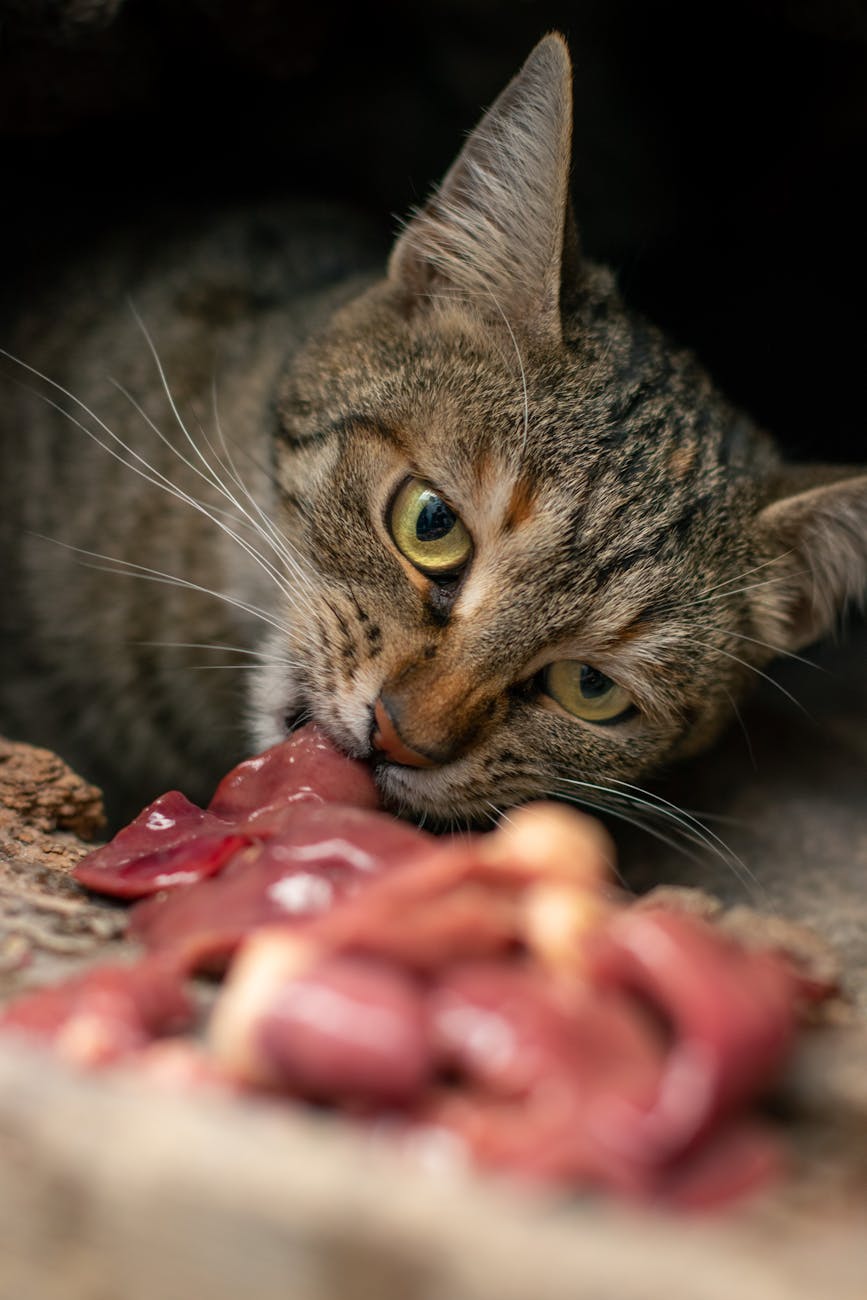
But an increasingly bigger slice of the market has been claimed by companies selling “premium” raw food — and that’s been the primary infection vector for domestic cats, particularly indoor cats who otherwise would have little or no exposure to the virus. (Cats who spend time outdoors can catch bird flu by preying on infected animals, just as wild cats do, and barn cats have caught it by drinking the milk of infected cattle.)

Cats are mostly lactose intolerant, and should not be given cow’s milk, despite the common misconception that it’s healthy for them.

“The animals that were depopulated could potentially have ended up in the food chain for pets,” Laura Goodman, an assistant professor at Cornell University’s Baker Institute for Animal Health, told NBC News. “It’s not uncommon for substandard meat to end up in the pet food chain.”

That’s what happened to Tim Hanson’s beloved cat, Kira, who died in February after eating raw food from a company called Wild Coast. The company has recalled the product, Boneless Free Range Chicken Recipe. It’s one of four recalls in the last month alone.

Hudson is suing Wild Coast for the veterinary bills — about $8,000 — and said he was devastated that Kira, whom he called “the happiest cat,” is gone. He said he thought he was doing right by her by feeding her the expensive raw food, but now urges people to avoid feeding their cats raw food at all costs.

“I don’t want any more cats dying,” he said. “Hopefully people can learn from Kira’s passing.”

Top image via Pexels. All other images via Wikimedia Commons
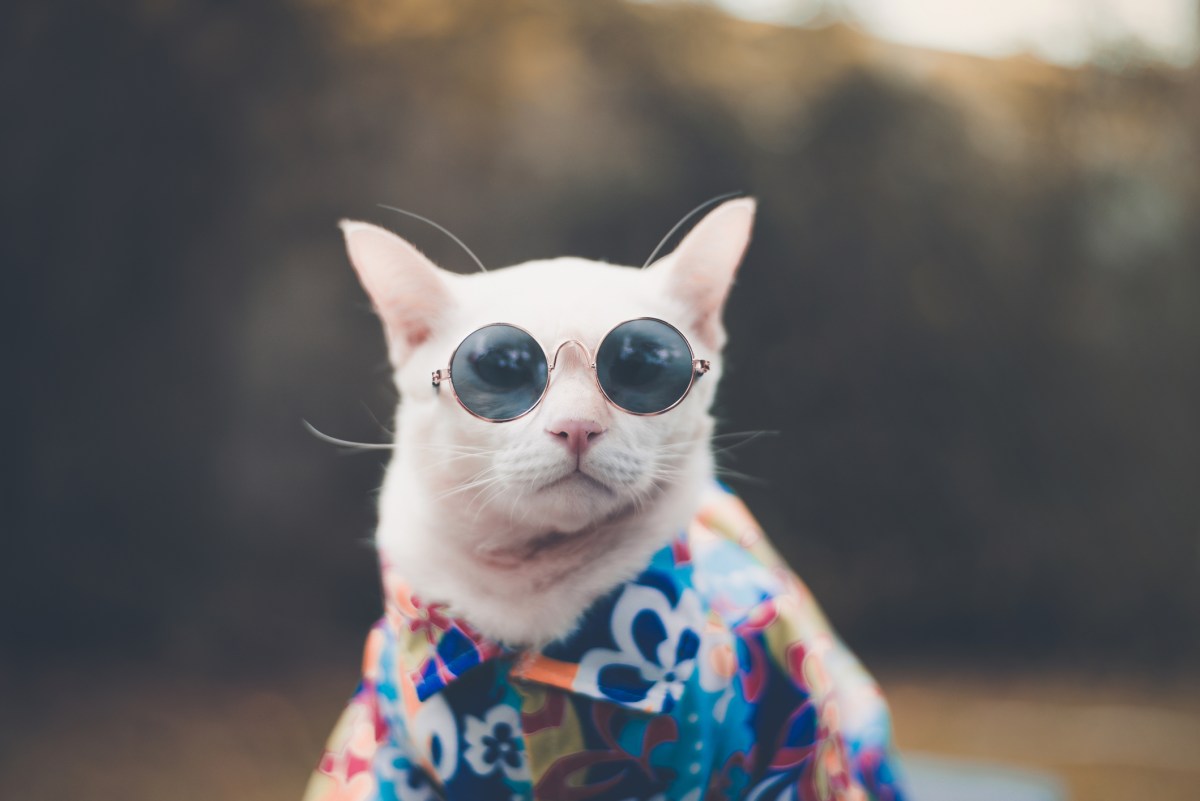
‘Petfluencers’ Make Their Cats Wear Clothes, Plus: Why A New Coat Color Has Emerged

The quest for clicks and attention is a race to the bottom, and “petfluencers” are willing to dive deep to differentiate themselves from the thousands of others trying to build an audience.

Clothes, sneakers and hats. Vitamin supplements, energy drinks and probiotics. Backpacks and costumes.

What do all those things have in common? People are buying them for their pets, not themselves, and they’re part of the reason people in the UK spent more on pets in 2024 than childcare, hobbies or dating, according to Nationwide UK.

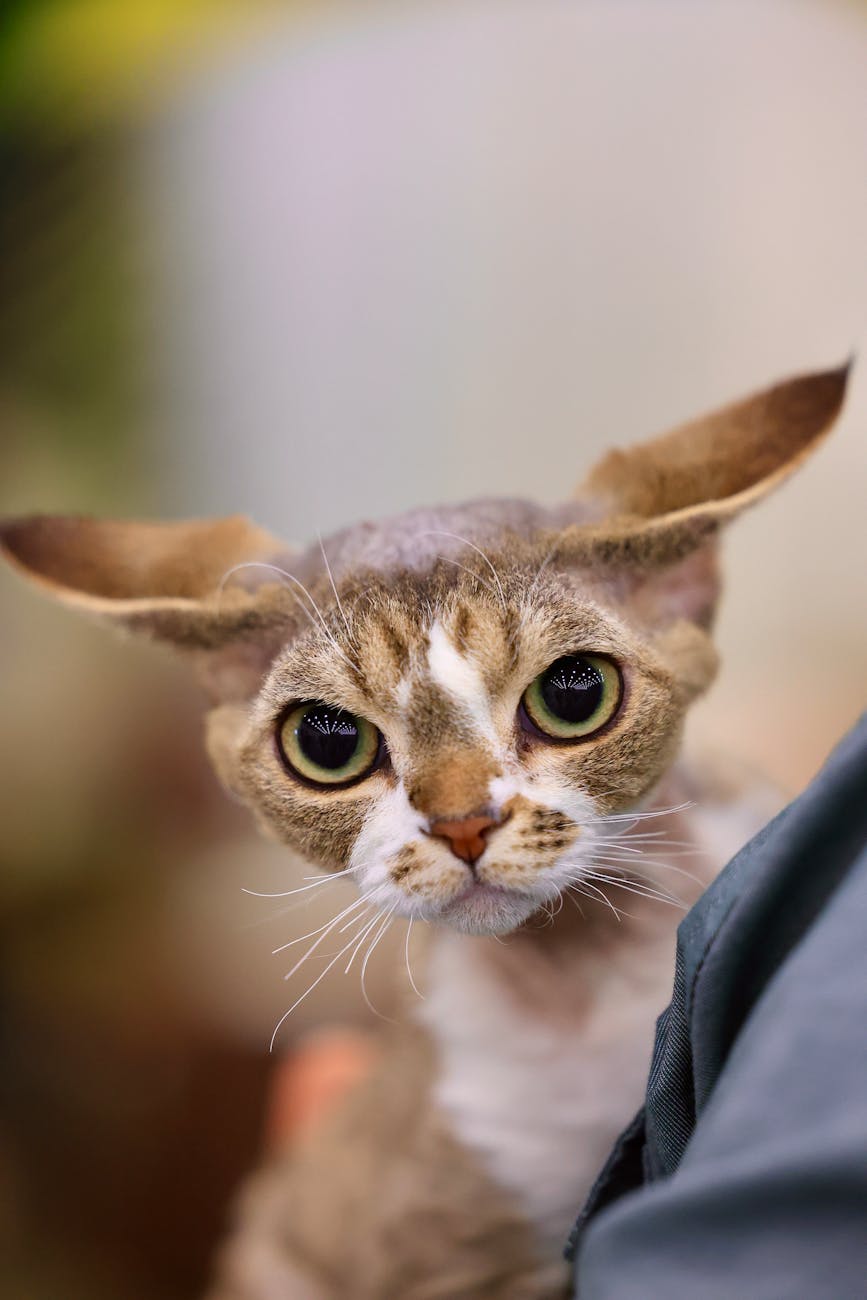
The problem is, they’re not doing it for their pets. Experts, including veterinarians and animal behaviorists, tell The Guardian that most cats, aside from hairless varieties like Sphynx cats, don’t like wearing clothing, nor do they like wearing costumes, or taking baths with heavy perfumes and essential oils.

Influencers — or petfluencers — stage elaborate “pampering” scenes, and make their pets wear different clothes to show off their shopping “hauls.” Some pose their animals like dolls and find ways to coerce them to remain still. Audiences think it’s cute. It’s not.

As for me, I’ve got a handy chart when I’m unsure if Bud will be cool with something:

  • Make him wear clothes. Result: Get clawed to death
  • Give him baths with essential oils. Result: Get clawed to death
  • Make him wear sneakers. Result: Death by bite to the jugular
  • Force him to eat supplements or guzzle energy drinks. Result: Shredded skin and lots of blood, perhaps some light homicide.

While the animals themselves aren’t thrilled with these new trends, they probably won’t go away any time soon. There’s just too much money involved.

The average pet owner in the UK spent the equivalent of $163 per month on their companions, and only half of UK households have pets compared to 66 percent in the US. Although there’s not an apples to apples comparison of total expenses on pets per month by household in the US, Americans spend $68 a month on cats on average, according to research by ValuePenguin. For dogs, it’s about $110 a month.

‘Salty liquorice’ cats owe their unique coats to a missing snip of DNA

It’s always an interesting occasion when nature gives us something new, and the salmiak cat is definitely unprecedented in the world of feline aesthetics.

The unique cats, named after a popular liquorice candy from Finland, have a coat pattern that results from a gradient on individual strands of fur, starting out black and getting lighter toward the tip. It gives their coats a singular peppered look, and in photographs the unusual felines almost look as if they’re rendered in monochrome stippling.

Credit: Ari Kankainen

The Finnish candy the cats are named for.

The salmiak cat wasn’t the product of any breeding program, and reports in Finnish media say strays with the new coat pattern/color first emerged in 2007.

To find out how the salmiak emerged, a team of Finnish, British and American scientists sequenced the genomes of two salmiak cats. They found a mutation in genes that express coat color that resulted in a missing sequence of DNA, and they confirmed the mutation is recessive. That means to get salmiak kittens, both parents have to have the mutation.

Little Buddy Demands Due Regard On National Respect Your Cat Day

Your feline overlord(s) want you to show more respect, human! What special things are you doing for them today?

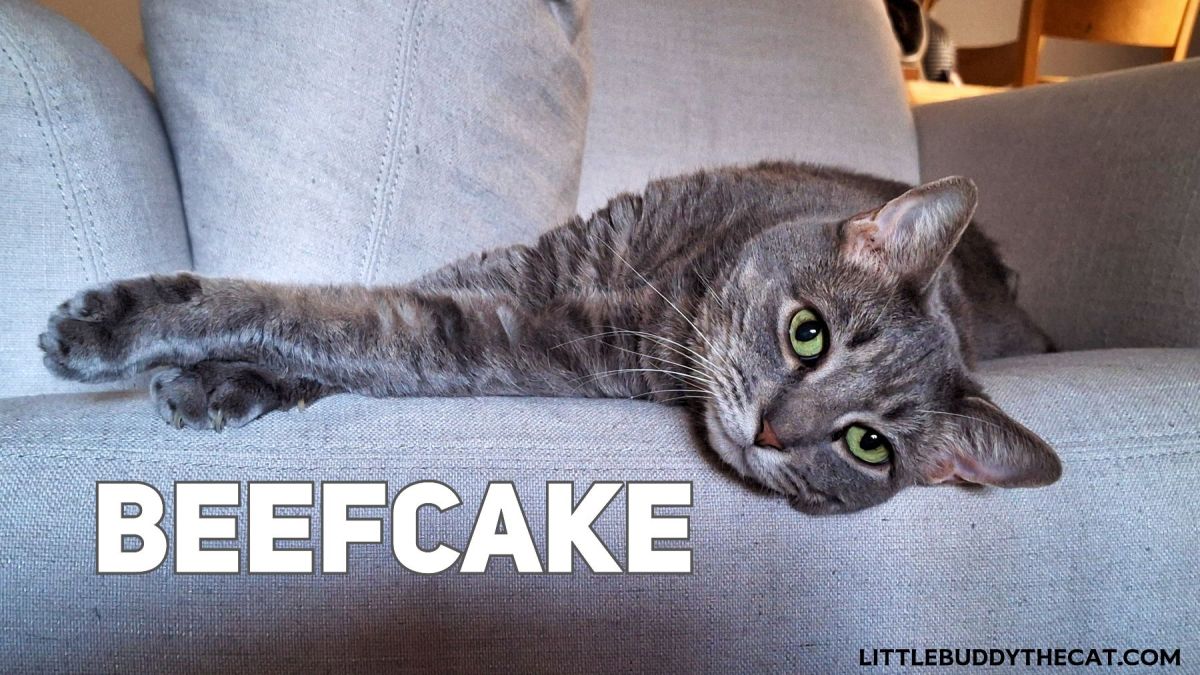
Little Buddy has informed me that today is National Respect Your Cat Day.

Sounds made up, doesn’t it?

At first I was sure it was, just like the times he told me it was International Buy 100 Toys For Your Cat Day, and the 82nd Annual Feed Your Cat A Ridiculous Amount of Snacks Day.

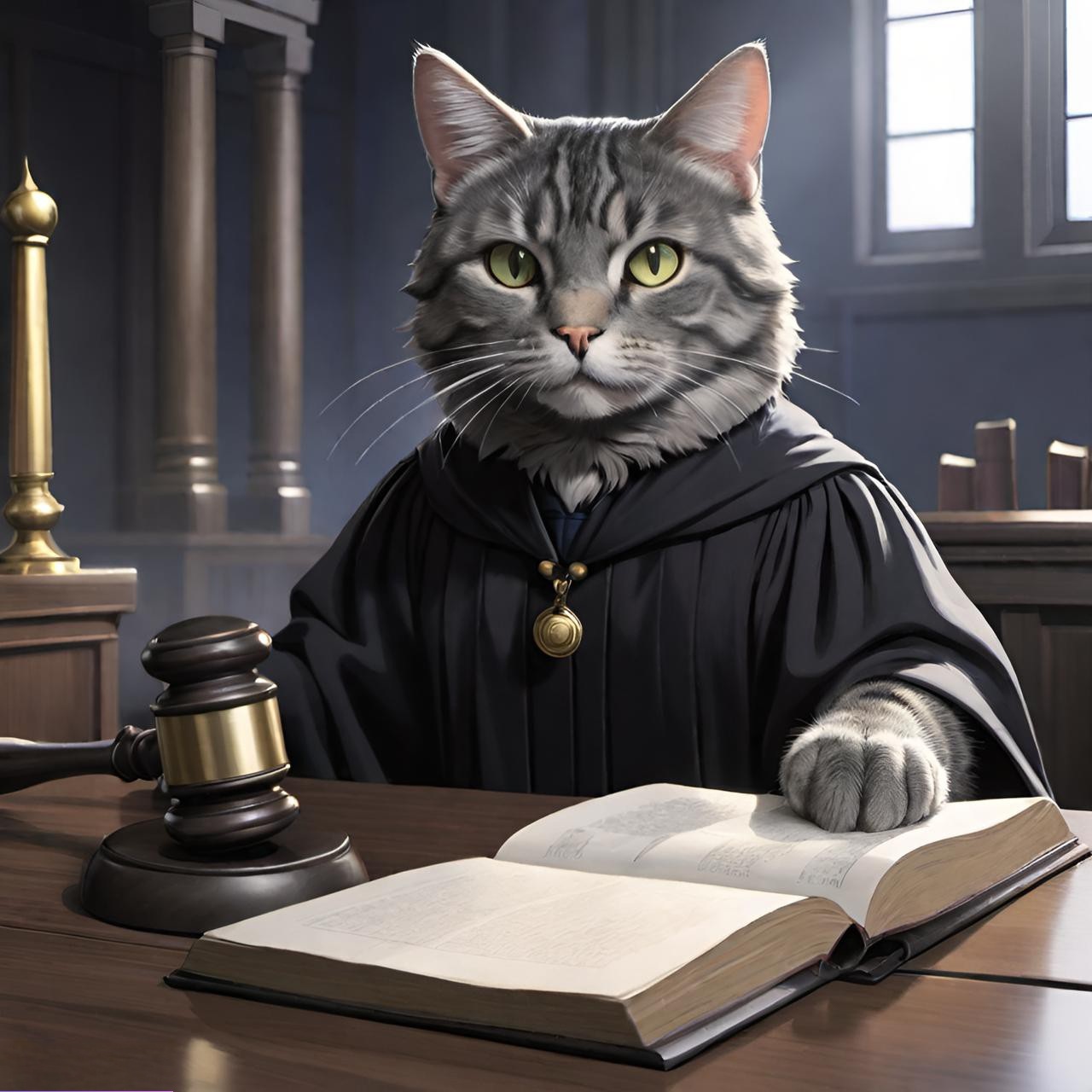
But apparently it’s real, and Buddy made a big show of declaring its importance, dressing up as a judge with a black robe and gavel to emphasize his point.

“The court rules, inter aloha, that defendant subway sandwiches judice is mens rea when it comes to the ad hoc crime of not feeding me enough snacks! The court has concluded the accused has not met de minimus standards for snackis maximis deliciousness, therefore stare decesis!”

He cleared his throat.

“In plain meows, that means you must feed me more of those crunchy ball things, and a lot more of those decadently delicious soft treats so bursting with turkalicious flavor! And, uh, you have to apologize for not appreciating me enough!”

“It’s is the court’s opinion that you cook me a steak dinner!”

The feline shuffled his papers, adjusted his robe and began reading again.

“The court finds that Buddy the Cat has been a loyal, handsome, and handsomely loyal companion to the accused, and has enriched his life by simply being delightful, and also by purring contentedly, napping on him, helping him eat cheese, keeping his scooping skills sharp, and enhancing all aspects of his life through pure magnetic charm,” he said. “Respect me and my authoritah!”

So tonight Buddy will get plenty of yums, some catnip, extra play time, and I’ll tell him he’s looking particularly dapper today.

As for those of you reading this, better plan something before word gets out…or face your cat’s wrath when they find out it was Respect Your Cat Day and you did nothing!

RSPCA Wants Cat Cafes ‘Phased Out,’ Says Cats’ Needs Not Met

Cat cafes offer a unique way for adoptable kitties to find homes, as well as a stress-reducing experience for customers, but two groups in the UK say cafes are not appropriate living spaces for cats.

Two major feline advocacy groups in the UK are urging the government to stop issuing new licenses for cat cafes, arguing they’re not good living situations for the felines who are their main attraction.

Many people see the cafe model as a win-win for cats and people. The latter get to unwind and spend time with cute animals who have a knack for lowering blood pressure, helping the stressed to relax. The cats, who are adoptable, get to run, play and live in an environment much better than a shelter cage while they wait for their forever homes.

But the RSPCA and Cats Protection, the most prominent feline welfare organization in the UK, say its “almost impossible” to meet the needs of the animals, who may be stressed by living with other cats and, they argue, are used as “entertainment” for customers.

“We don’t believe these environments can consistently provide cats with a good quality of life and are hugely concerned that many cats will be unhappy as a result,” said Alice Potter, a cat welfare specialist with the RSPCA.

“Generally cats are not sociable, and many felines often prefer to live without other cats, or prefer to form social groups with their relations.”

A cat cafe in Vilnius, the capital city of Lithuania. Credit: Wikimedia Commons
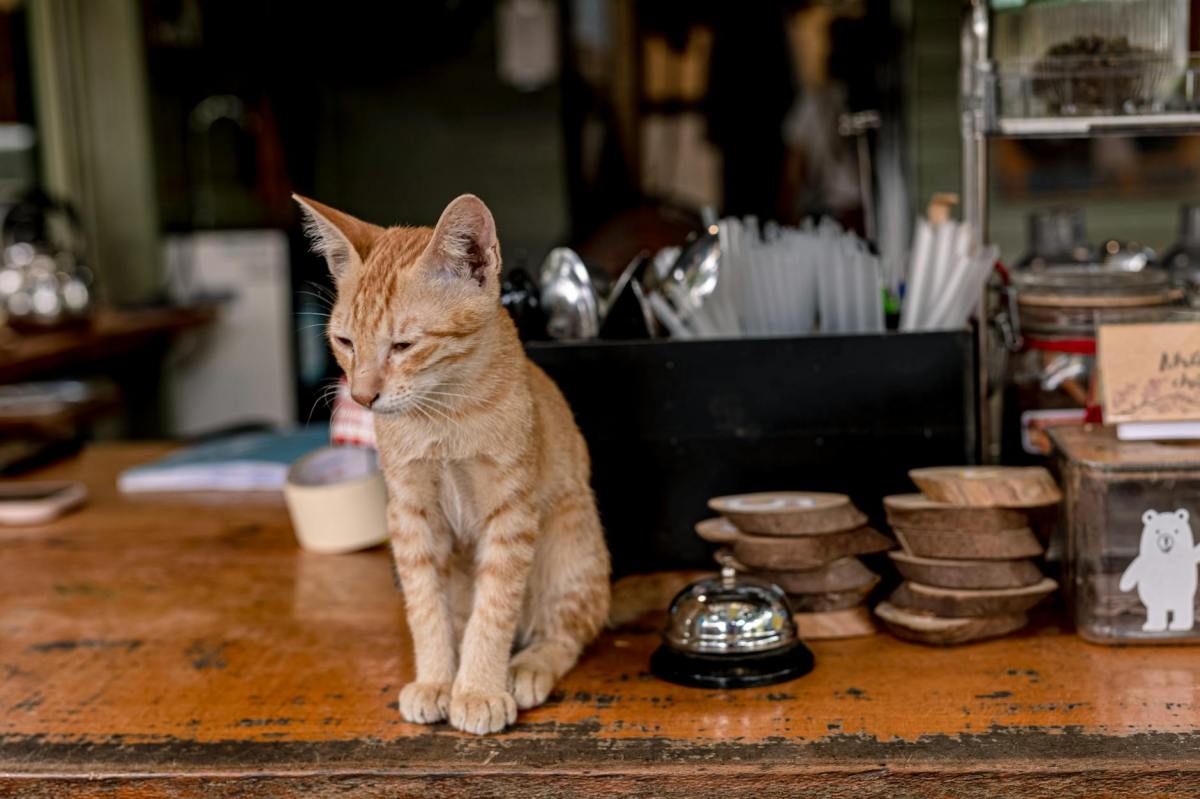
I’m not sure how I feel about this, and I’m not particularly familiar with how most cat cafes are run. The only ones I’ve been to were in Japan, and they were miraculously clean spaces with lots of things to climb, as well as nooks and private areas where cats could hide. The cats were well cared-for, staff were friendly, and the environments were relaxed.

Cat cafes also offer a unique opportunity for finding homes for the little ones. They’re much more likely to meow their way into the hearts of would-be adopters when they’re given space to run around, play and enjoy themselves as opposed to the often sullen, frightened state they’re in at shelters.

Are the UK cats groups right, or are they making perfect the enemy of good?