We’re gonna try something new this week and dedicate “Caturday” to links, off-topic discussions and anything you’d like to post about.
It’s a good opportunity to touch on stories that we didn’t get a chance to go in-depth on, talk about and recommend entertainment, and follow up on stories in the news.
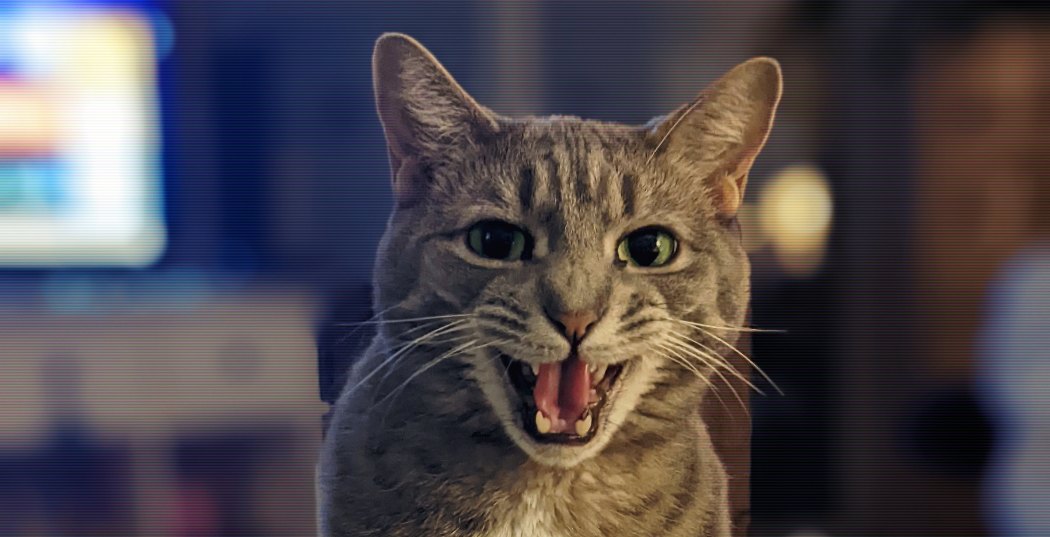
If there’s anything we’ve missed, something you’d like to point out, or you just want to write about what a dashing and meowgnificent feline Bud is, you can do that here too. (And don’t forget to talk about your own cats!)
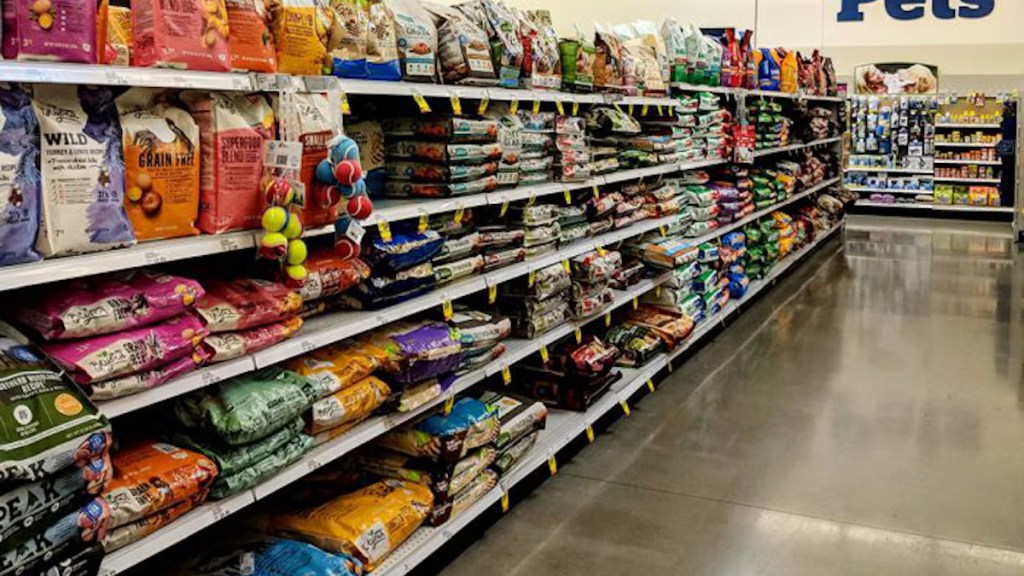
The Clean Label report on contaminants in cat food
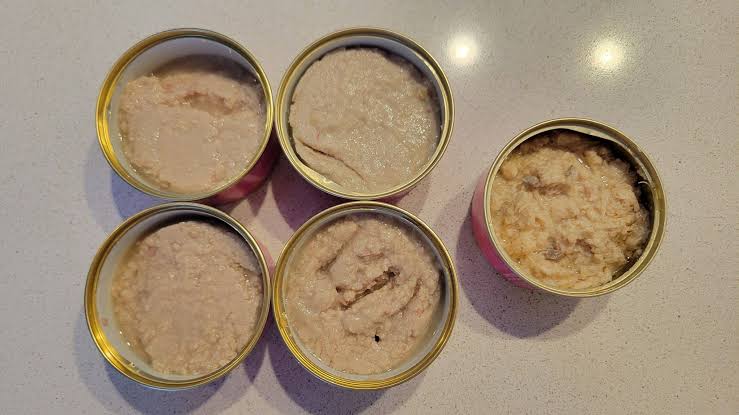
Thanks to Candi A. for keeping us in the loop and posting the link to her friend’s assessment of the concerning findings about heavy metals, pesticides and other nasty stuff found in cat food.
In case you missed it, here’s the link Candi shared.
I have only been able to read it once and have not yet read the full report, so I’m going to refrain from adding anything yet. I need to see all the details and whether the brands I usually buy are included. I expect they will be, as Clean Label chose samples from the 100 most popular cat food brands sold in the US. (For our friends outside the states, there could be useful information as well. The big brands are corporate conglomerates with international reach, so brands sold in the US are likely sold under different names or slightly different packaging elsewhere.)
Of course I’m not an expert on feline nutrition either, so we should all decide what’s best for our cats based on what we know about them and the information we gain from reports and analysis.
I hope to revisit this in an in-depth post, hopefully with some input from veterinarians and experts on feline health.
Contractor work and staying at a pet friendly hotel
I won’t be able to use my bathroom overnight while a contractor puts in new floors, sink, etc., and my friend who feeds Bud while I’m away will have me, but not him. (I wonder why? It couldn’t have anything to do with him practicing some light mauling on her at least three times, would it?)
There’s also no way I’m gonna leave him here with an unfamiliar person, work noise and the uncertainty of not having me there to show him it’s all okay.
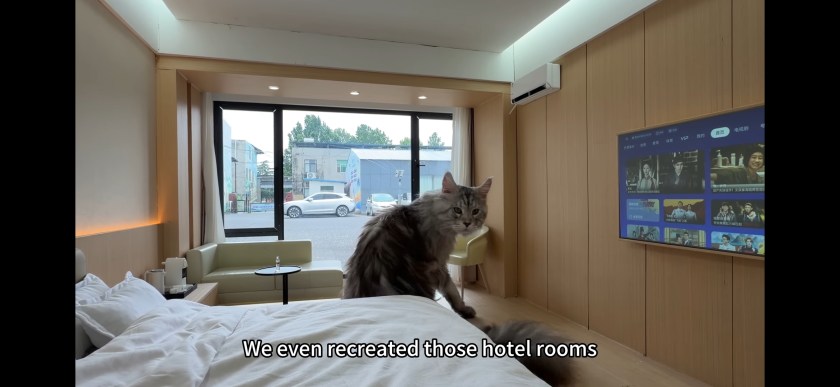
So it looks like I’m gonna stay at a pet-friendly hotel that I have verified as specifically cat-friendly as well. I’m going to get a disposable litter box, bring his bowls and some food, and I think he’ll be okay as long as he’s with me and I don’t leave him alone in an unfamiliar place. I’ll pick up dinner or order delivery, and I think we should be good.
But since there are plenty of cat experts here (that’s YOU!), including those of you who have dealt with this situation, I figured it’s a good idea to ask if there’s anything I haven’t considered or if you have advice for helping things go smoothly.
I think we have a good secure attachment thing going on. The earthquake about 18 months ago verified that — we woke up to the building shaking, Bud was sleeping on me, and he popped up his head to look at me like “Are we good here, Big Bud, or should I start running around screaming?”
I was actually proud of him for that, and for taking my word for it that everything was fine. Once he got reassurance from me, he relaxed and went back to sleep.
So I think that as long as I’m there with him, my fearless tiger companion will be okay.
Cats = happiness?
So, about that study: a research team looked at happiness indicators in 93 countries, as well as rates of cat ownership, toxoplasma gondii infection rates and other factors.
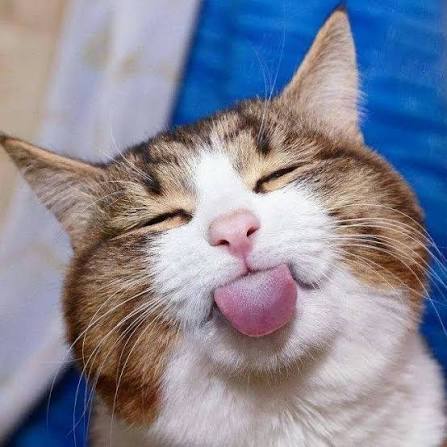
They found that having a cat or cats is linked to higher self-reported satisfaction with life.
It’s pretty wide-ranging, and the researchers themselves caution against drawing any hard conclusions from the data. However, they did note a few interesting points, including:
- Toxoplasma gondii infection is higher in countries with fewer cats. This tracks with earlier studies that show even though t. gondii is heavily associated with cats in the popular imagination, felines are actually not the primary transmission vector. Other factors, like rodent infestations, as well as the quality of waste and sanitary infrastructure, are much more closely related to exposure and infection in people
- The total number of estimated cats in a country is not associated with higher happiness levels, but the number of “owned” cats is. In other words, the link between cats and happiness seems to hinge on our personal relationships with cats, and not merely their presence. Countries overrun by strays, for example, do not have the same correlation
- Speaking of correlation, that’s as far as this goes. The researchers note the data they have cannot prove causality. In other words, countries that have higher levels of cat adoption and ownership may be wealthier in general, and wealth — at least enough to free people from true poverty — is correlated with happiness. It could be that people who have more money are more likely to spend disposable income on little buddies. It does not mean you have to be wealthy by societal definitions, and it helps to remember how fortunate most of us in the first world are compared to the true poverty of the “global south”
Overall, the study’s authors conclude we need follow-up research to firmly establish a potential causal link between felines and greater satisfacfion in life.
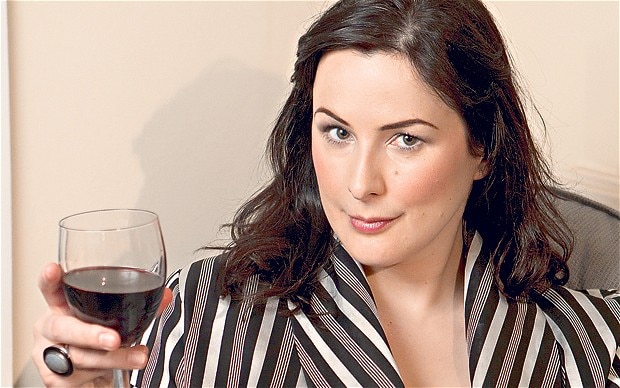
If you’re skeptical of a causal link between cats and happiness, here’s a take from a Telegraph columnist who admittedly loves the slobbering subservience of dogs and detests the fact that feline affection must be earned. In fact, she questions whether feline affection actually exists.
Fair warning, she has an uncharitable view of our beloved house tigers and retrograde views on what their behaviors mean, but sometimes it’s helpful to understand why certain people don’t like our perfect little angels who can absolutely do no wrong. And yes, that’s sarcasm. I love Bud in spite of the fact that he can be a jerk at times, and maybe even a bit because of it, but it would be madness to claim cats don’t feel affection toward their bonded humans.
Influencers
Speaking of Jenner-Kardashians, I’m not sure if I missed this at the time or decided if it wasn’t worth getting upset over, but while I was just searching for Betts’ column to add the link, I found this story from seven months ago about widespread disgust with Khloe Kardashian for having her cats declawed.
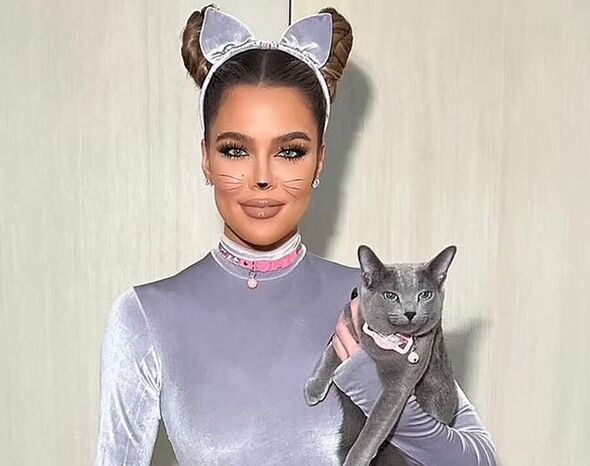
That the Kardashians are a family concerned with little else besides fame and money is not news, but I am planning on posting about the effect of celebrities and influencers on pet trends in the near future, and whether it’s declawing, purchasing “exotic” wildlife like monkeys as pets or keeping entire menageries of neglected, miserable animals, like it or not there are a lot of people who think it’s okay to do things because the walking examples of botched plastic surgery they idolize have made the behavior popular.
Animals are the ones who suffer, and groups dedicated to their welfare fight uphill battles trying to correct misinformation/combat harmful trends spread by influencers. There’s gotta be a better way, including holding social media platforms accountable when they elect to ignore animal welfare concerns. A video does not have to involve direct violence inflicted on an animal for it to qualify as animal abuse, and it’s crucial people understand that.
One disturbing example is a Youtube video uploaded by a young woman who adopted an adorable baby macaque, then proceeded to mentally torture the poor animal. One video involved her repeatedly offering a bottle of milk to the baby only to yank it away at the last second, laughing as if her actions were pure comedic genius. The baby became so traumatized, she stopped eating. That IS animal abuse, even if some minimally-trained, ignorant moderator employed by Youtube does not agree. Social media operators are not the ultimate arbiters of morality, animal welfare, criminality, political speech or anything else, even when they’ve appointed themselves to those roles.
These are the same people who invite teenagers and pre-teens onto their platforms, employ psychologists to help them keep the kids hooked and doomscrolling all day, provide them with filters that do little besides undermine their self confidence, provide platforms that are practically custom-made to enable anonymous bullying, then absolve themselves of responsibility when the inevitable happens. They are the last people we should trust with deciding what is acceptable or moral.
Mike Flanagan’s ‘Carrie’

Which finally brings us to the brand new adaptation of Stephen King’s Carrie, streaming now on Amazon.
I’m only a few episodes in so I can’t offer any major conclusions, but so far it seems to be everything we’ve come to expect from a Flanagan project — thoughtful, respectful of the source material while also giving it a modern makeover, and operating on a strong foundation of writing and acting.
It has a lot to say about bullying and the modern technologies that turbo charge the cruelty kids are capable of. Adults are hopelessly outgunned on the tech front, which makes foundational parenting more crucial than ever.
I’m especially happy to see Amber Midthunder in a major role after her exceptional performance in 2022’s Prey, and I’m really hoping we’ll see more of Cassandra Naud, who showed up briefly in one scene so far with a hint of more to come.
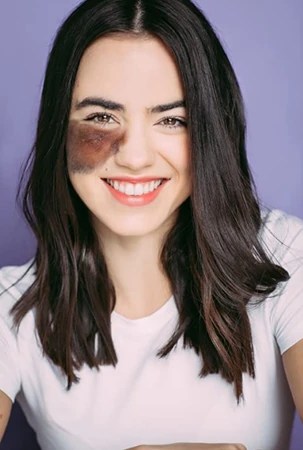
Naud was awesome as the legitimately terrifying antagonist in Influencer and its sequel, Influencers, and she’s unmistakable thanks to the birthmark that dominates the right side of her face. She’s a fantastic actress and astonishingly beautiful, and in interviews she talks about her childhood decision not to have the birthmark removed because of potential complications. She came to see it as an advantage because it renders her unforgettable, but I think her work speaks itself these days.
Carrie was released this week, with all eight episodes available to stream at your pace. Frequent Flanagan collaborators Samantha Sloyan, Michael Trucco, Rahul Kohli, and Ruth Codd have returned, while Flanagan’s next project is an Exorcist sequel due early next year.
Thoughts? Questions? Links? Stories about your cats? Flattering notes about what a dapper furred fellow the Budster is? Leave ’em in the comments!