Buddy the Cat asserts he is a powerful apex predator who fears no man or beast, while Buddy the Cat runs and hides the moment there’s an unfamiliar sound in his domicile.
I Am An Apex Predator!
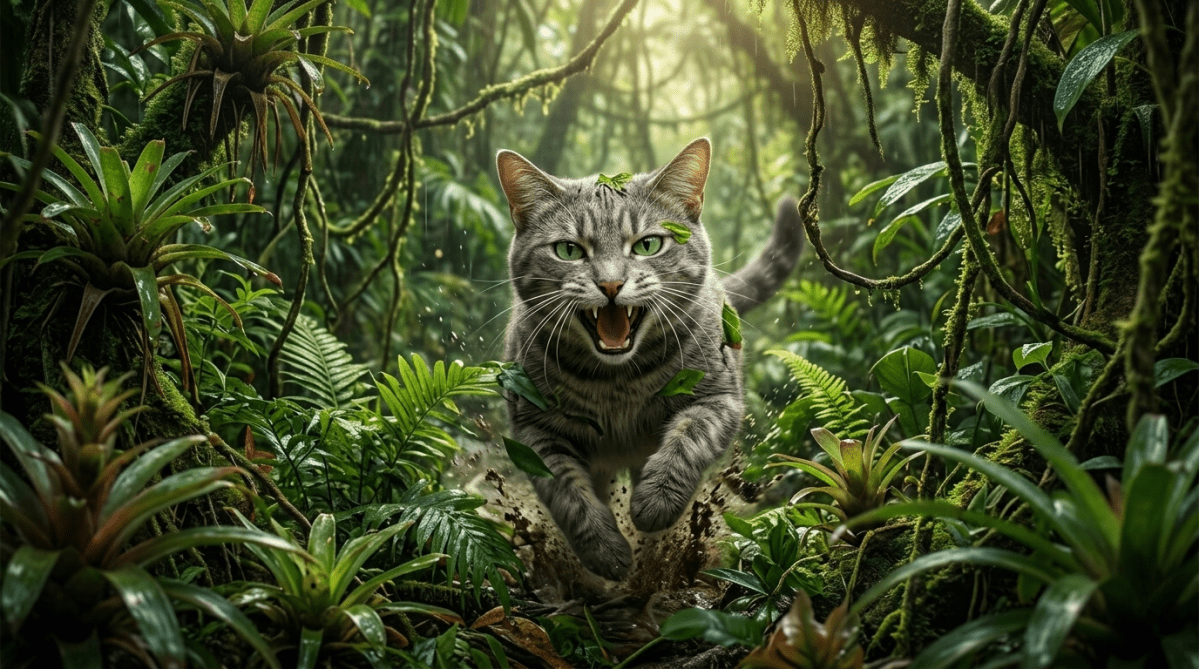
Behold! I have the gait of a lion, the bite force of a tiger, the stealth of a jaguar, and the relentlessness of a leopard!
My meowscles ripple meowscularly as I stalk my prey by moonlight! One second all looks safe and calm, and the next I’m leaping from cover in a burst of feline power to ambush my unfortunate prey!
Lesser creatures have nightmares about me. Indigenous cultures celebrate my legend in oral traditions. Craftsmen carve bas reliefs illustrating my mastery over all beasts. Shamans invoke my speed and strength. My toys quake at the mere mention of my name!
I am Buddy, and I am a ferocious cat! RAWRRR!!!
‘OMG, What Was That Noise?!? Go Check It Out, Human!’
Holy crap, dude! What the heck was that?
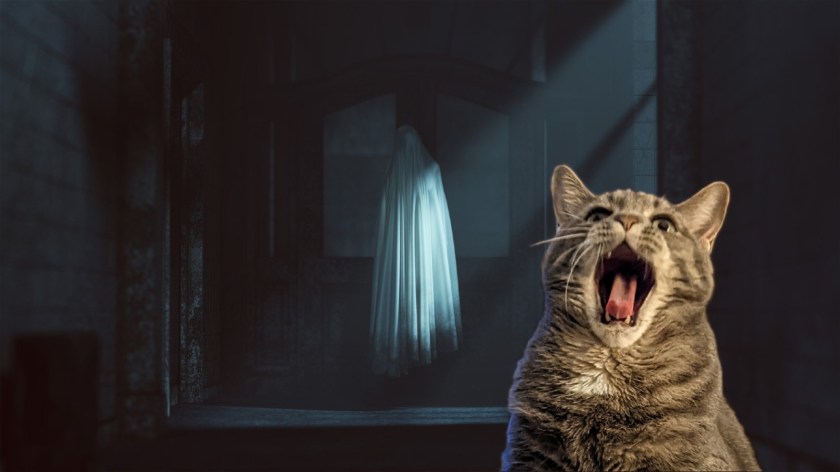
I’m just gonna run and hide under the bed while you investigate that awful, terrifying noise! No, YOU check it out. Are you crazy? I’m not going anywhere near there! What if it’s, like, a serial killer or a chalupacabra?
Where’s it coming from? The kitchen? The bathroom? Oh God! I told you, there are monsters living in the toilet and they can emerge at any second to murder us in our naps! We should have nailed the toilet seat down years ago! You didn’t listen to me, so you’re gonna have to fend off the monsters while I lend you moral support from three rooms away.
What? Duuuude.
Was it really your smartphone alarm on vibrate? Whew! For a moment there, I thought we were in trouble.
Now I’m gonna need you to rub my head while I sit in your lap and you tell me what a good, brave boy I am. If it really had been monsters, they would have gotten their butts kicked by me. I was brave, wasn’t I?
If you slander me by claiming I freaked out and ran to hide under the bed, I will be forced to accuse you of peddling fake news!
Point-Counterpoint presents two essays taking opposing positions on a topic. Join us again next week, when Buddy the Cat will debate Buddy the Cat on another important topic.
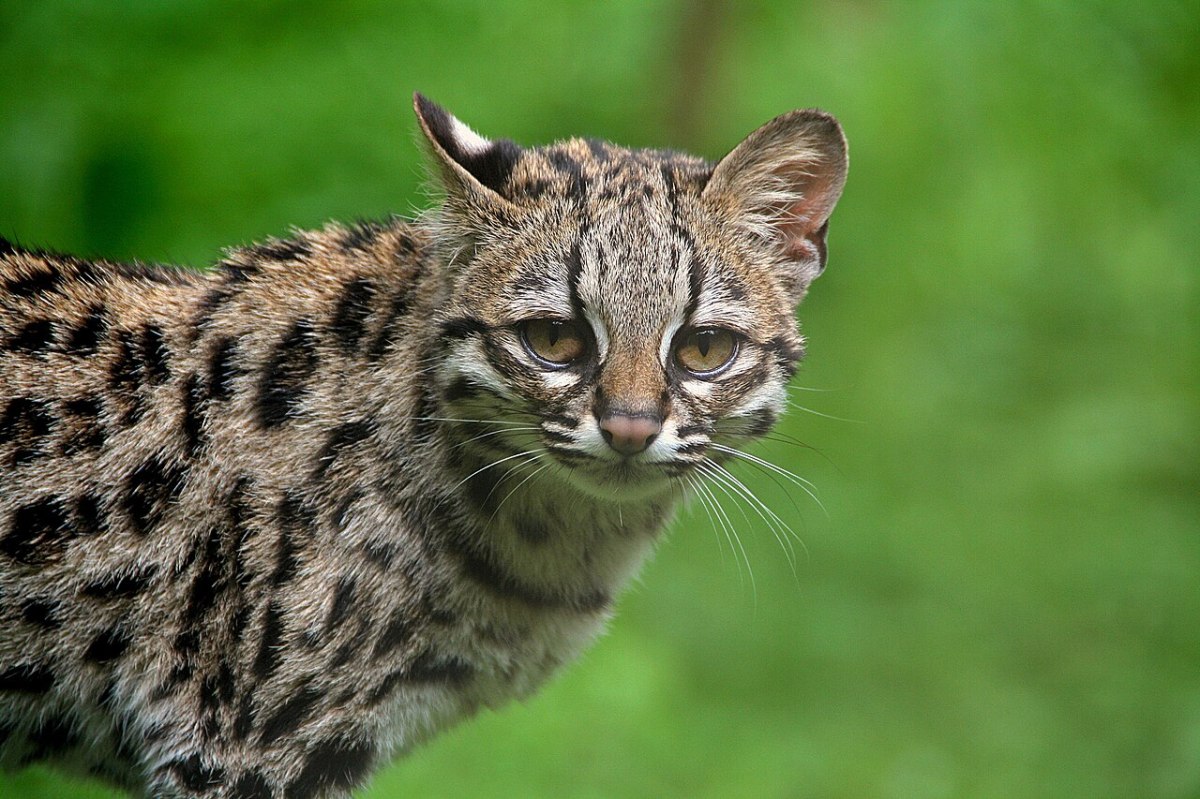
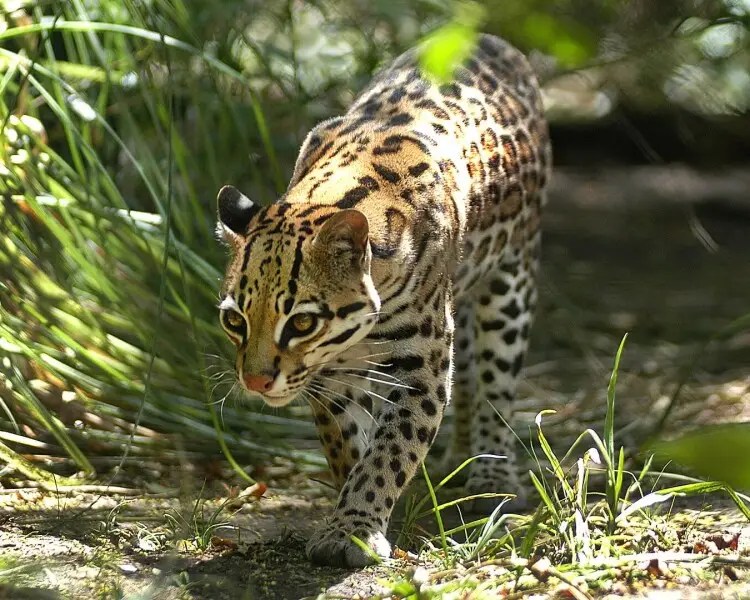
Strongly resembling ocelot cubs, margays have a unique biological adaptation to tree-climbing and a devious ability that gives them a massive advantage over their prey.
Taxonomic name:Leopardus wiedii Genus: Felis (small cats) Weight: Between 5 to 9 pounds with typical felid sexual dimorphism Lifespan: More than 20 years in captivity Gestation: About 80 days Litter size: Single kitten, rarely more than one Distribution: Central America, including Brazil, Paraguay, Peru, Chile, Ecuador, Venezuela, Guyana, Colombia, Panama and parts of Mexico IUCN Red List Status: Near threatened
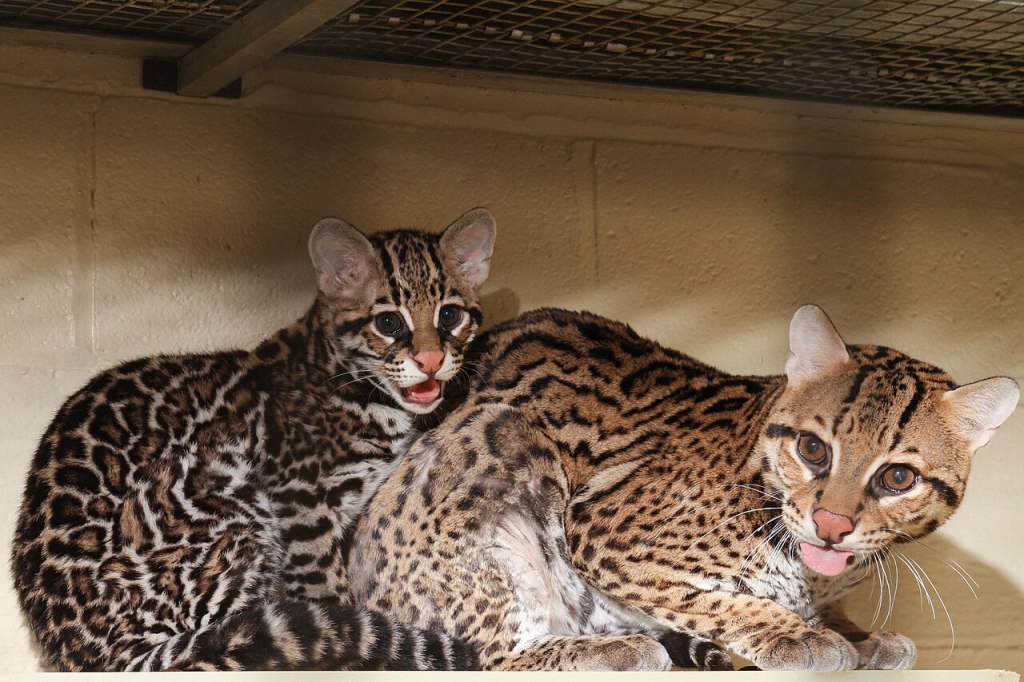
If you’re fortunate enough to catch a glimpse of a margay, you might think you’re looking at an ocelot cub.
The two species look remarkably similar, sharing beautiful rosette patterns in their fur, intense eyes and prominent facial stripes.
But ocelots are medium-size cats that can top out at 35 or 40 pounds, while margays are even smaller than domestic felines, weighing between five to nine pounds.
An ocelot cub with, left, with its mother. Margays are easily mistaken for ocelot kittens. Credit: Mark Dumont via Wikimedia Commons
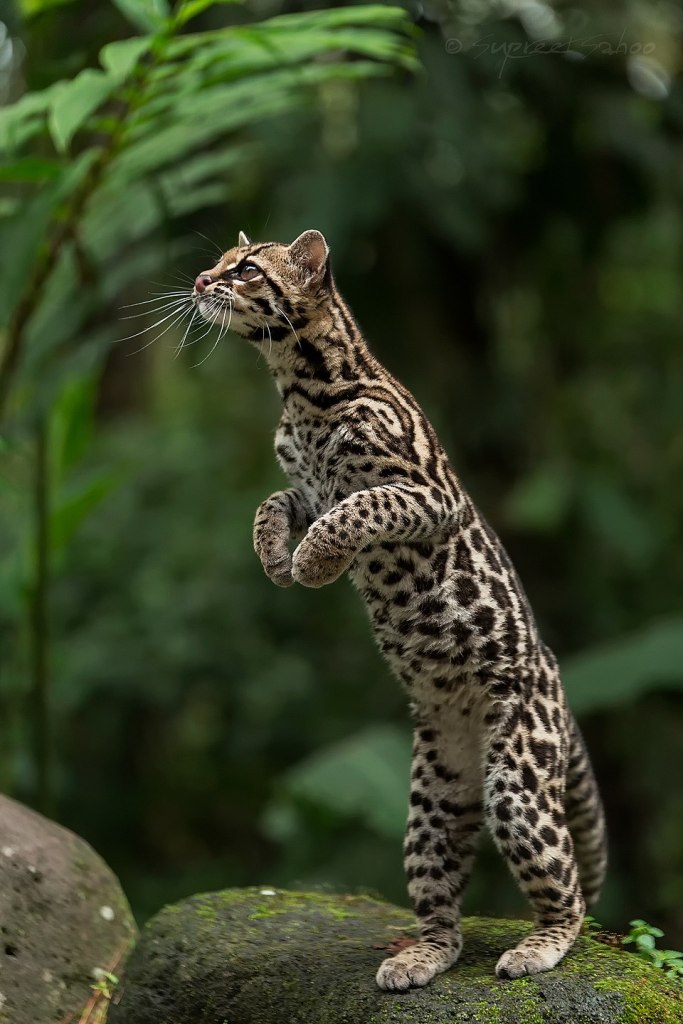
Living in jungles teeming with life, margays have a distinct advantage that allows them to escape land-based predators while making them a threat to monkeys and other critters living in the branches — they are outstanding climbers with unique biological adaptations that allow them to do things other cats cannot.
Credit: Supreet Sahoo via Wikimedia Commons
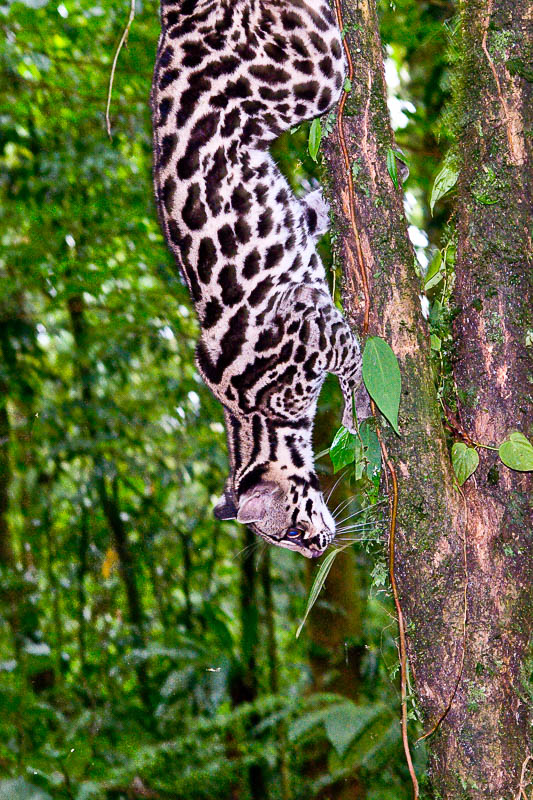
The most dramatic example is their ankle joints, which allow them to rotate 180 degrees as the little spotted cats anchor themselves to trunks and branches. As a result, margays don’t just climb with speed and ease, they are capable of swiftly evacuating trees by climbing down head-first like squirrels.
Other cat species lack that adaptation, which is one reason why we often hear about domestic cats who find themselves uncomfortably high up in trees or on utility poles, refusing to come down for days despite hunger and coaxing by humans trying to help.
A margay demonstrating its ability to climb head-first down a tree thanks to its unique ankle joints. Credit: James Kaiser
Margays are outstanding jumpers in addition to their unrivaled climbing ability, able to leap six to eight times their own height. It’s easy to see how these diminutive cats can intercept birds and monkeys far above the jungle floor in addition to hunting terrestrial mammals.
Indeed, using their large tails as a counterbalance, margays traverse branches with a swiftness and sure-footedness that rivals the gibbon.
The jungle’s tricksters
They’re also remarkably clever. Scientists have documented margays mimicking the vocalizations of monkeys, their favorite prey. In one documented example, a margay imitated the call of a baby tamarin, then ambushed the adult tamarins who approached to investigate the sound.
That’s a surprising adaptation for a cat species, and we should be thankful they’re tiny. The thought of tigers or leopards with that ability is terrifying.
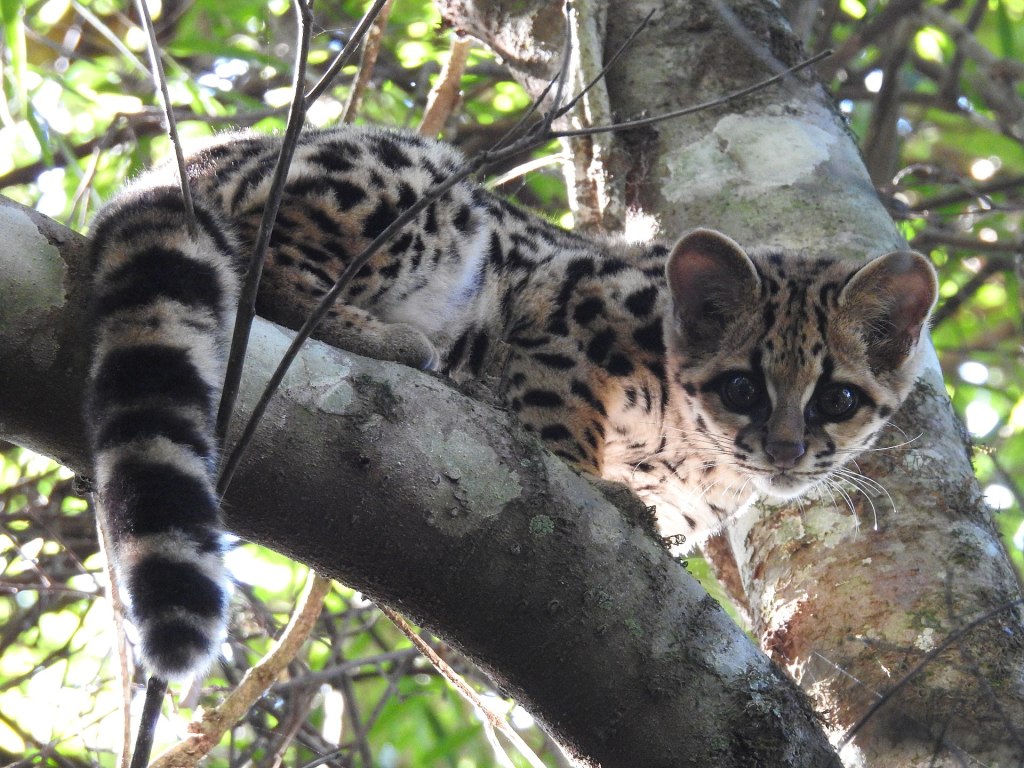
Margays are solitary and due to their size, they’re both predator and prey. Because of that, these tiny cats spend the majority of their time well above ground level and are usually found deep in old growth jungles where they can blend into dense vegetation, hiding among leaves and branches, where their coat patterns help them blend in.
Like all wildcats, margays face increasing pressure from habitat loss, poaching and other threats, and they’re classified as near-threatened on the IUCN Red List.
Credit: Anderson Cristiano Hendgen via WikimediaCredit: Wikimedia Commons
Header image credit Clément Bardot via Wikimedia Commons
Copyright 2026 – Pain In The Bud – May not be reproduced without permission
Want to dissuade criminals from targeting your home but can’t afford a fancy security system? A warning sign featuring Buddy’s terrifying visage will do!
Times are tough, everyone’s feeling the squeeze, and criminals are more motivated than ever to target homes that may have valuables in them.
That’s why Buddy, in the spirit of altruism (and the guarantee of extra turkey) agreed to lend his fierce likeness to the below poster. According to the Buddinese Center For Criminal Justice, homeowners who display this “BEWARE OF CAT” sign are 99% less likely to be the victims of home robbery or burglary, as criminals will simply move on to a home that isn’t protected by an intimidating, extremely ripped feline:
Alternate version with even more intimidating image of feline protector:
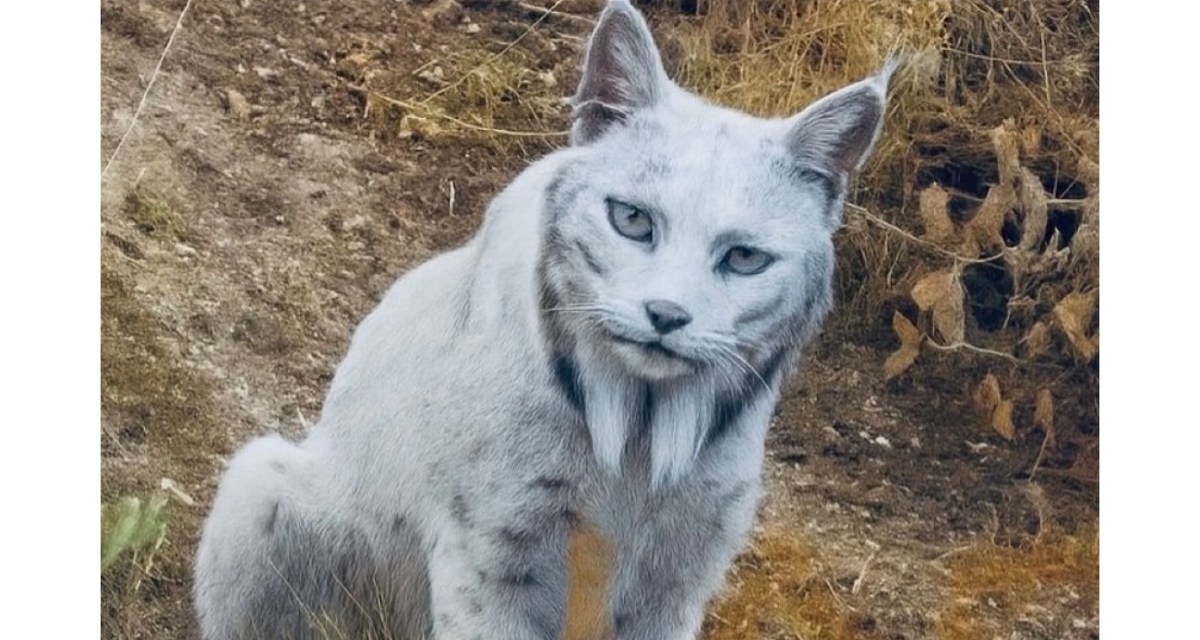
Photographer Angel Hidalgo thought the color was a trail camera malfunction until he saw the incredible feline for himself.
For the first time in history, a white Iberian lynx has been photographed.
A Spanish man who works in a factory by day and photographs wildlife as a hobby was behind the camera for the unprecedented shots.
It wasn’t easy.
Angel Hidalgo told National Geographic that first spotted fleeting images of the extraordinarily rare feline on one of his camera traps, but he was skeptical.
“I couldn’t believe it,” the 29-year-old said. “I thought it was a camera effect, and from then on, I dedicated myself to the search for the lynx. I’m still in shock.”
While hiking in late October, Hidalgo saw the “ghost cat” with his own eyes and quickly took a handful of shots and a short video before the cat vanished.
Credit: Angel Hidalgo
The Iberian lynx, as its name indicates, is native to Spain and a small range in Portugal. The cats call mountain ranges like Sierra Morena and Montes de Toledo home.
The white color morph is due to leucism, not albinism: the difference is the former causes only partial loss of pigmentation, and the eyes are unaffected.
In the video footage, the cat sits calmly and regards Hidalgo for about 15 seconds before blinking and turning its head. It’s a fleeting but fascinating look at an animal that most of us will never have the opportunity to see in the flesh.
Hidalgo won’t say where he encountered the white lynx, which is a smart move in an age when bored rich kids in places like Dubai can throw money at wildlife poachers and help themselves to the rarest and most vulnerable wildlife.
Because they know the authorities in their countries won’t bother them, the sons of oil oligarchs and emirs openly flaunt their wild “pet” collections: Instagram and TikTok host thousands of photos and videos of young men and women posing with cheetahs, lions and tigers, with the cats often riding shotgun in hypercars from Lamborghini, Ferrari and McLaren.
We hope the location remains a secret for the sake of the wild cat and because the Iberian lynx is a conservation success story. The species was on the brink of extinction in the 1990s and now has a healthy breeding population that numbers in the thousands.
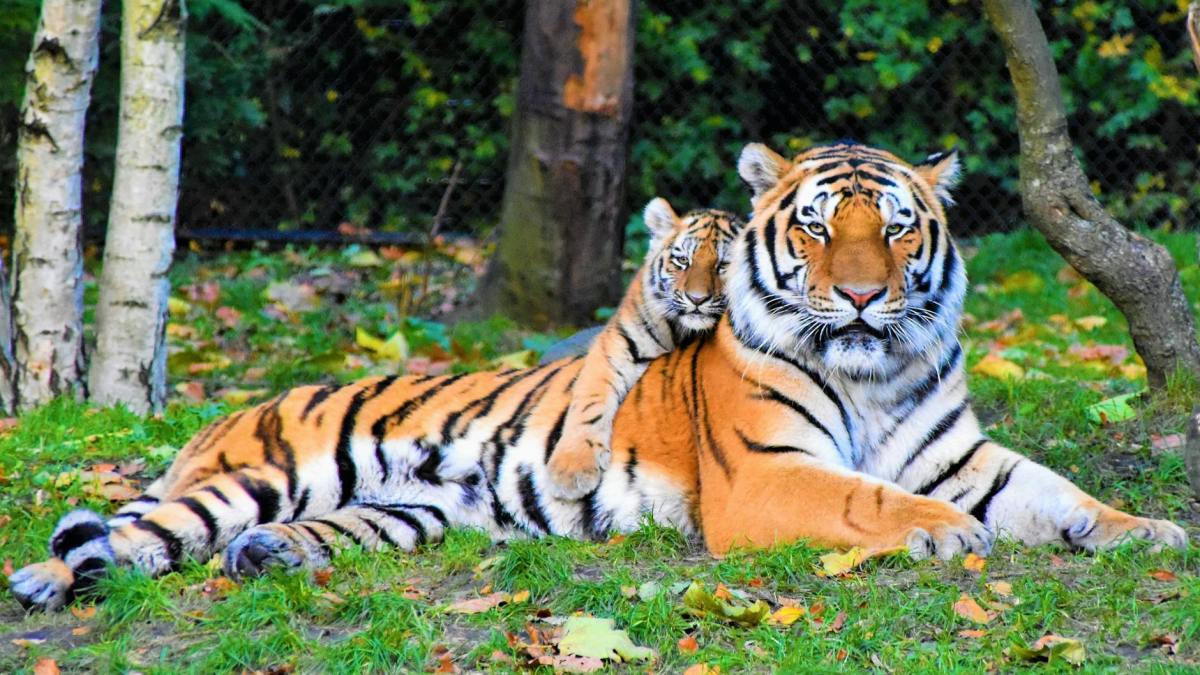
Today we’re admiring photos of the majestic Amur (Siberian) tiger, a species that has been pulled back from the brink of extinction thanks to the hard work of conservationists.
The Amur tiger, panthera tigris altaica, is the largest subspecies of the largest cat in the world.
Click an image in the gallery to view a higher resolution version:
All images in the gallery above via Wikimedia Commons. Header image via Pexels.






 Pain In The Bud