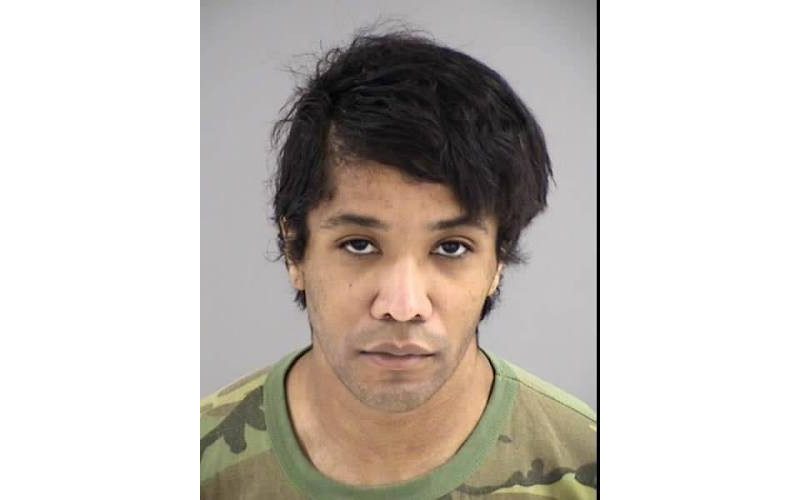
Rodney Travis Jr. will spend the next 15 years in prison.
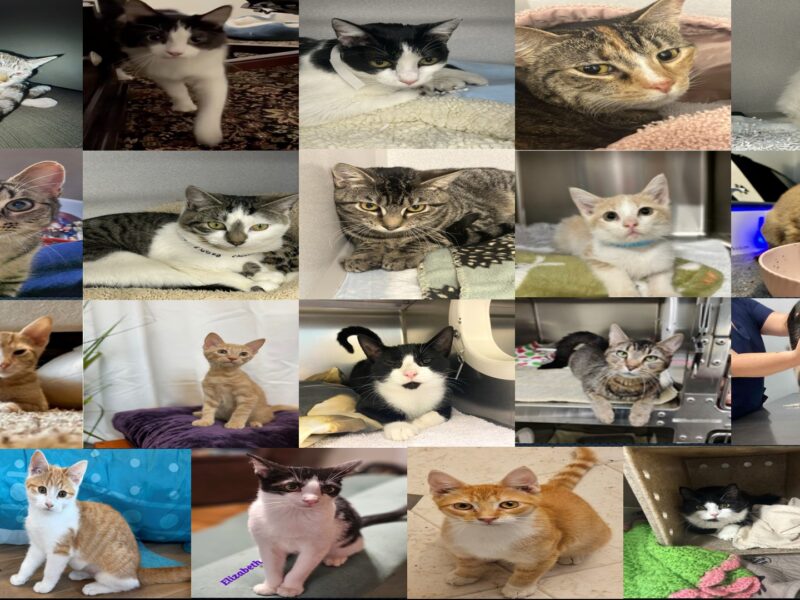
The 27-year-old Virginia man has received the harshest animal abuse penalty in his state’s history for what prosecutors called “acts of unspeakable evil”: Travis “adopted” dozens of cats from shelters, then checked into hotel rooms and tortured them for an online audience, who paid him for his acts of savagery.
I’m not going to get into exactly what he did. I’ve read about similar cases and I’m still haunted by the horrific things people do to cats for the sick bastards who get some sort of grotesque thrill from the suffering of animals.
What I will say is that 15 years is not enough.
This man needs to be permanently removed from society. I don’t believe the death penalty is consistent with a general respect for life, and it would be the easy way out.
Travis should sit in a prison cell for the rest of his life and think about what he did to animals, innocent creatures who feel pain just as much as we do.
He should remain segregated from human society for the rest of his life, because a person who is capable of planning such acts of barbarity, who used multiple identities to fool shelters and rescues, who taunted suspicious rescuers and inflicted so much pain and suffering, is emphatically not a person who can be released back into society.
Travis was caught thanks to the efforts of an entire network of animal lovers who helped track him down, and by a concerned hotel employee, who informed police when Travis checked into a hotel at 2 a.m. and departed about seven hours later, leaving blood and cat fur behind.
In addition to brutally torturing cats, Travis admitted to making $400,000 by posing as a good guy, uploading images of the injured cats online, and accepting donations he said were for veterinary care. He also claimed some of the cats had been diagnosed with cancer, opening Instagram accounts for each cat and relying on the sympathy of well-intentioned animal lovers.
In addition to proving how intentional and calculating Travis was in his crimes, this should be a reminder to everyone that our charitable dollars are best spent on reputable organizations that are registered as non-profits and have Form 990s filed with the IRS in good standing, with the documentation available on public sites like GuideStar. Too many bad actors, including people who operate rage-bait sites that post animal abuse cases and solicit money for things like running petitions, vacuum up cash from people they deceive.
Do not let him out
Statistics on recidivism, particularly for the kind of crimes Travis committed, do not bode well for anyone unlucky to encounter Travis when he is released – human or animal.
Animal life has intrinsic value, and that’s reason enough to keep Travis imprisoned, but we also know people who harm animals are very likely to move on to human victims as well. The evidence is overwhelming.
People who harm animals are five times as likely to harm humans compared to non-violent criminals. Forty three percent of school shooters had animal abuse incidents in their past. School shooters in Uvalde, Parkland and Buffalo, the authors of some of the worst school massacres in American history, all had records of animal abuse and abuse involving cats specifically.
Of those school shooters with histories of killing and torturing animals, some 90 percent committed “up close and personal” mutilation, bludgeoning, burning or strangling of their non-human victims.
Psychological studies of animal abusers show faulty brain wiring that results in a lack of empathy, extreme callousness, histories of anti-social behavior and lack of impulse control.
These are not people we should be allowing back into society, no matter how many misguided people argue that their victims are “just” cats, dogs and other animals. Every sign points to recidivism, yet somehow we act as if it’s a ludicrous idea to sentence people to long prison terms for animal abuse crimes.
Equally important is the fact that our politicians, who never met a special interest they wouldn’t take money from, have utterly failed to meaningfully update animal abuse laws or make penalties commensurate with the brutality of the crimes in question.
We accept endemic corruption, naked self-interest and the destruction of our country because we think politician A or B is some crucial vote in ultimately meaningless culture war nonsense, then act as if we’ve been given mana from heaven when one or two deign to listen to the handful of overworked, under-funded animal welfare organizations with vague promises that maybe, at some nebulous time in the future, they might allow a committee hearing on an animal abuse problem that has existed for decades.
That needs to stop. Our “public servants” need to be held accountable at the polls for their inaction.
Travis tortured 26 cats that we know of. Only four survived. He posted the videos to Youtube, Instagram and TikTok, platforms that collectively have an abysmal record of responding to animal abuse reports and seem to have a policy of doing absolutely nothing until law enforcement or an animal rights charity with national reach comes calling.
We, and most especially the animals, deserve better than this.

![Home Inspector Freaked Out By Large Maine Coon [VIDEO]](https://littlebuddythecat.com/wp-content/uploads/2025/05/budmirror.jpg?w=850)