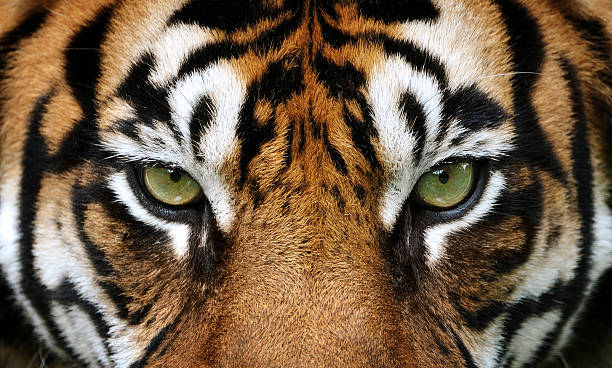
Want to dissuade criminals from targeting your home but can’t afford a fancy security system? A warning sign featuring Buddy’s terrifying visage will do!
Times are tough, everyone’s feeling the squeeze, and criminals are more motivated than ever to target homes that may have valuables in them.
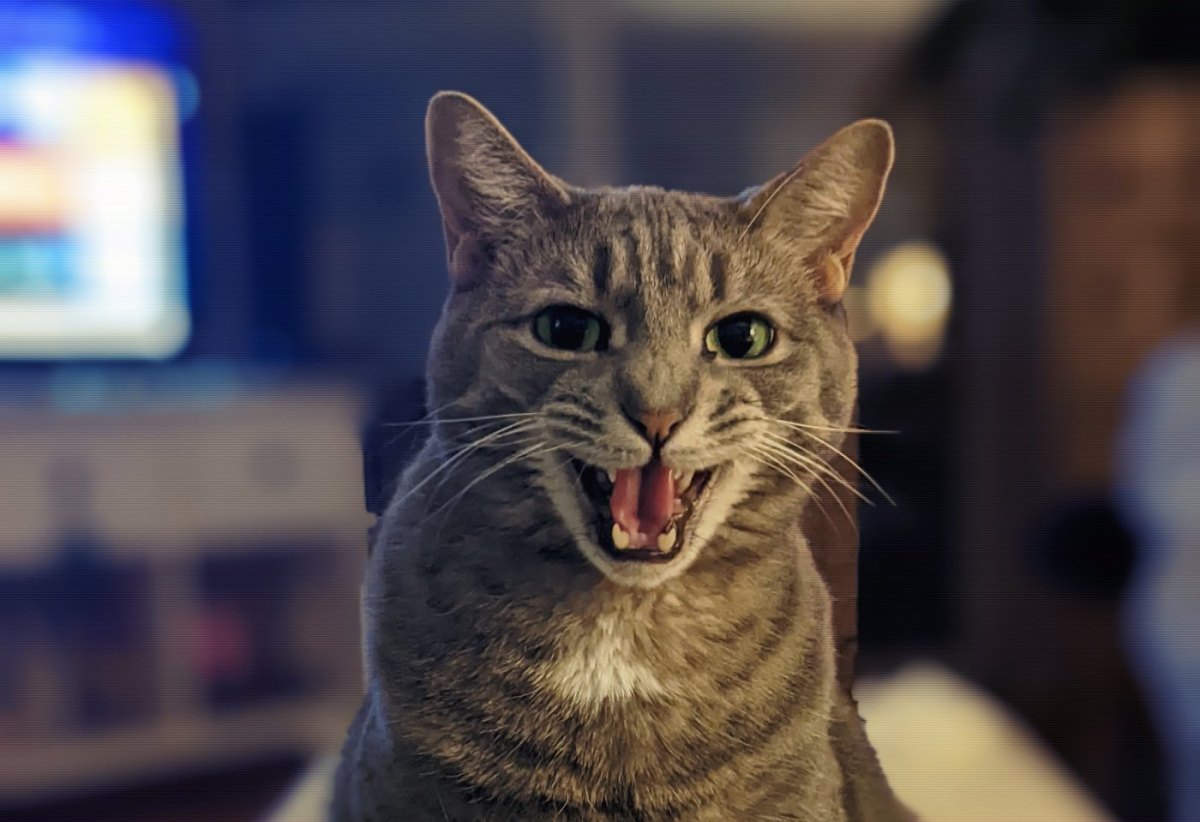
That’s why Buddy, in the spirit of altruism (and the guarantee of extra turkey) agreed to lend his fierce likeness to the below poster. According to the Buddinese Center For Criminal Justice, homeowners who display this “BEWARE OF CAT” sign are 99% less likely to be the victims of home robbery or burglary, as criminals will simply move on to a home that isn’t protected by an intimidating, extremely ripped feline:
Alternate version with even more intimidating image of feline protector:
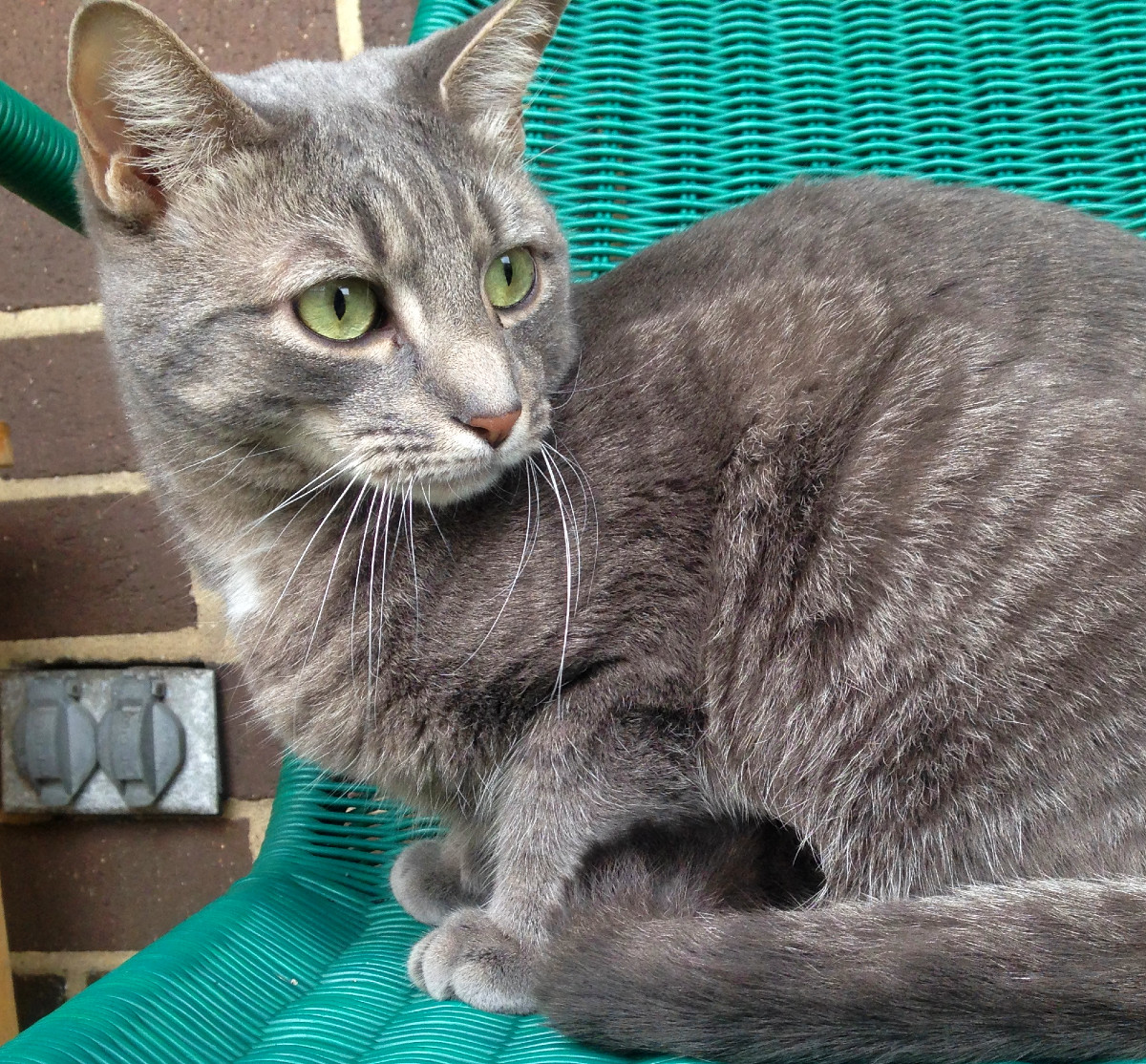
For more than two weeks after adopting him, I still didn’t have a name for my cat.
I imagined something badass, something funny, something better than all those boring pet names. But the playful, energetic, bold little kitten in front of me was no Brasidas (my favorite Spartan), Mo (my favorite pitcher) or Timothy Cavendish. (My favorite character from David Mitchell’s Cloud Atlas.)
So I kept calling him buddy while I waited for something to come to me, and then it became obvious: He is Buddy.
Original? Nah. But it describes him perfectly, and to me that’s the best part about adopting him, my first-ever pet.
We’re pals. Amigos. Chums. Accomplices. Buddies.
Buddy as he exists in his mind!
I don’t consider myself his “dad” even though I have parental, protective feelings for him. He’s my buddy who wants to be involved in everything I do, whether it’s helping me greet trick-or-treaters at the door like he did last night, batting a paw at my guitar strings to add his special touch to my recording takes, or just hanging out while I’m reading.
I knew it intuitively, but the best advice I ever got was to always remember your little friend, be it a cat or dog, has his or her own feelings.
There’s a lot of confusion around the word sentience and people often confuse it with the concept of sapience, but there is no doubt about it: mammals like cats and dogs, avian species like corvids (ravens, jays, crows and magpies), and even cephalopods like octopus are sentient.
They think. They feel. They experience emotions like joy, sadness, excitement, anxiety, love, loneliness and more, just as intensely as we do. They may not be able to articulate those feelings in words, but they’re real.
More than half a century’s worth of science has confirmed that fact at every step, and we continue to learn more about animal cognition with every advance in technology that allows us to peer deeper into their minds.
Awww, he tolerates me!
When you treat your pet with respect and keep their feelings in mind, you’ll have a friend for life.
A loyal friend whose love comes without condition.
A friend who won’t lie to you…except maybe when it comes to food. After all, Bud could win an Oscar for his role as a starving cat, even though a single glance at him confirms he’s never missed a meal.
If you’re where I was years ago and considering bringing a pet into your life, ask yourself if you’re ready for a commitment that could last two decades, if you’re ready and motivated to give an animal not just a forever home, but the best life the little one can live.
Remember that kittens and puppies grow up fast, and think about whether you’d rather have a whirlwind of energy who will wreck your sleeping habits for months, or an adult furball who is much more chill. Remember that you will have to do things you don’t like, whether it’s scooping a litter box or bagging poop on a walk. There will be expenses, scares, the occasional puked-on rug.
But the joy you’ll get, and the friendship you’ll have, will make it all worth it.
And if you’re sure, find yourself a buddy at your local shelter. Your life will be better for it.
P.S. If you’re a fool like me, you can also have fun imagining your cat or dog in absurd scenarios based on their personalities.
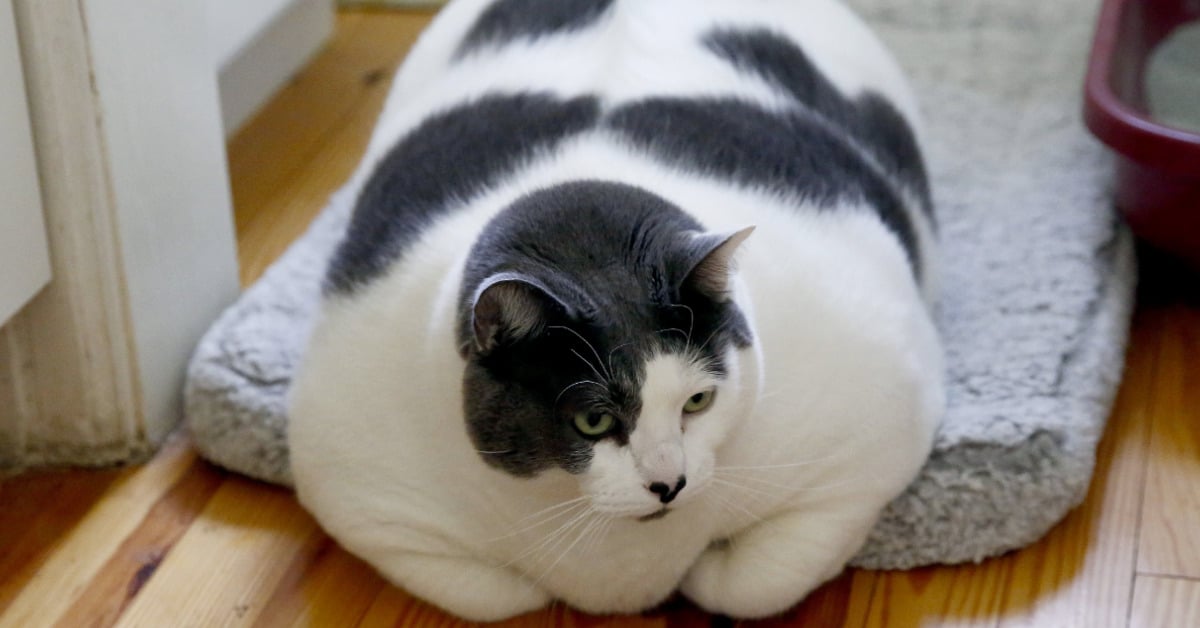
Patches was the biggest cat the staff at a Virginia animal shelter had ever seen, and was within snacking distance of the all-time record.
When Patches was surrendered to a Virginia animal shelter in mid-April of 2023, the staff — including longtime veterans of cat rescue — were taken aback.
The six-year-old feline weighed in at a staggering 40-plus pounds and was so big, the shelter staff had to keep him in an office because the largest crates they had were barely large enough for Patches to turn around.
“We thought we had seen big cats before, but he was definitely the biggest that we’ve ever seen,” Richmond Animal Care and Control’s Robin Young told the Washington Post at the time.
Patches was in dangerous territory for his personal health, and if allowed to continue gaining weight, he’d threaten the world record for a domestic cat, which is more than 46 pounds. (Guiness World Records stopped recognizing the heaviest cats decades ago because the organization didn’t want to encourage people to overfeed their cats in pursuit of the record.)
Top row: Patches in the early days shortly after his adoption. Bottom row: Patches after losing a significant amount of weight.
Last week, Patches reached a new milestone, weighing in at 18.94 pounds after more than two years of eating healthy and getting exercise with the help of Kay Ford, a retired businesswoman who adopted him.
It’s an incredible achievement, and one that was hard-fought, as anyone familiar with cats will know. Many well-fed cats can convince almost anyone they’re starving.
Ford’s pitch to the shelter made it easy for them as they fielded a flood of adoption applications for the chonkster, who had attracted plenty of attention as soon as the shelter posted about him online.
Ford told the shelter she was experienced, committed to helping Patches get down to a healthy weight, and would look forward to the challenge. She’d put on a few pounds during the pandemic, she added, and would lose weight alongside her new pal.
“I’ve had cats all my life,” Ford told the Post at the time. “It just seemed like the right thing.”
Ford with Patches shortly after meeting him. Credit: Richmond Animal Care and Control
She agreed to meetings at the shelter to review a weight loss plan and began documenting Patches’ progress on a Facebook page, Patches’ Journey, which now has more than 53,000 people following the feline’s transformation.
His diet isn’t over, and it’s a lifestyle change meant to be permanent, but there are a lot of people who are proud of the (much less) big guy, who now looks like a completely different cat.
Zoologists were at a loss to explain how the tabby cat moved effortlessly among the big cats without becoming a light snack.
NEW YORK — Zoo visitors and keepers alike were flabbergasted at the sight of a small gray tabby cat lounging in several big cat enclosures on Monday.
Zoologists and a security team were called to the tiger exhibit at 11:45 am when guests reported the domestic cat had somehow entered the enclosure and had settled down between two adult Bengal tigers for a nap.
“It almost looked like the little cat was demonstrating his form for the tigers,” said Al Farelli, who brought his two girls to the zoo Monday and witnessed the strange event. “Both tigers copied the small cat’s posture and then they all dozed off.”
Buddy the Cat enjoying a late morning nap with tigers Zeus, left, and Achilles, right.
Zookeepers, initially fearing for the tiny cat’s safety, were conferring and were trying to coax the domestic feline toward a keeper entrance when the little cat lifted his head and hissed. Zeus, taking notice, followed the smaller cat’s lead and growled at the keepers.
“Never seen anything like it, and I’ve been working with predators for more than 20 years,” said Wendy Johnson, a senior zookeeper.
Zoo staff breathed a sigh of relief when the feline left the enclosure about an hour later, but were incredulous when they received guest reports that the cat had popped up again in Jaguar Jungle.
“We’re just standing there and admiring these majestic big cats when a gray kitty comes padding into the enclosure with his tail up, as if he didn’t have a care in the world,” said Melissa Matthews, a Manhattanite who was at the park with friends.
“Then when the jaguars saw him I gasped because I thought he was about to become an hors d’oeuvre for one of them,” she said, shuddering. “But they chuffed happily, exchanged paw bumps with the little guy and groomed him.”
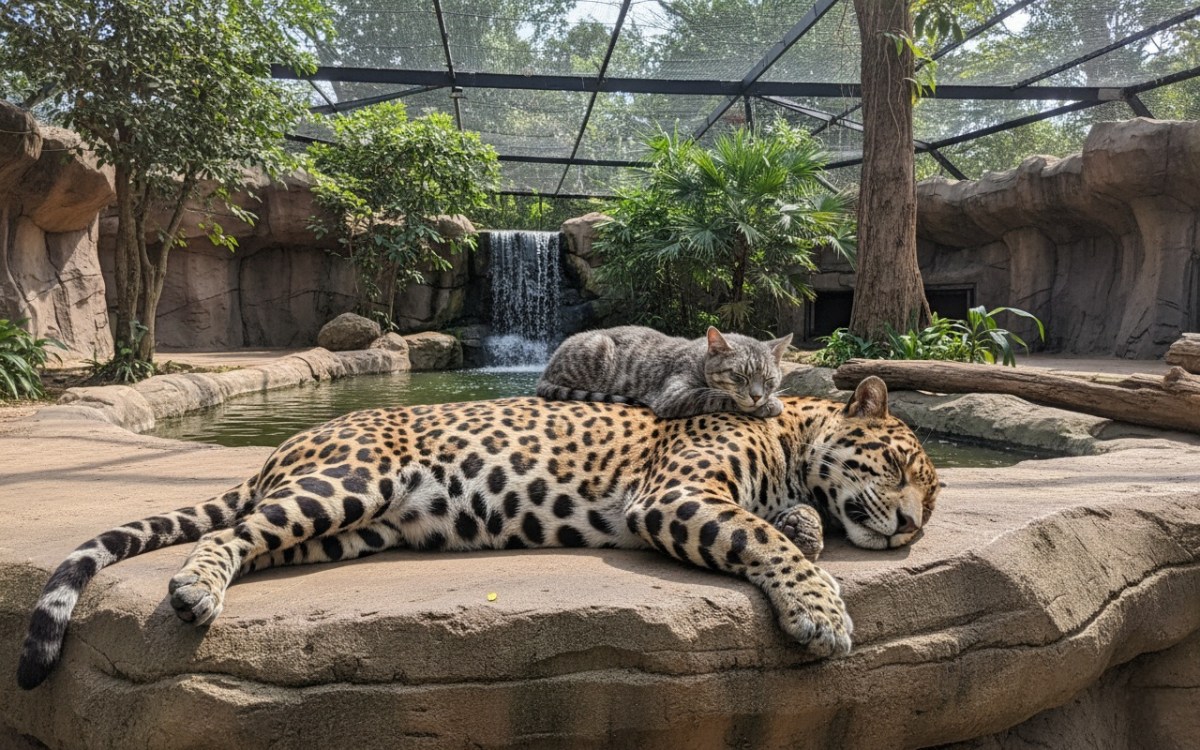
Once again, the tabby cat settled down for a nap, laying on top of a jaguar named Ixchel.
Buddy finally made his way to the lion exhibit by late afternoon, settling down to nap with a lion named Colossus.
Meanwhile a New York man arrived at the zoo, explaining he’d seen clips of the bizarre scene on social media and recognized the feline as his cat, Buddy.
“He’s always doing this!” the man told zoo staff. “There was the time leopards almost ate him on the Masi Mara, the incident in the Amazon when he took ayahuasca with jaguar shamans, and the debacle when he tried to make himself king of the rusty spotted cats.”
As of late Monday the man was seen arguing with the silver tabby and trying to bribe him out of the enclosure with an impressive snack spread.
A California cat tries her paw at culinary creations, while a video of a void demonstrates the power of feline persistence when it comes to annoying their people into doing their bidding.
Who says cats don’t love their people?
A California cat named Wendy decided to add a little, uh, flavor to her family’s dinner.
When Wendy’s human mom walked back into the kitchen after feeding the family’s dogs, Wendy’s odd behavior prompted her to check an internal camera to see what the tabby was up to.
The footage showed Wendy dropping a dead mouse into the pot.
The foster fail’s humans, however, didn’t appreciate Wendy’s special ingredient.
“As you can guess,” Wendy’s human “mom” told a local TV news station, “it was takeout for dinner that night.”
Wake up, humans!
Anyone who claims cats are oblivious to the people they live with has never really spent much time around the little stinkers.
This void cat knows precisely how to annoy her people to the point where they give up on sleep and get up to feed her:
Which is interesting to me because that’s precisely what Bud used to do, with two key differences: 1) He’d raise and slam the flap to his litter box, which had a distinct creak from the joints, 2) He didn’t do it to get food, since he already gets a bowl of dry food and fresh water just before bedtime.
He did it to wake me up so we could hang out and be amigos.
If I succumbed to his assault of annoyingness, he’d give me a “Mrrrrrp!” like he was saying “Right on, dude. Righteous! So I’m gonna lay on your chest with my nose two inches away from yours and just, like, stare at you all creepy-like while you scratch my head, deal?”
I’ve since replaced that litter box with one that also has a cover, but no flap. I regret that decision, because now Bud just stands on my face and shrieks “MRRRRAAAHHH!!! MMMRRRAAAHHH!” into my ear.
I should have known there’s no winning with our feline overlords.











 Pain In The Bud