Grieving Family Wants Answers After Amazon Driver’s Theft Of Their Cat Ends With His Death

A Kansas City family is in anguish after an Amazon delivery driver stole their senior cat, beginning a sequence of events that led to his death. Once again, Amazon treated the situation like a routine customer service issue.

At this point it feels like the certainties in life are death, taxes and Amazon delivery drivers stealing pets.

If there’s a fourth, it’s Amazon’s predictably awful response to customers whose cats and dogs are stolen by the company’s drivers. Whether asking distraught customers how much the pet was worth, offering credit, or offering to send stuffed animals as replacements, Amazon has generally been unhelpful. This is a pattern going back years now and Amazon still hasn’t come up with a protocol to handle these situations.

A recurring problem is that Amazon treats the incidents like regular customer service complaints. Their customer service representatives aren’t trained for the possibility, they are apparently reluctant to go off-script, and the result is that the reps treat the missing pets like fungible products, as if these situations can be rectified by sending a replacement or reimbursing a customer.

That’s the last thing anyone wants to hear. Pets are companions, considered family by most Americans who have cats and dogs in their homes. Hearing “And how much would you say Fluffy’s worth?” exacerbates the frustration and worry.

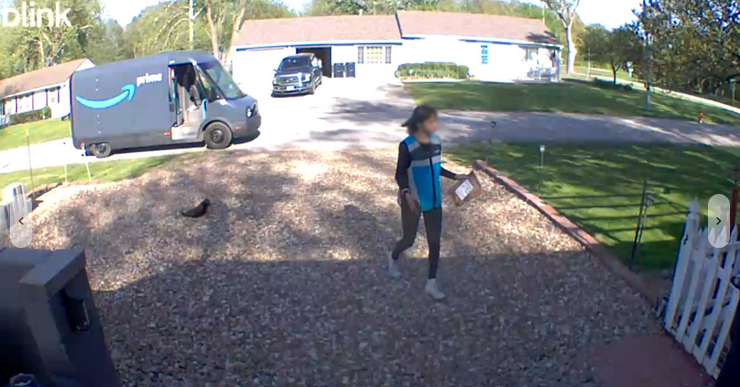
In the latest incident, surveillance footage shows an Amazon driver picking up a cat named Sidney from his family’s driveway in Kansas City on April 20. At 16 years old, dependent on medication with his health failing, Sidney was near the end of his life, Marsha Reeves told the local Fox affiliate.
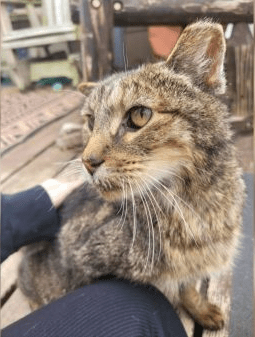
Sidney

“I knew his time was near, and I just wanted him to be comfortable and at home when it came,” she said.

Because of the driver’s actions, Sidney’s last days were spent in distress and confusion, separated from the people who loved him. The driver surrendered him to a shelter the next day, and Sidney was bounced between shelters and animal control with his family frantically trying to track him when a veterinarian at a rescue group euthanized him.

“I cannot even imagine what he was thinking,” she said. “He did not deserve to die on a metal table with strangers poking him. He should have been at home in my arms when he took his last breath.”

Marsha Reeves, Sidney’s human

It’s a tragic and horrific end for a cat whose family wanted to fill his last days with love. They’re denied closure, and to add to the awfulness of the situation, Reeves said the mega-corporation was not helpful, at first not admitting one of its drivers took the cat, then slow-walking the response.

“I cannot even imagine what he was thinking,” Reeves said. “He did not deserve to die on a metal table with strangers poking him. He should have been at home in my arms when he took his last breath.”

We’ve written about this before, and previous cases make it clear: people who find themselves in this situation should not wait for Amazon (or any other company) to handle it, because it’s not a priority for them. In every case in which a family has successfully regained their cat, the common denominator was they took it upon themselves to lead the effort and were relentless in searching, posting flyers locally, rallying support online and making noise in local media. Sometimes even that’s not enough, but it increases the odds of a happy reunion by orders of magnitude compared to putting faith in a corporation and police.

In this case, there’s been no word from Amazon about consequences for the driver or changes to the way the company trains its delivery workforce and customer service representatives.

The driver “needs to come with a supervisor and face me and my family members who this has affected,” Reeves told the local Fox affiliate. “I think Amazon needs to be held accountable. I think this young woman needs to be held accountable. She needs to realize that there are consequences to her decision making.”

So far the company hasn’t admitted wrongdoing or offered an apology, which is consistent with cases in the past involving drivers who have stolen pets.

“Why won’t Amazon just come out and say ‘we screwed up?’”
Recent News Stories Claim People Have Spotted A Type Of Cat That Doesn’t Exist

It’s easy to mistake house cats for larger wildcats when photos and videos are blurry and lack familiar items to establish a sense of scale. The same phenomenon is responsible for UFO sightings and cryptid creatures like the Loch Ness Monster.

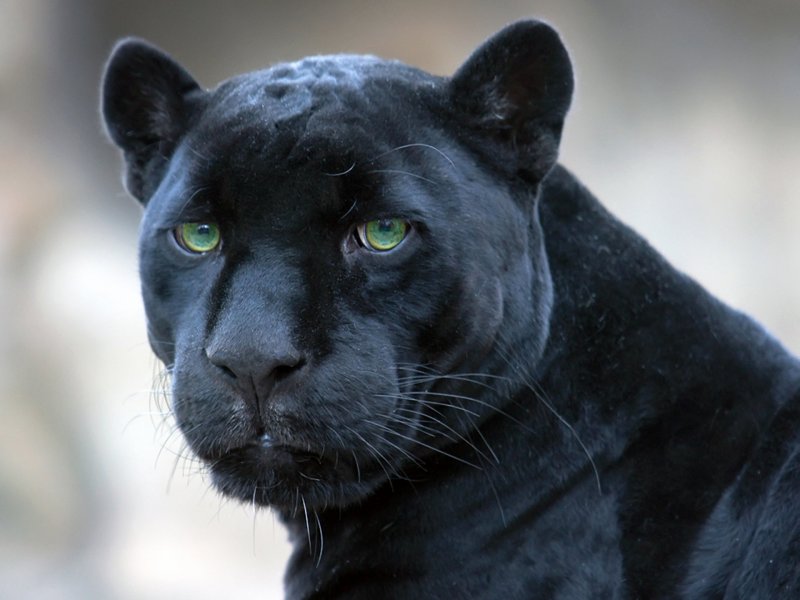
Recently several reports have been making a big deal about blurry videos of black cats, claiming they’re “black mountain lions” or “black panthers” roaming in places like Missouri and Louisiana.

The footage of the first video was shot in Missouri, where pumas once ranged, were extirpated in the 20th century, and have returned in small numbers in recent decades. Like most photos and videos of cryptid or unidentified animals, this one is blurry, taken from a distance, and lacks any object near the animal to provide a sense of scale. The second video is simply a black house cat with her kitten in rural Louisiana.

Our brains are pattern recognition machines and when the information we’re looking for — be it spatial, detail or contextual data — isn’t present, our minds tend to fill in the gaps. That’s the reason why we see faces in clouds, creatures in shadows, men on the moon and the Virgin Mary on grilled cheese sandwiches. (The technical term for “perception imposing meaningful interpretation on a nebulous stimulus” is “pareidolia,” from the Greek for “instead of” and “image.”)

Compounding the problem is the fact that the word “panther” is one of the most confusing of felid descriptors, a word that vaguely refers to physically large cats but doesn’t refer to any particular species, coat pattern or color.

Above: A jaguar, a leopard, a puma (mountain lion) and a melanistic jaguar. Although jaguars and leopards look nearly identical, jaguars are stocker with thicker limbs and have blotches inside their rosettes, while leopards do not.

The word panther can refer to a puma, a jaguar or a leopard, but only the latter two species can have melanistic (black) coats.

Contrary to popular belief, even a black cat’s fur is not entirely black — you can still see the rosettes and spots of their coat patterns up close and in certain light conditions.

blackjaguar
This jaguar’s rosettes and spots are visible in direct light. Jaguars in the wild are rarely seen so close or in “perfect” conditions, making it difficult to see coat markings of melanistic members of the species. Credit: Wikimedia Commons

However, jaguars don’t range in Missouri, leopards are not native to the Americas, and if someone indeed spotted one of the very rare pumas in Missouri, it could not be black because melanistic pumas do not exist.

Mountain lions (Puma concolor in taxonomic nomenclature) are physically large and are the second-biggest cats by size and weight in the western hemisphere after jaguars, but they are not technically “big cats” because they are not part of the pantherinae subfamily. Pumas cannot roar like big cats, but they’re capable of the classic wildcat “scream,” and they can even meow like small cats.

By process of elimination — and the cat’s physical shape — we can conclude the Missouri video shows a house cat that looks larger because there’s nothing nearby to give us a sense of scale.

Grilled cheese Virgin Mary
This piece of a grilled cheese sandwich sold for $28,000 on eBay in 2004 because bidders believed the Virgin Mary’s face miraculously appeared on it. Credit: eBay

It may seem unlikely that someone confuses a house cat, which weighs an average of 10 pounds, with a puma, which weighs on average more than 100 pounds, with the largest males pushing 220 pounds.

But it happens all the time even in close encounters, like the incident this summer in which a man riding a dirt bike swore he was ambushed by a puma only for DNA to establish beyond doubt that his attacker was a domestic kitty. For what it’s worth, he still swears it was a mountain lion.

If you enjoy reading content from Pain In the Bud, please consider whitelisting us from your browser’s ad blocker. Thanks!

Buddy The Cat Launches Operation Yums After Crash Spills Thousands Of Cat Food Cans On Highway

Oblivious humans didn’t seem to realize how valuable the truck’s cargo was, providing a prime opportunity for sneaky cats.

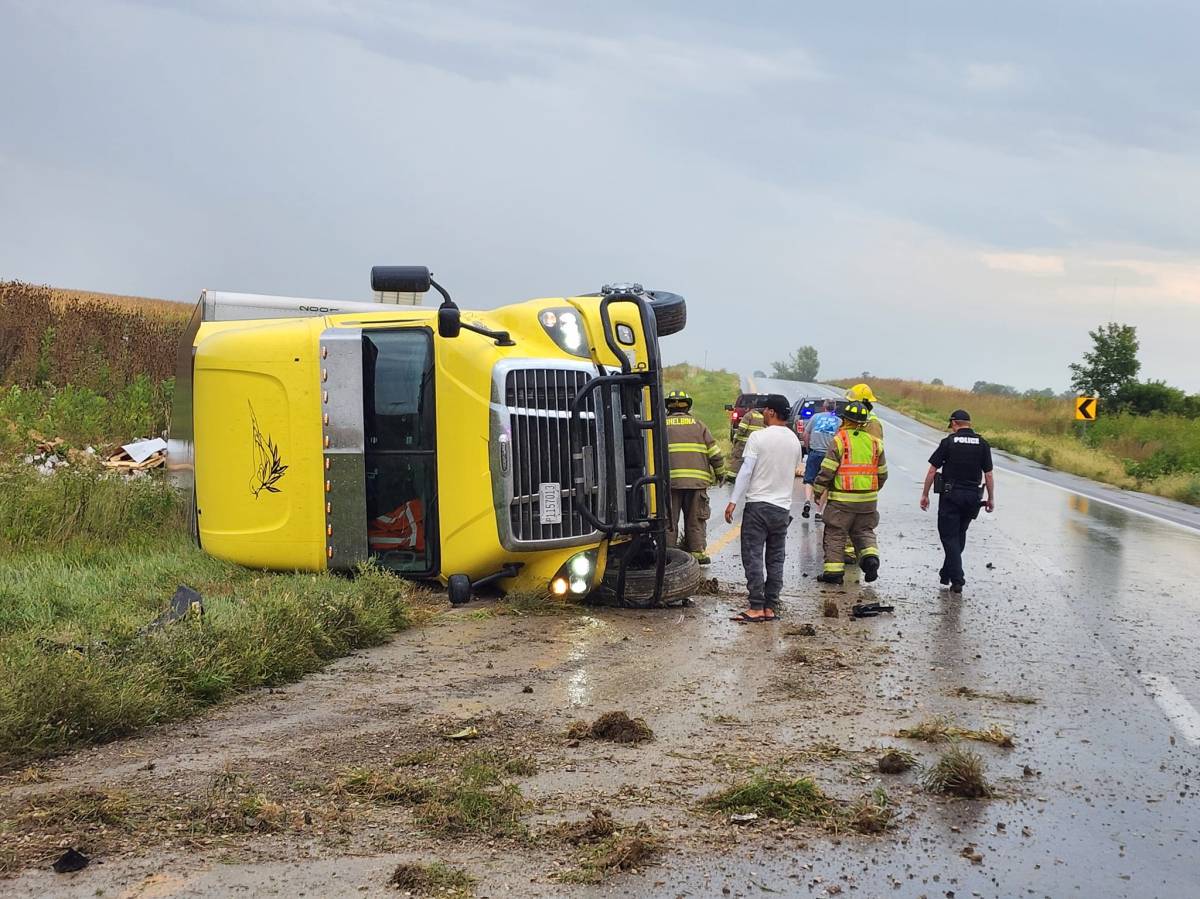
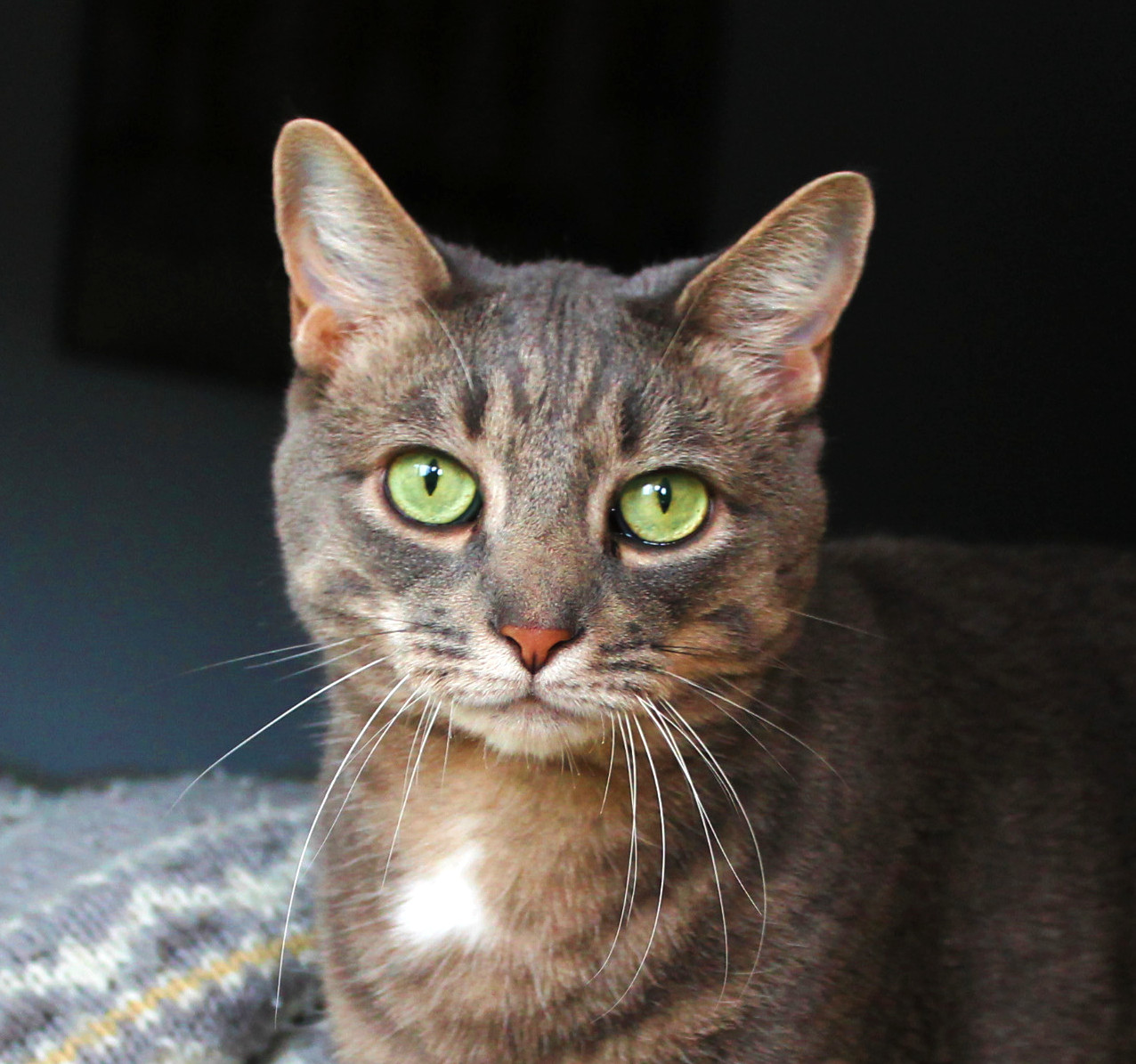
SHELBINA, Missouri — Standing in the shade of his command tent on the side of a rural highway, Buddy the Cat holds a pair of binoculars up to his face with both paws early Thursday morning, scanning for cat food.

“I don’t see a damn thing,” the silver tabby cat says, squinting.

A four-year-old striped ginger cat, an assistant, clears his throat. “You have to take off the lens caps, sir.”

Buddy turns, glares at his assistant, then makes a show of removing the lens caps as if that had been his idea all along.

“Aha!” he says triumphantly. “I see the cans!”

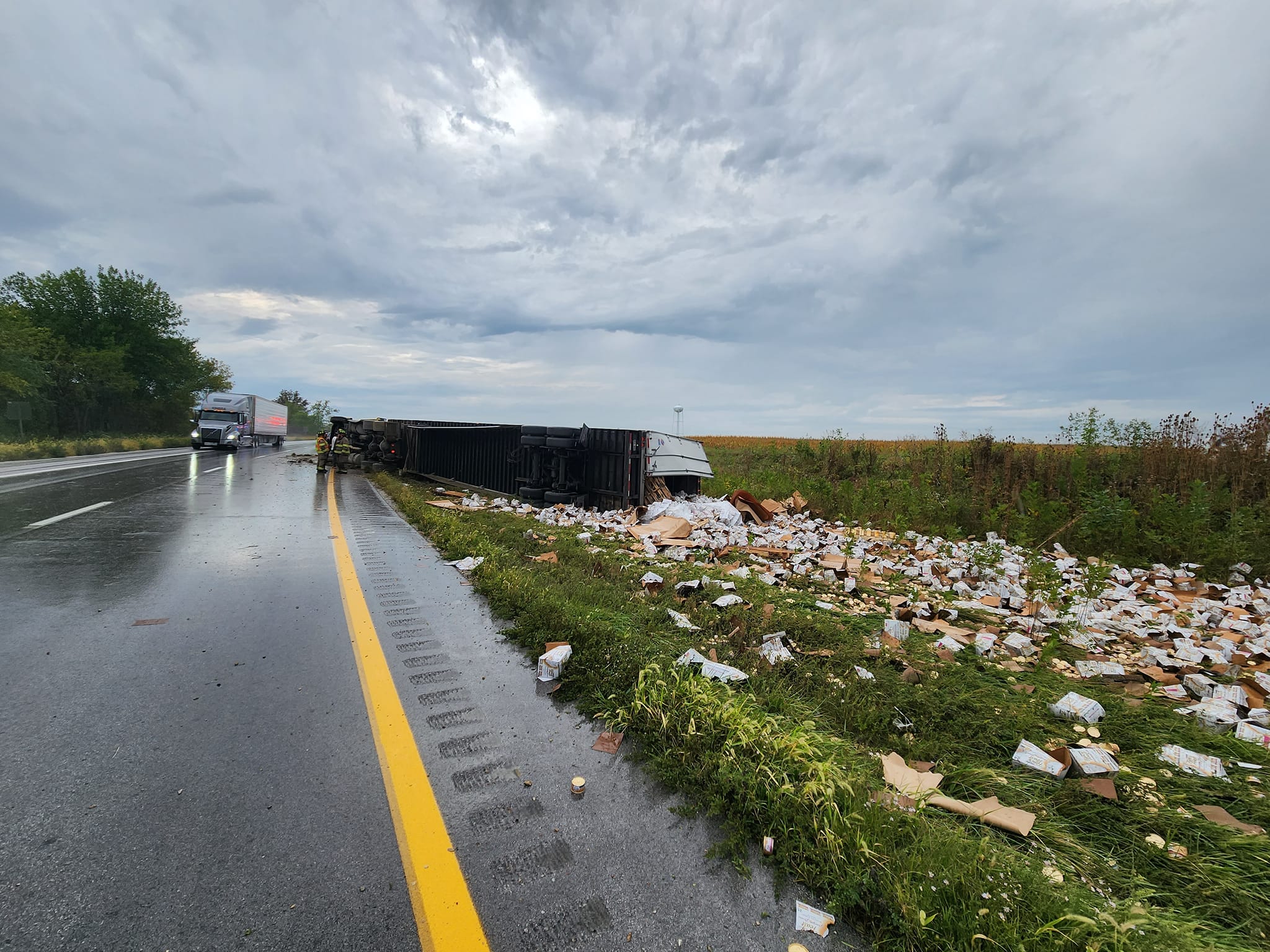
catfoodspill
Valuable cans of delicious yums were scattered off the shoulder of the highway, with stupid humans oblivious to their value. Credit: Shelbina Fire Protection District

That was the scene at what the mercurial feline is calling Operation Yums HQ, less than a half mile from the site of an overturned tractor trailer on Missouri’s Highway 36. The truck, which had been headed east, drifted onto the right shoulder of the highway and tipped over into a ditch, spilling its glorious, delicious, must-be-acquired cargo onto the surrounding grass and concrete.

“Look at it,” Buddy said, surveying the scene as firefighters, police and paramedics saw to the driver, closed down one lane and directed traffic around the accident. “Soon, it will be all mine. Er, I mean ours. Muahaha!”

The driver wasn’t hurt in the crash, the Shelbina Fire Protection District said. Shelbina is about 70 miles east of Kansas City.

Authorities weren’t initially sure what caused the tractor trailer to tip over, but said rain and a slick road could have been factors. They’re still investigating.

In the meantime, the human emergency services personnel were oblivious to the cats huddling just out of view, licking their lips and preparing to raid the site under the cover of darkness.

“Stupid humans, they don’t even know they’re sitting on a gold mine!” said Buddy’s second-in-command, Smushface McCutiePants. “Take heart, dear companions, for tonight we dine on Fancy Feast!”

buddy_eyes

Reason #53 To Keep Your Cats Indoors: Vigilantes

A cat killer warns people in one neighborhood to get their cats off the streets.

One bad thing about having Google News alerts for cat-related stories is the sheer, sickening volume of articles about cats who are maimed, tortured, killed by vigilante lunatics, dispatched by overzealous birders, shot with BB guns or arrows, poisoned with antifreeze, murdered as proxies in domestic violence incidents, kicked like soccer balls by juvenile psychopaths, or tragically killed by someone’s epic stupidity.

The amount of violence directed at felines is mind-boggling, and it doesn’t reflect well on the US: For example in Istanbul, a city of more than 15 million people, there are some 130,000 cats living on the streets, not including pets. While many ‘Mericans see an animal and think “Let’s shoot it!” the people of Turkey are overwhelmingly compassionate, going to incredible lengths to make sure street cats are fed, watered, sheltered and have access to veterinary care.

Today’s story fits in the “vigilante lunatics” category.

It’s not clear if the person in question simply hates cats or is acting out of some misguided campaign to “protect” small wildlife, but we do know that a would-be cat killer is threatening to kill outdoor kitties in Joplin, Missouri, a city about 230 miles east of Oklahoma City.

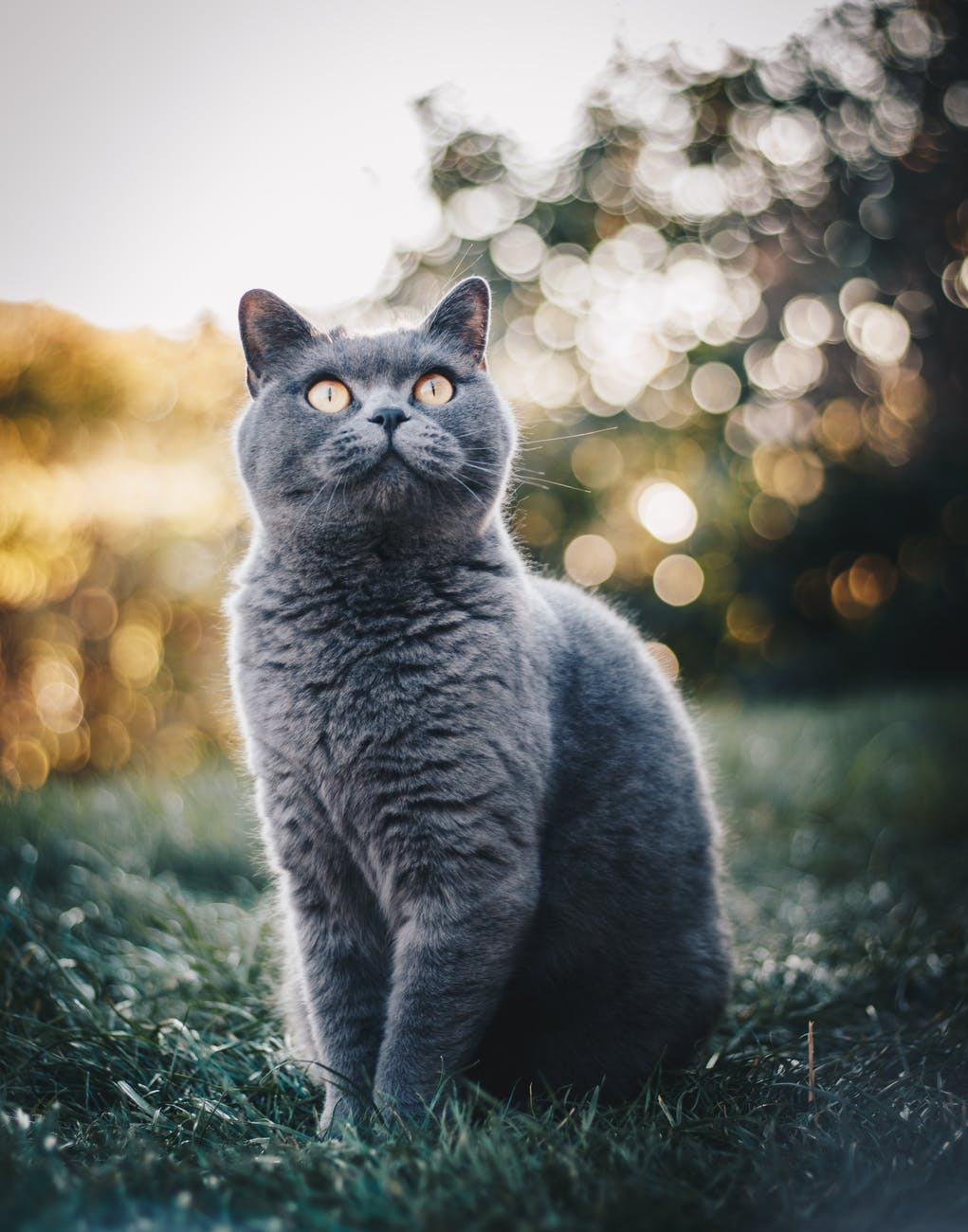
photo of british shorthair cat sitting on grass field
Credit: Kirsten Bu00fchne/Pexels

The suspect slapped warning letters and posters on the front doors of homes along four separate streets between 2:40 and 5 a.m. on Monday, local police said.

Cops haven’t released the full text of the letters, but said the letter-writer threatened to kill any stray or feral cats he or she comes across in the neighborhood. Likewise, while police did say images of the letter-writer were captured on doorbell cameras, they’re holding the identifying details close to the vest right now, which they may do for any number of reasons.

One of the homeowner who received the letter said he fears his two missing cats are now dead. Another neighbor said the letters follow similar threats by a woman wearing a red jacket, who told some people in the neighborhood to keep their cats inside or else.

“The lady, she was walking up and down the streets going door to door telling everybody that they better watch out for our cats because they were going to start being euthanized,” the neighbor told WKSN, the local NBC affiliate.

Joplin police are offering $2,500 to anyone with information that leads to the arrest of the letter-writer.