Americans live differently than they did even a decade ago, and those lifestyle changes have changed what they look for in companion animals.
About a decade ago, Americans were adopting almost twice as many puppies as they were kittens, continuing a long tradition of dogs wearing the favored pet crown in the US.
Now households have only .94 puppies for every kitten, according to researched firm Packaged Facts, and it’s not because people are adopting more cats. Instead, people are adopting fewer puppies and dogs.
The reasons are complex but boil down to larger trends in our society. People have less disposable income, live in smaller homes, and travel more. Dogs have to be kenneled or brought along on trips, which presents additional logistical challenges, while cats are rarely taken on short trips and vacations. As highly territorial animals who thrive on stability, cats do better staying at home where things are just how they like them, with familiar sights, sounds and smells.
Yet despite the significant shift in the adoption ratio, the pet products market hasn’t adjusted, Packaged Facts CEO Robert Granader writes in the Washington Post. Most services, including grooming and boarding, are aimed at dogs, as are special retail items, accommodations and conveniences.
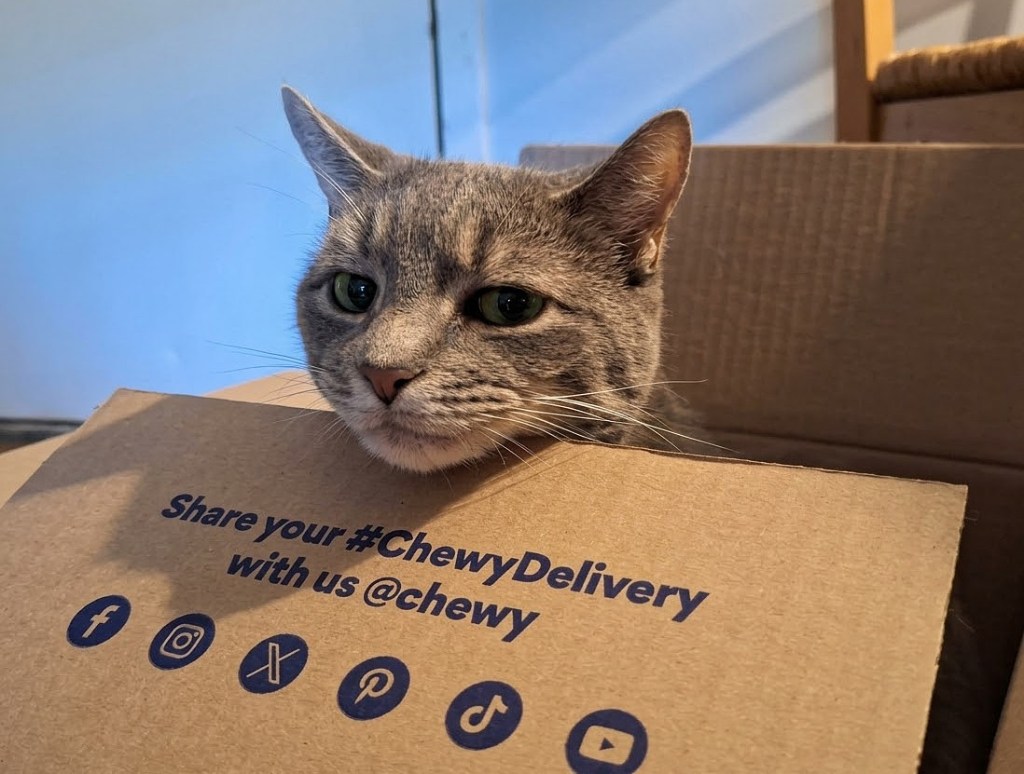
“There are dog parks, dog beaches, dog-friendly hotels, dog-friendly restaurants, dog bakeries and even dog airlines,” Grenader writes. “Cats are largely left out. They get leftover boxes from Amazon deliveries.”
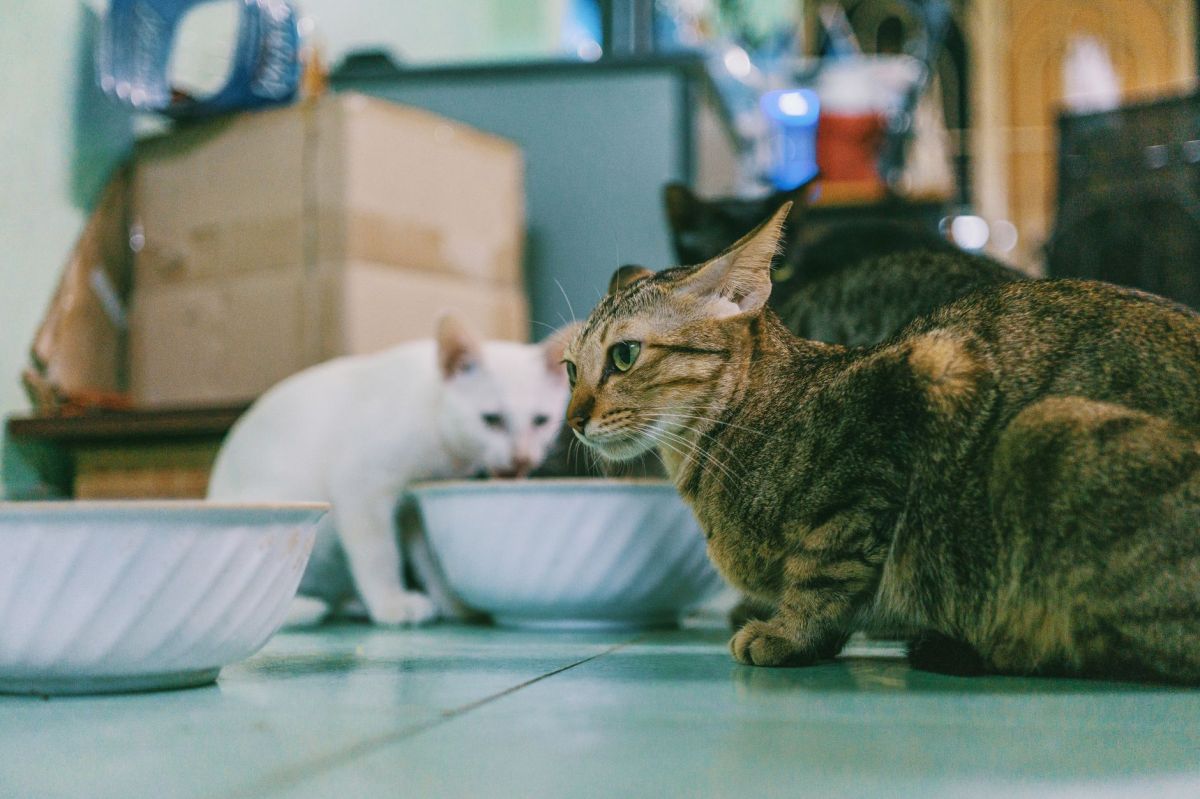
“We get the boxes. I like boxes!”
Noting that homeowners are twice as likely to adopt dogs than renters, Granader points to decline home ownership, higher mortgages and stagnant wages as additional contributors to the dog adoption slowdown.
Of course that also means dogs will have fewer opportunities to find homes, and will lead to a ripple effect on shelters and euthanasia rates. Unless economic and societal changes revert, the trend is likely to hold.
“This isn’t a story about cats replacing dogs,” Granader wrote. “It’s about Americans becoming more like cats: living in smaller spaces, valuing independence and preferring to be left alone.”
Of course the story includes common misconceptions about cats. Grenader claims cats are “quieter” and find it “easier to live by themselves.”
“A cat barely notices you’ve left the house,” he writes.
Granader may not have much experience with cats, as those of us whose feline overlords wait by the door for us to return and vocalize regularly can attest the species is not necessarily quieter or less attached. They may pretend they are unbothered by our absence, but that’s feline stoicism and weirdness, not a reflection of reality. The idea that domestic cats prefer solitude is also an old myth.
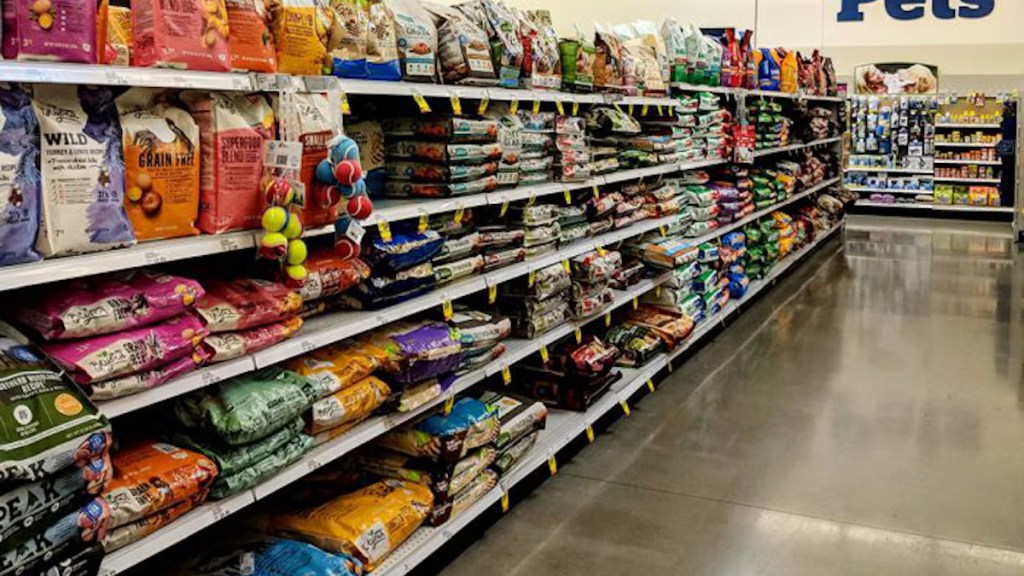
As for the impact on products, services and choices, the market will go where the money is, and it’ll take a few years for the effects of declining dog adoptions to fully realize in consumer spaces. In other words, don’t expect your local pet shop to switch an extra aisle over to cat gear next time you pop in.
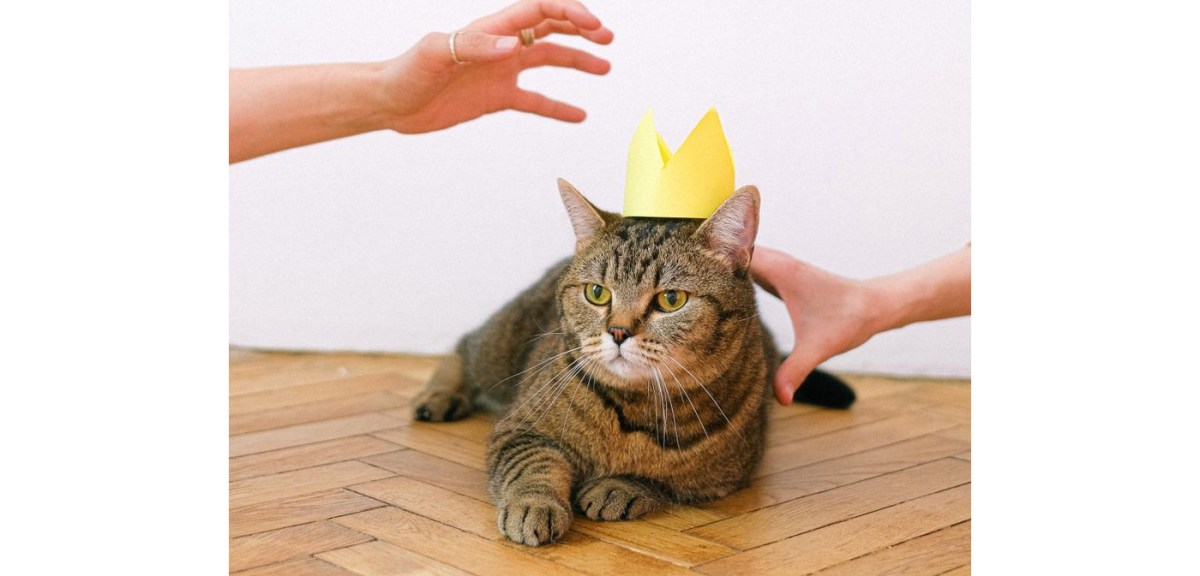
Lastly, we would not rule out the possibility that this is all the result of some feline scheme whose foundations were laid years ago. Cats are remarkably lazy but equally innovative when properly motivated, and they’ve always been sure they should possess the crown.
The photo of Buddy in his new box was taken on Saturday. Looking pretty good for a little dude pushing 13, eh?
Unlike anything else on TV, Slow Horses expertly blends action, intrigue and wit for an unrelenting spy thriller.
Someone’s coming for the Slow Horses, and our heroes don’t have plot armor.
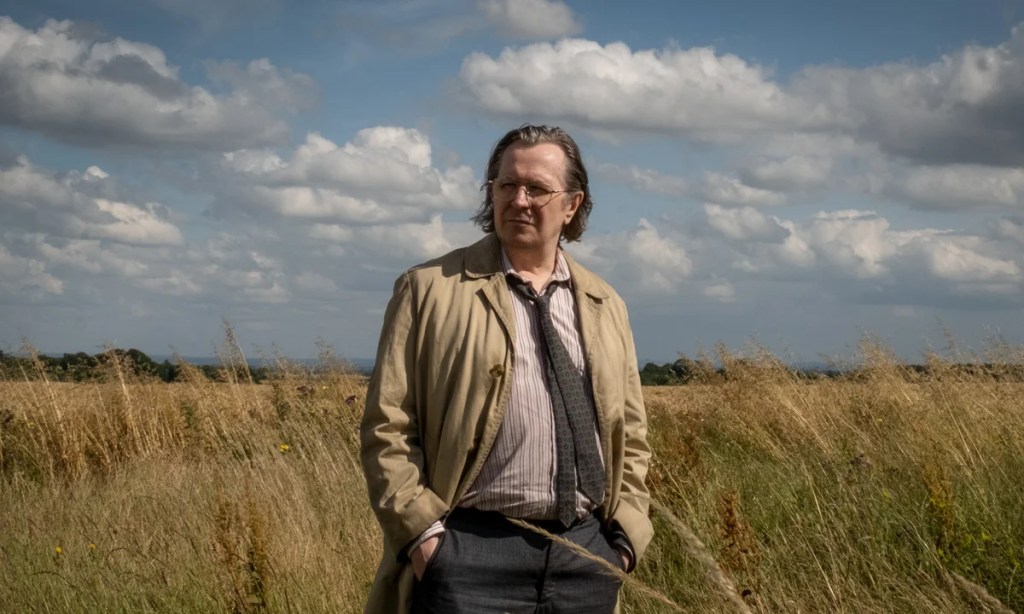
In our first review of Apple TV’s smash spy hit Slow Horses more than two and a half years ago, we called it the best thriller on TV and praised Gary Oldman’s turn as the surly codger Jackson Lamb, who captains an office of MI5’s worst screw-ups and delights in tormenting them.
Now in its sixth season, the espionage drama has never been better.
The show’s writers have perfected the art of cranking up tension while knowing when to cut it with dry humor, whether it’s Lamb’s biting sarcasm, agent River Cartwright’s annoying earnestness or the delusional confidence of Roddy Ho, the Slow Horses’ tech specialist who believes women are lining up to get a crack at him.
The last two seasons have seen the Horses dismantle a terror ring, get pulled into the ugliness of national politics, and face down an extraordinary manipulator with a serious grudge against the British.
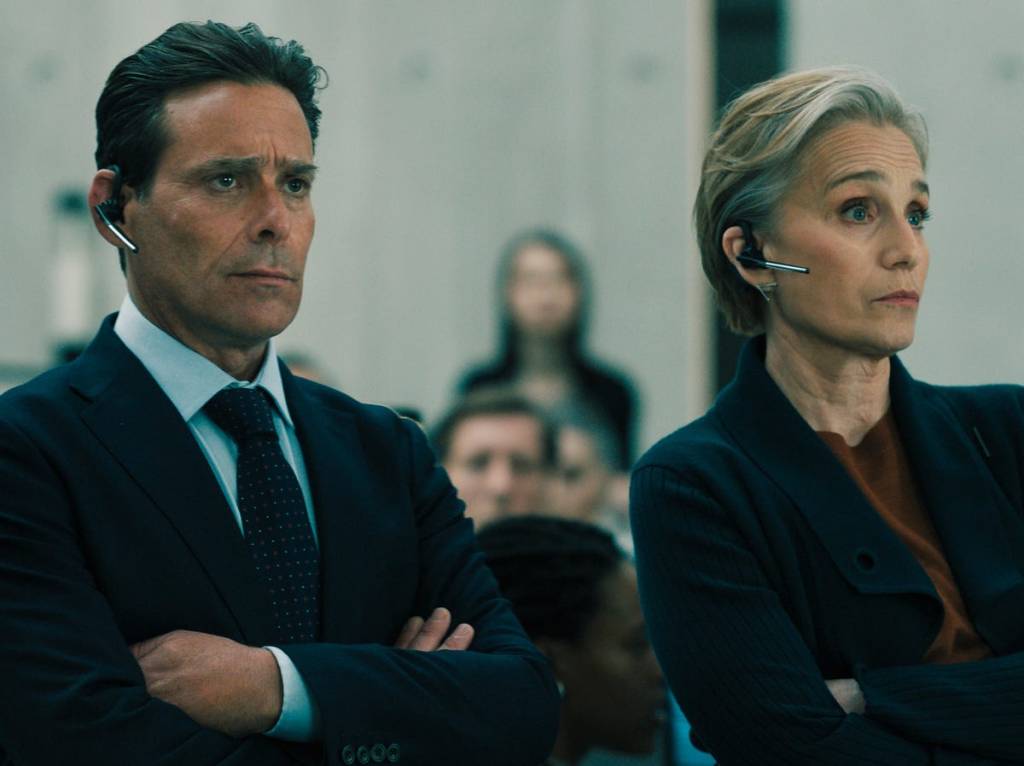
James Callis and Kristen Scott Thomas play MI5’s bosses in the UK spy thriller. Credit: Apple TV
The sixth season is the deadliest yet, with an unidentified foe from the past systematically assassinating anyone who’s ever worked at Slough House, the Horses’ dilapidated, grubby headquarters.
They lock one former Horse in a shipping container full of accelerant and burn him alive, drown another in London’s canals, and stage the death of a third with a lethal gas before Lamb and his “losers” (his words) realize they’ve got targets on their backs. And that’s just the very beginning of the season.
All three assassinations are meant to look like accidents, but Lamb tells the Horses to go to ground. The show’s spies have occasionally reminded the audience there are two sets of rules: under Moscow rules, watch your back. Under London rules, cover your arse.
Lamb fears he and his agents are the sacrifice in a panicked MI5 attempt at arse-covering, meaning Moscow and London rules are now in play. The Slow Horses will get no help from “the park,” MI5’s headquarters, nor from any of its brass, who are likely in on the plot to stab Lamb and his spies in the back.
Oldman’s Jackson Lamb, whose rumpled, hygienically challenged appearance masks the sharp mind of a Cold War veteran spy always several steps ahead of everyone else. Credit: Apple TV
No fat or filler
At a time when it’s unfortunately common for TV shows to take two or even three-year breaks between seasons (with Netfix taking more than five years between installments of one of its most popular shows), Slow Horses releases a new season like clockwork every 11 or 12 months.
The showrunners accomplish this in part because they’re constantly writing, even while filming, and because with six hour-long episodes per season, there is no filler. Things move fast, plots ramp up quickly, and we learn about the characters not through leisurely exposition but in the most natural way, by seeing how they react and pull together when things are at their worst.
Oldman’s Lamb is the role of a lifetime and the veteran actor is at his best here, only occasionally letting his vulgar, derisive mask slip to show paternalistic care for the agents under his wing. Not all of them are the screw-ups they’re portrayed as, and some are actually excellent spies who have been railroaded or sidelined due to character issues.
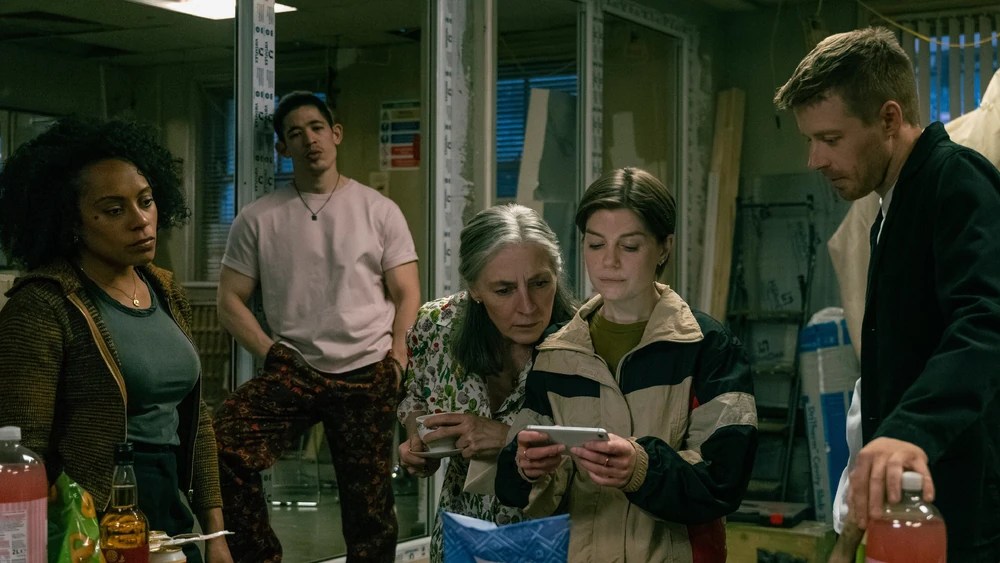
Shirley, center, shows the other Slow Horses video proof that an assassination squad is after one of their own. Credit: Apple TV
Cartwright (Jack Lowden), the most prominent of them, unknowingly did too good of a job when tailing MI5’s second-in-command during a training exercise and caught her debriefing an off-the-books agent who was tasked with burying one of the agency’s worst screw-ups. His reward was being set up to fail in a major training exercise and a subsequent exile to Slough House.
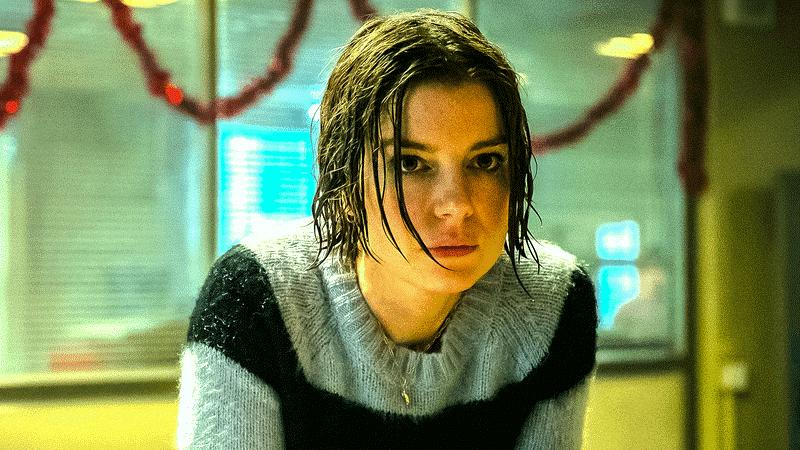
Shirley (Aimee-Ffion Edwards) is almost as abrasive as Lamb and has a drug problem, but is also an extremely capable agent, a crack shot and, in the words of Lamb, “a brave little hobbit” who routinely charges into the most dangerous situations despite her tiny 5’1″ frame. She’s also the first to realize a plot against MI5 in one season and is repeatedly dismissed as paranoid and crazy before reality forces the brass to acknowledge they have a serious problem on their hands.
A “brave little hobbit”: Aimee-Ffion Edwards plays the Welsh spy Shirley Dander. Credit: AppleTV
Catherine Standish (Saskia Reeves) is routinely overlooked because of her past as an alcoholic, but proves to be a quick thinker and uses her useless reputation as camouflage to devastating effect, while the mysterious Coe (Tom Brooke) is understated and hides a sharp mind.
Then there’s Roddy Ho, who lives in a universe of his own creation, one where he’s absolute catnip to women, a hacker of worldwide repute and a legend in the spy world. Ho incessantly invents flattering nicknames for himself — the Rodzilla, the HoDron Collider, the Hot Rod, the Ramrod, “Roddy by name, Ho by nature” — bragging to one MI5 bigwig that he has “many nom de guerre.”
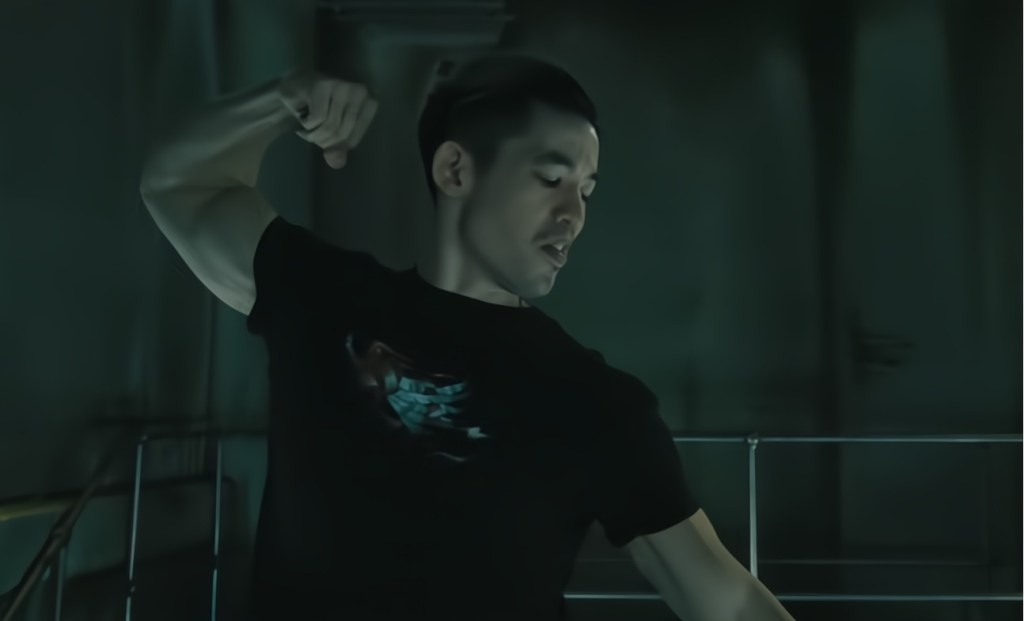
“I am mythical, historical and futuristical!” he says in one scene, flexing his biceps and bragging that he’s been called a dragonslayer and the True King of Gondor.
Roddy Ho, the Slow Horses’ tech specialist, lives in a universe of his own creation. Credit: Apple TV
In a lesser actor’s hands, the performance would be over the top to the point of pulling viewers out of the narrative, but Christopher Chung imbues Ho with off-the-scale confidence so he comes off as a man-child who’s been telling himself legends of his own invention for so long that he can’t distinguish between reality and fantasy.
It makes for rich comedic material even in the most tense situations. Ho can go from cowering in a bathroom while yelling “I don’t want to die!” to bragging about his martial prowess in the blink of an eye, and somehow it works.
Both the show’s humor and spy narratives are top notch, and we get plenty of action worthy of Hollywood blockbusters, with spectacular set pieces, brutal fights and explosions enough to satisfy even Michael Bay.
American audiences haven’t fully caught on, and I expect that’s because we generally don’t do the kind of ultra-dry humor that is a trademark of the UK’s best productions. But I’d advise anyone to give it a shot. This isn’t a show you watch with one eye on your smartphone. It demands your full attention, and it rewards you in equal measure.
Slow Horses is currently airing its sixth season on Apple TV, with a seventh already filmed and slated for release next year.
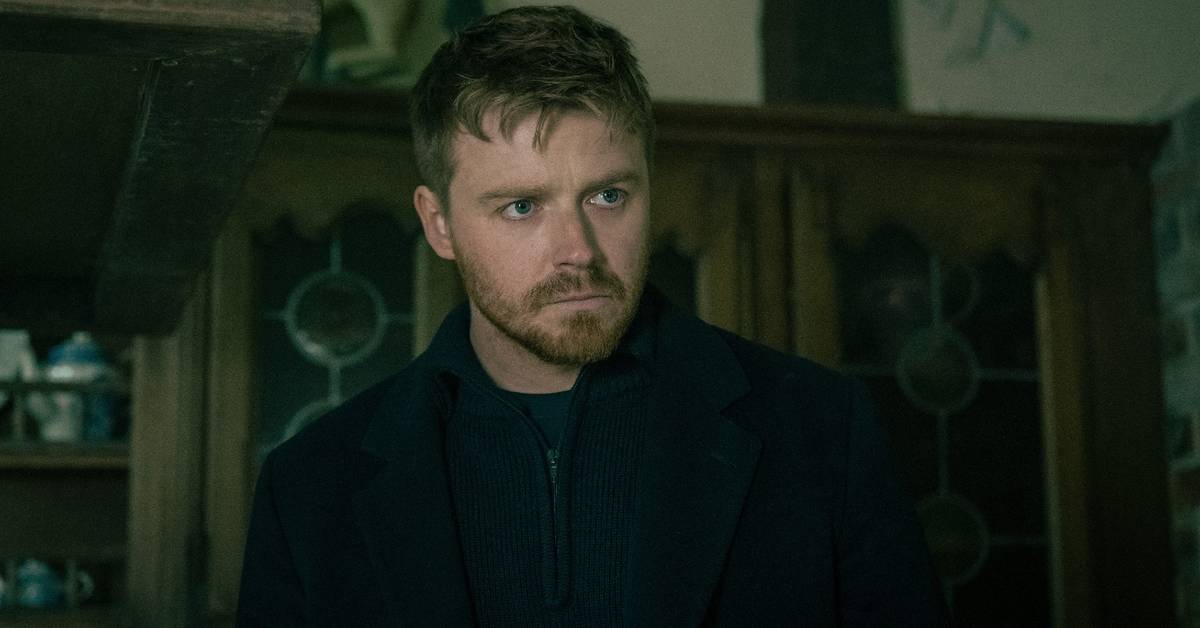
Header image of River Cartwright (Jack Lowden) credit: Apple TV
“The investigation tested 100 top-selling cat foods for more than 122 contaminants, including lead, arsenic, cadmium, mercury, pesticides, herbicides and phthalates, the plastic chemicals linked to an increased risk of death in humans,” CNN reports. “Lead was found in 99%, cadmium in 96% and arsenic in 94% of cat food samples across 62 brands. Contamination varied by product type — wet, dry, and air- or freeze-dried — and the type of protein, such as poultry, beef or fish.”
What’s especially worrying is that many of the most prominent contaminants are directly linked to the most common and lethal health problems in cats, including kidney disease and liver damage. Kidney disease affects more than four in 10 cats ages 10 and older, and four out of five cats age 15 and older, according to Cornell University’s College of Veterinary Medicine.
The numbers are seriously concerning and, although caretakers have long known pet food manufacturers cut corners, often loading their products with fillers and the lowest grade meat available, the new investigation paints a picture far worse than most of us imagined.
The Clean Label Project cat food investigation raises serious questions about the damage pet food is doing to our beloved little buddies. Credit: by Anjie Qiu/Pexels
Compounding the problem is the fact that government regulations on contaminants, like many laws dealing with animals, were designed for farm animals. At about eight to 12 pounds, cats are significantly smaller than the animals regulators had in mind, meaning their bodies are less able to filter out toxins and they absorb significantly more than farm animals or adult humans.
Seafood is especially dangerous. Per CNN:
“Mercury levels were about 18 times higher and cadmium levels about 2.5 times higher in fish- or seafood-based cat foods than in foods made with other proteins. Wet versions of seafood products contained the most mercury — nearly 28 times as much as wet foods made with other meats, especially poultry.”
This is horror movie stuff, directly contributing to the early deaths of countless pets, grief over their short lives, and an unquantifiable amount of money spent on veterinary care for food we’re told is healthy but instead contains toxins directly linked to chronic and frequently fatal health problems.
The Pet Food Institute describe itself as “the voice of US pet food.”
Despite the major concerns raised by the Clean Label Project’s investigation and the inevitable anger of people who love their cats, the pet food industry isn’t just denying the findings, it’s sticking to its claims that manufacturers care about their customers and the animals they love.
After touting “testing protocols,” manufacturing “verification” and “science-based preventative controls,” Pet Food Institute CEO Elise Fennig told CNN the industry’s products are “safe, nutritious, and consistent.”
“Cat owners should feel confident that the food they feed their pets is safe and produced according to rigorous regulatory and quality standards,” said Fennig, whose previous roles include executive positions at the American Frozen Food Institute, the National Confectioners Association, and the Frozen Potato Products Institute, industry groups that push the narrative that ultraprocessed foods made at industrial scale are healthy staples of American diets.
So we have someone with a degree in public relations telling us that despite laboratory tests revealing horrific contaminants and toxins in cat food, we should all just relax and “feel confident” that the products are “safe” and nutritious” — not because she’s able to offer any evidence in support of those claims, but because she says so.
Well, Elise, I don’t feel confident, especially because experts CNN contacted, who are unaffiliated with the research, said it looks rigorous and well-executed.
You know what would make me feel better? If you and the top executives at pet food companies were willing to eat human-grade food with the same level of contaminants for six months or a year.
If your products are as “safe, nutritious and consistent” as you claim they are, let’s see you eat food laced with arsenic, cadmium and lead for six months, then release the results of your bloodwork and physicals. Then we’ll see, won’t we?
Otherwise it seems as if you’re shitting on us from great heights and telling us it’s raining gold.
The investigation involved laboratory testing of 100 of the top cat food brands
The apparent ubiquity of contaminants and toxins also raises the question: is any brand of commercial cat food safe? Should caretakers give up entirely on pet food and learn to prepare meals for their felines?
It will be interesting to see where this goes and if the industry can be forced to correct its course through things like consumer pressure and class action lawsuits. The vet bills are one thing, but robbing us of years with our little pals, and seriously harming their quality of life, is especially disturbing.
Expect no help from the government on this. Our “leaders” are too busy enriching themselves with insider trading, stacking the decks in favor of incumbents and riling the electorate with culture war nonsense. They can’t even be bothered to ban food dyes (relying on voluntary measures and asking manufacturers to police themselves instead) identified as primary culprits driving unprecedented rates of cancer, so there’s no reason to believe they’ll care about animals.
We’re alone in this, except hopefully for animal welfare organizations and other nonprofits dedicated to pets. That means it’s on us to apply pressure and make sure we don’t relent until we can trust the food we’re feeding our beloved buddies isn’t killing them.
The 2026 hit psychological horror film originated as a photo posted to an internet forum in 2019, and is one of the internet’s most notorious legends.
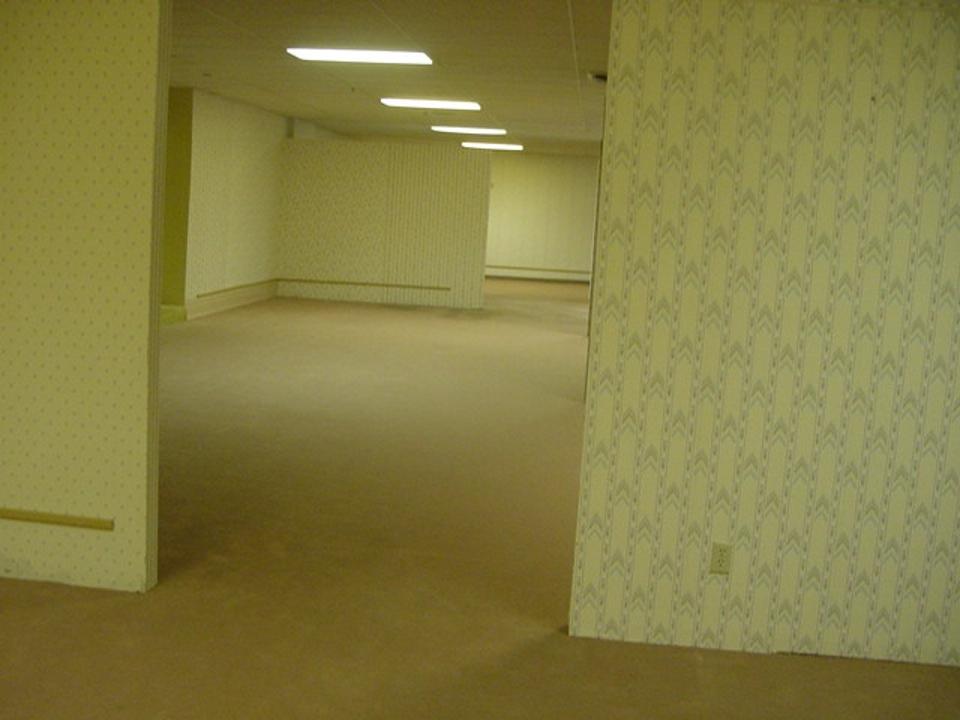
The Backrooms began in the humblest of ways, as a photo posted to a message board in 2019 after a user requested images that “feel off.”
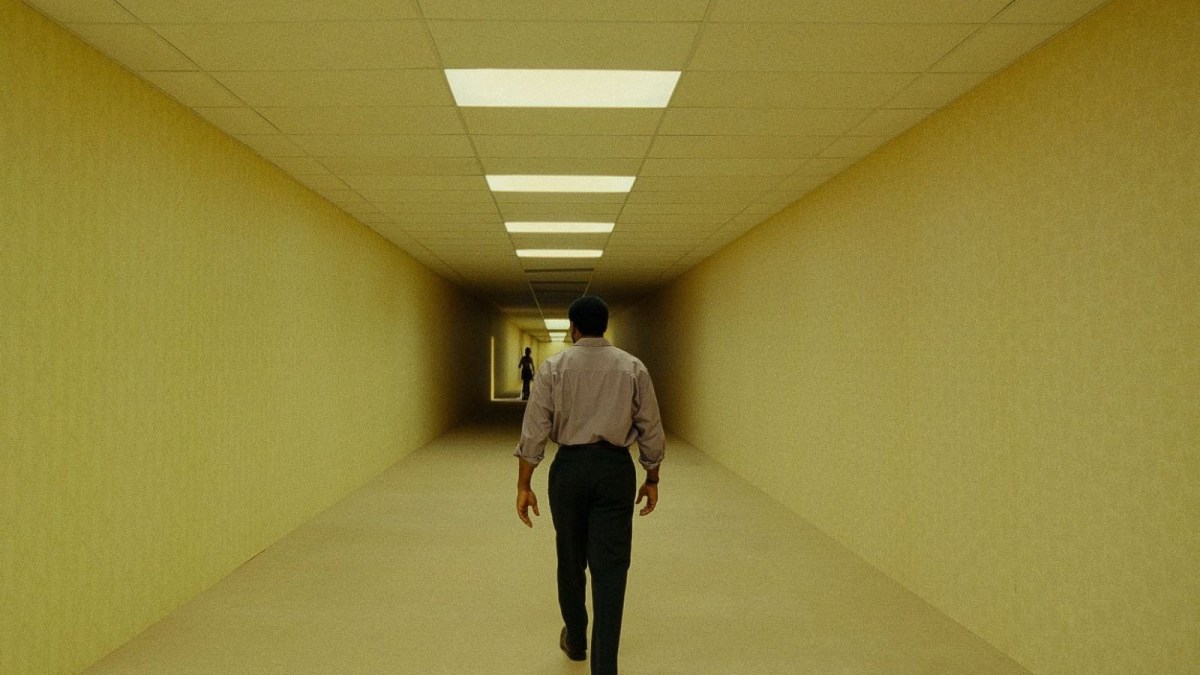
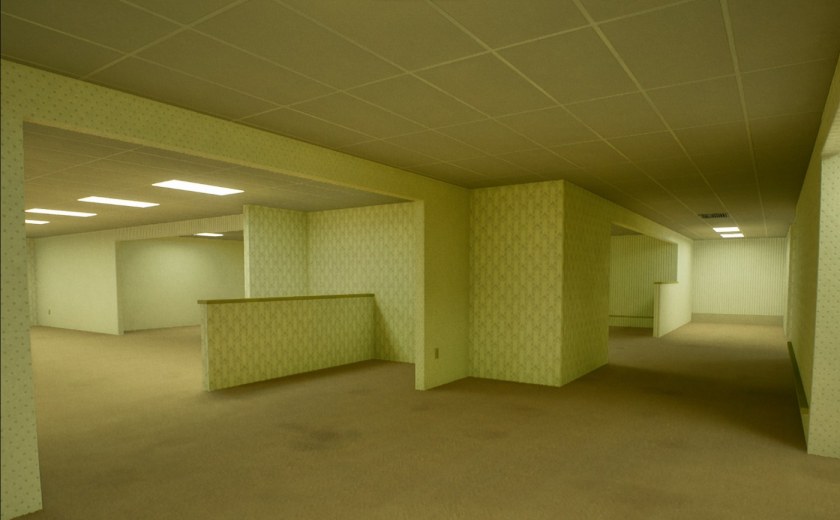
The photo showed a dated office space with faded yellow wallpaper, harsh fluorescent lights, a dingy carpet and a layout that suggested the space went on forever in a logic-defying maze.
As users joked about the image, they didn’t realize they were creating lore that would ripple across the web for years, a collaborative improvisational effort that vaulted the photo from mere image to a meme.
The original “backrooms” photo posted to 4chan in May of 2019.
Meme became internet legend, legend became a series of web shorts and games expanding on the concept, and this year it became a film by A24 with a budget of $10 million and box office revenue exceeding $400 million, a massive success by every standard.
Chiwetel Ejiofor (Children of Men, Life of Chuck) plays Clark, a furniture store salesman who is deeply unsatisfied with his life. Clark, who lives and sleeps in his store after hours, stumbles on a hidden portal in the basement that leads to a seemingly infinite dimension of rooms, hallways and strange chambers that feels like the work of an architect on powerful hallucinogens.
When Clark tries to explain what he’s found to his therapist, Mary, she thinks he’s conjuring up the existence of this secret place as a way to cope with his frustrations. Angered by her disbelief, Clark vows to bring her proof. Then he recruits his assistant manager, Kat (Lukita Maxwell) and her videographer boyfriend Bobby (Finn Bennett) to help him chart the bizarre maze while documenting their efforts on film.
The movie does a remarkable job of accumulating dread. I’ve been familiar with the concept of The Backrooms for years and played one or two of the indie video game adaptations, so I was immediately on edge as Ejiofor’s Clark began creeping further into the maze from his first visit, apparently unconcerned about finding a way back.
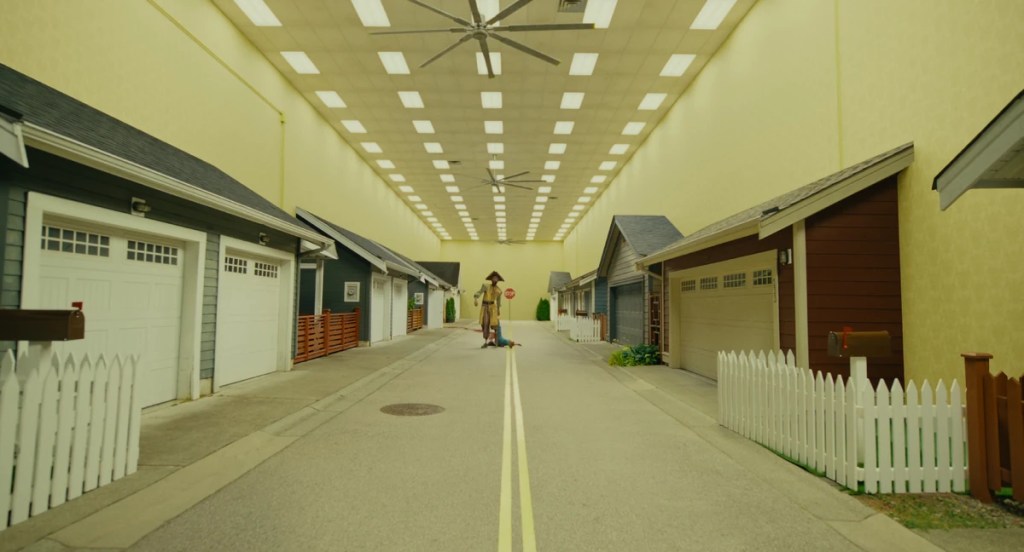
How do you find your bearings in a place like this? Credit: A24A scene from the movie showing a nonsensical recreation of a suburban street with its structures embedded in the walls. The Backrooms inflicts claustrophobia in part by denying those trapped inside any glimpse of the outside world, so you’re never sure where you are or whether an exit really exists. Credit: A24
Like the excellent 2019 game Control, about a woman trying to find her brother in a vast building that is larger on the inside than its structure logically allows, and rearranges itself in seemingly random ways, The Backrooms follows no familiar rules or logic. Its halls and rooms feel relentlessly claustrophobic even when they’re cavernous, and there’s no guarantee that the path you took on your way in will still exist when you try to get out.
The details are all wrong as well. Floors slope in counterintuitive ways, tiny doors open into vast rooms, furniture sinks into the floor or hangs from the ceiling, and the context is always distorted.
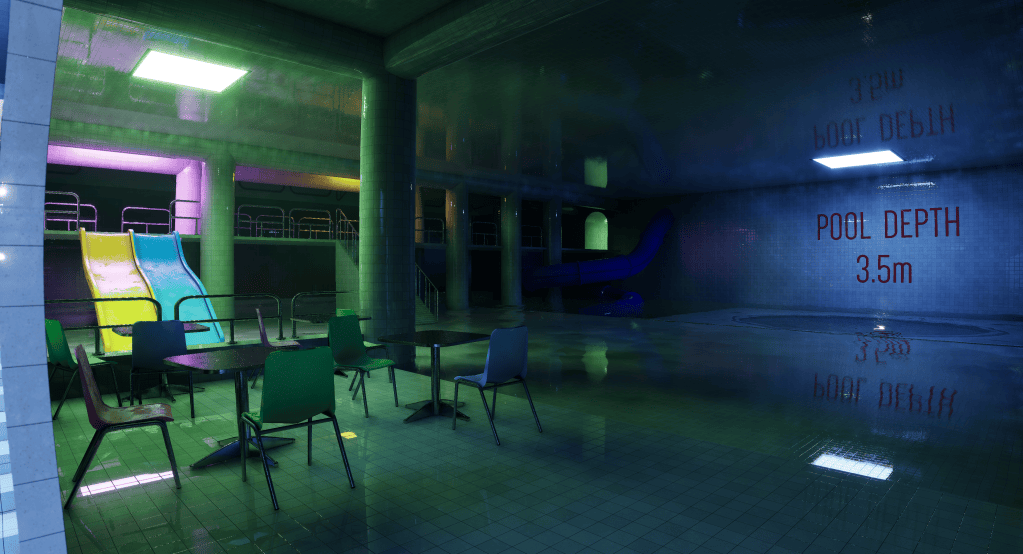
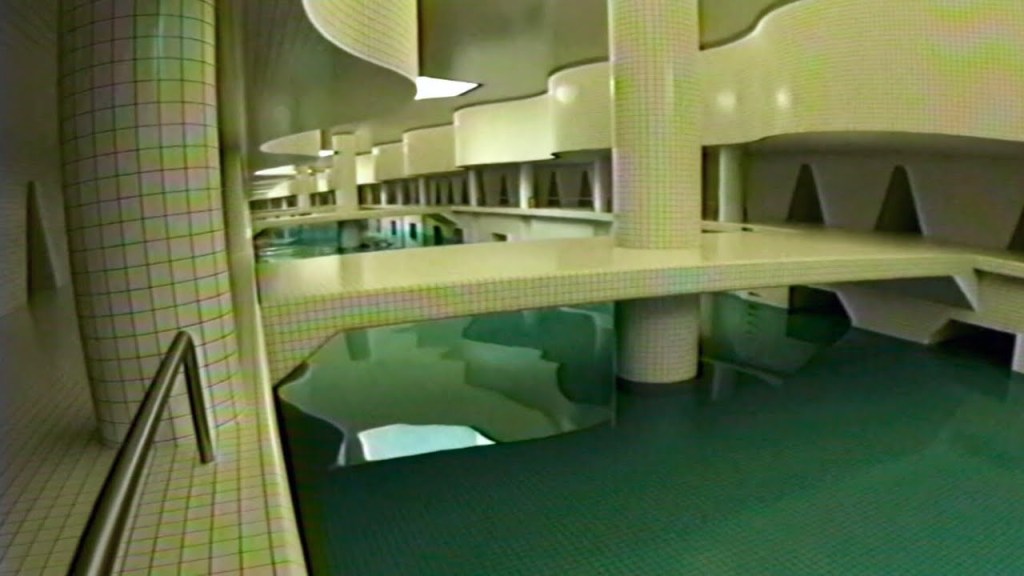
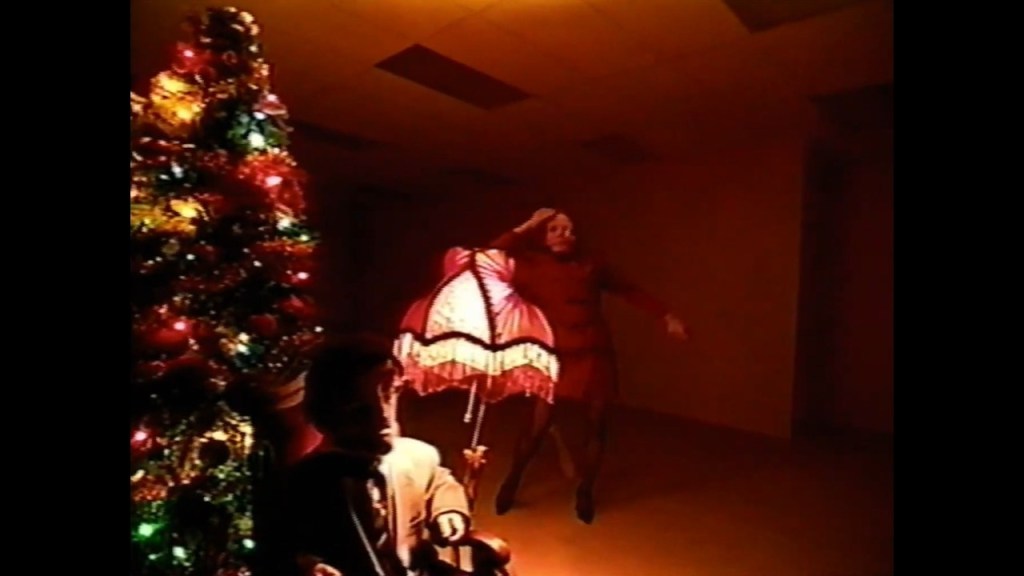
The endless yellow maze may abruptly turn into a tiled pool area filled with water, but in a shape and design that no one would ever build. A room filled with random objects — shoes, furniture, traffic signs — might open up to what looks like a recreation of a suburban street inside a vast chamber, or a dark room filled with Christmas decorations. If you try to turn back, you may find no trace of the space you were just in.
No one would ever design a room like this. Screenshot from one of the many games based on The Backrooms concept.
And then there are the noises, the tormented shrieks that seem to come from just around the corner, the shadows of unseen figures, and the objects that appear and disappear without any discernible pattern.
Of course there wouldn’t be a movie if Clark and company were able to come and go at will unscathed, and when Clark seems to vanish, his therapist Mary (Norwegian actress Renate Reinsve) goes looking for him.
Like the others, she is not prepared for what she finds.
So what makes The Backrooms so damn creepy?
Since it became a phenomenon, psychologists have tried to answer this question. The most common theories involve:
The extremely unsettling concept of an infinite maze where mundane items and surroundings become deeply disturbing when they’re placed out of context. Everything inside The Backrooms is familiar, but that provides no comfort in the utter isolation of a soul-deadening labyrinth where reality’s rules bend and break.
The idea of liminal spaces, locations where we expect to find people, voices, laughter, activity, and instead find nothing at all. Think of an eerie abandoned shopping mall, a place where thousands of people once walked its wide corridors, now reduced to a lifeless husk. Or an abandoned city like the real life ruins of Herculaneum and The Wheel of Time’s fictional Shadar Logoth, silent for thousands of years where once people worked, children played and merchants hawked their wares. Everything you can see is human-made, or at least an imitation of things people make, but there isn’t so much as another person’s footfall, at least until a sense of deep isolation sets in and the suggestion of another living soul triggers paranoia instead of relief.
The “Christmas room” from the movie. Credit: A24
Of course there are other elements to it as well, something we can’t quite put our collective finger on. The concept triggers something primal in the human brain, an unsettling feeling when you know something’s deeply wrong but you you cannot make sense of your surroundings.
Having played several of the game adaptations, I can say that, for me at least, experiencing The Backrooms as a narrative, through the eyes of characters who have lives and things to lose, is considerably more effective than wandering the same spaces as a nondescript character in a video game.
The same feeling of despair is there, especially the panic that sets in when you realize you cannot trace your way back, that the only way out is through, and that you’re at the mercy of The Backrooms themselves, whether they’re guided by an intelligence or something more bizarre and ethereal.
There are no true jumpscares here, or at least not in the way most of us imagine them in the horror genre. The horror comes from the ever-building sense of dread, disorientation and the characters’ descent into madness. The movie does an effective job of winding the tension ever tighter until it seems like there is no escape.
Fans of the meme and internet lore will find lots to like here, but even if you’ve never heard of The Backrooms concept before, the film will find a way to tunnel into the primal part of your brain and convince it there’s something profoundly wrong, even if you can’t articulate what it is.
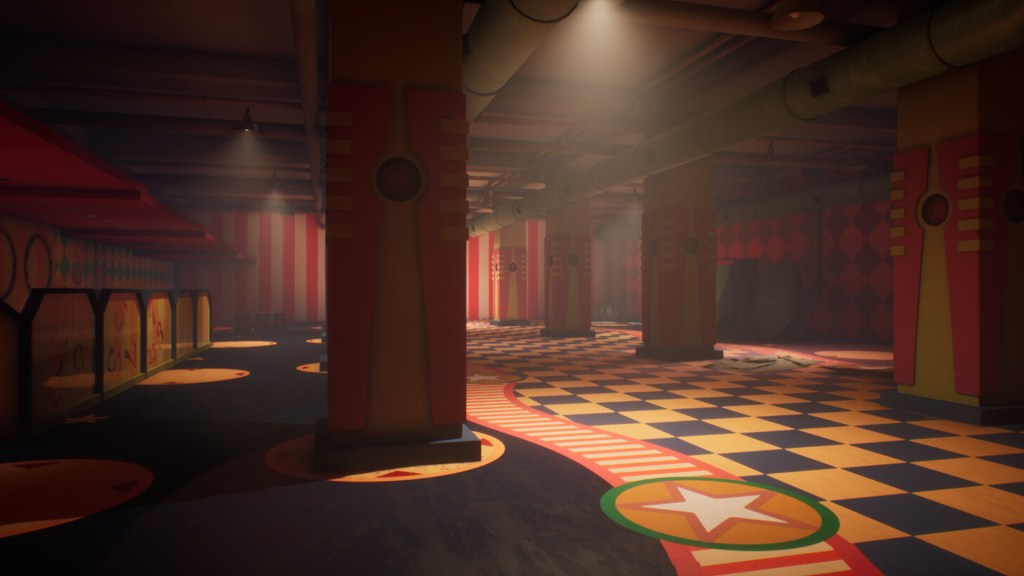
A screenshot from one of the games based off The Backrooms concept. Yellow hallways give way to “poolrooms,” strange dioramas of suburban neighborhoods, and liminal play spaces.
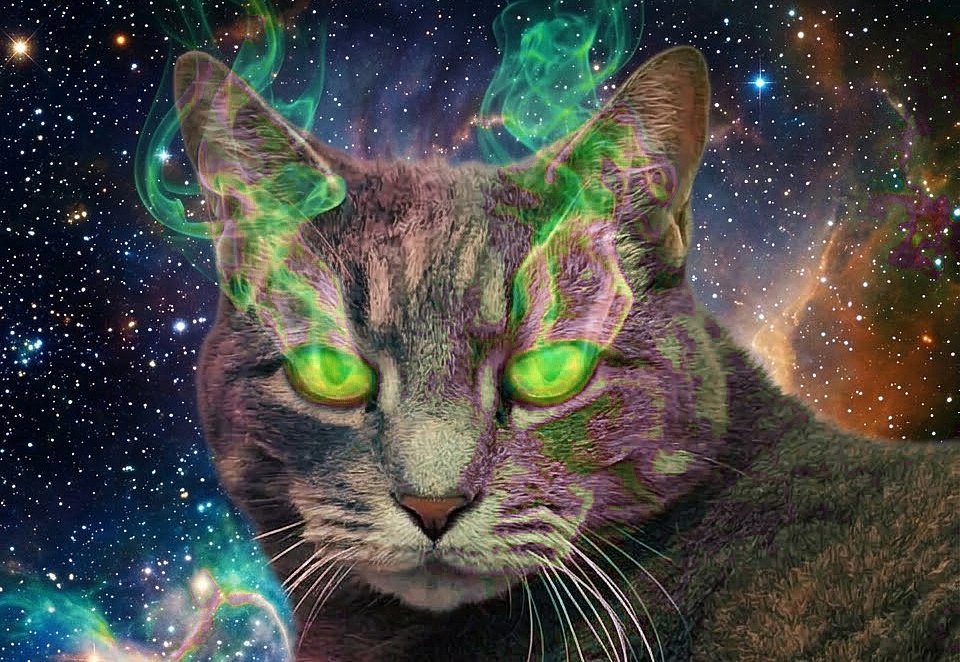
Cheesy Photoshops glorifying my egotistical feline overlord are fun!
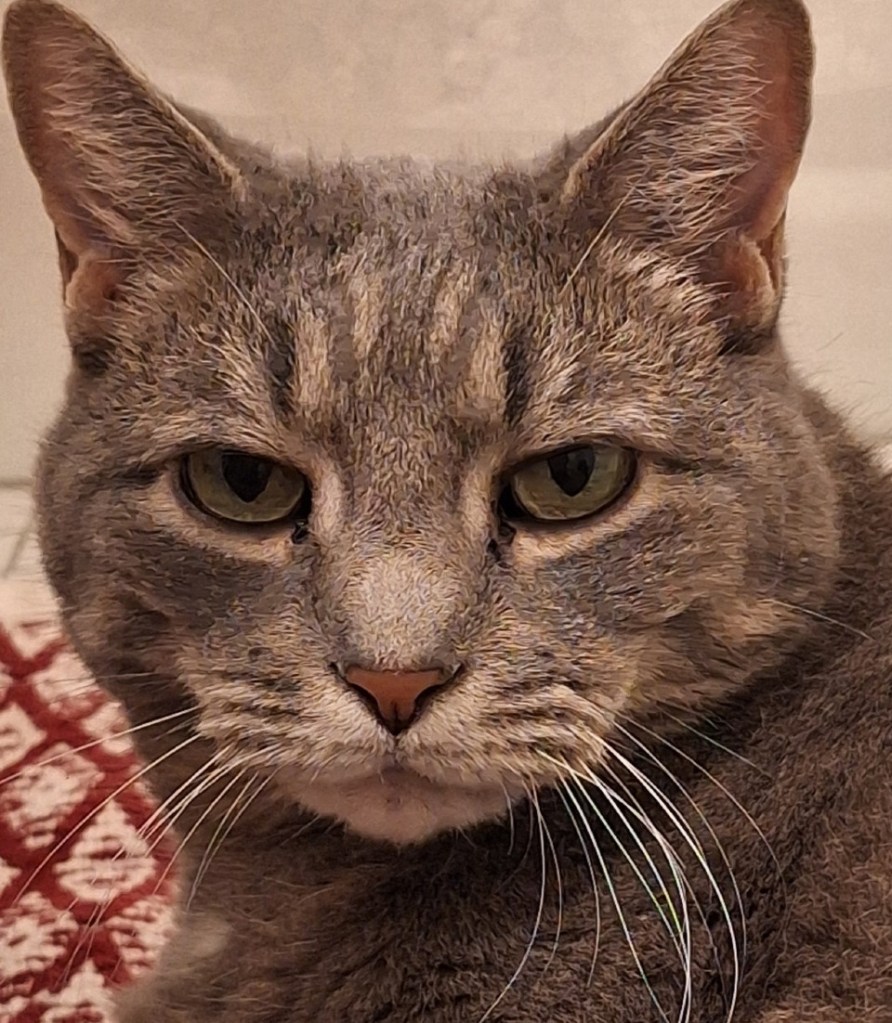
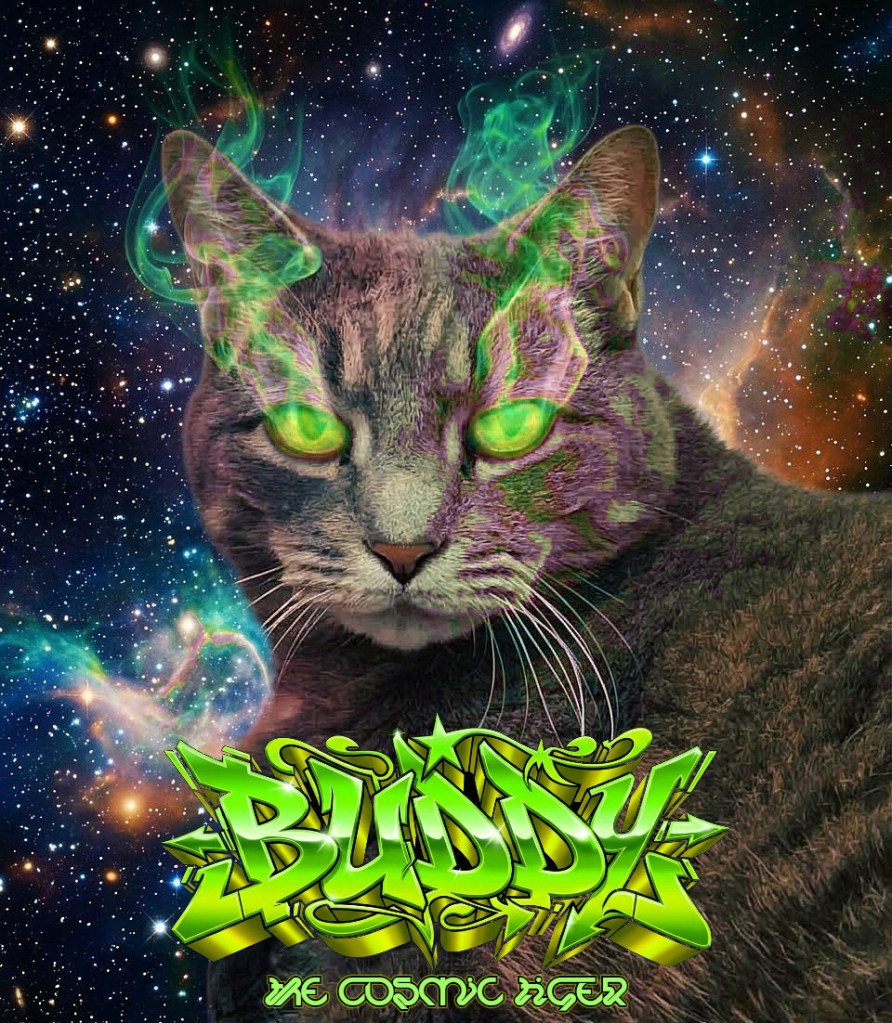
Since hopping off the AI image bandwagon I’ve rediscovered the joys of crappy Photoshops and playing with typesetting. I took the photo yesterday and thought Bud looked pretty regal and majestic.
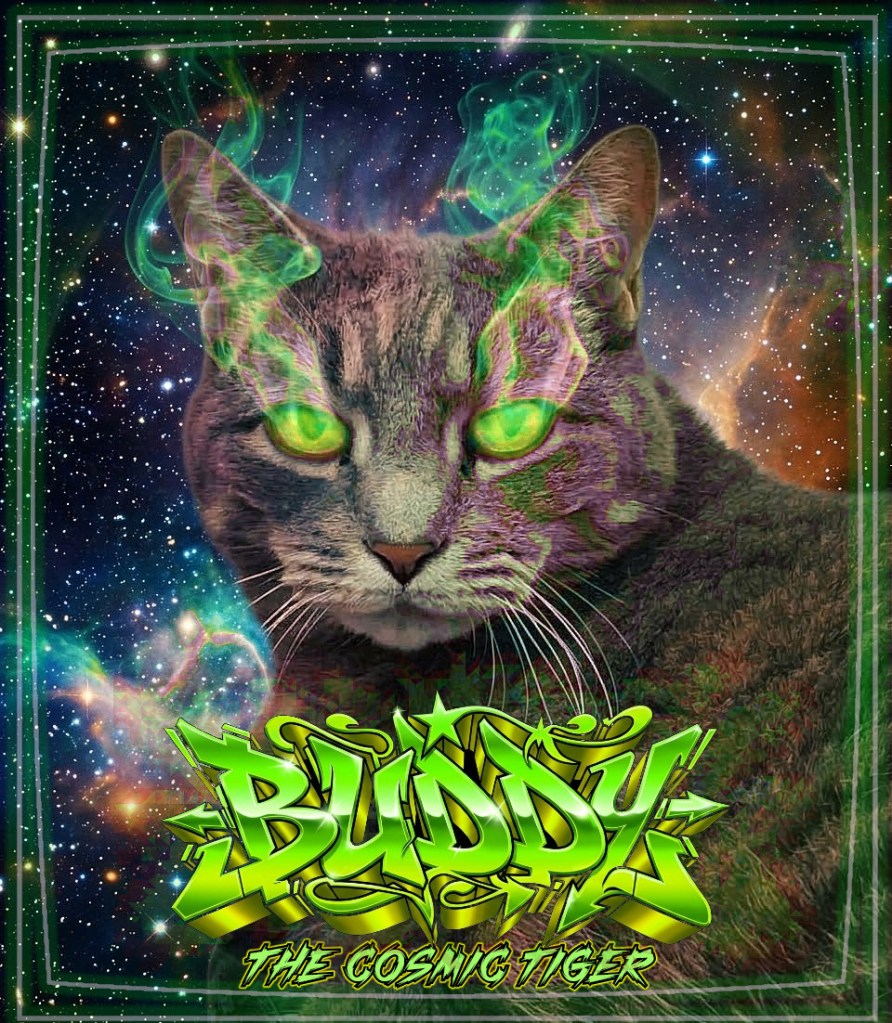
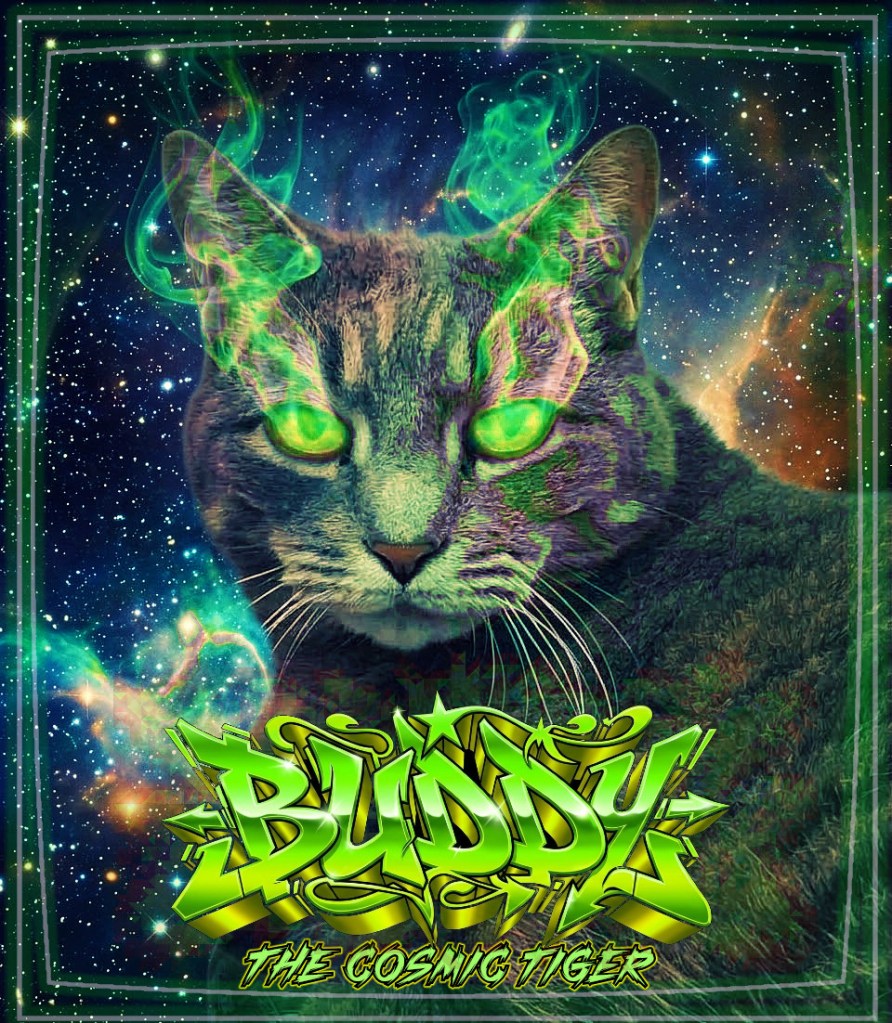
Here is Buddy transformed to Cosmic Tiger Buddy in all his glory with his name rendered in classic wildstyle, like something you might see on the L in the 90s Bronx…if someone were corny enough to choose Buddy as their tag.
(*) The second typeset is a modified font called Knotted Center, which may not score many points for legibility, but looks pretty cool in the proper context. The third typeset is a font called TrashBrutal.