In Tehran A Woman And Her Cat, Both Terrified, Try To Survive The War

American news networks show us crowds chanting “Death to America!” but the majority of Iranians are just like us.

As our president threatens to erase civilizations, tells the Pope what Christianity is about, and shares AI images of himself as Jesus, it’s important to remember what’s happening in Iran is a real war with real victims, something easy to lose sight of amid all the absurdity.

A first-person account in al Jazeera reminds us of the human and animal suffering caused by war. Even when people aren’t physically impacted, the mental strain of living in a city under attack is considerable, and their poor animals have no idea what’s going on.

One thing you’ll rarely see on American networks is an acknowledgement that the vast majority of Iranians are just like us.

Before the war, they had open access to an uncensored internet. Despite the oppressive theocratic government, it’s easy for Iranians to get TV networks from outside their country. The Iranian regime was never as adept at controlling information as some of its contemporaries.

The people of Iran are overwhelmingly secular, fully aware of what’s happening, and they have long been sick of their government.
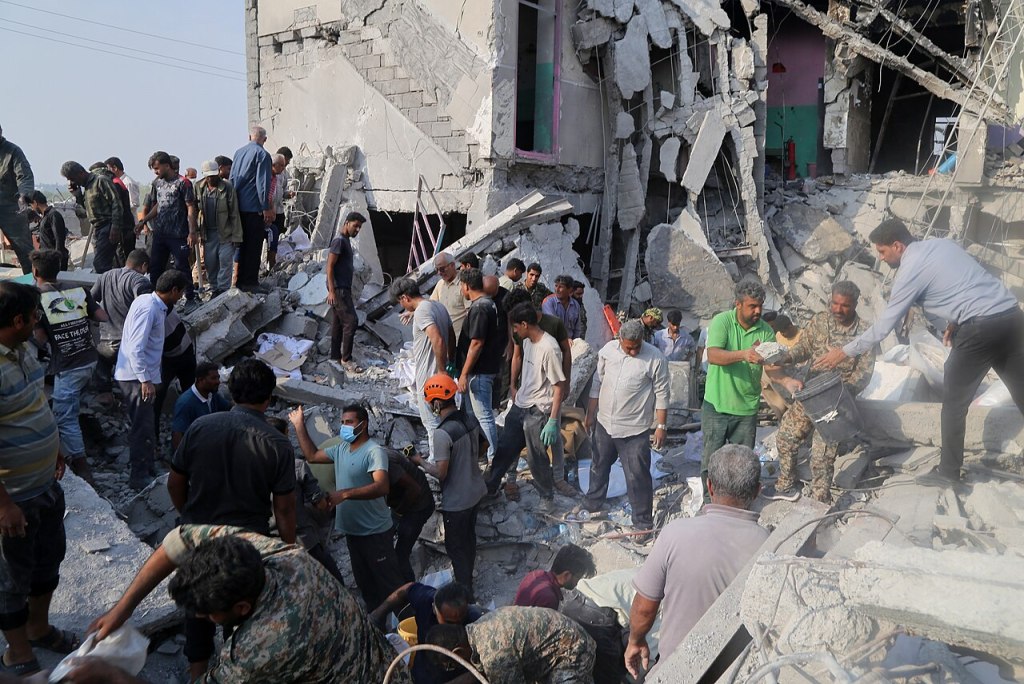
The aftermath of a US airstrike on a school in Minab, Iran, that killed 120 young girls and 156 people overall. Credit: Wikimedia Commons

For them it must be a Farenheit 451 moment, watching footage of the bombing while explosions rumble around them. Survival is down to luck. The missile you see streaking toward your city on TV could be the one that hits your apartment building.

To remind us of what’s happening where the bombs are landing, here’s Sana, a 27-year-old woman from Tehran, describing the first night of the war:

Seven or eight more explosions followed. They were bombing near Mehrabad airport, close to us. I genuinely thought I was going to die.

When I finally went back upstairs, my cat was hiding in the wardrobe, trembling. My family and boyfriend had been calling and texting, without response, for hours, watching the news reports about strikes near the airport and imagining the worst.

I recommend reading the rest, if for nothing else than to be reminded that Sana is so normal, so much like us.

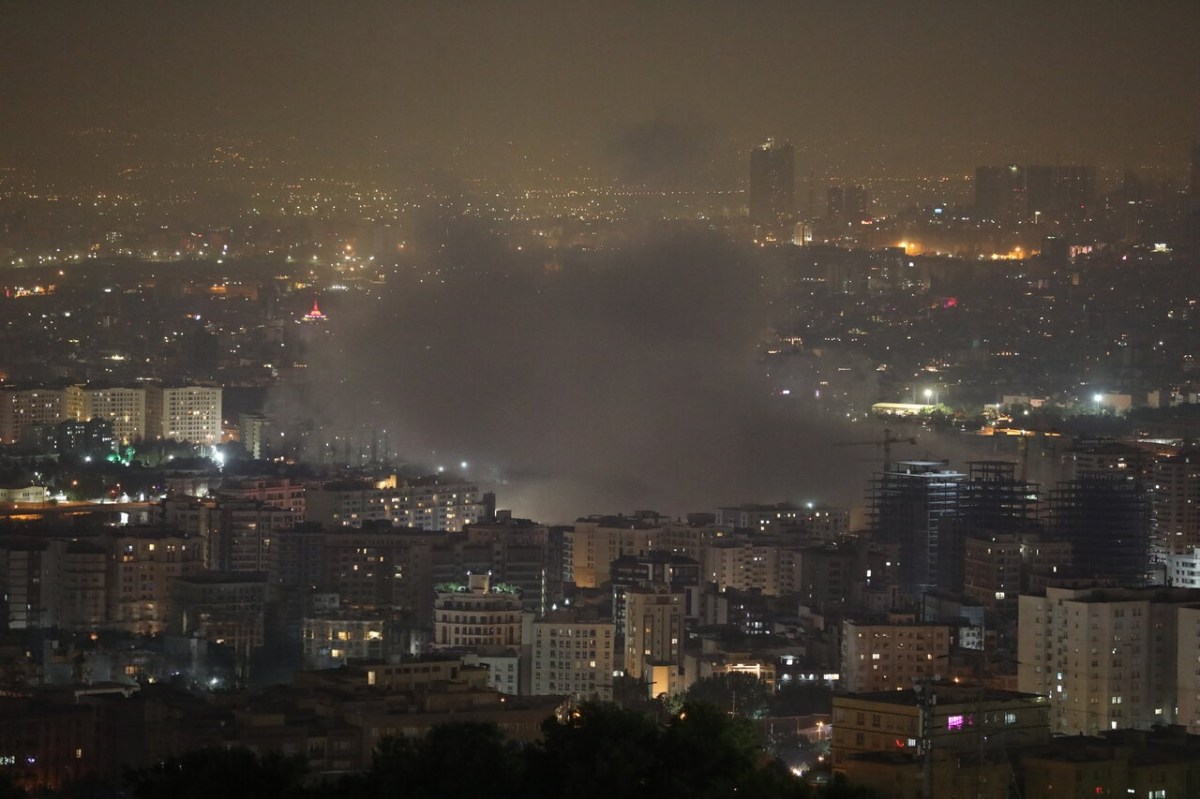
Header image of Tehran under attack at night via Wikimedia Commons

Wordless Wednesday: The Hidden City Of Petra

Located in modern-day Jordan and accessible via a winding path through its sandstone formations, Petra is one of the most fascinating and mysterious sites on Earth.

Known as the Rose City for the color of the timeless sandstone it was carved from, Petra is one of the oldest known human settlements, with its first inhabitants claiming the site as far back as 7,000 BC.

Petra’s iconic carved structures date back almost 2,000 years to the construction of Al-Khazneh, an Arabic name that means “the treasury.” It was actually a mausoleum and meeting place for the Nabataeans, an ancient Arab people whose kingdom existed in what is now present-day Jordan.

The Treasury is a misnomer that was bestowed on the rock-hewn building centuries later, when legends claimed priceless treasures were sealed within. Today, visitors can see bullet holes in the stone from raiders who thought the structure would shatter, leading to an avalanche of gold pouring from the cracks opened by their firearms.

Petra is a UNESCO World Heritage site and is one of the 7 Wonders of the New World. It may be most familiar to movie fans as the site of key scenes in 1989’s Indiana Jones and the Last Crusade.

These photos were taken by Brother of Big Buddy (BoBB), who selfishly visited without me and thought he was Indiana Jones as he posed in front of The Treasury atop his camel mount. Thanks for the photos, bro!

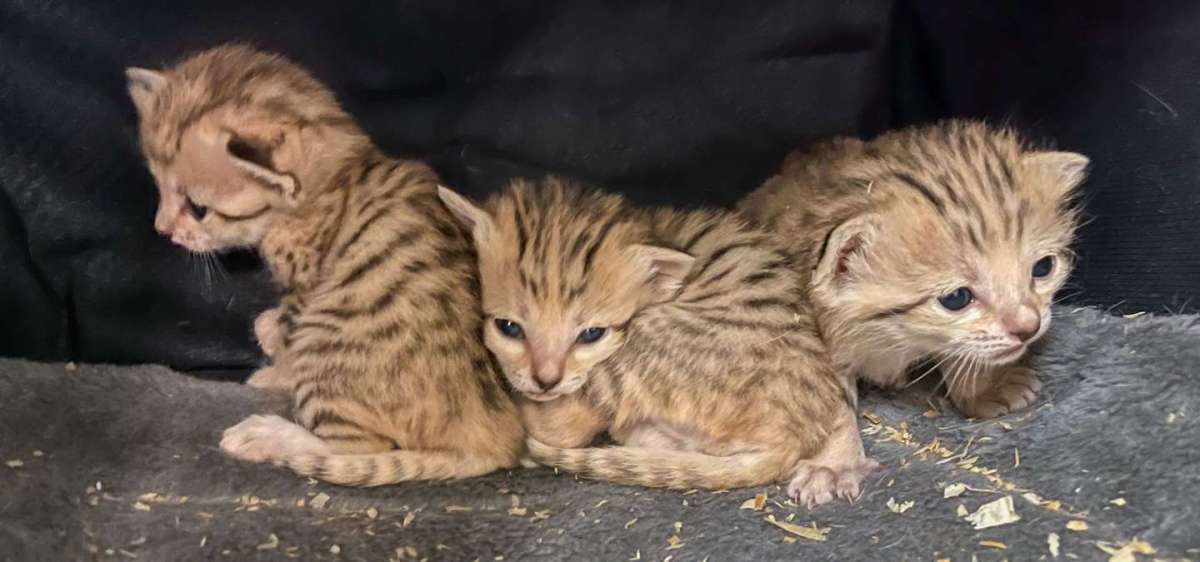
North Carolina Zoo Welcomes 3 Newborn Sand Cat Kittens

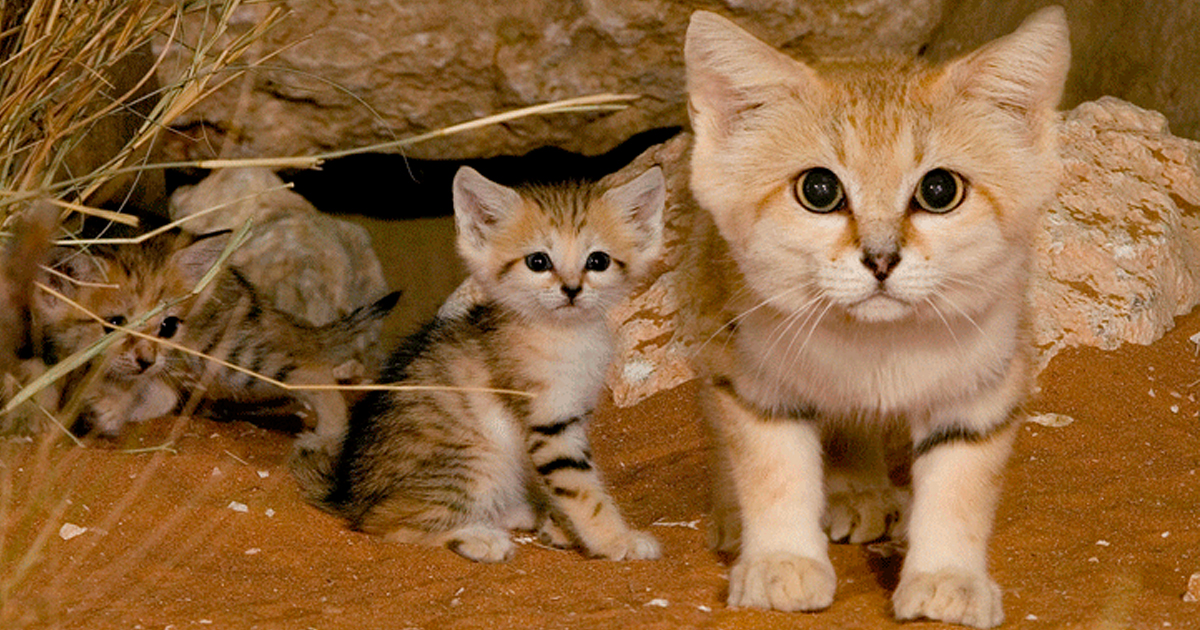
Sand cats are among the smallest felines in the world and live in harsh environments.

It’s baby season at the North Carolina Zoo.

The 500-acre facility in Asheboro announced the birth of three healthy sand cat kittens. The species, felis margarita, is among the tiniest of all felids and is elusive in the wild, able to survive in desert biomes far from water in the African Sahara, as well as the Middle East and parts of Asia.

The kittens were born to first-time mom Sahara, 3, and Cosmo, 9, and remain unnamed for now. The zoo said it will allow the public to vote on their names, with details to be revealed in the near future.

sand-cats-kittens-forever-fb

The fortuitous birth of the tiny felines follows the arrival of a giraffe calf and a chimpanzee baby, both male, all within a two-week period in mid-May, the zoo said.

“The mom and triplets are doing well,” zoo staff wrote in an announcement. “The trio are beginning to explore their surroundings in the Desert Habitat. Lucky guests may be able to catch a glimpse of them in the coming days.”

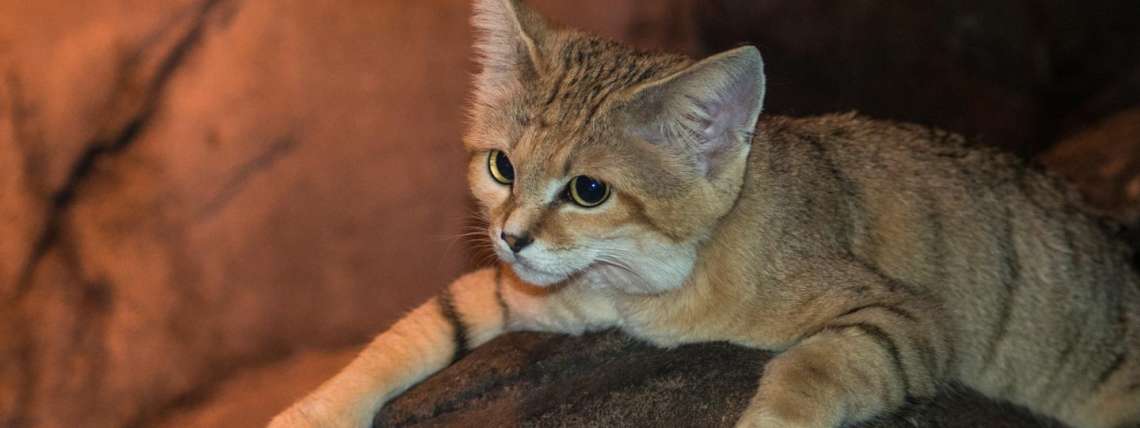
Although sand cats aren’t listed as endangered, scientists don’t have a good handle on their numbers and caution that they may be less populous than estimated. The parents were arranged as a breeding pair for maximum genetic diversity through the Sand Cat Species Survival Plan and the Association of Zoos and Aquariums, the zoo said.

sandcat2
An adult sand cat. Credit: North Carolina Zoo