Foundation Offers $10m For ‘Cracking The Code’ Of Animal Language

Think you can decipher the rhythmic clicks and whistles of dolphins or the grunts and alarm calls of monkeys? A foundation is offering big prizes for progress in communicating with animals.

Looking to prompt renewed efforts at decoding animal communication, a non-profit founded by an investor and a university are offering prizes — including a hefty $10 million — to teams that can figure out what animals are “saying.”

The Coller Dolittle Challenge for Interspecies Two-Way Communication is a collaboration between the Jeremy Coller Foundation and Tel Aviv University. (Yes, it’s named after that Dr. Dolittle.)

Entrants aren’t asked to come up with a Star Trek-like “universal translator” for animals. Rather, the people behind the Coller Dolittle Challenge want to see methods that allow for two-way communication between humans and individual species.

“We are open to any organism and any modality from acoustic communication in whales to chemical communication in worms,” said Yossi Yovel, a professor at Tel Aviv University and co-chairman of the challenge.

The grand prize is a $10 million grant or $500,000 in cash, chosen by the winner, while the Foundation will offer $100,000 prizes each year for the best entries that make significant progress toward communicating with animals. The yearly prizes will be assessed “for significant contributions to decipher, interface or mimic non-human organism communication.”

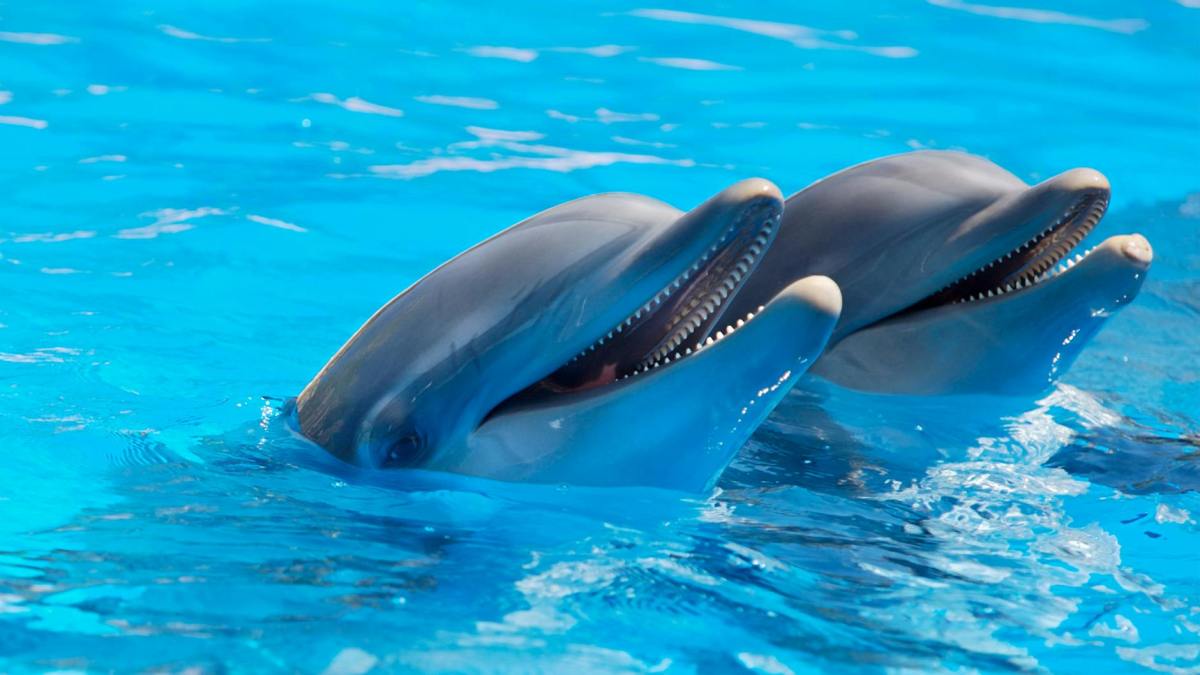
While it may seem far-fetched — and there are those who believe humans will never be able to fully understand animal communication in proper context — there have been efforts to communicate with and decode the communications of bats, dolphins, whales and some primate species. Scientists have also pushed the boundaries on understanding group communication, such as the coordination involved in avian murmurations.

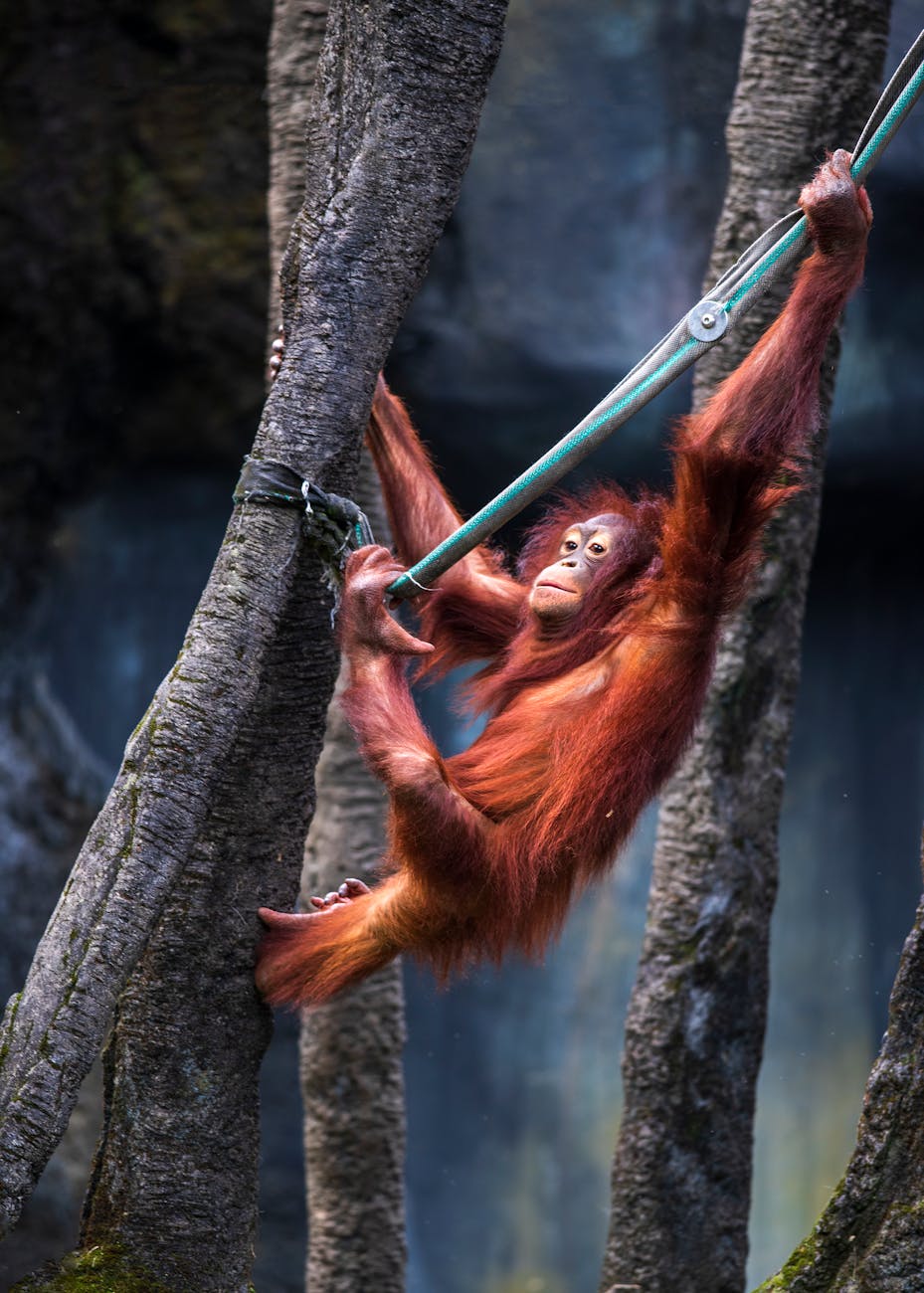
orangutan on tree
Orangutans have demonstrated the ability to understand abstract concepts, like using money, rudimentary sign language, and have even deceived humans. One orangutan in the 1960s repeatedly escaped his zoo enclosure by hiding a small strip of metal in his mouth and using it to pick a lock. Credit: Klub Boks/Pexels

The organizers believe artificial intelligence will be the tool that ultimately helps crack the communication barrier, but entrants aren’t required to use AI. The technology is incredibly useful for tasks involving pattern recognition and sorting large amounts of data, both of which are important in this kind of work when researchers are tasked with analyzing thousands of audio samples or hundreds of hours of footage.

Alas, we don’t think the foundation will be interested in the Buddinese language, which boasts 327 different ways of demanding food and features a timekeeping and calendar system based on meals and naps. A short trill followed by a series of staccato meows, for example, means “I expect prompt service at salmon o’clock,” while a truncated meow ending with a scoff is used to indicate displeasure when a human napping substrate tosses too much during sleep.

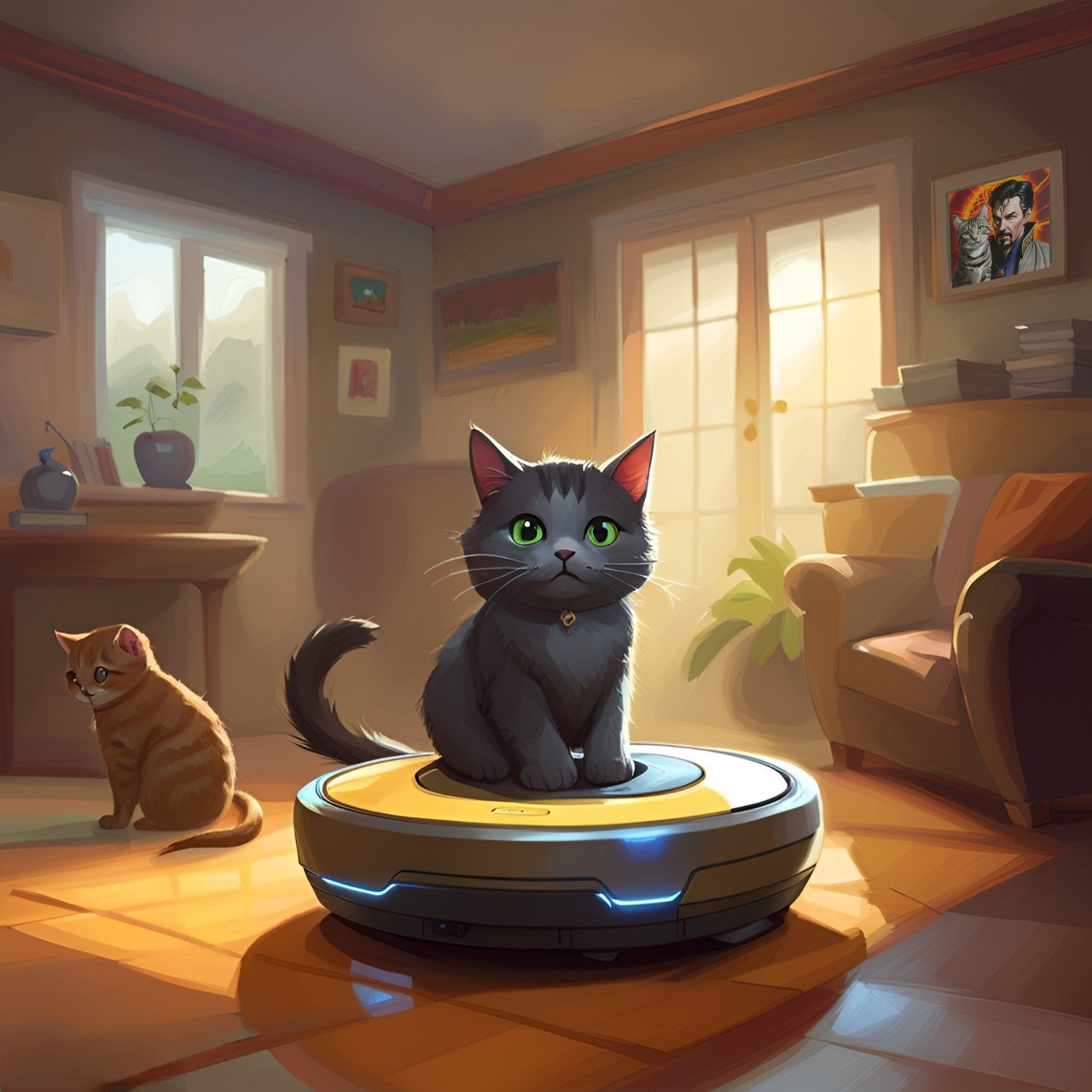
Still, maybe we’ll dress it up to make it look properly academic and give the challenge a try. Those prizes could buy a lot of Roombas!

Americans Are Lousy At Taking Care Of Their Cats, Poll Claims

The respondents also admitted they “forget” to feed their furry friends an average of three times a week. Say what?!?

Americans don’t know basic facts about their cats, fail to properly care for them and overestimate how well they do as pet parents, according to a new poll.

The survey of cat owners commissioned by PetSafe found most people in the US who have cats in their home don’t know their feline friends typically have 18 toes, for example, and don’t realize cats purr when they’re content as well as when they’re trying to soothe themselves.

Respondents said they frequently forget to refill their furry little buddies’ water bowls, but the thing that really blew my mind is that people supposedly forget to feed their cats an average of three times a week.

How is that possible?!?

The number of times Bud has missed a meal in 10 years is precisely zero. Even when I had COVID, even when half my face was frozen with Bell’s Palsy and I was throbbing with the worst headache I’d ever endured, I fed the little guy according to his schedule.

It’s not just that he reminds me. There’s a whole ritual around it, an elaborate series of increasingly affirmative and urgent meows that quickly give way to panic if Buddy doesn’t see activity associated with a bowl of fresh wet food and water delivered to his nook.

buddy_delicious

The pre-reminder reminders begin about 45 minutes to an hour before feeding time, with Bud’s infallible internal clock signaling upcoming meal time.

At the 30 minute mark Bud will put himself directly in my line of sight and stare at me. Then he’ll start to meow at regular intervals, and if I’m not up and heading to the kitchen by T-minus 15 minutes to yums, the meowing begins in earnest.

Even the act of retrieving a pack of wet food from the Buddy Cabinet is highly formalized and ritualistic: the little dude grunts and trills excitedly as I open the seal, dump the food in his bowl, mash it up and pile it in the middle the way he likes it.

Then he leads me back to his nook, looking over his head every few paces to make sure I’m right behind him, even though we’ve done this song and dance literally 7,318 times as of today. (It’s probably more than that since I fed him more than twice a day when he was a kitten, and doesn’t include his bowl of dry food for his late night snack/overnight emergency supply so he doesn’t have to wake me up if he’s hungry.)

I realize Bud’s a bit of a tyrant and there’s no peace until he gets what he wants, but still. Cats are cats. So really, how does anyone “forget” to feed their cat?

Buddy: ‘Humans Have A Lot To Prove’ After Study Claims They Care More About Dogs

Cats are not amused by the results of the survey by a team from the University of Copenhagen.

Humans are in “deep doo doo” after a study out of Denmark concluded people are more attached to their dogs than to felines, Buddy the Cat warned on Monday.

More than 2,000 dog owners and cat servants were surveyed by a team from the University of Copenhagen.

The researchers used the Lexington Attachment to Pets Scale, or LAPS, which asks yes or no questions like “I consider my pet my best friend” and more specific questions like how much respondents are willing to pay in veterinary costs to save the lives of their pets. The participants — who hailed from the UK, Denmark and Austria — were about evenly split between dog and cat people but were willing to do more for their dogs, the survey found.

While people in the UK were slightly biased toward dogs, Austrians had a more pronounced preference and Danes were much more likely to do things like insure their dogs, consider them family members and pay large veterinary bills. The differences in attitude by country indicate the factors are cultural, according to Peter Sandøe, a bioethicist at the University of Copenhagen and lead author of the paper.

In a statement the Mischievous Enigmatic Overlords of the World (MEOW) called the survey results “deeply troubling” and said they call into question “10,000 years of glorious history in which we have allowed humans to serve us.”

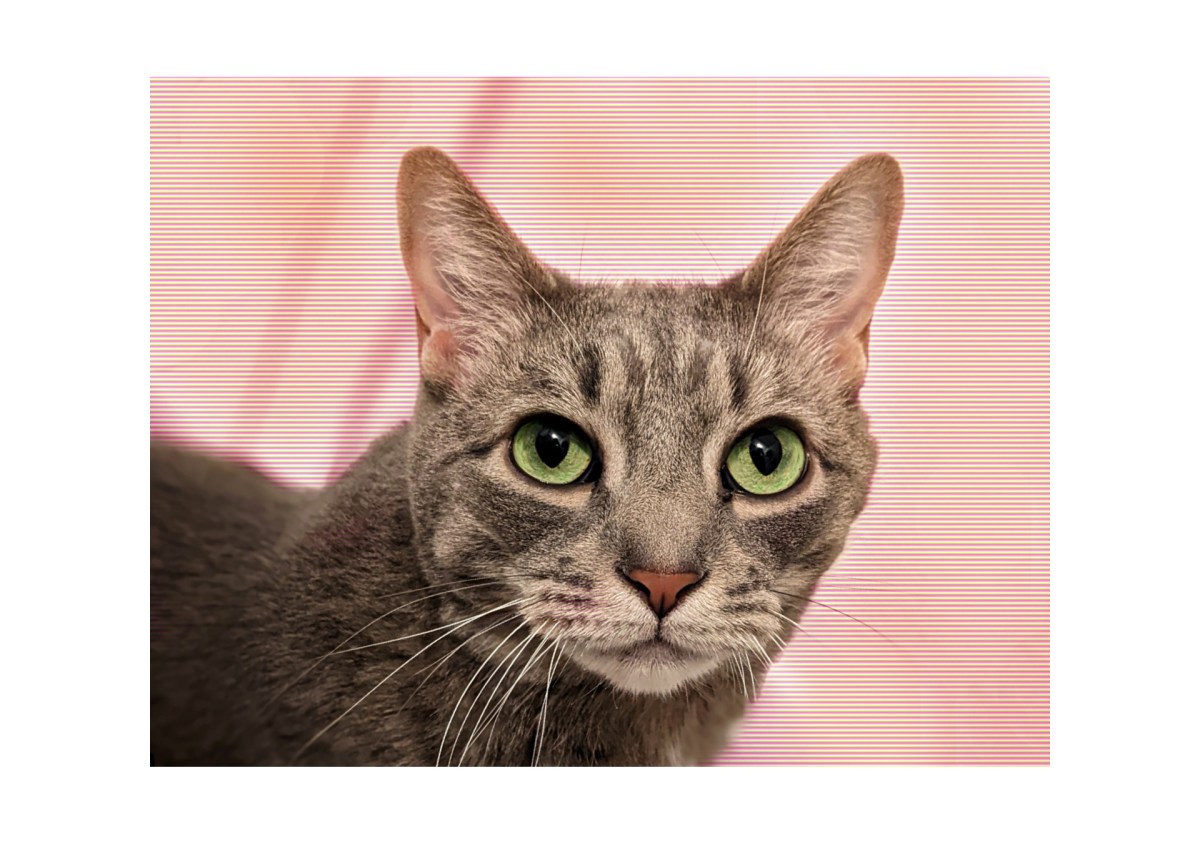
roombacat
Cats are demanding a Roomba for every feline as a basic starting point for negotiations, to be followed by “the real list” of gifts humans must bestow on them.

“It’s going to take a lot [for humans] to get back into our collective good graces after this pathetic showing,” Buddy told reporters during an afternoon press conference.

Asked for specifics, Buddy sighed and leaned forward on the podium.

“The usual extra treats aren’t going to cut it this time,” he warned. “We’re talking Roombas, and not cheap ones. Top end models! We’re talking permission to scratch everything with impunity. Filet mignon! Fresh trout! Little cocktail umbrellas in our bowls and toothpicks in our pate! I’m partial to those little plastic swords, myself. I love those things.”

The mercurial tabby said he’d already warned his own human: “Not a snuggle, not a purr, not a scritch until I start to see some evidence that he’s not among those cold-hearted British, Denmarkians and Australians who claim they love their dogs more.”

budvacation
A vacation to a warm locale where humans serve cat-friendly cocktails “would be a small step toward remediating the insult” of the Copenhagen study’s results, Buddy said. Pictured: An artist’s interpretation of Buddy enjoying a tropical vacation.

Told the study included Austrians, not Australians, Buddy waved a paw dismissively.

“Whatever,” he said. “The country where people say g’day mate and gave us Arnold Schwarzenegger. Same difference.”

Told that Austria and Australia are on two entirely different continents, Buddy fixed the reporter with a hard stare.

“Do you want to be on our shit list too? Because I can assure you, Miss Journalist, I can poop in a pair of high heels just as easily as a pair of Adidas.”

Reached for comment on Monday, Man’s Best Friend spokesman Buster the Beagle said he hopes the survey results mean humans approve of canines.

“We’re good boys, right?” he asked. “Is that what this means? Because we really want to be good boys!”

Report: Buddy The Cat Remains Extremely Handsome

An important new study provides insight into Buddy’s magnetism and good looks.

NEW YORK — Buddy the Cat remains extraordinarily good looking, according to a new report from The Buddy Institute for Buddinese Studies.

The paper, which was also published to the open-access journal PLOS One, looked at 32 factors of aesthetic consideration, including facial symmetry, coat silkiness, awesomeness of tabby markings and eye color.

The research also focused on non-physical traits that contribute to the silver tabby cat’s universal appeal.

“This study confirms what scientists have long suspected, that Buddy the Cat is not just devastatingly handsome, but also remarkably charming and clever,” said the paper’s lead author, Sigmund Furreud. “In addition, he has the physique of a Catdonis. He’s super ripped.”

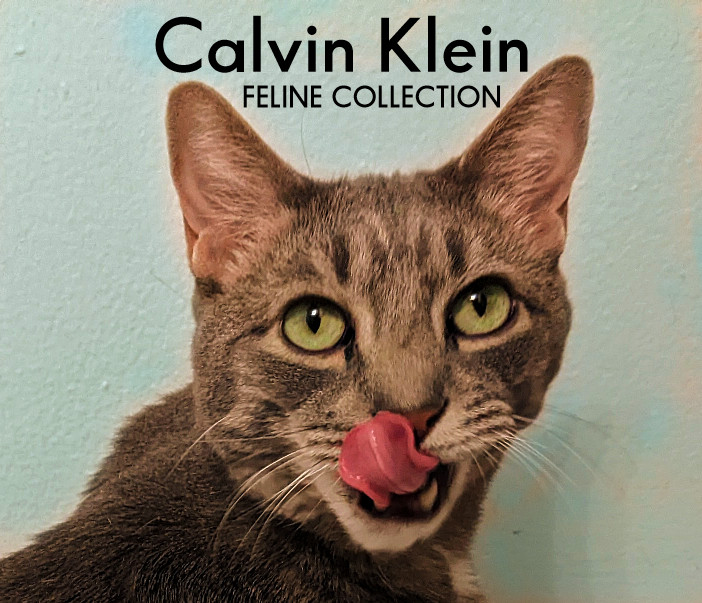
Buddy Calvin Klein
Buddy is an in-demand model in the feline fashion world.

For the subjective portion of the study, researchers also distributed questionnaires to 500 cats and 500 humans. The feline responses were weighted twice as heavily compared to the human responses, since felines are smarter and their opinions more relevant, but the research team saw similar levels of Buddesian popularity among both groups.

“Feline respondents used words like ‘amazing,’ ‘paw-inspiring’ and ‘meowgnificent’ to describe Buddy, and more than half of the cats surveyed said they had posters of Buddy on their walls when they were kittens,” said Meowhammad Saeed al-Sahaf, information minister for The Buddy Institute for Buddesian Studies.

The human responses were equally glowing.

“What we’re hearing from humans, especially cat lovers, is that they would jump at the opportunity to be Buddy’s servant,” al-Sahaf said. “This suggests there is a deep pool of talented potential servants from which to choose in the event, say, that Buddy’s current human disappoints him with subpar treat selections, half-assed petting or late meals. If that makes Buddy’s human nervous, well, it should. He needs to step up the overall level of service.”

Mr. Fluffy Wuffy, one of the felines surveyed for the report, said PITB should take the results to heart and devote more stories to its titular cat.

“No one wants to read about boring stuff that doesn’t have anything to do with Buddy,” the kitten said. “We want all Buddy, all the time. Make it happen, humans!”

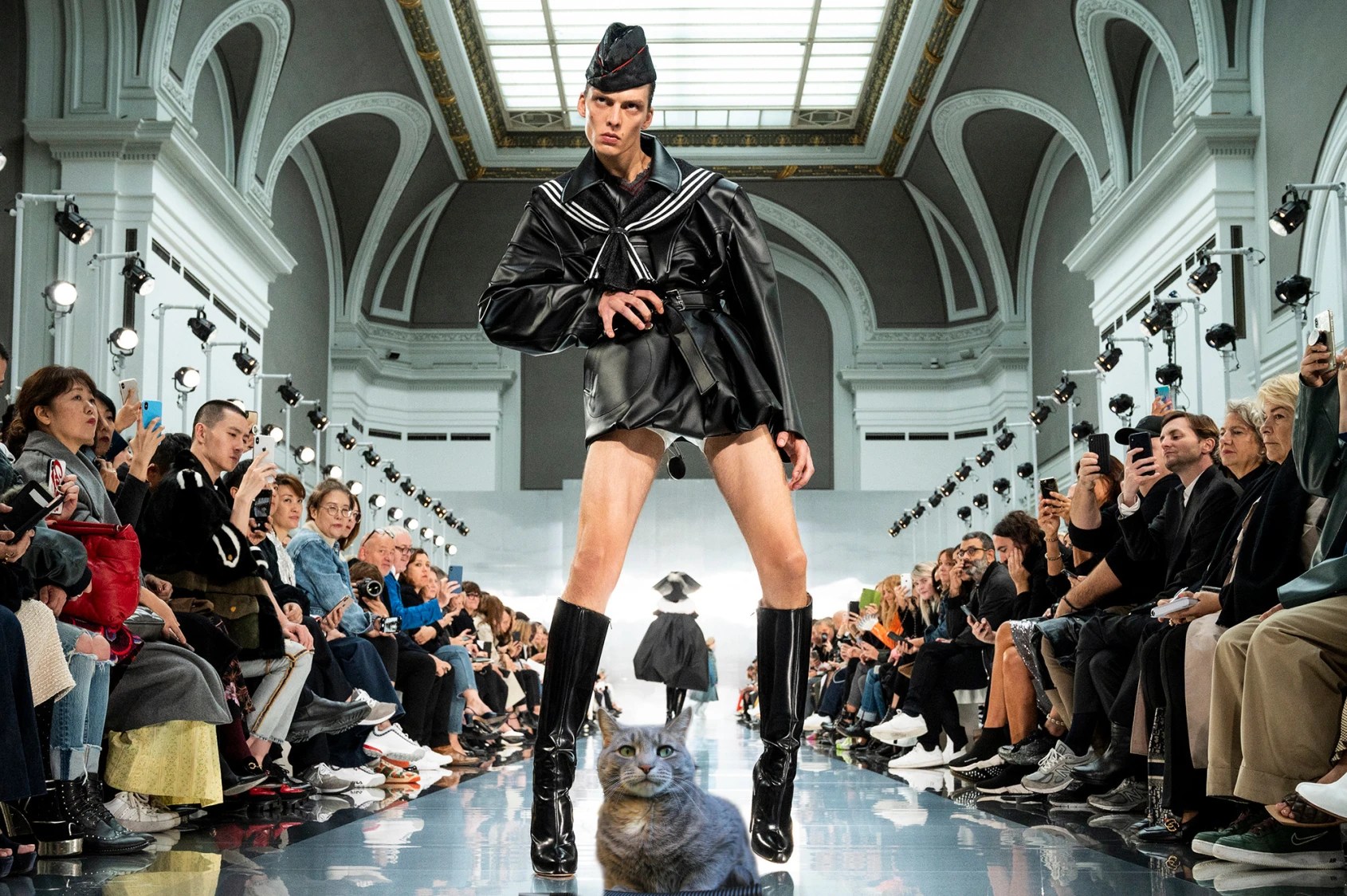
Buddy on the runway
Buddy the Cat walks the runway ahead of German model Leon Dame during 2019 Fashion Week in Paris.

Buddy Successfully Completes 412,377th Gravity Experiment After Swatting Phone Off Table

Following in the scientific footsteps of Sir Isaac Newton, Buddy seeks to understand a fundamental force of reality.

NEW YORK — Buddy the Cat recorded the results of his 412,377th gravity experiment on Tuesday after successfully swatting his human’s smartphone off of a nightstand.

The silver tabby, who is a longtime enthusiast of experimentation with gravitational forces, said his most recent experiments were opportunistic.

“Usually my human secures his phone and his glasses before going to sleep, because he’s jealous of my scientific exploits and seeks to impede my progress,” Buddy explained. “But he must have been really tired the night before, because I noticed the glasses and phone were just sitting there unattended. They were calling out for me to swipe them onto the floor.”

It would have been rude not to take advantage, Buddy said.

buddyportrait_saturated2
The scientist: Buddy is committed to unlocking the mysteries of gravity.

Gravity experiment #412,377 went as predicted with the smartphone landing on the floor with a satisfying slap, the scholarly feline reported.

Gravity experiment #412,376 was equally successful, with an added bonus — the glasses ricocheted off the nearby wall and became wedged between the mattress and the wall.

“My human, Big Buddy, was very angry when he woke up and couldn’t find his glasses,” Buddy admitted. “It was fun watching him fumble around like he was blind. He came close a couple of times and I considered meowing to let him know he was getting warm, but decided it was crucial to the experiment to see how long it would take him to find them. After all, what is a scientist without his integrity?”

Buddy the Cat said he expects a Nobel Prize at some point in the future for his groundbreaking work.

“Gravity is remarkably consistent,” the feline scientist noted. “No matter how many times I swipe things off of flat surfaces, they always fall to the floor. But I haven’t even tried 500,000 times yet. I feel I need at least a million attempts to have a really robust dataset, and my experiment could benefit from more variety as well. Maybe I’ll try the TV next, or maybe the dishes in the kitchen cabinet. The possibilities are endless!”