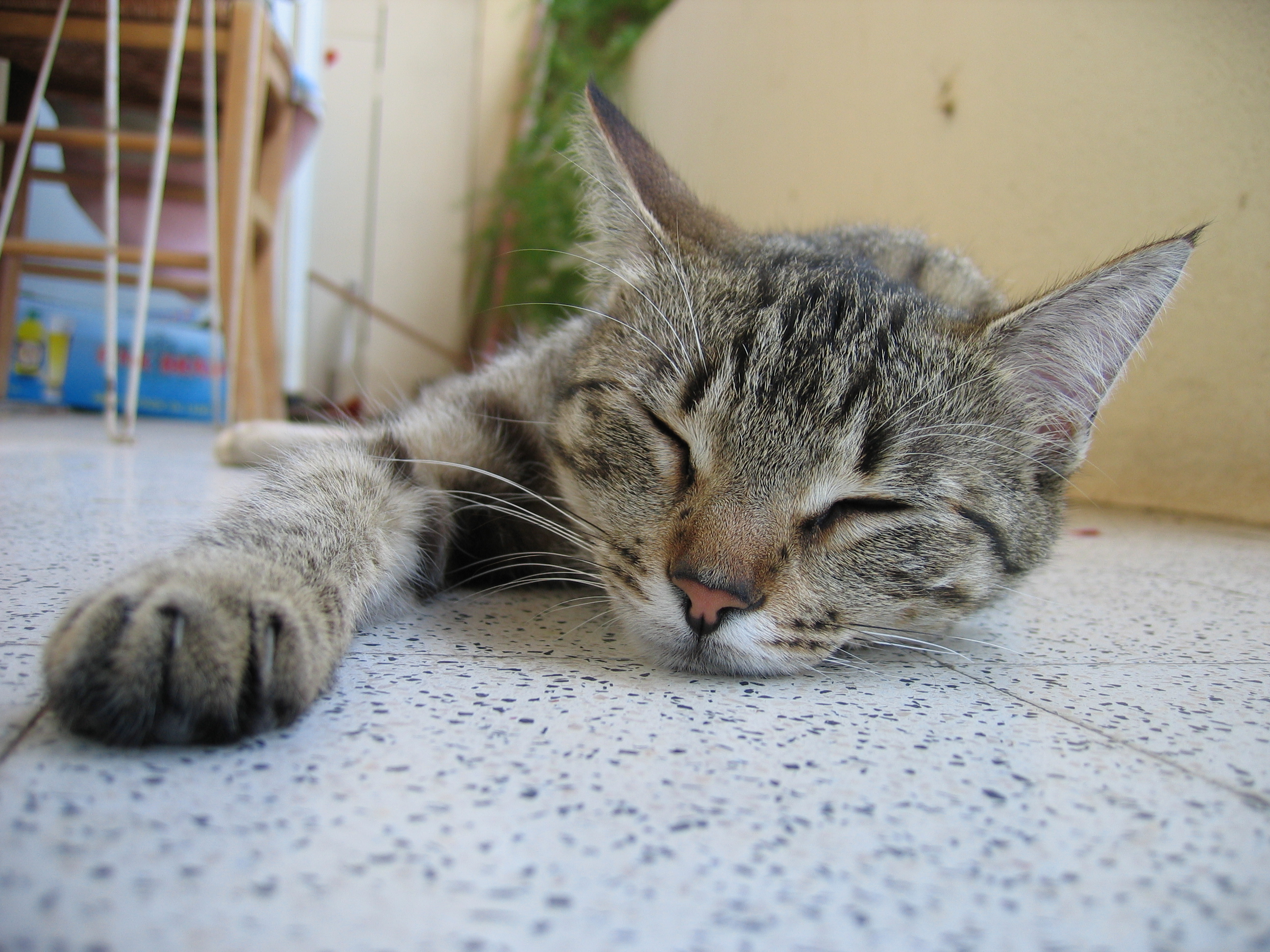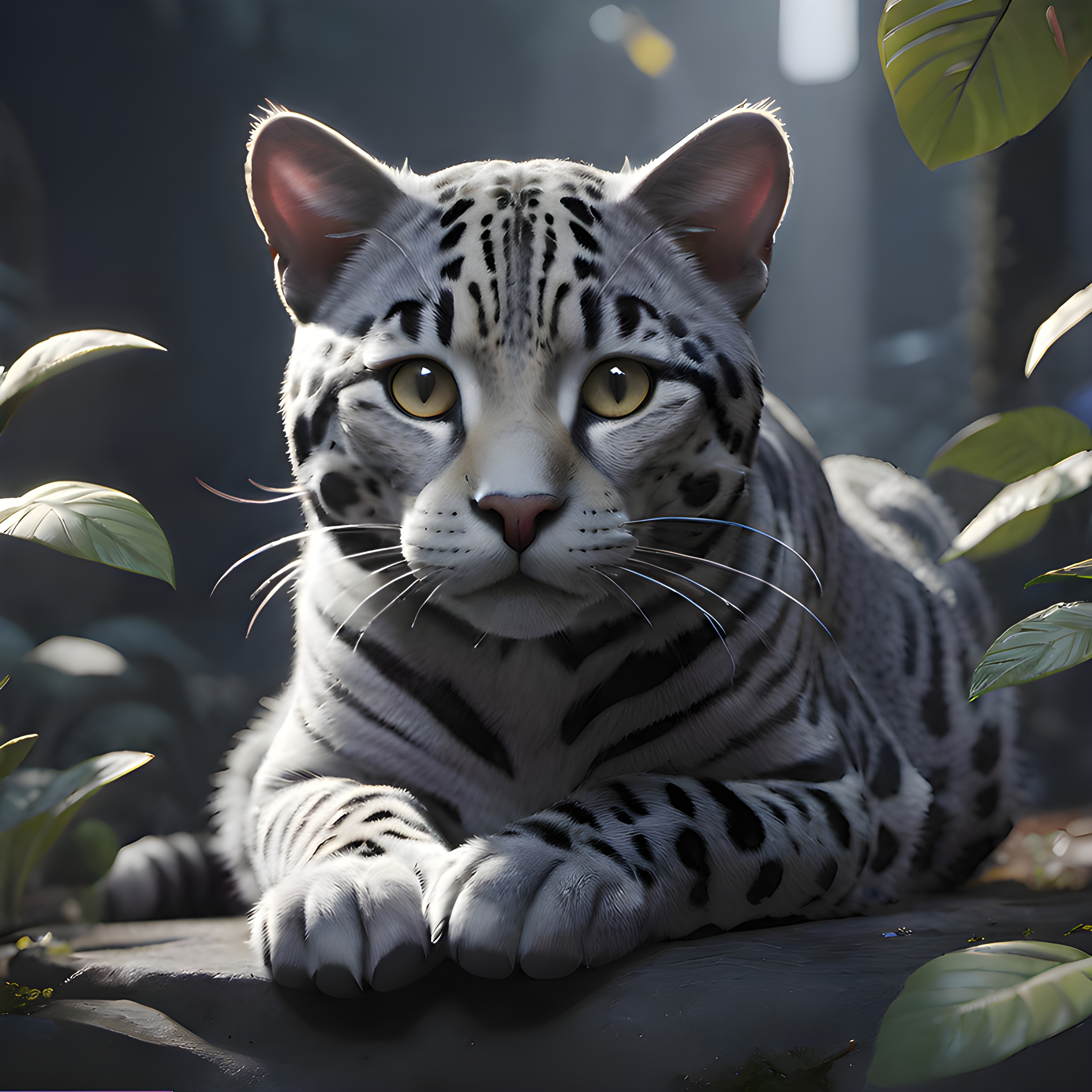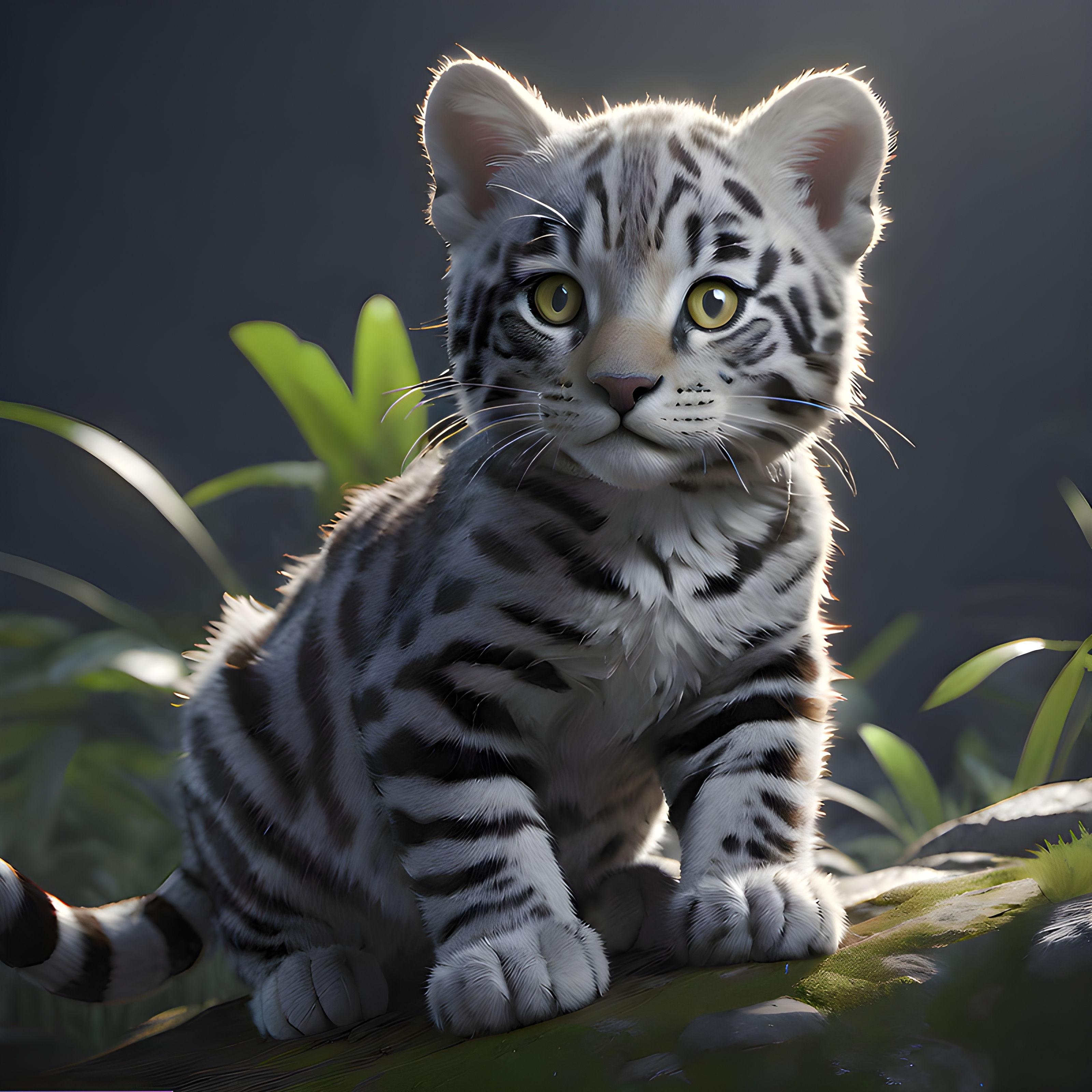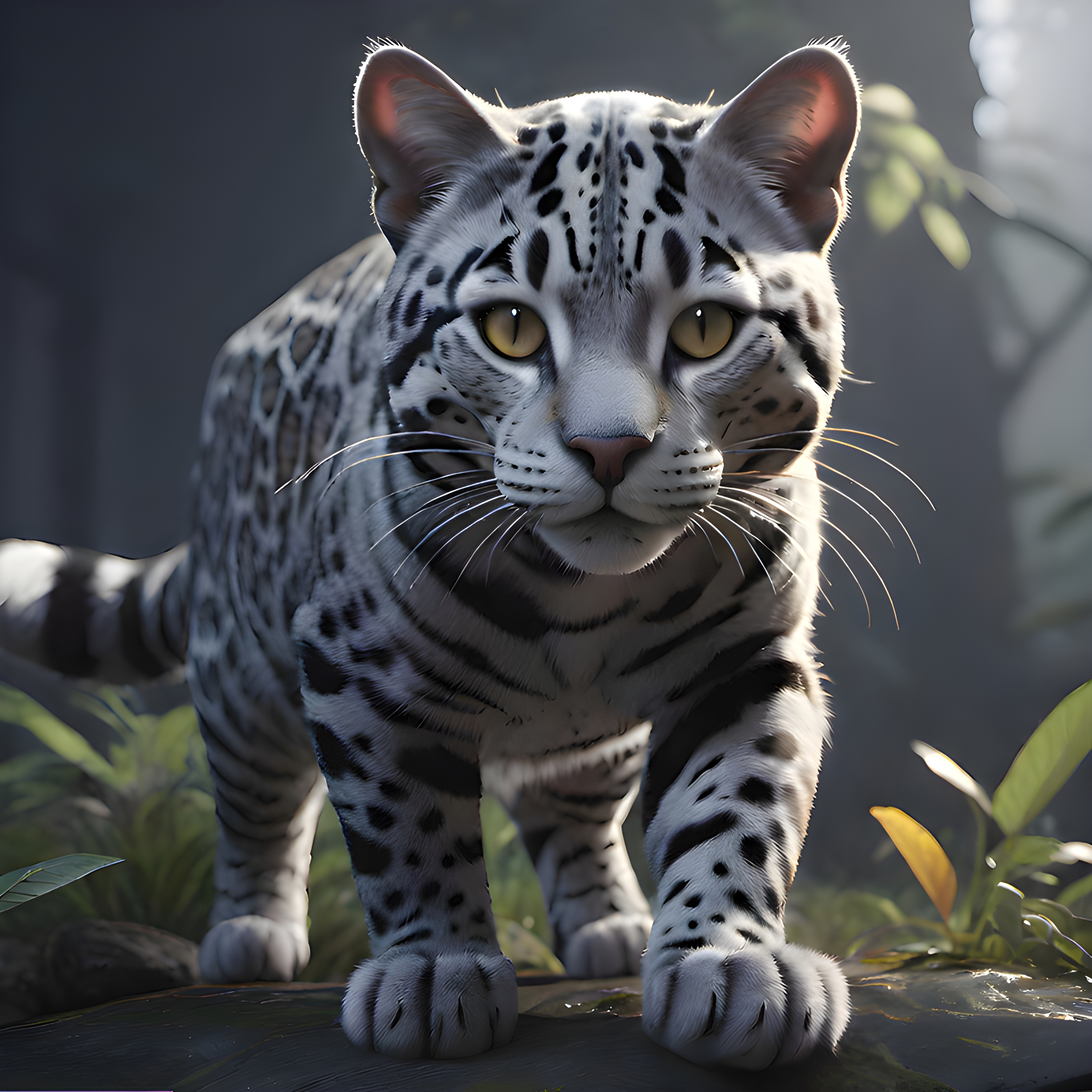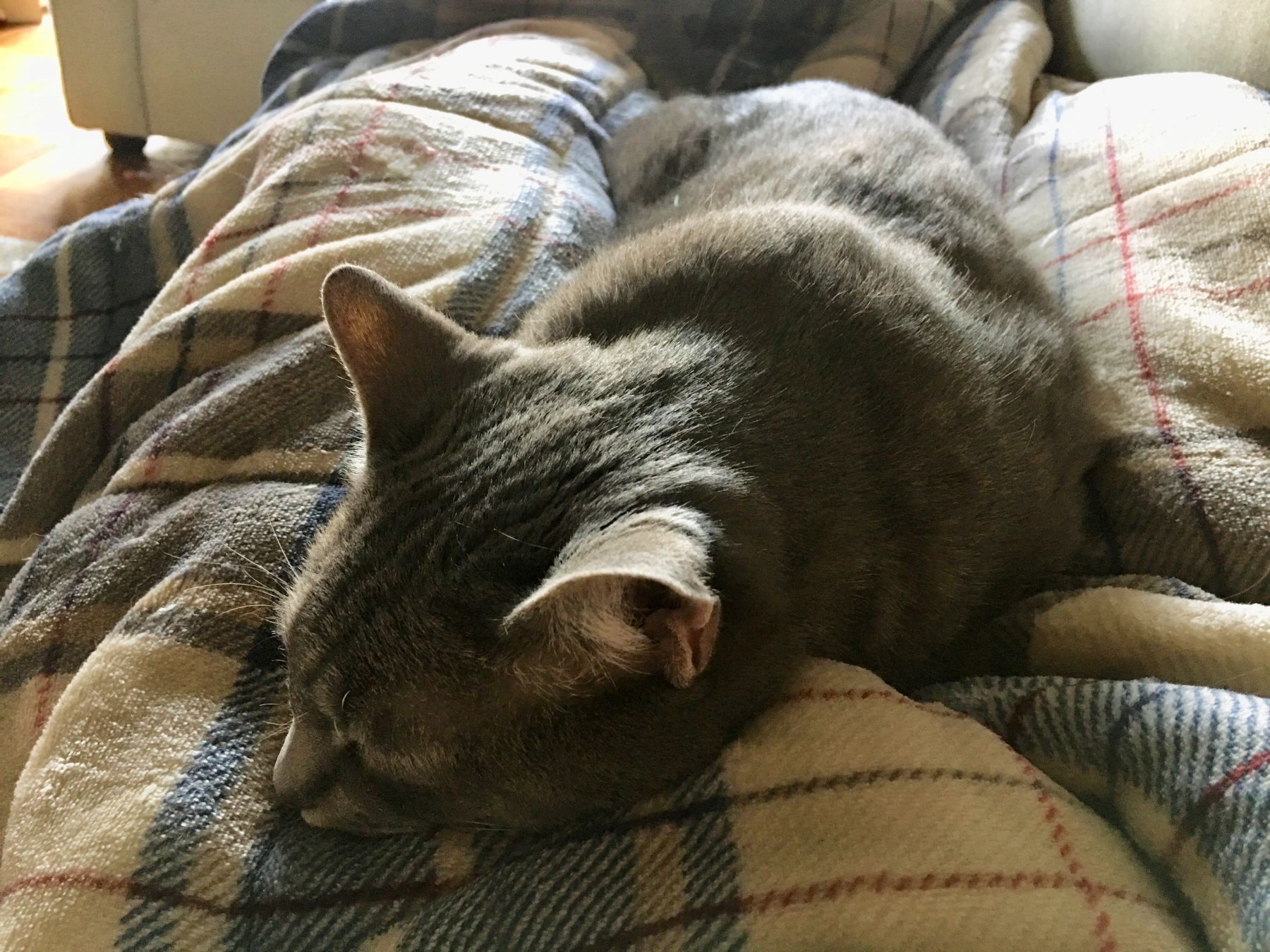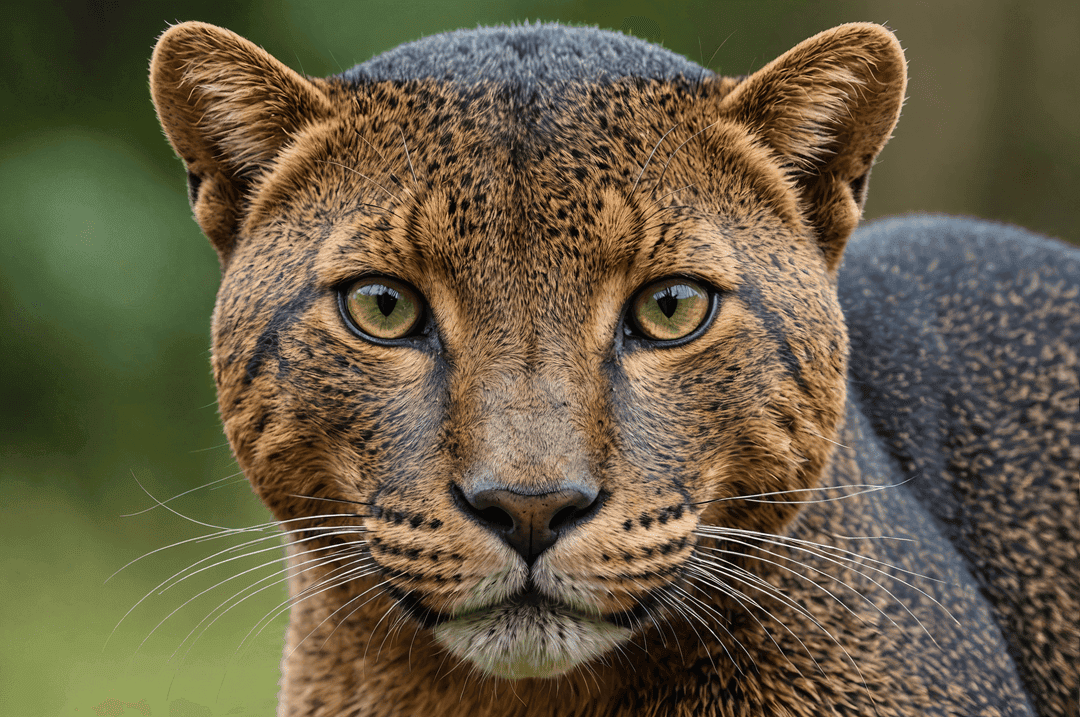
Happy National Black Cat Day!

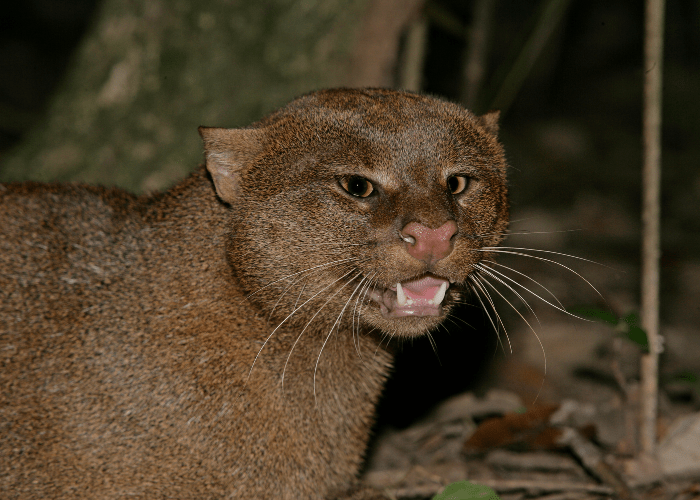
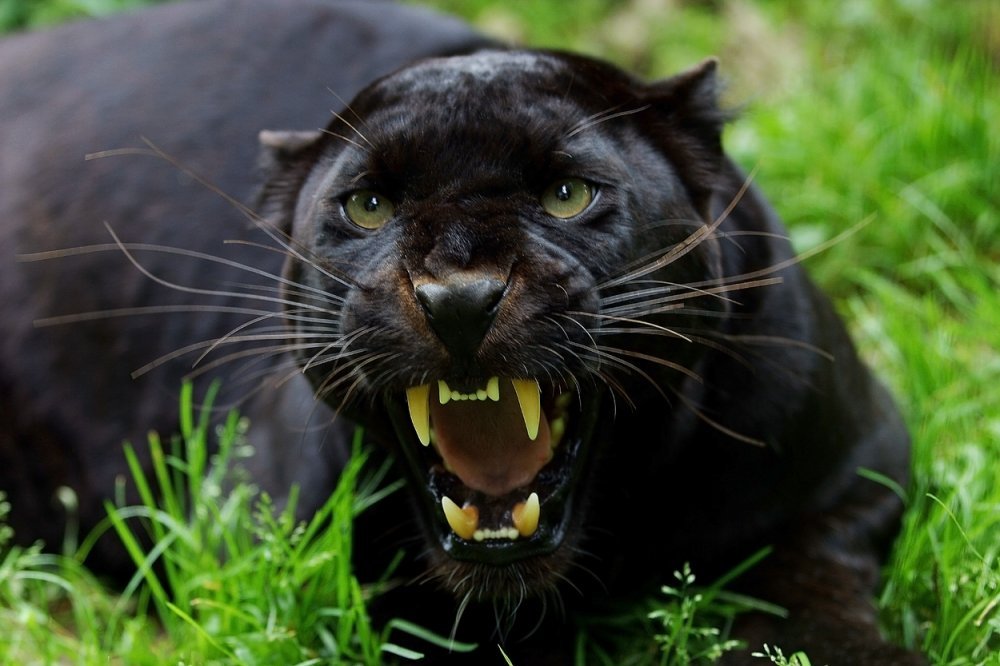
House cats, jaguars, leopards, Servals and jaguarundi are just some of the species that have melanistic (black) color morphs.

Everyone knows house cats, jaguars and leopards can be voids, but did you know other cats have black color morphs too?

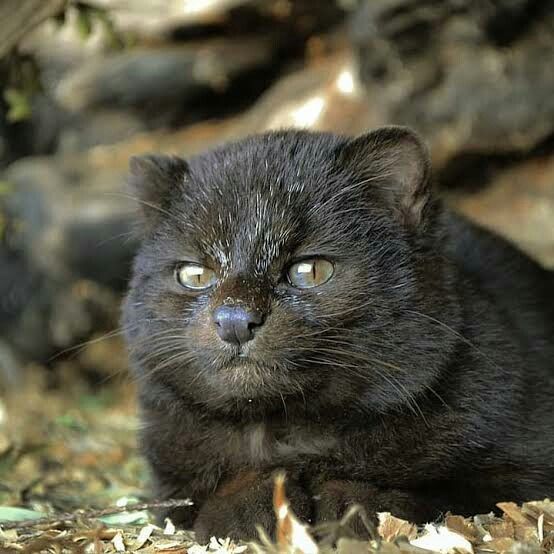
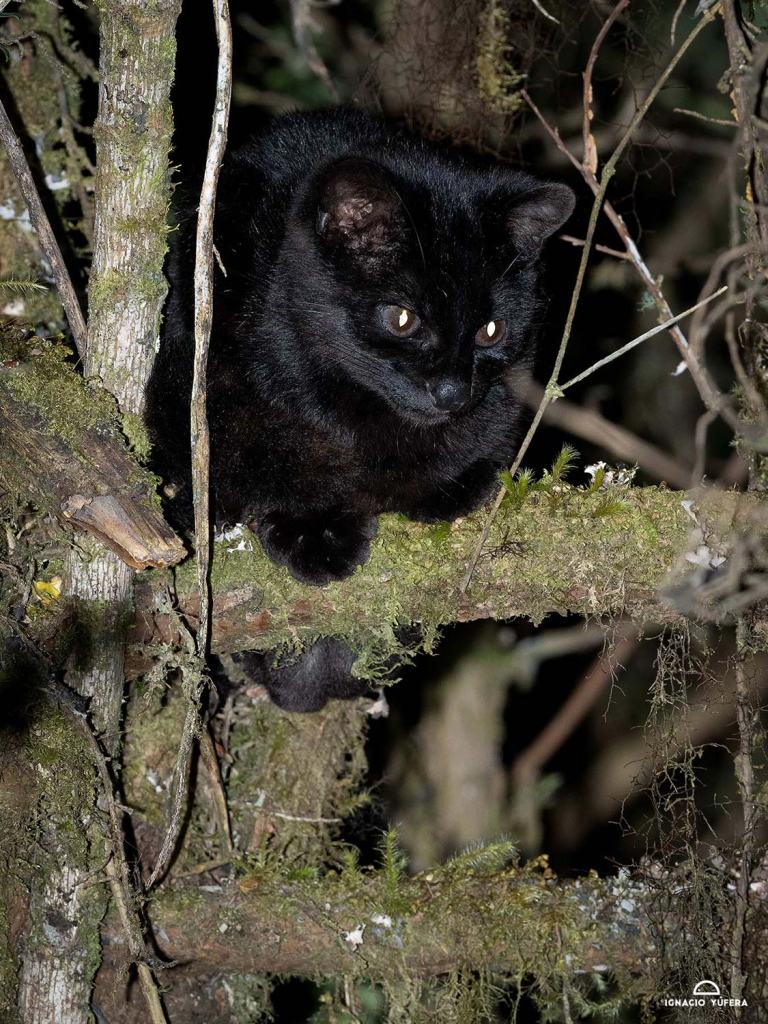
The Asian golden cat, the Serval, jaguarundi, Margay, kodkod, Geoffrey’s cat, oncilla, Pampas cat, and bobcat all have melanistic variants.

Unfortunately when it comes to house cats, research supports the longstanding claim that black cats are adopted at lower rates, and are euthanized in greater numbers, than other felines. Part of that can be chalked up to superstition. It’s also due in part to the fact that black cats are more difficult to photograph.

But as these photos prove, all you need is some decent ambient light, smart framing and maybe a bit of shadow/highlight correction to help bring out a black cat’s natural features.

Melanistic kodkod.
Melanistic oncilla. Credit: Ignacio Yufera

Image credits: Top two rows via Pexels, with photographers listed in the captions. All other photos via Wikimedia Commons. Last image (melanistic oncilla) credit Ignacio Yufera

Amazing Cats: The Adorable Colocolo, Feline Of The Pampas

With a perpetual kitten-like appearance and mismatched coat patterns, colocolos may look like the product of AI or Photoshop, but these little ones are very real — and very feisty.

We’re heading back into obscure territory with this edition of Amazing Cats, focusing on a little-known species that ekes out an existence in the forests and plains of South America.

The colocolo, also known as the Pampas cat, superficially resembles the familiar house cat, but a closer look reveals some striking differences.

Colocolos are small, about the same size and weight as felis catus, but their tails can be quite a bit shorter and extremely fluffy.

Colocolo full
Colocolos have pattern and color combinations seen only in their species. This one has rosettes on his body and tabby stripes on his limbs and tail. Some colocolos have thick tails with tabby-like rings, while others have bushy tails more commonly associated with long haired domestic cat breeds.

There are at least five variations of fur color and pattern, ranging  from marbled to jaguaresque rosettes and, most strikingly, a seemingly mismatched pattern in which the legs have dark stripes over rusty/cinnamon-colored fur, which contrasts dramatically with the gray, gold, silver or tan of their bodies. The overall effect makes some colocolos look like they’ve been photoshopped, or assembled from spare parts.

Some colocolos appear to have solid-color coats which are actually an agouti pattern with barely visible bands of slightly darker fur.

While the species may look stocky, conservationists say it’s smaller than it appears, with its fur making up the majority of its “bulk.”

Colocolo color variant
This photo might look like a fake, but it’s a documented combination of coat pattern and color among colocolos.
Colocolo color variant
Another photograph of a colocolo with the rusty/cinnamon limb coloring.

As if that wasn’t enough to distinguish them, Pampas cats have neotenous features that give them an even stronger kittenlike appearance compared to house cats and comparable species like the rusty spotted cat.

In other words, they’re very cute and looking at them can trigger the same protective instincts we feel when we see kittens and cute adult cats. But don’t let their disarming features deceive you — these little guys are not cuddly, don’t respond well to people who get close, and will turn aggressive if you encroach on their space.

Cute colocolo
This adorable colocolo appears to be giving the side-eye to someone. Note the slight suggestion of the classic tabby “M” on the forehead.

While they’re alternately called the Pampas cat, the word “colocolo” comes from the language of the Mapuche, an indigenous group that lived in lands that are parts of modern day Chile and Argentina.

In the Mapuche language, Colo Colo was the name of a Mapuche warrior who led his people in their resistance against Spanish conquistadors in the 16th century, but it’s also the name of an evil rat-like creature in Mapuche folklore. It’s not clear how a feline came to bear the name, but the species — leopardus colocolo — is often called gato colocolo to distinguish between the historical figure and the modern-day Chilean football club, Colo-Colo.

Colocolo
You might feel an urge to hug a colocolo, but that would not be a good idea. Experts say the small cats don’t take kindly to close human proximity.

Although they’re associated with the pampa, the flatlands in and around Peru best known for the mysterious Nazca lines, colocolo are adaptable and thrive in forests, jungles, wetlands, and mountain ranges like the Andes, among other terrain.

Their range stretches from Argentina in the south through Chile, Bolivia, Paraguay, Ecuador, western Brazil and an isolated population in Uruguay.

Despite their relatively wide distribution and variety of habitat, colocolos are not well understood. Experts still haven’t settled the question of whether they’re all one species or whether subgroups qualify as their own subspecies. Their hunting habits are not well-documented, although it’s known they prefer small rodents, and there is ongoing debate about whether they are crepuscular, like most felid species, or nocturnal.

Colocolo share a continent with jaguars, pumas, ocelot, jaguarundi, margay, oncilla, kodkod, Geoffrey’s cat and the Andean cat, and the fact that they live in the deep wilderness makes them more difficult to study.

Because their coloration and coat patterns can vary so widely, Pampas cats are often mistaken for other small wildcats living in South America, and people unfamiliar with their species sometimes mistake them for domestic felines.

They’re also very rare in zoos, with only one US zoo (Cincinnati) counting them among their exhibits, and only four Pampas cats in captivity worldwide. (Excluding private captivity by poachers and illegal wildlife traders.)

Like virtually every species of wildcat, the colocolo’s numbers are declining due to a number of factors, primarily human activity like habitat destruction, sport hunting and development cutting populations off from each other.

The more people are aware of these beautiful and little-known felines, the better their chances for long term survival as conservation groups receive more donations to help protect them, and lawmakers are pressured to protect the wilderness where they live.

Yawning colocolo
Like all cats, colocolos appreciate the value of a nice nap.

Previously:

Amazing Cats: The Mysterious Marbled Cat
Amazing Cats: The Rusty-Spotted Cat
Amazing Cats: ‘He Who Kills With One Bound’
Amazing Cats: The Puma

Amazing Cats: The Sunda Clouded Leopard

Buddy The Cat’s ‘The Art Of Napping’ Debuts Atop NYT Bestseller List

The book received glowing reviews for its comprehensive approach to the world of slumber and promises something for every type of napper.

A new book on napping from the world’s most prolific snoozer has taken the sleep enthusiast community by storm.

“The Art of Napping: The History and Technique of Dozing Off” by Buddy the Cat bills itself as “the world’s most comprehensive guide to taking a siesta” and a “manual on how to commit yourself to a lifestyle of leisure and laziness.”

It includes an illustrated history of sleep science, from its superstition-mired origins to the highly specialized field of modern-day napology, following the rich sedentary traditions of various cultures.

“The chapter contrasting ancient Sumerian nap-walking with Syracusan Somnambulism is not only heavy with detail, it’ll put you to sleep almost immediately,” said Rusty LeFelino, chaircat of the Snooze Studies Department at the University of Catlanta.

Nap on tatami mat
“Nap on tatami mat under cherry blossoms” by Hirotaro Buddishida, 1646, is one of many historical depictions of shut-eye included in The Art of Napping.

Reviewers were equally effusive with their praise.

“Buddy the Cat dozes headfirst into the world of segmented slumber, documenting everything from Chicago-Style Snoozing to indigenous bedding techniques pioneered by the jaguars of the Pantanal,” reads a starred review in Publisher’s Weekly. “Whether you’re a weekend warrior who enjoys drooling on your couch during baseball games or a committed napper who swears by episodic DaVinci Sleep, there’s something for everyone in this beautifully bound volume.”

The New York-based feline spent more than a year researching and getting paws-on experience for the book. He visited the California headquarters of Google with its famous employee nap pods, spent a week sleeping under the stars with the pumas of the Pacific Northwest, and interviewed lucid dreamers to find out whether it’s possible to nap within a nap a la Inception.

“Buddy leaves no pillow unturned in his quest for the truth, with spectacularly stale prose that will have even the over-caffeinated yawning into the back of their paws,” a reviewer for Narcolepsy Daily wrote. “Get yourself a cozy blanket, curl up with Buddy and let the Z’s commence.”

Jungle Napping
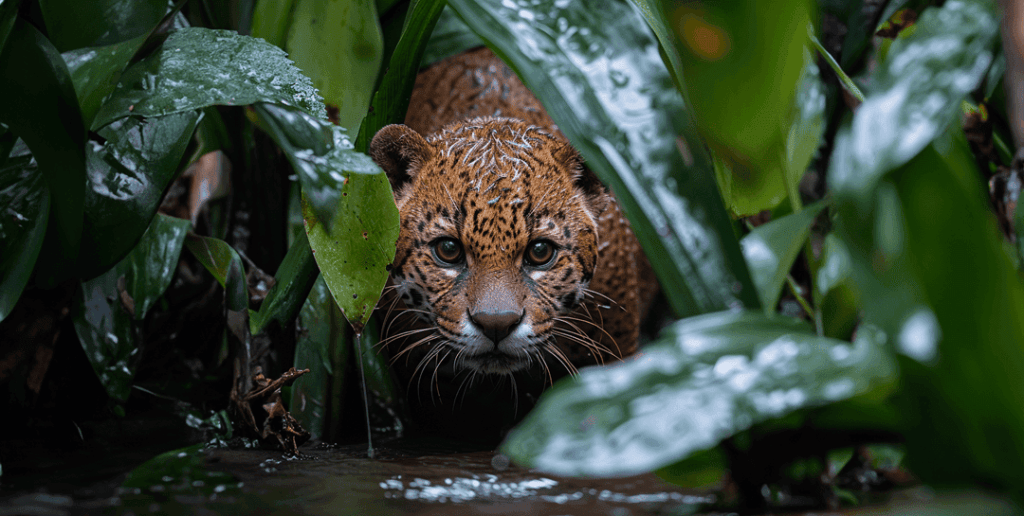
Southern Siesta: The author spent several weeks in the Amazon napping with jaguars, jaguarundis and ocelots, an experience described in a yawn-inducing chapter of The Art of Napping.

Sleeping_cat
“The ability to nap anywhere at any time is the mark of a master snoozer,” Buddy writes in his new book. Credit: Wikimedia Commons

The Buddinese Jaguar: A Fitting Feline For The One Percent!

You can’t have a jaguar pet and you can’t have Buddy the Cat, but what if you could have a breed that combines the best features of both? You’d pay a lot for that, wouldn’t you? Good, ’cause they start at $10k!

SATIRE/CAT HUMOR

Inspired by the exclusive Ashera cat, we proudly present to you the Buddinese Jaguar, the pinnacle in feline luxury.

Why settle for a pedestrian Bengal or Savannah when you could own the ultimate in feline status symbols?

Buddinese Jaguar

Our Buddinese Jaguars feature royal lineage, the finest genetic modifications, and they’re extremely handsome!

– Ultra exclusive luxury cat
– Available in hypoallergenic variants
– Version 2.15 now available!
– Patented SilkySmooth™ technology results in a luxuriously soft coat
– Eye colors available in Neon Emerald, Viridescent Beryl, Azure Sky, Amber Glow, Flecked Gold, Elvis Pink Cadillac, Crystal Cobalt and Electric Sapphire
– Optional moon roof
– Easy to use Quiet Mode™ technology guarantees your Buddinese Jaguar will shut up when you want it to
– Extended 5-year warranty

Each Buddinese Jaguar comes with a rapid USB 3.0 charger, a V8 engine that provides plenty of power for HyperZooms, and an Apple AirTag-enabled collar.

Buddinese Jaguar kitten
From kittenhood until adulthood, Buddinese Jaguars are exemplars of handsomeness.

In addition to guaranteed software updates for at least five years, your Buddinese Jaguar is equipped with onboard analog algorithms ensuring it downloads exclusively in its litter box and nowhere else.

Base models start at only $9,950! Hypoallergenic models with patented Fel-d-1 Guard™ technology available starting at $12,495.

We are an officially authorized retailer accredited by the Buddinese Jaguar Association and the Buddinese Authorized Distributor Association Service Standards (BADASS), awarded only to retailers who maintain the highest breed standards.

Buddinese Jaguar
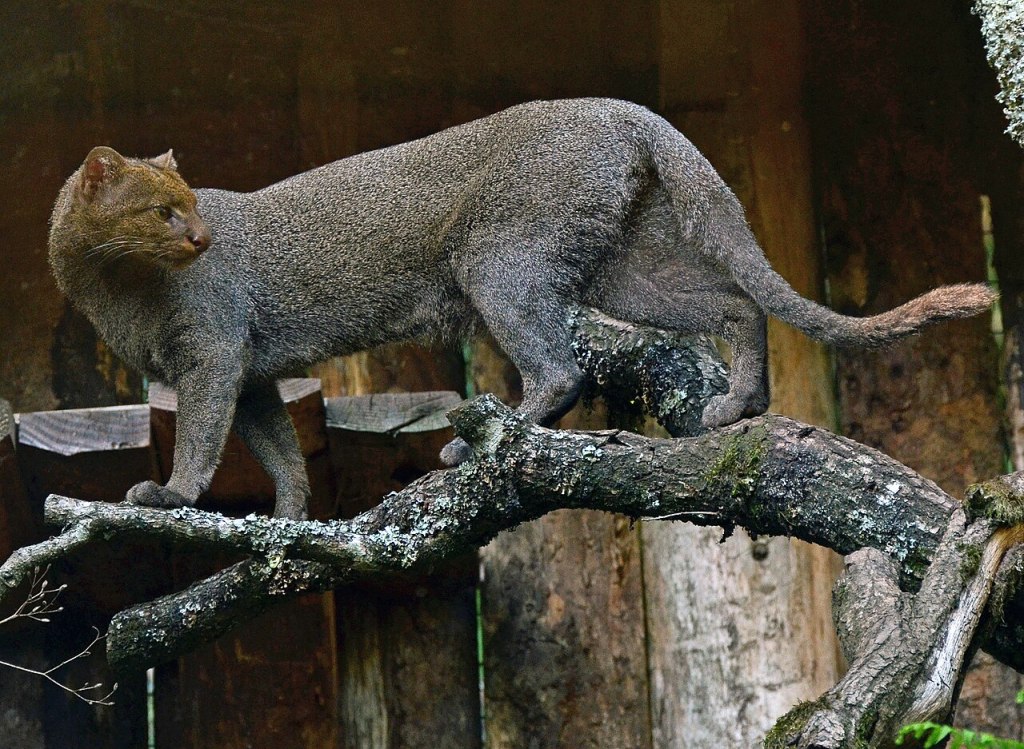
Like its jaguarundi forebears, the Buddinese Jaguar is an apex predator and is awesome at stalking the jungle.

About the breed:

The Buddinese Jaguar was developed by Buddesian Labs. Lead scientist Buddy the Cat tirelessly and selflessly engaged in coitus with 217 jaguarundi females, producing the magnificent offspring that would comprise the first generation of these extremely handsome cats. Using pioneering techniques in CRISPR gene-editing, Buddy did the impossible and improved upon perfection by eliminating allergens and adding even more meowscle mass.

Note: Buddy the Cat himself is not available for purchase, although he will entertain offers for his human.

Buddy sleeping
Chief scientist Buddy recovers after selflessly and heroically engaging in coitus with 217 jaguarundi females in the name of science.