Journalists Need To Stop Citing The Bunk Studies Blaming Cats For Annihilating Wildlife

Free-ranging cats do have a negative impact on wildlife, but we’re not going to solve the problem by demonizing them and culling them by the millions.

The Literary Hub story starts off with a provocative question: what if cats ruled the world?

This is a question I find amusing to ponder, so instantly my mind was filled with images of cats scandalizing foreign heads of state by insouciantly swiping gifts off tables, angering diplomats by yawning and nodding off during summits, and financing the construction of massive and unnecessary coastal walls, on the off chance the ocean decides to move inland and get them wet.

Then the writer cited the repeatedly-debunked “study” that credulous media of all stripes still reference without bothering to read the text — that infamous 2013 Nature Communications paper, published by birders who author books with titles like “Cat Wars: The Consequences Of A Cuddly Killer.”

Some journalists don’t know any better, some are overworked, and some are frankly too lazy to read the study with a critical eye, but I think one of the more likely reasons people continue to cite the paper is because it’s easier to blame felinekind for wildlife extirpation than it is to admit we’re the primary culprits. After all, according to the WWF’s most recent annual review, we’ve killed off 73 percent of Earth’s wildlife since 1970, and we certainly didn’t need house cats to help us push elephants, rhinos, every species of higher non-human primate, and innumerable other species to the brink of extinction.

We did that. We did it with our relentless development, consuming and fracturing wild habitats. We did it with careless industrialization, by dumping chemicals and garbage into our rivers and lakes until more than half of them were rendered too polluted to swim in or drink from. We did it by bulldozing old growth forest and jungle, by exploiting species for fur, folk medicine, ivory, sport hunting and in the illegal wildlife trade.

Cheetahs are critically endangered, and they’re being driven to extinction even faster by poachers, who sell them to wealthy buyers in oil-rich gulf states where they’re trendy pets. Credit: Riccardo Parretti/Pexels

More than 47,000 species — that we know of — are headed toward extinction. It’s so much easier to blame it on anyone or anything else than admit we need to make major changes to our lifestyles and policies.

But don’t take my word for it. Here’s what Alley Cat Allies has to say about the 2013 meta-analysis and its derivative papers:

The Smithsonian-funded study published in Nature Communications is not rigorous science.
It is a literature review that surveys a variety of unrelated, older studies and concocts a highly speculative conclusion that suits the researchers’ seemingly desperate anti-cat agenda. This speculative research is highly dangerous. It is being used by opponents of outdoor cats and Trap-Neuter-Return (including the authors) to further an agenda to kill more cats and roll back decades of progress on TNR. And it is being spread unchecked by the media.

Here’s what a group of ethicists and anthropologists wrote about the claims against cats in the journal Conservation Biology, lamenting the lack of nuance and danger in arguing that cats must be stopped “by any means necessary.” The drive to blame felines, they argue, has “fueled an unwarranted moral panic over cats”:

“Contrary to Loss and Marra’s claims that the scientific consensus is consistent with their views that cats are a global threat to biodiversity, the actual scientific consensus is that cats can, in certain contexts, have suppressive population-level effects on some other species (Twardek et al. 2017). This is something that is true of all predators, native or not (Wallach et al. 2010). Thus, cats should not be profiled as a general threat a priori and without reference to important factors of ecological context, situational factors, clear definition of harms, and evidence thereof.”

“There are there are serious reasons to suspect the reliability of the new, extreme cat-killer statistics,” wrote Barbara J. King, retired chairwoman of the department of anthropology at The College of William and Mary.

Feline predatory impact varies by local conditions. Free-ranging cats in cities and suburbs kill rodents, but have minimal impact on other animals, data shows. Credit: Patricia Luquet/Pexels

Like we’ve often noted here on PITB, the authors of the Nature Communications study can’t even say how many free-ranging felines exist in the US. They say it’s between 20 and 120 million. That’s a 100 million difference in the potential cat population! How can they tell us how many birds and mammals are killed by cats if they can’t even tell us how many cats there are? No amount of massaging the numbers can provide an accurate picture if the initial data is shaky or nonexistent.

Furthermore, the nature of a meta-analysis means the authors depend on earlier studies for estimates on predatory impact, but the 2013 Nature Communications paper does not include any data —not a single study — on feline predatory impact. In other words, they have no idea how many animals free-ranging cats actually kill.

In authentic studies that actually do measure predatory impact, the data varies widely in geographic and demographic context. Data derived from the D.C. Cat Count, for example, shows that cats living more than 800 feet from forested areas rarely kill wildlife, and are much more likely to kill rodents.

Those who cite the bunk study and its derivatives are “demonizing cats with shaky statistics,” King wrote, adding she was alarmed by “an unsettling degree of uncertainty in the study’s key numbers.”

Free-roaming populations are reduced when cat colonies are managed, and the animals are fed and fixed. Credit: Mia X/Pexels

Ultimately, we agree with Wayne Pacelle, former president of the Humane Society of the United States.

The meta-analysis authors “have thrown out a provocative number for cat predation totals, and their piece has been published in a highly credible publication, but they admit the study has many deficiencies. We don’t quarrel with the conclusion that the impact is big, but the numbers are informed guesswork.”

Cats do have a negative impact on wildlife, it varies according to local circumstances, and those of us who love cats have a responsibility to keep our pets indoors and help manage free-ranging populations.

But cooler heads must prevail, approaches to managing cats must be evidence-based, and the effort requires people of all kinds working together — which becomes much more difficult when agenda-driven pseudoacademics whip people into a frenzy by portraying felines as bloodthirsty, invasive monsters who need to be wiped out “by any means necessary.”

When that kind of rhetoric drives public policy, you get countries like Australia killing two million cats by air-dropping poisoned sausages, vigilantes gunning down cats with shotguns in public parks, and local governments offering cash prizes to children who shoot the most cats and kittens. Those efforts aren’t just cruel and inhuman, there’s not a shred of proof that they do a damn thing to help other species.

Solving the problem of free-ranging cats requires us to own up to our own role in species extinction and to take measured, evidence-based steps to protect vulnerable wildlife. Otherwise, we’re inflicting a whole lot of suffering on sentient creatures and accomplishing absolutely nothing.
People Like This Should Be Banned From Having Pets

A woman surrendered a cat she’s had since kittenhood. Her reason? He sheds.

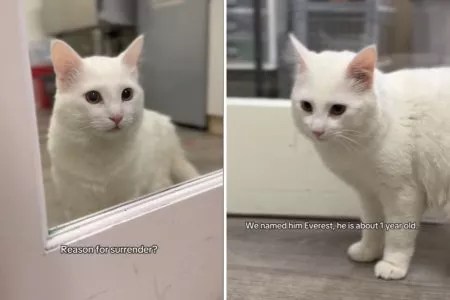
The moment Everest the cat was unceremoniously dumped at an Atlanta animal shelter, he freaked out.

The little guy had just lost the only home he’d ever known, his home since kittenhood, and the woman who agreed to be his caretaker for life simply ditched him with a curt “I don’t want this cat.”

No sentiment. No apologies. Just annoyance that Everest, a white cat, was apparently shedding too much for her liking.

Everest the Cat. Credit: FurKids Midtown Atlanta

Shelter employees realized a short time later that the woman had never taken Everest to a veterinarian, had never gotten him shots or had him neutered. Now they’re tasked with rehabilitating a very scared, confused little guy who doesn’t understand why he’s been abandoned.

“We also think he may be deaf but need to conduct tests,” the manager of Furkids Midtown Atlanta Center said in a post on TikTok. “If he is deaf, it’s even more heartbreaking. We don’t think his original owner knew he was deaf, she didn’t seem to care when she surrendered him – she walked in saying, ‘I don’t want this cat.'”

“Karen With A Cat Demanding To See The Manager,” oil on canvas by Buddy the Cat, aka an AI image of what I imagine Everest’s negligent owner looks like. And yes, I used Theresa Caputo in the prompt!

The upside is that the shelter is taking Everest’s health seriously, and they’ll have him neutered and nursed back to health before adopting him out. They’ll also make sure he goes to a home where he gets the love and respect he deserves as a sentient animal with feelings.

Staff at the shelter said they’re determined “to find him the best home. He deserves so much more than the life he’s lived so far.”

“He’s still a little scared,” the shelter manager said. “He is processing what’s happened since now he’s in a shelter where there’s a lot of noises and people.”

This incident, and many others like it, are precisely the reason we need databases listing people who are abusive or negligent to their pets, so they can’t ruin more innocent lives by abandoning cats and dogs when they simply tire of them, or decide they don’t like the fact that they behave precisely the way they’re supposed to as members of their respective species.

It should be done in a way that shelters and rescues in every state can access the database, and contributions should be limited to them as well, with shelters signing their names to the entries. That would prevent people from abusing the list for malicious purposes and ensure that abusive and negligent pet owners can’t simply go to another county or state to evade bans.

“I don’t like Karens.” – Buddy the Cat, The Book of Buddesian Wisdom

Every time I read about a case of cat abuse or an incident like this, I think of Bud and what his life could have been like if he was adopted by someone who didn’t appreciate him. His curiosity, boldness and fire would have been snuffed out, and he would not have been given the love he deserves. Likewise, he would have been deprived of giving back love, and he has a lot to give.

All cats are little buddies, and they all deserve people who love and care for them.

When I ran this by Buddy himself, he agreed.

“That’s right, human,” he said. “Now fetch me a snack!”

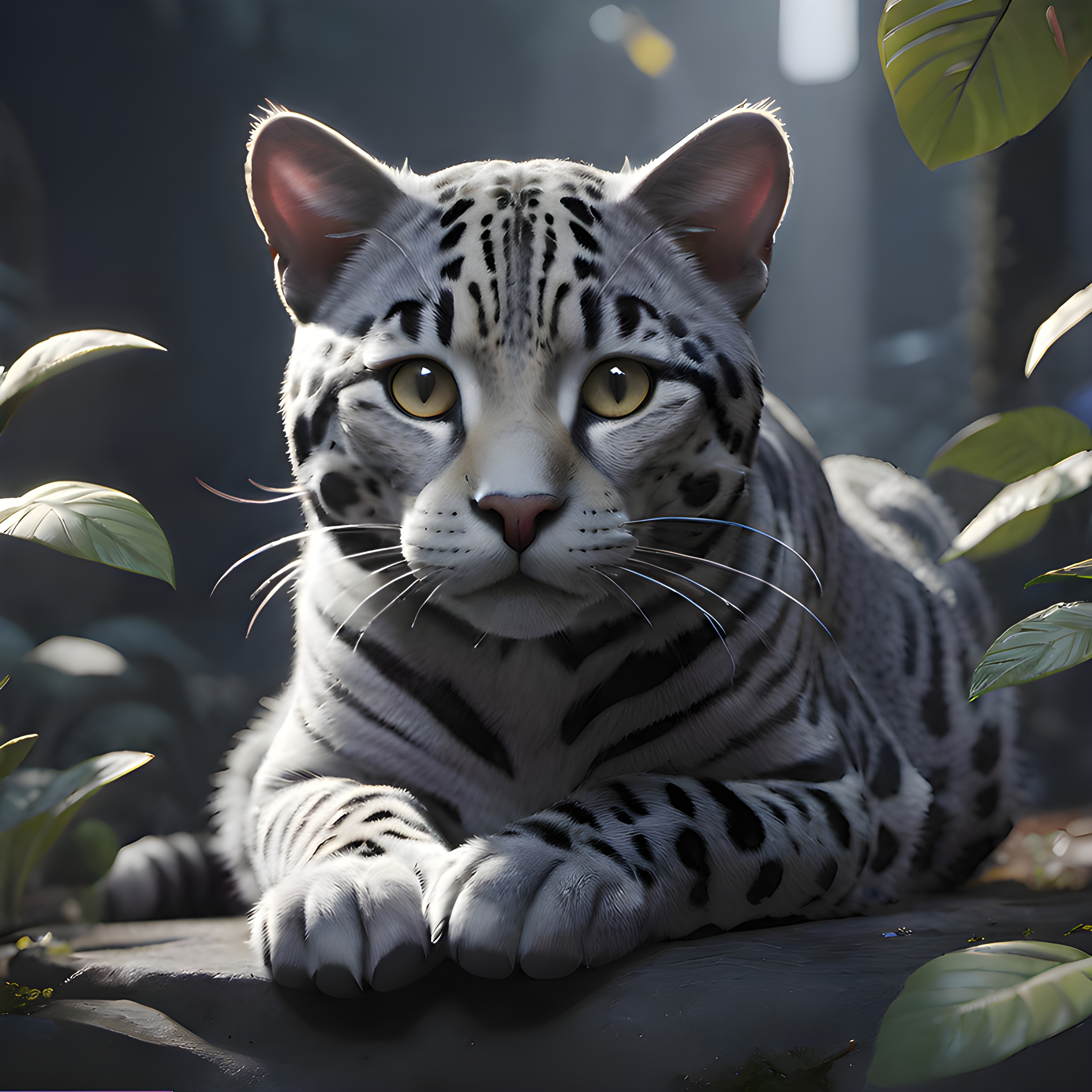
The Buddinese Jaguar: A Fitting Feline For The One Percent!

You can’t have a jaguar pet and you can’t have Buddy the Cat, but what if you could have a breed that combines the best features of both? You’d pay a lot for that, wouldn’t you? Good, ’cause they start at $10k!

SATIRE/CAT HUMOR

Inspired by the exclusive Ashera cat, we proudly present to you the Buddinese Jaguar, the pinnacle in feline luxury.

Why settle for a pedestrian Bengal or Savannah when you could own the ultimate in feline status symbols?

Buddinese Jaguar

Our Buddinese Jaguars feature royal lineage, the finest genetic modifications, and they’re extremely handsome!

– Ultra exclusive luxury cat
– Available in hypoallergenic variants
– Version 2.15 now available!
– Patented SilkySmooth™ technology results in a luxuriously soft coat
– Eye colors available in Neon Emerald, Viridescent Beryl, Azure Sky, Amber Glow, Flecked Gold, Elvis Pink Cadillac, Crystal Cobalt and Electric Sapphire
– Optional moon roof
– Easy to use Quiet Mode™ technology guarantees your Buddinese Jaguar will shut up when you want it to
– Extended 5-year warranty

Each Buddinese Jaguar comes with a rapid USB 3.0 charger, a V8 engine that provides plenty of power for HyperZooms, and an Apple AirTag-enabled collar.

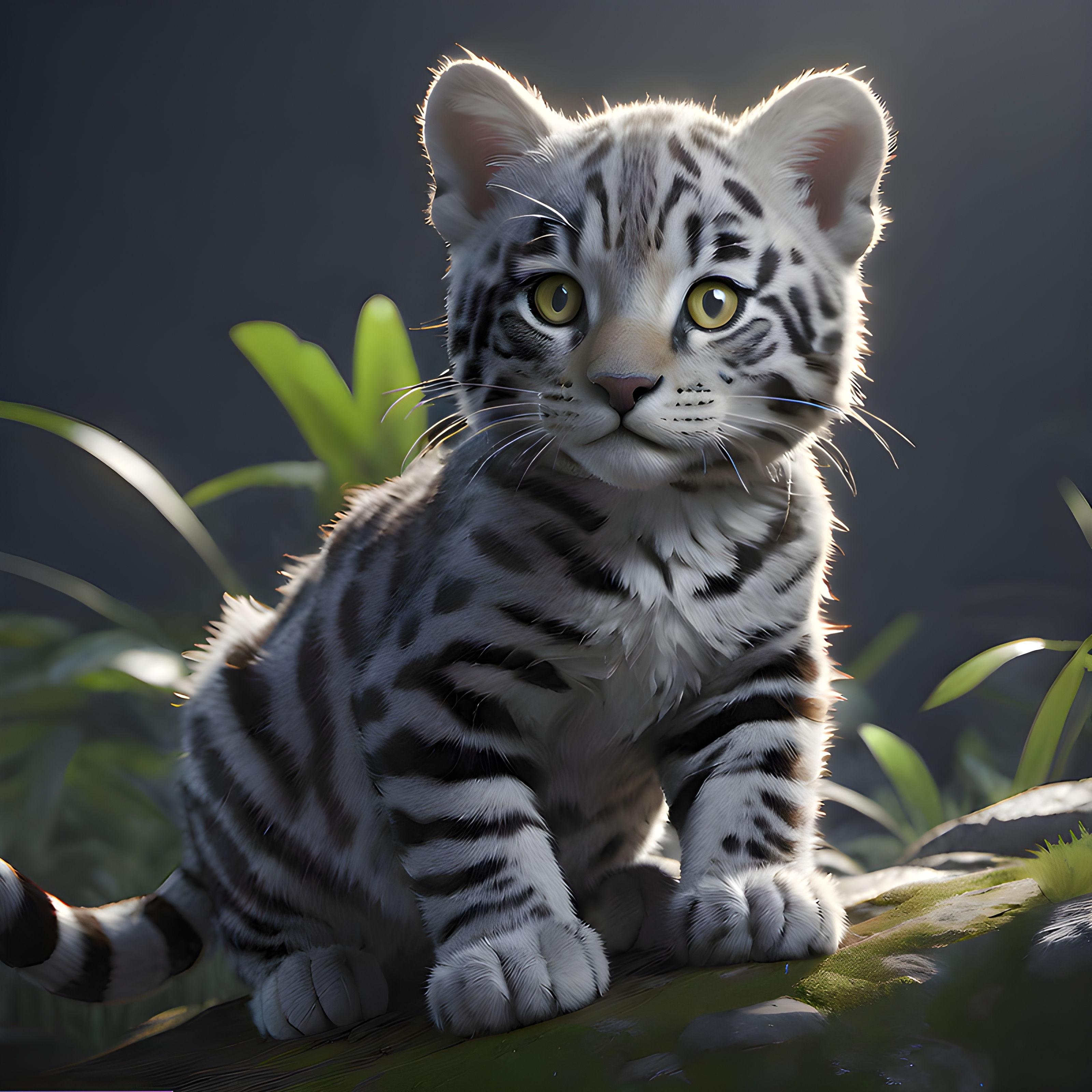
Buddinese Jaguar kitten
From kittenhood until adulthood, Buddinese Jaguars are exemplars of handsomeness.

In addition to guaranteed software updates for at least five years, your Buddinese Jaguar is equipped with onboard analog algorithms ensuring it downloads exclusively in its litter box and nowhere else.

Base models start at only $9,950! Hypoallergenic models with patented Fel-d-1 Guard™ technology available starting at $12,495.

We are an officially authorized retailer accredited by the Buddinese Jaguar Association and the Buddinese Authorized Distributor Association Service Standards (BADASS), awarded only to retailers who maintain the highest breed standards.

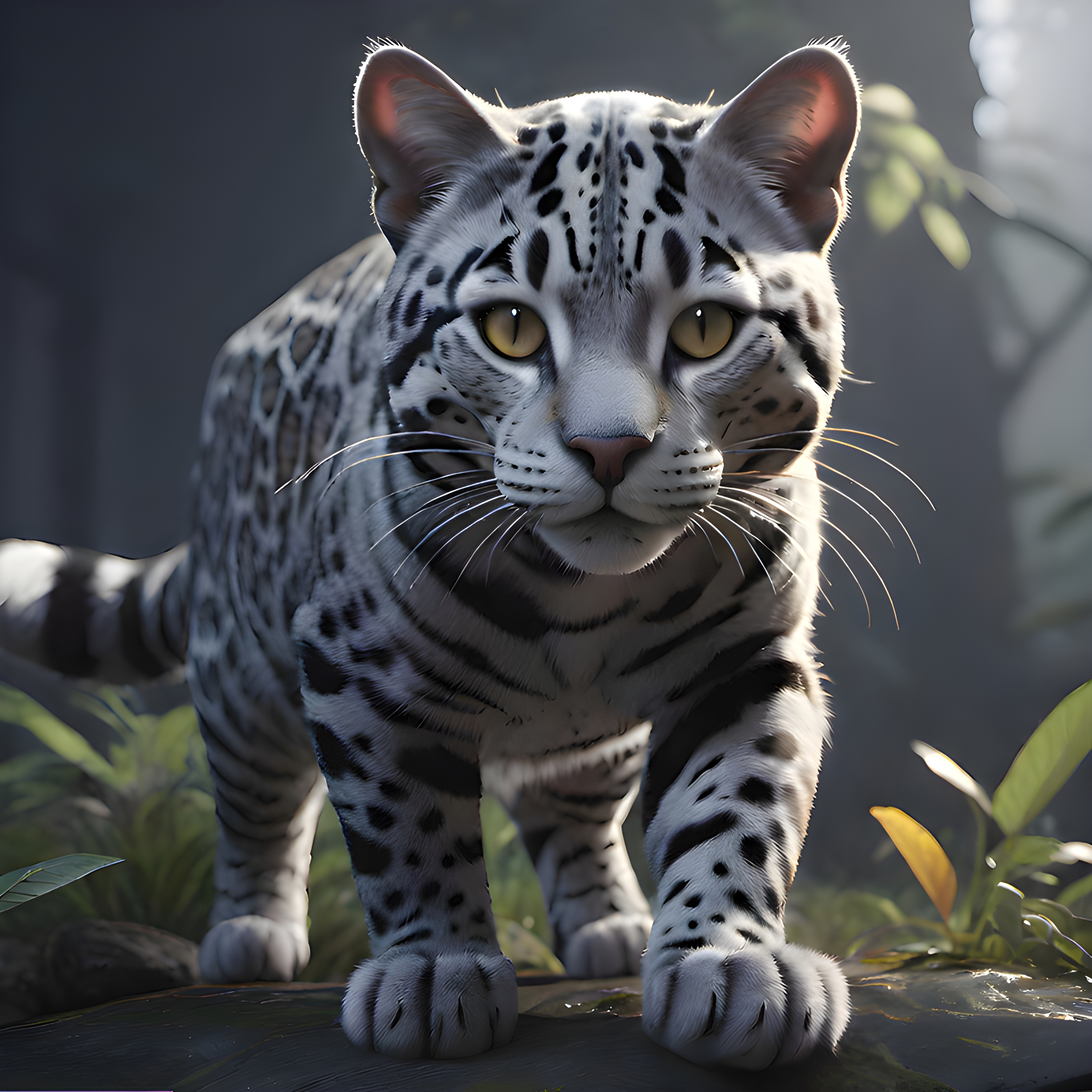
Buddinese Jaguar
Like its jaguarundi forebears, the Buddinese Jaguar is an apex predator and is awesome at stalking the jungle.

About the breed:

The Buddinese Jaguar was developed by Buddesian Labs. Lead scientist Buddy the Cat tirelessly and selflessly engaged in coitus with 217 jaguarundi females, producing the magnificent offspring that would comprise the first generation of these extremely handsome cats. Using pioneering techniques in CRISPR gene-editing, Buddy did the impossible and improved upon perfection by eliminating allergens and adding even more meowscle mass.

Note: Buddy the Cat himself is not available for purchase, although he will entertain offers for his human.

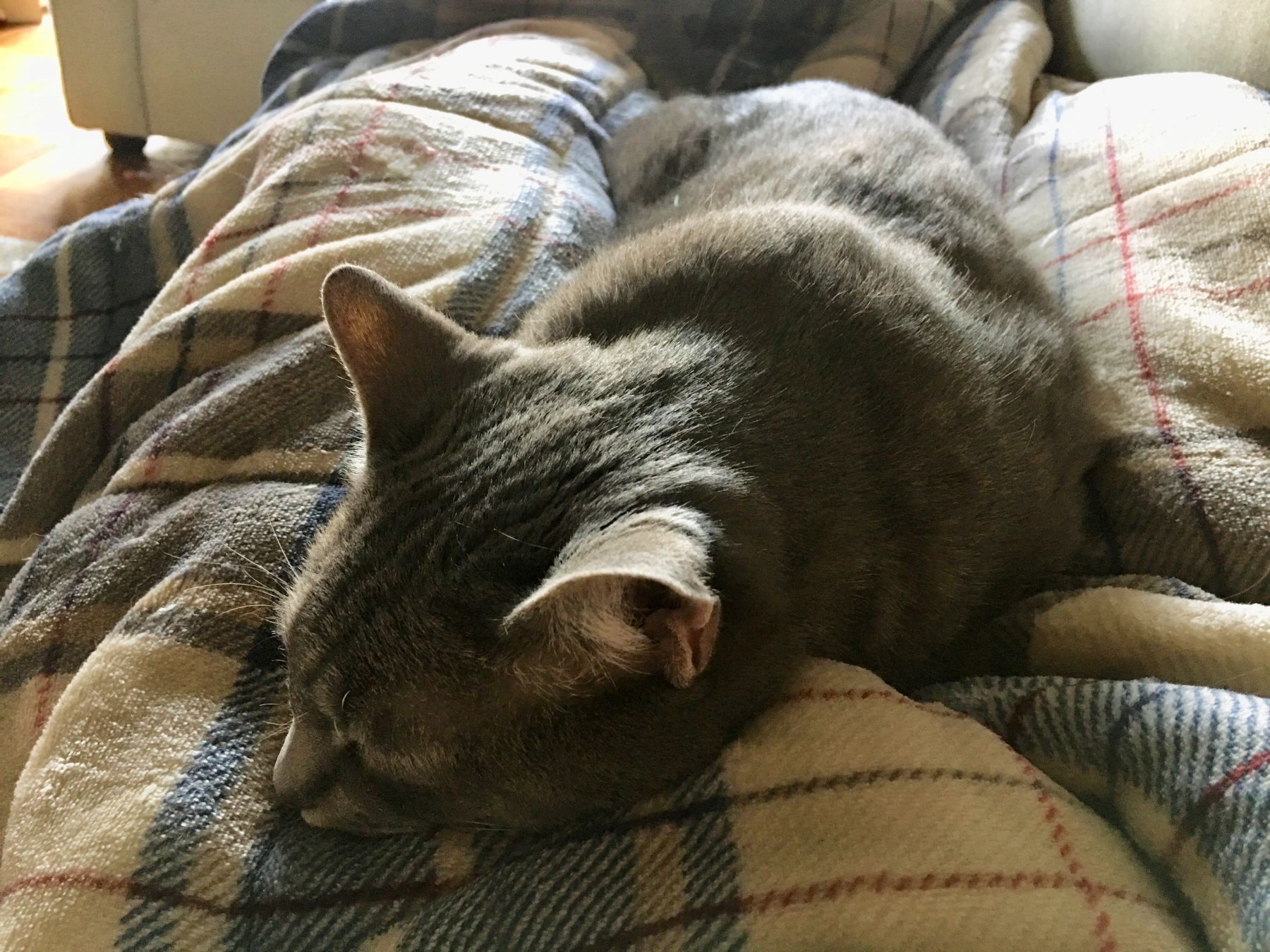
Buddy sleeping
Chief scientist Buddy recovers after selflessly and heroically engaging in coitus with 217 jaguarundi females in the name of science.

“Hello! Scratch Me Right Behind My Ears Please!”

Right there, just behind the ear. That’s it! Ah! Keep going, human…

Well hello there, human!

Let me just squeeze in here and…ah, that’s better! Now I’m sitting between you and the glowing rectangle, which means you must pay attention to me.

You know, human, you really are the best. Forget all that stuff I meowed before when it looked like dinner was gonna be late. I didn’t mean it. Can you just go ahead and scratch me behind the ears?

Ah, that feels good! Now my cheeks and under my chin! Don’t be afraid to give my fur a good scratch. That’s it. This is the life! I’m so relaxed…

Hey, could you scratch just right here on my belly? No, I’m serious, I’m not just showing you my belly for poops and giggles. I really could use a good scratch right there and…wow that feels great…hey, stop it, you jerk! You had a good thing going there and then you ruined it by going half a millisecond too long.

Now scratch my head again, it’s time for Seventh Nap…