In The UK, Cat ‘Ownership’ Can Be A Hazy Concept

What does it mean to “own” a cat? If you believe a cat is neglected, can you take custody? As UK law changes, those questions need answers.

For the second time this week, two people are fighting over a cat after the original “owner” received a request from a microchip company to confirm another person’s claim on the feline.

Charlotte Sawyer of Swindon, a town in southwest England, told her local newspaper she was livid when she got the request to sign over her claim to one-year-old Oreo.

“I can’t believe the audacity of this person trying to steal our beautiful cat,” she told the Swindon Advertiser.

But Sawyer readily admitted Oreo was going out for days and sometimes weeks at a time before returning home, and she hasn’t seen him for four months now.

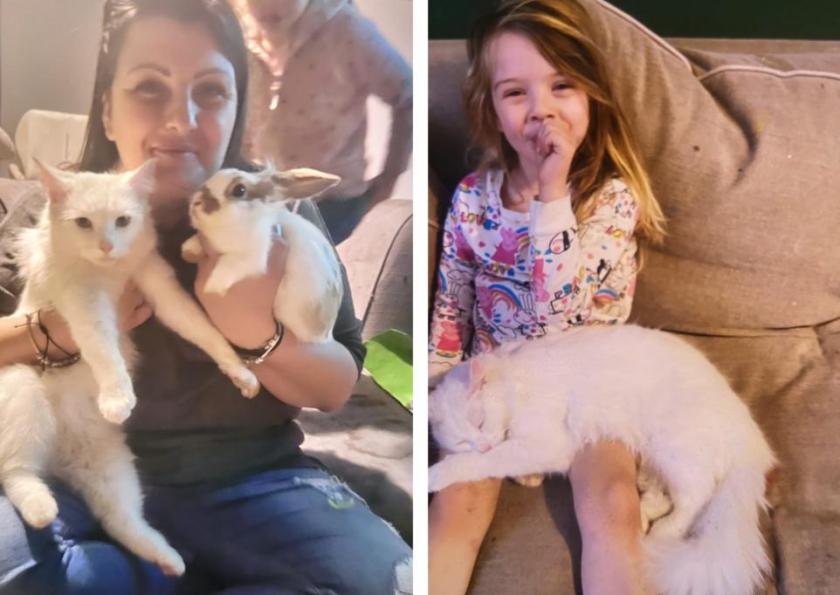
Sawyer and Oreo
Charlotte Sawyer, left, with her cat Oreo and a pet rabbit. Sawyer’s daughter, right, with Oreo. Credit: Charlotte Sawyer via Swindon Advertiser

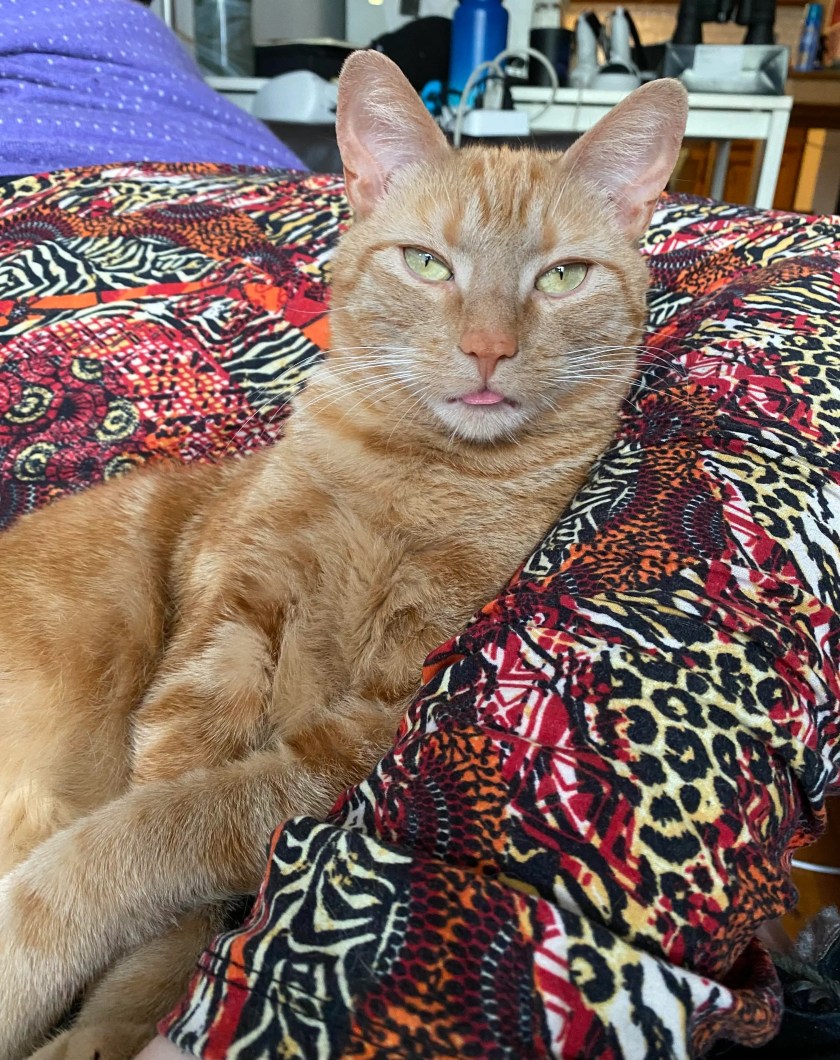
Like many cats in the UK, Oreo not only had access to the outdoors, he was accustomed to coming and going as he pleased. Other families were feeding him, and it’s likely he made the rounds among several houses before returning home. Because “home” is a nebulous concept in this instance, it’s not the first time someone has asked Sawyer to relinquish custody of Oreo.

“A woman claiming to be someone who looks for missing cats once knocked on my door and handed me a form asking for permission to change Oreo’s microchip,” Sawyer said. “I wanted to rip it up, I was furious, and told her he was my cat. Now it’s happened again. At least it’s provided some reassurance that he’s still alive.”

While I feel for anyone who loses a pet, I don’t know how someone who truly loves a cat can accept the kitty being gone for days or weeks at a time, not knowing if he’s in danger, hurt or still breathing. That kind of arrangement isn’t in the cat’s best interests, and it’s not compatible with our responsibility to ensure the welfare of our four-legged friends, an obligation all of us take on when we adopt our pets.

The people who encountered Oreo likely thought he was a stray or an abandoned former pet. If they’re requesting a change to microchip registration, it probably means they spent their own money to take the little guy to the vet, where the chip was discovered and scanned.

This is emphatically not a blanket criticism of UK norms regarding outdoor access, by the way. Americans cannot claim moral superiority. In the past week or so we’ve had a Pennsylvania man kill a cat with a blow dart because the feline “was trying to kill my birds,” a vulgar approximation of a human being in New Jersey “repeatedly raped” his pet cat before torturing her to death, and some deranged lunatic in Florida used a cat as target practice, leaving 30 pellets lodged in the innocent animal’s little body.

That represents a tiny fraction of the cat abuse stories from the last 10 days and I’ve omitted the worsted examples because I know we have readers who can’t handle this stuff. (I can’t either, which is why I paused my Google News alerts for most of the past two weeks.)

My point here is not to shock. It’s to underscore the fact that we have absolutely no moral authority when it comes to telling people in other countries how to care for animals.

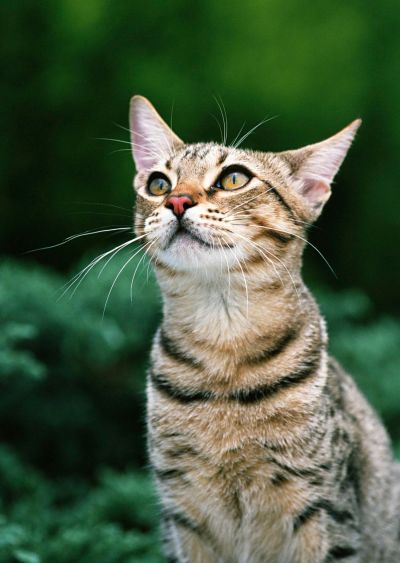
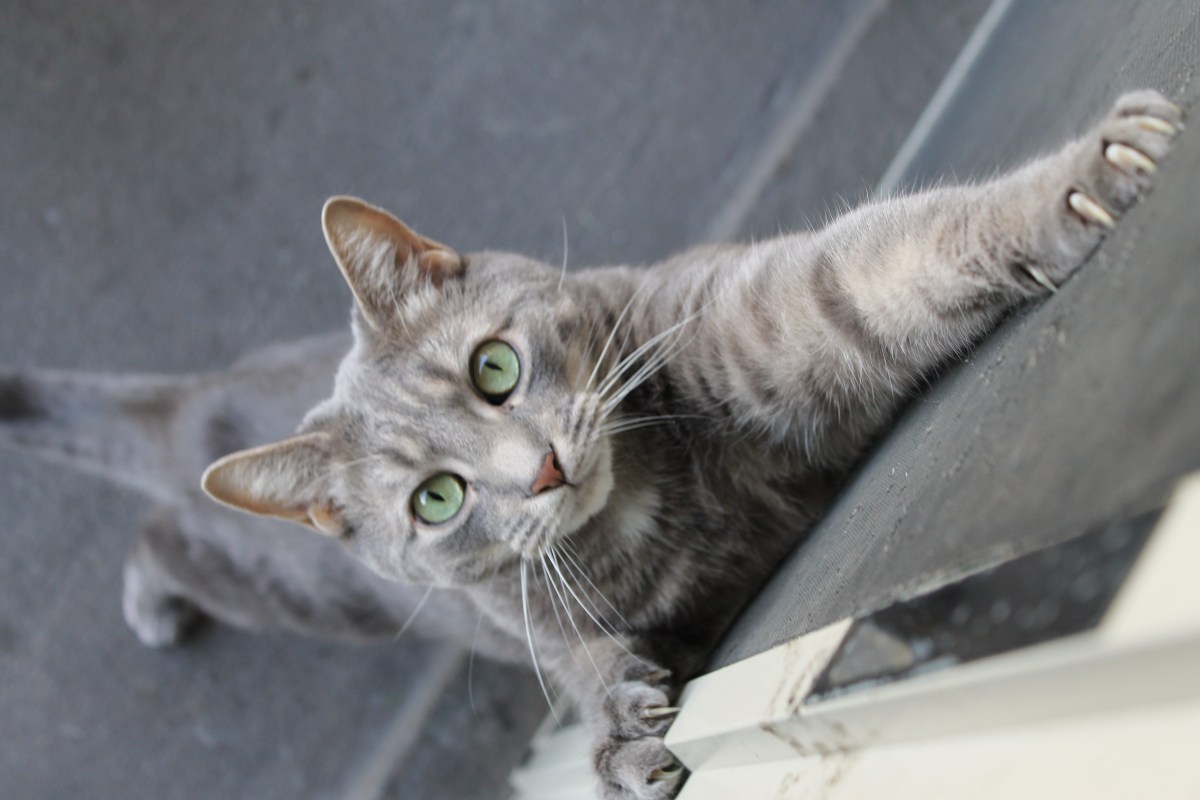
Outdoor cat
A cat exploring outdoors. Credit: Openverse

Moral authority concerns aside, the two examples of ownership claims by microchip this week raise important questions about the definition of “ownership” and what it means to properly care for a cat.

Like many cat lovers I don’t like the term “owner” and I describe myself as a caretaker, but where the law is concerned, ownership is important concept because it determines who has claim over the animal. The law views cats and dogs as property, whether we like it or not. That’s why animal welfare statutes fall under agriculture and markets law in many US states instead of the criminal code, and it’s why so many of those laws need updating.

Cat culture across the Atlantic is different in that the majority of people who have cats believe our furry friends must have access to the outdoors to live a complete, fulfilled life. In the US, 63 percent of cat caretakers keep their felines strictly indoors, while in the UK it’s virtually the opposite, with 70 percent allowing cats to roam outdoors. Not all definitions of outdoor access are equal: Some people allow only supervised outdoor time in the backyard (or “garden”), some make sure their kitties are safely indoors by nightfall, while others have cats who return at their own whim.

There are also differences regarding geography, traffic density, the prevalence of natural predators and the nature of city life that account for how much outdoor access they allow their cats.

As the UK sets a June 2024 date for the mandatory microchipping of pet cats, disputes like this are going to become more common, which means people would be wise to make sure their cats’ microchips have up-to-date information and have readily available proof that they own their felines. If cat owners don’t establish the criteria for what it means to “own” a feline, the government will.

TSA Baggage Scan Reveals Kitty Stowaway In Luggage

Smells loves boxes just as much as any other cat, but his affinity for tight spaces almost landed him in Florida, a long way from his home in Brooklyn.

It was a tuft of orange hair poking out from the zipper of a carry-on suitcase that first alerted a TSA agent that something weird was going on.

The agent, who was processing a traveler departing from New York’s JFK airport on Tuesday morning, then consulted an x-ray scan, confirming the suitcase contained some unusual cargo — a ginger tabby cat tucked in among toiletries, snug and napping comfortably in the enclosed space.

X-Ray TSA scan
An x-ray scan revealed Smells tucked snugly into the suitcase. Credit: TSA
tsasmellycat
The incriminatory tuft of orange hair that gave away Smells’ hiding spot. Credit: TSA

As for the traveler, the cat didn’t belong to him, nor was he aware kitty had climbed inside. It turned out he had been a house guest of friends living in Brooklyn, and the cat named Smells had slipped into the luggage before he left for home, for what is a suitcase if not just another box?

The TSA confirmed the story with the cat’s owner before letting the traveler board his Florida-bound flight.

“An officer called and asked if I wanted to press charges” said Alix, Smells’ 37-year-old human. “He wanted to know if there was any reason [the passenger] was trying to steal my cat and go to Florida.”

Smells the Cat
A TSA security agent opens the suitcase to reveal its unauthorized would-be stowaway. Credit: TSA

After Alix assured the TSA agent that Smells “really likes to check out boxes” and definitely would have climbed in on his own, she hired a driver to retrieve the kitty, who was unperturbed by the adventure.

“I was worried he’d be freaked out but he wasn’t even meowing on the way back,” Alix told the New York Post. “I went to give him some extra treats and he acted like nothing had happened.”

As for the TSA — which often deals with more serious finds like guns and drugs secreted into passengers’ luggage — the saga of Smells was a welcome change that gave them a good story and some laughs.

“On the bright side,” TSA spokesman Lisa Farbstein wrote on Twitter, “the cat’s out of the bag and safely back home.”

Smells the Cat
Smells the cat. Credit: His humans
“I was worried he’d be freaked out but he wasn’t even meowing on the way back,” she said. “I went to give him some extra treats and he acted like nothing had happened.”

Stressed Cat Crying In Shelter After Her Human Passed Away Is A Reminder: Have A Plan For Your Kitties

Do you have a plan for your cats if the unthinkable happens?

I’ve already made my family swear to me that, should something happen to me, one of them is to take Bud and treat him as an extension of me.

That’s because, as handsome and delightful and meowscular as the little guy is, he can also be a little terror at times, and God forbid he ends up in a shelter, scared and confused, then lashes out at a staffer and gets condemned to the needle.

We’re talking about a cat who has attacked his cat sitter repeatedly, smacked an admirer for petting him too long, and — while he has improved dramatically over the years — has bitten and scratched me many times, usually when he’s freaked out about something.

I love him. Someone else may not. He has to stay with someone who loves me enough to treat him like a part of me, someone who knows how much he means to me.

Although I’m not a fan of linking to TikTok, this video is a reminder why it’s so important to make arrangements. Sunny here found herself at Orange County Animal Services after her human mom died, and she’s not doing well. In addition to losing the human she loved and only home she knew, she’s now in a scary new place with new people and animals, confined to a tiny enclosure.

Photographer Albert Harris, who shot the video, said the shelter has received an application to adopt Sunny since he posted the video online, so let’s hope the distraught kitty finds a new home quickly:

@aharrisphoto

Sunny needs your help. And it’s not 💩 on the blanket. It’s just treats but she is stressed not to eat them. She is at Orange County Animal Services! #catsoftiktok #sheltercat #cattok

♬ suara asli – DENII – DENII

Finally, Wild Cat ‘Ownership’ Could Be Banned Under The Big Cat Public Safety Act

The legislation aims to ban all private big cat ownership throughout the United States.

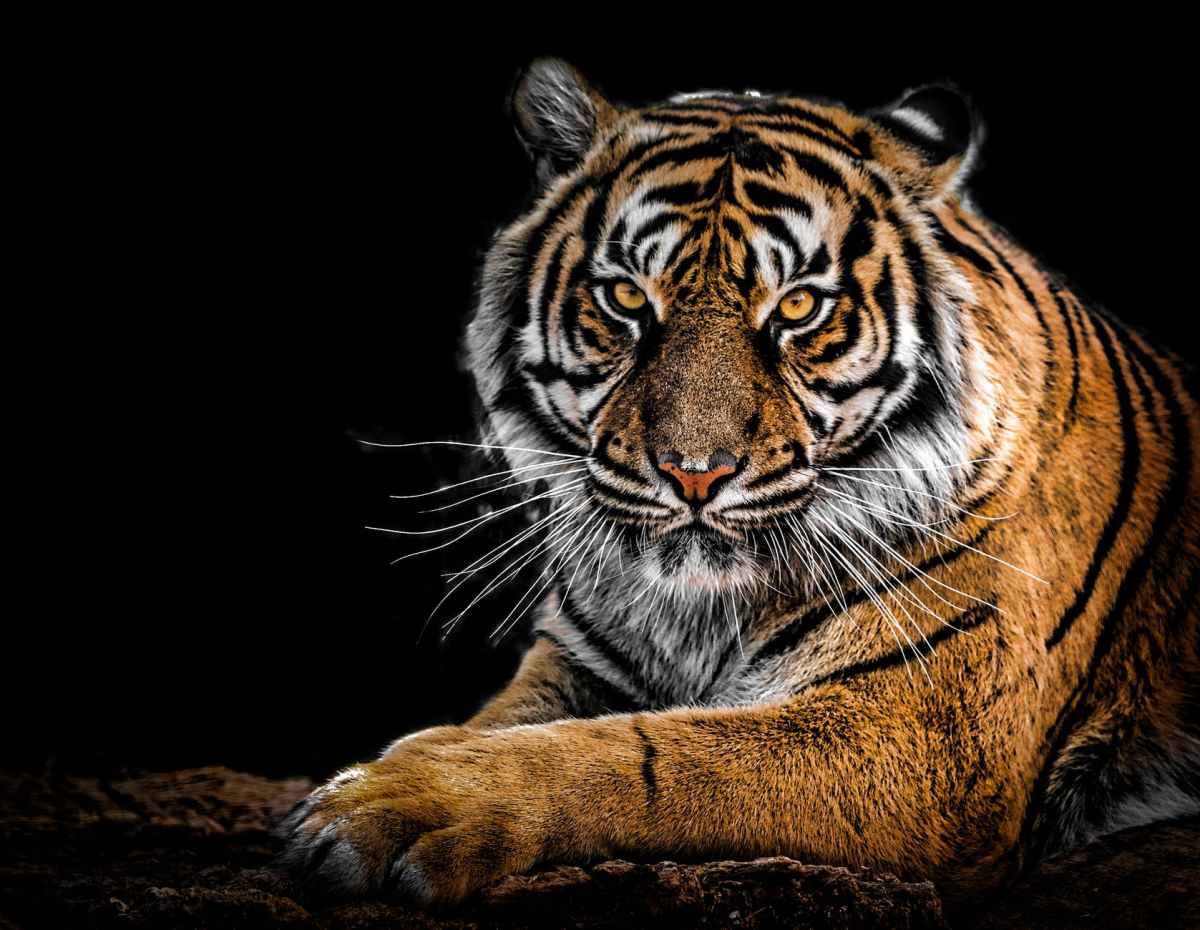
There are more tigers living in cramped backyards in Texas than there are in the wild.

At roadside zoos, shady people like Joseph Maldonado-Passage, Joe “Exotic” of Tiger King fame, breed big cats like rabbits so they have an endless supply of cubs to steal from their mothers before they’re weaned, pumped full of sedatives, and handed off to tourists who take selfies with them but never stop to consider the welfare of those baby cats or the harm they’re enabling.

And in states like Florida, where “Muh freedoms!” reign supreme over all other values, people can own any wild animals they want, with no real oversight and no mechanisms to ensure they’re doing right by the animals. There’s nothing forcing “exotic” animal “owners” to keep the big cats, monkeys and other mammals in proper enclosures where they have stimulation and — just as importantly — won’t escape and hurt neighbors.

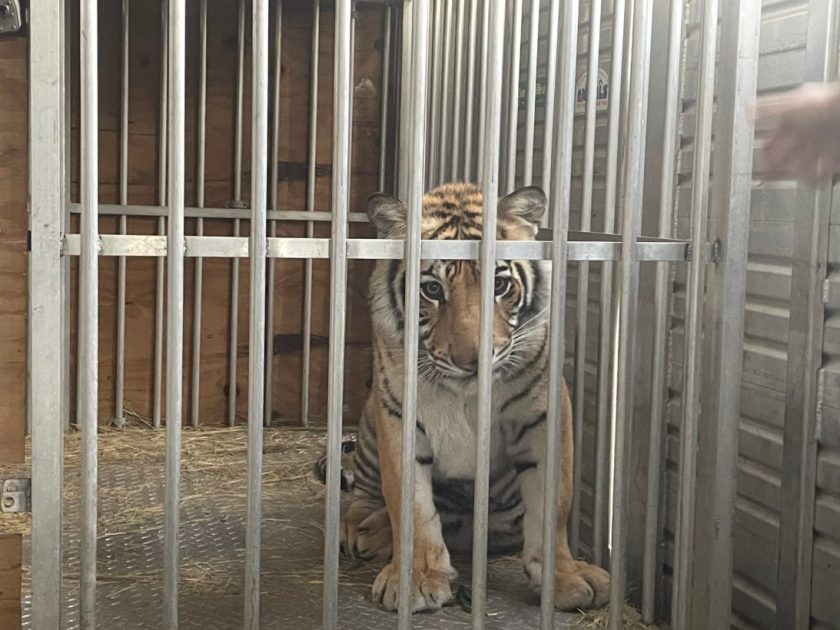
India the tiger Transported to BBR
India the tiger was still just a cub when he was spotted wandering through residential neighborhoods in Texas, where he’d been dumped by his former “owner.” Credit: Humane Society

Thankfully, things could change soon as lawmakers are expected to vote on the Big Cat Public Safety Act, a rare bipartisan effort that would finally make it illegal to keep tigers, lions, jaguars, leopards, cheetahs, pumas and other wildcats privately, whether in homes, businesses or non-accredited “zoos.”

Currently keeping big cats is illegal or severely restricted in most states, but like many things in the US, there’s a confusing patchwork of laws and things that would be unthinkable in other states are perfectly acceptable in places like Texas and Florida.

Because, you know, “muh freedoms.”

Now is a good time to point out that this blog has always been, and will remain, politically agnostic. I have my own political beliefs as any other person does, but PITB is a cat humor, news and advocacy blog, and the only politics we discuss here are those that relate to animal welfare. Equally important, Buddy and I want people of all political persuasions to feel comfortable as readers and commenters on PITB. (Although that could change if one or both political parties suddenly makes a move against the nation’s Strategic Turkey Supply. Then Buddy’s gonna have to get biblical.)

The Big Cat Safety Act is co-sponsored in congress by representatives Mike Quickly, D-IL, and Brian Fitzpatrick, R-PA, and in the senate by senators Susan Collins, R-ME, Tom Carpenter, D-DE, Richard Burr, R-NC, and Richard Blumenthal, D-CT.

It’s endorsed by a wide range of groups, from the National Association of Zoos and Aquariums to the Humane Society and various bar associations. The proposed legislation also has the support of the White House, which released a statement this week urging its passage.

If your congressional representative or your senators aren’t publicly on board with the Big Cat Safety Act, you can make your voice heard via the Humane Society’s site, which allows you to draft and send letters to the offices of your lawmakers.

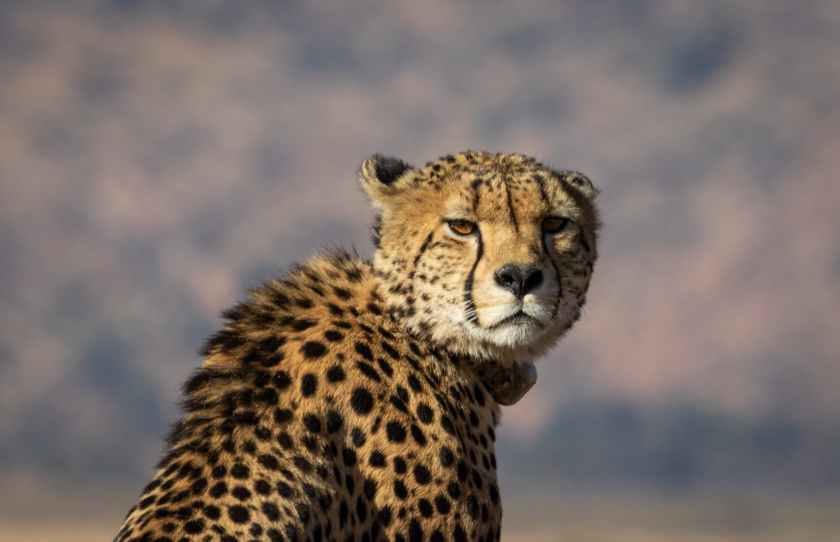
shallow focus photography of cheetah
Cheetahs, already critically endangered, have been almost entirely wiped out by poachers who sell their cubs on the illegal wildlife market. Credit: Magda Ehlers/Pexels

At Least 20 Cats Dead In ‘Worst Nightmare’ Shelter Fire

Bad news out of a Florida shelter, good news from a Portland cat cafe.

Sad news out of Orlando, where more than 20 cats died in a late night fire that destroyed the shelter where they lived on Wednesday.

Officials from the Orange County Fire Department said one section of the building was already engulfed by the time they arrived, with flames visible through the roof. They’re not sure yet how the fire started, but flame patterns indicate it started near the front of the Pet Alliance shelter, where the cats were housed.

Firefighters were able to rescue all the dogs and 10 cats, but at least 20 — and as many as 30 — cats were still inside, with first responders unable to get to them, per the Associated Press. Of the 10 cats who were rescued, some were moved to another Pet Alliance shelter, while a few were under veterinary care for smoke inhalation and burns.

“If you run a shelter, this is literally your worst nightmare,” Stephen Bardy, the executive director of Pet Alliance,  told WFLA, an NBC affiliate in Orlando. “To see your building in fire and know that there are animals in there that you’re charged to care for and you can’t go in. …I’m grateful that the firefighters put their lives at risk to help save as many as they could.”

We don’t want to leave you with bad news only today, so here’s a hopeful story out of Portland, where a cat cafe was able to adopt out every one of its cats in less than a day since its post-COVID re-opening on Sept. 4.

Purrington’s Cat Lounge has coffee, wine and beer on the menu for guests who drop by to hang out with the cafe’s feline residents and see adoptable cats. Although it’s a popular place in the community, it’s had a tumultuous few years: First it looked headed for closure after its owners planned to move out of town, but was rescued by a kitty-loving local couple.

The new owners renovated the space and had big plans for it, but those were halted along with everyone else’s ambitions with the arrival of the pandemic in 2020.

Finally, the renovated cat cafe reopened about two weeks ago, and Portland locals — perhaps daunted by the Delta variant and the prospect of more work-from-home, socially limited months — were eager to give the resident kitties new homes. Since Sept. 4, Purrington’s has placed more than 80 cats in forever homes.