“Hold my beer,” Buddy said after watching a video of another feline sending a pair of bears running with an awesome display of fiery intimidation.
NEW YORK — The bear picked the wrong home and the wrong cat to mess with.
Buddy the Cat was taking his traditional 3 pm nap after third lunch when he was rudely disturbed by a ruckus outside.
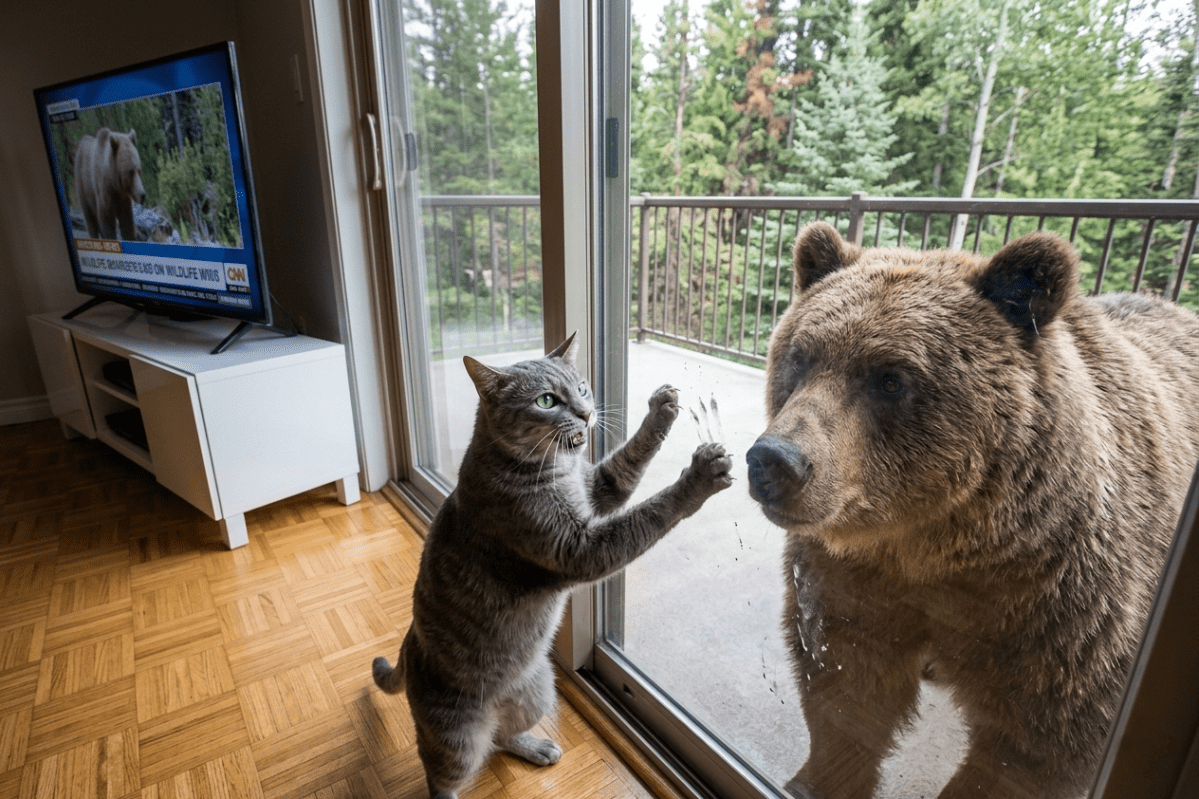
“Stay here, I will check it out,” he told his human, then hopped down from the couch as his powerful stride took him toward the sliding glass doors leading out to the balcony.
A huge form was huddled just outside the glass, and when the lumbering beast turned, Buddy took a sharp breath. It was a bear, a particularly impressive specimen.
Lesser felines would have been terrified, but Buddy stood calmly before the bear and addressed it.
“Inferior animal,” the fearless feline announced. “Yes, you! You are trespassing on Buddesian territory. I order you to cease any and all ursine activity and return forthwith to your place of origin or the nearest convenient parallel dimension!”
“What are you doing?!” a terrified Big Buddy whispered.
Buddy turned toward his human. “It’s from Ghostbusters. Calm down, I know what I’m doing.”
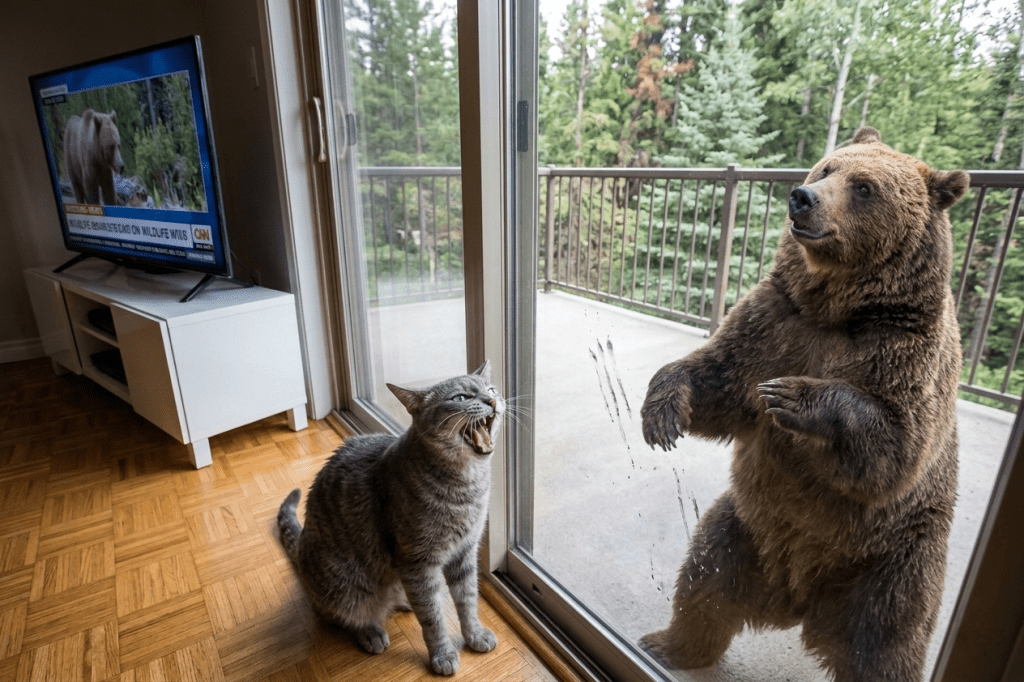
The bear yawned and let out a deep, rumbling moan.
The bear flinches as Buddy unleashes a terrifying roar!
“I can see I’m not dealing with the sharpest claw on the paw,” Buddy said. “Okay, bear, do you understand this?”
Buddy eased back on his haunches and raised two powerful forelimbs, his considerable meowscles rippling meowscularly beneath the luxurious sheen of his silver fur.
The bear watched warily, then flinched instinctively as the intimidating feline launched a sequence of aggressive and powerful paw strikes. The ursine beast recoiled from the thunderous impacts of paws against glass, reconsidering its position in the face of such a formidable display of force.
The massive creature turned in retreat, casting one last fearful glance at the Herculean felid before beating a hasty retreat.
Once he was satisfied the bear was gone, Buddy turned and sauntered back toward the couch, lifting himself onto it in a single graceful leap.
“And that,” the handsome silver feline said, “is how you deal with a bear.”
“Scooter does not like bears,” the fearless feline’s human said.
Scooter is one brave little dude!
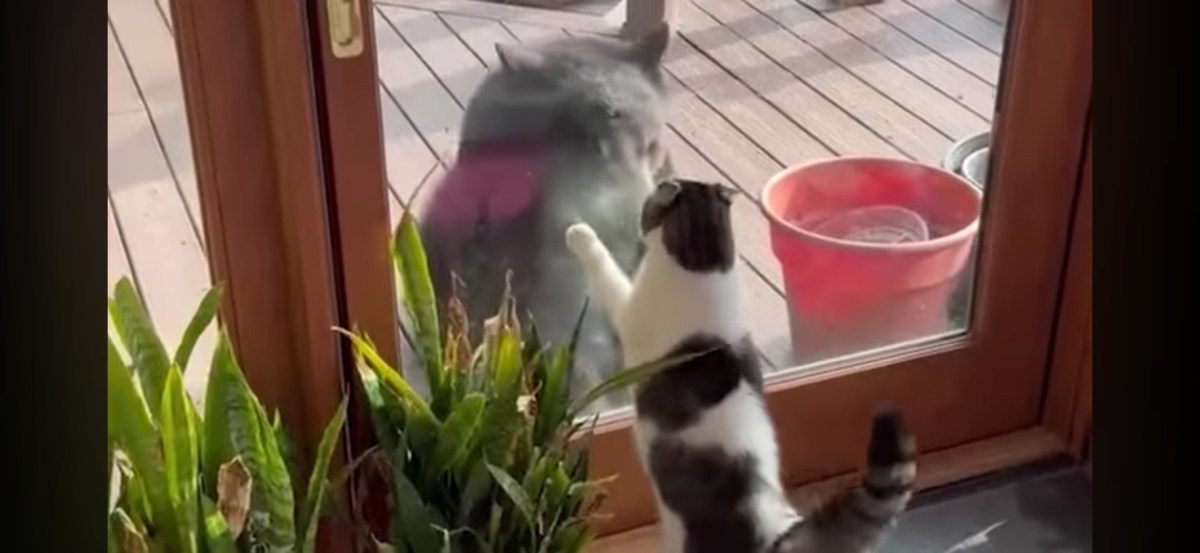
The tuxedo cat from Asheville, North Carolina, wasn’t even phased by a pair of young bears who unwisely entered Scooter’s territory. Sure, Scooter had the benefit of a glass door between him and the ursine invaders, but Buddy here would have bravely and valiantly defended his home run screaming and taken up a position behind my legs while moaning pathetically.
Plus, I mean, they’re bears. Young bears, yes, but Scooter and his human placed an awful lot of faith in the strength of that glass.
Will Jones, Scooter’s human servant, made the understatement of the year when he posted the video and said flatly “Scooter does not like bears.” Ya think?
Regardless, the little guy clearly had the big animals spooked. They flinched from his hiss-accompanied flurry of rapid paw jabs, then decided it wasn’t worth dealing with the furry lunatic behind the glass and promptly left Scooterland.
Maybe they should be grateful Scooter couldn’t break through the glass instead of the other way around.
Can an ocean-dwelling invertebrate make music? Mattias Krantz thought so. Proving his point took months of work, creative thinking and perseverance.
Mattias Krantz got Tako from a Japanese seafood market.
“That guy,” he told the person manning the stall, pointing to a common octopus sitting in shallow water with others of its kind, not even given room to swim before it was to become someone’s meal.
It is the ultimate as far as random interventions of fate go, and I kept thinking about Tako’s almost-end on a plate while watching musician Mattias Krantz teach the clever animal how to play piano.
Octopus are smart. Comparing animal intelligence to human intelligence is always a flawed and imprecise effort, not least because of differences in psychology and evolution, but the eight-armed invertebrates have cognitive abilities on par with humans at three years old. That is to say, some of their cognitive gifts exceed those of small children, some fall short, and some are about equal. It’s always going to be apples to oranges between species.
Octopus learn quickly simply by observing. They remember individual people even if they haven’t seen them for months. They play, explore and even decorate their dens. In the wild, species like the mimic octopus perform nature’s most astonishing acts of imitation, not only changing the hue, texture and patterns of their skin, but also their shape and the way they move. They can imitate dozens of creatures, blend into the sand, and disguise themselves as plants and rocks. When a predator approaches, the mimic octopus takes on the shape, color and behavior of another predator — a highly venomous fish, for example — and scares off the aggressor. That requires serious smarts.
Technically, saying Tako is playing piano may be a stretch. Octopus can’t hear, so Krantz rigged Tako’s tank with a device that turns sound to rhythmic pulses in the water.
Yet there is no denying that Taku took to the piano with enthusiasm, happily played it, even looked forward to it every day when Krantz’ multiple iterations of waterproof keyboards finally reached a point where the animal could reliably manipulate the keys. (Krantz had to create switches Tako could pull, for example, as it’s difficult for the invertebrates to push keys.)
Krantz’ determination is admirable. The Swedish musician, known for his quirky projects, overcame major hurdles that would have stopped most people, and navigating some of those challenges required radical reconsideration of how humans and animals interact with the world.
Yet Krantz and Tako got there in the end, and the piano is only one part of it. Tako is short for takoyaki, a Japanese fried octopus dish. Watching Tako’s interest and enthusiasm as he tackled the piano day after day, you can’t help but think about his less fortunate tankmates, and our collective ambivalence to the overwhelming evidence that we share this planet with billions of other minds, each with their own thoughts and feelings.
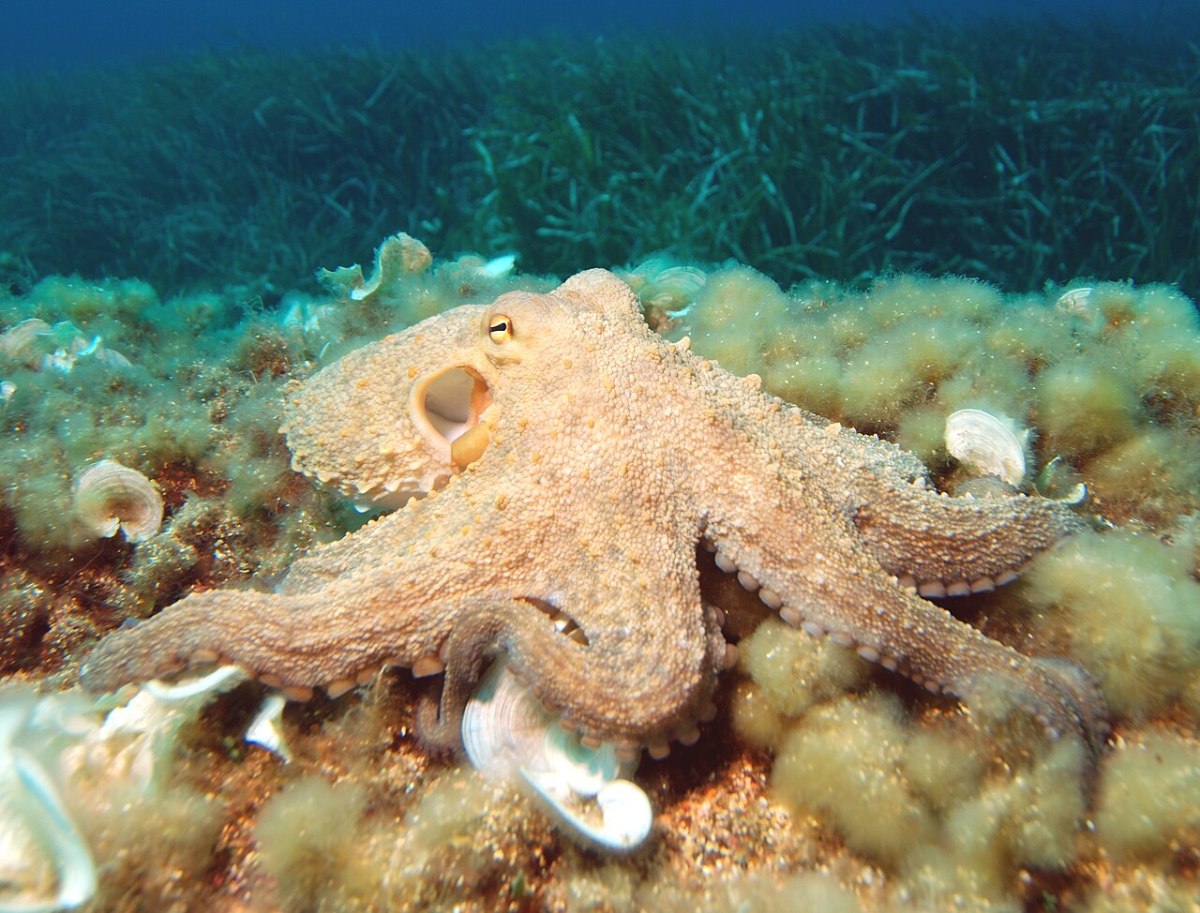
Header image of common octopus credit Albert Kok/Wikimedia Commons
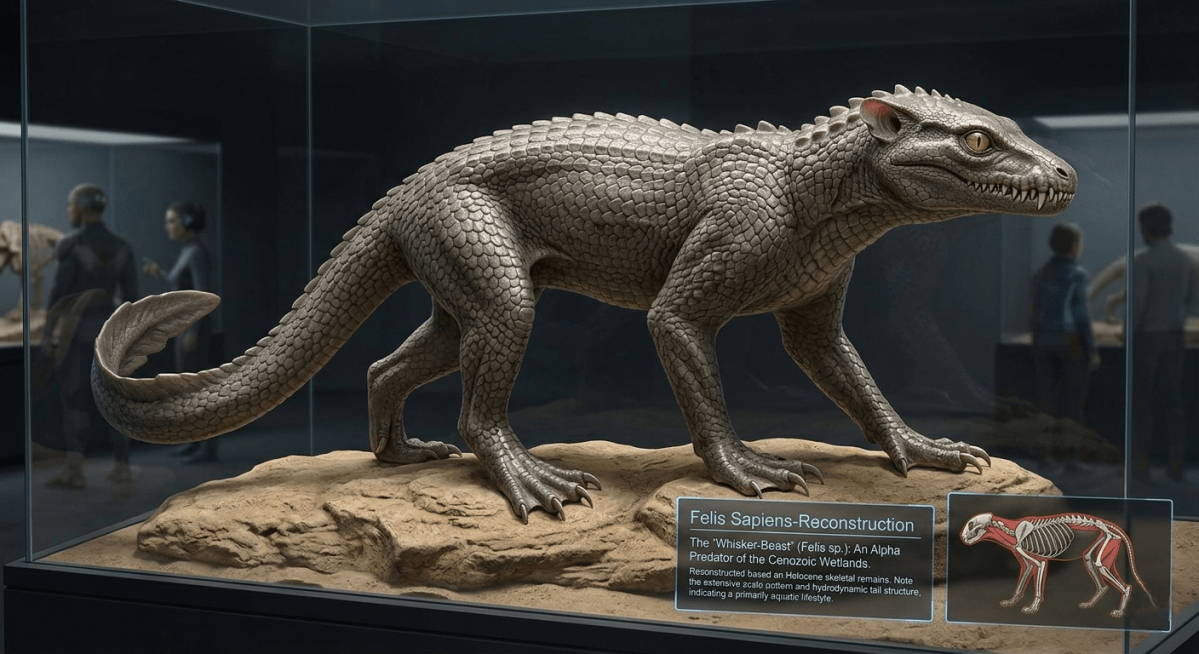
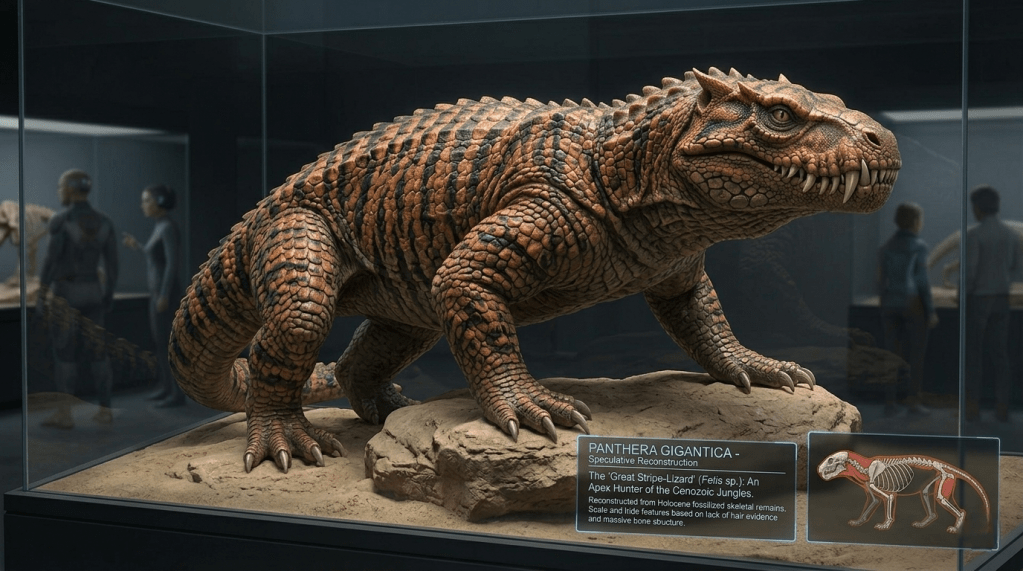
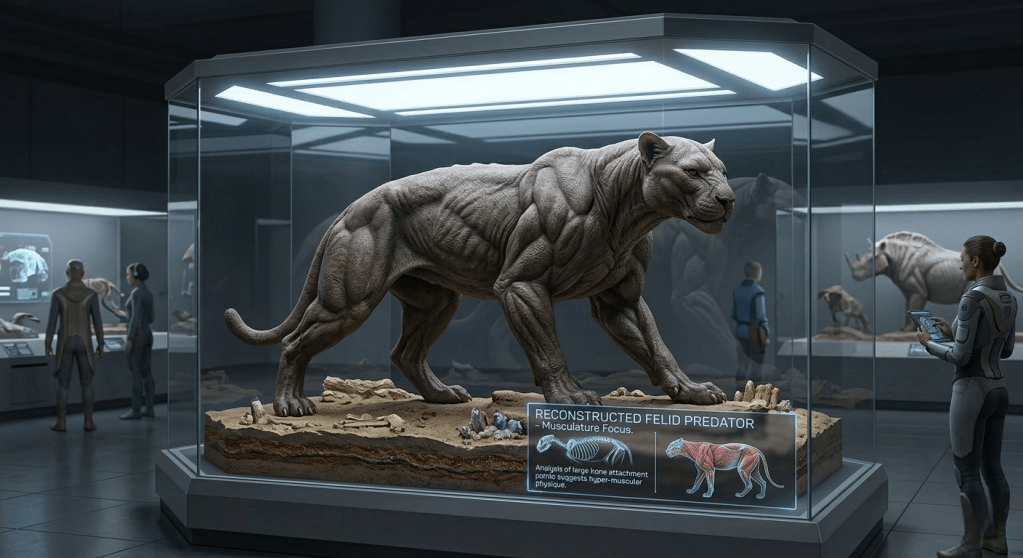
We’ve made enormous mistakes in our reconstructions of prehistoric creatures, including dinosaurs and mammals. Would paleontologists of the future misinterpret the clues our civilization leaves behind?
Imagine if, far in the future, humanity has spread across a healthy swath of space, colonizing worlds across dozens of light years.
Academics at a prominent science institute, looking to learn more about the humble beginnings of our species, fund a scientific expedition to Old Earth, where radiation and toxicity have finally declined to a point which allows teams to poke through the ruins of our civilization.
As they piece together clues from the rubble, they find references to companion animals who have been domesticated while their wild counterparts continued on.
What does a cat look like? they wonder. Then they find the bones, beginning with a handful of incomplete skeletons…
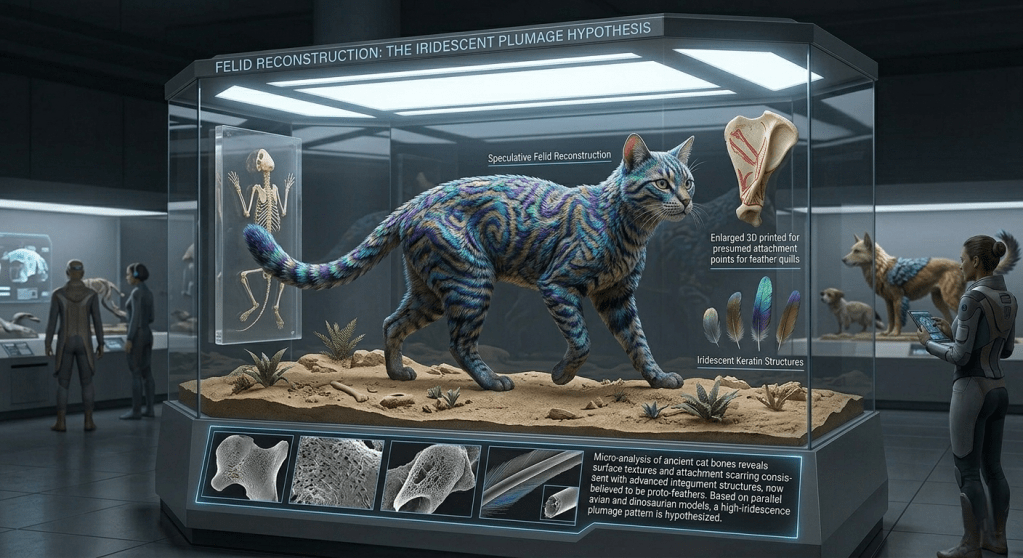
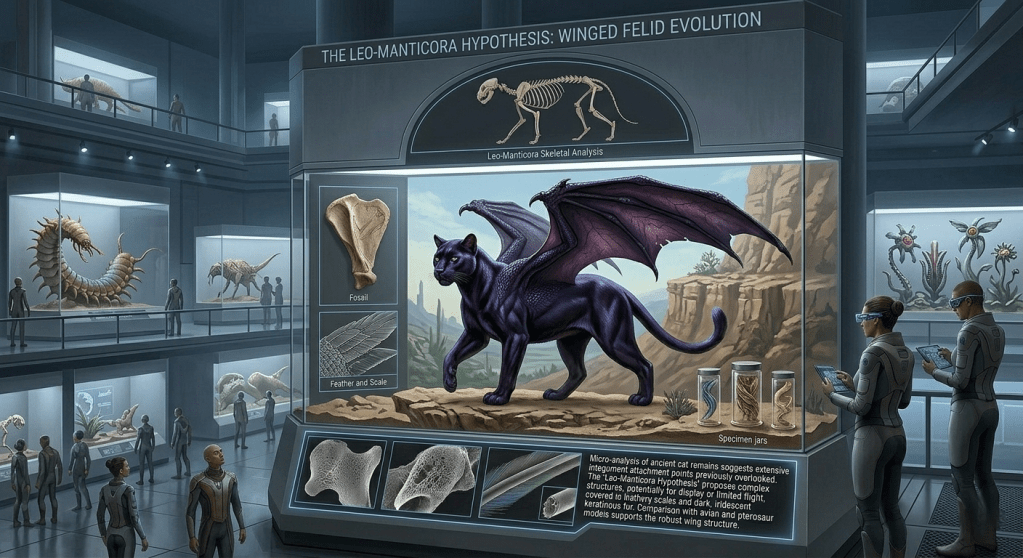
Critics have long argued that our depictions of dinosaurs are like skeletons wrapped in flesh, with modern representations doing a poor job of representing complete animals. What if the paleontologists and historians of the future mistranslate a word like “fur” or don’t realize the skeletons of cats are the same furry creatures that were human companions?A tiger imagined as a semi-aquatic animal with scales instead of fur, and a skull interpreted in much the same way we interpret dinosaur skulls. “Surviving texts make clear the tiger was comfortable in water, and like its distant cousin the crocodile, would remain mostly submerged, looking for opportunities to ambush prey.”No fur, just musculature, as if an anatomy book of animals is one of the few texts to survive in hard copy.A cat with magnificent plumage: “Research shows felines engaged in elaborate mating rituals, using their vivid colors and patterns to demonstrate virility to females in heat.”Finally, a winged cat. Outlandish? Maybe. But what if of the scraps of mythology to survive is a statue of a manticore, or paleontologists discover the bones of a cat species mingled with those of a large bird that died alongside it in a tar pit? In our time we’ve accidentally invented entire species of dinosaurs by mistakenly matching skulls from one species onto the spines of others, or wildly misinterpreting clues in the body plans of new and unfamiliar creatures.
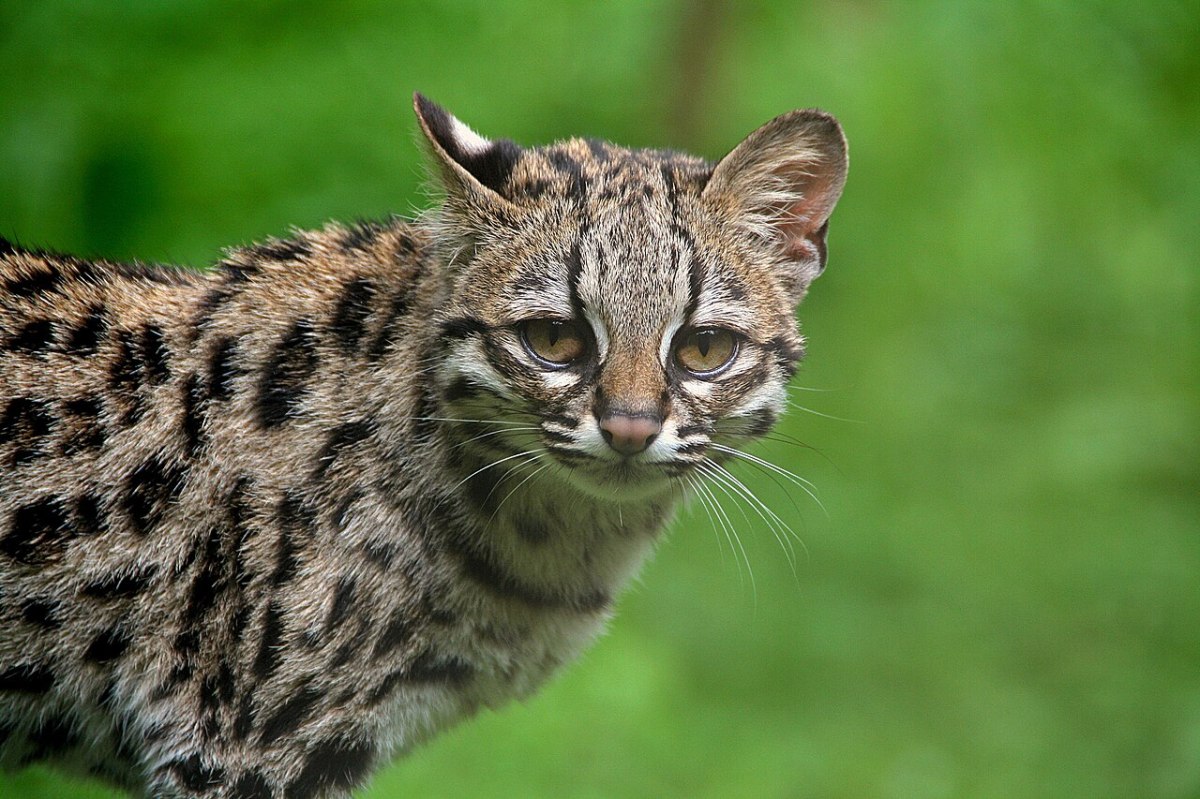
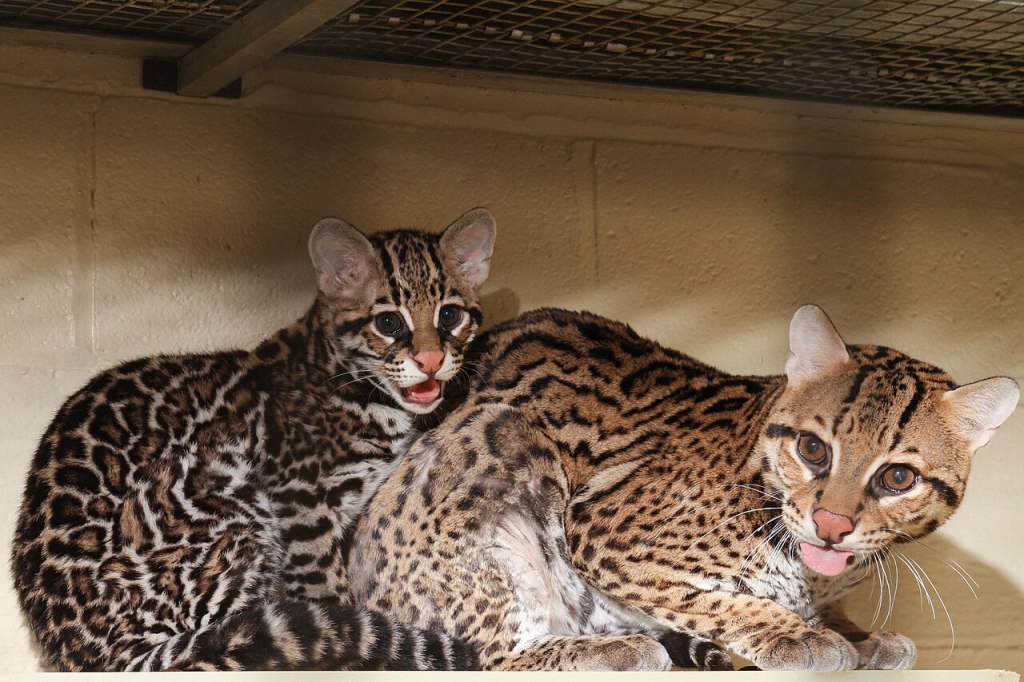
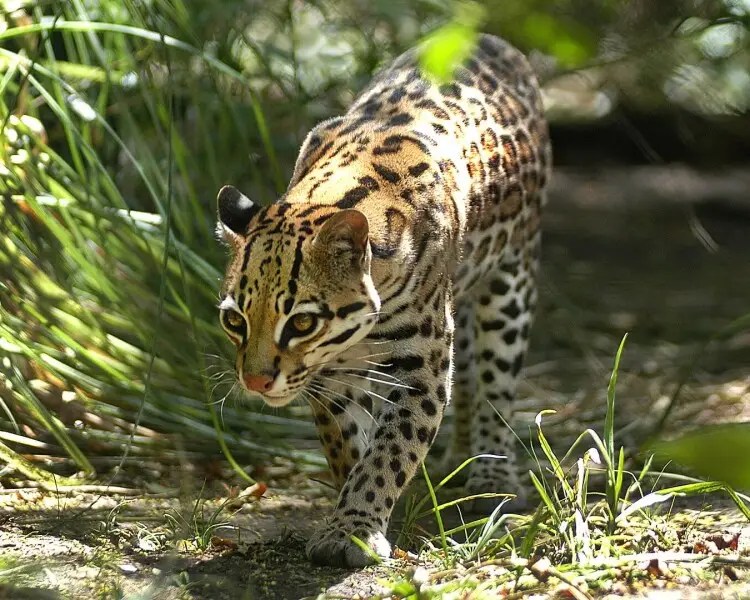
Strongly resembling ocelot cubs, margays have a unique biological adaptation to tree-climbing and a devious ability that gives them a massive advantage over their prey.
Taxonomic name:Leopardus wiedii Genus: Felis (small cats) Weight: Between 5 to 9 pounds with typical felid sexual dimorphism Lifespan: More than 20 years in captivity Gestation: About 80 days Litter size: Single kitten, rarely more than one Distribution: Central America, including Brazil, Paraguay, Peru, Chile, Ecuador, Venezuela, Guyana, Colombia, Panama and parts of Mexico IUCN Red List Status: Near threatened
If you’re fortunate enough to catch a glimpse of a margay, you might think you’re looking at an ocelot cub.
The two species look remarkably similar, sharing beautiful rosette patterns in their fur, intense eyes and prominent facial stripes.
But ocelots are medium-size cats that can top out at 35 or 40 pounds, while margays are even smaller than domestic felines, weighing between five to nine pounds.
An ocelot cub with, left, with its mother. Margays are easily mistaken for ocelot kittens. Credit: Mark Dumont via Wikimedia Commons
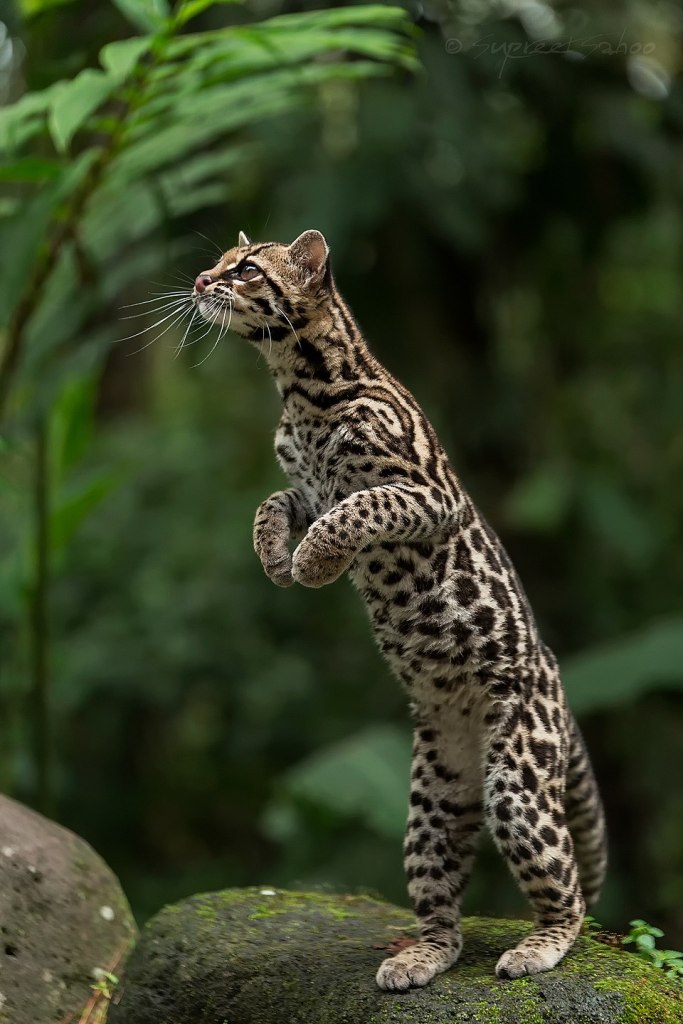
Living in jungles teeming with life, margays have a distinct advantage that allows them to escape land-based predators while making them a threat to monkeys and other critters living in the branches — they are outstanding climbers with unique biological adaptations that allow them to do things other cats cannot.
Credit: Supreet Sahoo via Wikimedia Commons
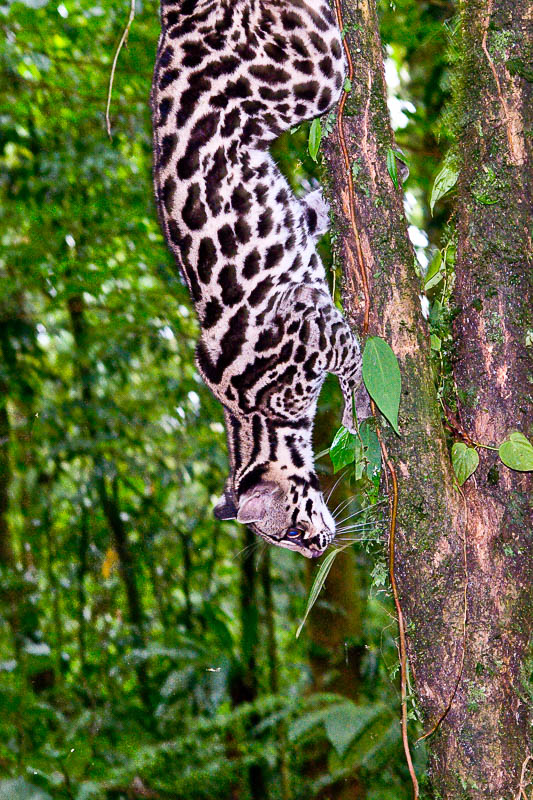
The most dramatic example is their ankle joints, which allow them to rotate 180 degrees as the little spotted cats anchor themselves to trunks and branches. As a result, margays don’t just climb with speed and ease, they are capable of swiftly evacuating trees by climbing down head-first like squirrels.
Other cat species lack that adaptation, which is one reason why we often hear about domestic cats who find themselves uncomfortably high up in trees or on utility poles, refusing to come down for days despite hunger and coaxing by humans trying to help.
A margay demonstrating its ability to climb head-first down a tree thanks to its unique ankle joints. Credit: James Kaiser
Margays are outstanding jumpers in addition to their unrivaled climbing ability, able to leap six to eight times their own height. It’s easy to see how these diminutive cats can intercept birds and monkeys far above the jungle floor in addition to hunting terrestrial mammals.
Indeed, using their large tails as a counterbalance, margays traverse branches with a swiftness and sure-footedness that rivals the gibbon.
The jungle’s tricksters
They’re also remarkably clever. Scientists have documented margays mimicking the vocalizations of monkeys, their favorite prey. In one documented example, a margay imitated the call of a baby tamarin, then ambushed the adult tamarins who approached to investigate the sound.
That’s a surprising adaptation for a cat species, and we should be thankful they’re tiny. The thought of tigers or leopards with that ability is terrifying.
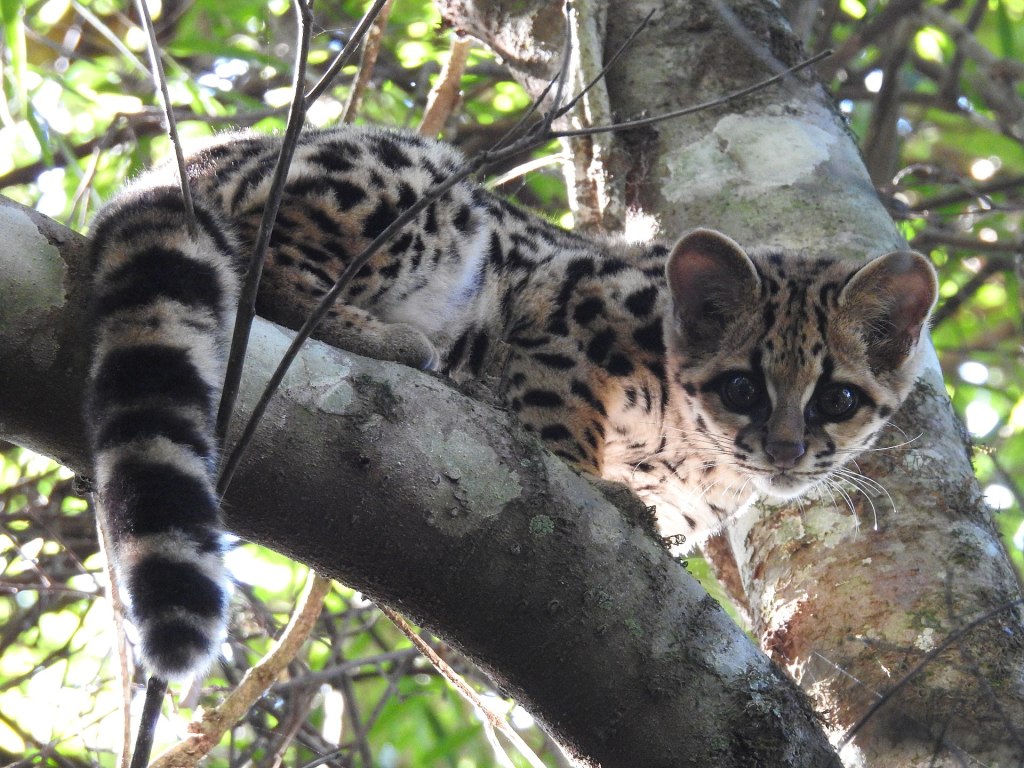
Margays are solitary and due to their size, they’re both predator and prey. Because of that, these tiny cats spend the majority of their time well above ground level and are usually found deep in old growth jungles where they can blend into dense vegetation, hiding among leaves and branches, where their coat patterns help them blend in.
Like all wildcats, margays face increasing pressure from habitat loss, poaching and other threats, and they’re classified as near-threatened on the IUCN Red List.
Credit: Anderson Cristiano Hendgen via WikimediaCredit: Wikimedia Commons
Header image credit Clément Bardot via Wikimedia Commons
Copyright 2026 – Pain In The Bud – May not be reproduced without permission

 Pain In The Bud