Study: Dogs And Toddlers Help Caregivers Find Missing Items While Cats Don’t Lift A Paw

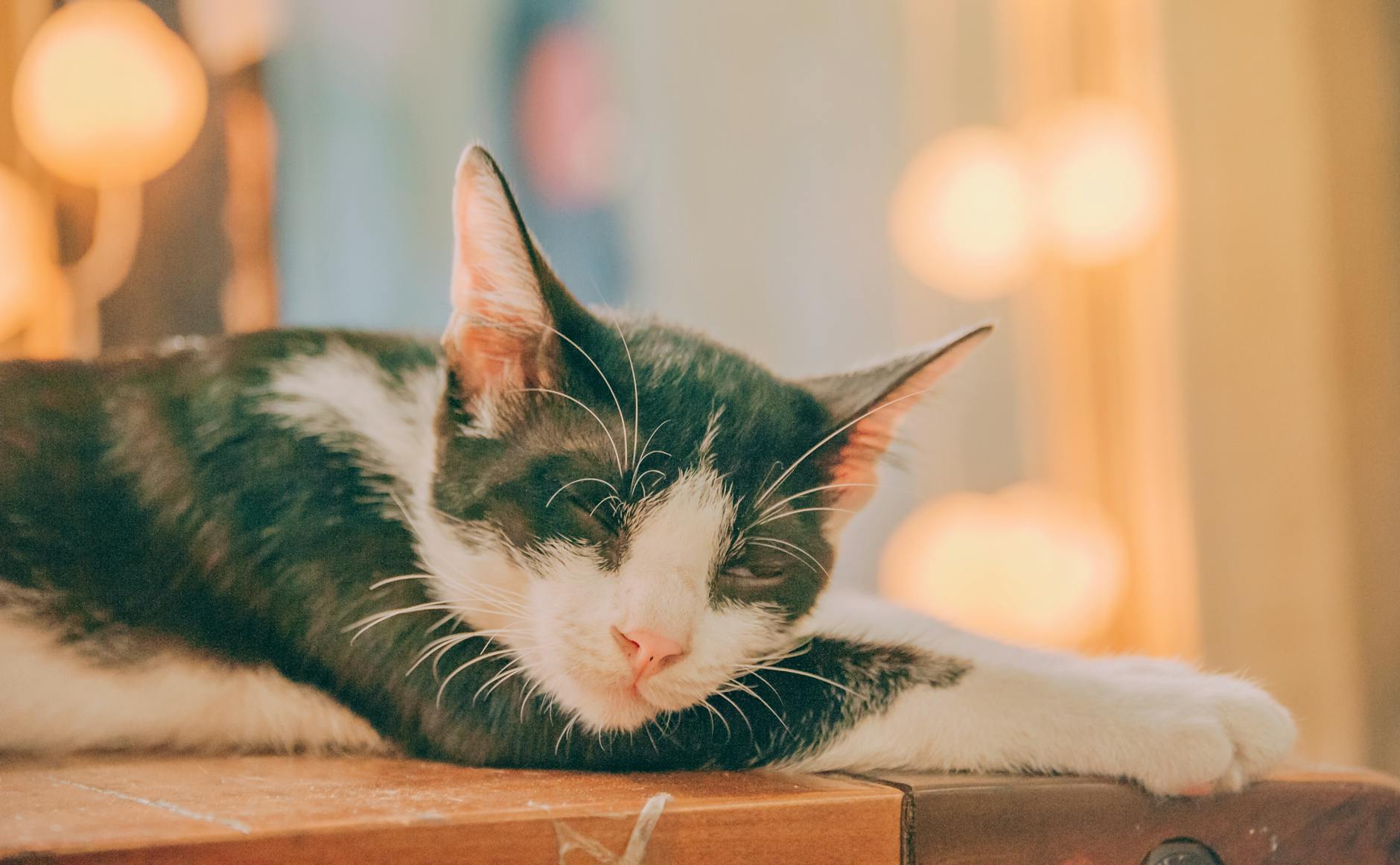
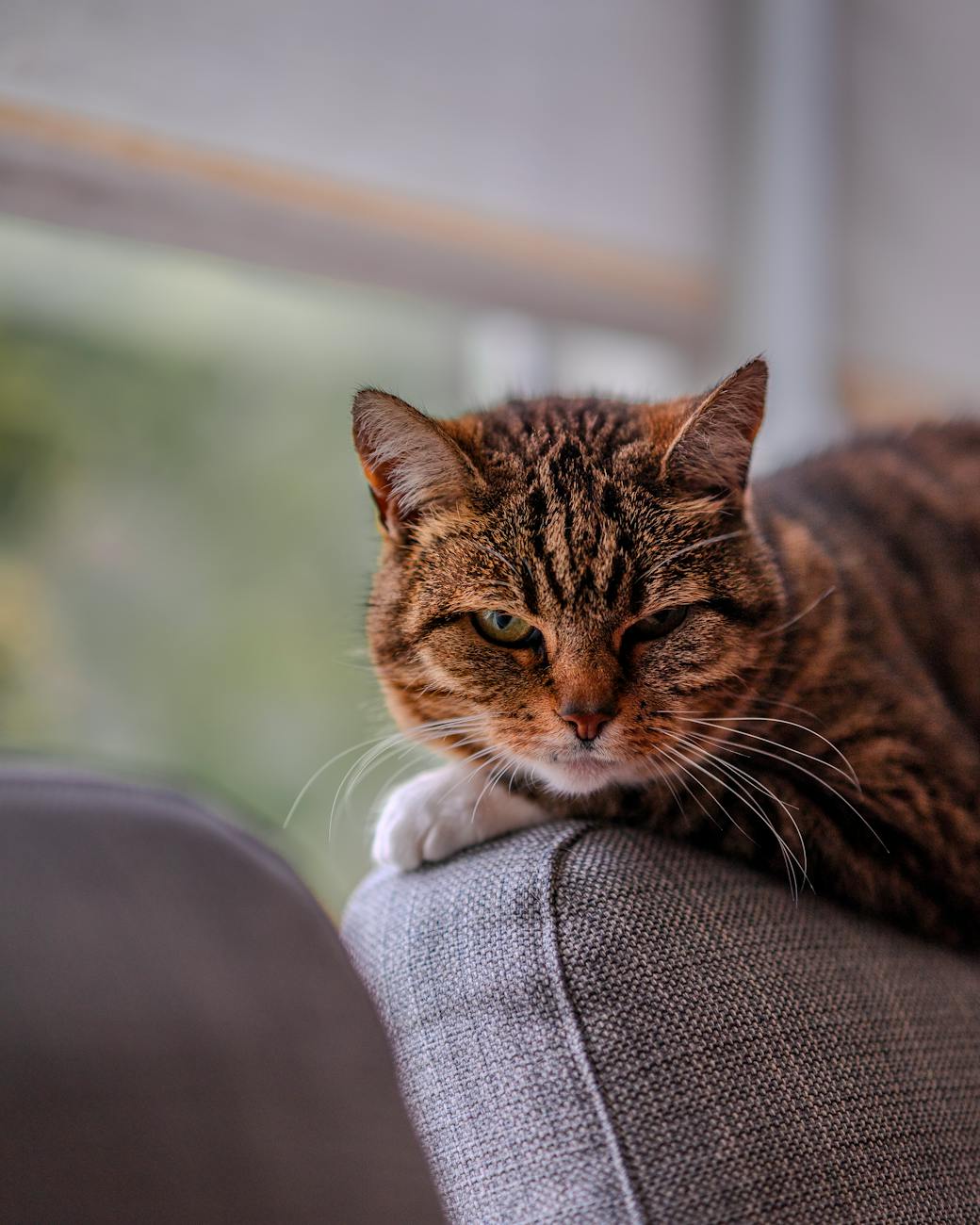
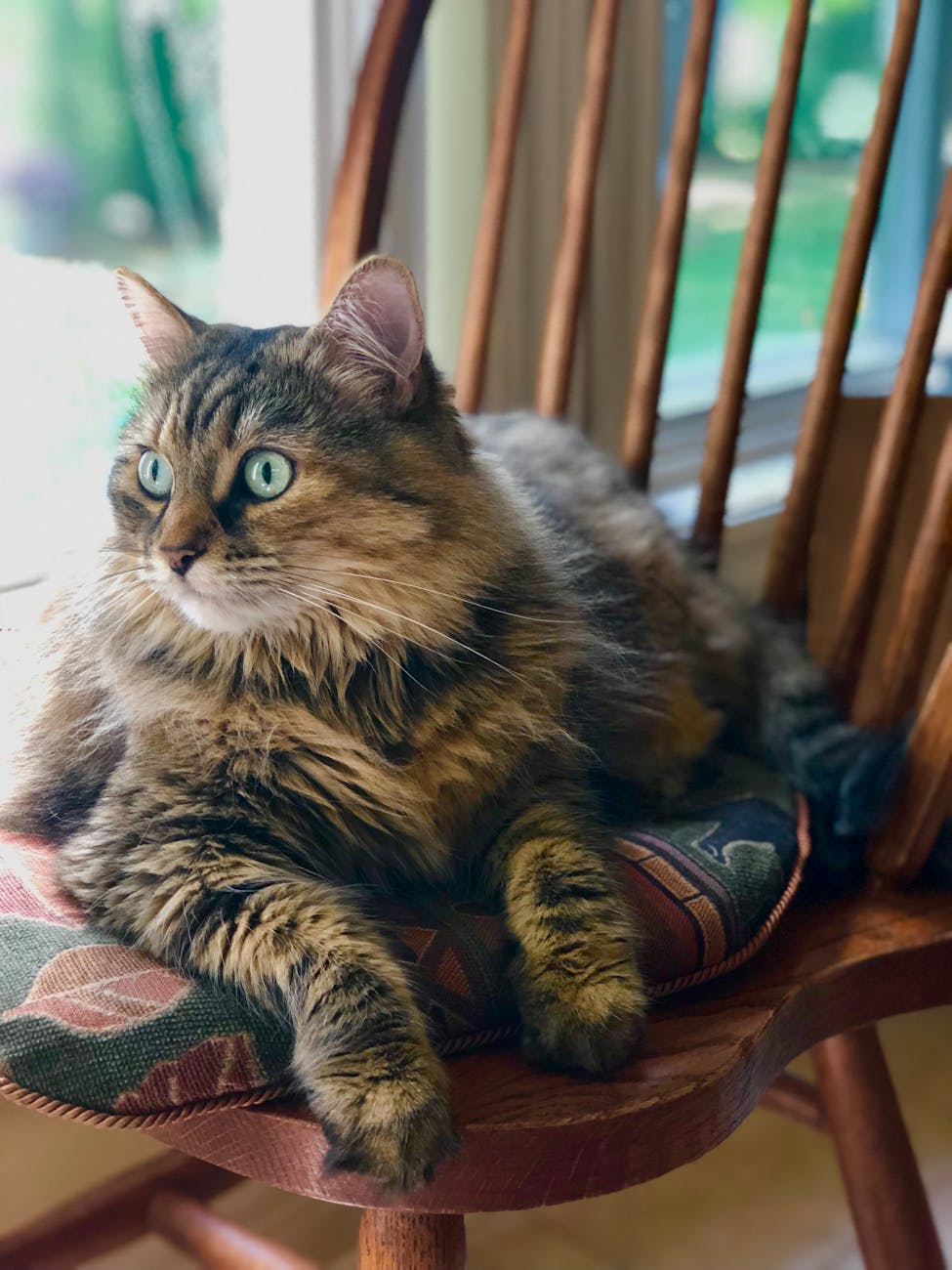
“Can’t find your keys, human? That’s terrible. I don’t know where they are, but perhaps I could recall that information if, say, there were treats involved. Take your time, I’m in no rush even if you are.”

A new study shows dogs and human toddlers are eager to help when their adult caregivers are looking for a missing item, but cats don’t seem to care.

The study, which involved running the same experiment for young children, dogs and cats in their own homes, made it clear cats were fully aware of what was happening and understood their humans were looking for the missing object.

They just didn’t care.

There was one notable exception, of course. If the missing items were important to the cat — a favorite toy, for instance, or a bag of treats — the felines were motivated to help search or direct their humans to the missing objects, the research team from Eötvös Loránd University in Hungary found.

But at all other times, feline observers were content to hang back and watch, even when they understood their humans were getting frustrated.

By contrast, young children and dogs actively tried to help and signaled to adults when they thought they’d found the object.

“Lookin’ for something? No, I’ll just watch, thank you. Warm, warmer…oh! Cold…colder…that direction doesn’t look promising, human.” Credit: Gord Maclean/Pexels

So does this mean cats are jerks? Probably. Are we surprised by the results? Not at all.

We still love our furry friends, who do have their own unique ways of demonstrating they care about their humans beyond seeing them as providers of food, shelter, and safety, as well as playmates, minions and servants.

Besides, testing whether dogs or cats were helpful or not wasn’t the point. As the authors note, “[t]hese three species provide an important comparison because they share a similar anthropogenic environment but differ in their ecological and evolutionary backgrounds.”

In other words, they’re interested in figuring out how evolution plays a part in how species behave in particular situations. Although it’s yet to be conclusively proven for this behavior, a likely reason is because domestic cats are the descendants of a mostly solitary wildcat species, whereas we humans and our canine friends have long evolutionary histories of living in social groups and cooperating with each other.

The study is included in the March 2026 issue of Animal Behavior.

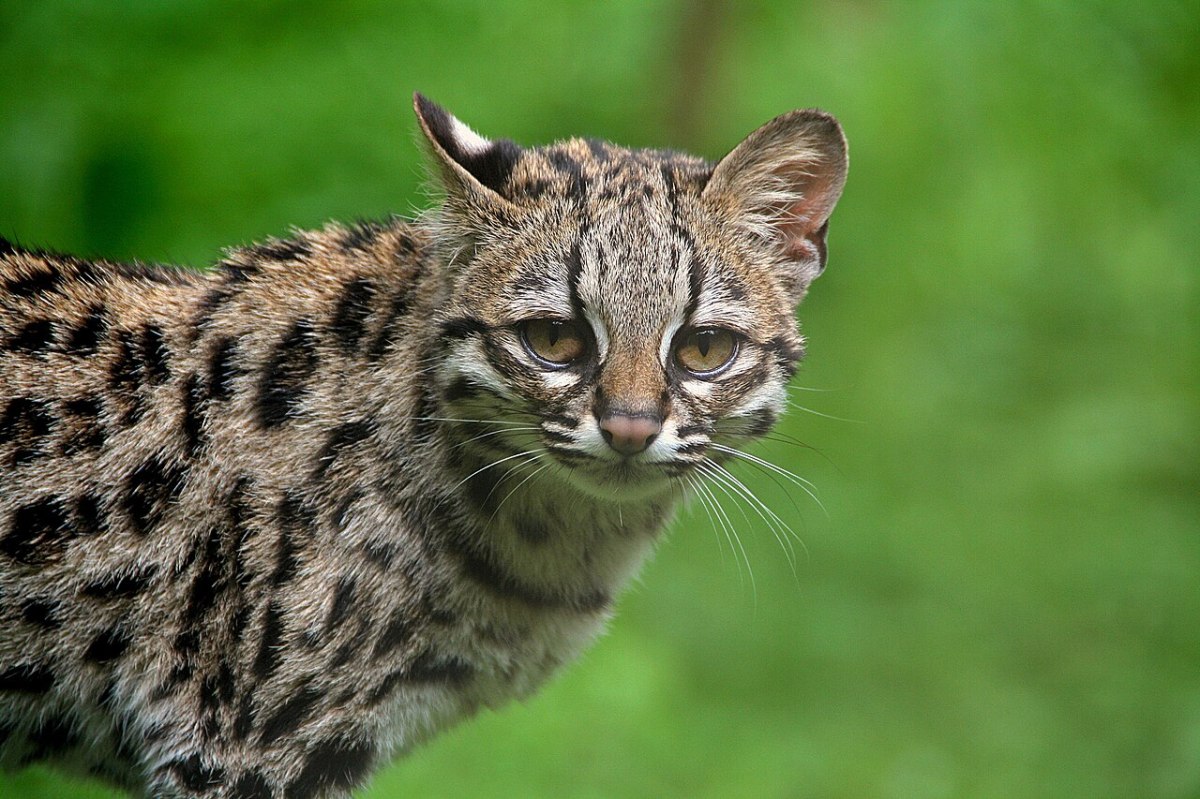
Amazing Cats: Dwelling In Dense Jungles, Margays Are Tricksters and Champion Climbers

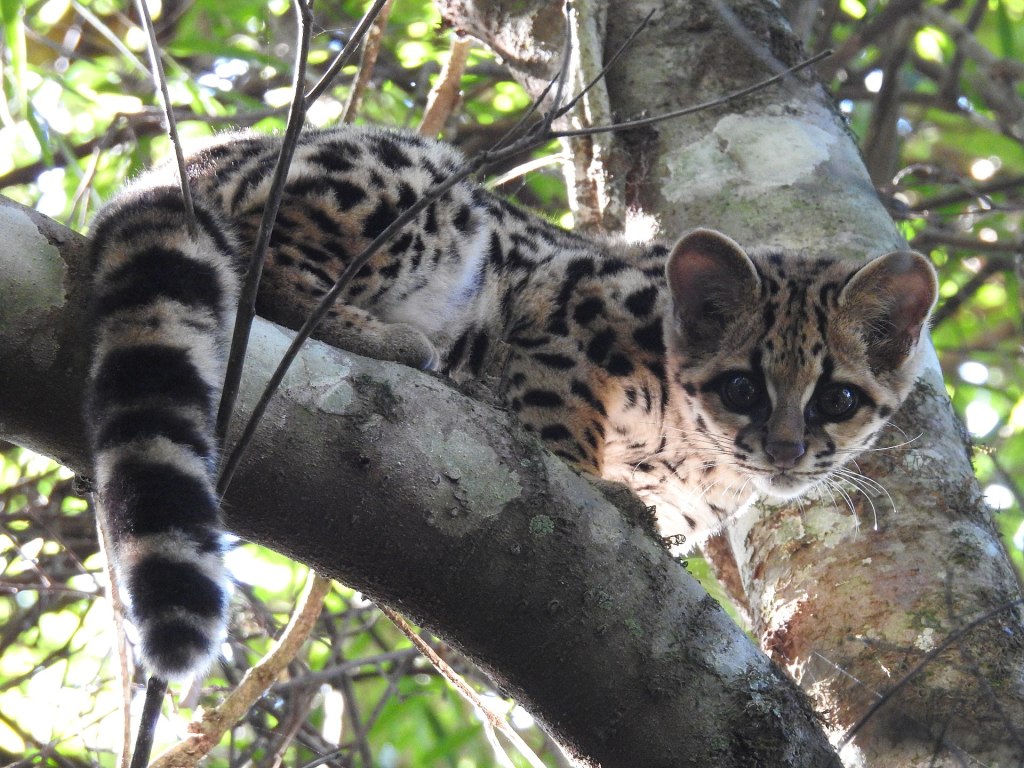
Strongly resembling ocelot cubs, margays have a unique biological adaptation to tree-climbing and a devious ability that gives them a massive advantage over their prey.

Taxonomic name: Leopardus wiedii
Genus: Felis (small cats)
Weight: Between 5 to 9 pounds with typical felid sexual dimorphism
Lifespan: More than 20 years in captivity
Gestation: About 80 days
Litter size: Single kitten, rarely more than one
Distribution: Central America, including Brazil, Paraguay, Peru, Chile, Ecuador, Venezuela, Guyana, Colombia, Panama and parts of Mexico
IUCN Red List Status: Near threatened

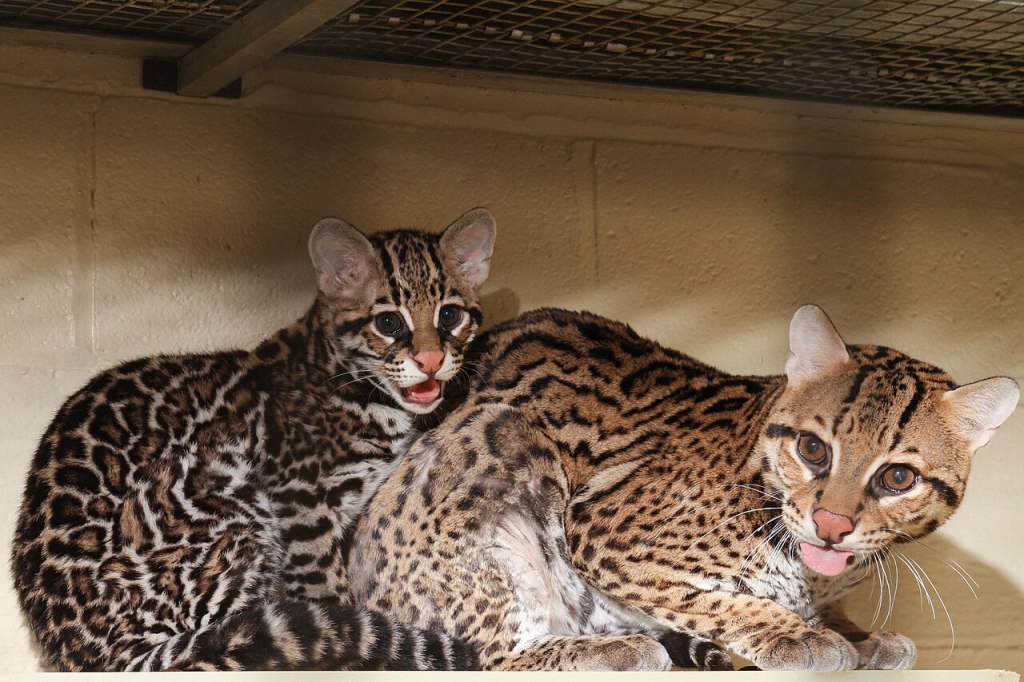
If you’re fortunate enough to catch a glimpse of a margay, you might think you’re looking at an ocelot cub.

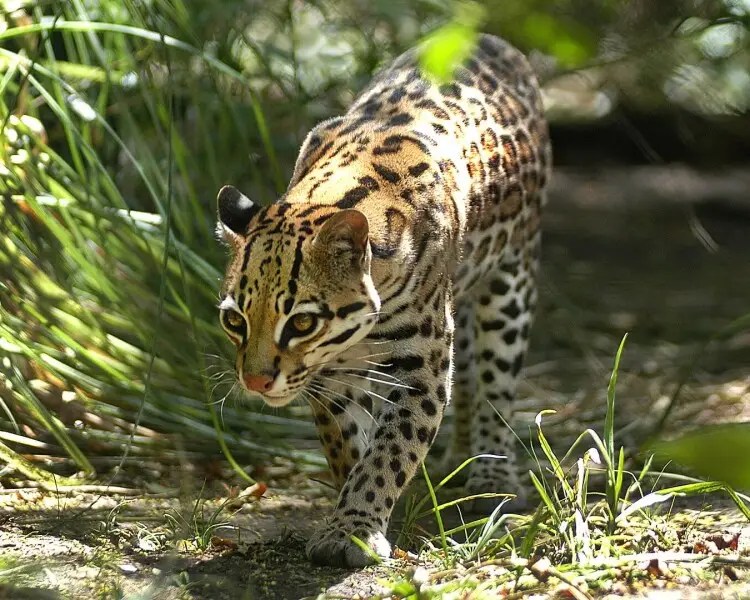
The two species look remarkably similar, sharing beautiful rosette patterns in their fur, intense eyes and prominent facial stripes.

But ocelots are medium-size cats that can top out at 35 or 40 pounds, while margays are even smaller than domestic felines, weighing between five to nine pounds.

An ocelot cub with, left, with its mother. Margays are easily mistaken for ocelot kittens. Credit: Mark Dumont via Wikimedia Commons

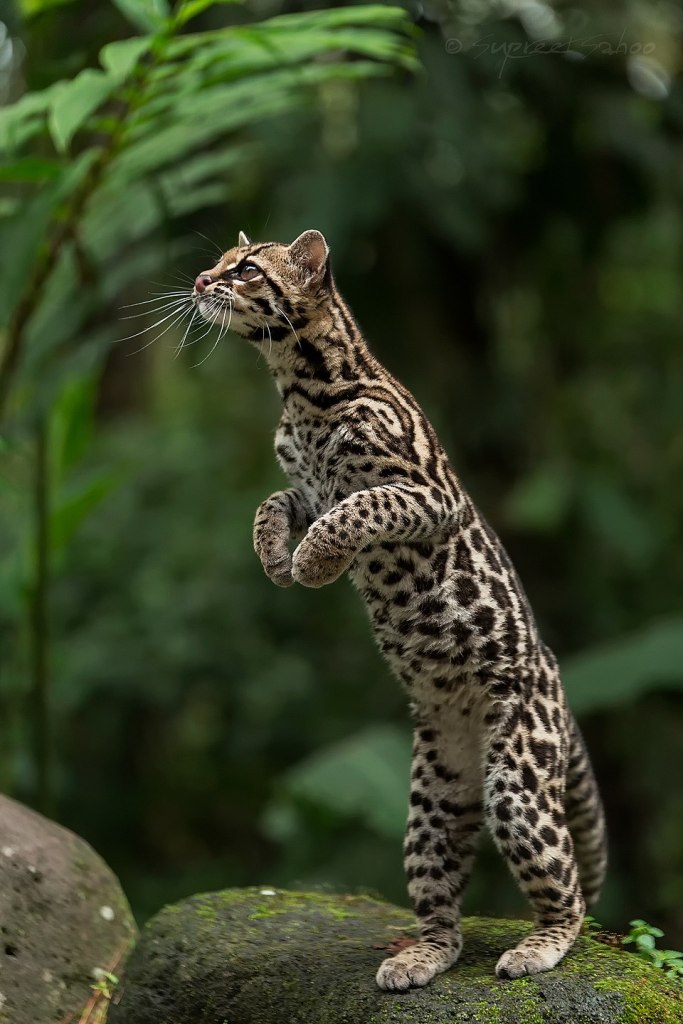
Living in jungles teeming with life, margays have a distinct advantage that allows them to escape land-based predators while making them a threat to monkeys and other critters living in the branches — they are outstanding climbers with unique biological adaptations that allow them to do things other cats cannot.

Credit: Supreet Sahoo via Wikimedia Commons

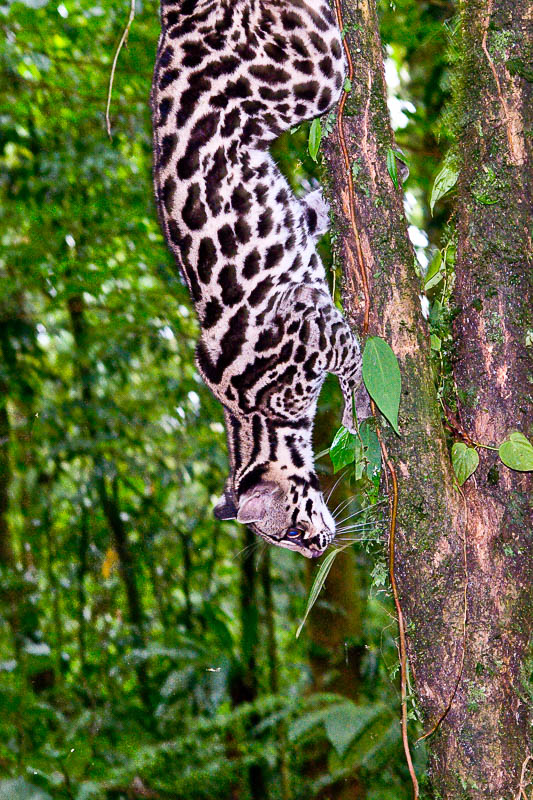
The most dramatic example is their ankle joints, which allow them to rotate 180 degrees as the little spotted cats anchor themselves to trunks and branches. As a result, margays don’t just climb with speed and ease, they are capable of swiftly evacuating trees by climbing down head-first like squirrels.

Other cat species lack that adaptation, which is one reason why we often hear about domestic cats who find themselves uncomfortably high up in trees or on utility poles, refusing to come down for days despite hunger and coaxing by humans trying to help.

A margay demonstrating its ability to climb head-first down a tree thanks to its unique ankle joints. Credit: James Kaiser

Margays are outstanding jumpers in addition to their unrivaled climbing ability, able to leap six to eight times their own height. It’s easy to see how these diminutive cats can intercept birds and monkeys far above the jungle floor in addition to hunting terrestrial mammals.

Indeed, using their large tails as a counterbalance, margays traverse branches with a swiftness and sure-footedness that rivals the gibbon.

The jungle’s tricksters

They’re also remarkably clever. Scientists have documented margays mimicking the vocalizations of monkeys, their favorite prey. In one documented example, a margay imitated the call of a baby tamarin, then ambushed the adult tamarins who approached to investigate the sound.

That’s a surprising adaptation for a cat species, and we should be thankful they’re tiny. The thought of tigers or leopards with that ability is terrifying.

Margays are solitary and due to their size, they’re both predator and prey. Because of that, these tiny cats spend the majority of their time well above ground level and are usually found deep in old growth jungles where they can blend into dense vegetation, hiding among leaves and branches, where their coat patterns help them blend in.

Like all wildcats, margays face increasing pressure from habitat loss, poaching and other threats, and they’re classified as near-threatened on the IUCN Red List.

Credit: Anderson Cristiano Hendgen via Wikimedia
Credit: Wikimedia Commons

Header image credit Clément Bardot via Wikimedia Commons

Copyright 2026 – Pain In The Bud – May not be reproduced without permission

Previously:

Amazing Cats: The Mysterious Marbled Cat
Amazing Cats: The Rusty-Spotted Cat
Amazing Cats: ‘He Who Kills With One Bound’
Amazing Cats: The Puma

Amazing Cats: The Sunda Clouded Leopard

Amazing Cats: The Adorable Colocolo, Feline of the Pampas

Amazing Cats: The ‘Fire Tiger’ Is The Stuff Of Legend

Amazing Cats: Ocelots Love Trees, Water And Calvin Klein’s Obsession For Men

Amazing Cats: Pallas Cats Are The Grumpy Little Hobbits Of The Feline World

Amazing Cats: The Jaguarundi Is Adept, Adaptable And Mysterious

Look At Him Go! Cat Enthusiastically Takes To Treadmill

Archie the cat, with his love of exercise, is the anti-Buddy.

This is unbelievable.

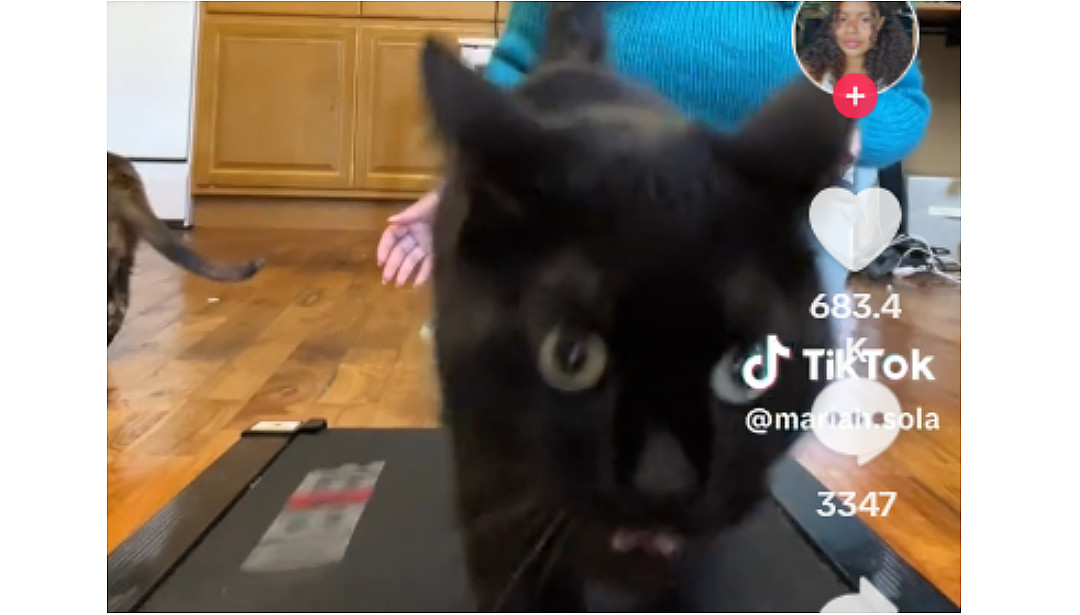
A three-year-old cat named Archie, who also hails from New York, loves running on his human’s treadmill. Mariah, his 27-year-old servant, keeps a close eye on the little guy while he gets his run in to make sure he doesn’t get hurt, but he seems entirely unperturbed and pumps his little legs, keeping a steady pace:

@mariah.sola

Archie is maintaining 3.0-3.2 our ultimate goal is 4.5MPH

♬ Young Black & Rich (Instrumental) – Melly Mike

Honestly, I can barely comprehend this. Bud would be more likely to engineer a treadmill into an automated system to deliver snacks to him so he doesn’t have to lift a paw. He is, after all, remarkably dedicated to the craft of being as lazy as possible.

Cheers to Archie for showing not all cats are loafing blobs!

My Cat Makes Me Laugh

Buddy is funny!

Last night I was in the kitchen looking for something, anything, to satisfy a sudden craving for sugar when Bud padded up and gave me one of the standard greetings in his Buddinese repertoire.

It’s just a “Hmmmmph!” in his high, Elmo-like voice, an acknowledgement that he sees me and he’s watching with interest, but without any of the typical demands or strong opinions attached.

“Hmmmmmph!” I replied.

“Hmmmmmph!” he said again, and we went back and forth until he stopped, tilted his head curiously, and gave me a look that said “Are you making fun of me again?”

I couldn’t help myself and busted out laughing, bending down to mess up the fur on top of his head as he rubbed up against my leg.

Of course I can’t actually prove that he understands our little exchange, but I know in my heart that he does. Sometimes he gets indignant when I laugh at him. Sometimes I get indignant when he gleefully smacks me or tries to chew on my glasses.

But mostly we laugh together, and he understands that human laughter is a happy sound, even when he’s deeply confused about what exactly I find so funny.

Will I ever have this kind of bond with another cat? I don’t know. It’s taken more than a decade to get here, a decade of being inseparable and understanding each other on a fundamental level.

But I’m not going to spoil it by spending too much time thinking about it. That would ruin the joke.

Amazing Cats: Pallas Cats Are The Grumpy Little Hobbits Of The Feline World

The Gremlin-like felids have some unusual habits compared to other cats in addition to the trademark scowls that distinguish them from other feline species.

The fact that they live in burrows and crevices is the first indication that Pallas cats are the weirdos of the feline family.

The small, bushy little creatures greet the day by poking their heads out of their burrows just enough to see what’s going on. Thanks to the low profile of their ears, which stick out almost horizontally, only their eyes and tufts of frosty-looking fur are visible in those first moments.

When they’re satisfied nothing’s going to vex them further than their usual, seemingly perpetually-annoyed default, they fully emerge from their dens, and that’s when their true form becomes apparent.

Behold grumpiness incarnate:

“These kittens today, they want everything now. No patience and not a lick of common sense between ’em. Hey! Get off my lawn, you little cretins…” Credit: Wikimedia Commons
“Would it kill these dogs to clean up after themselves? Sheesh! You don’t see me defecating all over everything. When nature calls, I do what civilized cats do, find a private spot and bury my business. Hey! Hey! Don’t you dare move that rock!”

These little guys look like they start every day off getting rained on while birds with impeccable aim empty their bowls on their heads. Then they file out, each one grumbling, and engage in their species’ favorite pastime — complaining about everything, like a perpetual Airing of Grievances on Festivus or a communal bitching session about joint pain at the local senior center.

“Oh, my back! For crying out loud! They couldn’t have dug this tunnel at a more forgiving angle? Aww crap, look at the weather! Hunting in this is gonna suck. Lenny, is there any more of the rabbit from last night? No? Of course not. And we’re out of coffee again! I don’t know why I even roll out of the burrow. This place is a dump!”

First observed and written about — in the western world, at least — by Peter Simon Pallas in 1776, Pallas cats are about the same size as our domestic feline buddies, but they look stockier thanks to their heavy coats. Pallas, a Prussian explorer and naturalist, was presumably going about his day when he heard a group of these malcontents complaining from a mile or two away.

“Whatchu lookin’ at?” Credit: Wikimedia Commons

Jokes aside, Pallas cats only look angry to us because we anthropomorphize them. Difficult as it is to believe with their convincing scowls, there’s no evidence to suggest they’re actually grumpy.

The fact that they sometimes co-occupy burrows means they have a cooperative and social component to their behavior that many cat species lack. You won’t find tigers cooperatively hunting, napping in communal burrows or padding out together to greet the crepuscular morning, but that’s what Pallas cats do. That’s a pretty good indication of a sunnier disposition than their trademark scowls indicate.

Here’s a remarkably clear and close video showing a Pallas cat mom poking her head out from a burrow and making sure the coast is clear before emerging with her four cubs close behind her:

Spread throughout mainland Asia, and concentrated most heavily in Mongolia, Kyrgyzstan, Bhutan and parts of China, individual Pallas cats move between different burrows and crevices depending on the need for cover and the season. They’re found on the vast plains of Mongolia, as well as in mountains like the Himalayas and the Altai range.

They usually top out at about 10 pounds and primarily hunt rodents, pikas, shrews and other small, ground- and underground-dwelling prey, but like most cats they’re adept ambush hunters and take opportunities where they find them.

Happily, and owing partly to their remote habitats, Pallas cats are one of the few wild species that are not listed as threatened or endangered on the IUCN Red List.

Header image credit: Wikimedia Commons

Proof they don’t scowl in every photo. Credit: Wikimedia Commons

Previously:

Amazing Cats: The Mysterious Marbled Cat
Amazing Cats: The Rusty-Spotted Cat
Amazing Cats: ‘He Who Kills With One Bound’
Amazing Cats: The Puma

Amazing Cats: The Sunda Clouded Leopard

Amazing Cats: The Adorable Colocolo, Feline of the Pampas

Amazing Cats: The ‘Fire Tiger’ Is The Stuff Of Legend

Amazing Cats: Ocelots Love Trees, Water And Calvin Klein’s Obsession For Men