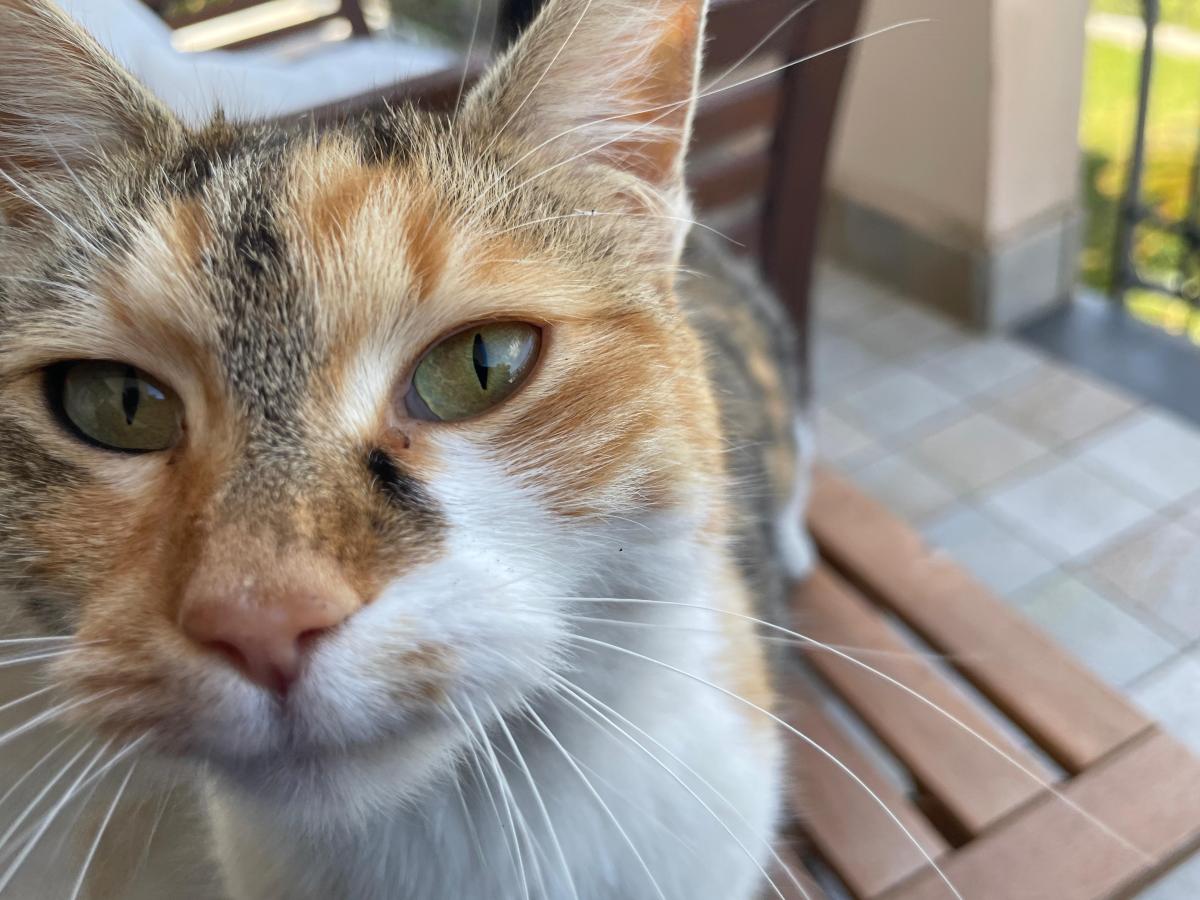
Want Your Cat To Eat More? Give Them Variety, Study Says

Like us, cats get bored with the same stuff all the time.

One good piece of advice I got before adopting was to introduce the kitten to as many different flavors and textures of food as possible.

That way you won’t have a picky cat and you won’t find yourself in a scramble if the one variety of cat food your feline master will eat is discontinued or becomes difficult to get. That became a major problem during and after the pandemic, when disrupted supply chains and shortages of packing materials meant you never knew what you’d find on store shelves.

But there’s another good reason to do it: variety keeps your cat happy.

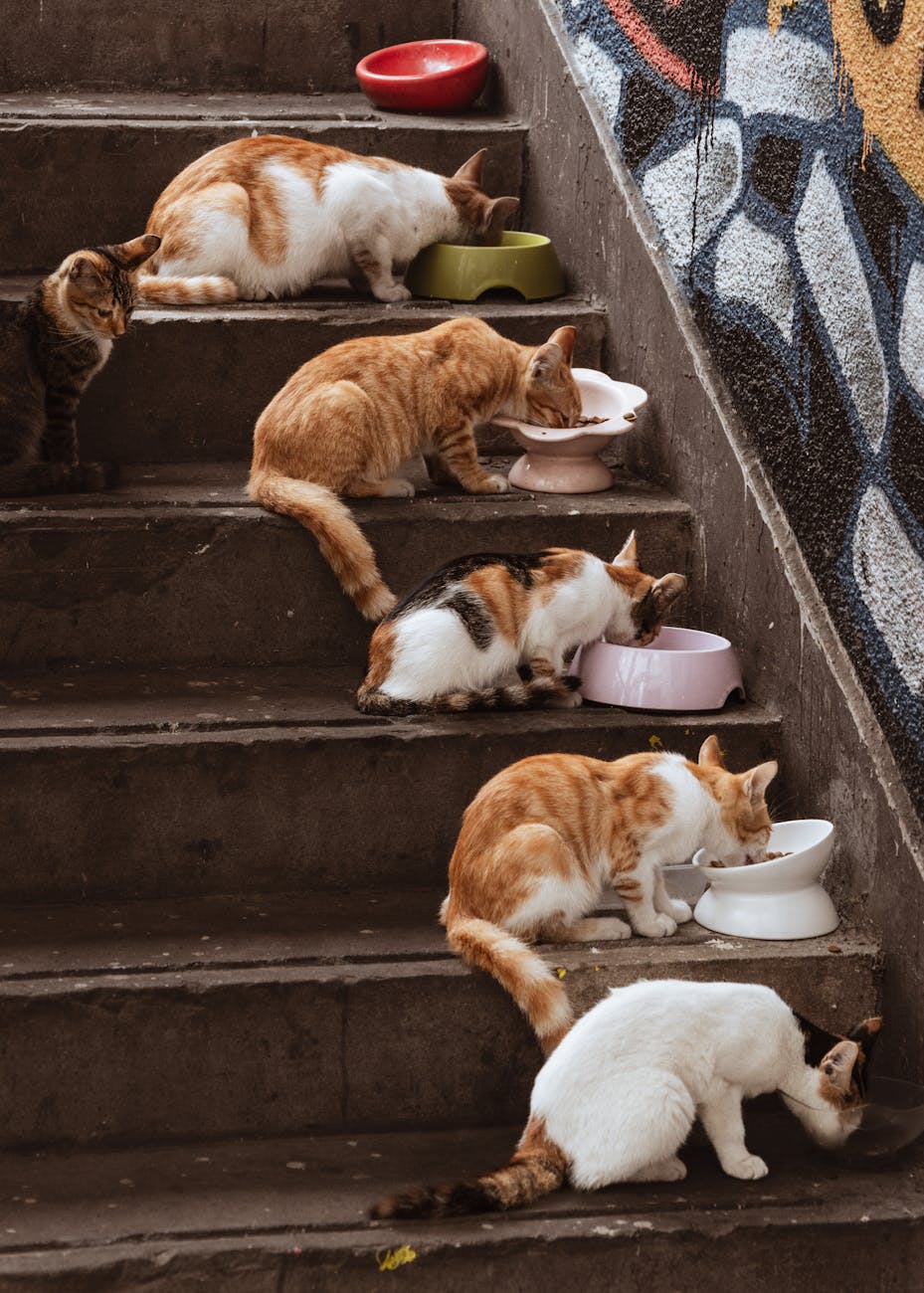
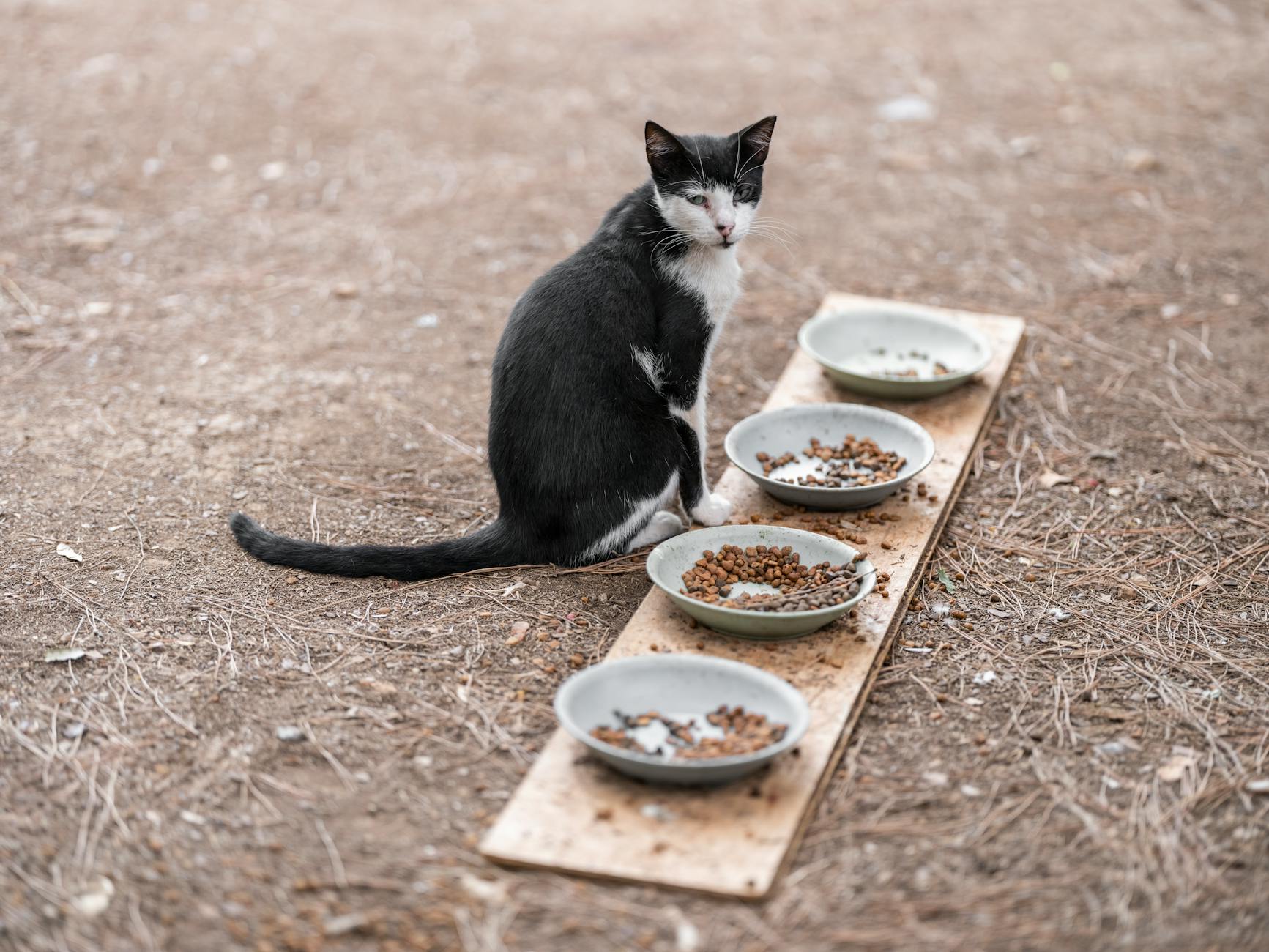
Even if your cat has a favorite food, too much exposure to that food will have diminishing returns, a research team from Japan’s Iwate University found.

Photo by Engin Akyurt on Pexels.com

But it’s not just the type of meat, texture or brand. Smell is hugely important to cats, and the study found they have much bigger appetites when presented with a novel food odor.

This is helpful not only to help us make sure our little buddies eat, but also because most of us don’t think about olfactory stimulation with cats. We build them cat condos and catios, we provide scratchers, we rotate toys. But how often do we give our cats the opportunity to enjoy new smells?

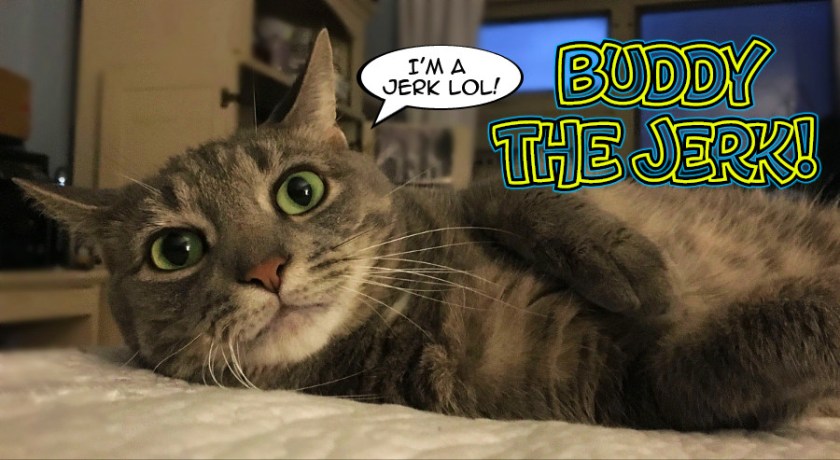
One of Buddy’s favorite things to do is sniff around the apartment building. I wait until late at night when it’s quiet and let him walk the hallways, stopping at each door to sniff. (I always remain a few feet away because it makes him feel safe, and because I can scoop him up and bring him back if he gets frightened.)

He loves it, and I don’t do it enough. After reading this, I’ll make sure little dude gets his sniffing tour more regularly.

Video: House Cat Scares Off Bears Like It’s Nothin’!

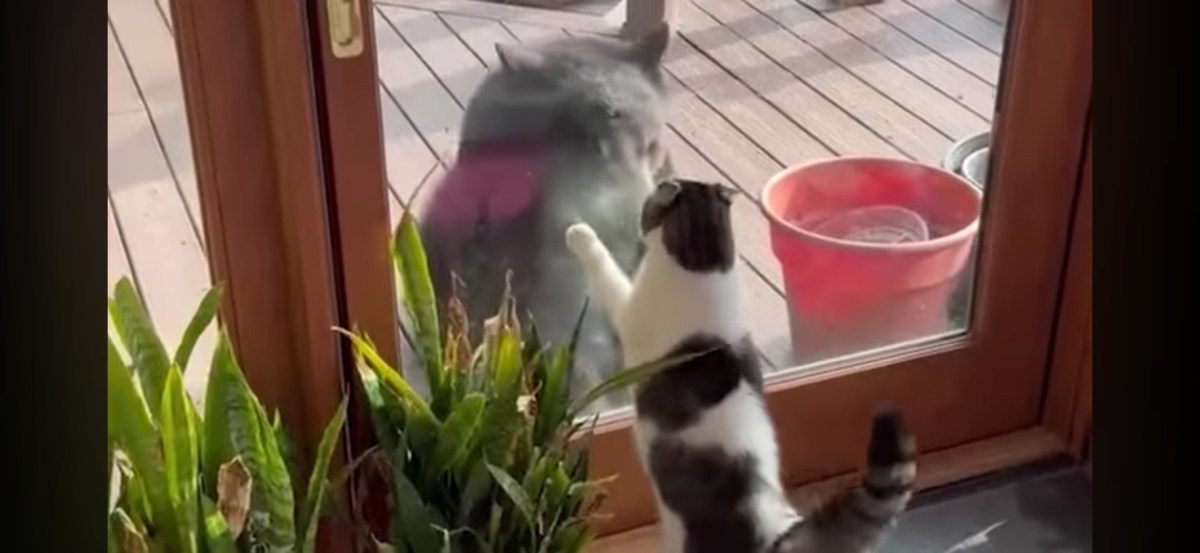
“Scooter does not like bears,” the fearless feline’s human said.

Scooter is one brave little dude!

The tuxedo cat from Asheville, North Carolina, wasn’t even phased by a pair of young bears who unwisely entered Scooter’s territory. Sure, Scooter had the benefit of a glass door between him and the ursine invaders, but Buddy here would have bravely and valiantly defended his home run screaming and taken up a position behind my legs while moaning pathetically.

Plus, I mean, they’re bears. Young bears, yes, but Scooter and his human placed an awful lot of faith in the strength of that glass.

Will Jones, Scooter’s human servant, made the understatement of the year when he posted the video and said flatly “Scooter does not like bears.” Ya think?

Regardless, the little guy clearly had the big animals spooked. They flinched from his hiss-accompanied flurry of rapid paw jabs, then decided it wasn’t worth dealing with the furry lunatic behind the glass and promptly left Scooterland.

Maybe they should be grateful Scooter couldn’t break through the glass instead of the other way around.

Calling All Holy Cats And Their Human Servants!

Help us figure out the mysterious feline behavior known as “begging paws”/”praying” gesture.

Back in 2024 we published a story about cats doing the begging paws/praying gesture.

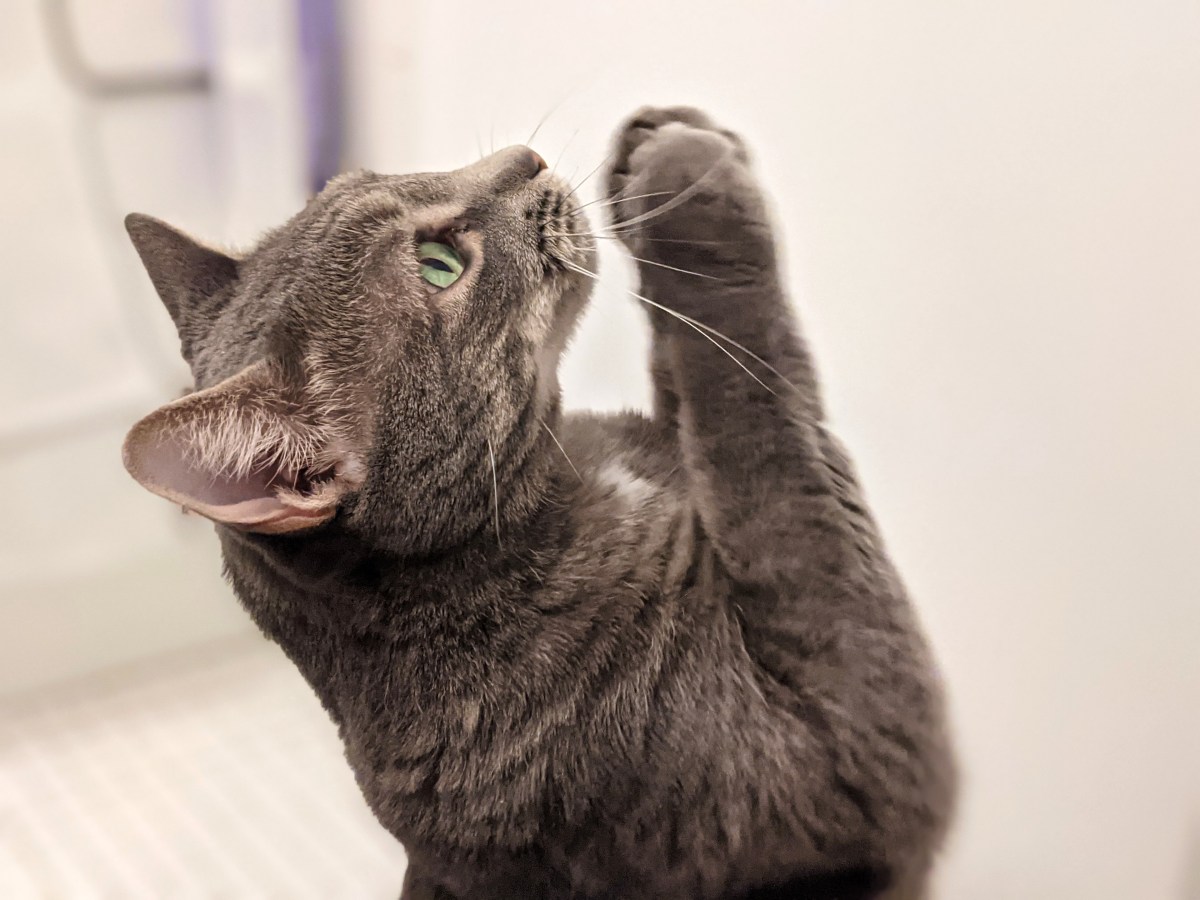
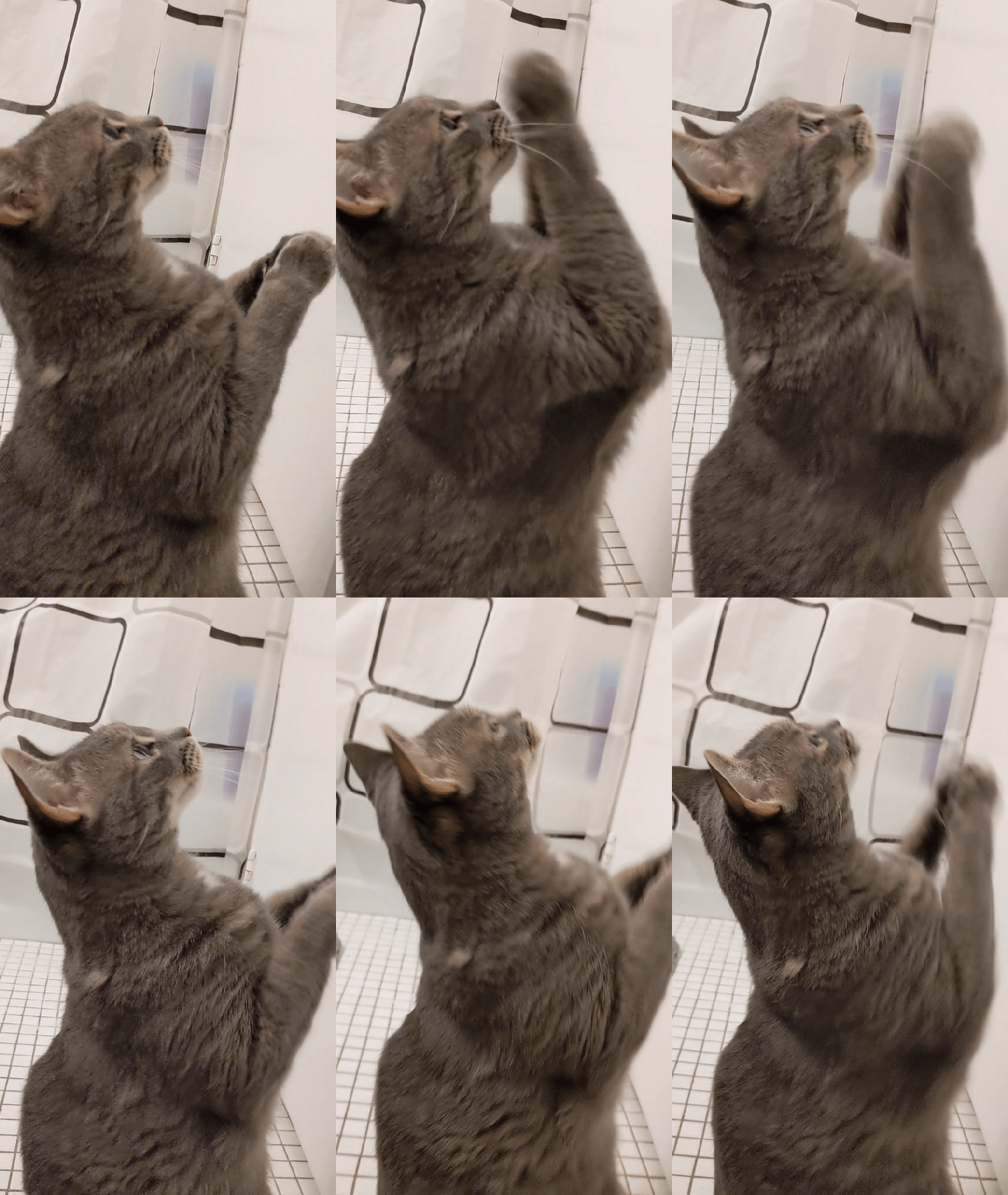
For the uninitiated, it’s a quirky behavior in which a cat sits upright on its back feet, then places the front paws together and moves them up and down as if fervently at prayer — or begging for something. (Though that’s undoubtedly our anthropomorphic interpretation of a distinctly feline quirk.)

Our post about the begging paws has become one of the most popular stories on this site, with people regularly finding us via search engines as they try to learn more about this strange behavior.

The last time we asked around, several veterinarians and behaviorists were happy to speak to us about the subject, but no one could say for sure what the begging paws motion means.

We’re going to give it another shot and hopefully get some answers by comparing notes with people whose cats engage in the behavior. If your cat does the begging paws/praying gesture, we’d love to hear from you!

Please comment here or email paininthebud at gmail along with:

  • The name, age and gender of your cat
  • How frequently your cat does the gesture
  • Anything patterns or related behavior you’ve noticed: does your cat “pray” at certain times or in response to something she sees? Do you reward the behavior with treats, affection or attention? Has your cat always done it, or did the behavior emerge at a particular time?

Any detail could help uncover what exactly our furry friends are doing.

If you have photos or video of your cat “praying,” we’d love to include those clips in our follow-up story as well.

Hopefully by working together we can understand this quirky behavior and finally solve the mystery of why our cats do it!

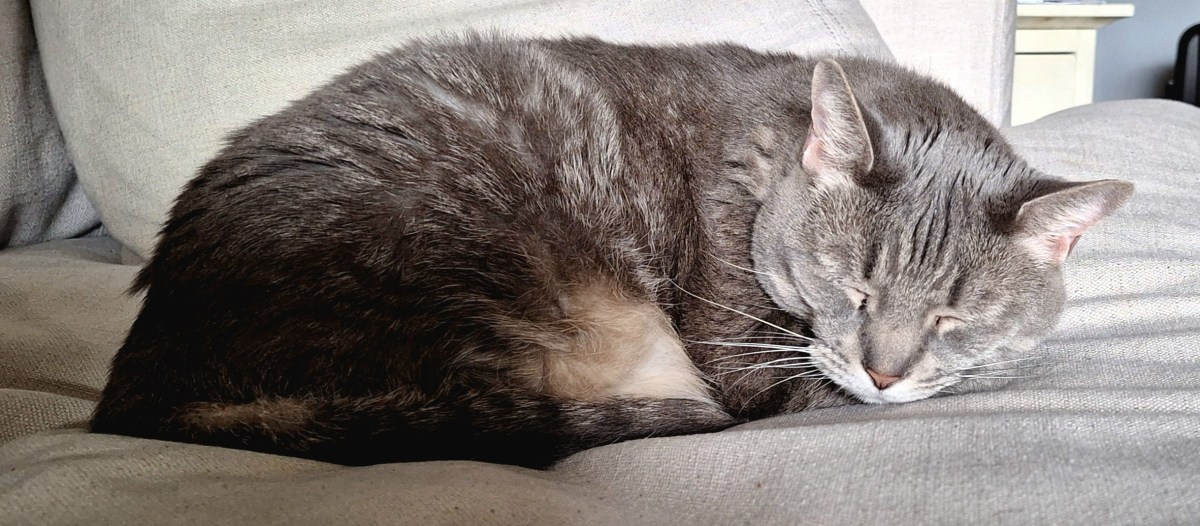
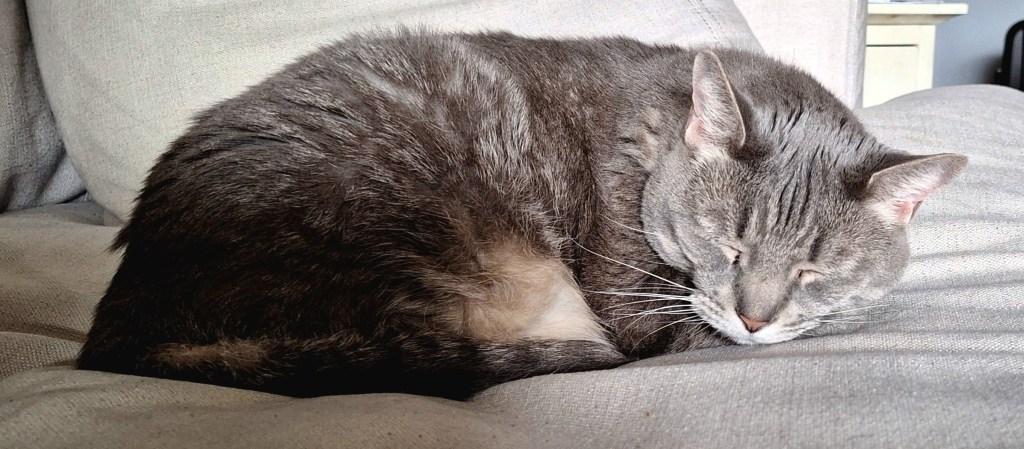
Buddy’s Sunday Afternoon Nap

Looking to recuperate after a long morning of eating and lounging in the suddenly warm weather, the little guy settled down for some shut-eye.

What’s better than a Sunday afternoon nap?

It’s been a glorious day here in Buddyland! The forecast had us breaking the 50-degree mark for the first time in at least four months, so imagine our surprise when the temperature topped out in the low 60s!

Bud decided to celebrate the balmy weather by stretching out and drifting off for a nice nap, and I couldn’t resist taking a few photos of my pal looking relaxed after a hard day of eating and lounging.

To be fair, I was out earlier and when I came home, Bud was right by the door to greet me as always, so he probably had a very demanding nap in the proximity of the front door while I was gone, then opted for a more relaxed nap after expending all that energy on his earlier nap. I had also topped off his dry food before his lunch, in case he got hungry while he was eating.

It’s not easy being a cat!

Two Thirds Of Cats Sleep On Their Left Side: Why?, PLUS: Aubrey Plaza’s Cat Comedy Premieres In April

Cats spend most of their time sleeping, which leaves them in a vulnerable position.

Aubrey Plaza is delightfully weird.

Anyone who’s seen her on a late night talk show or in an impromptu interview knows what I’m talking about. Instead of the practiced, carefully crafted anecdotes celebrities tell to make themselves seem more interesting, or the hard focus on promoting a particular project, Plaza seems to revel in awkward pauses, bizarre responses and stories that most people would never tell about themselves.

She does it all with a deadpan expression so you can never quite tell if she’s joking. That’s part of the fun.

I hadn’t seen her in much until Emily the Criminal, about a woman whose frustration at trying to make ends meet with dead-end jobs leads her down a highly illegal path, revealing a talent for deception she never knew she had.

Plaza in Emily the Criminal.

Now she’s starring in Kevin, an animated show about an eponymous tuxedo cat who decides that when his humans break up, he’s going to break up with them too. Instead of going with one of them, Kevin decides to move “into a local pet rescue in Astoria, Queens, where a band of misfit animals helps him discover what he truly wants out of life,” according to the series’ logline.

Plaza co-created the series with Joe Wengert, and Jason Schwartzmann, who we loved in Bored To Death, will voice Kevin. The show will premiere on April 20 on Prime Video.

A still from Kevin.

Cats prefer sleeping on their left side, but why?

Two out of three cats prefer sleeping on their left side, which immediately raises two questions: why do they prefer sleeping that way, and how do we know such a seemingly obscure piece of information?

In 2025, a team of scientists from Italy and Germany analyzed more than 400 random online videos of our furry overlords in their rest state, and the numbers were consistent. Cats definitely have a preferred side to sleep on, and it’s the left.

As for why, in a research paper published in Current Biology last summer, the scientists say there are several reasons, but the primary one is that the right side of the brain processes shapes and visual sensory input.

Since the right hemisphere of the brain controls the left side of the body in mammals, due to the way nerve fibers cross at the base of the brain, a cat opening its eyes and seeing the world from the left side is able to more quickly assess information and react.

Credit: Min An/Pexels

That’s a pretty big deal for cats, as a story in Science Focus notes. As both predator and prey, felines have to respond quickly not only to potential threats, but also potential lunch.

That is especially true for a species that spends the majority of its time sleeping deeply or napping, meaning they’re physically vulnerable to attack most of the time. That explains why our cats are able to spring to alertness immediately from a nap, and why their most restful sleep comes when they’re absolutely sure they’re safe.

Anecdotally, that makes sense. Bud clearly feels safest when he sleeps on me or burrows between my knees, and it’s subsequently harder to rouse him from slumber compared to, say, when he catches some Zs on the couch by himself or retreats to another favorite napping spot.

Perhaps unsurprisingly, he also bucks the trend and likes to sleep on his right side. We are, after all, talking about a cat who still hasn’t figured out that wand toy games simulate hunting, and that they should end with a “kill bite” rather than Bud’s favored method, which is bouncing happily on his back paws while bobbling the toy in his front paws.

He may have the instincts of his wild ancestors, but all he knows is the comfort and warmth of human homes.