‘Swift And Lethal’: Cats Have No Defense Against Bird Flu, And It Keeps Showing Up In Their Food

Bird flu is killing cats domestic and wild, in captivity and in nature. Experts are sounding the alarm, warning people not to feed their cats raw food, allow them to drink milk, or let them roam outside where they can easily catch the virus by going after small prey.

Highly Pathogenic Avian Influenza, the clinical name for bird flu, is a danger to all animals, but for cats it’s a virtual death sentence.

Only a handful have survived infection thanks primarily to early diagnosis, intervention and round-the-clock veterinary care. In the vast majority of cases, the virus burns through its feline victims in three or four days.

Bird flu has become even more deadly for felines of late. Of the 126 domestic cats killed by H5N1 since 2022, according to the US Department of Agriculture, half of them have have died in 2025 — and it’s only been three months.

Notably, that total doesn’t include captive wild cats and big cats, such as the 20 pumas, bobcats, tigers and other felids who succumbed to the virus at the Wild Felid Advocacy Center, a sanctuary in Washington state. Nor does it include cats living in the wild, like two pumas in the same state that died in December.

To appreciate the true scope of the problem, the more illuminating statistic may be 82 million, which is the number of chickens “culled” — killed — in the US since 2022 because they were infected or raised at facilities where other birds tested positive for the virus.

Factory farming compounds the matter: more than 1.6 million egg-laying hens and 337,000 “pullets” — chickens less than a year old — were “depopulated” at a single facility in Texas last year. As staggering as those numbers are, Texas’s Department of Agriculture noted the figure merely “accounts for approximately 3.6% of the company’s total flock.”

Per the USDA:

“To provide context on the overall size of the U.S. poultry flock, there are more than 378.5 million egg-laying chickens in the United States. In 2023, more than 9.4 billion broiler chickens and 218 million turkeys were processed in the United States.”

If there ever was an example of putting too many eggs in one basket, this is it. American food supplies are vulnerable with so much concentrated in the hands of so few companies, a lesson the general public is learning the hard way now after eggs peaked at record prices last month. Things have cooled off a bit since then, but shoppers aren’t getting any benefit as grocery chains continue to charge a premium: the nationwide average for a dozen eggs was $5.90 in February, but stores in some states are still charging $10 or more.

It also raises questions about the sustainability and ethics of eating animals. Humans slaughter more than 75 billion chickens every year, and projections indicate there will be three billion more of us by the mid-2080s.

Meat from infected chickens can still end up in your cat’s bowl

Media reports about culling give the impression that those birds are removed from the food chain, but that’s not entirely true. The pet food industry has always cut corners by harvesting meat not fit for human consumption, a category that includes everything from the carcasses of sick animals, to “meat by-products” that can include beaks, hooves, eyes, hearts and other organs.

So while the culled chickens won’t show up in shrink wrap at the grocery store, they are making it into the pet food supply chain. Most pet food is “rendered,” cooked at such high temperatures that potential pathogens have been destroyed.

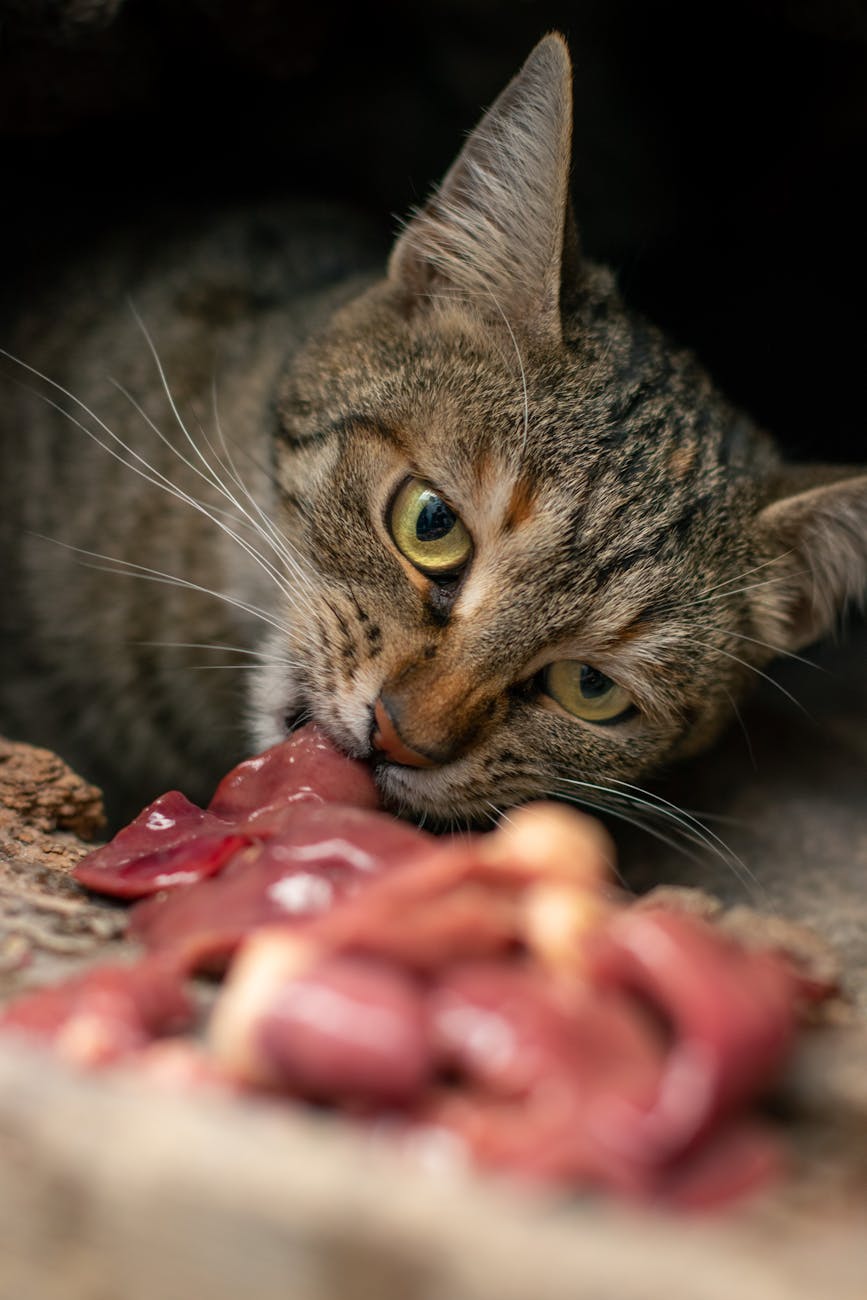
But an increasingly bigger slice of the market has been claimed by companies selling “premium” raw food — and that’s been the primary infection vector for domestic cats, particularly indoor cats who otherwise would have little or no exposure to the virus. (Cats who spend time outdoors can catch bird flu by preying on infected animals, just as wild cats do, and barn cats have caught it by drinking the milk of infected cattle.)

Cats are mostly lactose intolerant, and should not be given cow’s milk, despite the common misconception that it’s healthy for them.

“The animals that were depopulated could potentially have ended up in the food chain for pets,” Laura Goodman, an assistant professor at Cornell University’s Baker Institute for Animal Health, told NBC News. “It’s not uncommon for substandard meat to end up in the pet food chain.”

That’s what happened to Tim Hanson’s beloved cat, Kira, who died in February after eating raw food from a company called Wild Coast. The company has recalled the product, Boneless Free Range Chicken Recipe. It’s one of four recalls in the last month alone.

Hudson is suing Wild Coast for the veterinary bills — about $8,000 — and said he was devastated that Kira, whom he called “the happiest cat,” is gone. He said he thought he was doing right by her by feeding her the expensive raw food, but now urges people to avoid feeding their cats raw food at all costs.

“I don’t want any more cats dying,” he said. “Hopefully people can learn from Kira’s passing.”

Top image via Pexels. All other images via Wikimedia Commons
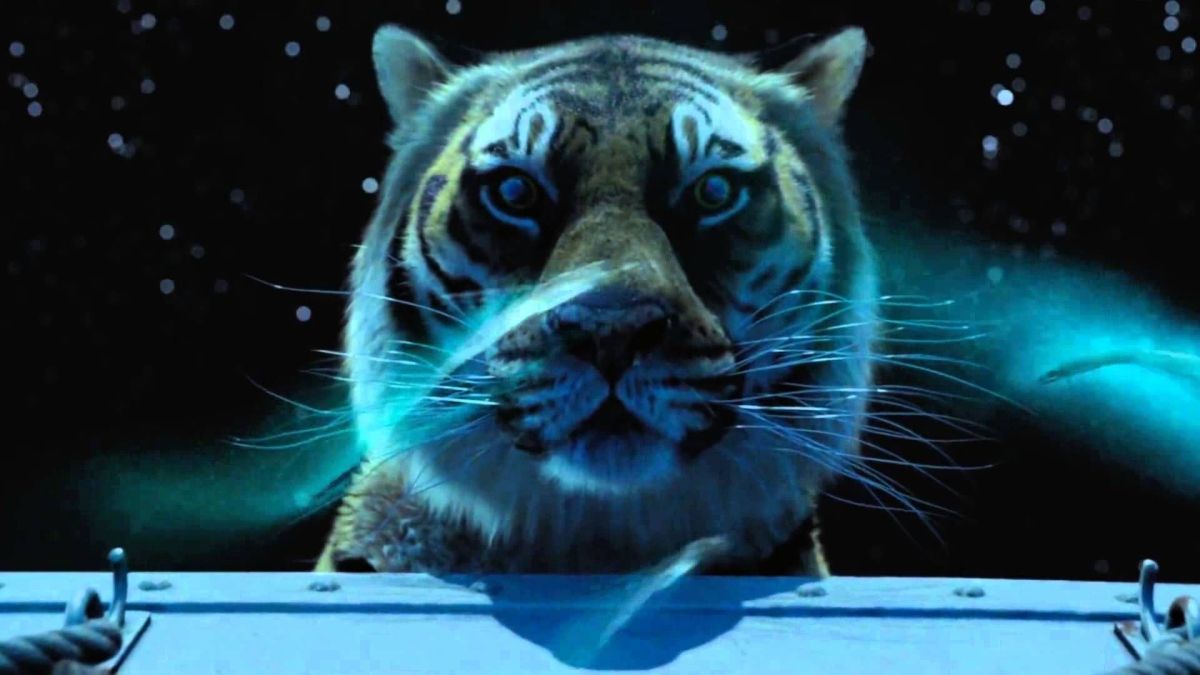
Buddy Cast As Richard Parker In Life Of Pi Remake

The famous feline embraces the role of a beloved tiger in a reboot of the Academy Award-winning film. Critics praised the casting, noting Buddy’s strong resemblance to Richard Parker.

LOS ANGELES — Buddy the Cat will star as the main antagonist in an upcoming remake of Life of Pi, Variety reported on Monday.

The silver tabby cat will pad into the role of Richard Parker, a Bengal tiger who finds himself sharing a small boat with a teenage boy named Pi after they survive a storm that sinks their ship.

Alone, hungry and scared, Pi and Richard Parker must learn to trust each other as they drift west with no land in sight.

In one memorable scene from the 2012 original, a gluttonous Richard Parker hoards hundreds of fish while refusing to share with Pi.

“A lot of people think Richard’s being greedy,” Buddy said, “but put yourself in his paws. You can’t get turkey out there. Pi isn’t exactly volunteering to open cans of the good stuff. It’s a cat eat fish world.”

(Above: Buddy the Cat as Richard Parker is “indistinguishable” from the original character, the movie’s casting director says.)

One of the most memorable sequences involves the duo drifting toward an island paradise under the stars as the ocean glows a bioluminiscent blue. The scene takes on a trippy quality as boy and tiger hallucinate tasty, juicy fish paddling lazily through the night air.

“As an actor, you embrace the challenge of imagining all these scrumptious, decadent fish and, you know, your stomach just rumbles,” Buddy told an interviewer.

Richard Parker's Fish

The silver tabby said the film is helping him grow as an actor.

“When my agent sent me the script, I thought ‘Life of Pie?’ You know, I like pie. Shepherd’s pie, chicken pot pie, paella, steak and guiness pie,” he said. “So to prepare for the role, I ate a lot of pie.”

Buddy The Cat Furious After Can Opening Turns Out To Be Corn

Cats are deeply traumatized when they hear the distinct sound of a food package opening and discover it’s not for them.

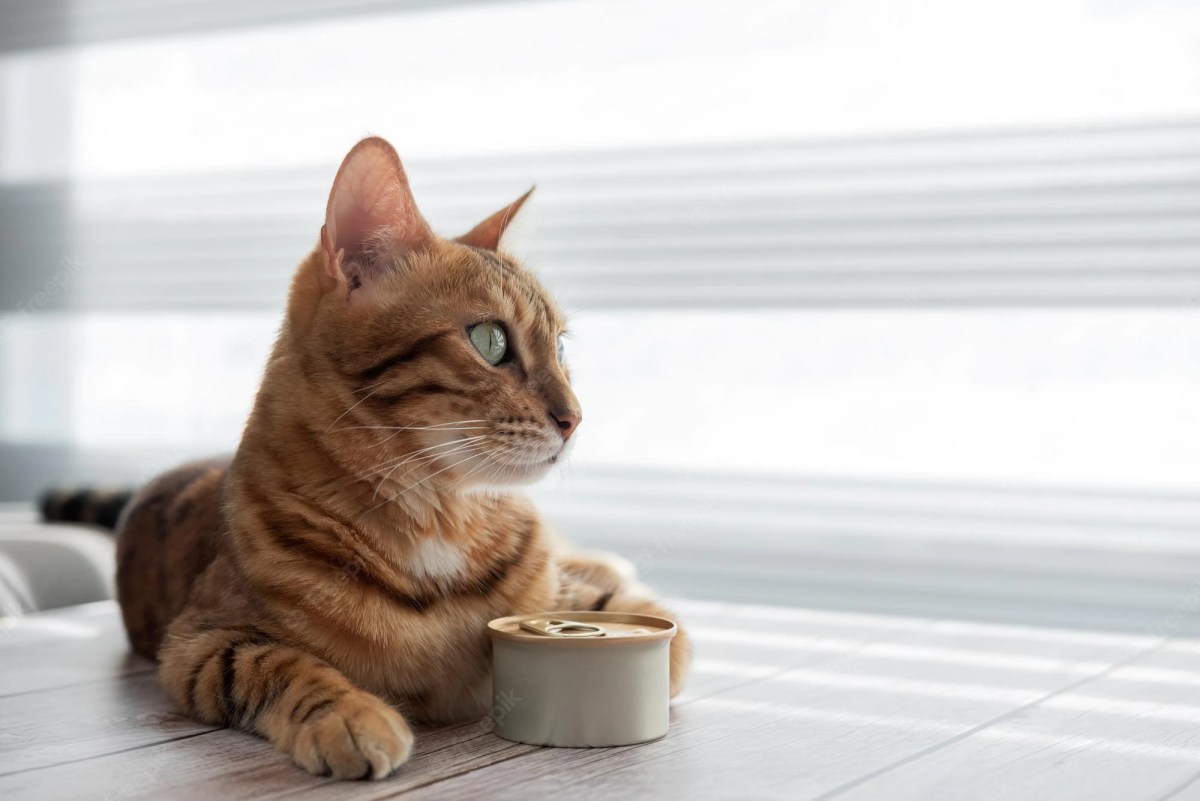
NEW YORK — Buddy the Cat was enraged Friday night when he was woken from a deep sleep by the sound of an aluminum can being opened, then bolted upright, jumped off the bed and ran to the kitchen only to find his human with a freshly-opened can of corn in his hands.

Calling such incidents “cruel teases” and “deeply unfair” to him and other felines, the silver tabby demanded the food industry develop alternate methods of packaging human food.

“We’ve all heard the plasticky rustle of a bag and come running, just drooling with anticipation for the Temps only to skid to a halt as we catch that first putrid whiff of sour cream and onion potato chips or tortilla chips,” Buddy told reporters at a press conference later Friday evening. “I’m not judging, by the way, but human food is disgusting. I mean, you literally eat leaves and call it ‘salad’ so you forget you’re eating leaves. Give me a mound of chicken in a paste-like consistency any day.”

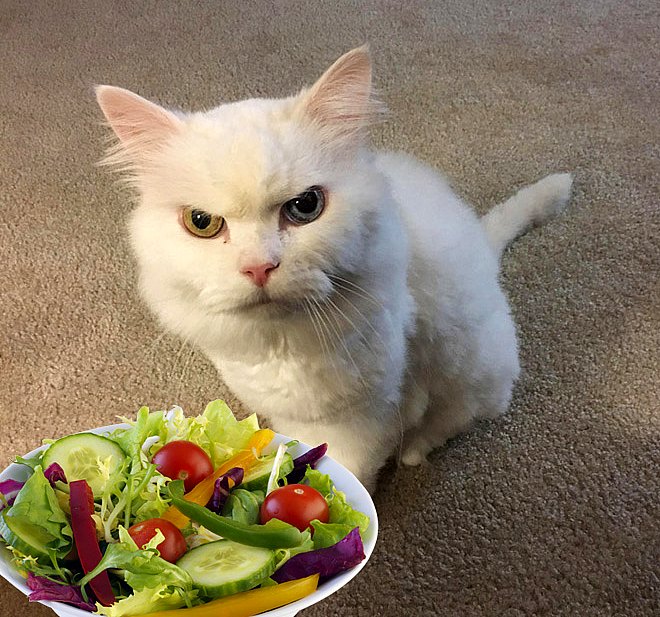
Cats don't like salad!
Torture: Cats are offended by the very presence of salad. How can humans consume such disgusting food?

Joining him at the podium, four-year-old Siamese Burton recalled his disappointment at hearing the crinkle of an aluminum package and scurrying to the kitchen to witness his servant, Olivia, scattering 4C breadcrumbs onto a vegetarian casserole bound for the oven.

“I almost puked,” Burton said, shuddering from the trauma as Buddy placed a supportive paw on his shoulder. “Vegetarian casserole! Vegetables! How do you people eat this stuff? It’s madness!”

If humans were genuinely considerate of their feline friends, Buddy insisted, they’d make some of their own food palatable to cats.

“I’m not just talking about cooking a nice steak without any spices or sauces,” Buddy said. “Why not make beef pate flavor potato chips or apples that taste like salmon? Has anyone ever thought of tuna-flavored ice cream? I bet you wouldn’t even be able to keep it in stock, that’s how popular it would be.”

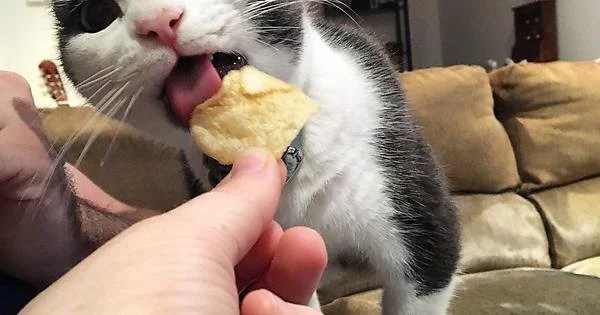
Cat chips
Salmon-flavored potato chips would be a hot seller, President Buddy insists. Credit: Reddit

The former president of the Americats said his bad experiences with food have even prompted ideas about opening up his own restaurant for cats.

“Not one of those lousy casual dining places either,” he said. “I’m talkin’ about a nice type of joint where the waiters wear bow ties and open the cans right in front of you at the table. The kind of place that has you check your collar at the entrance, where you could take a lady friend.”

Reached after his feline’s hastily-arranged press conference, human Big Buddy said he wasn’t aware his cat was campaigning for alternative forms of food packaging.

“That’s tragic,” he said, “because I’ve got a big bag of pistachio nuts I’m planning on opening later. Maybe I’ll wait to do that until Bud’s fast asleep. You know, for entertainment purposes.”