How can homo sapiens improve in their capacity as honored servants to felinekind?
Humans have proved their species’ worth over the years by serving us faithfully and completely, but there’s always room for improvement!
How can humans better serve us?
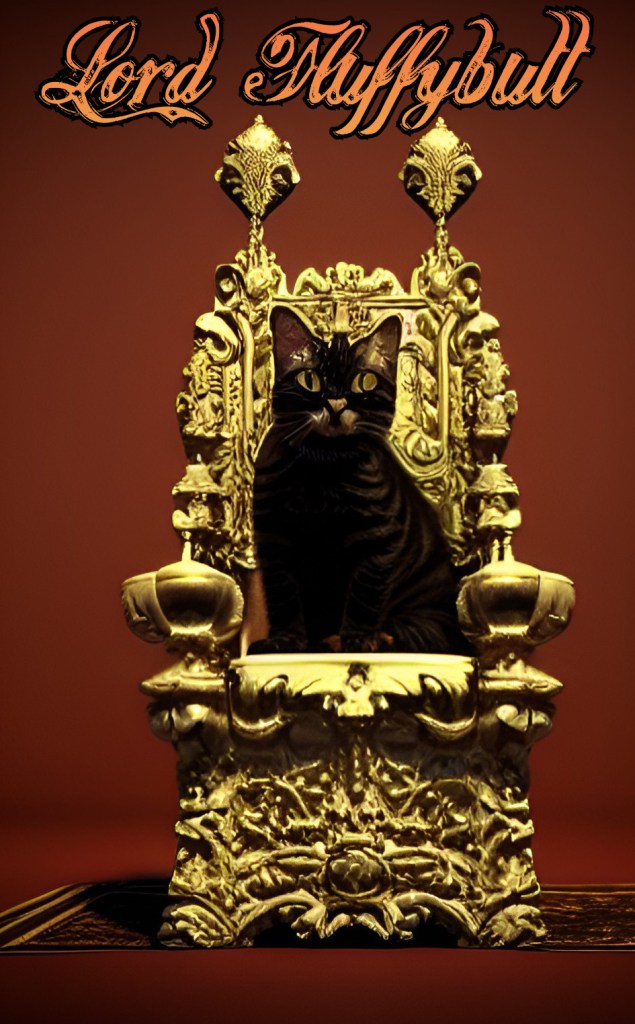
“Why not hire a bard to write and sing glorious songs celebrating my conquests and my many meowgnificent qualities?” – Lord Fluffybutt 1, Warden of the West
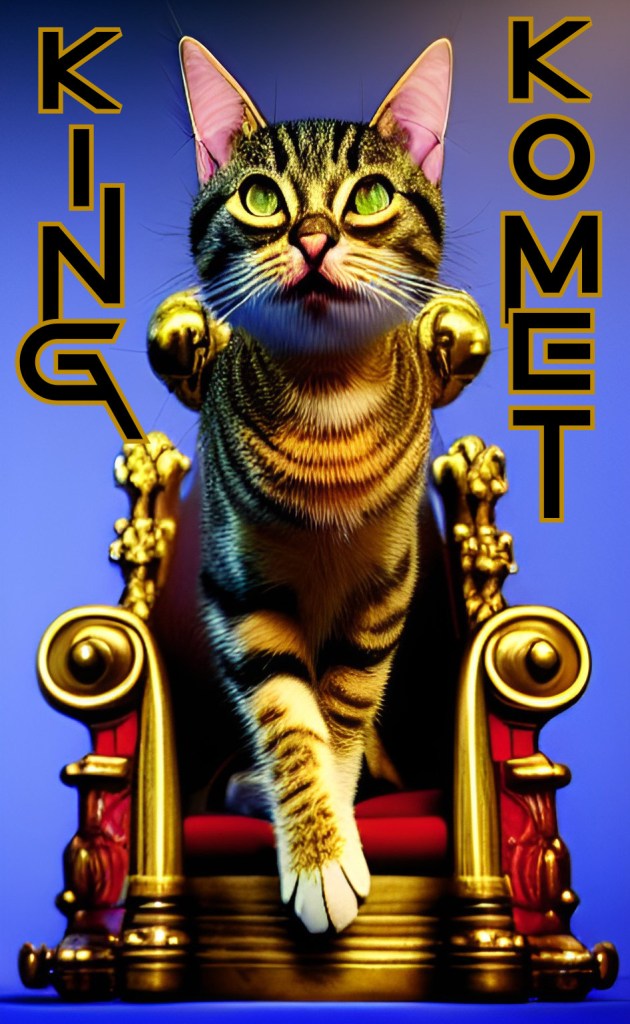
“They can bend the knee! No, I mean like actually bend the knee. The lack of bowing and scraping around here is appalling.” – King Komet, 9, magnanimous ruler
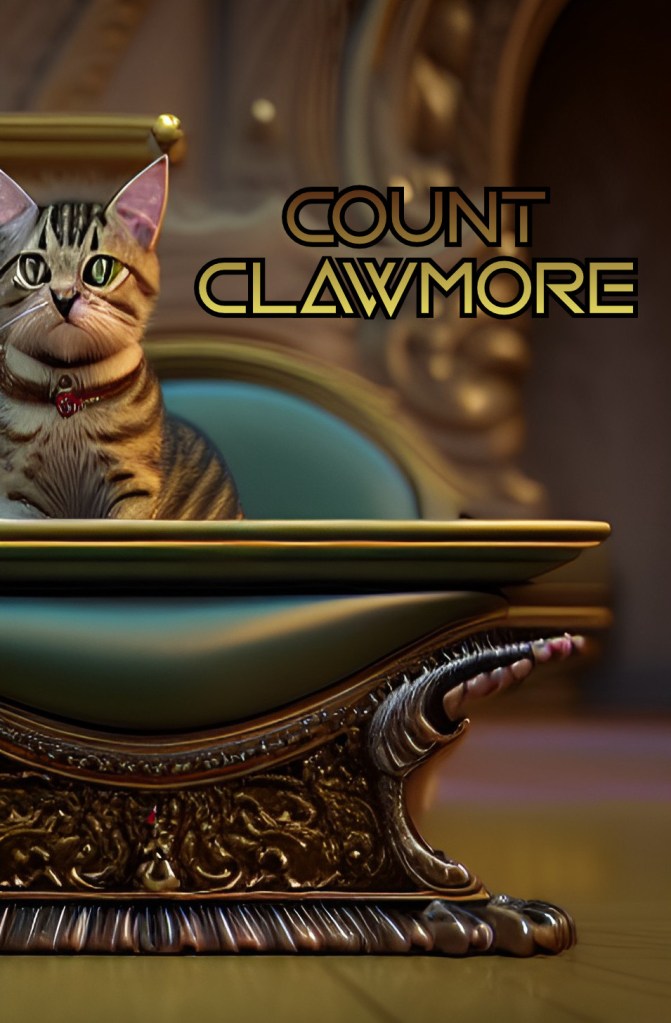
“YOU SEE HOW MY HUMAN’S TOES MOCK ME? SEE HOW THEY WIGGLE AS THE HUMAN SNORES? I WILL NOT REST UNTIL I DEFEAT THE FEET!” – Count Clawmore, 7 months, kitten lord
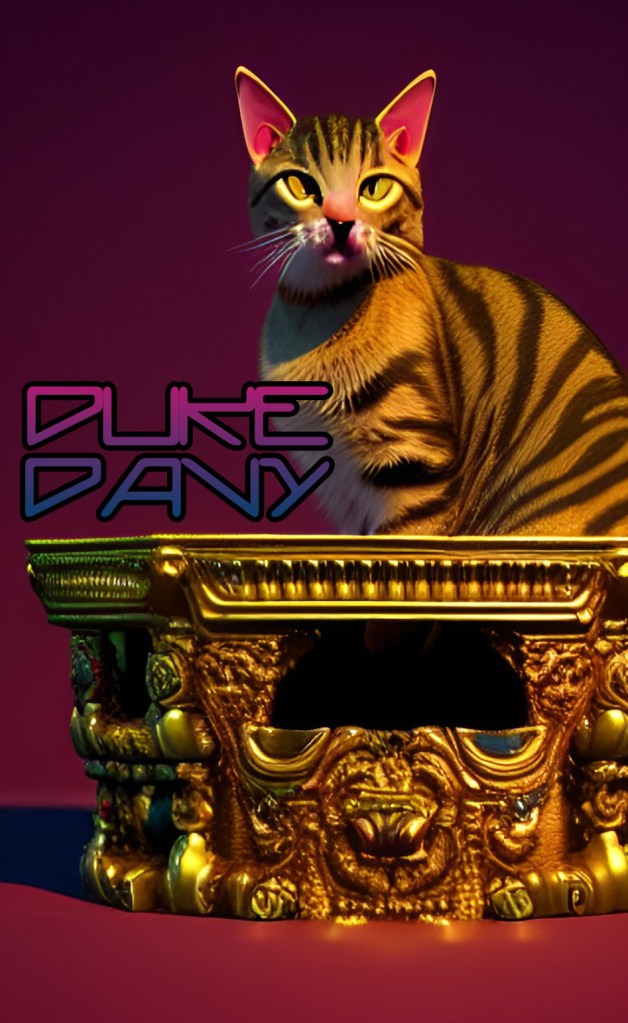
“All I want is a catio, a new condo, free access to catnip, massages on demand and meals when I meow for them. Is that too much to ask?” – Duke Davy, 14, senior statescat
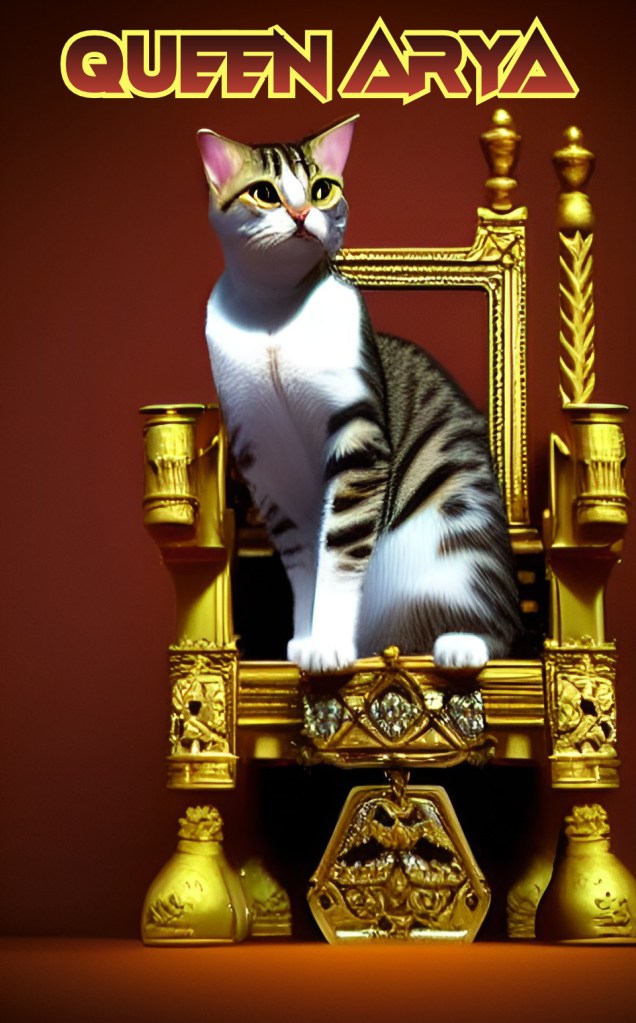
“It would be helpful if my human never left the house, so she’s always around to serve me. What do humans need to go outside for anyway?” – Queen Arya, 6, dynastic monarch
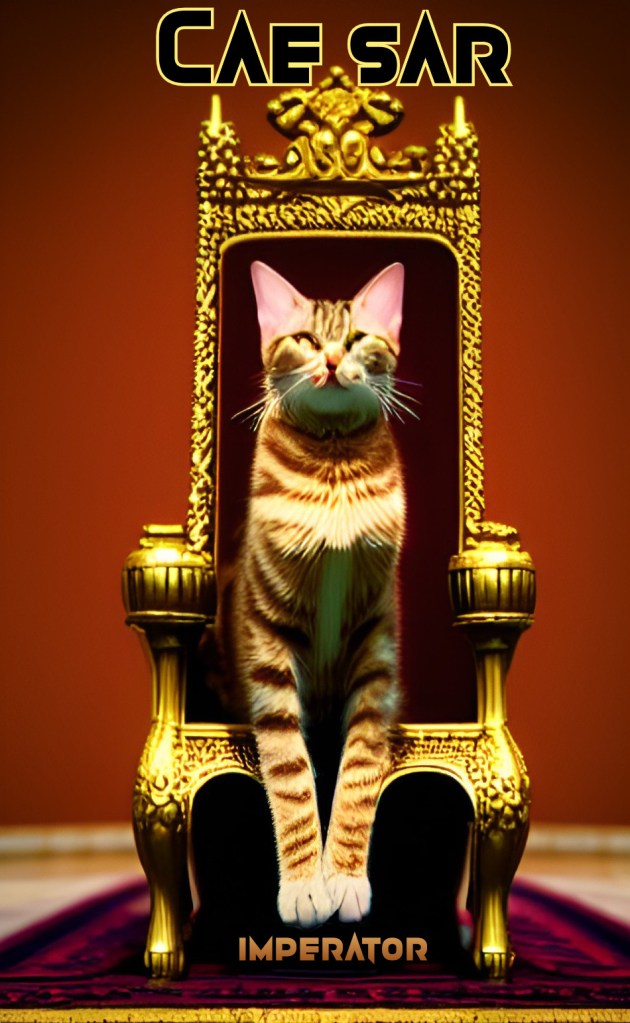
“Sleeping on my servant is very comfy, but I don’t like how his chest rises and falls while he’s breathing. He needs to stop doing that, it’s annoying.” – Caesar the Imperator, 10, conqueror
After maintaining busy and hectic schedules all year, cats get to kick their paws up and finally relax on the holiday weekend.
Today is Labor Day, a federal holiday first recognized 128 years ago to highlight the achievements of the US labor movement and the rights of workers. Labor Day caps off a three-day weekend marking the end of summer.
What are your plans for Labor Day?
“Lots and lots of napping. I’ve been getting by on a paltry 14 hours a night all week.” – Jimmy, 7, couch warmer
“Nothing special. I’m just going to relax and kill a few insects.” – Tilda, 12, window sentinel
“CHECK IT OUT MY SHADOW MOVES!!! WATCH MY TAIL!! MY TAIL’S SHADOW MOVES WHEN I MOVE MY TAIL!!” – Fluffistapheles, 3 1/2 months, kitten scientist
“First of all it’s labour, dear chap, and it puts ghastly ideas about slacking off in the heads of our bipedal servants. I plan to studiously ignore it, particularly because you Americans celebrate it on the wrong day.” – Alastair, 3, British cat
“What’s labor?” – Marshmallow, 5, professional napper
“Why? You plan to tell me what I can do? LOL!” – Apollo, 10, taste tester
One software engineer went to incredible lengths to monitor her cat’s bathroom habits.
When Alan Turing, the father of artificial intelligence, posed the heady question “Can machines think?”, he inspired generations of computer scientists, philosophers, physicists and regular people to imagine the emergence of silicon-based consciousness, with humanity taking the godlike step of creating a new form of life.
And when science fiction writer Philip K. Dick wrote his seminal 1968 novel, “Do Androids Dream of Electric Sheep?” — the story that would eventually become Ridley Scott’s 1982 classic Bladerunner — he wondered what makes us human, and whether an artificial being could possess a soul.
It’s safe to say neither of those techno-prophets were thinking of fledgling AI algorithms, representing the first small steps toward true machine-substrate intelligence, announcing themselves and their usefulness to the world by helping us watch felis catus take a shit.
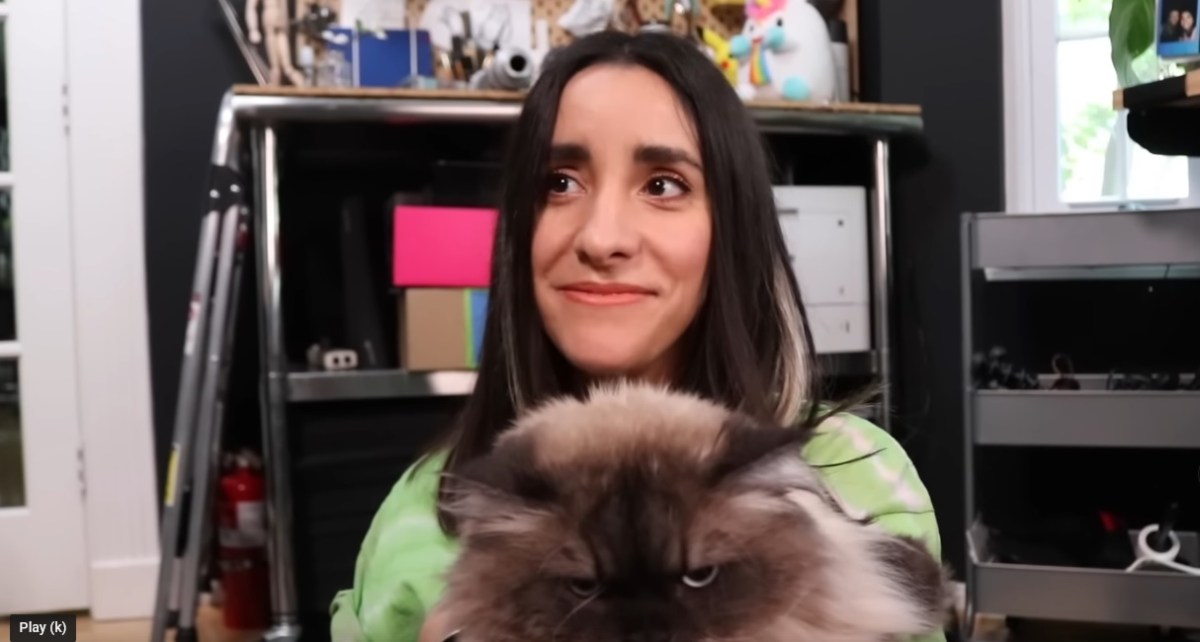
And yet that’s what the inventors of the LuluPet litter box designed an AI to do, and it’s what software engineer and Youtuber Estefannie did for her cat, Teddy, who’s got a bit of a plastic-eating problem.
“The veterinarian couldn’t tell me how much plastic he ate, and it would cost me over $3,000 [to find out]. So I didn’t do it,” Estefannie explains in a new video. “Instead, the vet gave me the option of watching him go to the bathroom. If he poops and there’s no plastic in his intestines, then he won’t die, and he might actually love me back.”
Estefannie casually described how she wrote a python script, set up a camera and motion sensor, and rigged it to take photos of Teddy doing his business. But, she explained, there was “a tiny problem”: Luna the Cat, aka her cat’s cat.
“This is Luna, this is technically not my cat, this is Teddy-Bear’s cat, and she uses the same litter box as Teddy,” she explained.
For that, she’d need more than a script. She’d have to build a machine learning algorithm to gorge itself on data, cataloguing tens of thousands of photos of Teddy and Luna along with sensory information from the litter box itself, to learn to reliably determine which cat was using the loo.
So Estefannie decided it was a good opportunity to “completely remodel” Teddy’s “bathroom,” including a compartment that would hide the bespoke system monitoring his bowel movements. The system includes sensors, cameras and lights to capture still images of Teddy dropping deuces in infrared, and a live thermal imaging feed of the little guy doing his business. (Teddy’s luxurious new bedroom turned out to be too dark for conventional cameras, thus the pivot to infrared.)
From there, Estefannie manually calculated how long Teddy’s number ones and twos took, and cross-referenced that information with photo timestamps to help determine the exact nature of Teddy’s calls of nature.
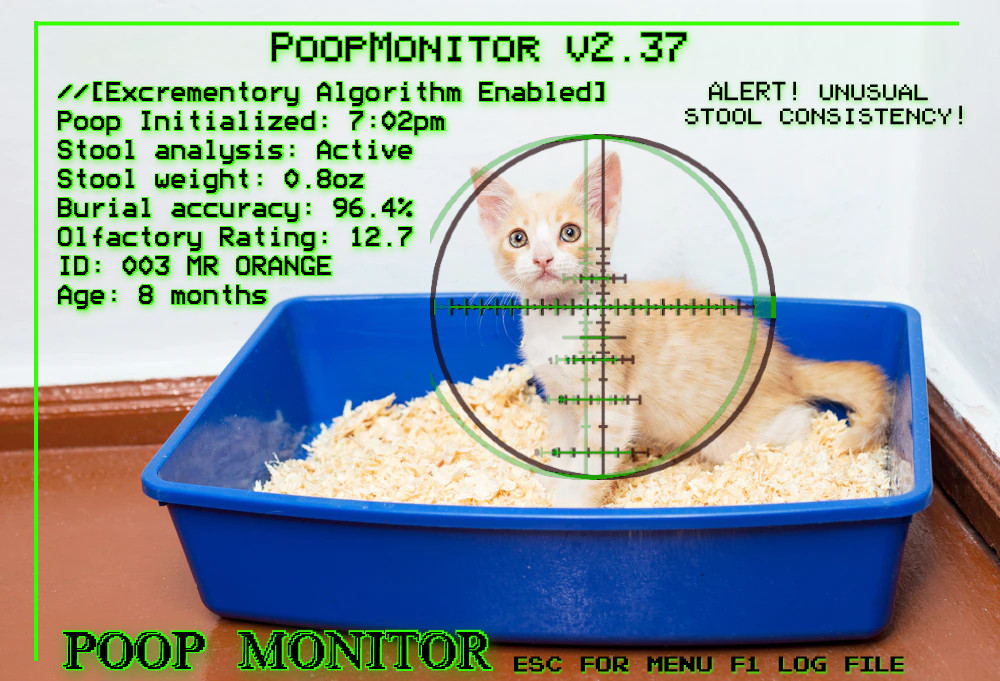
The future! (Note: This is our cheesy photoshopped interpretation, not Estefannie’s actual stool monitoring interface.)
When all the data is collected, Estefannie’s custom scripts sends it to an external server, which analyzes the images from each of Teddy’s bathroom visits and renders a verdict on what he’s doing in there.
Finally, Estefannie gets an alert on her smartphone when one of the cats steps into the litterbox, allowing her the option of watching a live feed and, uh, logging all the particulars. The software determines if a number two was successful, and keeps detailed records so Teddy’s human servant can see aberrations over time.
“So now I definitely know when Teddy-Bear is not pooping and needs to go to the hospital,” she said.
I am not making this up.
For her part, Estefannie says she’s not worried about a technological singularity scenario in which angry or insulted machines, newly conscious, exact revenge on humans who made them do unsavory tasks.
“Did I make an AI whose only purpose in life is to watch my cats poop?” Estefannie asked, barely keeping a straight face. “Mmmhmm. Will it come after me when the machines rise? No! Ewww!”
From Nala Cat the incredibly popular influencer to Tomasso the stray from Rome, these cats are worth millions.
There was quite a bit of interest in our earlier story about Choupette, pet and muse to late fashion designer Karl Lagerfeld.
While Choupette was left a large slice of Lagerfeld’s reported $200 million fortune — usually pegged at about $13 million inheritance — as well as the services of a private jet, a chef and minders to see to her needs, she’s not the wealthiest feline on the planet.
Nala Cat: Estimated net worth $100 million
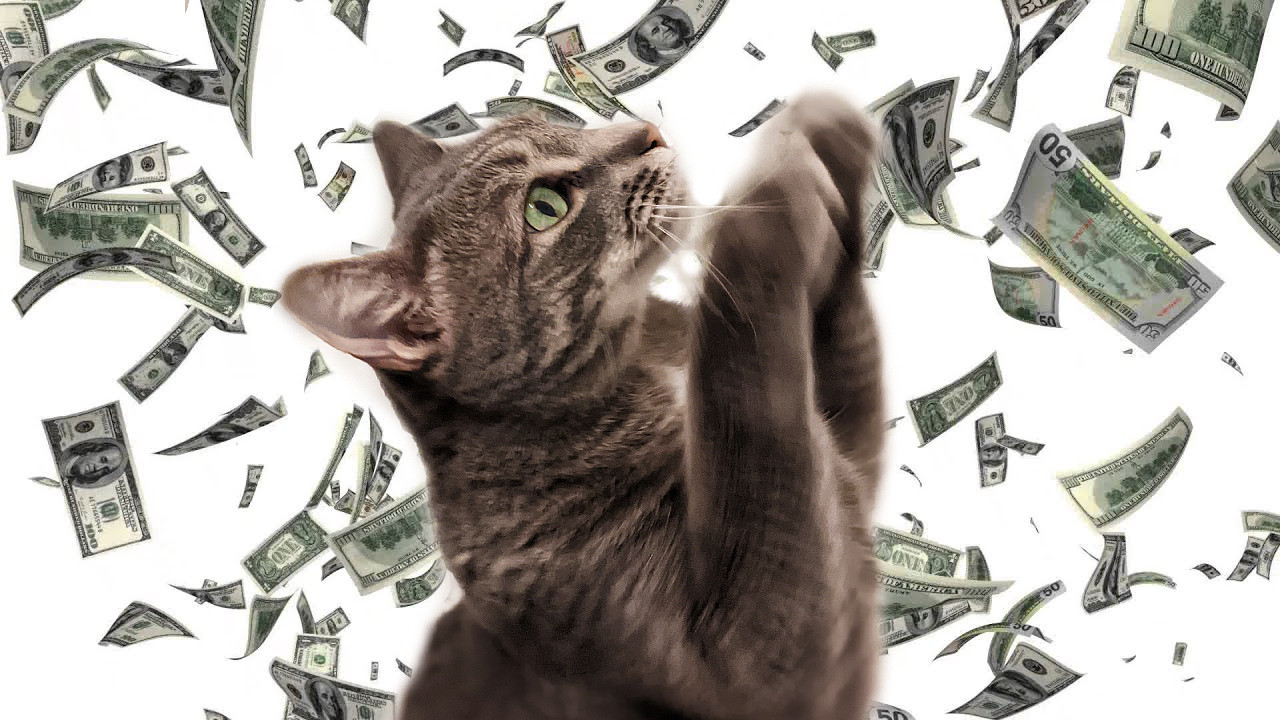
Nala Cat has 4.4 million followers on Instagram, her own line of cat food, and a website that sells Nala-themed shirts, phone cases, coffee mugs, plush toys, pillow covers and even COVID masks. With her gigantic social media following, which has earned her an official Guinness World Record, Nala has enormous earnings potential, taking home five- and six-figure sums for sponsored posts hawking products like topical cream for pets and milk alternatives.
Nala isn’t too happy about getting a bath.
Chances are you’ve seen Nala even if you don’t know her name.
Olivia Benson: Estimated net worth $97 million
Unlike her celebrity ex-boyfriends, Taylor Swift’s cats don’t provide her with sad breakup material for new songs, but they do give her plenty of material for social media and additional opportunities to make money. (Because let’s face it, she needs it: The singer has amassed a paltry half-billion dollars so far.)
Swift named her most famous cat Olivia Benson, which we’re told is the name of a character on Law & Order. (Apologies but once you watch The Wire, there is no going back to network TV cop dramas where the detectives are always righteous and neatly wrap up their cases in 42 minutes.) Since she was purchased by swift in 2014, Olivia Benson has gone on to star in commercials for Coke and Keds, make guest appearances on Ellen, and cameo in Swift’s music videos.
Buddy the Cat: Estimated net worth $3.67 (dollars, not millions)
While Choupette rides the skies in a private jet, Nala cat has more fans than most celebrities and Olivia Benson is feted by talk show hosts, Buddy the Cat is no slouch either: The silver tabby is chauffeured around in style in a Honda Civic, boasts an extensive food and treat cabinet that can keep him in turkey for like three weeks, and is the proud owner of a really cool cardboard box. (Not as awesome as Olivia Benson’s boxes, obviously, but still pretty cool.)
However, Buddy also has something none of the other cats on this list have: His own site with near-daily updates chronicling his adventures, attesting to his ever-growing meowscles and expanding on his legend with every post.
Most importantly, he has the love of his Big Buddy. (Awwww.) Asked what he’d do with a fortune if he suddenly became a hugely popular catfluencer, Bud said he’d buy a Roomba to ride.
“Monetize the site, human! We could be multi-thousandaires! I could have a Roomba!”
Blackie the Cat: Estimated net worth $12.5 million
Blackie belonged to Ben Rea, a millionaire antiques dealer from the UK. According to press reports, Rea was estranged from his family when he died at age 82 in 1988, so he left millions to Blackie.
Rea had some self-awareness at least — reports say he left millions, representing the bulk of his fortune, to three animal charities of his choosing. He also left a house to a close friend and willed money to his housekeeper, gardener and plumber. (Dude really didn’t like his relatives, apparently.)
Unlike the others on this list, Blackie was certified as the wealthiest cat by the Guinness Book of World Records. It’s not clear when Blackie died or what became of the remainder of his fortune. Unless he had an outrageous catnip habit and blew millions on attractive Calico escorts, it’s safe to say he didn’t burn through all $12.5 million in his remaining time on Earth.
“I’m cold! Throw another thousand on the fire and bring me a heavier blanket, servant!”
Tomasso the Cat: $13 million
In a true rags to riches story, Tomasso was a stray living on the streets of Rome when he was adopted by a lonely widow in her 90s. The woman, Maria Assunto, had no children of her own and treated Tomasso like a son.
When she died in 2011 at the age of 94, Assunto left Tomasso and all her money to a nurse named Stefania.
Stefania had befriended Assunto and Tomasso a few years earlier after meeting them in a public park. The nurse would bring her own cat over to Assunto’s home to play with Tomasso, and cared for Assunto as her health declined. As Assunto began to fade, she asked Stefania to care for Tomasso once she was gone.
Stefania had no idea Assunto was worth millions and was shocked when the late widow’s lawyers approached her.
“I promised her that I would look after the cat when she was no longer around. She wanted to be sure that Tommaso would be loved and cuddled. But I never imagined that she had this sort of wealth,” she said at the time. “She was very discreet and quiet. I knew very little of her private life. She only told me that she had suffered from loneliness a lot.”
Perhaps it was because Stefania had cared for Assunta and Tomasso out of the kindness of her heart that the latter chose her as her sole beneficiary.
“She had become very fond towards the nurse who assisted her,” Anna Orecchioni, Assunta’s attorney, told Italian newspaper Il Messaggero. “We’re convinced that Stefania is the right person to carry out the old lady’s wishes. She loves animals just like the woman she devoted herself to right up until the end.”
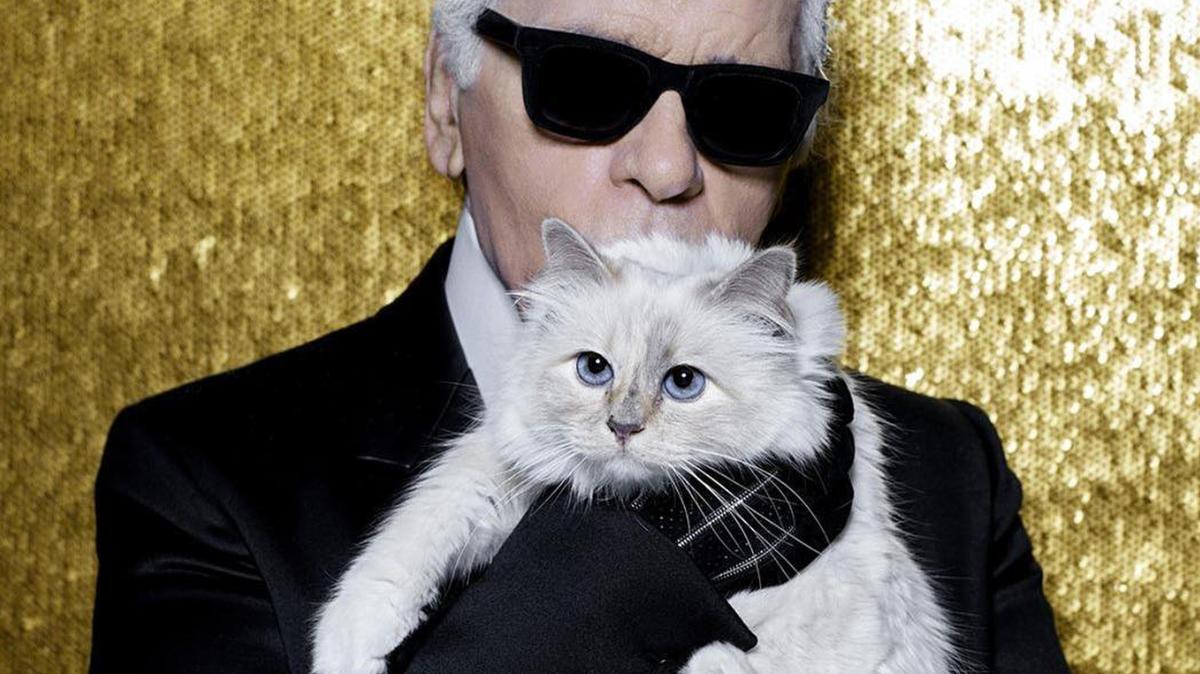
Choupette has her own custom Louis Vuitton carrier and enjoys perks like a personal chef.
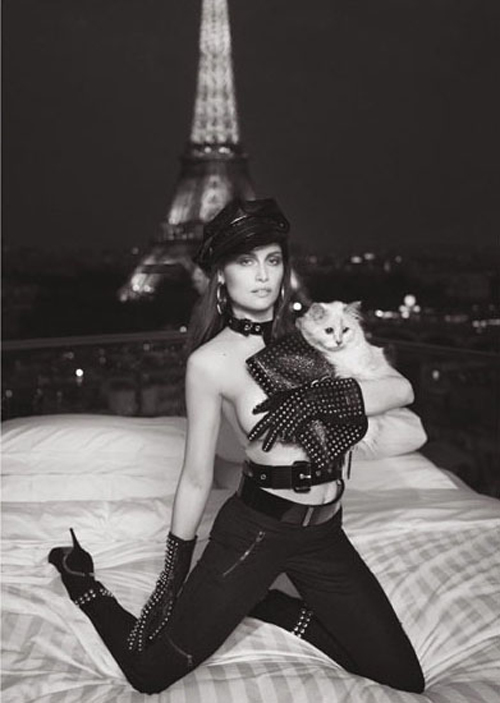
Choupette Lagerfeld travels the world in her own private jet, appears in commercials for Japanese beauty projects and has graced high fashion covers, including a shoot with French supermodel Laetitia Casta for V Magazine.
At one point she traveled with a body guard, two minders, a personal chef and her own doctor, according to the New York Times. She drinks and eats from silver bowls and enjoys a one-of-a-kind Louis Vuitton carrier.
Oh, and she’s worth millions.
Choupette (“sweetie” in French) is a white-and-cream Birman with subtle tabby marks on her head, and she was adopted by Karl Lagerfeld in 2011. The German designer, who was the creative director of fashion houses Chanel and Fendi, died of pancreatic cancer in February of 2019 but left a considerable fortune to his cat.
On Thursday, Choupette’s minders marked her 11th birthday by sharing a snap to her Instagram, choupetteofficiel, showing the fabulously wealthy feline aboard her private jet, with a cake presumably made of pâté, a bottle of champagne, balloons and various gifts from her late human’s fashion collections.
“Happy birthday to me,” the post reads. The pampered puss’ Instagram has 121,000 followers.
Choupette celebrated her birthday on Aug. 18. A snap shows her celebrating on her private jet, which ferries her between modeling gigs and vacation spots like Ibiza.
No one’s sure precisely how much Choupette is worth, but Lagerfeld — who had a net worth between $170 million and $300 million, per reports — left her a considerable sum.
“She’s an heiress,” Lagerfeld told an interviewer. She “has her own little fortune.”
Like human celebrities she’s the subject of net worth profiles on various sites, which list an often-cited $13 million number. Some of that money includes her own earnings for commercials in Japan and Germany, where she’s been the face of beauty products and luxury cars, respectively.
Sacre bleu! The Eiffel Tower, a French supermodel and Choupette! This photo was printed in V Magazine, which featured Laetitia Casta and Choupette in a 10-page spread.
I’m kind of at a loss for words here. Anything I could say seems so obvious.
However, I’m thinking it may be time to put Buddy’s good looks and charm to use for once and arrange some sort of meet cute with Choupette.
The name Buddy would have to go. He’d have to be called something appropriately, Frenchly snooty, like Jean-Luc Budélard Lucien or Yves Buddiene Baptiste. I’d have to school him in Parisian meowing, invent a suitably bohemian upbringing for him, and fabulate a skill that hints at his creative genius. Perhaps he’s inspired by Choupette’s late human and works as creative director of the Buddeaux fashion house, or maybe he creates abstract art by smearing paint on a canvas with his paw pads.
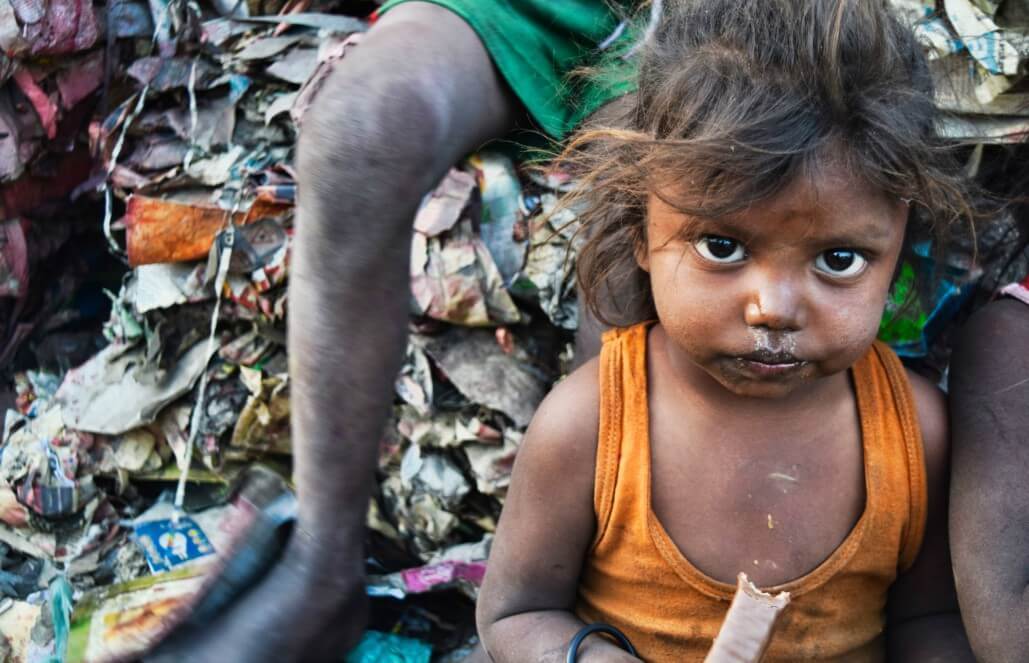
Meanwhile, in India…
Street kids eat from the garbage, wear tattered clothes and exist beneath the notice of the rest of society.







 Pain In The Bud