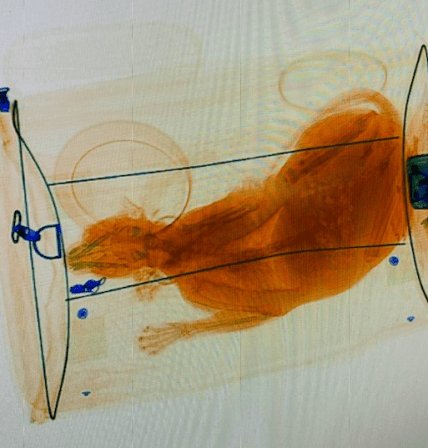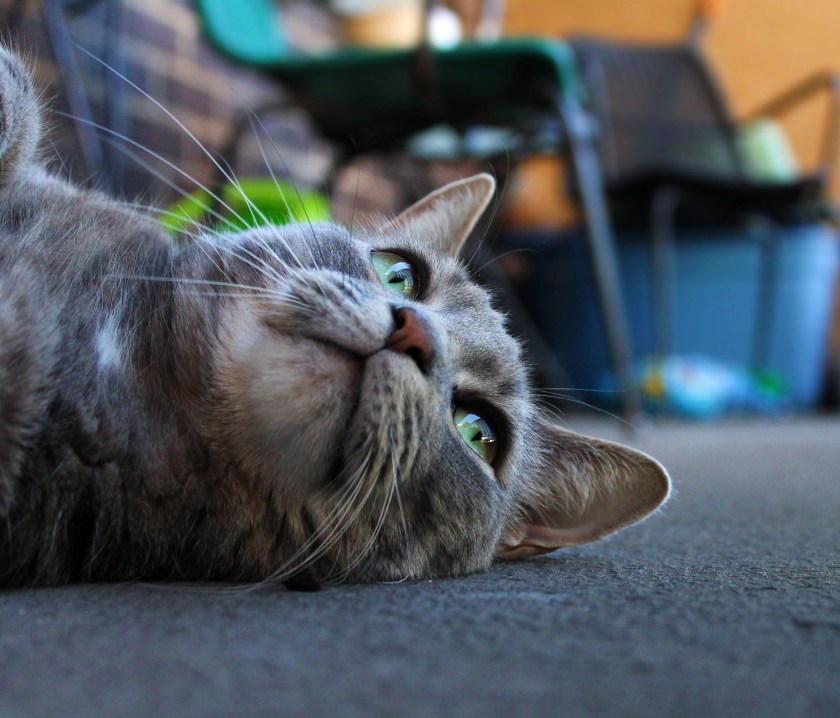
Watch the premiere of Buddy: Perfect Predator exclusively streaming NOW on PITB!
It’s here!
The long-awaited documentary feature: “Buddy: Perfect Predator” has arrived on PITB.
Join Sir David Cattenborough and his intrepid crew of wildlife videographers as they follow the elusive Buddinese tiger through the dense undergrowth and dangerous terrain of its natural habitat in suburban New York.
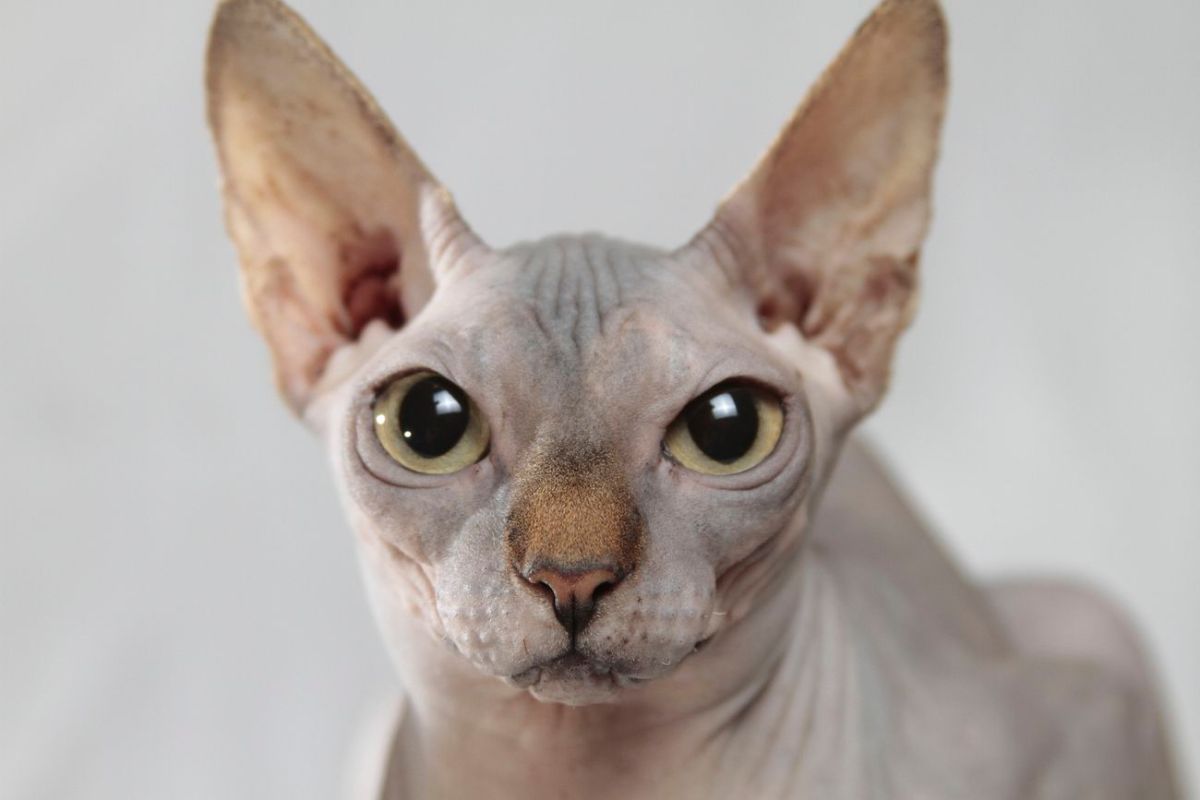
Watch never-before-seen footage of the silver-furred Buddy stalking his prey, lounging, sleeping and eating, and follow a tense encounter between the Buddy and a red laser dot.
“I’m extremely proud of the work we’ve done here, and I believe our audience will be thrilled to learn more about this little-known creature, who shares so many qualities with tigers, lions, jaguars and leopards,” Cattenborough said.
“We fell in love with the silver-furred Buddy as we kept our cameras trained on him, and we think our audiences will find him just as charming as we did,” the British naturalist said. “He’s such a good boy!”
(Please ensure your sound is enabled or wear headphones to hear the narration and the atmospheric sounds.)
About this video:
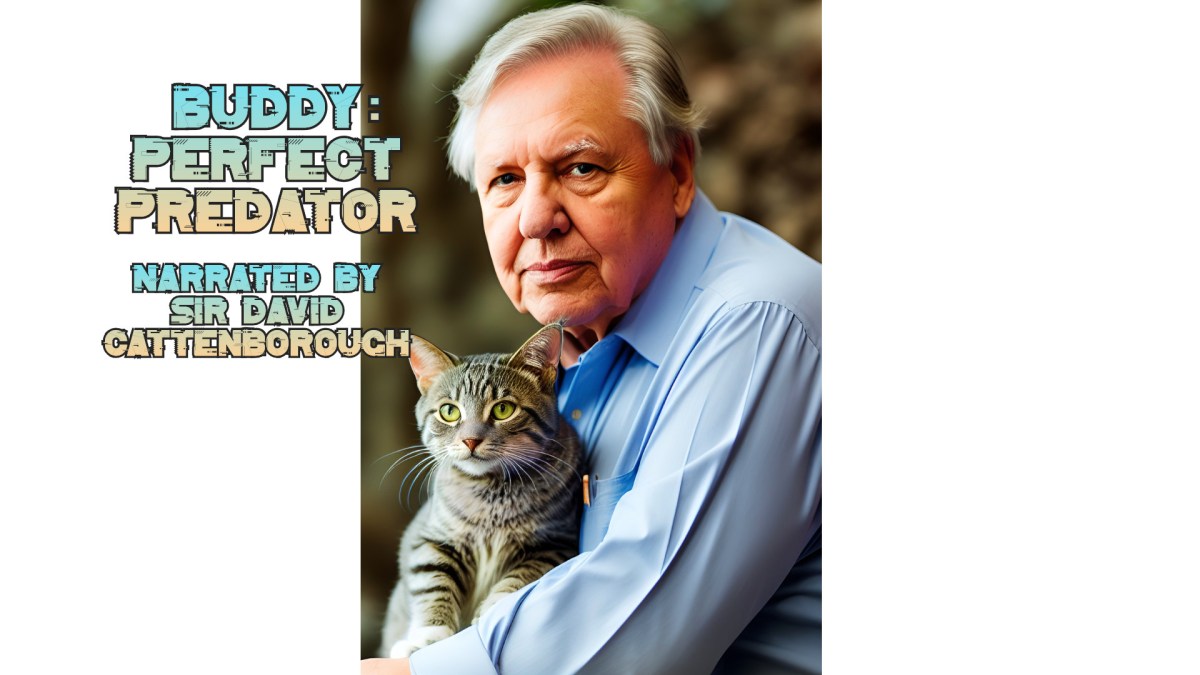
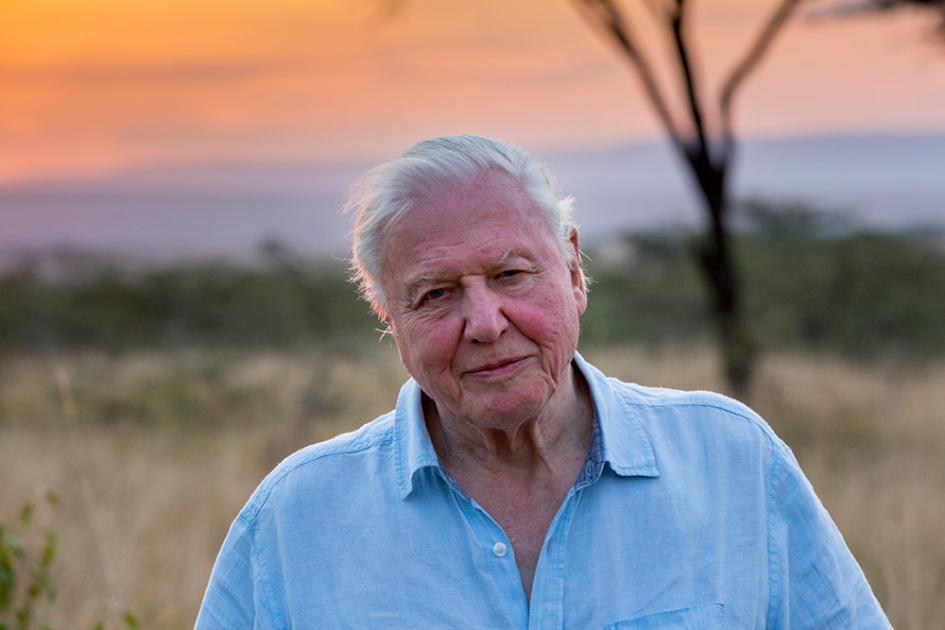
This story was made possible with the use of artificial intelligence tools. To create the images of Sir David Attenborough with Buddy, we used a natural language processing AI trained to output realistic-looking images and Pixlr to refine the images in post. To create the narration, we assembled samples of Attenborough speaking and trained a vocal synthesis AI, based on brand new technology, to mimic Attenborough’s unique pronunciation, cadence and rhythm, then layered the audio with a background of various nature sounds and incidental sounds, such as a tiger roaring.
Just a year ago it would not have been possible to generate images like this or faithfully recreate Attenborough’s famous narrative style, proving AI not only allows users to achieve things that were previously impossible, but has been making major leaps forward in short periods of time.
We believe AI, when properly used, can be a great instrument in the creative toolbox.
Finally, a thank you to Buddy for being a good sport about having cameras in his face. Great job, Bud!
The naturalist is excited to unveil his most striking documentary yet.
NEW YORK — All those hours trudging through the dense undergrowth of New York living rooms, hoping for a glance of an elusive feline, have finally paid off.
Speaking to reporters about his newest nature special, Sir David Cattenborough said he and his crew spent more than 200 hours in the natural habitat of the silver-furred Buddy.
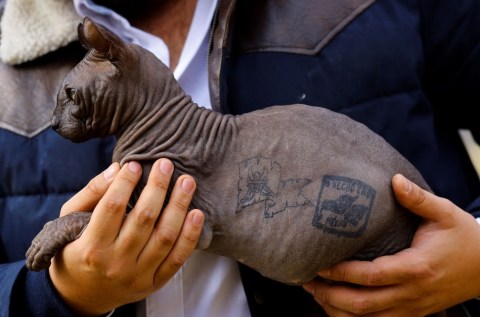
Also known as the Buddinese tiger, the silver-furred Buddy is “native to the living rooms of New York” and, with his meowscular physique, “is the apex predator of his environment.”
“What a fascinating animal!” Cattenborough exclaimed.
The famous naturalist, conservationist and documentary narrator accompanied a camera crew into the thick jungles amid couches, pillows and carpets, where they observed the silver-furred Buddy at a safe distance as the fierce feline went about sleeping, eating and lounging.
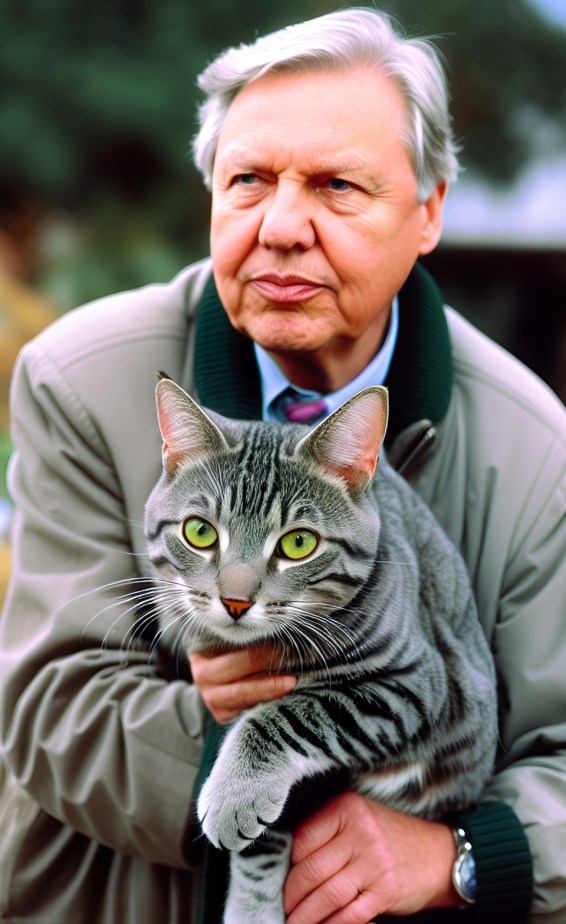
Sir David Cattenborough with Buddy the Cat.
Speaking excitedly in his familiar whimsical cadence, Cattenborough described the documentary crew’s luck in catching the Buddy on a hunt, when he ruthlessly brought down a red laser dot.
“People ask me, ‘Sir David, what makes the Buddy any different from other tigers and lions? Isn’t it basically the same animal?’ While they’re all famously fierce felids who strike fear into the hearts of other creatures, there are differences as well,” Cattenborough explained. “Thanks to the hard work of our dedicated crew, we’re able to bring our audience along as we take the closest look yet at this most elusive and fascinating beast.”
The new documentary, “Buddy: The Perfect Predator,” will be available to stream exclusively on Pain In The Bud, and was made possible by a grant from the Buddinese Foundation for Greater Buddesian Understanding, with additional financial support from the Coalition for Meowscular and Ripped Cats. Look for it this week on PITB!
Sir David Cattenborough was able to earn the trust of a silver-furred Buddy.
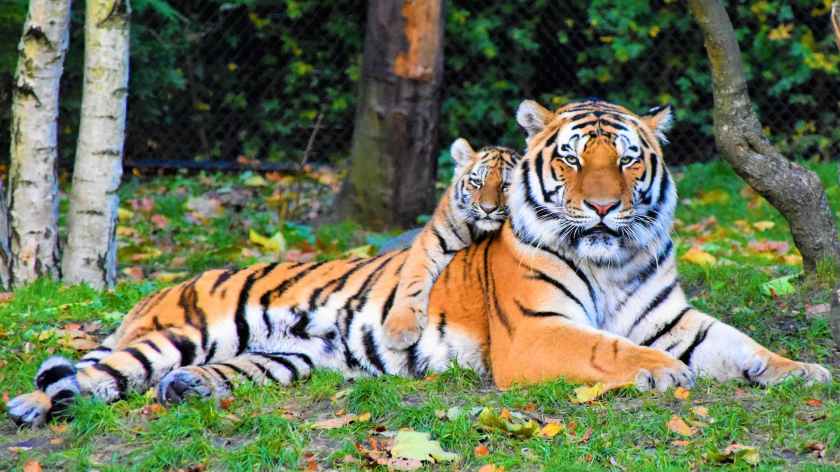
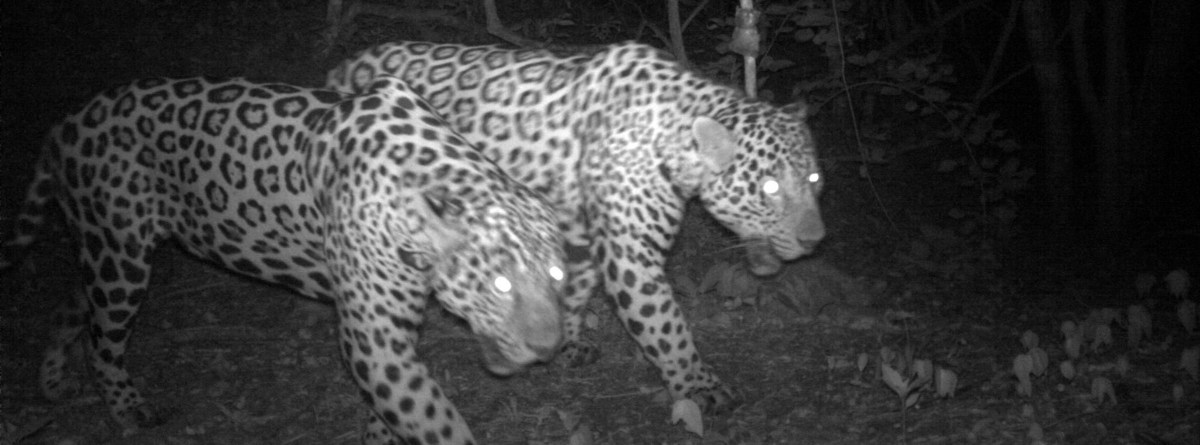
Using a network of trail cameras, researchers studied jaguars for years and observed behavior that surprised them.
Lions are famously described as the only social big cats, known for living in extended family units called prides and even forming coalitions, which young males sometimes do before they lead their own prides.
But now, thanks to a research team that monitored trail cameras in the Amazon for years, we know that jaguars form their own coalitions, doing things never before seen like patrolling and marking territory together, cooperating on kills and sharing prey. The researchers focused on areas in Brazil’s Pantanal and Venezuela’s Llanos region, both of which provide varied landscapes and water access for the famously water-friendly big cats, who are strong swimmers and prey on aquatic and land animals.
The team pored through more than 7,000 instances of jaguars appearing on the trail cameras, which gave them a look at a range of jaguar behaviors that normally would not be seen.
“It shows the value of having long-term camera tracking, movement ecology data and direct observations through citizen science,” said Allison Devlin, a co-author of the study. “And from that we’re able to see that if you have a relatively stable jaguar population, healthy prey base, and protection for the species, we can start seeing these more natural behaviors, and start understanding some of the interactions that a solitary species might have.”
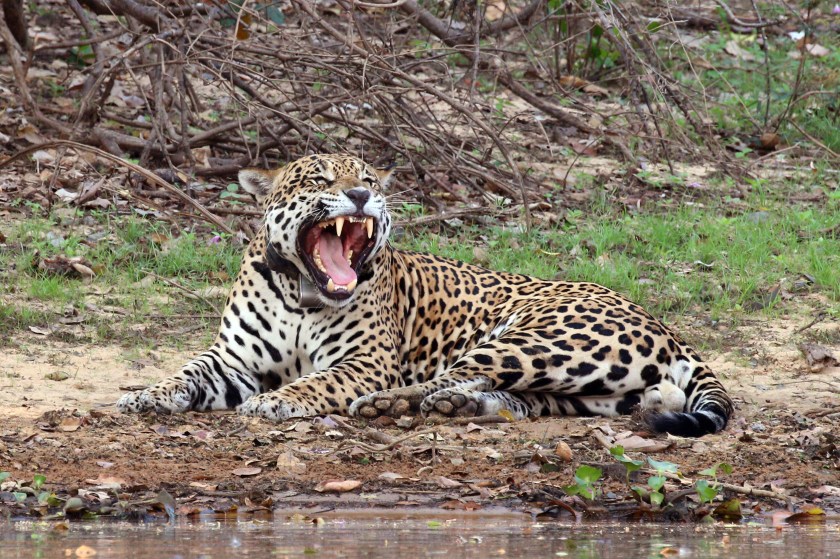
Credit: Wikimedia Commons
In two cases, coalitions between jaguars lasted for more than seven years, the researchers said. The jaguars were seen cooperating for almost every activity as they went about their daily lives in the jungle.
Not only are the findings remarkable, but they’re a reminder that we’re still woefully ignorant about the only big cat of the Americas, especially compared to lions, tigers and leopards.
“The secret life of jaguars is more complex than previously thought,” Devlin said. “We still have so much to learn about the intricate lives of these secretive wild cats, with findings that can help scientists better conserve these species and the landscapes on which so many plant, animal, and human communities depend for their survival.”
One reason they’re less studied than other big cats is because jaguars are notoriously elusive. People who have spent their lives in and on the periphery of the Amazon say jaguar eyes are on humans from the moment they enter the jungle, watching from the shadows. Yet there are no recorded cases of man-eating jaguars, and conflicts with the feline apex predators and humans are rare, most often relegated to instances where people got too close to jaguar cubs or tried to corner the animals. Jaguars do a lot of watching, but they don’t allow themselves to be seen.
Of course that doesn’t mean they’re cuddly. Jaguars are the third-largest cats in the world, after tigers and lions. They have the strongest bite force of any cat, which allows them to crunch through giant turtle shells and kill in one bite by literally crushing the skulls of their prey with their teeth. (The name jaguar comes from the indigenous yaguar, which means “he who kills with one leap.” No other cat kills the same way.)
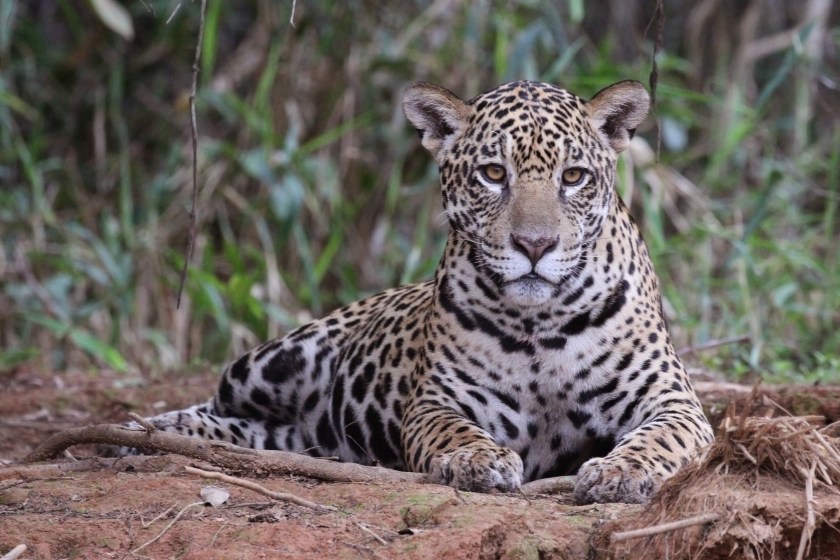
Jaguars are also perpetually confused with leopards, their look-alike African cousins, which leads to further uncertainty about their behavior and habits. Aside from being separated by an ocean and living on separate continents, jaguars are heavier and have thicker limbs than leopards, and the biggest give-away is the presence of spots within their rosettes, which leopards do not have.
Cats come in many different sizes and coat colors, but there’s one thing they all have in common: A love of food. This week we asked nine kitties what their favorite fancy feast is.
“Sea urchin ceviche and smoked duck from Dorsia. Don’t even try, you can’t get a reservation.” – Santorini, 4, Roomba rider
“Human. Haha. Just kidding. I’m partial to Hokkaido Wagyu ribeye or Omi beef filet, lightly pan-seared but still juicy and bloody.” – Dere Khan, 14, jungle ruler
“My human makes a spectacular moussaka just for me, filled with pate and topped with creamy Béchamel sauce that melts in my mouth. Then she feeds me tiramisu.” – Robin, 6 months, good kitten
“Crisp-skinned filet mignon bathed in suculent yuzu kosho, garnished with bacon and served with a side of steak tartare cakes.” – Sammy, 5 months, laser hunter
“Lobster frittata with Sevruga caviar. Nothing too fancy.” – Luisa Rey, 1, catnip quality control tester
“I’ll have the Chilean sea bass, human.” – Hiro, 3 months, nocturnal terror
“Grass-fed Ibérico ham glazed with honey. Such a simple snack, yet so satisfying.” – Stella, 5, cat food commercial model
“I’d have to say the roast swan stuffed with oysters, white beans and bacon. Raw caiman marinated in swamp water would be a close second.” – Xbalanque, 7 months, reincarnated jaguar deity
“Rack of lamb baked in a crust of garlic and herbs, fermented mare’s milk, buttered snails and fried goose liver. Humble fare, to be sure, but my human is a capable cook.” – Stay Puft, 11, book shop cat
Kittens back home on Earth ask the brave catstronauts about their mission and life in space!
STAR COMMANDER BUDDY’S LOG, STARDATE 12142022, Aboard the USS Fowl Play
Lt. Commander Freddie Ferocious has command of the bridge while I’ve retired to my ready room for the important task of answering video messages from kittens in Mrs. Meowmore’s Kittengarden class.
Lt. Commander Freddie Ferocious, executive officer of the USS Fowl Play.Star Commander Buddy, commanding officer of the USS Fowl Play.
Myles, a three-month-old tuxedo who wants to be a catstronaut when he grows up, has asked me how catstronauts eat and use the litter box in zero gravity.
“Well, Myles,” I tell him, “as you may have guessed, regular litter is no good without gravity! You can’t bury your business, obviously, and you run the risk of free-floating poops and granules of litter escaping into the ship’s habitable areas, so a litter box is out of the question. That is why we have a sealed Litter Chamber and a special suction device. It takes some getting used to, especially since it tends to pull on your fur while you’re doing your business!”
Sophia, a five-month-old Calico, asks us what we eat in space.
“This morning at 0100 hours I was informed that our food replicators are malfunctioning, which means the entire crew has had to make do with freeze-dried kibble and pate MREs. No wonder we’re all so cranky! I have ordered the engineering department to devote all available resources and catpower toward the repair of the replicators. This simply cannot be allowed to go unresolved, for a cranky crew can easily become a mewtinous one, and I don’t want to have to start spacing kitties out of the airlock. Er, I mean throwing ’em in the brig! Chief Engineer Meowdi LaForge tells me the replicators should be back online by breakfast.”
Chief Engineer Meowdi LaForge
Simba, three and a half months, asks: “Dear Commander Buddy, how far are you from the place you’re traveling to, and what will you do when you get there? Is it true there might be monsters? That would be scary!”
“Thanks for writing, Simba! It’s 10.47 light years to the Epsilon Eridani star system, which is a long ride! Fortunately the USS Fowl Play is a pretty big, comfortable ship, with lots of stuff to do to keep her running, and some pretty cool options for entertainment and R&R when we’re off duty. We’re less than two light years away from our destination now, which means the Fowl Play has already flipped and is engaged in a prolonged deceleration burn. We have to do that, see, so we don’t sail right on past Epsilon Eridani!
“Where did you hear about the thing with the monsters? It’s not true, okay? I don’t know what anyone told you, probably that jealous jerk Commander Calvin, but I totally did not run screaming from a monster during the expedition to Luyten 726-8, okay? That’s fake news!
“What happened was, I saw the monster and issued a blood-curdling battle cry, but then I hit the wrong button on my Planetary CatRover, which caused it to spin around and run in the other direction. I was trying to inspire my team, not abandon them. I would have turned around and battled the monster too, except by the time I realized my mistake I was already more than half way back to the lander and the others had scared the monster away with their laser pointers.”
That’s my rover on the left, and the Scary Monster on the right. As you can see, I’m very brave for facing the Scary Monster:
Buddy’s Planetary Rover
The Evil Monster, whom Buddy was totally not scared of.
Five-month-old Pepper asks: “Star Commander Buddy, do you think smart aliens are out there? What do they look like? Will they be nice when you meet them?”
“Hi, Pepper! Those are good questions. Well we should remember that we cats are not only a super intelligent species, but we are intimidating too! We have sharp teeth and claws, some of us can roar, and we look really strong and tough! So maybe the aliens will be scared of us!
“I think there will be smart aliens even though we haven’t found other intelligent life on Earth. I mean, there’s humans, but they’re simple-minded creatures, aren’t they? That’s why they’re our servants! LOL! Maybe the aliens will only have fur on their heads like humans. Maybe they’ll look like dogs. Gross, I know! Or maybe they’ll look like a cross between elephants, manta rays and aardvarks.
“We just don’t know, which is why we’re trying to find out. Picture it: Star Commander Buddy, fearlessly leading the first expedition to make contact with smart aliens. It’ll be pretty cool to be in the history books. Tell ya what, Pepper. If we find smart aliens, you and the rest of Mrs. Meowmore’s class will be the first to know. After NASA, of course. We’ll send you pictures. Deal?”
Lt. Loki pilots our lander, and he’s a good example of how intimidating our species can look! Will aliens be scared of him?
Vice Admiral Yo’oko Nahsuareo. Did you know jaguars make up only 4% of the Catstronaut Corps? They are usually sleep specialists, designing cryosleep pods for space travel and constantly improving comfortable napping spots on our ships.