The First Edition Of Webster’s Dictionary From 1828 Says Cats Are ‘Deceitful’ And ‘Extremely Spiteful’

What would the Dictionary Man think of a modern American society dominated by the power and cuteness of cats?

Cats have taken over the internet, claim a mighty share of the $64 billion Americans spent on pet food in 2023, and have essentially installed themselves as the leisurely masters of 28 percent of American homes.

But it wasn’t always that way, and a look at the first-ever edition of Webster’s Dictionary reveals a very different attitude toward our furry overlords:

“The domestic cat needs no description. It is a deceitful animal, and when enraged, extremely spiteful. It is kept in houses, chiefly for the purpose of catching rats and mice.”

Wow. Whoever does feline PR should get a raise, because we’ve gone from “We tolerate the imperious little bastards because they’re good at killing rodents” to “Does my little angel want a snack? How about some ‘nip then? Anything for my bestest little pal!” in the span of two centuries.

Buddy to Noah Webster: Bow!
Buddy 1, Noah Webster 0. Naturally.

Noah Webster, whose name is now synonymous with dictionaries, saw the effort to standardize spelling and pronunciation as central to formalizing an American linguistic identity distinct from our mother country. Or, as he put it, “[t]o diffuse an uniformity and purity of language in America” that would not only differentiate our English from England’s, but also unify the states at a time when many people still viewed the idea of a united states with skepticism.

By doing so, he hoped America would avoid the pitfall of dividing itself into regions of nearly mutually unintelligible dialects, a problem that plagues other countries. Consider the fact that India has almost 800 distinct languages and dialects, down from a staggering 1,652 in 1961 as hundreds of local languages died with the last generations of their speakers. Hindu, the country’s most popular language, is spoken only by about 43 percent of the population.

The goal, Webster wrote when he published his dictionary’s first edition, was “to furnish a standard of our vernacular tongue, which we shall not be ashamed to bequeath to three hundred millions of people, who are destined to occupy, and I hope, to adorn the vast territory within our jurisdiction.”

As dictionary.com notes, Webster wrote that passage in 1828 when the US population was just 13 million and vast swaths of what we now consider familiar territory was at the time largely unexplored wilderness.

His prediction of an America of 300 million people came true in 2006. Today there are approximately 335 million of us.

In other words, a hell of a lot has changed since the Connecticut born-and-raised Webster cobbled together a uniquely American system of spelling and pronunciation, so maybe it shouldn’t be a surprise that attitudes toward cats have shifted so dramatically.

Still, we’d love to see the look on Webster’s face if we could bring him forward in time and show him how the “deceitful” and “extremely spiteful” little furballs have come to such prominence in American culture. What would Webster make of the spoiled modern house cat, with her condos, tunnels, toys, harnesses, bowls filled with salmon and duck, and even psychoactive recreational drugs for their enjoyment?

Bow before your feline overlords, Webster!

Editor Cat Says
“We have made some edits, humans. See to it that the next edition includes this new and improved definition, or we shall withhold snuggles.”

Buddy Terrorizes Block With Reluctant Jaguar Pal

With some muscle to back him up, Buddy the Cat becomes the scourge of the neighborhood.

NEW YORK — Taking refuge from the heat of an unusually humid early June day, cats and dogs alike were gathered around the neighborhood’s most popular watering hole when their quiet lapping was disturbed by a kittenish, falsetto-like meow.

“Coming through!” Buddy the Cat yelled. “Make way!”

The silver tabby ordered everyone to “vacate the premises,” declaring the water his “personal drinking spot.” One of the toughest cats on the block, a battle-scarred orange tom named Buster, continued drinking.

“Ahem!” Buddy said loudly. “Perhaps you didn’t hear me. Vacate the pond, Buster!”

Buster eyed Buddy derisively. “Or else what, pip squeak?”

Buddy pretended to file his claws nonchalantly.

“Or else my jaguar is not going to be happy,” Buddy replied.

Buster began laughing, then caught sight of the enormous apex predator and backed up warily.

“That’s right!” Buddy said. “Back up if you don’t want to become a light snack, Buster!”

Ek B’alam, Buddy’s jaguar friend, raised a paw sheepishly.

“Um, do we have to threaten violence? I’m not interested in hurting…”

“Shhhh! Yes, yes we do have to threaten them!” Buddy whispered. “Let’s see that intimidating pose you do…great, now roar!”

The jaguar let loose a primal rumble, sending every cat, dog, bird and squirrel within a mile running for cover.

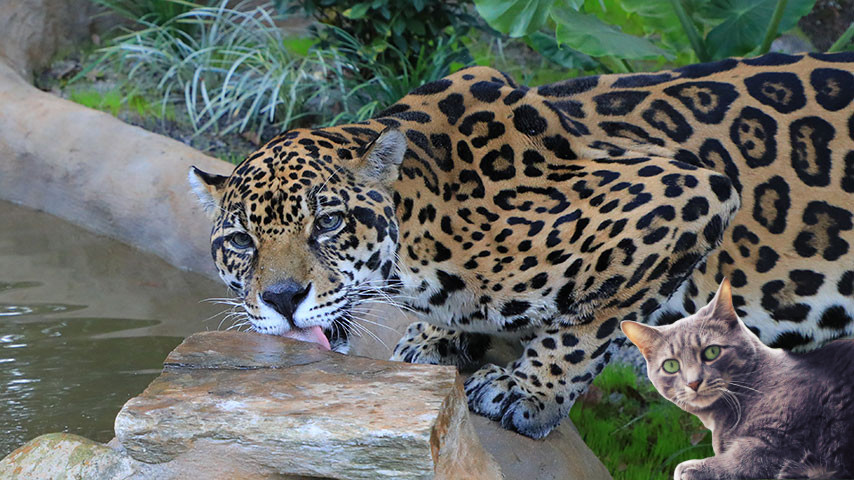
Buddy and Ek B'alam
Buddy and Ek B’alam enjoying a prime drinking spot after bullying its previous occupants.

After enjoying a leisurely drink with the pond to themselves, Buddy and Ek B’alam took a lazy route to a nearby dog park where the pair terrorized a pitbull and a gang of Dobermans.

Witnesses said Buddy strolled into the Doberman circle, needled the dogs with insults and told them they’d have to hand over their treats promptly or face dire consequences.

“Oh yea?” the canine leader said, his tail twitching with anticipation. “Says who?”

“Says my jaguar!” Buddy said theatrically, holding both paws out like a magician.

The dogs paused, looked at each other and laughed uproariously.

“Get outta here, you pudgy little…oh! Oh! He’s really got a jag…I mean, I d-d-didn’t…”

Buddy feigned indifference as Ek B’alam padded out from behind a tree. The dogs emptied their bladders.

“You were saying something about me being pudgy, weren’t you? We don’t like insulting little mutts, do we, Ek B’alam?”

“No, we do not, Buddy,” the big cat replied.

“Sometimes we eat them for breakfast, don’t we, Ek B’alam?”

“Yes we do, Buddy. Better than bacon and eggs, with an agreeable aftertaste!”

The dogs whimpered, tails between their legs.

“Leave your toys and treats and scram!” Buddy said, making the canines flinch as he faked a leap toward them.

“You were right, this is kinda fun!” Ek B’alam said as he ate the dogs’ snacks. “Who do we terrorize next?”

Buddy rested his chin on his right paw thoughtfully.

“We could rob Los Gatos of every ounce of catnip they possess. We could put the fear of God into those ‘hunters’ who shoot at our puma buddies. I also have a revenge list of everyone who ever insulted me on the internet. That could be fun!”

As of late Tuesday night, local police scanner frequencies were buzzing with reports of two cats, one small and the other enormous, gleefully tearing apart industrial vacuum cleaners at a nearby Stanley Steemer shop.

Is Giving ‘Nip To Your Cat The Equivalent Of Handing A Beer To A Toddler?

If cats are like small children emotionally and intellectually, is it ethical to give them a mind-altering drug?

That’s a question posed in a new article in The Conversation, and it’s something I’ve never really considered before.

It’s generally accepted that our little buddies are more or less equivalent to small children in terms of intellect and emotional intelligence. In fact kittens develop much more quickly than human children and come to certain understandings — like theory of mind and object permanence — considerably earlier than young kids do.

They also seem to possess some sapient qualities. My niece was born a year before Bud, for example, but in their early interactions he understood she was still developing motor skills and did not intend to cause him harm. I have photos of a young Buddy, still a kitten, cautiously allowing her to touch his fur and being uncharacteristically gentle with her.

There’s growing evidence that pet cats are “kittens in perpetuity.” Not only do their behaviors toward us mirror their behaviors toward their mothers — like meowing and using us as a “secure base” when faced with uncertainties — but they depend on us completely. We care for them, in turn, at least in part because they have neotenous (baby-like) features, which trigger our protective instincts.

Bud is basically a “kid,” so is it ethical for me to give him a potentially mind-altering substance?

Catnip isn’t really a drug

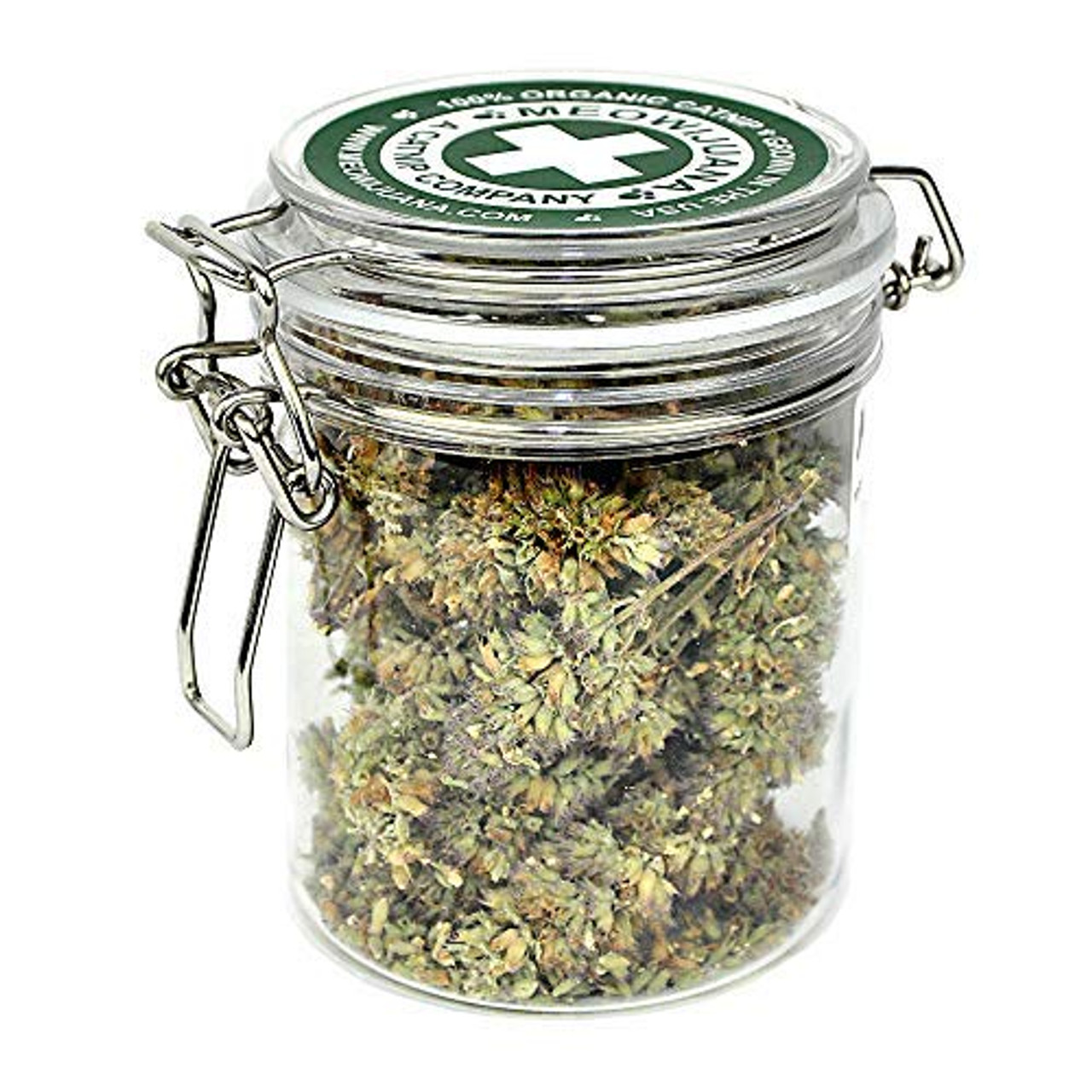
While some catnip companies lean into the whole “marijuana for cats” thing, naming catnip after famous marijuana strains, selling it in gag pharmaceutical bottles and even calling themselves “dispensaries,” those are marketing efforts aimed at us servants. As the authors note, it’s not accurate to consider catnip the equivalent of a drug.

It’s not physically addictive, its effects only last a few minutes and cats can’t overdose on the stuff. In fact the primary “danger” of giving too much catnip is your four-legged friend getting desensitized completely to the effect, which is why it’s an occasional treat, not a routine pick-me-up.

Meowijuana Catnip Company really leans into the whole “weed for cats” thing with catnip packaged like marijuana.

Catnip “won’t induce psychosis and won’t lead to addiction or withdrawal symptoms,” wrote authors Anne Quain, a professor of veterinary science at the University of Sydney, and Mia Cobb, a research fellow at the University of Melbourne’s Animal Welfare Science center.

We don’t have to worry about cats driving on the stuff, and they have no responsibilities to speak of so catnip and silver vine can’t impact important decisions. If they have any deleterious social effects, they end at making our furry friends drool, look silly and rendering them even more drowsy than usual.

The mysteries of the nip effect

But what about a kitty’s subjective experience? How does catnip make your feline overlord feel?

We don’t have a very good answer to that question other than what we can observe, which is that they love the stuff. (Some cats don’t respond to catnip but are put in a state of bliss by silvervine. Some respond to both. A small number may not derive much pleasure from either of the plants.)

Even when they aren’t technically impacted by it, cats seem intrigued by the scent and use their secondary olfactory receptor, the vomeronasal organ, to do that odd-looking “mouth-sniffing” thing they do.

Buddy loves catnip and silver vine. I keep his ‘nip in an out-of-reach cabinet, inside a sealed container, which is itself inside an air-tight plastic bag. Bud can be in a deep sleep yet within seconds of opening it he’ll appear like an overly enthusiastic djinn who thinks the wish thing works in reverse, meowing impatiently and trilling with anticipation as I set the good stuff down for him.

That’s as close to consent as we’re going to get from cats, and I think we can safely conclude Bud’s response is “Hell yes! Gimme that sweet ‘nip and silver vine blend!”

He gobbles the stuff down, by the way, so YMMV on your feline overlord’s reaction. The conventional wisdom is that cats who sniff catnip get more animated while cats who eat it tend to roll around in bliss and meow.

Making life more interesting for your fuzzy liege lord

Which brings us to the final point: catnip and silver vine are ultimately enrichment tools that help make indoor life more exciting for our little buddies, like toys, cat furniture, boxes, intriguing smells and most importantly, time playing with us.

We don’t talk about it enough, but keeping our cats stimulated and happy indoors is important, especially as pressure mounts for everyone to keep their felines inside. If your local area isn’t enforcing curfews and outright bans, it seems only a matter of time before they follow states in Australia, New Zealand and Europe in passing new laws. Every day there are news articles detailing the efforts of city councils and town boards to deal with outdoor, unmanaged feline populations, and it’s a safe bet that most of those elected officials will not have the welfare of the animals high on their list of priorities.

If we want to avoid cruelty toward cats, getting our own pets comfortable with living indoors is a good first step to making sure government doesn’t become involved.

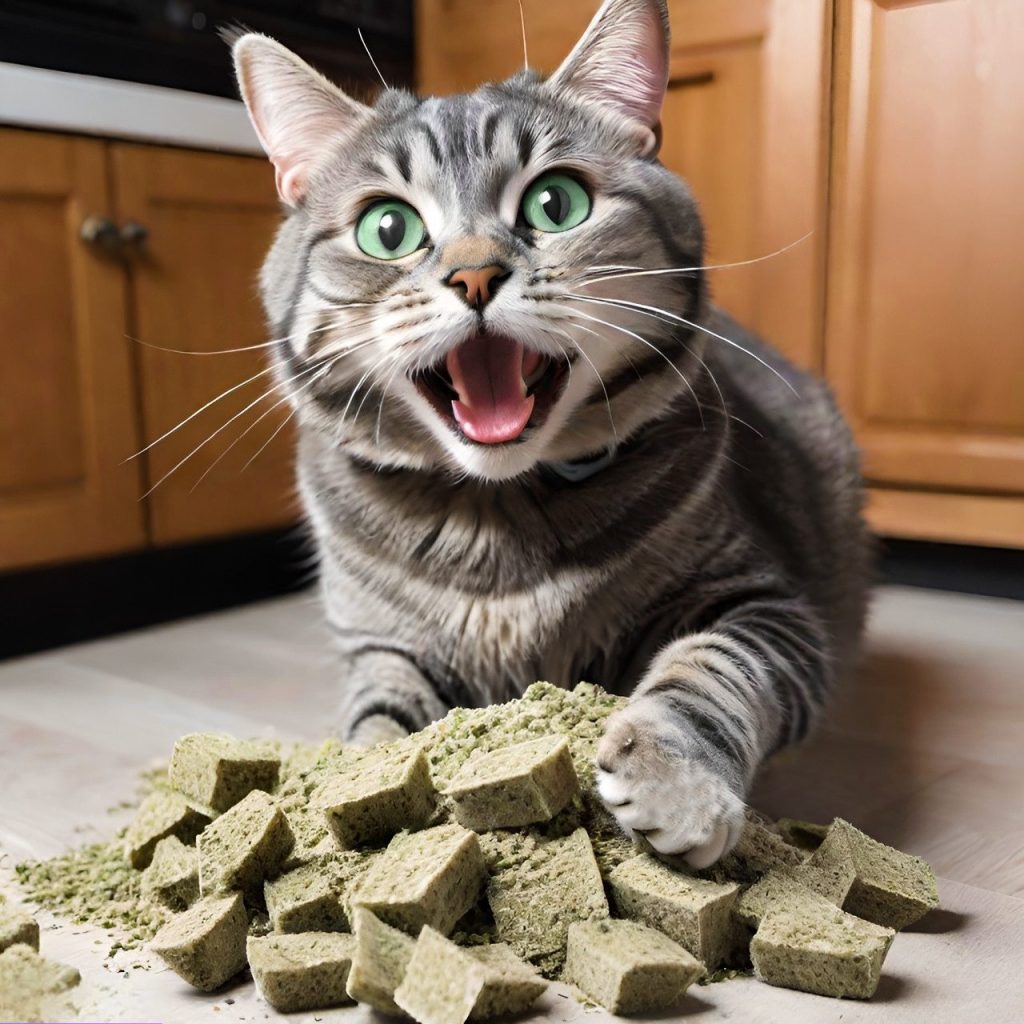
A happy cat with a huge stash of the good stuff.

Cat On The Street: How’s Your Holiday Season Going?

Six cats get in on the holiday spirit and tell us all about their participation in the seasonal festivities!

It’s a magical time of year when people spread cheer, give gifts, throw parties and generally act festive, often with the help of alcoholic beverages.

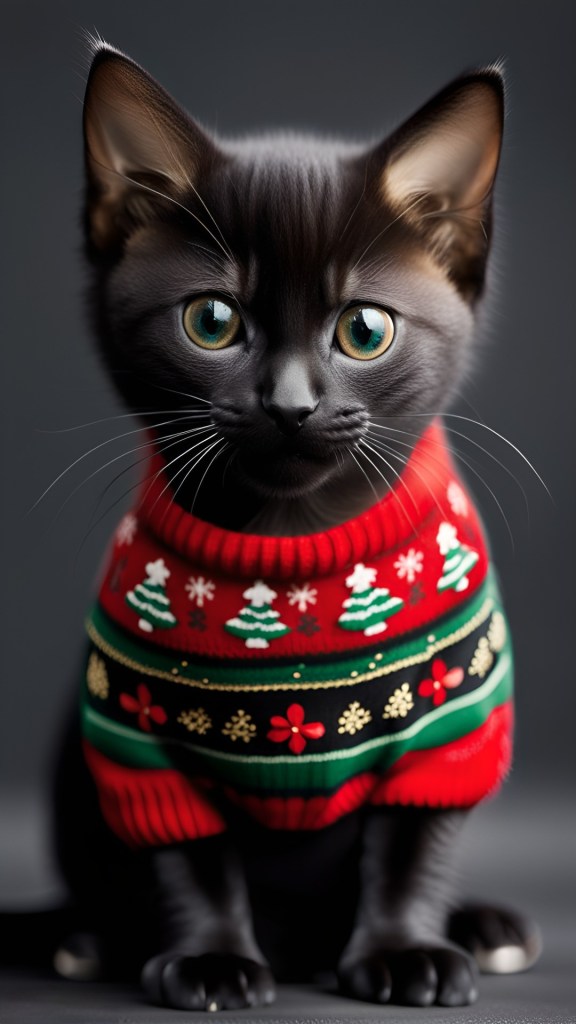
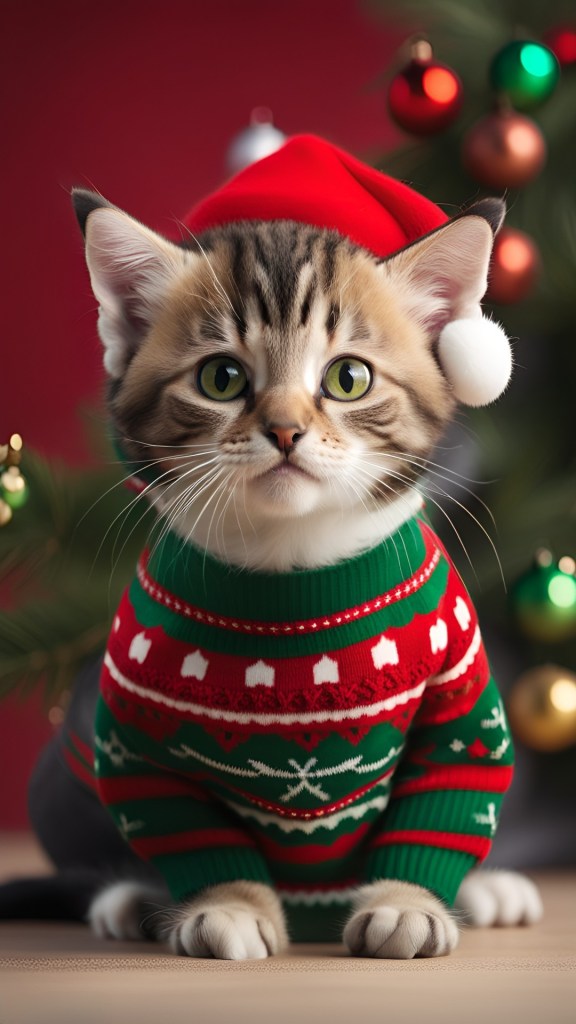
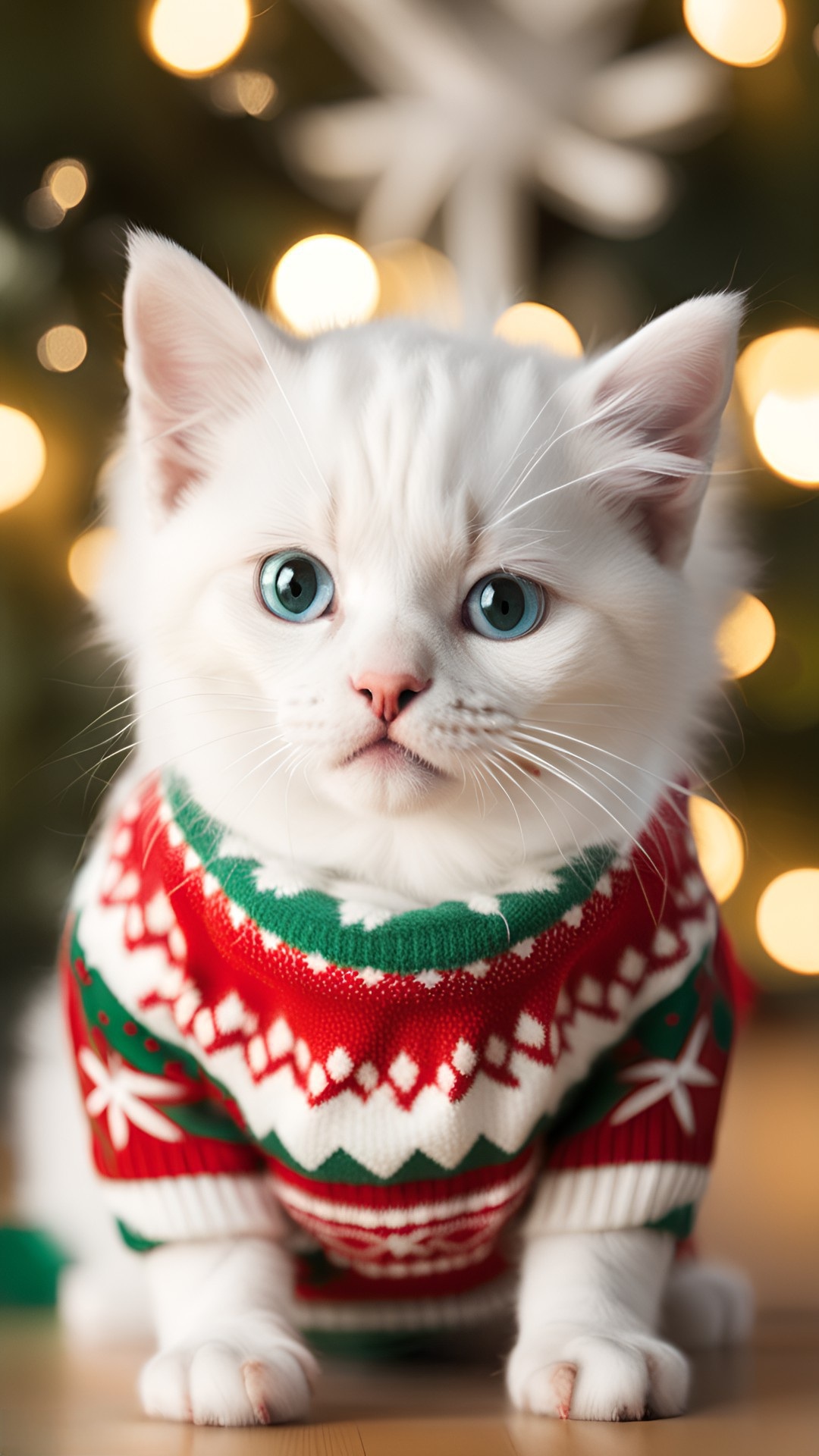
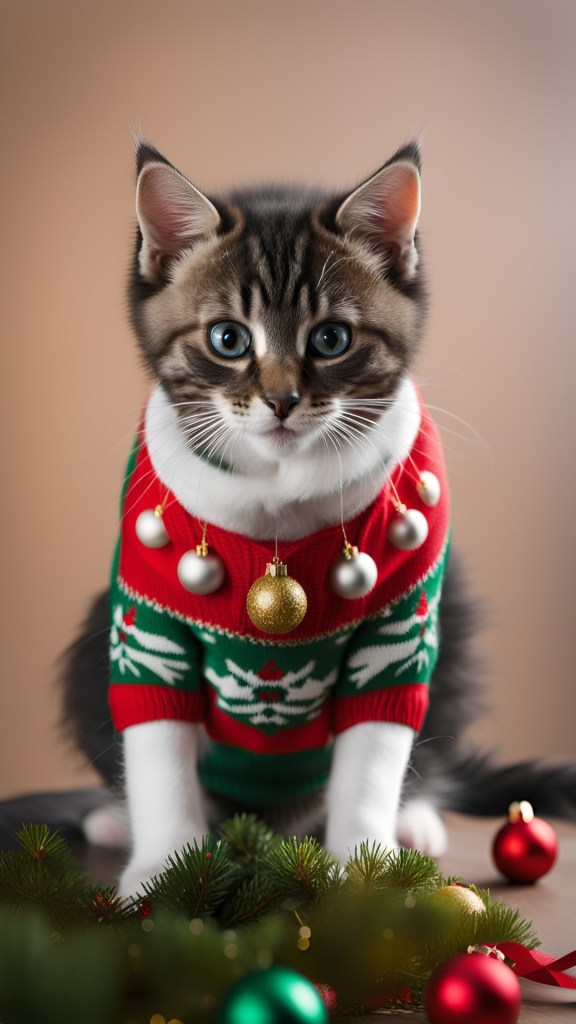
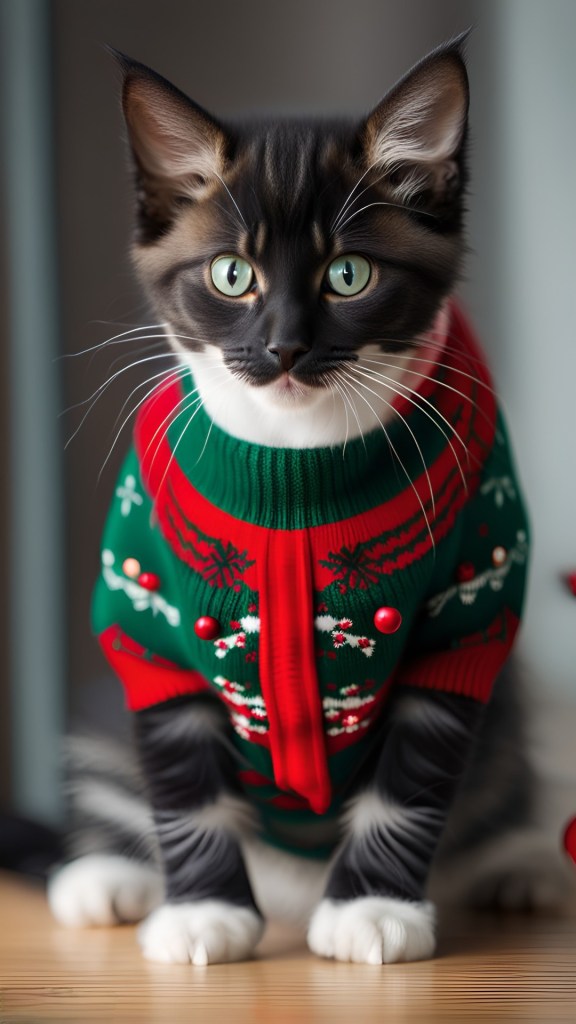
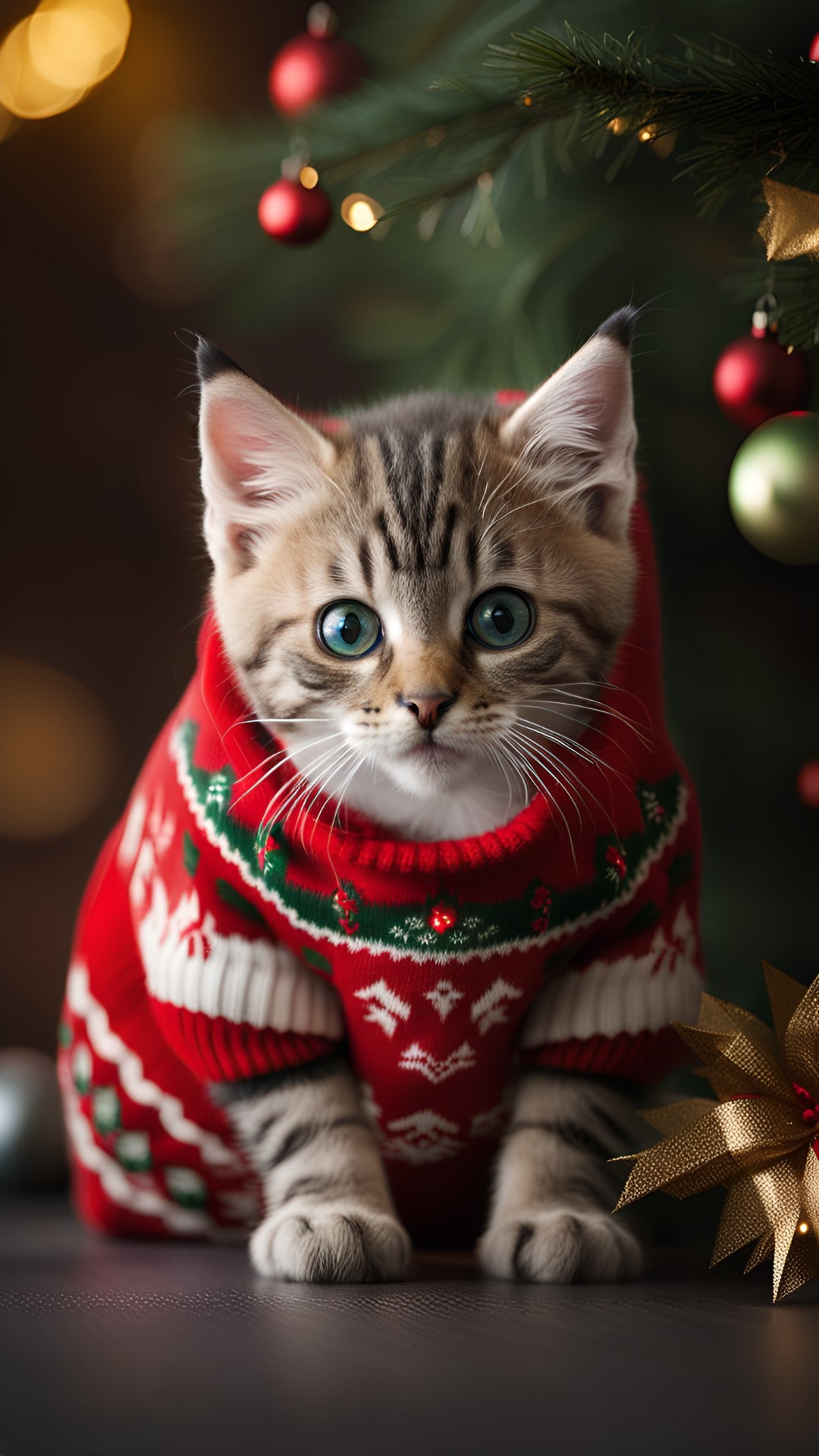
But Christmas, Hannukah and New Year’s aren’t just for humans! Felines are invited to join the festivities too. We found six kittens who look adorable wearing their ugly Christmas sweaters and asked them how their holidays are going so far:

Shadow

“‘Wear the sweater,’ she said. ‘It’ll look cute,’ she said. ‘People will love seeing you on our Christmas card!’ she said. I shall have my revenge soon enough.”

Bubbles

“I was told there would be snacks. If I don’t start seeing some Temptations soon, the claws are gonna come out!”

Creamy

“That eggnog stuff looks interesting. Pour a bowl for me, would you, human?”

Big Al

“They said I’d get coal in my stocking if I didn’t put the sweater on. Would Santa truly be so cruel?”

Timmy

“If you humans have to drink alcohol just to tolerate each other’s company, how do you think I feel? Crack out the catnip this instant!”

Nala

“I count 86 objects that could be swatted off that tree. You humans would do well to remember that.”

Behold My New Box, Humans!

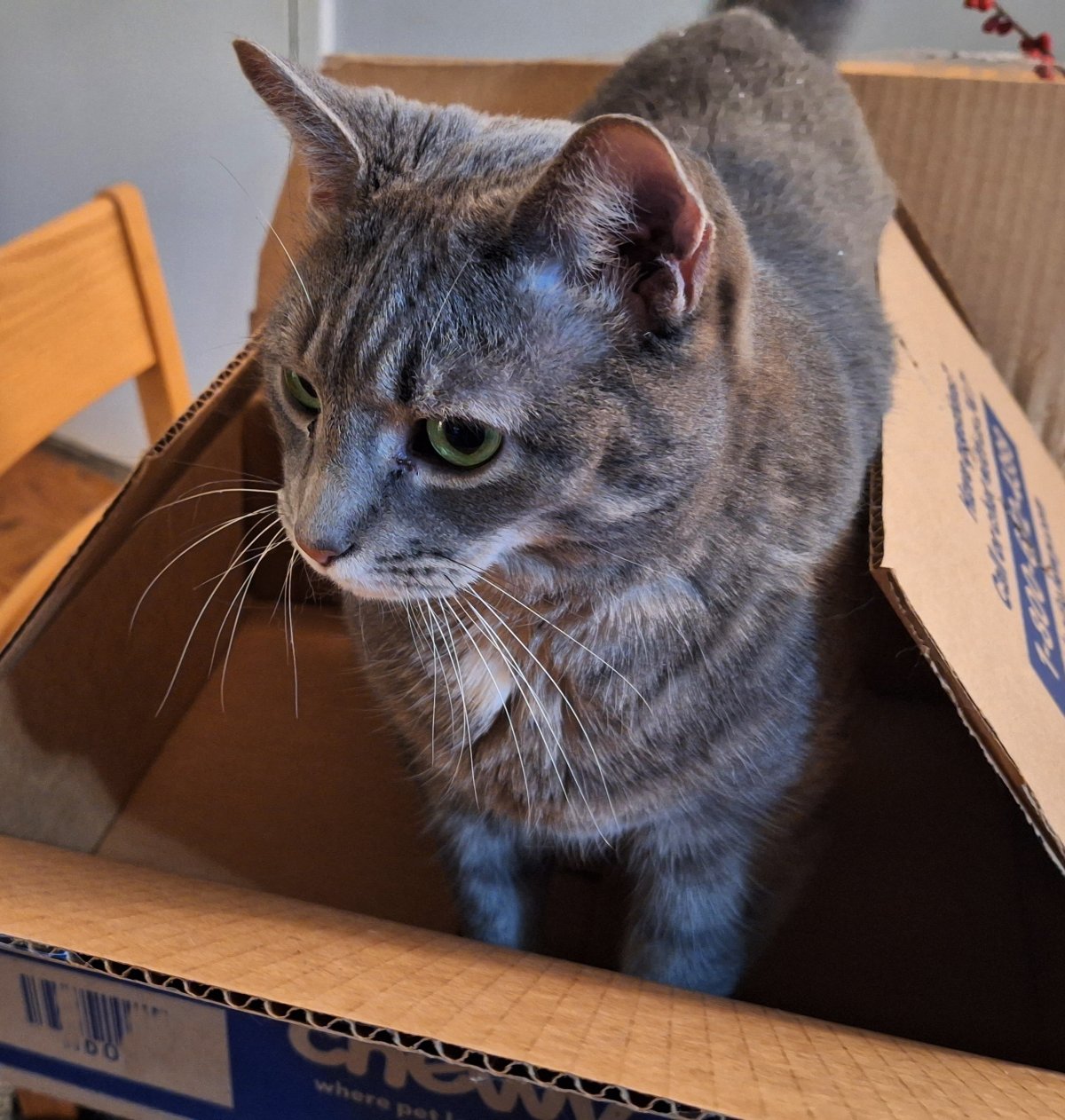
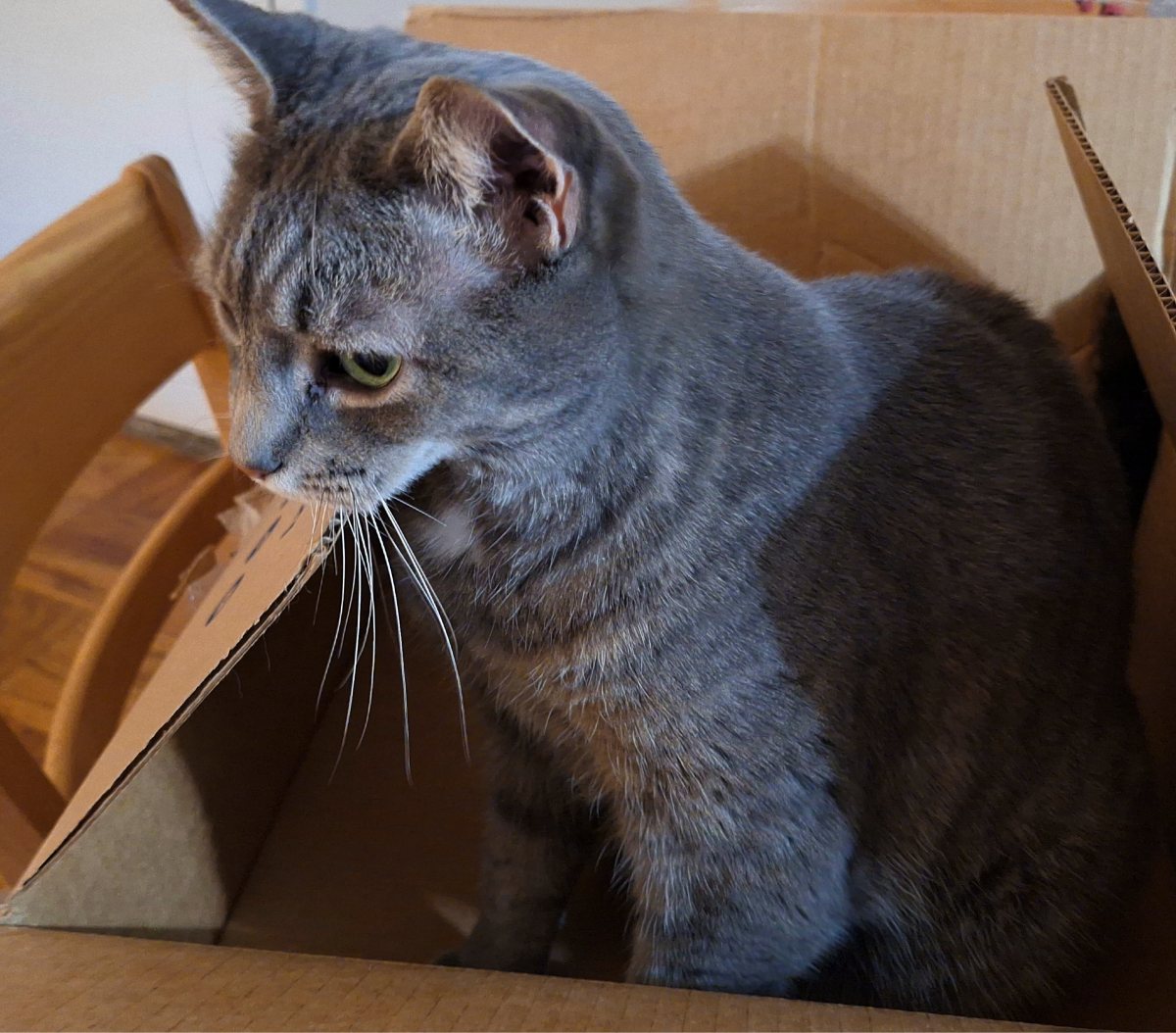
An order from Chewy brought food, a new laser pointer and catnip, but Bud was most excited about the box because, well, because he’s a cat!

We’ve covered some heavy stuff lately, so I thought we’d get the week off to a happy start by turning things over to Buddy, who has a very important message.

“I have a new box. Behold my new box, humans! It is new and comfortable, and it smells like catnip and silvervine since my servant ordered a new tub of the stuff. Yes, he has done well. I am pleased.”

buddybox
Buddy testing out his new box.

buddybox2
“Yes, this will do nicely, human.”

The shipment brought quite a few goodies for the Budster including a new laser pointer, two months’ worth of wet food and catnip.

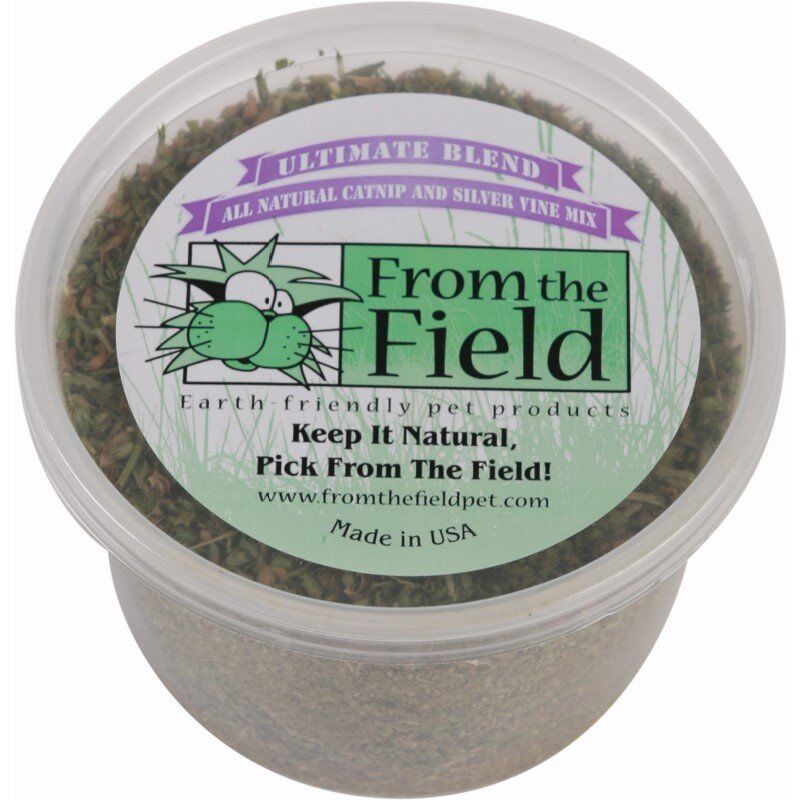
We don’t normally endorse products on PITB, but we’re making an exception for From the Field’s catnip and silvervine blend not only because Bud loves the stuff, but also because it calmed him down and soothed his stomach when he was hurting last month.

I gave him some before I brought him to the veterinary hospital and again four or five days later when he had a little relapse. Both times he was crying and yowling in distress, and both times the catnip-silvervine blend settled him down, relieving his pain enough so he was able to rest comfortably and go to sleep. It’s a horrible feeling when your cat’s suffering and you can’t do anything to relieve the pain. This stuff did the trick and will have a permanent place in the Buddy Cupboard.

Ultimate-Blend-Catnip-And-Silver-Vine-Two-Ounce-Tub

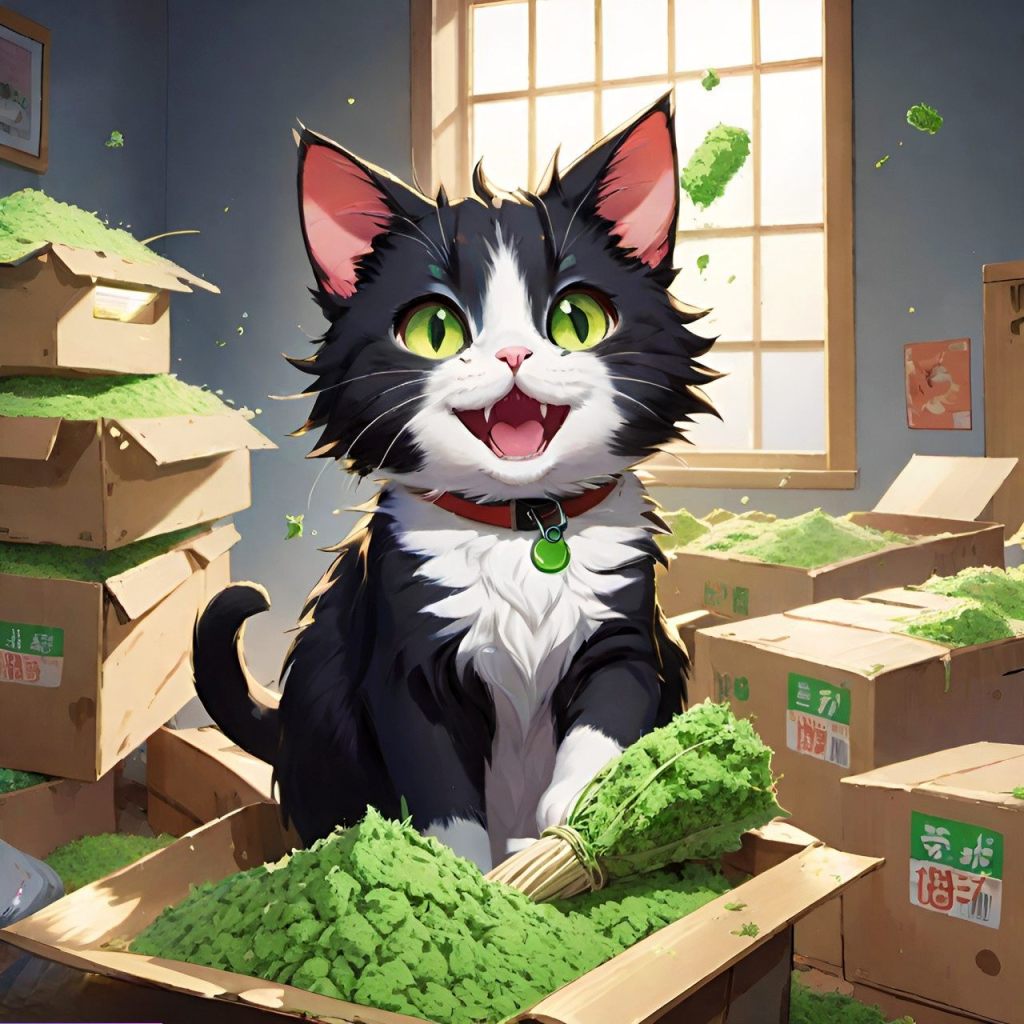
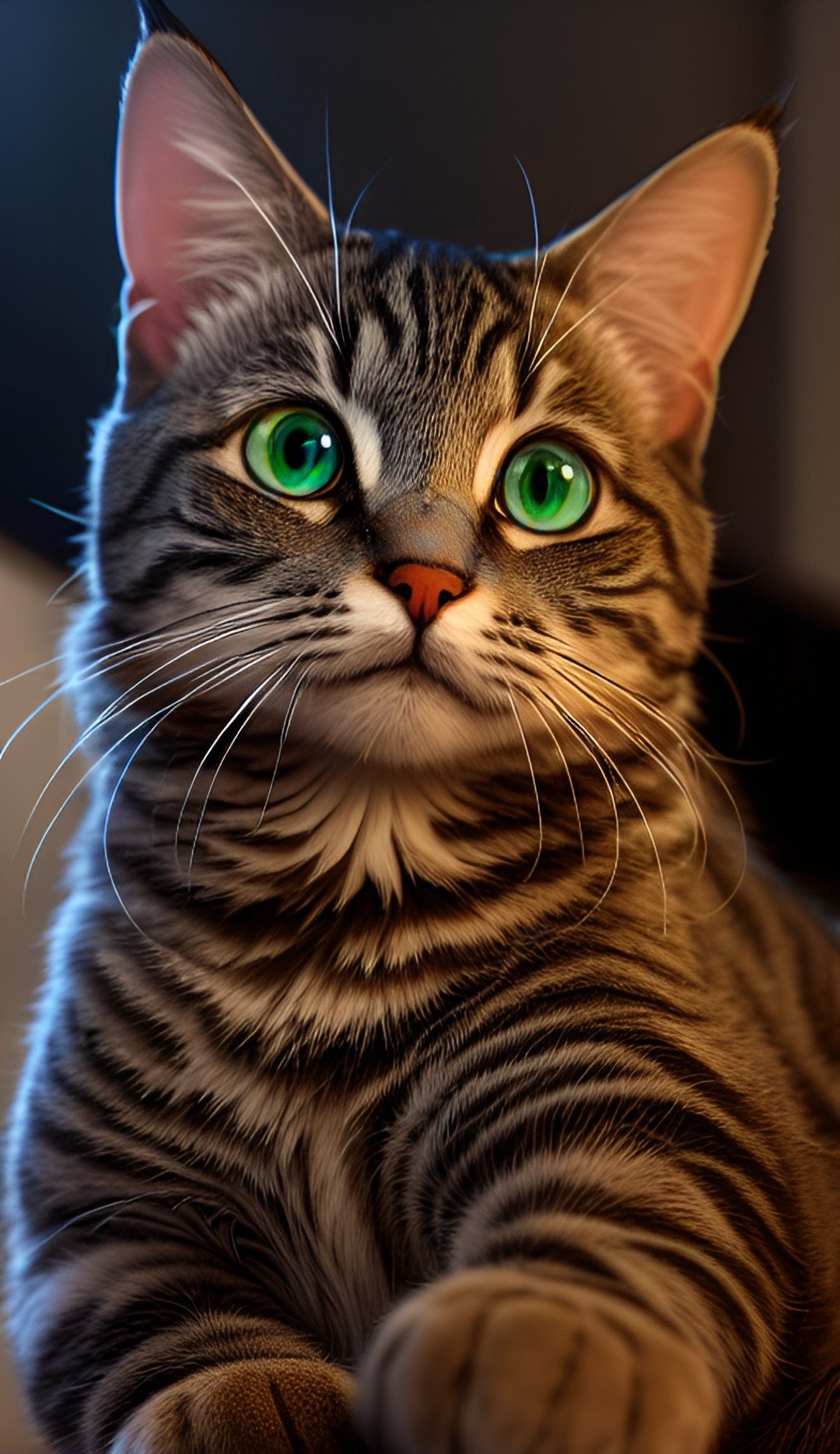
Finally, I created a new image of the little dude. What you’re looking at is a render based on a photograph of Bud, which was then run through an AI natural language processor with instructions not to alter the substance of the image, but to give it more of a surreal look. The image below is not actually what I was going for, and sometimes the failures can produce nice images in what Bob Ross would call “happy little accidents.” But it is a way to take a subpar camera phone shot, one in which I liked Buddy’s expression and pose but couldn’t fix the blurry bits, and turn it into something interesting.

buddy_smile