More news in the world of Stray, the play-as-a-cat video game that’s taken the world by storm with rave reviews, plenty of memes and hilarious videos of real cats reacting to their humans playing the game.
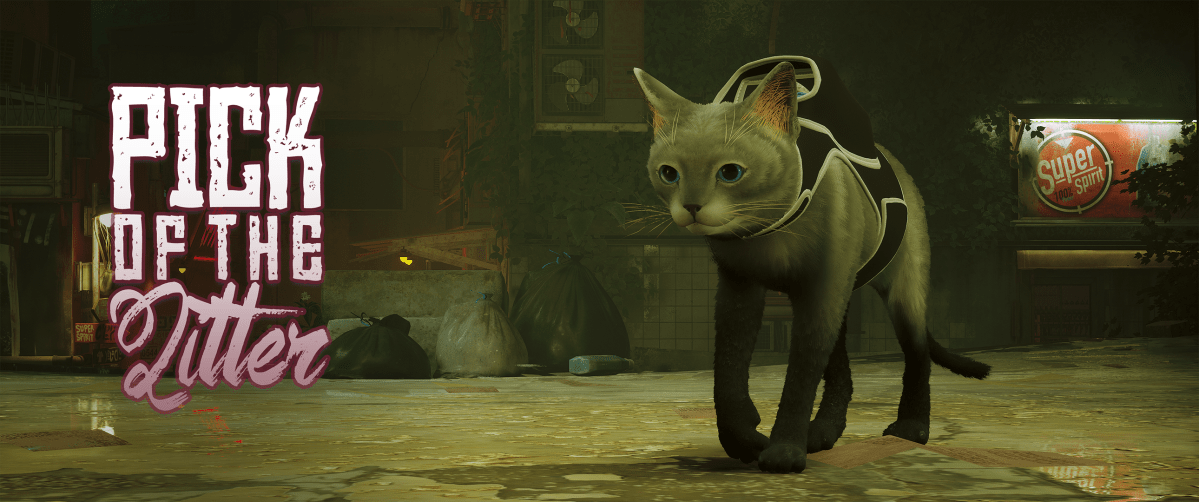
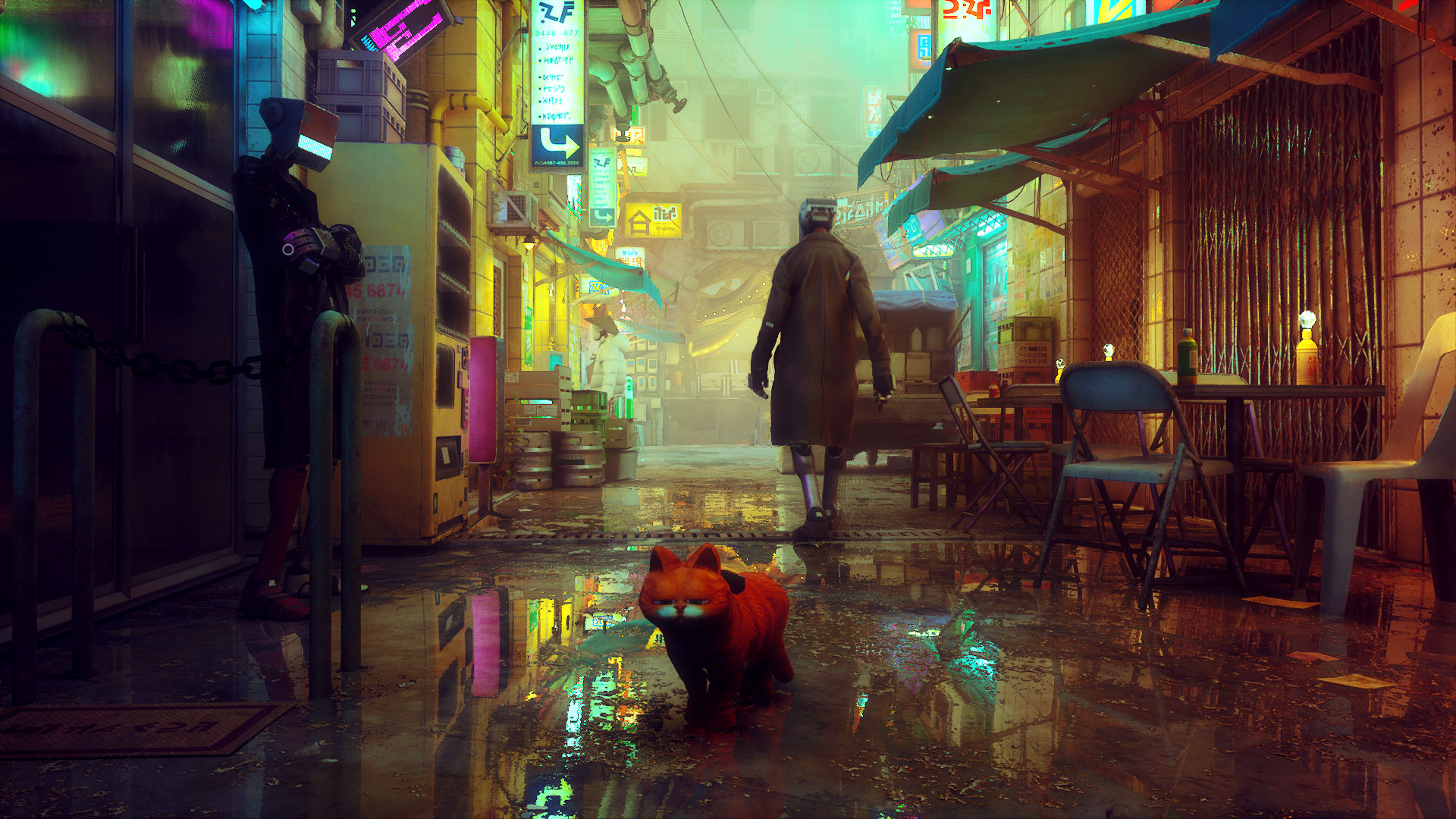
Thanks to players who create custom game mods, short for modifications, Stray players can now replace the game’s ginger tabby protagonist with cats of their choosing. Currently there are mods that make the title cat a Siamese, a black cat with yellow eyes, a white cat with heterochromia (different color eyes), a tuxedo and a Calico, among others.
The most popular mod, dubbed Pick of the Litter, features many different coat colors and patterns that users can select and switch between.
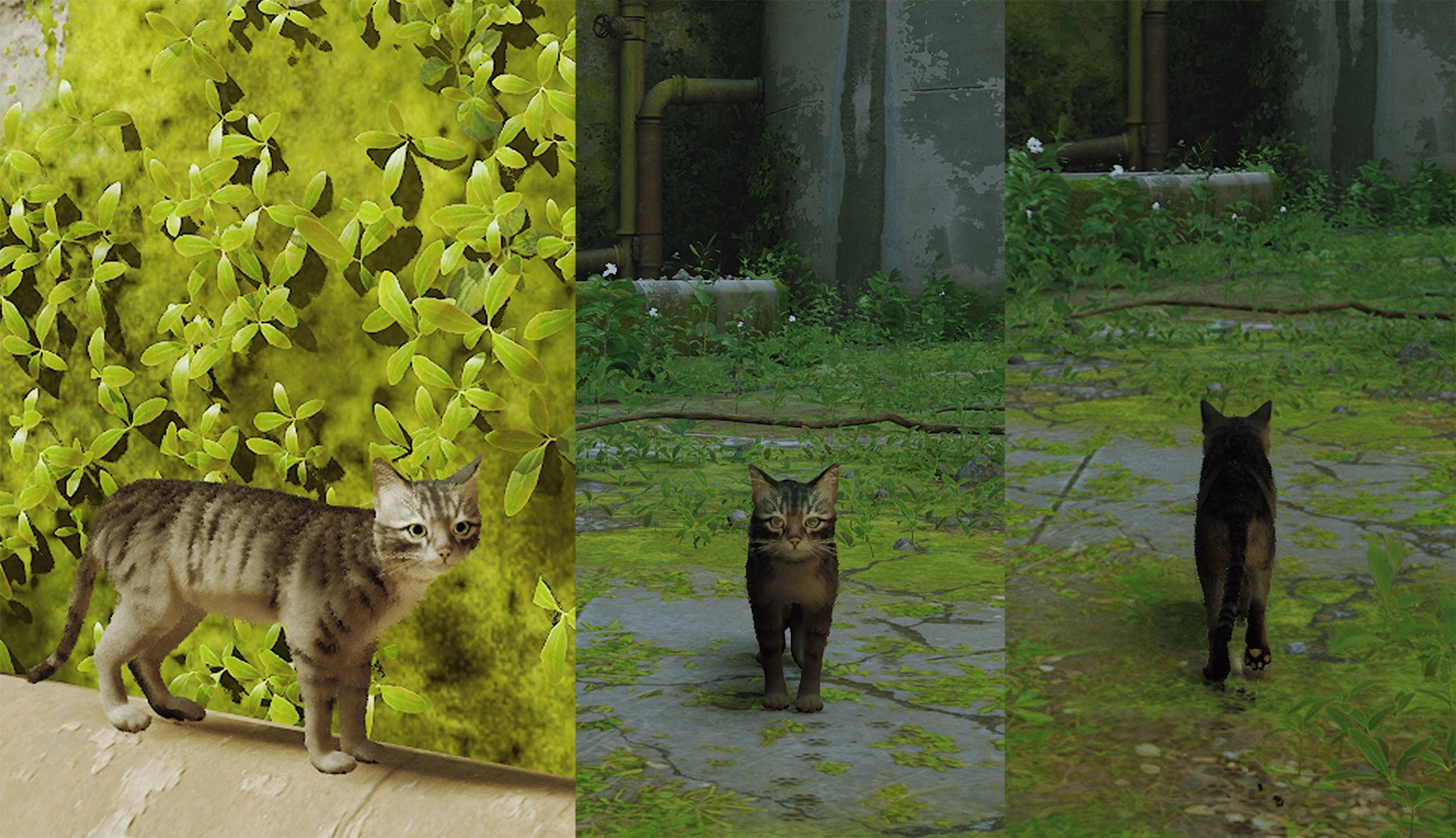
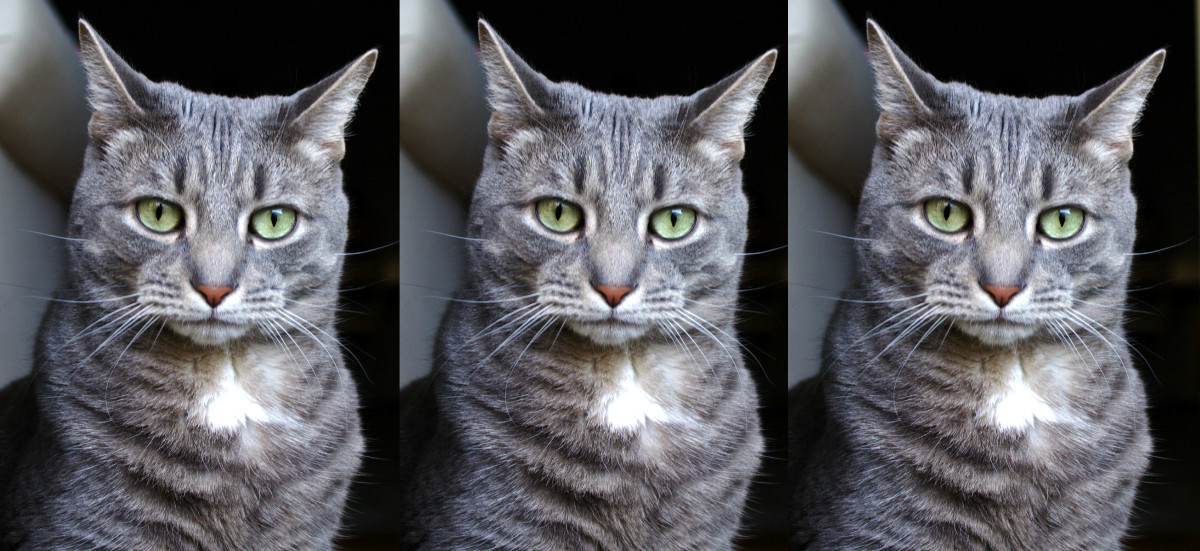
There are currently at least two gray tabby mods, but neither of them match Buddy’s chubby incredibly muscular physique.
One modder is taking commissions from gamers and creating custom cat avatars based on photographs, so if a player’s cat has a unique color or pattern — or you just want something more accurate — they have that option. Perhaps we’ll inquire if it’s possible to add huge meowscles as well as edit coat patterns and colors.
Gray tabby mod: Clearly not meowscular enough to be Buddy.
Other mods allow players to substitute a dog as the protagonist (come on, now…), add snazzy spectacles to the kitty, and tweak graphics settings for greater photorealism.
Finally, if you’re a fan of a certain lasagna-loving cartoon cat, you’re in luck: He’s now in the game thanks to the efforts of one dedicated fan, and he’s as lazy and heavy-lidded as he’s always been.
It should be noted that mods are unique to the PC, which is an open platform. If you’re playing the game on a Playstation 4 or 5, you’re out of luck.
Garfield in Stray: Maybe you can feed him lasagna to restore his health?
Viagen, the only US company to offer cloning services, says the process becomes more popular every year.
The Washington Post has a story today about pet cloning, and thankfully it doesn’t sugar-coat the process.
It does take 10 paragraphs for the story to get to the negatives, but it offers a solid explanation of the cloning process before this quote by Columbia University bioethicist Robert Klitzman:
“People think, ‘Oh, I’ll just press a button and out will come Fido,’ but that’s just not the case. So you may love Fido, but do you really want several animals to die and suffer in order to have the one healthy Fido?”
That’s because even with the advancements made in the 21 years since CC the cat became the first of her kind to be cloned, the process still only has a 20 percent success rate. The other 80 percent of attempts end in still births, animals who die shortly after birth due to genetic defects, or animals who survive but suffer from flaws that make them “unsuitable” for the clients who are paying tens of thousands of dollars to clone their cats and dogs.
A terrifying prospect! (And a massive monthly turkey bill.)
As we’ve noted before, cloning doesn’t actually guarantee that you’ll get animal who looks like the departed pet. Fur color, length and coat patterns are all variable, and temperament is even more of a crapshoot thanks to the many variables in both nature and nurture.
Klitzman puts it in stark terms.
“I can either pay thousands of dollars to create a new pet that’s actually going to have a different history and personality,” he told the Post. “Or maybe I could adopt an animal that would otherwise be killed in a shelter. Those are things that ethically need to be considered.”
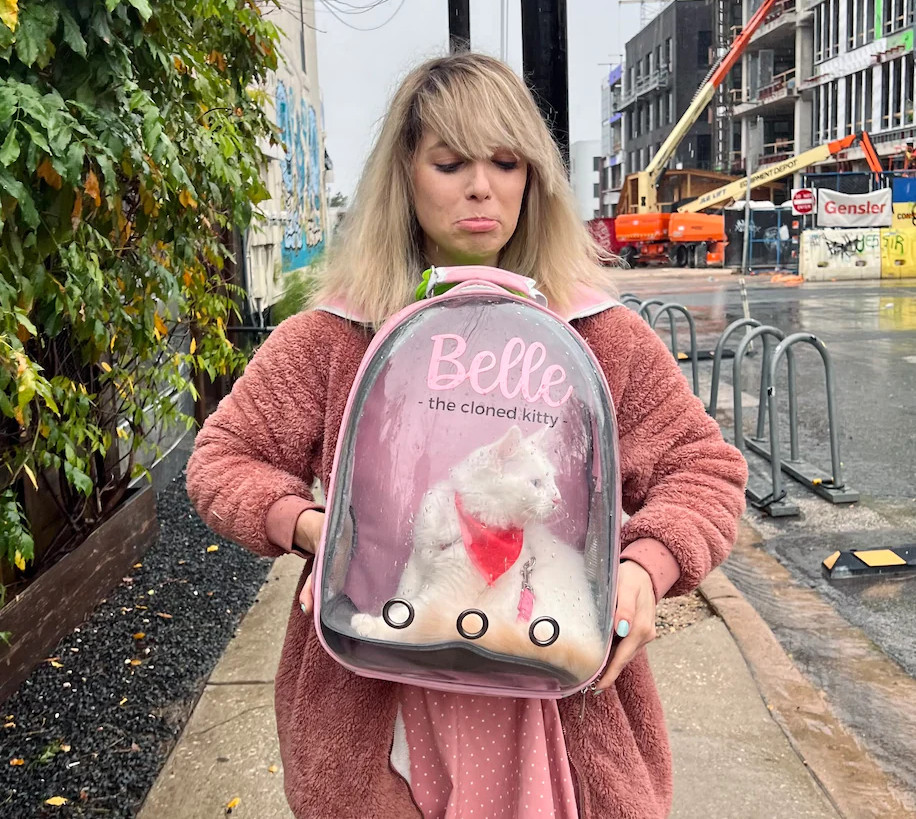
The Post’s article centers on Kelly Anderson and her cat, Belle. If the names sound familiar, that’s because we’ve written about them in earlier posts. Belle was cloned from Anderson’s beloved cat, Chai, and has her looks but not her disposition.
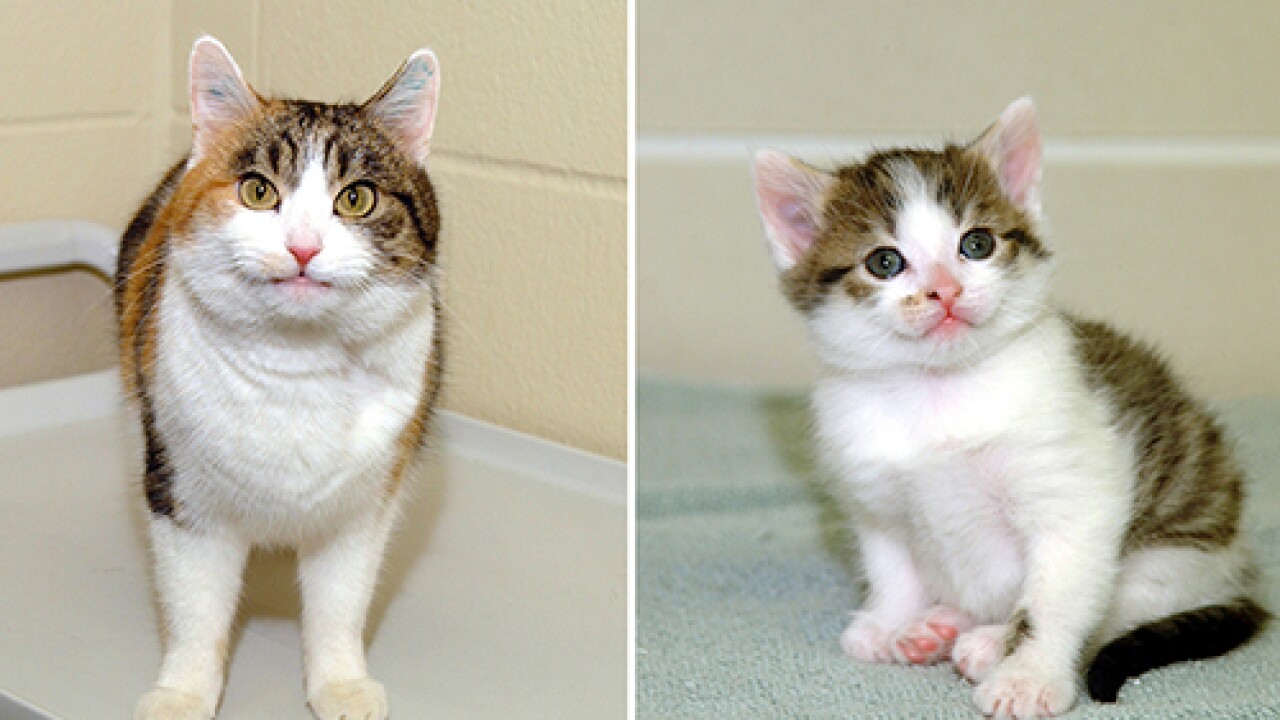
CC was famously different from Rainbow, the cat she was cloned from. While Rainbow had a Calico pattern with tabby stripes on her head, CC had tabby stripes on both her head and her sides. As the BBC noted in 2002, shortly after CC’s birth was announced, the cloned cat’s coat differed from her “mother’s” “because the pattern of colours on multicoloured animals is determined by events in the womb rather than by genes – a reminder that clones may be genetic copies of their parent but are never quite identical.”
Rainbow, left, and her clone, CC, short for CopyCat.
John Mendola, a retired NYPD officer from Staten Island, features in a BBC story posted last week on the increasingly popular cloning option.
Mendola paid $50,000 to have his dog, Princess, cloned. It’s not clear how many unsuccessful attempts were involved — and Texas-based Viagen doesn’t reveal that information — but the successful litter produced two dogs who look like Princess, which Mendola named Princess Ariel and Princess Jasmine. (Dude really loves Disney animation, apparently.)
Viagen charges between $25,000 and $35,000 to clone cats, according to different press reports. Grieving pet parents who haven’t made up their minds can have their late pets’ DNA preserved with the company for $1,600. There’s a short window after death during which viable cells can be harvested, but once they’re stored, they can last years or even decades thanks to cryopreservation methods. In one case, a client decided to clone a dog after storing the DNA for 17 years, Viagen’s Melain Rodriguez told the Post.
Viagen doesn’t disclose figures, but the company said it’s cloning more animals — dogs, cats and horses — every year, and has cloned “hundreds” for clients so far.
Blake Russell, the company’s president, likened cloning to a cat or dog having a littermate separated by time.
“A cloned pet is, simply put, an identical genetic twin,” he said, “separated by years, decades, perhaps centuries.”
Animal welfare groups remain staunchly opposed, not only because of the suffering among cloning failures and surrogate mothers, but also because millions of unwanted cats and dogs are euthanized annually.
“Animals’ personalities, quirks, and very essence simply cannot be replicated,” PETA UK Director Elisa Allen told the BBC. “And when you consider that millions of wonderful, adoptable dogs and cats are languishing in animal shelters every year or dying in terrifying ways after being abandoned, you realise that cloning adds to the homeless-animal overpopulation crisis.”
“Marone, I get up three, four times a night to go to the bathroom!” Buddy says.
NEW YORK — Buddy the Cat approached his dining nook, took an exploratory sniff of the wet food in his bowl and wrinkled his nose in disgust.
“Ugh! Marone!” the exasperated cat said. “This salmon smells terrible! What does it take to get a bowl of fresh gabagool around here, huh? Is it too much to ask for a nice chicken cutlet or some soppressat?”
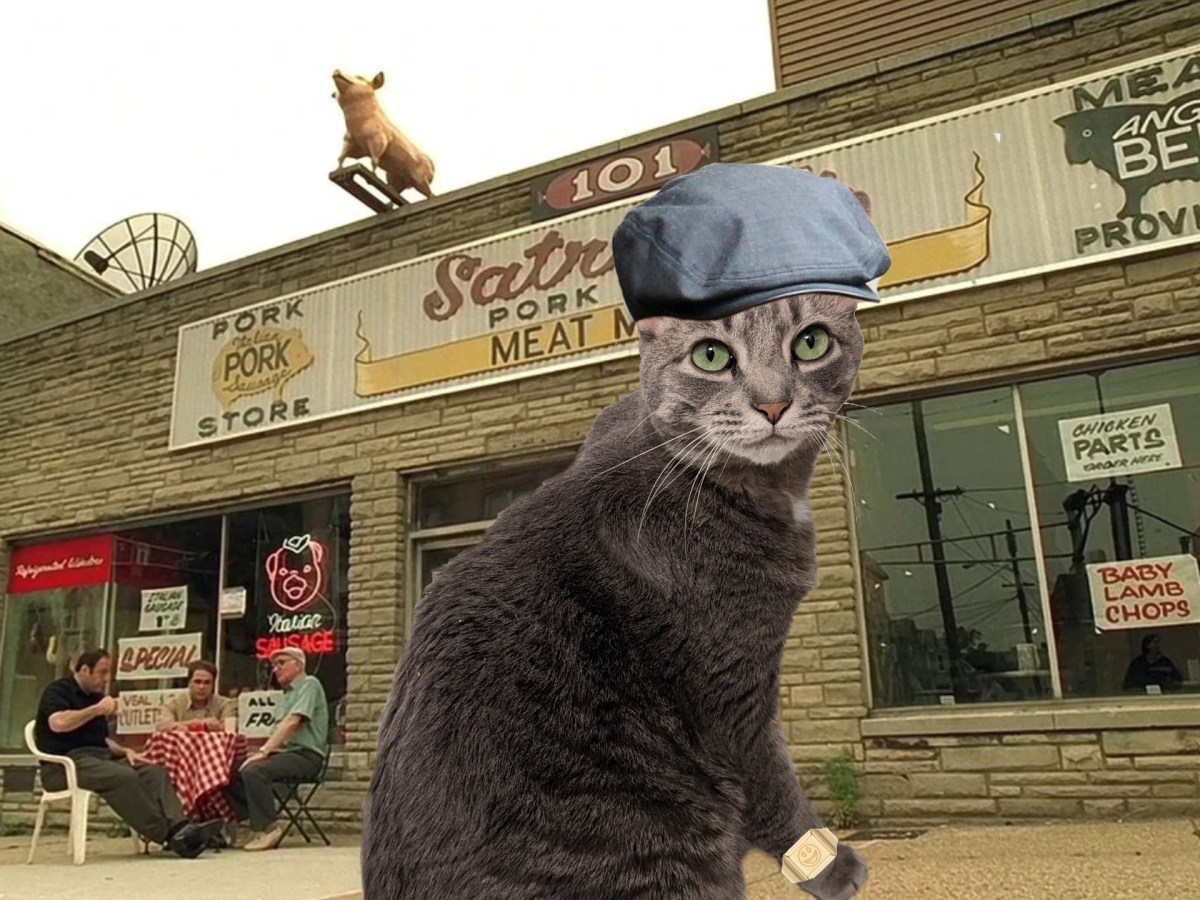
The silver tabby has been arbitrarily dropping vowels from his words, peppering his meows with corruptions of southern Italian slang and complaining about his food more than usual after binge-watching the first two seasons of The Sopranos with his human, sources said.
“You’re bustin’ my balls over here,” Buddy meowed to his human, expressing sudden displeasure with cat food he’s been eating for years.
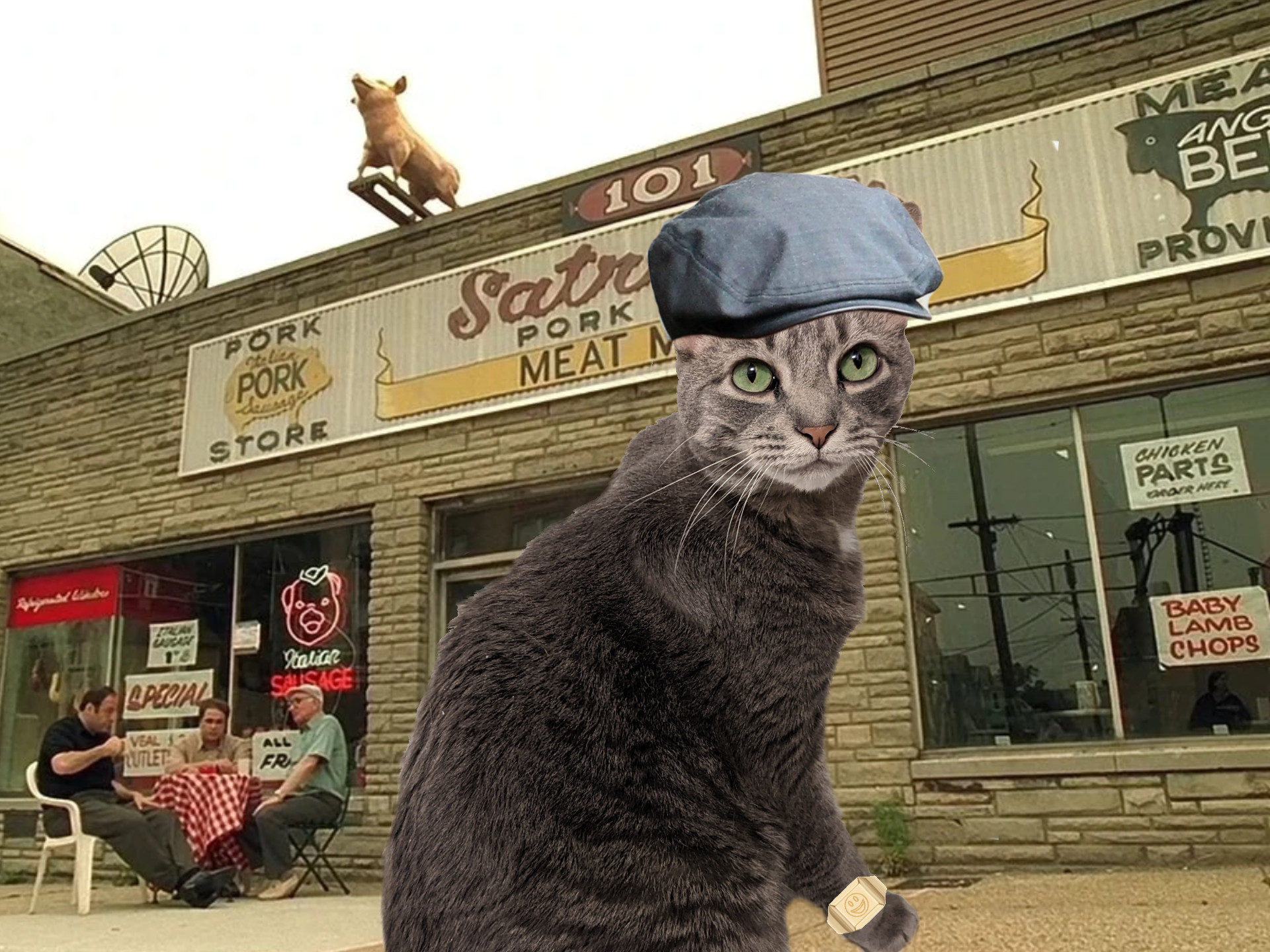
Witnesses reported odd changes in Buddy’s behavior over the holidays when he began watching episodes of HBO’s classic, but it wasn’t until he completed the second season that the mercurial cat built his own bocce court and began wearing a pinky ring on his front right paw.
A gold chain in place of a collar and a newsboy-style flat cap completed the look.
“Me and the boys, we like to hang out at Satriale’s and the Bada Bing in Jersey,” Buddy explained. “Though if you ask me, they got too many of them human broads at the Bing. It ain’t gonna kill ’em to mix it up a little with a Calico now and then.”
The previously non-Italian feline has been running in new circles as well, sources said, and has been frequently seen in the passenger seat of a Lincoln Town Car owned by Fat Vito Catterelli, as well as an I-ROC Z28 owned by Dino Felinzano.
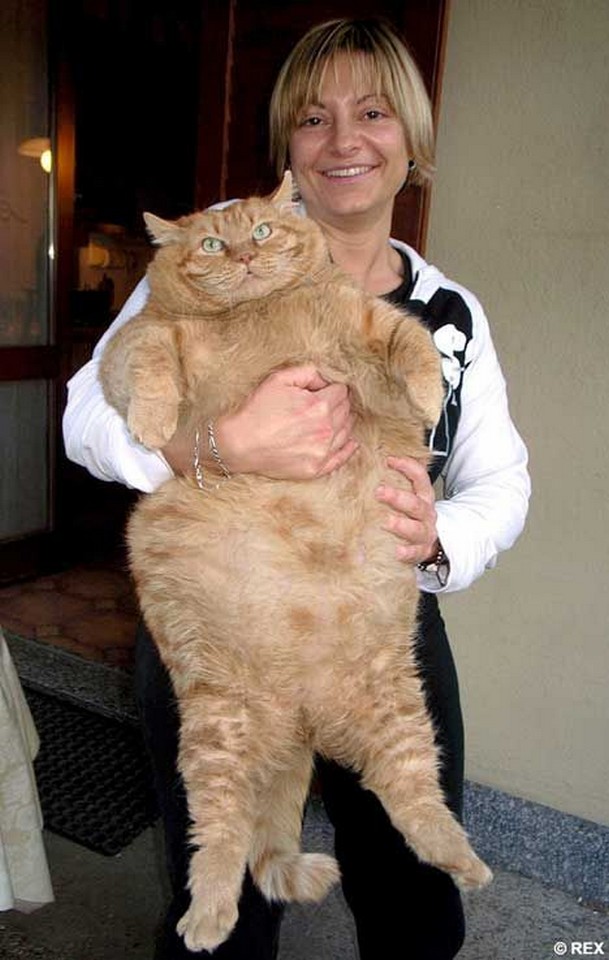
Fat Vito and his human, Giana.
His human, Big Buddy, said that things had “gone too far” when he arrived home one day to find Buddy with his feet up on the dinner table, a copy of the New York Post in his paws, and a radio playing WFAN’s Mike and the Mad Dog, who were arguing about Mike Piazza.
“Hey, Grande Compagno!” the cat said, eyeing his human over the newspaper. “How about a little melted mootsarell on top of my chicken tonight, eh? A little sauce. A chicken parm pâté, if you will.”
Told he wasn’t going to get “chicken parm pâté,” Buddy seemed unperturbed.
“Okay then, the galamad,” he said, nonchalantly flipping to the sports section.
“Do you even know what ‘galamad’ is, you little clown?” Big Buddy asked.
Buddy stopped flipping the pages of the Post, pausing with the newspaper as a shield over his eyes.
“It’s, uh, some kind of…pork. Yeah! Pork, obviously,” the flustered cat said. “From Arthur Ave.”
“It’s fried squid, dummy! You’re not gonna eat fried squid!”
Buddy shrugged and went back to flipping the pages.
“Then I guess,” he said, “you’ll have to make the chicken parm.”
A longtime veterinarian in Alabama has been arrested and charged with animal cruelty for hitting, choking and dropping a terrified cat in his exam room, according to police.
Richard Timothy Logan, 65, is a veterinarian at Andrews Avenue Animal Hospital in Ozark, Alabama.
A man identified as Logan was examining a calico cat in November, in an exam room at the animal hospital when he grabbed the cat by the scruff of her neck and punched her on the top of her head with a closed fist, video of the exam shows. Still holding the cat by her scruff, he slammed her down onto the exam table, then did it again more forcefully.
Logan then swiped the cat off the exam table, causing her to fall to the floor.
Logan steps out of the frame for several seconds, then the video cuts forward, showing Logan again with his hands on the cat as a veterinary assistant holds the terrified, screaming feline down.
He punches the cat a second time, makes an annoyed gesture, then picks the cat up by her collar and dangles her as she struggles.
Animal rights activists and local people outraged by the video protested outside Andrews Avenue Animal Hospital this week, holding signs of the abused calico and demanding the Alabama State Board of Veterinary Medicine — which is conducting its own investigation separate from the criminal probe — revoke Logan’s license.
“We’re hoping for awareness, first of all, of animal abuse and we’re hoping that Dr. Logan will lose his license,” cat owner Rhonda Eller told Alabama’s Dothan Eagle. “There should not be veterinarians that don’t love animals and care for animals. Obviously, they should choose a different profession.”
Some of the protesters were clients of the animal hospital, and were alarmed not only by what they saw on the video — which was anonymously posted to Facebook on April 5 — but what may have happened behind closed doors when they brought their own pets in.
“I’ve been coming here so long, leaving my animals overnight [or] for a week when he said they needed it,” Michele Brown, a client of the hospital, told the Eagle. “What has happened to my animals while they were here and I never knew it?”
Neither Logan nor the animal hospital have issued public statements on the allegations, but Logan’s attorney, David Harrison, is acting as if the video does not show his client terrorizing a cat who was supposed to be in his care.
“He is a good veterinarian and people are destroying this man’s reputation,” Harrison told WTVY, an Alabama local news station. “I have instructed Dr. Logan to file a lawsuit against all who have smeared lies on social media. Facebook is not a court of law.”
Protesters stand across from Andrews Avenue Animal Hospital in Ozark, Alabama, this week.
Logan was charged with two counts of cruelty to animals.
Under Alabama law, if Logan is convicted, the most severe potential sentence is a $3,000 fine and up to one year in county jail. Because he doesn’t have priors, if he’s convicted he’s not likely to serve any jail time. Animal cruelty is a misdemeanor in Alabama’s penal code.
In the meantime, comments from Dale County District Attorney Kirke Adams do not sound promising.
“While this video is deeply concerning, I would like to take this opportunity to implore people to have this same concern over child victim crimes and gun violence,” Adams said, appearing to downplay the severity of the allegations against Logan.
The cat “is alive and doing better with its owner,” Ozark police wrote in a statement posted to Facebook. Cops say they’ve interviewed the owner as well as “other witnesses.” It’s not clear if those witnesses include the veterinary tech who was present or other employees at the animal hospital, nor did police say who filmed the abuse.
Top photo: Richard Timothy Logan mugshot courtesy Ozark Police Department
A protester at Andrews Avenue Animal Hospital
A protester stands outside of Andrews Avenue Animal Hospital in Ozark, Alabama, this week.