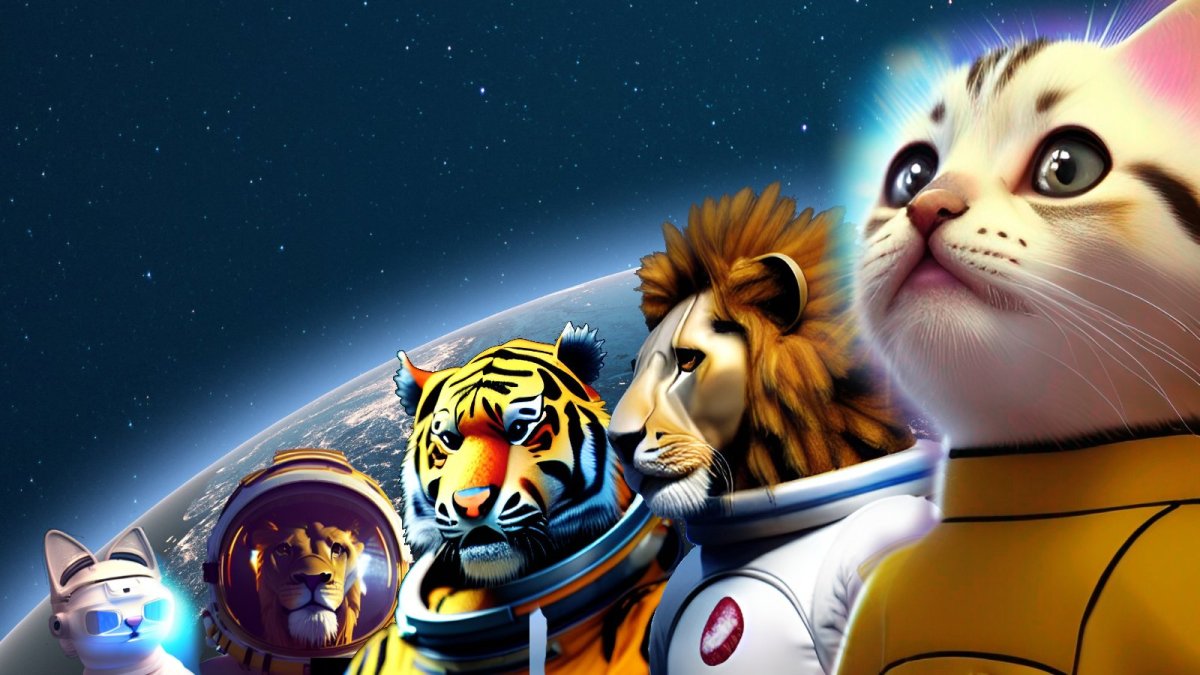
Catstronauts: Buddy Leads Exploratory Expedition To Epsilon Eridani

Kittens back home on Earth ask the brave catstronauts about their mission and life in space!

STAR COMMANDER BUDDY’S LOG, STARDATE 12142022, Aboard the USS Fowl Play

Lt. Commander Freddie Ferocious has command of the bridge while I’ve retired to my ready room for the important task of answering video messages from kittens in Mrs. Meowmore’s Kittengarden class.
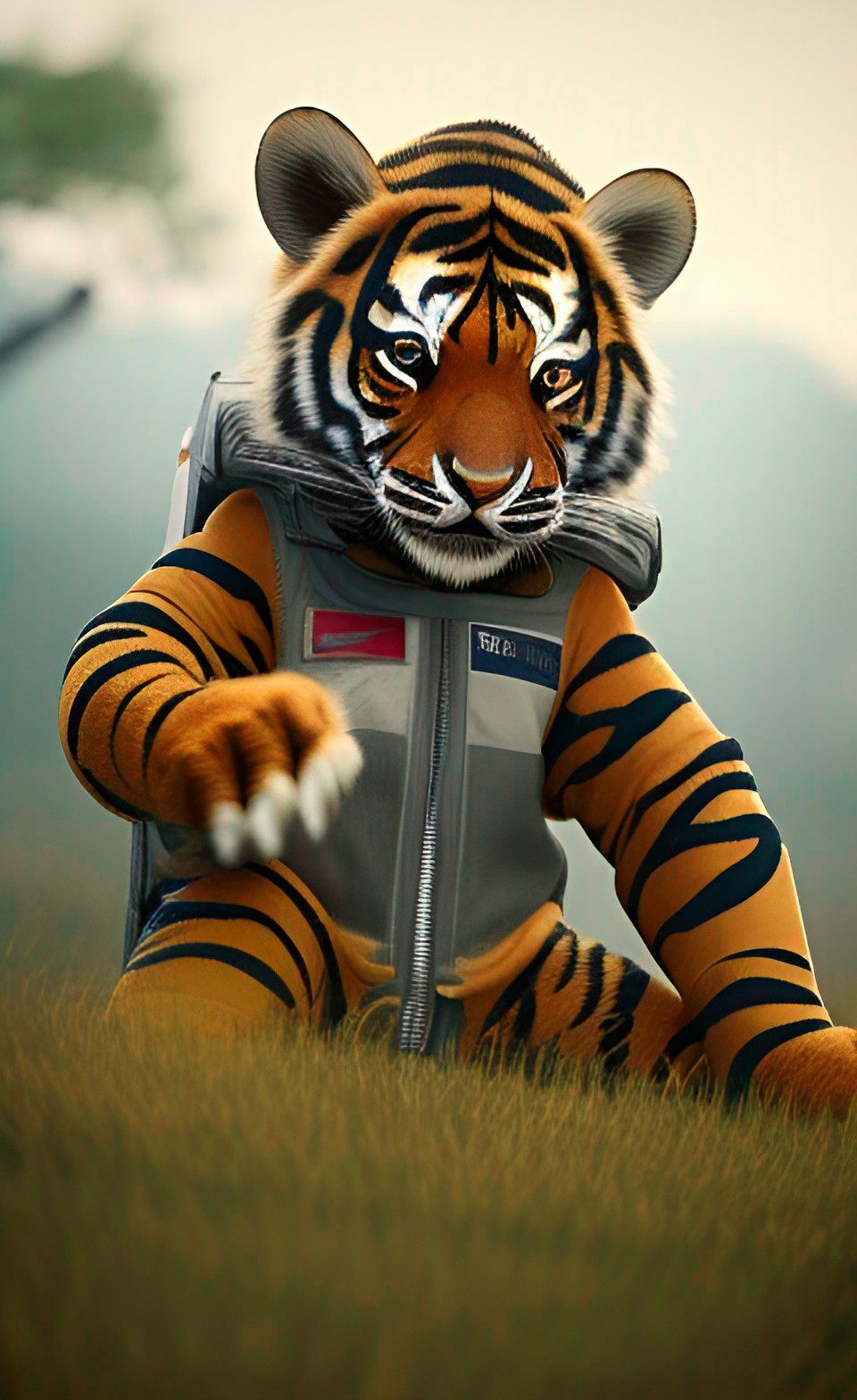
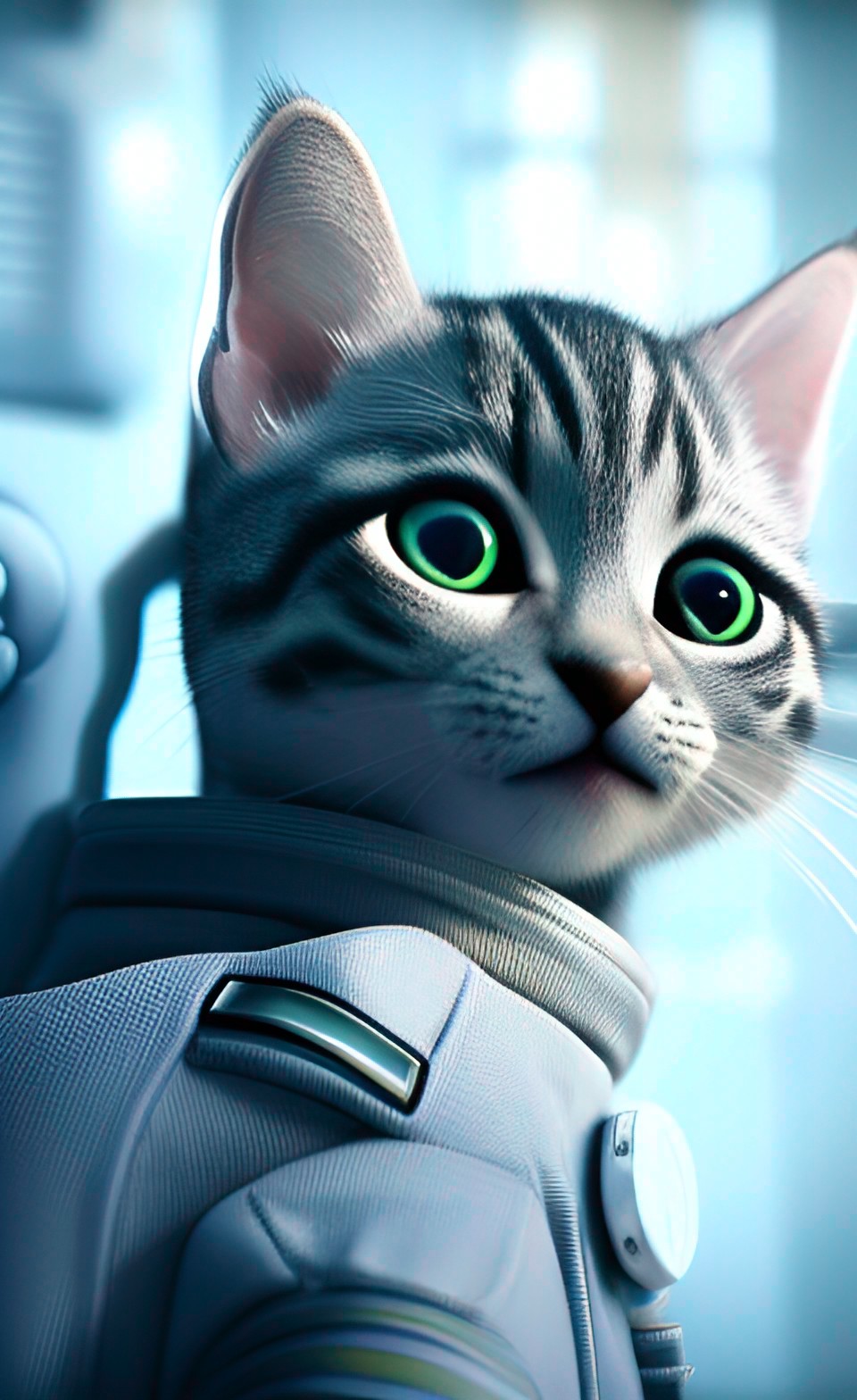
Catstronauts
Lt. Commander Freddie Ferocious, executive officer of the USS Fowl Play.
Catstronauts!
Star Commander Buddy, commanding officer of the USS Fowl Play.

Myles, a three-month-old tuxedo who wants to be a catstronaut when he grows up, has asked me how catstronauts eat and use the litter box in zero gravity.

“Well, Myles,” I tell him, “as you may have guessed, regular litter is no good without gravity! You can’t bury your business, obviously, and you run the risk of free-floating poops and granules of litter escaping into the ship’s habitable areas, so a litter box is out of the question. That is why we have a sealed Litter Chamber and a special suction device. It takes some getting used to, especially since it tends to pull on your fur while you’re doing your business!”

Sophia, a five-month-old Calico, asks us what we eat in space.

“This morning at 0100 hours I was informed that our food replicators are malfunctioning, which means the entire crew has had to make do with freeze-dried kibble and pate MREs. No wonder we’re all so cranky! I have ordered the engineering department to devote all available resources and catpower toward the repair of the replicators. This simply cannot be allowed to go unresolved, for a cranky crew can easily become a mewtinous one, and I don’t want to have to start spacing kitties out of the airlock. Er, I mean throwing ’em in the brig! Chief Engineer Meowdi LaForge tells me the replicators should be back online by breakfast.”
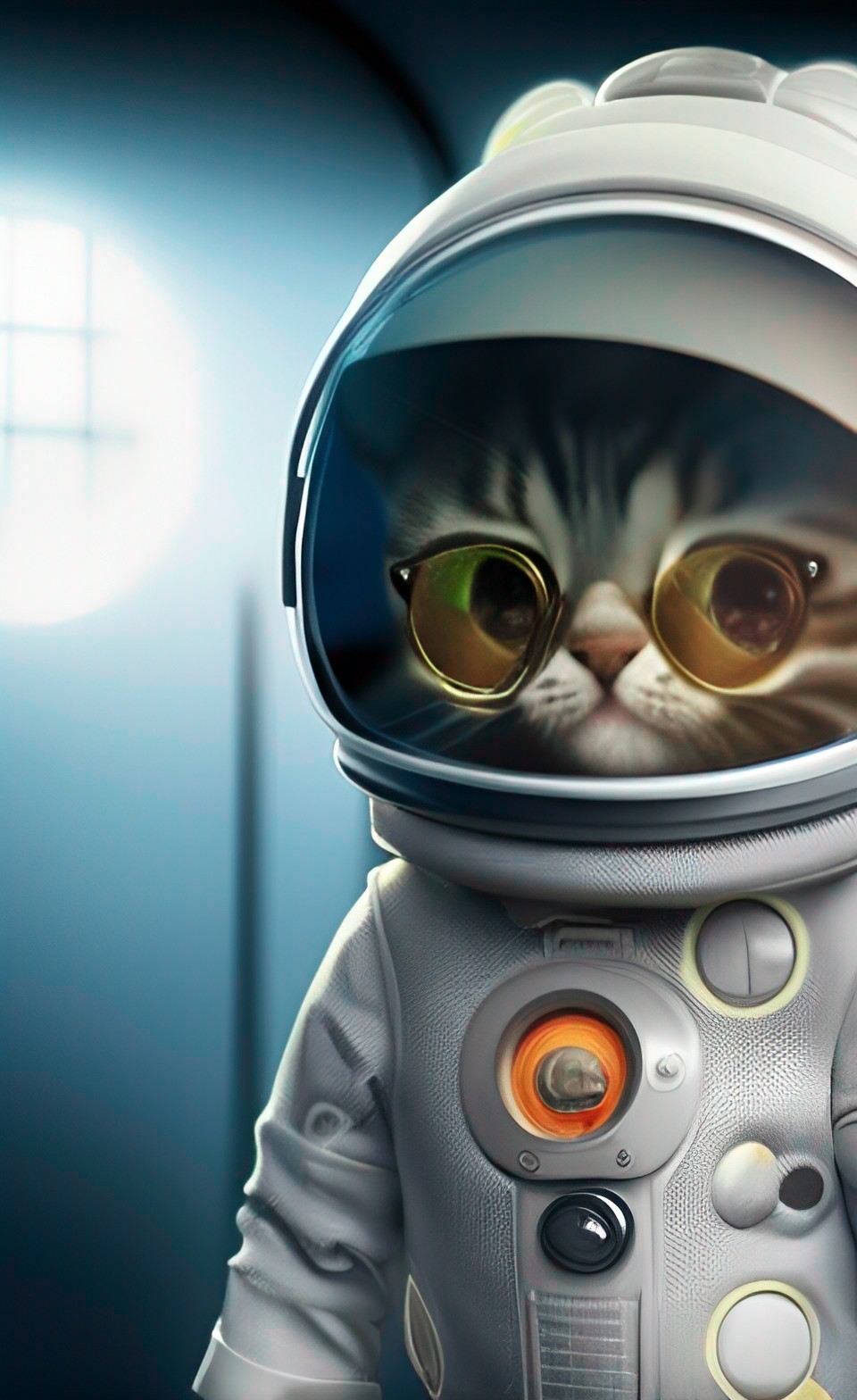
Catstronauts!
Chief Engineer Meowdi LaForge

Simba, three and a half months, asks: “Dear Commander Buddy, how far are you from the place you’re traveling to, and what will you do when you get there? Is it true there might be monsters? That would be scary!”

“Thanks for writing, Simba! It’s 10.47 light years to the Epsilon Eridani star system, which is a long ride! Fortunately the USS Fowl Play is a pretty big, comfortable ship, with lots of stuff to do to keep her running, and some pretty cool options for entertainment and R&R when we’re off duty. We’re less than two light years away from our destination now, which means the Fowl Play has already flipped and is engaged in a prolonged deceleration burn. We have to do that, see, so we don’t sail right on past Epsilon Eridani!

“Where did you hear about the thing with the monsters? It’s not true, okay? I don’t know what anyone told you, probably that jealous jerk Commander Calvin, but I totally did not run screaming from a monster during the expedition to Luyten 726-8, okay? That’s fake news!

“What happened was, I saw the monster and issued a blood-curdling battle cry, but then I hit the wrong button on my Planetary CatRover, which caused it to spin around and run in the other direction. I was trying to inspire my team, not abandon them. I would have turned around and battled the monster too, except by the time I realized my mistake I was already more than half way back to the lander and the others had scared the monster away with their laser pointers.”

That’s my rover on the left, and the Scary Monster on the right. As you can see, I’m very brave for facing the Scary Monster:

Five-month-old Pepper asks: “Star Commander Buddy, do you think smart aliens are out there? What do they look like? Will they be nice when you meet them?”

“Hi, Pepper! Those are good questions. Well we should remember that we cats are not only a super intelligent species, but we are intimidating too! We have sharp teeth and claws, some of us can roar, and we look really strong and tough! So maybe the aliens will be scared of us!

“I think there will be smart aliens even though we haven’t found other intelligent life on Earth. I mean, there’s humans, but they’re simple-minded creatures, aren’t they? That’s why they’re our servants! LOL! Maybe the aliens will only have fur on their heads like humans. Maybe they’ll look like dogs. Gross, I know! Or maybe they’ll look like a cross between elephants, manta rays and aardvarks.

“We just don’t know, which is why we’re trying to find out. Picture it: Star Commander Buddy, fearlessly leading the first expedition to make contact with smart aliens. It’ll be pretty cool to be in the history books. Tell ya what, Pepper. If we find smart aliens, you and the rest of Mrs. Meowmore’s class will be the first to know. After NASA, of course. We’ll send you pictures. Deal?”
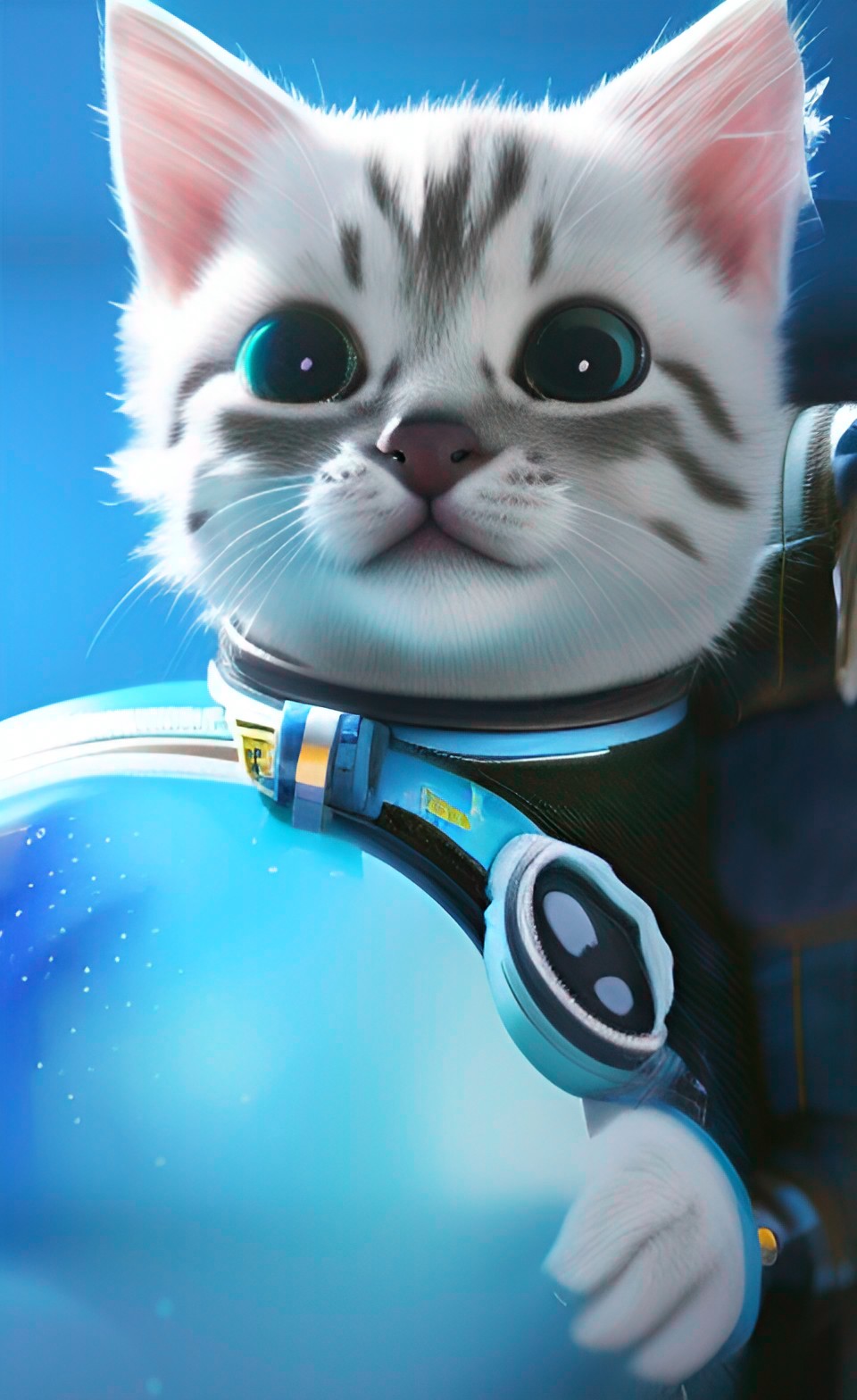
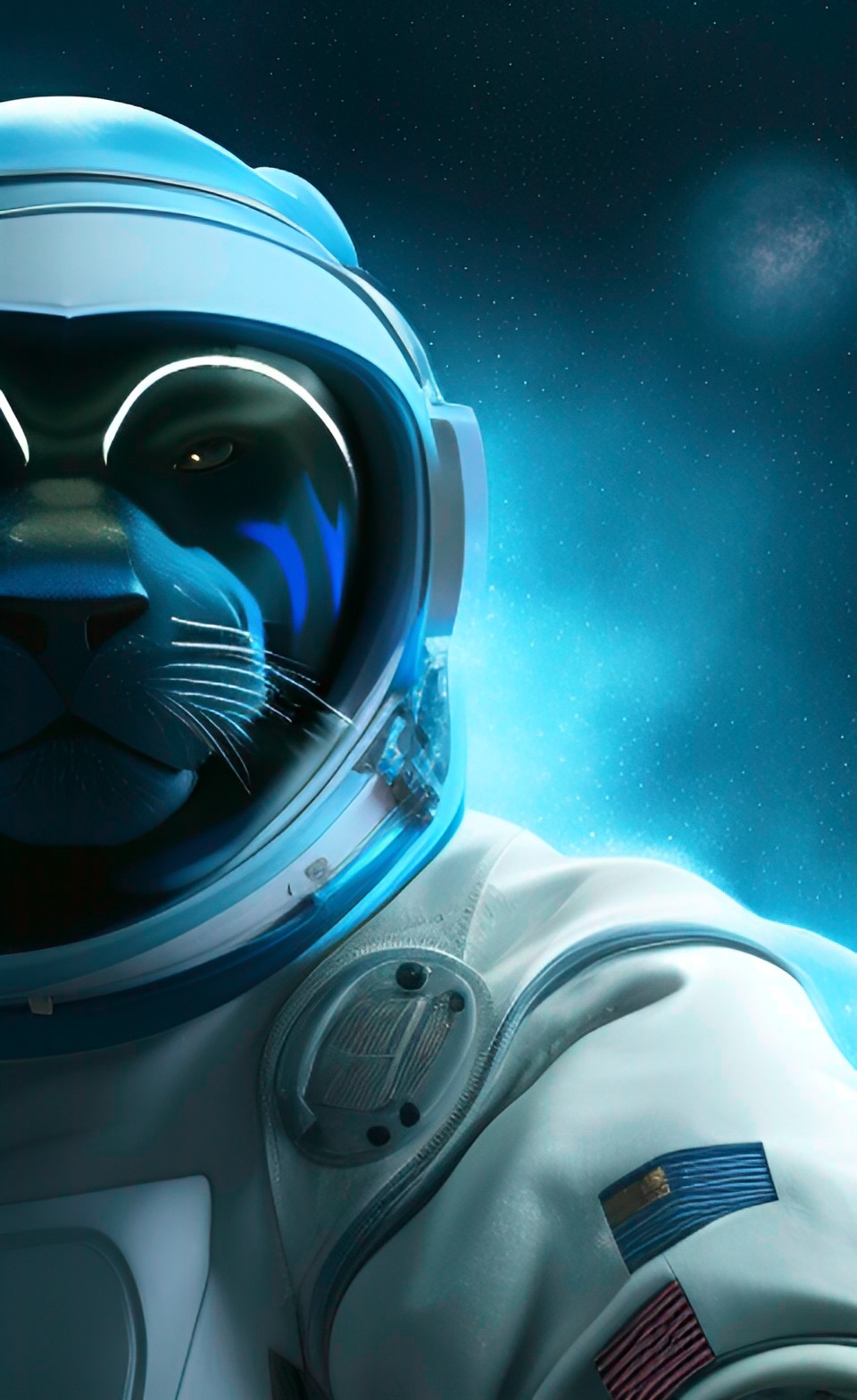
Catstronauts!
Lt. Loki pilots our lander, and he’s a good example of how intimidating our species can look! Will aliens be scared of him?


Catstronauts
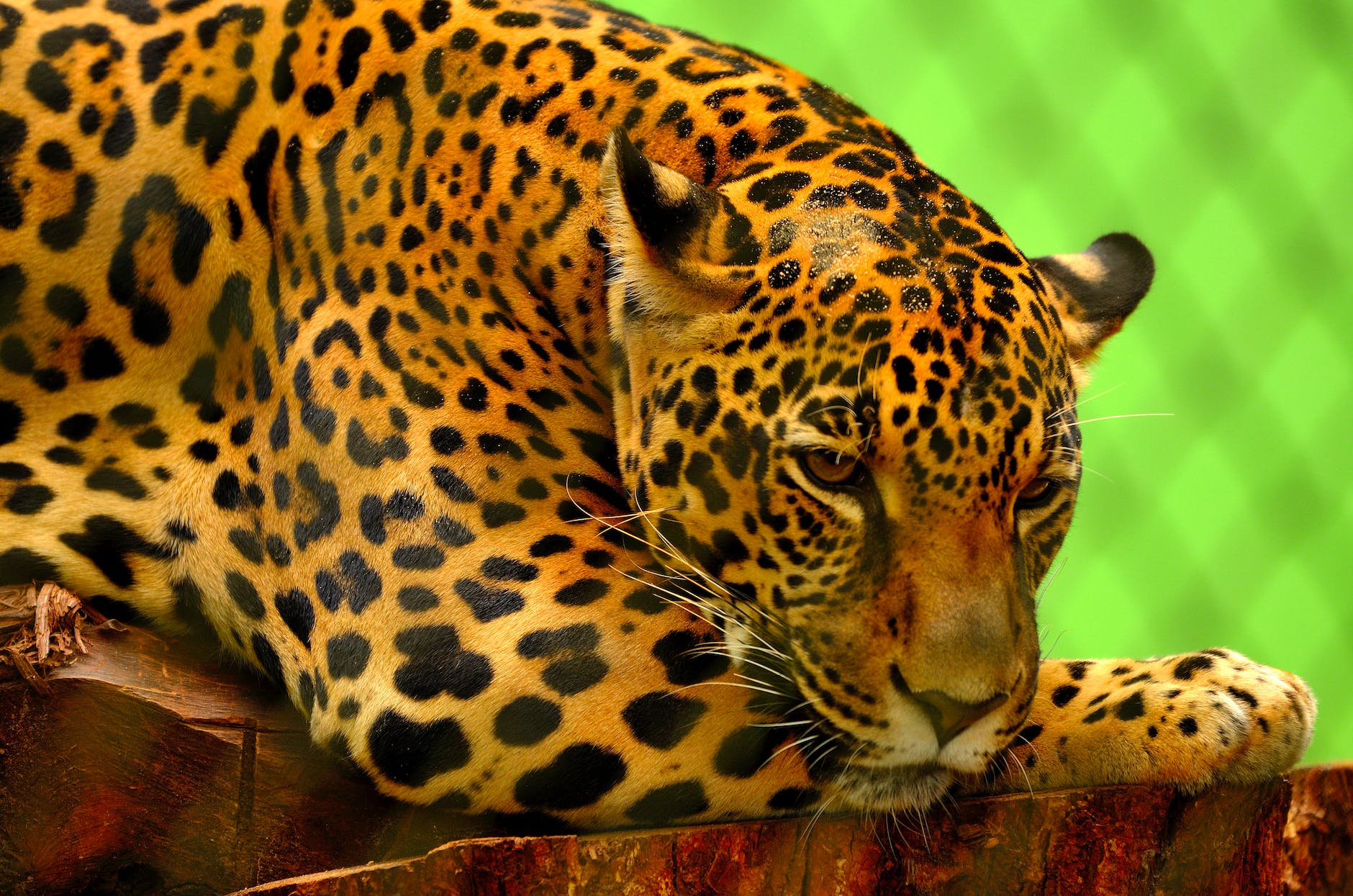
Vice Admiral Yo’oko Nahsuareo. Did you know jaguars make up only 4% of the Catstronaut Corps? They are usually sleep specialists, designing cryosleep pods for space travel and constantly improving comfortable napping spots on our ships.


Ban On Big Cat Pets Heads To Biden’s Desk

The Big Cat Safety Act will put an end to the era of cub petting mills at roadside zoos and private “ownership” in states like Texas and Florida.

All that awaits is a stroke of President Joe Biden’s pen.

The Big Cat Safety Act was passed by the US Senate this week, clearing its last legislative hurdle. The law would ban the “ownership” of big cats as pets and would end their exploitation by roadside zoo operators, while also outlawing big cat breeding by private parties.

It’s a bipartisan effort that gained steam after years of efforts by animal rights organizations and documentaries like Netflix’s infamous Tiger King, which showed millions of viewers how the majestic felids are kept in cruel conditions and chained to an endless breeding treadmill to provide a constant supply of cubs. Those cubs are taken away from their mothers shortly after birth and used as props in lucrative “selfie with a tiger” offerings at unaccredited roadside zoos.

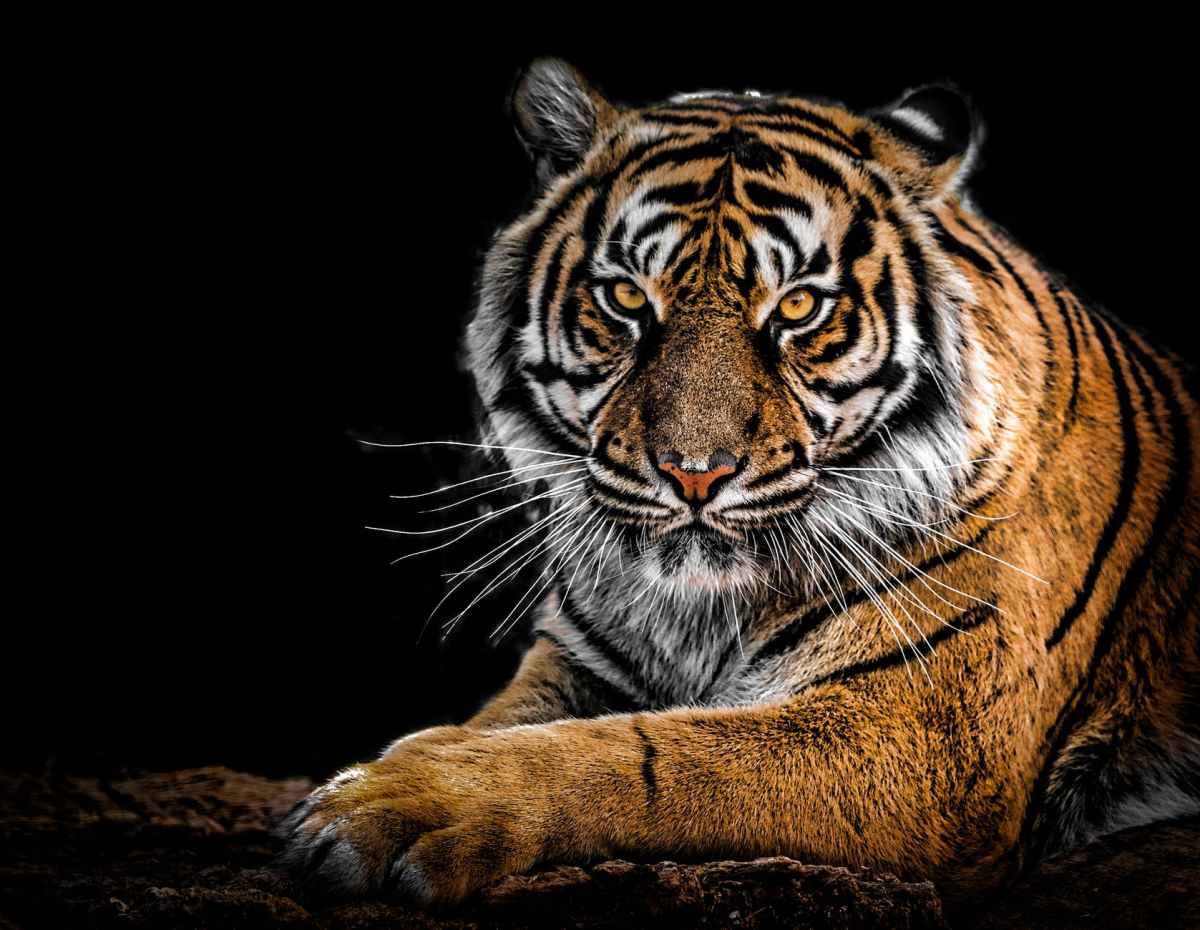
Private “ownership” of big cats has been a contentious issue and an embarrassment for American animal rights activists, particularly because almost all big cat species are critically endangered. There are more tigers living in backyards in Texas and Florida, for example, than there are living in the wild in the entire world.

Breeding for conservation is a process that involves careful planning by experts at accredited zoos and sanctuaries. Because there are so few big cats left, with some subspecies down to just a few hundred living animals, mates must be carefully chosen to avoid genetic bottlenecks and to ensure healthy and viable breeding populations in the future. As private breeders and roadside zoos breed the animals without regard to subspecies or genetic diversity, they do not contribute to species conservation in any meaningful way and can do harm with indiscriminate matches, conservationists say.

leopard on brown log
Credit: Pexels

While the bill outlaws private ownership, it still allows sanctuaries, zoos and universities to keep big cats in regulated facilities that meet their physical and psychological needs. It also permits programs like the statewide puma project in California, which has been tracking the elusive felines for more than two decades and involves occasional sedation and temporary custody so the team can provide veterinary care.

“An extraordinarily cruel era for big cats in the U.S. finally comes to an end with the passage of the Big Cat Public Safety Act,” said Kitty Block, president of the Humane Society of the United States. “We’ve been fighting for this moment for years because so many so-called ‘Tiger Kings’ have been breeding tigers and other big cats to use them for profit. And once the cubs grow too large for cub-petting or selfies, these poor animals get dumped at roadside zoos or passed into the pet trade, which is not only a terrible wrong for the animals, but also a threat to public safety. Now that the Big Cat Public Safety Act will become law, it’s the beginning of the end of the big cat crisis in the U.S.”

The Big Cat Safety Act cleared congress in mid summer, and its passage in the senate means it will get to Biden’s desk with several weeks to go in the current legislative session. Biden is expected to sign it without delay.

“For me, this fight for the big cats was never personal,” said Carole Baskin of Florida sanctuary Big Cat Rescue. “This was always about developing a national policy to shut down the trade in these animals as props in commercial cub handling operations and as pets in people’s backyards and basements.”

The new law does nothing for big cats currently in captivity, unfortunately. Current “owners” will be grandfathered in, although they won’t be able to replace their “pets” legally, as breeding and purchasing the animals will be illegal. The last “pet” members of the panthera genus in the US will die out within the next two or three decades, assuming no major outliers in lifespan.

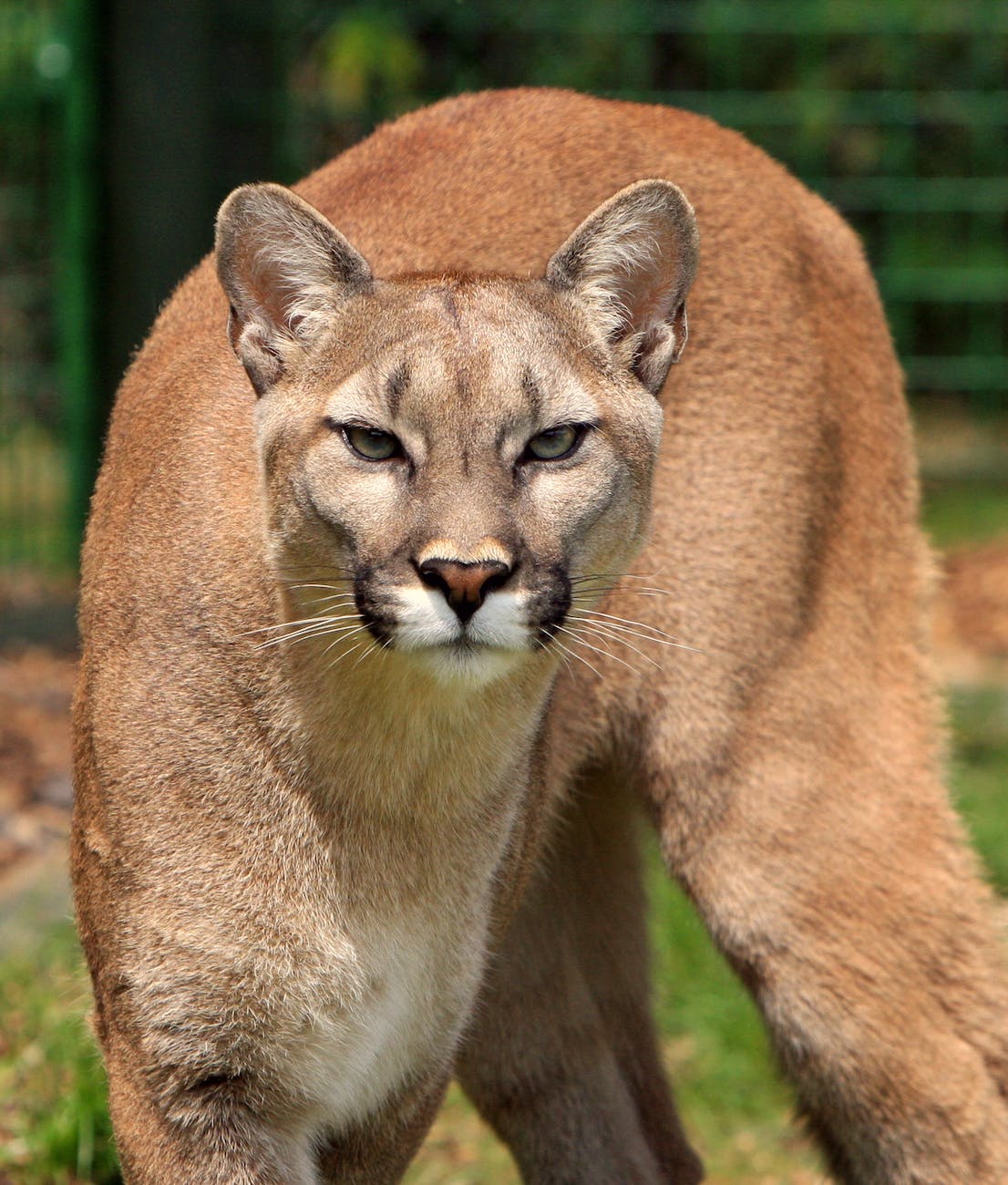
Puma
As felines who can purr but not roar, mountain lions are not technically “big cats,” but they’ll also be protected under the new law. Credit: Pixabay/Pexels

Finally, Wild Cat ‘Ownership’ Could Be Banned Under The Big Cat Public Safety Act

The legislation aims to ban all private big cat ownership throughout the United States.

There are more tigers living in cramped backyards in Texas than there are in the wild.

At roadside zoos, shady people like Joseph Maldonado-Passage, Joe “Exotic” of Tiger King fame, breed big cats like rabbits so they have an endless supply of cubs to steal from their mothers before they’re weaned, pumped full of sedatives, and handed off to tourists who take selfies with them but never stop to consider the welfare of those baby cats or the harm they’re enabling.

And in states like Florida, where “Muh freedoms!” reign supreme over all other values, people can own any wild animals they want, with no real oversight and no mechanisms to ensure they’re doing right by the animals. There’s nothing forcing “exotic” animal “owners” to keep the big cats, monkeys and other mammals in proper enclosures where they have stimulation and — just as importantly — won’t escape and hurt neighbors.

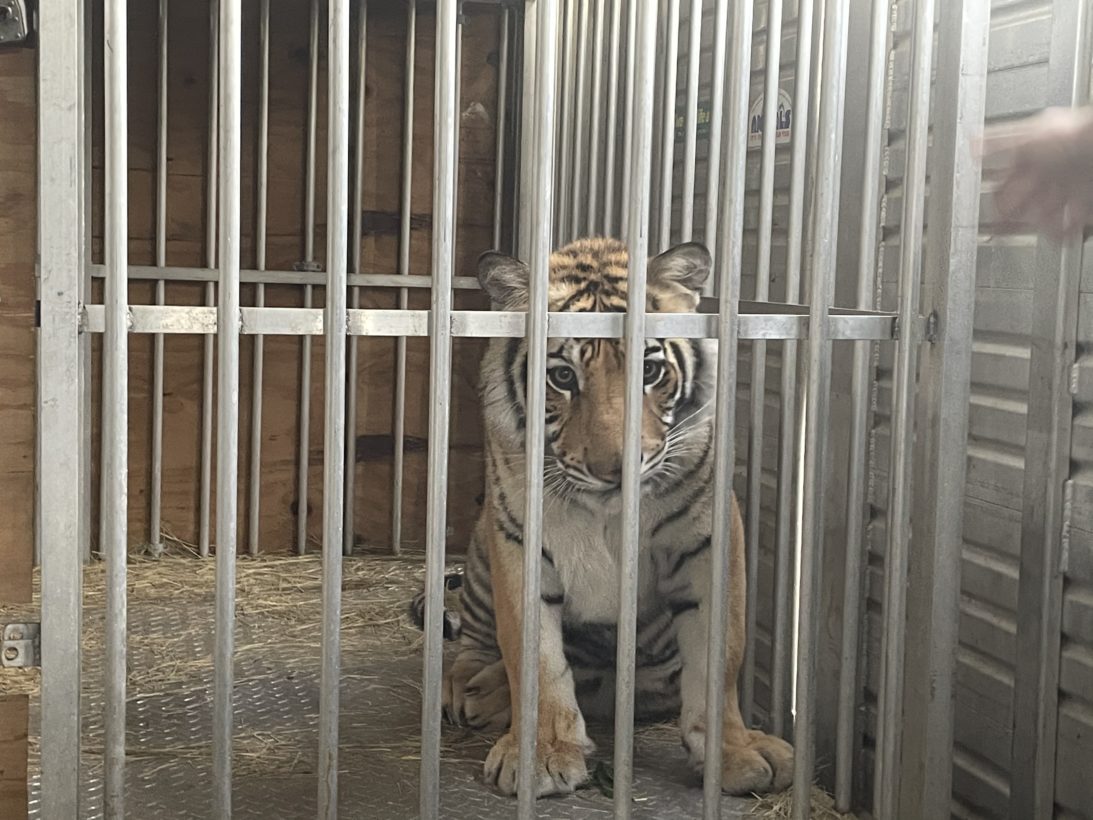
India the tiger Transported to BBR
India the tiger was still just a cub when he was spotted wandering through residential neighborhoods in Texas, where he’d been dumped by his former “owner.” Credit: Humane Society

Thankfully, things could change soon as lawmakers are expected to vote on the Big Cat Public Safety Act, a rare bipartisan effort that would finally make it illegal to keep tigers, lions, jaguars, leopards, cheetahs, pumas and other wildcats privately, whether in homes, businesses or non-accredited “zoos.”

Currently keeping big cats is illegal or severely restricted in most states, but like many things in the US, there’s a confusing patchwork of laws and things that would be unthinkable in other states are perfectly acceptable in places like Texas and Florida.

Because, you know, “muh freedoms.”

Now is a good time to point out that this blog has always been, and will remain, politically agnostic. I have my own political beliefs as any other person does, but PITB is a cat humor, news and advocacy blog, and the only politics we discuss here are those that relate to animal welfare. Equally important, Buddy and I want people of all political persuasions to feel comfortable as readers and commenters on PITB. (Although that could change if one or both political parties suddenly makes a move against the nation’s Strategic Turkey Supply. Then Buddy’s gonna have to get biblical.)

The Big Cat Safety Act is co-sponsored in congress by representatives Mike Quickly, D-IL, and Brian Fitzpatrick, R-PA, and in the senate by senators Susan Collins, R-ME, Tom Carpenter, D-DE, Richard Burr, R-NC, and Richard Blumenthal, D-CT.

It’s endorsed by a wide range of groups, from the National Association of Zoos and Aquariums to the Humane Society and various bar associations. The proposed legislation also has the support of the White House, which released a statement this week urging its passage.

If your congressional representative or your senators aren’t publicly on board with the Big Cat Safety Act, you can make your voice heard via the Humane Society’s site, which allows you to draft and send letters to the offices of your lawmakers.

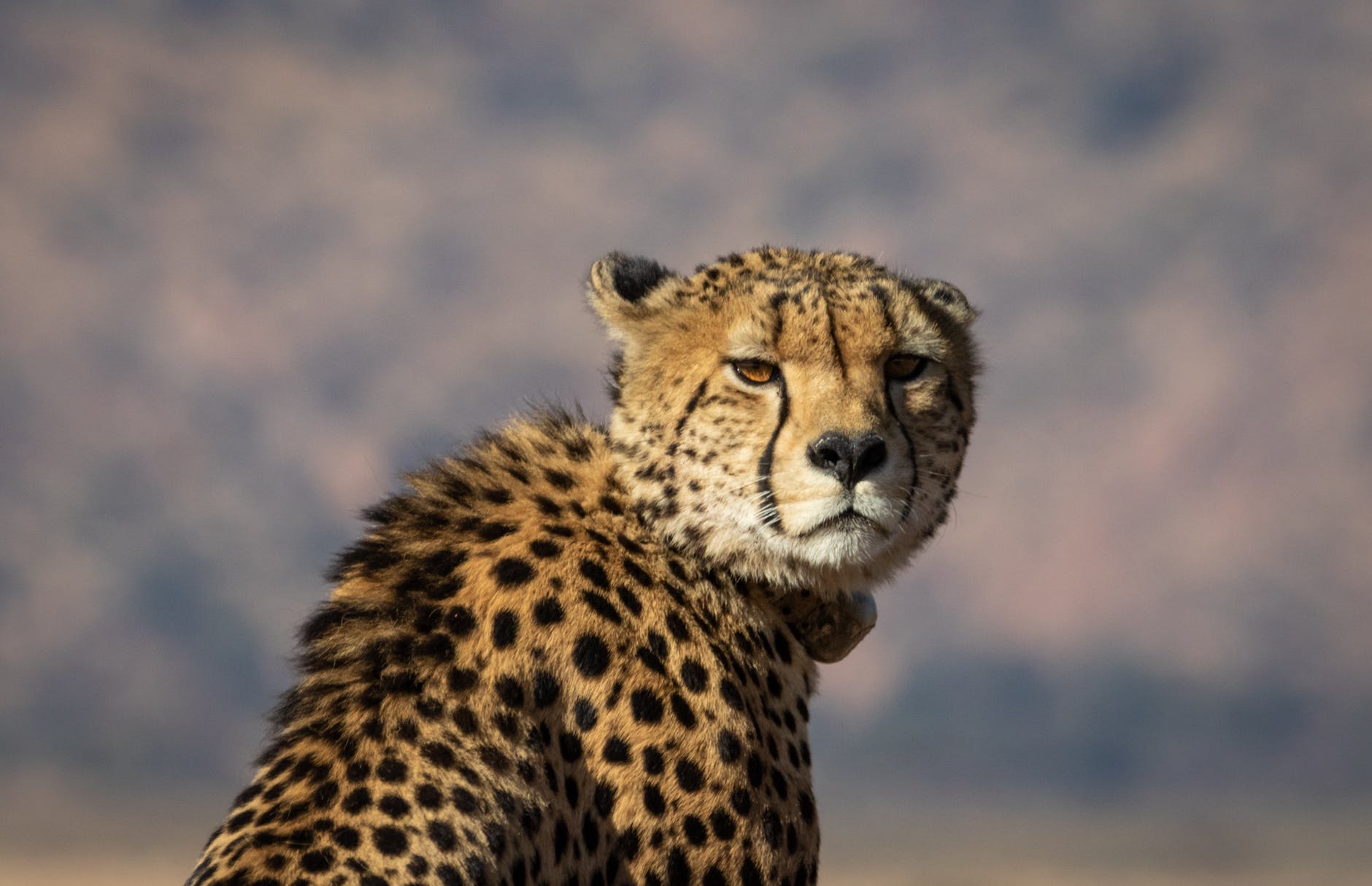
shallow focus photography of cheetah
Cheetahs, already critically endangered, have been almost entirely wiped out by poachers who sell their cubs on the illegal wildlife market. Credit: Magda Ehlers/Pexels

Bud’s Book Club: The Man-Eaters of Kumaon & The Game of Rat and Dragon

Join us in reading stories of cats in space and big cats in the jungles of India.

Welcome to the inaugural post of Buddy’s Book Club, where we’ll read stories about cats and stories involving cats!

We’re going to start things off easy with a classic short story of the cat canon, which is available for free online via Project Gutenberg, and a seminal book about big cats from a man whose name is indelibly linked with them.

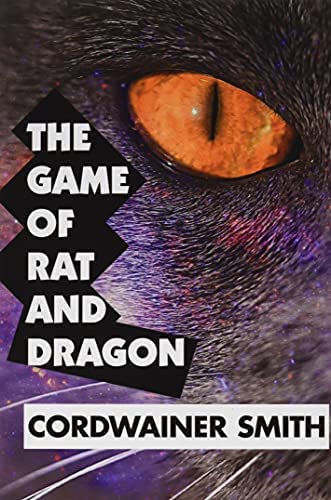
The Game of Rat and Dragon (1954) by Cordwainer Smith

51Aneono5KS._AC_SY1000_

Read it here for free from Project Gutenberg, a collaborative effort to create a digital archive of important cultural literary works that have fallen into the public domain. For those unfamiliar with Project Gutenberg, it’s completely above-board, legal and safe for your devices, and the story opens in plain HTML with illustrations included as image files. You can read the story in a browser or download it onto a reading device, tablet or phone.

The Game of Rat and Dragon first appeared, as so much short fiction of the era did, in a digest. Although Smith had penned it the year before, the story was published in Galaxy Science Fiction’s October 1955 issue and became an instant classic among cat-lovers and science fiction aficionados. (There is considerable overlap between the two, not surprisingly: Introverts whose imaginations run wild when they look to the stars tend to have many of the same personality traits as people who prefer the more sublime antics of cats.)

The Game of Rat and Dragon imagines a far future in which humanity has become a star-faring culture, meaning we’ve conquered interstellar flight and have begun to colonize planets in star systems other than our own.

There is, of course, a problem. The dark, lonely void between stars isn’t as empty as we thought it was, and is inhabited by invisible (to the human eye), inscrutable, inexorable entities eventually dubbed “dragons.”

When dragons attack they leave only death and insanity in their wake, putting the entire idea of interstellar travel at risk. Imagine if there was a not-insignificant chance of your passenger jet being attacked by impervious creatures every time you hopped on a plane. It wouldn’t be long before the entire air industry collapsed and the world suddenly became a much bigger place, with other continents unreachable by air.

Who can help humans with this problem? Cats, of course! To say more would be to spoil the fun. Meow!

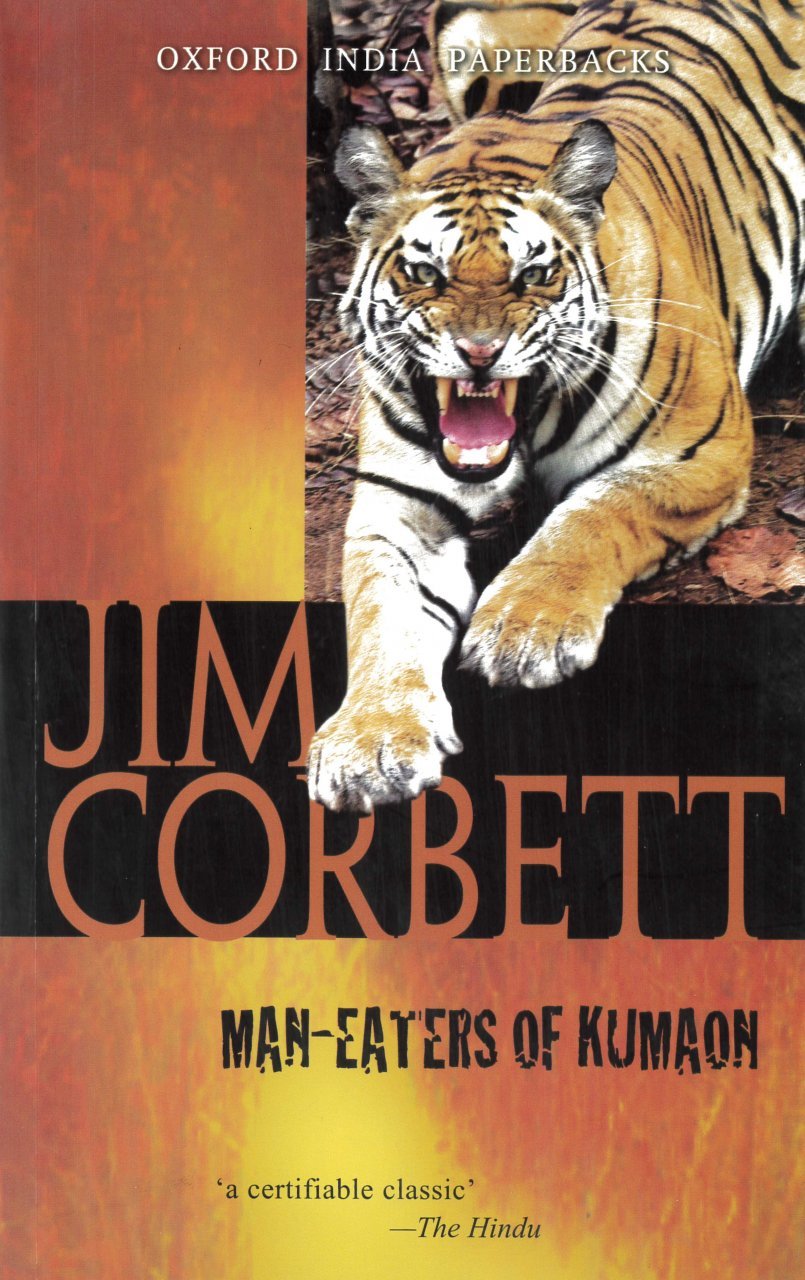
Man-Eaters of Kumaon (1944) by Jim Corbett

201355

Available as an ebook for 99 cents from Barnes and Noble.

Jim Corbett was a sportsman, the son of a government official in the British Raj who was raised in India’s jungles and came to know them intimately. He’s best remembered as the fearless hunter who finally brought down the infamous Champawat tigress, who officially claimed 436 lives over a years-long rampage as a man-eater, and likely many more that went unrecorded.

To understand the gravity of Corbett’s accomplishments, it’s necessary to understand the effect of a man-eater on rural India. The people living in India’s tiny villages are subsistence farmers. If they don’t farm, they don’t eat.

But when a man-eater as dangerous as the Champawat tigress claims an area as its hunting grounds, everything grinds to a halt: Farmers refuse to tend their fields, villagers disappear behind locked doors, and a simple walk to a neighboring village becomes an impossibility unless escorted by a group of two dozen or more armed men. Even then it’s a risk, for as Corbett notes, when tigers become man-eaters they have no fear of humans and will kill people in broad daylight, even when they’re in groups.

And yet for all their power and predatory instincts, tigers are never deliberately cruel and don’t harm humans willingly. Tigers become man-eaters by unfortunate circumstance, usually due to negligence or stupidity on the part of humans.

The Champawat tigress, for example, was like any other big cat until a human hunter took aim and shot her in the mouth, destroying one lower canine completely and shattering another. The tiger could no longer take down her usual prey, or at least not without serious difficulty. At some point — perhaps after encountering the body of a person it did not kill — the tigress realized she could survive on human flesh.

If that hadn’t happened, those 436-plus souls wouldn’t have been lost, an entire region wouldn’t have been brought to its knees, and the tigress would have continued life as normal.

The vast majority of the time, tigers are content to let humans be.

“I think of the tens of thousands of men, women and children who, while working in the forests or cutting grass or collecting dry sticks, pass day after day close to where tigers are lying up and who, when they return safely to their homes, do not even know that they have been under the observation of this so called ‘cruel’ and ‘bloodthirsty’ animal,” Corbett writes.

Despite his reputation as the man to enlist when a man-eater terrorized a region, Corbett saw the way things were trending a century ago, and begged people to let the big cats live undisturbed.

“A tiger is a large-hearted gentleman with boundless courage,” he wrote, “and that when he is exterminated — as exterminated he will be unless public opinion rallies to his support — India will be the poorer by having lost the finest of her fauna.”

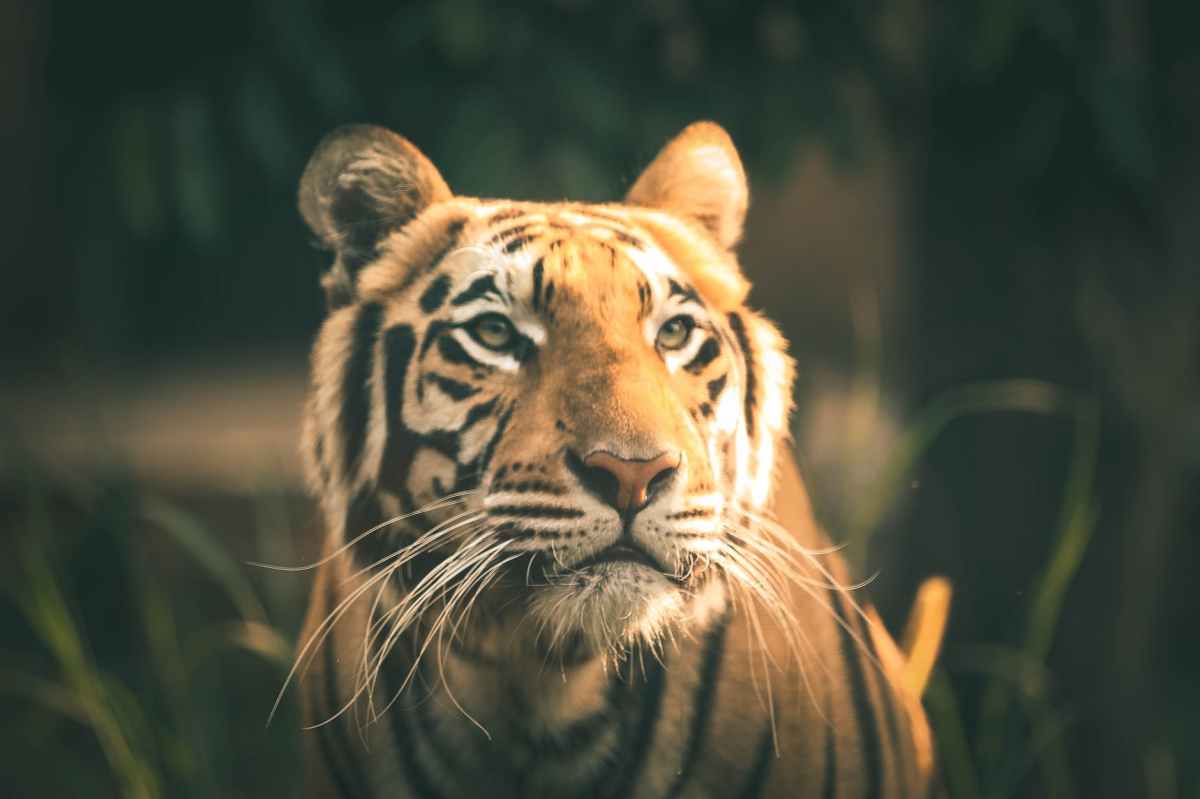
Corbett would undoubtedly be deeply disturbed by the situation today, with only some 4,000 wild tigers remaining in the entire world, and the glorious species mostly reduced to spending life in captivity, constantly sedated so that idiots can pay to take selfies with them.

The Man-Eaters of Kumaon follows Corbett on 10 hunts of man-eating tigers and leopards. It’s also a story of life in the British Raj, rural life in India, Corbett’s jungle adventures, his love for his loyal hunting dog and his turn toward conservation.

Schedule:

We can do the short story in a week, yeah? Let’s shoot for one week for The Game of Rat and Dragon, and two weeks for The Man-Eaters of Kumaon. We’ll adjourn and discuss in follow-up posts. Happy reading!

Now There’s A Mail-In DNA Test For Cats

A company offers DNA tests for cats, similar to the ancestry tests offered to people. What can you learn about your cat?

Ever wonder about your cat’s parentage, breed and potential health problems? A mail-in DNA test for cats promises to fill you in on the details.

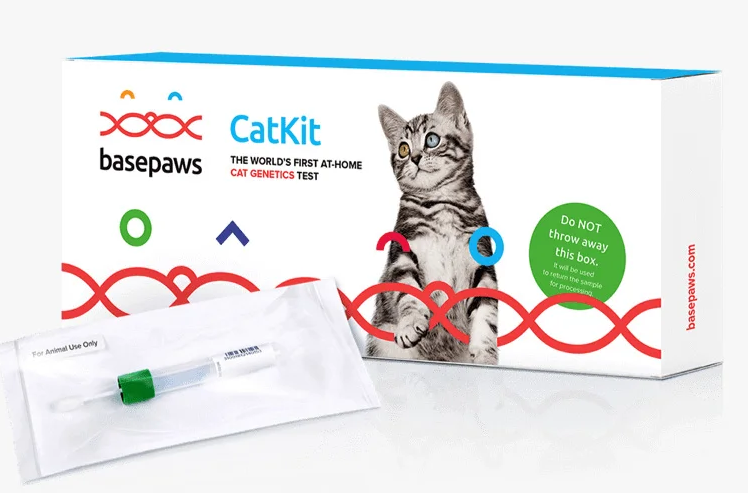
Basepaws, a Los Angeles company, offers a kit not much different from the human mail-in DNA tests: You swab the inside of your cat’s mouth for a few seconds, secure it according to the provided instructions, and mail it to the company, which processes the results.

Screenshot_2020-12-16 Basepaws-cat-kit-sample jpg (WEBP Image, 974 × 731 pixels)
The basepaws kit.

In four to six weeks you’re notified that your cat’s results are ready, and you’ll get a report with a breakdown of genetic identity, associated breeds and potential health issues to watch out for.

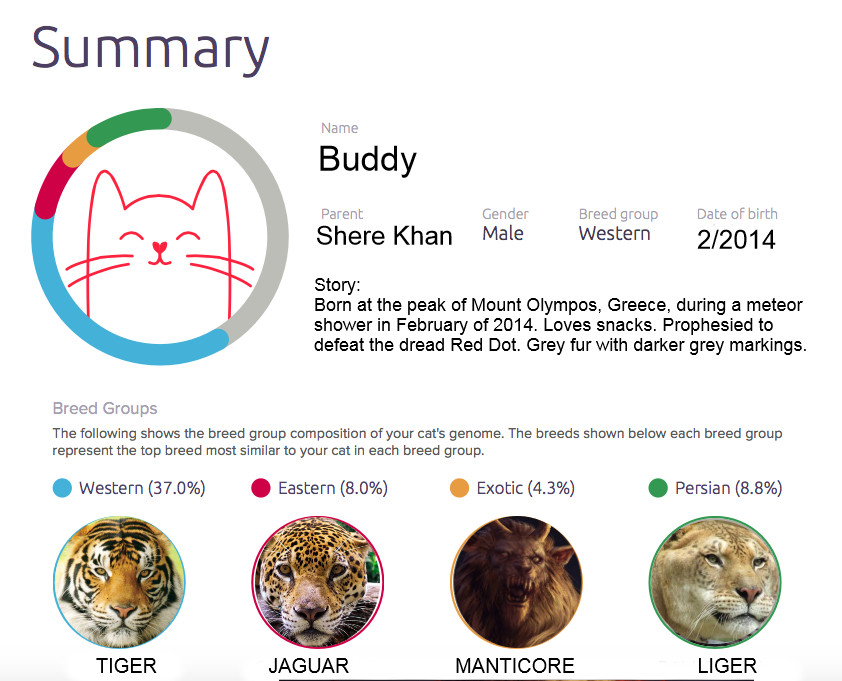
This presents a problem for me, of course. Buddy thinks he’s descended from a long line of legendary warrior felids. I took a regular Q-tip, made a big show of swabbing his cheek for his DNA, and told him I was mailing it away for analysis.

Then I cooked this up:

dnabuddyfake
Buddy’s fake results.

You’ll notice the results don’t come close to adding up to 100 percent. The company’s founder says that’s because the more people test their cats, the more accurate the results will be, with fewer unknowns as the overall database expands.

Each cat’s report is updated indefinitely as the company continues to test. Checking back over subsequent months and years will yield updated information on your cat, the company says.

All jokes aside, it would be interesting to find out more about the Budster’s background. All I know is that his mom was an indoor cat who wasn’t spayed. She went into heat, she got out, she came back and the rest is history.

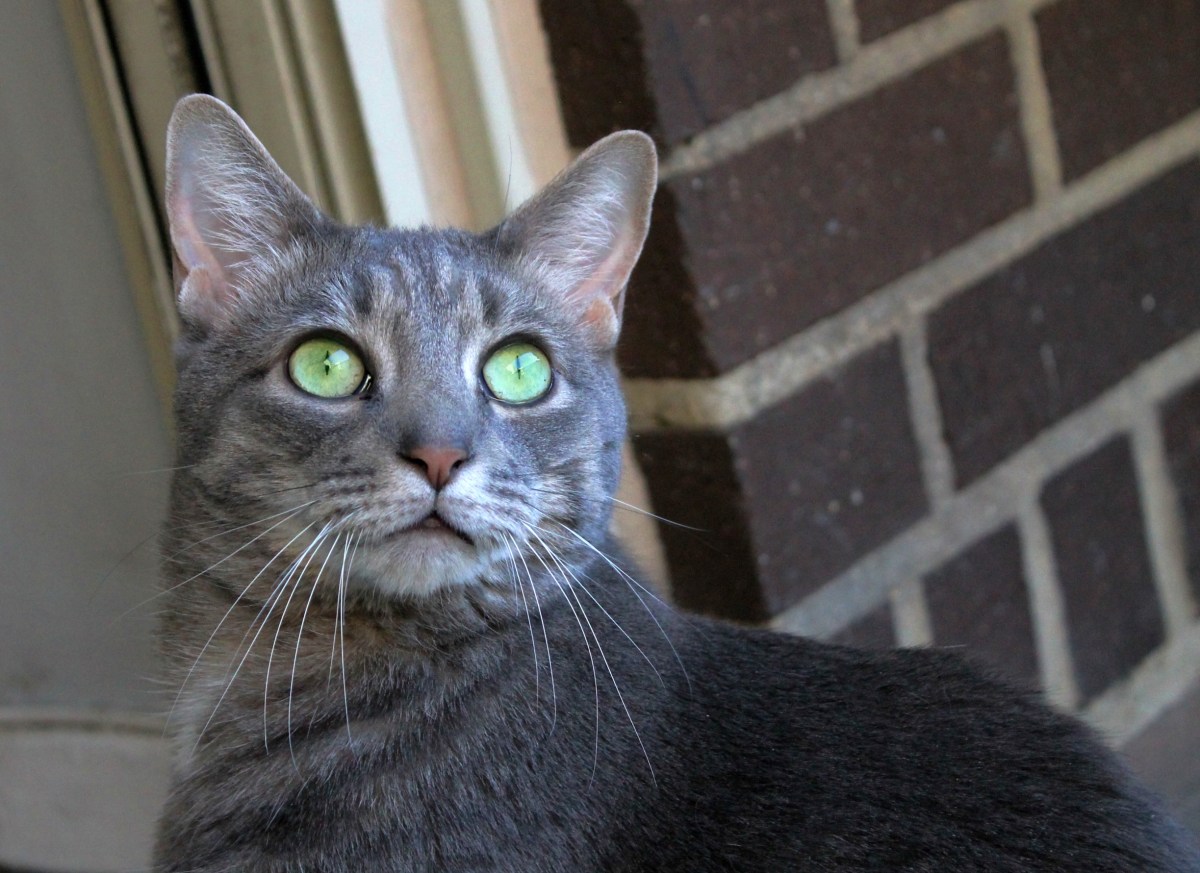
Because he’s a big talker, I’ve always wondered if Bud might have a bit of Siamese or one of the other chattier breeds in him. His coat is pretty short, extremely soft and all grey/dark grey in a tabby pattern, except for a single white tuft on his chest.

Interestingly, most of his tabby stripes are unbroken, a trait usually seen in hybrid cats.

He’s comically incapable of certain things, but almost frighteningly intelligent in other respects, and he wears his emotions on his sleeve…er, paw? Maybe there really are secrets to unlock in his DNA.

Cat DNA analysis is in its infancy

On the downside, Basepaws DNA tests don’t come cheap — with two packages priced at $129 and $99 — and, as a review in Wired notes, cat ancestry reports are always going to be more vague than reports on human or dog DNA.

That’s because the practice of dog breeding is a lot older and more common than creating pedigree cat lines, and most cats are not a specific breed. Unlike dogs — whose roles range from hunting and shepherding to assisting the blind and pulling sleds — cats have always had one job, and occasionally two. Kill rodents and snuggle with their humans, cuddly killers that they are.

Historically humans haven’t felt a compelling need to interfere with cat procreation. The last century or so has been an exception, but breeds still represent a small minority of cats.

If you’ve had your cat’s DNA analyzed, we’d love to hear from you about your experience.

Now if you’ll excuse me, I’ve got to tell a certain Tiger-Manticore-Jaguar about his impressive felid lineage.