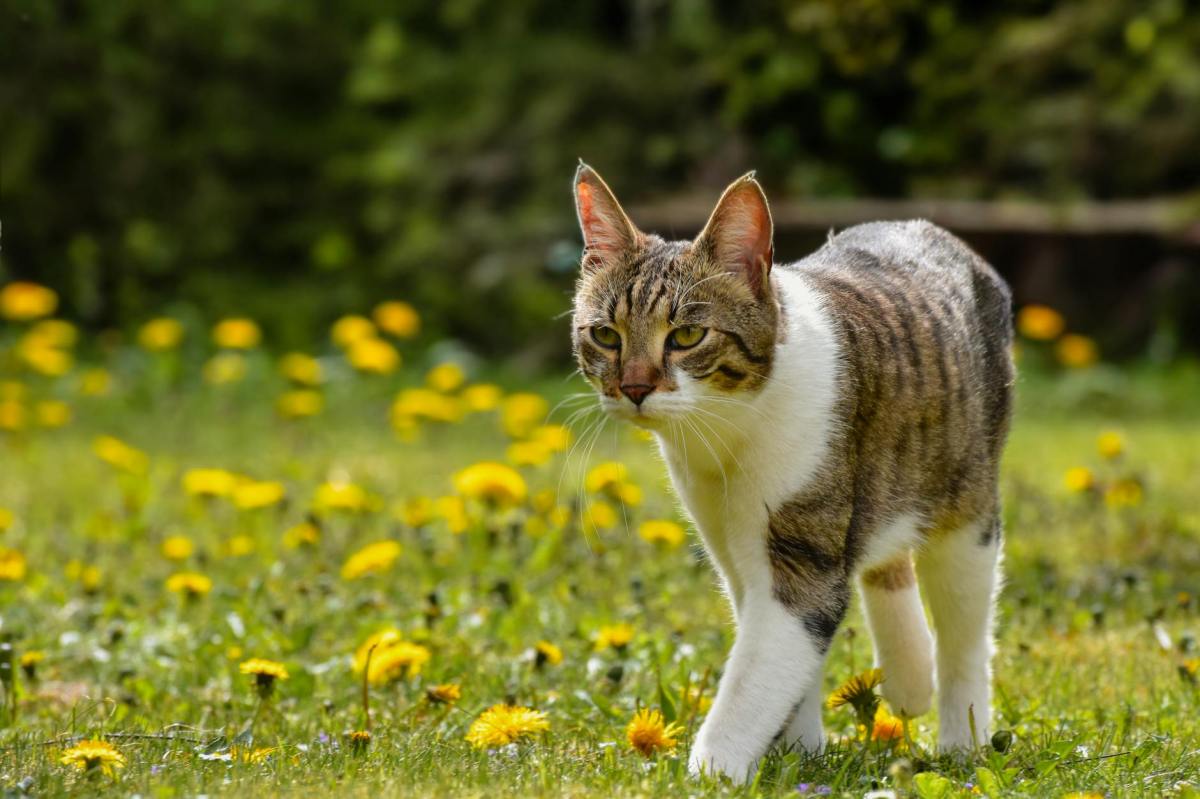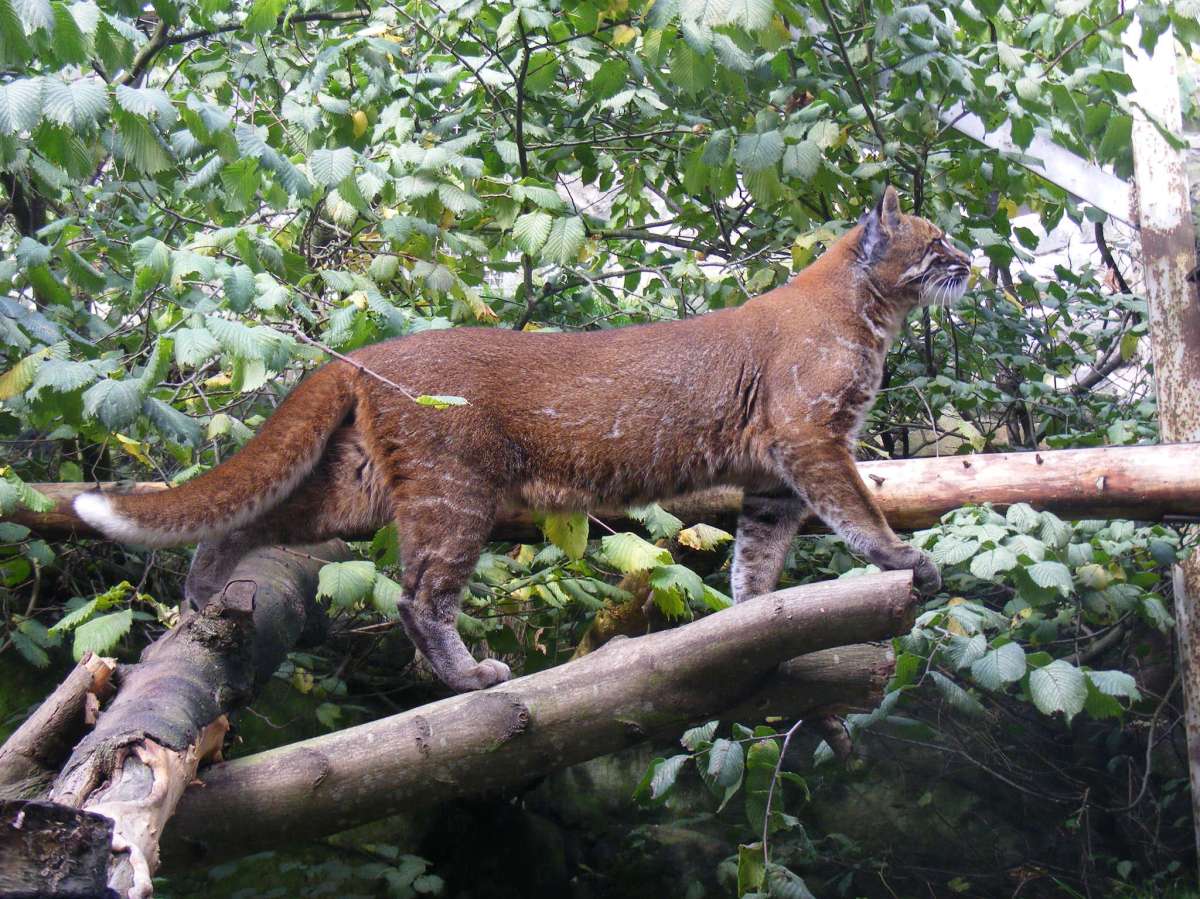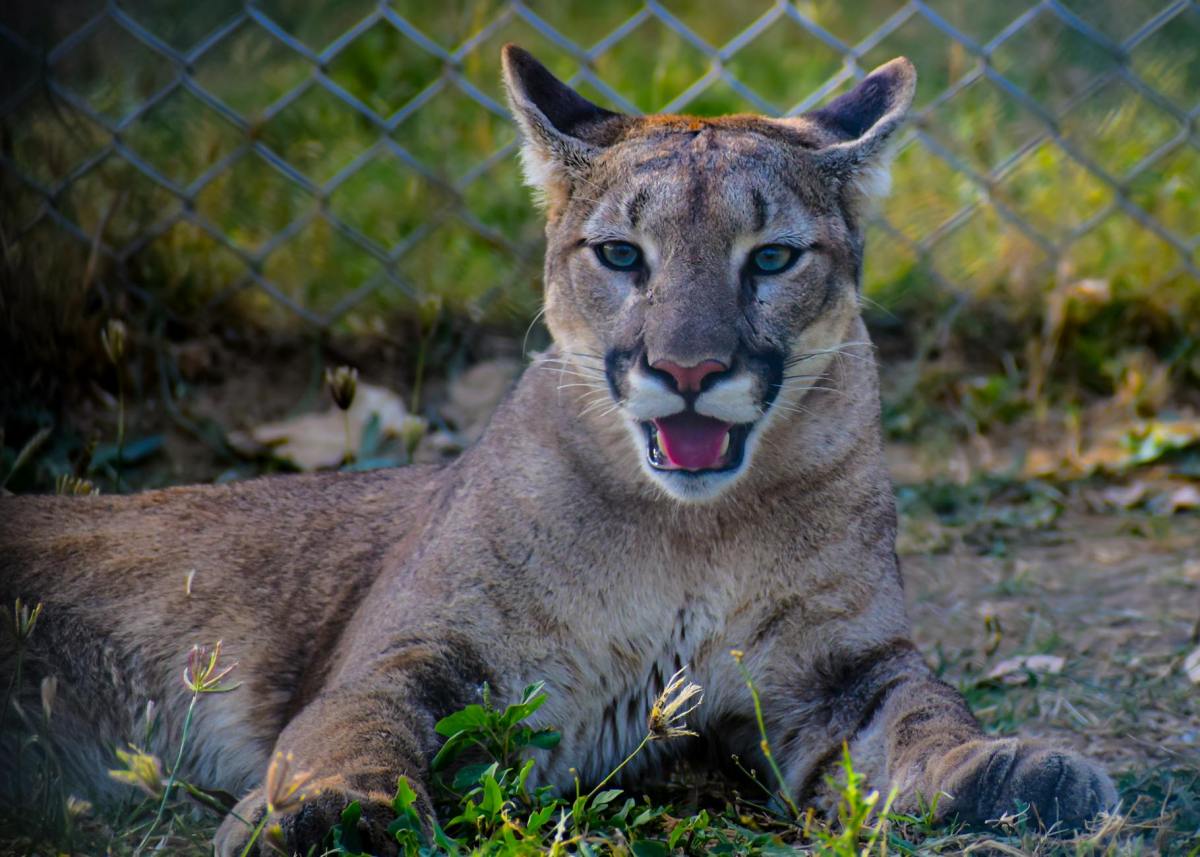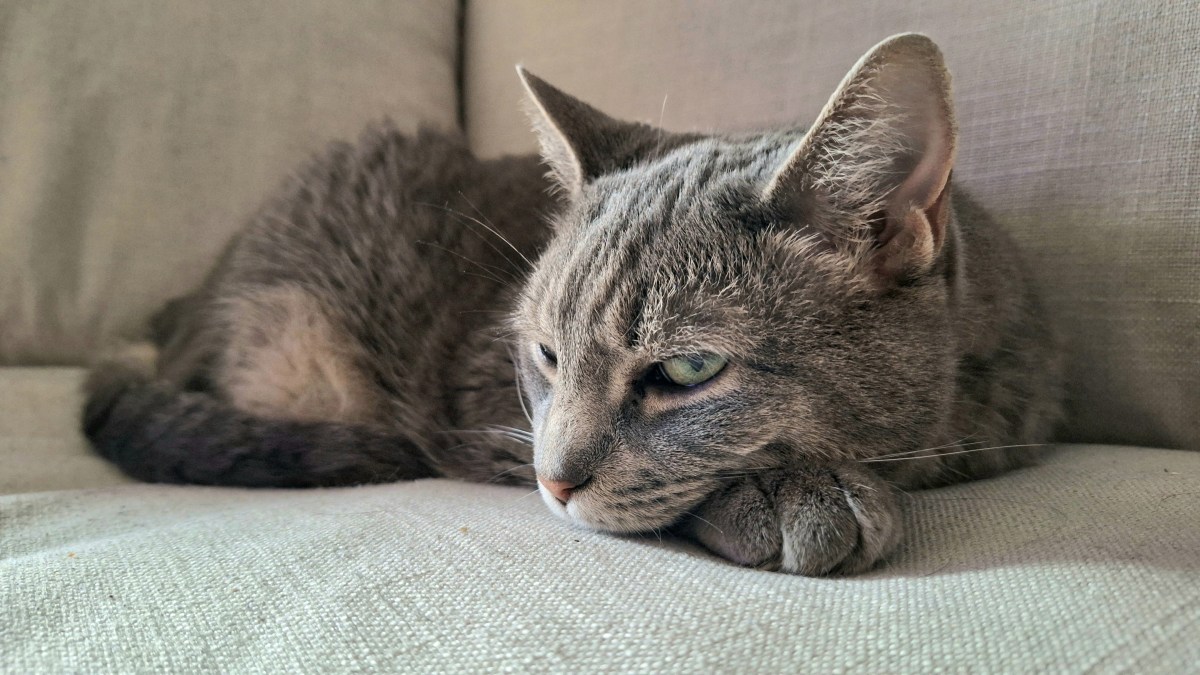
Buddy, convinced that his human can control the weather, would like more moderate temperatures. Is that too much to ask?
A big chunk of ‘Merica has been sweltering this week, and New York has been no exception.
Tuesday was supposed to be the most brutal of the brief heat wave, but Wednesday felt the most oppressive to me, like walking through a hot soup and having no choice but to “drink” it until you can escape to the air conditioned indoors again.
The temperature was in the high 90s with a heat index of 104 thanks to the humidity. That’s the real killer: while I don’t envy parts of the southwest that see temperatures of 100+ more frequently, summers here are marked by disgustingly sweaty weather. Humidity reached 99 percent on June 2, and this week we’ve had spikes of 80 percent and higher.
As bad as it is for us, it’s worse for our furry little pals. For them it’s like wearing a jacket you can’t take off.
Poor Buddy! Is it too much to ask to have a human who can control the weather?
The Budster has been shedding like crazy the past few weeks, and I’ve been brushing him to help him get rid of that excess fur — and prevent it from “decorating” the place.
On Tuesday I decided to open the door to the balcony, mostly to see how he’d react. He loves the balcony, which offers cat TV, the opportunity to soak up the sun and take in new scents and sounds.
But with the sweltering temperature, Buddy approached the door to his beloved balcony with caution. He stepped outside, paused for a second or two, gave me a disgusted look, then turned right back around and padded inside, where he recovered from his ordeal by lounging.
Life’s tough for a cat.
Buddy in his heroic Mega-Buddy (Megaru Badi) form, in the style of Bikkuriman.
The little dude may be following Marjorie Taylor Greene on Twitter, because the look he gave me strongly suggests he thinks I can control the weather.
“It’s unacceptably brutal out there!” I imagine he’s thinking. “Fix it, human! Do I have to verbalize everything, or can you be a proper servant and anticipate my needs ahead of time?”
Of course we’re talking about a cat who refuses to set paw outside unless it’s a balmy 65 degree minimum, preferably between 73.5 and 76 degrees. No rain, no cold, definitely no snow, and no excessive heat!
Thankfully the heat broke, and today we’re forecast for a balmy 75. Cue the Sir David Attenborough voice: “But there’s a problem! A tomato plant has appeared on the balcony, and even though Buddy’s a meowscular tiger who shows no fear*, tomatoes and their vines are poisonous to him.
On the off chance that we’ve got some readers who don’t have cats, would anyone like a tomato plant?
* Buddy exhibits no fear except when it comes to rustling paper bags,vacuums, Swiffers, brooms, music intended for cats, sudden movements, floppy fish toys, loud vehicles including but not limited to trucks, outdoor animals who make scary noises, and certain kinds of cheese. But other than that, he’s totally fearless.
The filmmakers spent four years with matriarch Athena and her herd.
Athena learned the seasonal migratory path from sanctuary to sanctuary from her mother, who in turn learned from her mother, in an unbroken chain that goes back as long as elephants have walked the savanna we call the Maasai Mara.
Every bend, every life-sustaining water hole, every spot where the most nutritious plants grow — and especially the final resting places of her relatives, those who didn’t survive the long journeys to water and shade during drought seasons.
The 50-year-old matriarch, one of the Earth’s last “super tuskers,” has seen her family through so many difficult times that the members of the herd don’t question her even when her decisions could mean life and death for them.
She is their matriarch, and their trust in her is absolute.
During times of drought, all animals converge on the same watering holes. Credit: Apple TV
Athena is also the herd’s protector, which means being wary of humans is her default. It has to be, since humans have poached her kind to the brink of extinction to feed the insatiable Chinese ivory trade.
Filmmakers Victoria Stone and Mark Deeble spent four years with Athena and her herd while filming The Elephant Queen, and earning Athena’s trust was a laborious process.
At first, the wise matriarch wouldn’t let the documentary team anywhere near her family. That slowly began to change as they showed her they meant her no harm.
“But we could see that with her herd, with her family, she was a really calm, beautiful, temperate matriarch,” Deeble explained after a film festival screening of the documentary “And we would just spend time with her.”
‘Over the course of several weeks, Athena had allowed the small crew closer and closer, until they were about 40 meters from her. One day, Athena walked away to let her calf stand between her and the crew. That’s a rare occurrence for a mother.
“At that stage two things can happen,” Deeble said. “Either she can realize that it was a mistake, and if we’re in the middle of them we’re going to get trampled, or, and what I like to think happened, she was just testing us. Because after a while, she made a very low rumble and the calf looked up, and she wandered very calmly around the front of the calf. And from that day on, she allowed us amazing access.”’
The Elephant Queen first finds Athena’s herd during a time of plenty, when water and food are abundant, and the herd’s babies — curious Wewe, a boy, and little Mimi, a female and the youngest member of the herd — get to splash around and explore their new world.
Satao, a male “super-tusker,” arrives at the watering hole for hydration and to find a mate. Credit: Apple TV
But every year there comes a time when the water hole starts to dry out and the herd must begin a long march spanning more than 100 miles to reach a more reliable source of water.
The year Stone and Deeble began following the herd, the drought was so severe that Athena made the difficult decision to march for a far-off sanctuary, the closest known permanent water hole fed by an underground spring.
It’s a long, exhausting journey, and newborns can’t make it, so Athena is forced to delay their departure for as long as she can to give Mimi and Wewe enough time to feed and grow stronger.
Elephant calves are dependant on their mothers’ milk for two years. Credit: Wikimedia Commons
The gestation period for African elephants is about two years, and the entire herd is protective of the babies. The adults cooperate to shield them from predators and the sun, using their bodies to do both. They’re also extremely cautious around hazards like rapidly drying mud holes, which can trap young elephants.
The Elephant Queen’s stars are its titular species, but the documentary does an outstanding job not only showing us the other animals who inhabit the elephant kingdom, but also making clear the many ways those animals depend on elephants for their survival.
From geese, frogs and terrapins who rely on elephants to dig water holes, to dung beetles for whom elephant waste is a bounty, to kilifish whose eggs hitch a ride on the massive animals toward the next water source, the entire ecosystem is balanced on the broad backs of the gentle giants.
As narrator Chiwetel Ejiofor (Doctor Strange, The Martian, 12 Years ASlave) notes, elephants are tactile creatures, and when they nudge a terrapin or knock a frog off a tree branch, it’s curiosity, not malice, that motivates them. They’re herbivores, despite their enormous size, and gain nothing from harming other creatures.
Credit: Wikimedia Commons
It’s impossible to watch a documentary like this without looking into the eyes of elephants like Athena and wondering about the intellect behind them, the thoughts and emotions that motivate their actions.
In one scene, as Athena leads her herd through a parched landscape with nothing but dust and dead trees in every direction, she stops. There’s no water or food. There’s only an elephant skull, the remains of a family member who died on one of the treacherous journeys toward refuge during drought season.
The elephants crowd around the skull, gently running their trunks along its tusks the way they do every day to greet one another. Even with the body long since decomposed, with nothing but a skull remaining, they recognize one of their own.
Some will dismiss the idea that the elephants are mourning, claiming that ascribing emotions to animals is anthropomorphizing them. But if they’re not mourning, what are they doing? If they’re not remembering an individual they loved, why would they stop when it’s crucial to find water and food?
Indeed, the only other time Athena calls a halt is when one of her pregnant sisters goes into labor.
Credit: Wikimedia Commons
Documentaries like The Elephant Queen don’t exist solely for entertainment value. Despite intense efforts to protect elephants, poachers still kill an estimated 20,000 each year.
Just 100 years ago, 10 million elephants inhabited almost every corner of Africa. A 2016 study put their number at 415,000, and while there have been successes in conservation efforts, it’s difficult to ascertain whether they balance out the relentless poaching and habitat loss.
The Elephant Queen acknowledges threats to the continued existence of elephants, but doesn’t dwell on them. There’s good and bad to that: in some ways it’s a missed opportunity to galvanize viewers, but it also ensures the film is family friendly, without gore or violence. The film doesn’t sugar coat the fact that nature is unforgiving, but you’re not going to see a poacher raid on a herd.
The Elephant Queen is an Apple TV documentary and premiered on the streaming service after a limited theatrical run. I stumbled upon it as a subscriber after it appeared prominently in the app.
And while it was released in 2019, its message is still as relevant today. Whether you’re fascinated by elephants or appreciate wildlife in general, The Elephant Queen is a great example of how powerful documentaries can be, especially in transporting us to real places that exist in our world, but remain out of reach for the majority of us.
The surprise announcement came from Colossal Biosciences, a company best known for its project to bring back the woolly mammoth.
A US biotech company shocked the world Monday when it announced the births of three dire wolf puppies, bringing back a species that hasn’t lived for more than ten millennia.
Or a version of that species, at least.
Scientists with Colossal Biosciences extracted DNA “from a 13,000 year old tooth and a 72,000 year old skull and made healthy dire wolf puppies,” Colossal CEO Ben Lamm said in a statement.
Of course, it wasn’t that simple.
The dire wolf, Aenocyon dirus, was heavier, stockier and had thicker fur than modern-day gray wolves. In addition, its bite was incredibly strong, generating more force than any living species of canid.
To create the dire wolf puppies, Colossal used the genomes reconstructed from the tooth and skull, spliced them with gray wolf DNA, and made 20 gene edits in 14 genes. Healthy embryos were implanted in three surrogates — large, mixed-breed dogs — and were successfully delivered.
Romulus, one of two male dire wolf pups born late in 2024. Credit: Colossal Biosciences
Remus, who was born at the same time as Romulus. Credit: Colossal Biosciences
Whether the new puppies are officially dire wolves is up for debate and beyond the scope of this post, but just like humans and chimpanzees share 98.7 percent of their DNA, dire wolves and gray wolves share 99.5 percent of their DNA.
The species also existed concurrently with gray wolves and there was interbreeding between the populations, meaning gray wolves already have dire wolf lineage.
As a result, the puppies may be more dire wolf than some are willing to admit. Just how far a “de-extinction” project has to go for the animals to qualify as their namesakes will be debated for years, and there are innumerable questions for which we won’t have answers until the pups grow and scientists monitor their behavior in addition to their physical health.
They won’t behave precisely the way their ancestors did, since they are growing up in a captive environment with teams of specialists constantly monitoring them. The wolves are “essentially living the Ritz Carlton lifestyle of a wolf. They can’t get a splinter without us knowing about it,” Colossal’s chief science officer, Beth Shapiro, told the New York Times.
Whether bringing back dire wolves is a “good” thing is also a topic for another day, at least as far as this post goes. You may disagree, and feel free to say so in the comments, but this is a subject you could write half a library of books on, encompassing ecological, moral and philosophical questions that don’t have easy answers.
It’s made even more complex by the situation we find ourselves in, with our own behavior and relentless expansion killing off more than 70 percent of the world’s wildlife since 1970, according to the World Wildlife Fund. The company wants to use its technology to help critically endangered species, like the red fox, avoid extinction.
Colossal has partnered with leaders in the fields of genetics and bioethics, as well as organizations that specialize in animal welfare. The puppies are in a sizable, custom-built facility in an undisclosed location, secured by “zoo grade” barriers, and the company enlisted the help of the SPCA to create an environment appropriate for them. Colossal says their care regimen will include socialization and the development of pack dynamics.
A newborn dire wolf pup. Credit: Colossal Biosciences
The company has well-publicized projects to bring back woolly mammoths and the dodo, and ultimately, its founders say they want to restore balance in places where apex predators have been brought to extinction by human activity.
“This project demonstrates the awesome potential for advances in genetic engineering and reproductive technologies to recreate lost diversity,” Andrew Pask, a Colossal board member and professor of biosciences at the University of Melbourne, said in a statement. “Apex predators are critical to stabilizing entire ecosystems and their loss from the landscape can have profound impacts on biodiversity.”
The pups are named Romulus, Remus and Khaleesi. That last name is in homage to the character Daenerys Targaryen (Emilia Clarke) from the book series A Song of Ice and Fire, and Game of Thrones, the television adaptation. Dire wolves play a major part in the narrative, and the series is credited with bringing the long-extinct animals back into the popular imagination.
Jon Snow (Kit Harrington) discovers an orphaned dire wolf pup in the first season of Game of Thrones. The pup, who grows into a fierce and massive adult wolf named Ghost, plays a pivotal role in many major events in the series. Credit: HBO
Khaleesi, a female dire wolf, named after the character Daenerys Targaryen from Game of Thrones. Credit: Colossal Biosciences
Bird flu is killing cats domestic and wild, in captivity and in nature. Experts are sounding the alarm, warning people not to feed their cats raw food, allow them to drink milk, or let them roam outside where they can easily catch the virus by going after small prey.
Highly Pathogenic Avian Influenza, the clinical name for bird flu, is a danger to all animals, but for cats it’s a virtual death sentence.
Only a handful have survived infection thanks primarily to early diagnosis, intervention and round-the-clock veterinary care. In the vast majority of cases, the virus burns through its feline victims in three or four days.
Bird flu has become even more deadly for felines of late. Of the 126 domestic cats killed by H5N1 since 2022, according to the US Department of Agriculture, half of them have have died in 2025 — and it’s only been three months.
To appreciate the true scope of the problem, the more illuminating statistic may be 82 million, which is the number of chickens “culled” — killed — in the US since 2022 because they were infected or raised at facilities where other birds tested positive for the virus.
Factory farming compounds the matter: more than 1.6 million egg-laying hens and 337,000 “pullets” — chickens less than a year old — were “depopulated” at a single facility in Texas last year. As staggering as those numbers are, Texas’s Department of Agriculture noted the figure merely “accounts for approximately 3.6% of the company’s total flock.”
“To provide context on the overall size of the U.S. poultry flock, there are more than 378.5 million egg-laying chickens in the United States. In 2023, more than 9.4 billion broiler chickens and 218 million turkeys were processed in the United States.”
If there ever was an example of putting too many eggs in one basket, this is it. American food supplies are vulnerable with so much concentrated in the hands of so few companies, a lesson the general public is learning the hard way now after eggs peaked at record prices last month. Things have cooled off a bit since then, but shoppers aren’t getting any benefit as grocery chains continue to charge a premium: the nationwide average for a dozen eggs was $5.90 in February, but stores in some states are still charging $10 or more.
It also raises questions about the sustainability and ethics of eating animals. Humans slaughter more than 75 billion chickens every year, and projections indicate there will be three billion more of us by the mid-2080s.
Meat from infected chickens can still end up in your cat’s bowl
Media reports about culling give the impression that those birds are removed from the food chain, but that’s not entirely true. The pet food industry has always cut corners by harvesting meat not fit for human consumption, a category that includes everything from the carcasses of sick animals, to “meat by-products” that can include beaks, hooves, eyes, hearts and other organs.
So while the culled chickens won’t show up in shrink wrap at the grocery store, they are making it into the pet food supply chain. Most pet food is “rendered,” cooked at such high temperatures that potential pathogens have been destroyed.
But an increasingly bigger slice of the market has been claimed by companies selling “premium” raw food — and that’s been the primary infection vector for domestic cats, particularly indoor cats who otherwise would have little or no exposure to the virus. (Cats who spend time outdoors can catch bird flu by preying on infected animals, just as wild cats do, and barn cats have caught it by drinking the milk of infected cattle.)
Cats are mostly lactose intolerant, and should not be given cow’s milk, despite the common misconception that it’s healthy for them.
“The animals that were depopulated could potentially have ended up in the food chain for pets,” Laura Goodman, an assistant professor at Cornell University’s Baker Institute for Animal Health, told NBC News. “It’s not uncommon for substandard meat to end up in the pet food chain.”
That’s what happened to Tim Hanson’s beloved cat, Kira, who died in February after eating raw food from a company called Wild Coast. The company has recalled the product, Boneless Free Range Chicken Recipe. It’s one of four recalls in the last month alone.
Hudson is suing Wild Coast for the veterinary bills — about $8,000 — and said he was devastated that Kira, whom he called “the happiest cat,” is gone. He said he thought he was doing right by her by feeding her the expensive raw food, but now urges people to avoid feeding their cats raw food at all costs.
“I don’t want any more cats dying,” he said. “Hopefully people can learn from Kira’s passing.”
Top image via Pexels. All other images via Wikimedia Commons
The palm oil and logging industries have killed so many orangutan mothers, there are now more than a dozen major orangutan orphanages in Borneo and Sumatra. The pressure on orangutans, with whom we share 97% of our DNA, shows no signs of abating.
Orangutans are critically endangered, and the biggest threat to their continued existence comes from the agricultural sector, which has razed 55 percent of the species’ habitat in recent decades.
Jarang, a baby orangutan born in 2023. Credit: Blackpool Zoo
Logging companies clearing irreplaceable, old-growth jungle to claim more land for palm oil plantations have no compunction when it comes to flattening jungles despite the presence of orangutans hiding in the trees. The loggers often shoot the large apes on sight, leaving terrified, traumatized babies still clinging to their dead mothers, or taking them to sell as pets.
Of those left to die, the lucky babies are rescued before they starve and are brought to one of the many orangutan orphanages in Borneo and Sumatra, where they attend “school” to learn how to do everything from climb to forage. It takes at least eight years to teach them how to survive on their own, which is about the time it takes orangutan mothers to do the same job in the wild.
The unlucky babies end up as local pets, sold off to entertainment troupes or shipped off to places like Dubai, where wealthy clients will pay a premium for them.
Caretakers must start by teaching rescued orphans the most basic things, like how to climb and move through the jungle Credit: Borneo Orangutan Survival FoundationLogos, an orphaned baby orangutan who was rescued in 2023 by the Jakarta Animal Aid Network (JAAN) Credit: International Animal Welfare Fund (IAWF)Baby Galaksi (Indonesian for galaxy), was found wandering the jungle without his mother in 2021 by a villager in Borneo. He’s now in a “school” that teaches orphaned orangutans how to do everything from evading predators to discerning edible fruit from harmful and poisonous varieties. Credit: Samboja Lestari Orangutan Rehabilitation Centre
So what is palm oil, and why are countries in Asia bulldozing ancient jungles and forests to clear room and make more plantations?
Per the WWF:
“Palm oil has been and continues to be a major driver of deforestation of some of the world’s most biodiverse forests, destroying the habitat of already endangered species like the Orangutan, pygmy elephant and Sumatran rhino. This forest loss coupled with conversion of carbon rich peat soils are throwing out millions of tonnes of greenhouse gases into the atmosphere and contributing to climate change. There also remains some exploitation of workers and child labour. These are serious issues that the whole palm oil sector needs to step up to address because it doesn’t have to be this way.
…
Palm oil is in nearly everything – it’s in close to 50% of the packaged products we find in supermarkets, everything from pizza, doughnuts and chocolate, to deodorant, shampoo, toothpaste and lipstick.”
Palm oil is in constant demand, and it’s an easy to grow, incredibly efficient crop. Indonesia and Malaysia, the only two countries in the world where orangutans exist, produce 85 percent of the world’s palm oil.
Images of orangutan babies in wheelbarrows are common on social media, but usually stripped of context. Orphanages use the wheelbarrows to bring infants and toddlers to and from “school” every day. Credit: International Animal RescueAsoka was found crying in the jungle by a fisherman in Borneo. He was brought to an orphanage in Borneo. Credit: International Animal Rescue’s rehabilitation Centre in Ketapang, West Kalimantan
We share 97 percent of our DNA with orangutans, making the species our second-closest cousins from a genetic standpoint. Some studies claim orangutans are our closest relatives based on our phenotypical similarities.
Orphaned orangutans attending “school” to learn how to survive in the wild. Credit: Borneo Orangutan Survival FoundationA baby at an orangutan orphanage is fed by a caretaker. Credit: Borneo Orangutan Survival Foundation
Want to read more and learn how to help?
Here are some links to get you started. PITB is a big fan of the Jakarta Animal Aid Network, which successfully pushed Jakarta’s municipal government to ban the incredibly cruel “topeng monyet” monkey street shows: