A group of people in North Carolina plucked two bear cubs off of a tree, dancing and laughing as they took selfies with the traumatized baby animals.
The World Wildlife Federation’s last Living Planet Report warned in 2022 that 69 percent of all wildlife has disappeared since 1970. A terrifying report from conservationists this year brought news that the natural world has fallen silent, with billions of animals erased from existence.
Why?
Because humans reproduce and rampage across the planet, no longer subject to survival of the fittest, with absolutely no regard for the species we share our world with.
That was proven again this week when a group of five people spotted bear cubs clinging to a tree not far from an apartment complex in Fairview, North Carolina, and decided the best course of action was to tear the terrified cubs off the branches so they could take selfies with them.
“So she can say, ‘Here, take my picture, post it all over. I’m holding a black bear,'” a horrified witness, 21-year-old Rachel Staudt, said as she filmed the group on Tuesday. “That’s insane. That’s 100% what she’s doing. She’s taking pictures of him.”
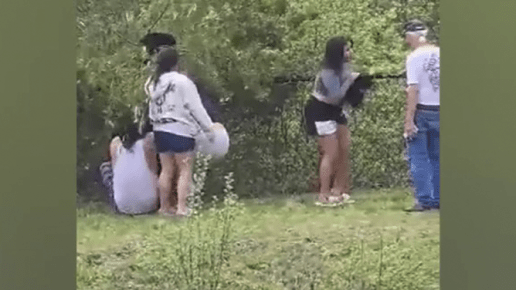
A still from Staudt’s video shows members of the group holding the bear cubs.
The woman called the authorities, who responded with a biologist from the North Carolina Wildlife Resources Commission, but not before the damage was done.
“Did she just drop it?” the woman filming the group said as one of the group members did a “celebratory dance move,” dropped one of the cubs, then chased it to get it back and take more photos.
The group told police and the biologist that both bears had “escaped,” but the biologist found one of the traumatized cubs near a retention pond on the property.
“The cub appeared to be lethargic and frightened. It looked to be favoring one of its front paws and was wet and shivering,” Game Mammals and Surveys Supervisor Colleen Olfenbuttel told CBS News. “The cub’s condition is likely a result of the unnecessary and irresponsible actions of the people involved.”
That cub has now been orphaned, as authorities said it’s not in any condition to be returned to the wild and will have to be raised and rehabilitated for the next four to six years. The other cub couldn’t be found. Hopefully it escaped.
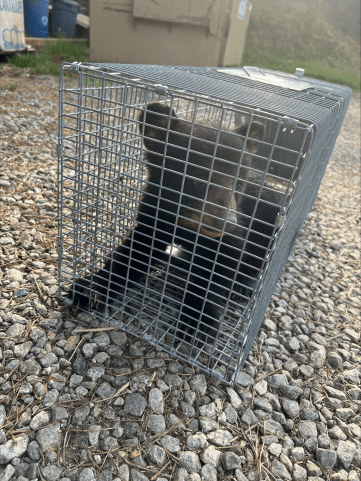
The orphaned and traumatized bear cub that was recovered Tuesday after a group of people plucked the cub and its sibling out of a tree to take selfies with them.
Authorities noted it’s not uncommon for mother bears to leave their cubs briefly to go foraging, much like mother cats do with kittens and cubs when they need to hunt to feed themselves.
Common sense and a basic respect for wildlife is usually enough to keep people from snatching the animals, but much like people who pay money to take selfish with tigers who have been sedated to their eyeballs, any concern for the welfare of animals — if it existed in the first place — is quickly shelved as people can’t resist the opportunity to grab a selfie in the age of narcissism-fueled social media.
Authorities say they’re conducting an investigation, although it’s not clear what needs to be investigated. The people involved documented their behavior with selfies, and Staudt’s video clearly shows them handling the confused and scared baby animals.
The kind of ignorance demonstrated by the group doesn’t remedy itself. Authorities should make an example of them by prosecuting them to the fullest extent of the law while redoubling efforts to educate people about keeping their distance from wild animals. And if that’s not enough motivation, or if people can’t be bothered to respect wildlife, they should consider that this would be a very different story if the cubs’ mother had been nearby.
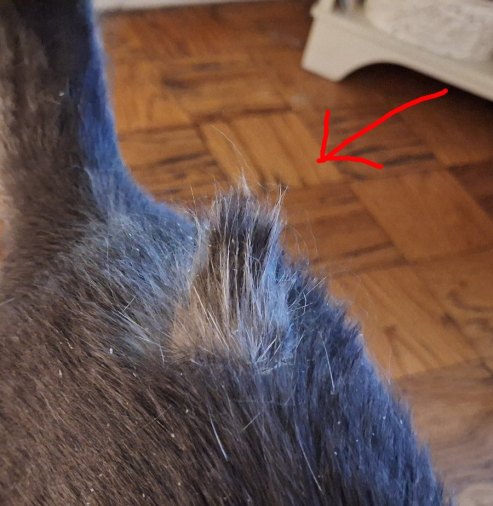
For the first time, the Budster has a patch of matted fur. Luckily, because this is a frequent problem for cats, there’s a lot of detailed advice out there about what to do.
Ruh roh!
In a first for him, Bud’s got a patch of matted fur. While it’s clear he understands I’m trying to help him, he’s not particularly keen on my efforts to comb it out.
He’ll tolerate limited brushing, but after a few attempts he pulls away. I don’t think it’s a sore spot in general. He hasn’t minded when I examined the area and he doesn’t pull away if I scratch his lower back, but his limited tolerance for the brush and his body language all say he’s uncomfortable with repeated attempts to clear the fur.
The dandruffy stuff is from the combing and looks like dead skin. His coat is normally clear of anything like that.
The mat is hard, like the bristles of a paint brush that hasn’t been cleaned properly. Bud’s white underfur is much more visible in the matted area as it sticks up.
After reading about matting in cats and the causes, I don’t think we’re dealing with fleas or an infection. I realize indoor cats can get fleas, but I very rarely see the little guy scratching himself and there’s no indication he’s in any general discomfort.
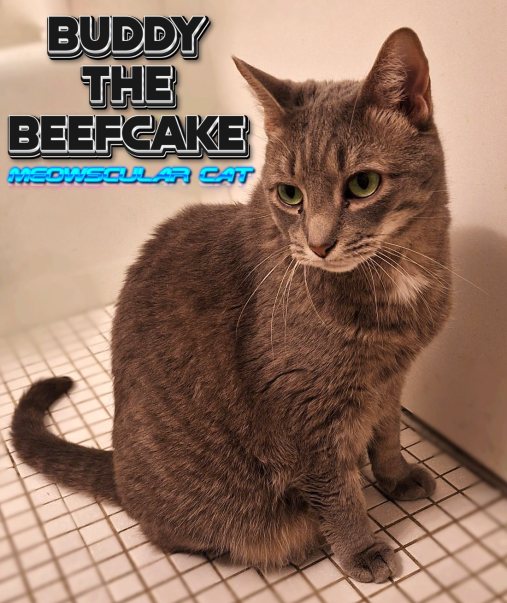
My best guess is that he’s, ahem, maybe still a little too much on the chubby side and can’t groom the area as he did when he was a younger, slimmer feline, before he moved down to Florida, joined the Del Boca Vista retirement community for cats and immersed himself in the exciting world of bocce.
As you can see, he doesn’t look chubby and his coat is otherwise very healthy.
He’s a tiger!
Of course any talk of weight issues is very hush-hush around here. Officially, Buddy has the physique of an athletic tiger. Anyone who vocalizes doubts about that does so at their peril.
Right now my plan of attack is to get a fine metal comb specifically for jobs like this. I’ll try to remedy it with short brushing sessions and encouragement in the form of treats and praise for Bud being such a brave little guy.
If that doesn’t work, the next step would be a groomer or veterinarian. These things don’t resolve themselves, unfortunately, and the longer they’re allowed to persist, the worse the problem becomes.
Have you ever wanted to own or design your own zoo?
Visitors to Buddy’s Tropical Paradise are greeted by friendly staff who man the entrance, a broad vertical garden shaped like an arch that straddles the main path leading inside.
When they walk through the gate a new vista opens up before them: tiered tropical gardens, waterfalls, and wide boulevards lined with palm trees and flowers. They hear the rumble of big cats calling to each other in the distance and monkeys shrieking as they fling themselves from branch to branch.
Welcome to Buddy’s Tropical Paradise!
A monorail carries passengers above, its tracks looping over animal enclosures and threading tunnels that emerge amid the terraced jungle, eateries and souvenir shops.
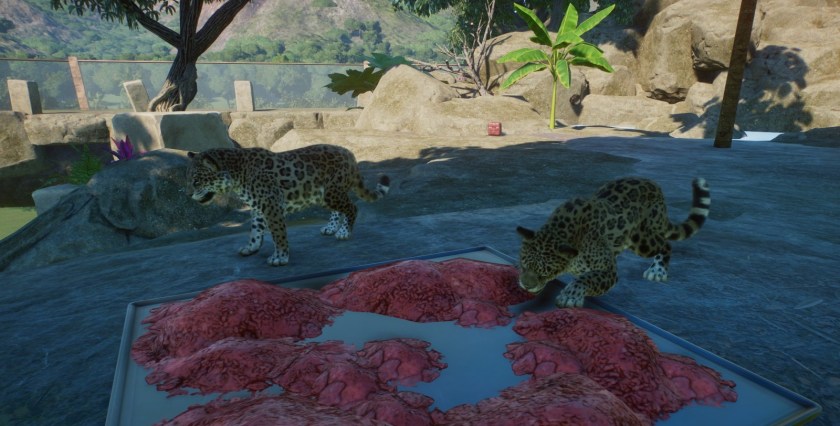
And straight ahead, the first exhibit: a sprawling habitat occupied by jaguars who are enjoying some yums and will probably have a nap in a few minutes.
Buddy’s Tropical Paradise doesn’t exist in the real world, of course. It’s my first attempt at fully functional, guest-attracting park in Planet Zoo, a simulator that allows you to do practically anything you can think of.
You can design your own habitats, enclosures, buildings and scenery. Fancy a monorail that laps the entire zoo? You can do that. Picturing a 1940s style Tarzan-themed jungle boat ride where visitors can see caiman, capuchin monkeys and jaguars up close? Start carving up the river, my friend!
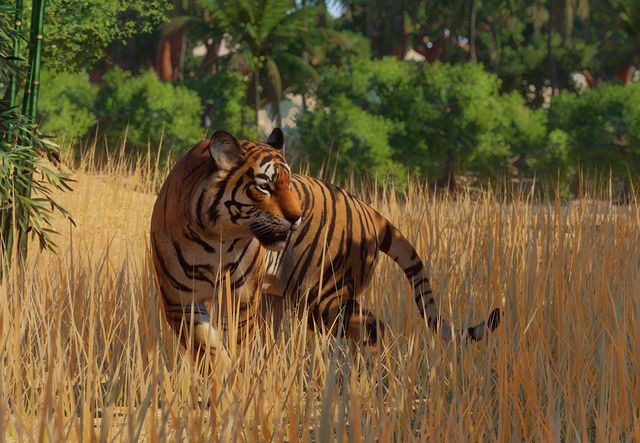
A Bengal tiger stalking the tall grass in Planet Zoo.Lunch time in the jaguar habitat, followed by the all-important nap time.
As the zoo’s architect, you’re responsible for everything. You’ll need veterinary facilities, animal quarantine, keeper huts. You’ll need to staff your park with veterinarians, keepers, security officers, maintenance staff and mechanics.
And don’t forget the vendors to run the souvenir shops and man the food stalls, where your guests can grab hot dogs or cool off with slushies on a hot day.
A suitable home for your animals
Designing a habitat is about a lot more than reserving space for your animals. You’re tasked with picking the right barriers, mindful of which species can climb or leap great heights. A good habitat should reflect the animal’s home in the wild with appropriate flora, temperatures the species thrives in and a feeding system that mimics the way they’d naturally obtain food.
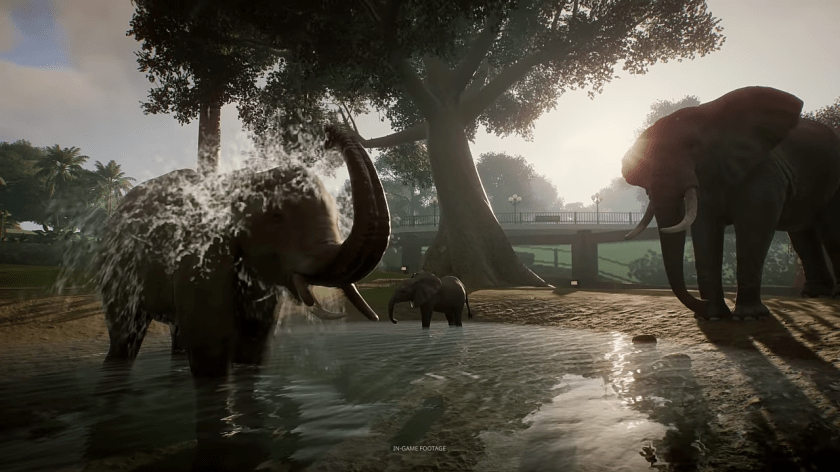
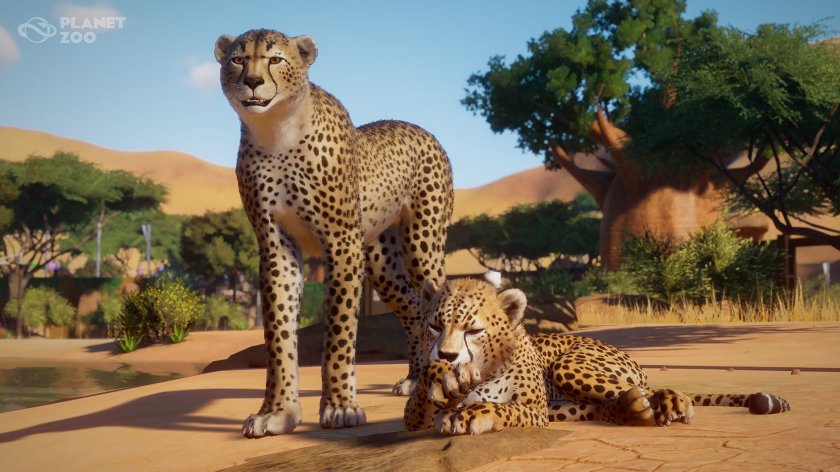
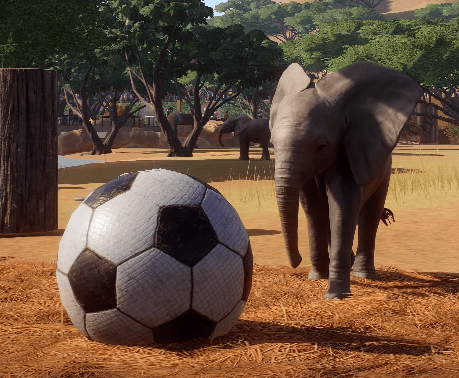
Elephants cool off in their enclosure in Planet Zoo. Every habitat must be designed with the right atmosphere, flora, terrain, shelter and enrichment appropriate for the species it houses.A wide view of my orangutan habitat. Two orangutans are at the base of the stone steps in the distance.Cheetah sisters.
Then there’s enrichment. Trees for your monkeys to climb, ponds for your tigers to take a dip, bushes for your elephants to strip. Different species enjoy different toys and challenges. An ice block with meat in the middle would hit the spot for carnivores on a hot summer day, but your pandas will want bamboo.
Designing habitats and getting them just right is not only fun, it’s an intuitive way to learn about the needs of individual species and how they live.
The leopard learning incident
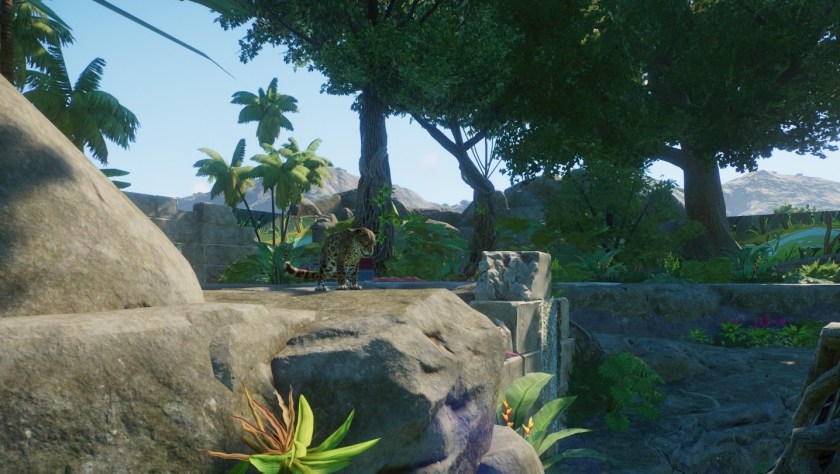
My first stab at building a leopard enclosure was a disaster. It looked pretty enough with its Hindu-inspired temple architecture and pond. There were plenty of scratching posts and trees that could withstand claws.
I installed a sprinkler to help the big cats cool off, designed a series of raised platforms for them to climb, and scattered enrichment items all over the habitat. The leopards had balls to bat around, boxes to sit in, rubbing pads, logs and rocks to climb, and plenty of cover and shade.
But when I had the leopards brought into the zoo, through quarantine and into their exhibit, I realized you can’t just design a home for animals from an aesthetic perspective. I’d used several plant and tree species that weren’t native to leopard habitats, the terrain was wrong and I hadn’t paid any mind to ambient temperature.
Making those mistakes was truly educational. When your animals aren’t happy in Planet Zoo, protesters show up, and it’s up to you to read the alerts about where you went wrong and how to remedy your mistakes. It’s an intuitive and fun way to learn about each species and the environments they thrive in.
The escaped jaguar
I’m still learning the ropes, although I do have a basic knowledge of the way the game is designed thanks to some time playing Frontier’s theme park building game, Planet Coaster. The first time I tried to build a jaguar enclosure, I forgot to wall off a viewing cave with protective glass, which my guests did not appreciate.
Even though jaguars don’t like to confront humans, a big cat is a big cat, and the game sent me urgent warnings as people ran for the exits. When I found the escaped jag, he was lounging not far from his enclosure, watching people freak out.
Enrichment is a key aspect of habitat design. Toys, puzzles, obstacles, climbing platforms for arboreal species, ponds for animals who like to get wet — they’re all necessary to keep animals healthy and happy.
In real life it’d be a disaster, but I was able to revert to a previous save, make sure the viewing cave was sufficiently protected, and this time around I placed only two jaguars — a male and a female — in the large enclosure.
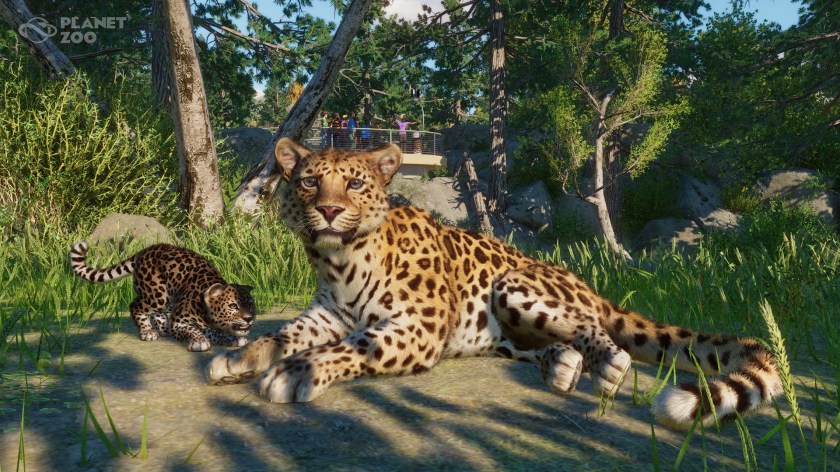
After a while, while I was tinkering with an exhibit meant for capuchin monkeys, the game sent me an alert: the female jaguar was pregnant! She gave birth to two energetic, curious cubs who are currently having fun chasing each other around the enclosure and going for dips in their pond.
Part of the main boulevard in Buddy’s Tropical Paradise, viewed at night. Players are responsible for everything you see here — lighting, shops, flowers and plants, benches, waste baskets and more.Shops and a monorail station in an unfinished Asia-themed area of the zoo.
As in real life, the game has you source animals from an international pool, with information on breeding and genetics so you can contribute to conservation. When you adopt animals, their first stop is the veterinary facilities for examination, then quarantine. When they pass quarantine, you can have your staff release them into their enclosures.
It took me several hours to familiarize myself with the basics, design an entrance and a main boulevard for the guests, create some tiered gardens with eateries and shops, and get my jaguar and orangutan exhibits up and running.
My monorail currently runs out of track a quarter of the way through the park, and my river boat ride looks pretty cool, with dense jungle, towering trees and the ruins of Mayan temples not far from shore, but completing it will require appropriate barriers to keep the animals in as well as building out more scenery.
A jaguar in her habitat.
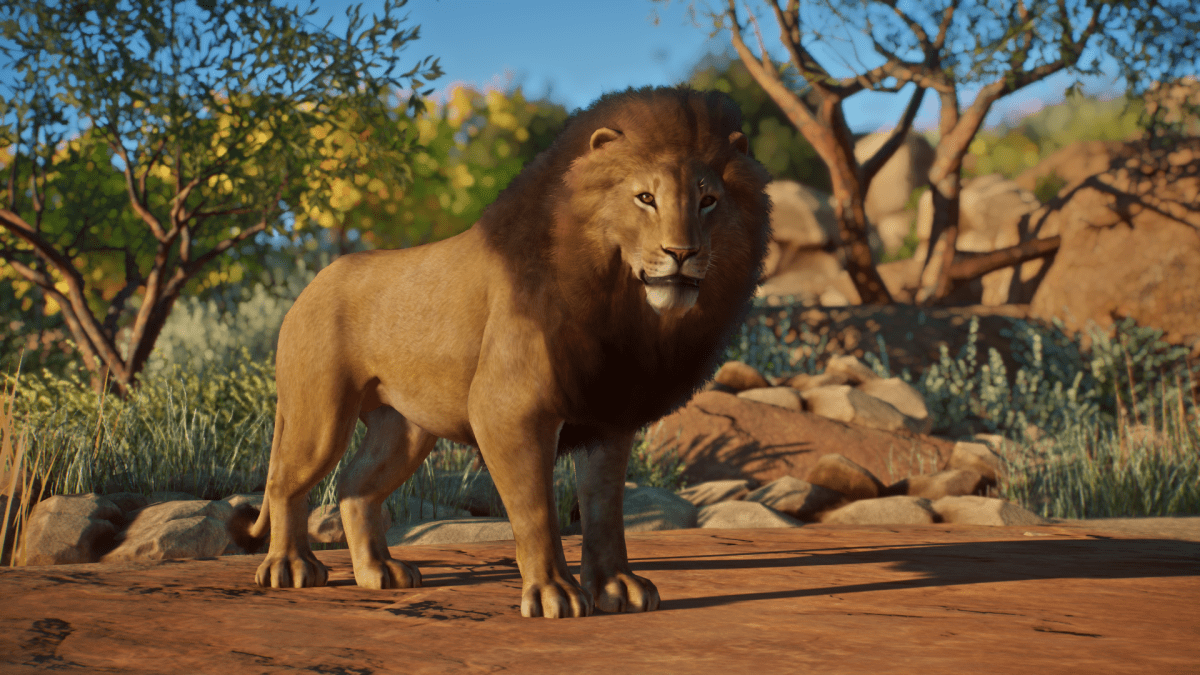
I’ve got my sights set on an elephant exhibit next. It will be necessarily huge, so it’s good to reserve the land early and plan smaller exhibits and facilities around it. I’d also like to put the elephants, lions, zebra, giraffes etc into one Africa-themed section of the park, while the tigers, giant pandas and snow monkeys will be housed in an Asia-themed section, with buildings that reflect the architectural styles of countries like Japan and China.
There are also aquatic exhibits, animals for your own reptile house and aviaries. Those enclosures are more complex than the relatively straightforward orangutan exhibit, for example, so I’ll have to spend some time figuring out what makes a good home for peacocks, sharks and komodo dragons.
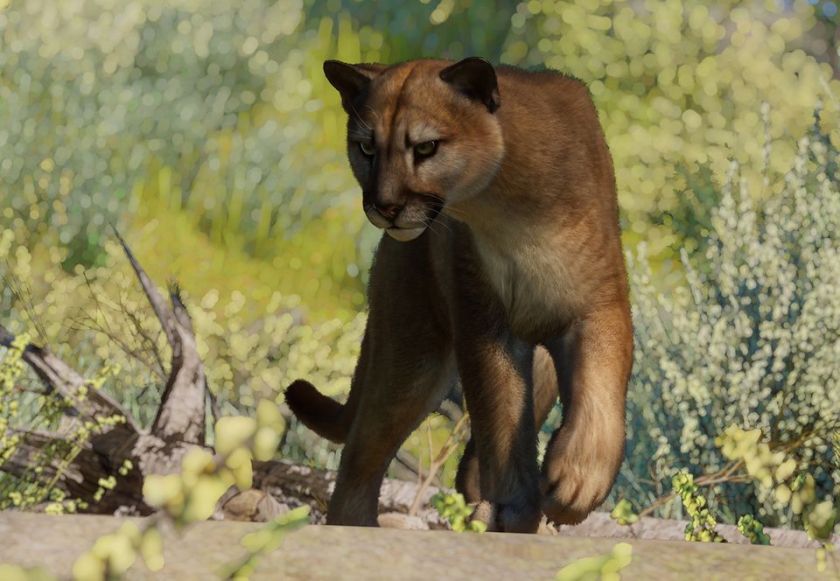
So far I’ve resisted the temptation to make one giant felid park, with snow leopards, pumas and cheetahs joining the tigers, lions, jaguars and others. Of course I did name it Buddy’s Tropical Paradise, so I may be forced down the all-cat road if Bud gets his say.
Planet Zoo is not a traditional video game. There are no winners or losers, and there’s no “end state” unless you intentionally include one.
It’s more relaxing and much slower-paced than your typical game, and it’s a great feeling when you’ve managed to take something from your imagination and perfect the design. When you want to check your progress or just admire your own work, you can set the camera to follow guests and watch as people stroll through your zoo, taking in the sights and sounds.
In that sense it’s more like a virtual model train set or living diorama. You can load up the game and tinker with your zoo when you’ve got a spare 15 minutes, or spend a few hours getting absorbed in the finer details of how to keep pangolin and red pandas happy.
Planet Zoo is appropriate for all ages, although its depth and complexity would probably be a lot for younger kids. In that case, it’s probably best to have an adult guide them so they understand the game is built on interlocking systems: exhibits need power and water, shops need staff, veterinary surgeries need veterinarians and so on.
It’ll have enormous appeal to kids who enjoy Lego, Minecraft and other building games, so if you’ve got a little builder in your life, this could be a good fit. But make no mistake, there’s a lot here for adults to enjoy too.
PITB verdict: Four out of five paws!
The only thing keeping Planet Zoo back from a five-paw rating is the DLC (downloadable content) scheme, which requires users to pay extra for certain “packs” containing extra animals, scenery pieces and scenarios. That’s a problem plaguing the larger video game industry, but if you wait for a sale, the normally $44.95 game can be had for as low as $11.24 on Steam. DLC is likewise discounted. Steam’s summer sale is a great opportunity to get games like this for a fraction of their normal price. This year’s summer sale is scheduled for June 27, though it’s possible Planet Zoo could be put on sale before then as well.
Senior cats enjoy perks and membership in secret clubs, Buddy the Cat recently learned.
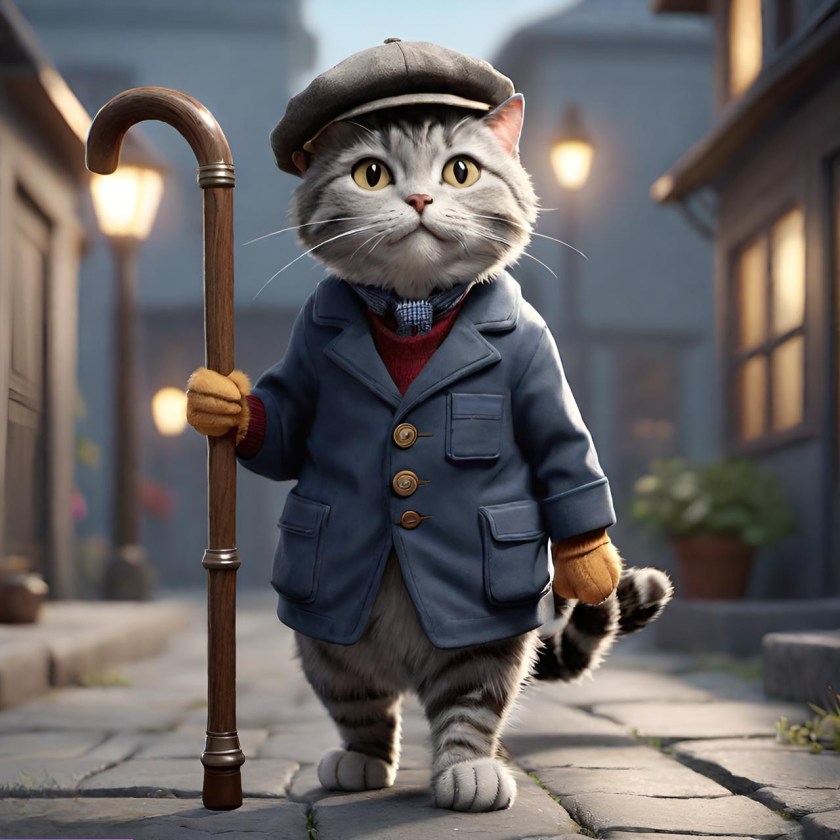
NEW YORK — Most don’t like to hear they’re entering their golden years, but Buddy the Cat welcomed the news this week as he approached his 10th birthday and was informed he’s now a “senior kitty.”
“That’s great!” he said, according to sources. “It’s about time I get some seniority around here!”
Sources say the gray tabby believes he’s been promoted in rank and has been anticipating the perks he believes his new seniority grants him, speculating that it will lead to more frequent catnip nights, better spots on the couch, more delicious meals and the ability to boss around other cats.
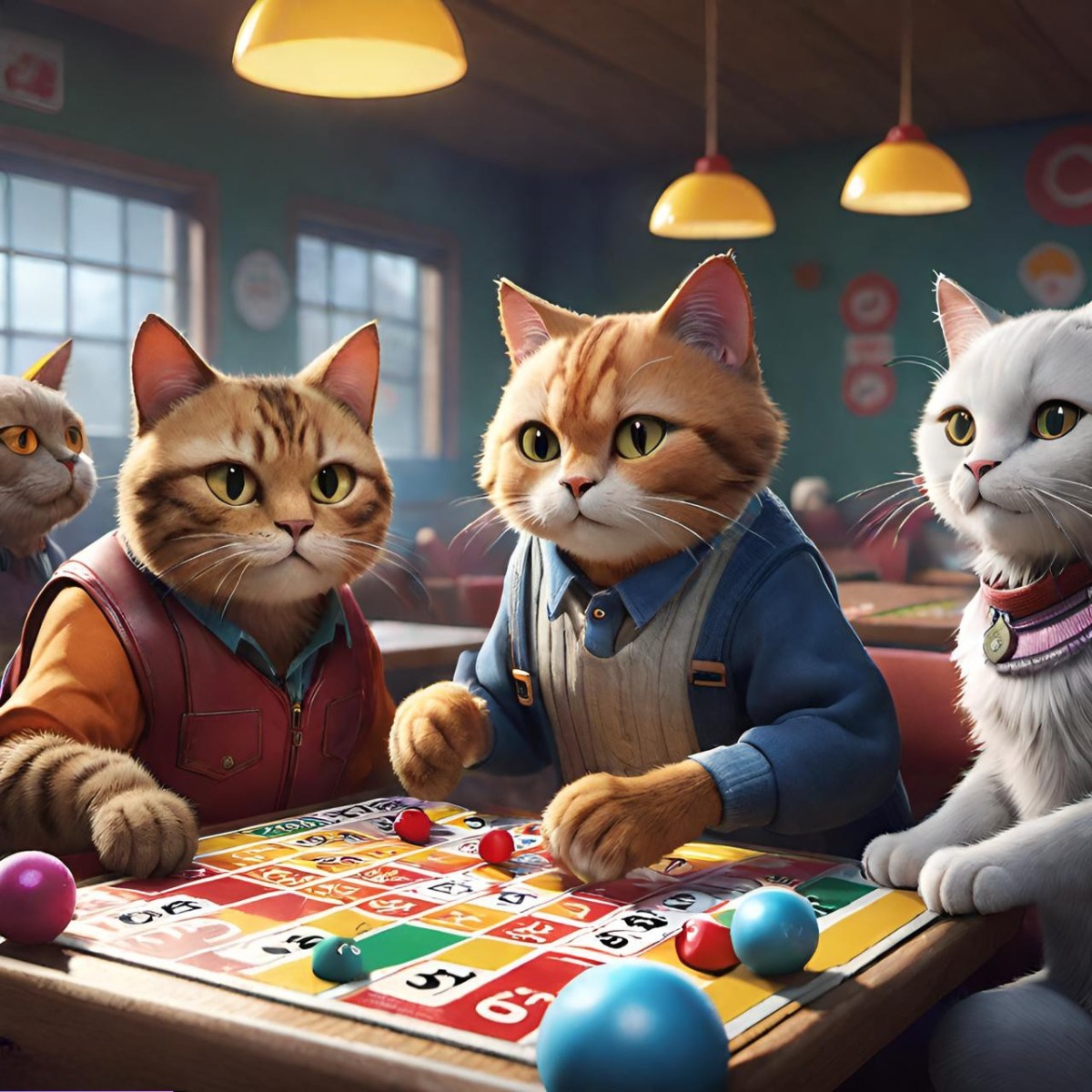
“I got a beautiful pamphlet from the AARC (American Association of Retired Cats) that says I’m entitled to early bird dinners and invited to bingo nights now that I’ve achieved senior cat rank!” Buddy enthusiastically told reporters. “It’s like having VIP access to events. There’s a whole world of secret gatherings and clubs I wasn’t previously aware of.”
Buddy ponders his new seniority
Despite his years, Buddy retains his kitten-like enthusiasm and still sounds like a mewing baby, but says his seniority has afforded him a deeper appreciation for a slower pace of life with more naps and fewer outbreaks of the zooms, in which he ricochets around his domicile like a screeching pinball.
“As a senior feline I’m expected to maintain a certain decorum befitting my station,” he explained.
Although he’s pleased by his new status, Buddy said he hasn’t been thrilled with the social aspect.
“I imagined high-ranking cats would party and enjoy the fine things in life,” he said. “I mean, we’re OGs, right? Instead, they mostly complain about joint pain and watch Wheel of Fortune. It’s weird.”
Senior cats have their own exclusive private club, the community center, where they host wild bingo parties and stay up until all hours, sometimes as late as 7
As of press time, Buddy said he was looking into investing in gold and was considering a stair lift system after watching several hundred commercials in which the devices were described as “essential.”
“As a matter of fact, I’m gonna buy my first gold bullion this afternoon,” he said, “after telling these kittens to get off my lawn!”
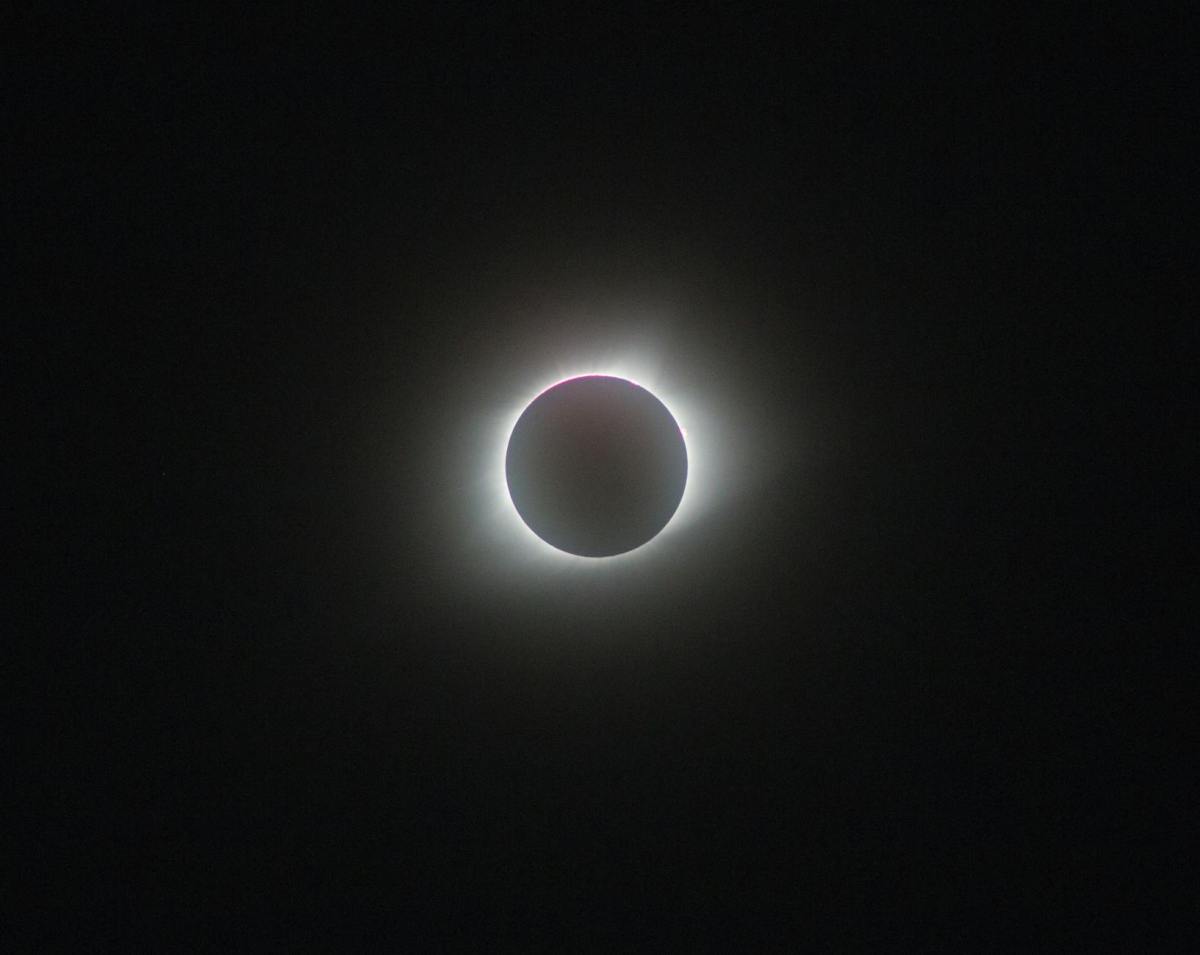
Southern New York witnessed a partial eclipse while our neighbors to the north had an angle on a total block-out of the sun.
The much-hyped solar eclipse peaked at 3:25 pm today in the New York City area, where the angle afforded us a 90 percent obstructed view of our system’s star.
I spent those few minutes squinting through a pair of NASA-approved solar glasses, warnings from ophthalmologists echoing in my head.
Being able to gaze upon it directly was pretty cool, although I wonder how the humans of centuries past managed to study the phenomenon without blinding themselves.
I viewed the eclipse from Rye Town Park, a shoreline park adjacent to Rye Playland, a historic amusement park. A few hundred people had the same idea and the parking lot was as full as it gets on hot summer days when crowds head to the nearby beach. Some used solar glasses, some had homemade pinhole viewers, and a few people sat in their cars and smoked weed while waiting for peak viewing time. (The smell is ubiquitous since legalization.)
I spent more time looking at the nearby duck pond and its residents, mindful of warnings not to exceed three minutes of eclipse viewing time even with proper eyewear.
Several mated pairs of ducks waddled around, quietly quacking and seemingly unbothered by the solar phenomenon. It was darker than usual, although not as dark as one might expect given the amount of obstruction.
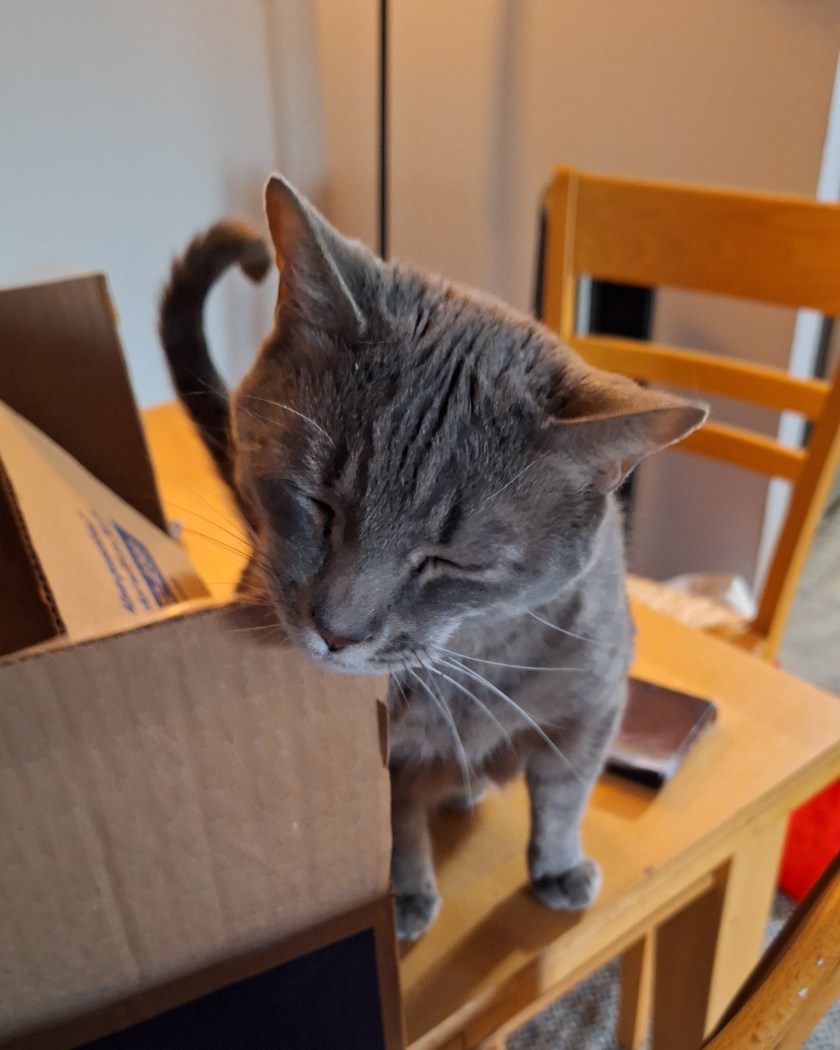
As for Bud, if he exhibited any strange behavior, I didn’t witness it. When I got home he was much more interested in the Chewy shipment and his brand new box:
Although he may appear to be a small cat in this photo, he asks me to remind readers to note the viewing angle, which makes his considerable meowscles look much smaller than they actually are. In reality he remains a terrifying beast, nearly indistinguishable from a tiger.
If you’re viewing today’s eclipse, stay safe and protect your eyes!








 Pain In The Bud