The Netherlands Now Bans These Breeds, Citing Their Suffering

Popularized by celebrities like Taylor Swift and online “influencers,” the breed cats have cute features but also suffer from chronic health problems.

Lots of people think breed cats are the product of fine pedigrees, the result of careful breeding to produce “superior” cats, like some sort of feline genetic aristocracy.

The truth is a lot less glamorous. So-called pedigree cats are the result of relentless breeding and inbreeding, often by people who know nothing about genetics, for a single purpose: magnifying a particular aesthetic quality, like a coat pattern, ear shape or flattened head.

Because the breeding pairs are selected for aesthetic characteristics only, without consideration for anything else, breed cats are often at higher risk of certain types of diseases or physical problems.

Persians, with their flat faces, often have problems breathing. Bengals are known for heart problems and a tendency to suffer from kidney stones. Ragdolls are prone to heart disease. Munchkins, with their unnaturally stubby legs, often have joint problems and quality of life issues.

The heartiest, healthiest and most long-lived cat is the “plain” old domestic moggie, proving that human-directed breeding has nothing on the designs of evolution and mother nature.

In the Netherlands, two breeds with chronic health problems have become especially popular thanks in large part to social media influencers who show off their pets.

As a result, Dutch legislators passed a law making it illegal to buy or own Scottish fold and sphynx cats. The legislation was hailed by veterinary groups, who noted that their members know better than anyone how much cats can suffer from chronic problems like arthritis, heart disease and susceptibility to infection.
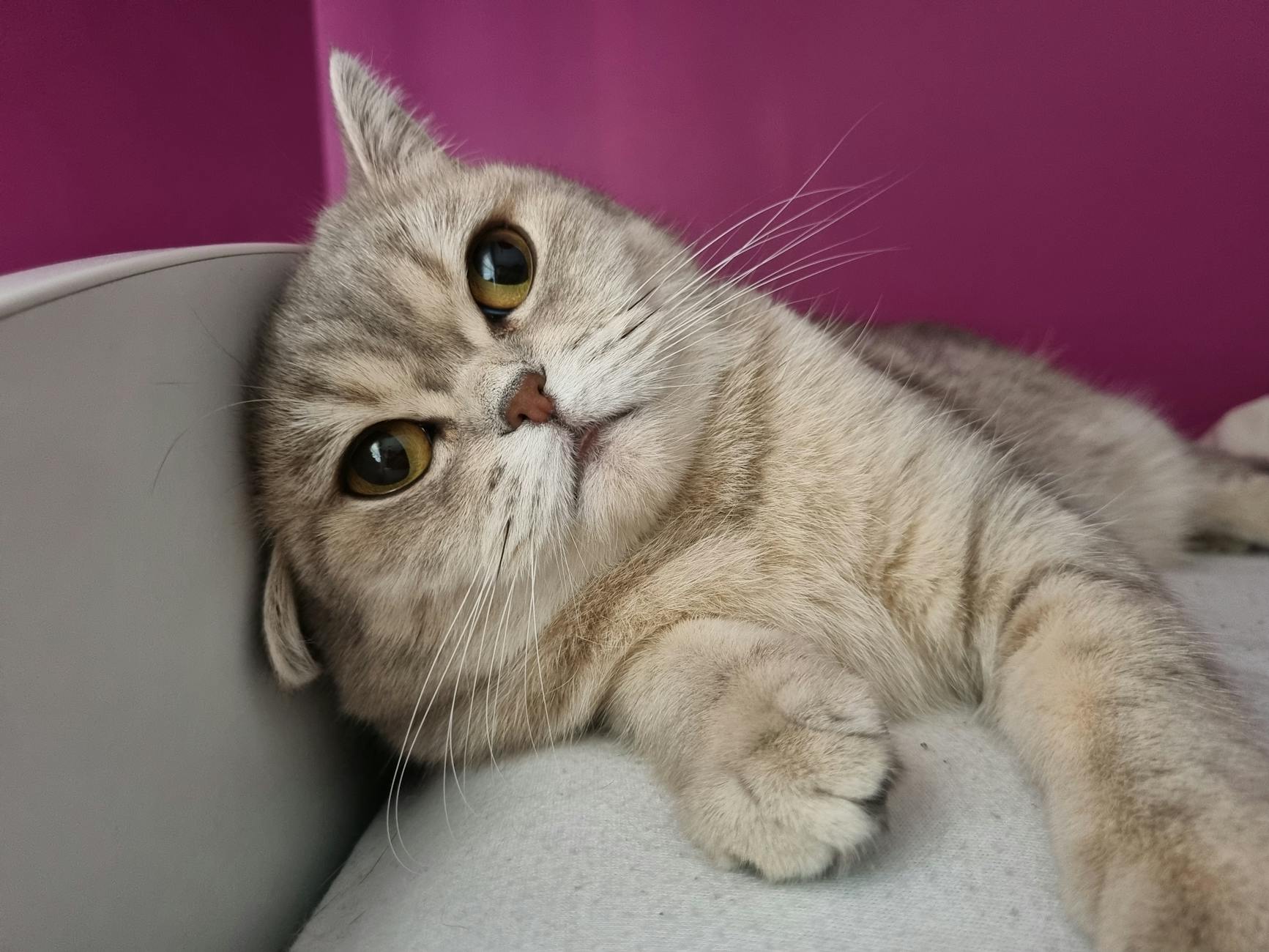
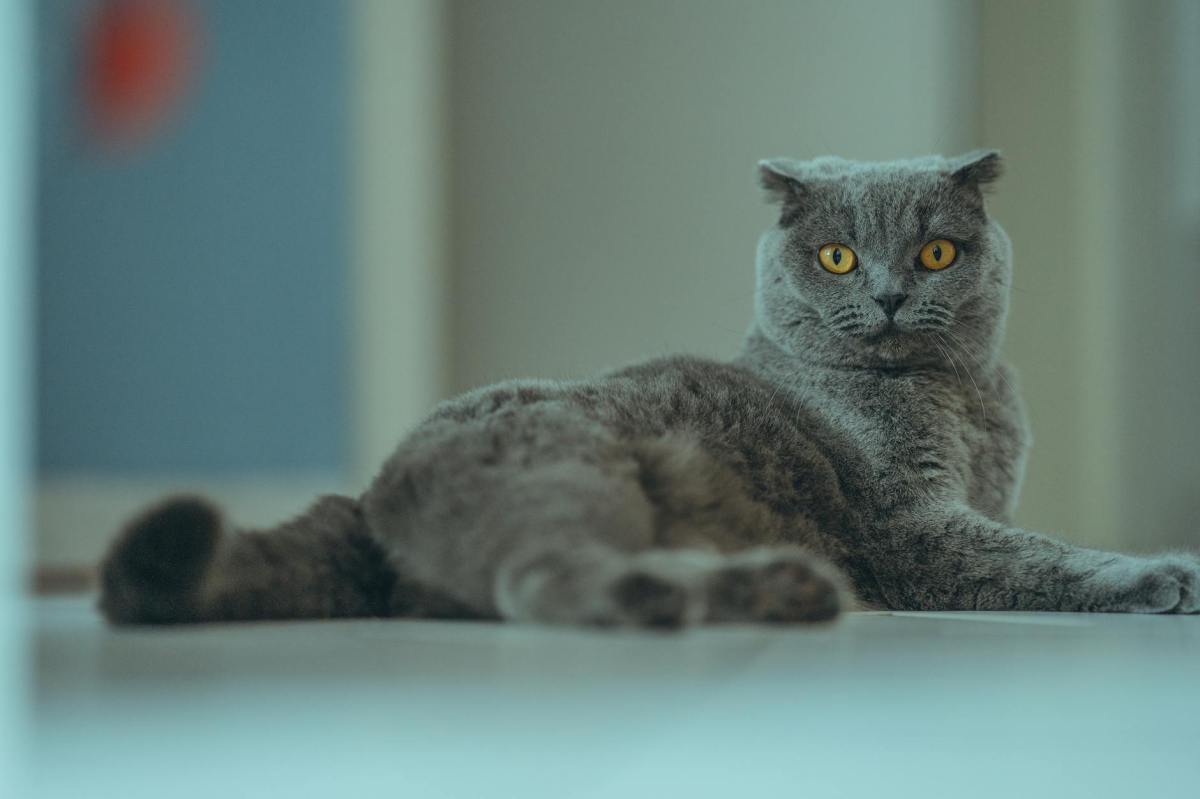
A classic Scottish fold with floppy ears. Credit: Mina Bau015fer/Pexels

The former is a classic example of breeding to emphasize a”cute” feature without regard for the consequences. Lots of people think Scottish folds are cute because they have floppy ears like puppies, which amplifies their natal features. But the same genetic mutation that weakens the cartilage in their ears also weakens cartilage and bones in the rest of their compact bodies. As a result, Scottish folds not only regularly suffer arthritis and joint deformities, they begin to suffer from those conditions well before old age.

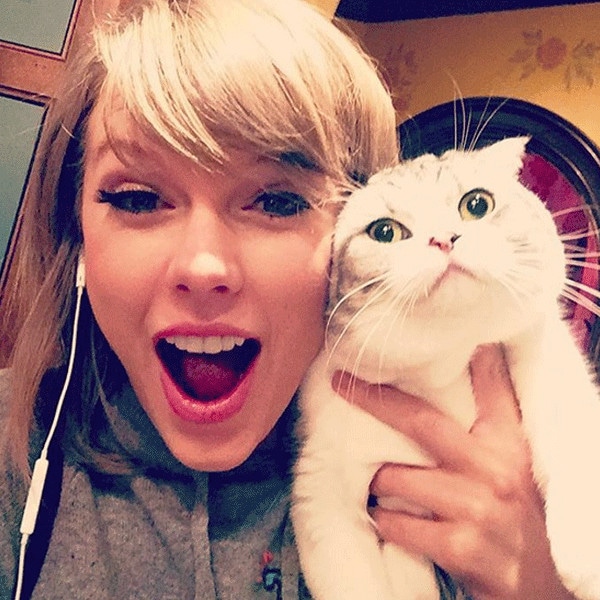
Taylor Swift is the most well-known fan of the breed, and its popularity skyrocketed as her two Scottish folds, Meredith Grey and Olivia Benson, have been frequently pictured on the singer’s Instagram feed. They’ve starred in her music videos, accompanied her on tour and appeared on magazine covers in her arms and perched on her shoulders.

Sphynx cats have their own unique set of problems. Like several other breeds, sphynxes are more susceptible to heart disease, and their most recognizable trait, their lack of fur, is the source of most of their maladies. Sphynxes are more sensitive to cold and can’t regulate their body temperatures as well as other cats. The many folds in their skin make them vulnerable to dermatitis and fungal infections.
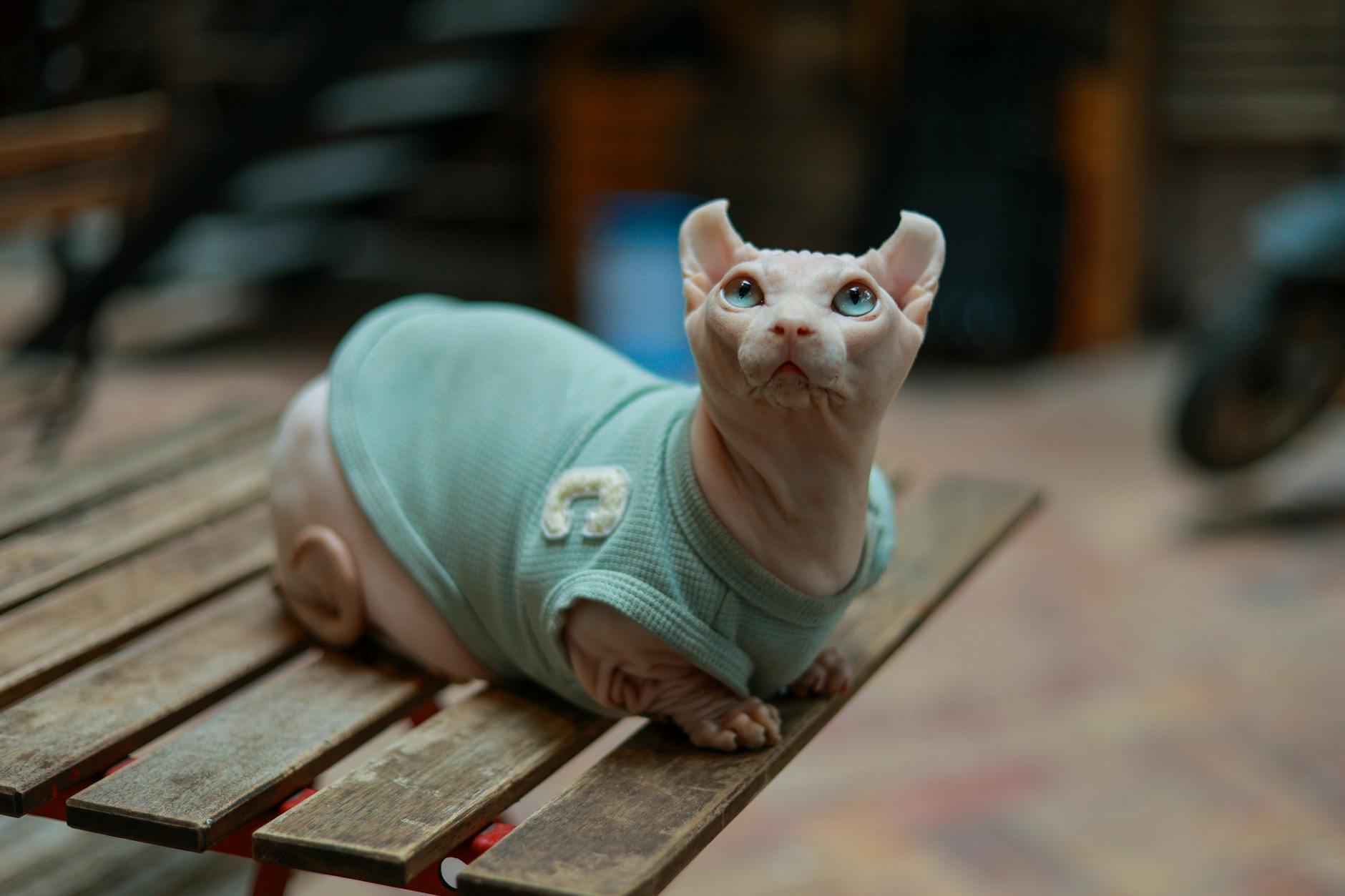
Sphynx cats are often seen bundled up because they have difficulty regulating their body temperatures. Credit: Nguyu1ec5n Thanh/Pexels

Previous attempts to curtail the popularity of sphynxes and Scottish folds had little impact, so under the new law it is illegal to buy, sell, breed and import felines of those breeds into the Netherlands. The previous law had severely curtailed the domestic breeding of Scottish folds and sphynxes, but did not make a dent in ownership rates as people elected to buy them from other European countries and “import” them.

People who already have cats of either breed will not have to surrender them. They will be grandfathered in, but they’re required to register their cats and have them microchipped, which the government hopes will stop people from reselling them.

“Animal welfare is my top priority,” said Jean Rummenie, the country’s agriculture and nature secretary. “It is important that cats do not suffer unnecessarily because of their physical traits. This ban allows us to prevent such suffering.”

Do you think the Netherlands made the right call here? Should the US, UK and other countries ban breeds that suffer from chronic health problems?
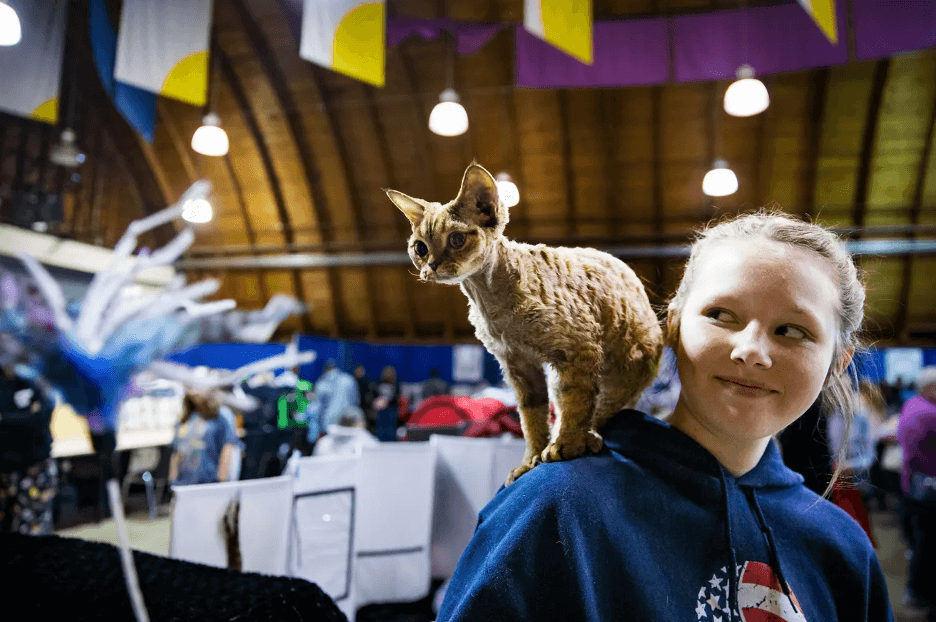
Felines Evaluate Human Looks, Temperament And Behavior At 8th Annual People Fancy Show

Cats judged their humans based on appearance, obedience and other categories at the Jacob Javitz Center in Manhattan.

NEW YORK — Marvin Wheeler was on all fours, with a pair of cats holding his mouth open with their paws and another wrapping a tape measure around his waist.

“The torso should be medium in proportion to the rest of the body,” a ginger tabby said, “while the snout –“

Wheeler yelped as the tabby gave his nose a firm slap with her paw.

“– should be slender and no more than half an inch above the top lip.”

Wheeler grunted as a Maine Coon shoved him off the table, and a trio of feline judges held up scorecards, awarding the engineer from New Jersey a 5.5, 6, and 5 out of 10 respectively.

“Does anyone have any objections?” asked the master of ceremonies, a rotund Norwegian forest cat named Milo.

Wheeler’s feline shook her head, and Milo leaned forward toward his mic. “Next!”

Feline judges award scores to one of the competitors at the 8th Annual People Fancy Show.

“Bring her up, fellas,” he continued, gesturing toward several cats escorting 53-year-old Martha Silverwind to the stage.

“Okay, next we have a librarian from Toronto, Canada, who is here for her first human show. We’re gonna be evaluating her on temperament, hair color, obedience training…”

More than 1,000 people were examined and judged by cats this weekend at the Jacob Javitz Center in New York for the 8th Annual Human Show sponsored by the Human Fancy League of America and the Society For Better Homes For Felines.

Helena Chione, an astronomer from Houston, Texas, waits for to be evaluated by judges on Saturday at the Jacob Javitz Center in New York, site of the 8th Annual Human Show. Her feline, Clyde, entered her in the Best Temperament category.

Ronald Greer, a dermatologist from Grewnwich, Conn., patiently waited for his turn while relaxing in his cage, which held a small bowl of cereal, a bottle of Poland Spring water and a chamber pot.

“I saw an ad for the show, and I thought, ‘Simba, why not see how Ronnie stacks up against other humans?'” Greer’s feline told a reporter. “I’ve been training him for more than two years now, and I’d say he responds maybe 80, 85 percent of the time I call him. Ideally I’d like to get it as close to 100 percent of the time as possible, because I don’t like to repeat myself when I’m hungry. But you know how it is with these humans. They have minds of their own.”

Simba sat outside Greer’s crate, encouraging the human to groom himself before the judges called his number.

Last year’s best in class in the age 20 to 29 bracket was Louisa Rey, a writer for Spyglass Magazine. Feline judges praised Rey’s responsiveness when commanded to serve snacks and commended her dark brown mane, describing it as “an ideal for a human of her age and gender” and complimenting her cat, Marcy, for “doing an outstanding job training her.”

Singer Taylor Swift took home honors in the 2024 People Fancy event for performing the best tricks, including one sequence, described as “adorable” by the judges, in which she giggled, cheered and smiled as she pretended to be fascinated by an American football game.

This year’s favorite in the best tricks category is Jonah Grayer, a 31-year-old attorney from Long Island, NY. Grayer, a magician by hobby, cocked his head to one side as his cat, Sebastian, rested a paw on his cage.

“Who’s a good boy,” Sebastian asked, dropping a cheeseburger slider into Grayer’s cage. “Who’s the best boy in the world? Jonah is! That’s right! Now let’s impress those judges!”

When Cute Is Cruel: Breed Beloved By Celebrities Like Taylor Swift Suffers Painful Genetic Mutation

Scottish Folds are cute, but the genetic mutation responsible for their folded ears also causes lifelong pain, joint problems and misshapen bones.

In 1961, a shepherd named William Ross found a barn cat with a curious feature: instead of the upright, swiveling, satellite dish ears of a normal feline, this cat’s ears were floppy and shapeless, resting atop her head like a tiny knitted cap.

Ross took the cat home and named her Susie. Susie gave birth to a litter of kittens with the same floppy ears, and it all gets a bit murky from there, with a dozen variations of the story online claiming it was Ross himself or a neighbor who “created” the breed.

Regardless of who it was, the floppy ears were transformed from an abnormal feature into the unmistakable characteristic of a breed, and the Scottish Fold was born.

The cute cats quickly caught on and were officially recognized in competitions by 1971.

Now they’re more in vogue than ever. They’re the preferred pets of music superstars Taylor Swift and Ed Sheeran, who regularly feature photos and videos of their Scottish Folds in social media posts. People across the world are buying them, and they routinely appear in “best breed” lists online, lauded for being cuddly and docile in addition to adorable.

Ed Sheeran with his Scottish Fold cat
Ed Sheeran with his Scottish Fold cat. Credit: Ed Sheeran/Instagram

But they’ve also been banned by the same cat fancy groups that initially welcomed them, they’re prohibited outright in some countries, and animal welfare groups are begging people to stop emulating celebrities by buying them.

That’s because the same deformity that gives Scottish Folds their distinctive ears is also responsible for weak and brittle cartilage and bones elsewhere in the body, which results in lifelong pain and disability.

According to the RSPCA:

“The disease is evident on x-rays of cats from as young as seven weeks of age. Serious abnormalities in joints and bone growth lead to arthritis (painful, swollen joints), short, abnormally thick, and inflexible tails, spinal abnormalities and short, stiff legs. The welfare impacts of Scottish Fold Osteochondrodysplasia can be severe in terms of pain and inability to perform natural behaviours, as these cats can be lame, walk with an abnormal gait, can be reluctant to engage in normal movements such as walking or jumping, and can even become completely crippled.

There is no cure for this progressive condition.”

Sadly, the deformities and resulting pain may be the reason Scottish Folds are considered docile and cuddly: they may simply be in too much pain to move or protest when their humans hug them or pick them up.

Ross and Turner didn’t know it in 1961, but the folded ears and brittle cartilage were the result of a genetic mutation. It wasn’t until 2016 that a group of American and Australian scientists found a mutation in a single gene, TRPV4, was responsible for weak cartilage and bones, leading to the deformities highlighted by the RSPCA in the passage above, as well as “progressive joint destruction.” The condition is called osteochondrodysplasia.

Taylor Swift and Scottish Fold cat
Swift’s cats have appeared in her music videos, feature prominently in her online posts, and were photographed in her arms for her 2024 post announcing she was supporting Vice President Kamala Harris in November’s presidential election.

Cats Protection, a UK charity, raised the issue in 2024, warning that Scottish Folds were becoming even more popular, with breeders struggling to meet high demand. The group issued a public statement asking cat lovers and Swift fans to avoid buying Scottish Folds. Scottish Folds are equally popular in the US, spurring resistance from stateside animal welfare groups as well.

The Governing Council of Cat Fancy, which registers breeds in the UK — and no longer recognizes Scottish Folds — was even more direct.

“We strongly advise members of the public not to try to acquire cats of this breed,” Steve Crow, chairman of Cat Fancy’s governing board, told The Guardian.

It’s Kitten Bowl Sunday!

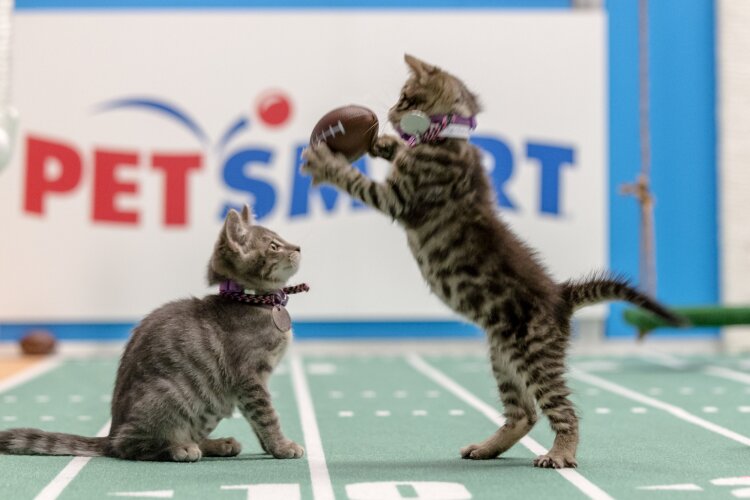
It’s the big game! Watch adorable, adoptable kittens and puppies square off on a tiny football field for a no holds barred game of…catch? Fumbling? We don’t know! They’re doing something, okay?

It’s time for the Kitten Bowl!

What, you thought we were gonna blog about that other game?

For the second straight year the former Kitten Bowl has been renamed the Great American Rescue Bowl, and will feature puppies as well as kittens. It’s moved from its former home at the Hallmark Channel to the Great American Channel, but retains its hosts, its partnership with the North Shore Animal League, and most importantly its adorable furry participants.

You can catch the Great American Rescue Bowl at noon eastern, making it a convenient watch whether you’re headed to a Super Bowl Taylor Swift Bowl party later in the day or you care not for sporting contests that don’t feature four-legged athletes.

Kitten Bowl
Catches are pretty rare, but that’s okay!

If you don’t get the Great American Channel as part of your cable package or you’re a cord-cutter, you can stream it for free on fubo.

While the kittens and puppies are adoptable, this year also includes three special young cats — Meowi Wowi, Hana Lulu, and Surfin Sammy — who were displaced by the Hawaii wildfires of August 2023.

And if you’re hosting a party today and you need a last-minute addition to your menu, Buddy has kindly offered to share his recipe for Buddy’s Extra Turkalicious Turkey Wings:

  • Turkey wings for guests (24) and for Buddy (48)
  • Turkey sauce, 2 cups
  • Buddy’s BBQ Turkey Seasoning
  • Turkey bacon

In a large bowl, mix the turkey wings with the turkey sauce, then arrange the wings on a non-stick pan and bake for 30 minutes at 400 degrees. Glaze with additional turkey sauce. Garnish with turkey bacon. Goes great with your other favorite turkey-based snacks!

Dear Buddy: Why Do Humans Watch Horror Movies?

Dear Buddy,

What’s with these horror movies? My human likes to curl up on the couch under a blanket, with me protectively in her lap of course, and watch these ghastly movies about serial killers, ghost infestations and lurking monsters.

Why would anyone want to scare themselves? You don’t see us creating an entire film genre dedicated to horrors like empty food bowls or late dinners, so why do humans make these movies?

Your fan,
Mildly Curious in Manhattan


Dear Mildly Curious,

This is a question I’ve pondered for some time, inasmuch as I care about anything human-related to ponder. My human also watches those movies and he also does so with me sitting protectively in his lap.

Then I realized something. None of the people in these horror movies have cats!

The family from The Conjuring? They have a dog. Stanley Tucci’s family in that crappy movie about flying monsters that kill everyone? Dog! The family in that other crappy movie about giant axolotl-type things that terrorize people living in a coastal community?

You guessed it! They have a dog too.

You see where I’m going with this, right? Humans who serve us cats literally have no fear because no monster or crazy cereal killer would ever risk attacking a home with a cat in it.

Suppose a hungry evil monster is let loose in my neighborhood and is making its way through the street at night, then sees me in all my meowscular, intimidating, tigeresque glory sitting at the window, keeping watch over the nocturnal world.

That monster is going to skip right over The Buddy Domicile and go in search of easier pickings because it sure as heck doesn’t want to tangle with me and my claws. I have that effect on monsters.

They may be monsters, but they’re not stupid. Breaking into a home with a cat is like breaking into a t-rex enclosure. You’re asking to get mauled by a huge, meowscular apex predator who will eviscerate you and look handsome and badass while doing it.

People who serve us cats know this. They know no monster or killer or robber would be stupid enough to go near a house with a cat. They can probably sense my meowscularity two miles away!

So sometimes our humans may want to know what it feels like to be vulnerable, what it would be like if they didn’t have tigers like us guaranteeing that no intruder approaches. THAT is why they watch horror movies. Take it to the bank!

Your genius friend,

Buddy the Cat