PA Pols Push Declaw Ban, Online Series Features Bodega Cat ‘Interviews,’ Plus: ‘The Last Cat’ Of The Skies, The Iconic F-14 Tomcat

Bodega cats are the stars of a popular online series and could soon become legal in New York, where they’ve helped keep delis and small groceries rodent-free for as long as such places have existed.

Although it’s way too early to celebrate, Pennsylvania could become the fourth state to outlaw cruel declawing procedures after two lawmakers there introduced a new bill.

The Pennsylvania declawing ban proposal closely mirrors laws already passed in New York, Maryland and Massachusetts, and would outlaw the procedure except in cases where it’s medically necessary. (Although extremely rare, sometimes cats suffer from cancer of the nail bed and other maladies that necessitate surgery, but that’s a far cry from the elective declawing currently legal in 47 states.)

The state’s Veterinary Medical Association, the usual villain in these situations, is opposed to the ban. State veterinary medical associations argue that outlawing the procedure — which amputates a cat’s toes up to the first knuckle — would limit options for veterinarians and caretakers.

The veterinary medical associations, which contrary to their names do not represent all or even most veterinarians, also claim that declaw bans lead to more surrenders, but that claim has been repeatedly debunked by statistics from states and municipalities where bans have passed. In each of those cases, surrenders actually decreased, which is not a surprise to those who understand declawing, rather than “solving” any behavioral issues, actually causes cats to lash out even more because of the suffering they endure from the mutilation.

Here in New York, the Veterinary Medical Association successfully prevented declawing bans from making it out of committee for years, despite organizations like the Humane Society, SPCA, Alley Cat Allies and others wholeheartedly opposing elective declawing. Each state VMA buys influence with campaign donations, and relies on the lawmakers they support to kill declawing bans. Let’s hope Pennsylvania’s Veterinary Medical Association proves less adept at derailing that state’s bill.

The Last Cat of the Skies: The Iconic F-14 Tomcat

When I was a kid, the two Dream Machines that adorned posters on my wall were the Lamborghini Countach and the F-14 Tomcat. The Countach remains a car without equal with its inimitable, angular design that still manages to look futuristic more than half a century since the first models rolled out of the factory.

The twin-engine Tomcat is kind of like the Countach of fighter jets with its variable wing geometry, prominently angular air intakes and unique silhouette that makes it easy to distinguish even from the ground.

A Tomcat from the Nimitz-class aircraft carrier USS Theodore Roosevelt (CVN 71) during a combat flight over the Persian Gulf in 2005. Credit: U.S. Air Force photo by Tech. Sgt. Rob Tabor

Grumman’s air superiority fighter was immortalized in pop culture when Tom Cruise’s ace fighter pilot, Maverick, flew the aircraft in 1986’s Top Gun, and the Tomcat enjoyed a nostalgic encore in 2022’s excellent Top Gun: Maverick, displaying its staying power in a film that also heavily featured newer aircraft like the F-18 Super Hornet and the sixth generation prototype “Darkstar,” based on Lockheed Martin’s secretive SR-72.

The F-14 is the last of Grumman’s “cat” aircraft, after the Wildcat and Hellcat, and while it no longer fills a role in the US military, it remains a potent weapon for other countries half a century since its first flight. You can read all about the Tomcat in The Aviationist’s new feature here.

The Tomcat’s variable wings were a technological marvel when the aircraft was first released. The wings are swept forward for takeoff and landing, and typically swept backward during high speed, high altitude flight, allowing the fighter to maneuver in ways other aircraft could not. The wings can also shift to an asymmetrical configuration, allowing for unique capabilities in flight.

New York’s deli cats get their say

Bodega cats, longtime fixtures of New York’s answer to grocery stores, are enjoying a moment thanks to a major push to finally legalize their presence, and popular social media accounts featuring photographs of the beloved mousers keeping watch over their stores and snoozing in snack aisles.

A bodega cat in New York takes a siesta from his usual napping, eating and rodent-hunting duties. Credit: Wikimedia Commons

Now the New York Times has a feature on the popular TikTok series Shop Cats, which features “interviews” with the neighborhood felines.

Like Buddy, they seem to have an odd fascination with Mao Zedong, and their answers don’t make much sense, but that’s part of their charm. Check it out here.

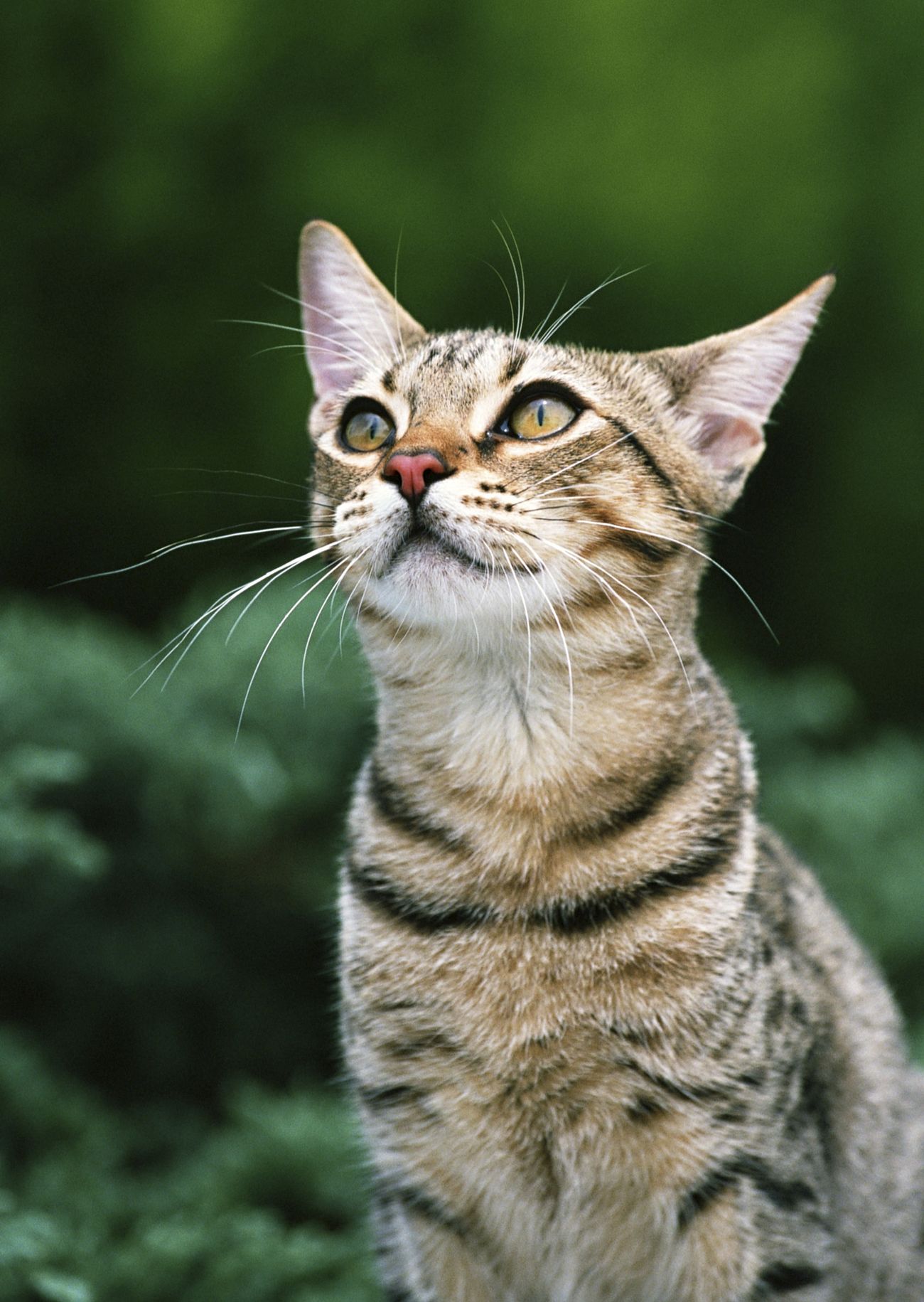
Header image of a bodega cat courtesy of Pexels

Stray Walks 5 Miles In One Day To Get Back ‘Home’ After He’s Given Away

Max didn’t like his new “home” in a barn in Amish country and returned to the man who first showed him kindness.

Brad Bennett said Max the stray was in a bad way when he showed up.

The young cat was malnourished, missing patches of fur and was suffering from infections when Bennett saw him on the property of a western Pennsylvania home where he works as a personal caretaker, first via trail cameras set up to catch images of local wildlife, then in person.

The orange tabby cat was drawn by stale cat food Bennett had thrown out, but he was extremely cautious. He hissed at Bennett the first time the 58-year-old approached him and tried to attack him.

Bennett, who thinks Max may have been abused in the past, earned the stray’s trust and was eventually able to deworm him and give him flea and tick medication, he told local newspaper the Tribune-Democrat.

“I started feeding him and working with him,” Bennett told the paper. “Three months later, [he] was on my lap with me on the swing.”

maxthecat
Max the cat. Credit: Bill Bennett

Bennett, who has two cats of his own, said he couldn’t afford to keep Max because he was “tapped out” by thousands of dollars in veterinary bills, but he knew the little guy needed a home before winter so he made arrangements to take him to a nearby Amish farm which was in need of a mouser.

Max clearly wasn’t taken with the farm because he walked five miles and crossed a major interstate (376) to get back to the home where Bennett works — in one day.

“I kept having feelings of guilt about sending [him] off, not knowing what was going to happen,” Bennett said. “Part of me was kind of excited to see him.”

Bennett knew he couldn’t send Max back to the farm. After he wrote a Facebook post about Max’s situation, Jill Powell, a volunteer with Homeless Cat Management in Pittsburgh, drove about an hour from Pittsburgh to pick Max up. He’ll stay with a foster family until Powell and her organization can find him a forever home.

Whoever opens their home to him will find a grateful cat who knows what it’s like to struggle on his own.

“I was able to hold him, he meows and he reaches for petting,” Powell said. “He seems very sweet.”

Is That A Mountain Lion Or A House Cat?

“The camera never lies,” the old saying goes, but it turns out that’s not quite true.

During my crime reporting days I wrote an unusual story about a guy who’d been picked up on armed robbery charges. The suspect’s face was visible, the security camera footage was unusually sharp, and the suspect himself had a previous armed robbery conviction from years earlier.

It looked like an open and shut case.

There was just one problem: The man had an airtight alibi. He had half a dozen people willing to go on record saying he was at a party 70 miles away when the robbery happened, as well as ATM receipts showing he’d withdrawn cash that night far from the site of the robbery. When he retained a lawyer, the attorney was able to show his cell phone records placed him at the party, and forensic videography showed the man in the armed robbery footage, despite bearing a striking resemblance to the suspect, was taller and moved differently.

In the end the police dropped their case and found the real robber, but I never forgot the story, nor my conversations with forensics experts who explained how something as simple as taking measurements at a crime scene, from the same angle and using the same cameras, could prove a case of mistaken identity. Things like gait, observing the dominant hand and other body language also factor heavily.

One forensics expert told me it’s like watching the replay in a baseball game: You can be absolutely sure a runner is out by watching footage from one angle, but footage of the same slide from another angle can clearly prove the runner’s foot made contact with the base before the fielder’s glove tagged him.

That kind of attention to detail is what helped Thomas Keller rule out the possibility that a mountain lion was roaming the fields of Lower Macungie Township in Pennsylvania. On Sunday, Pennsylvania state police issued a warning to people in the area that “a large feline was seen in the fields” near a residential road.

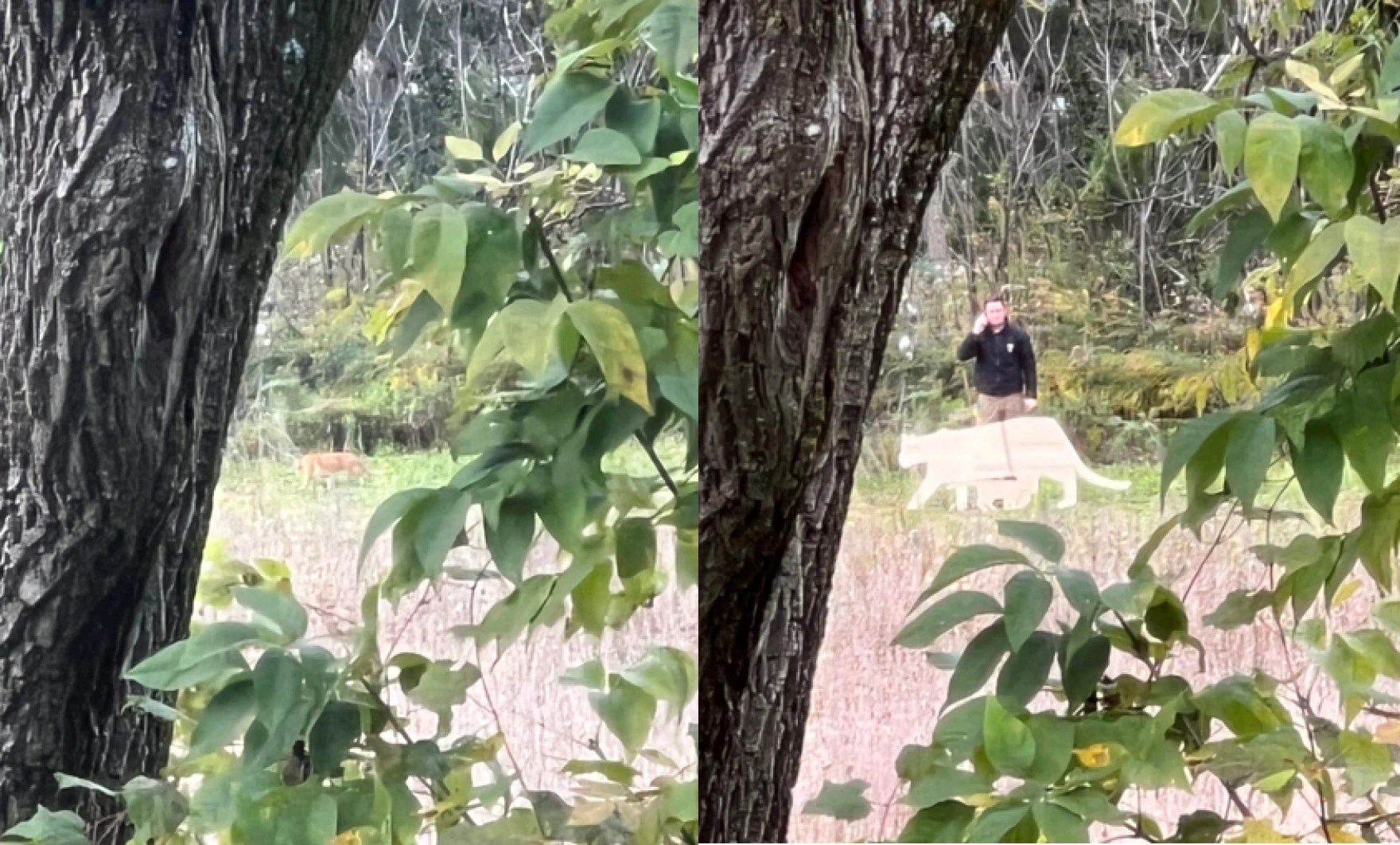
Keller, a furbearer biologist with the Pennsylvania Game Commission, headed down to the area earlier today and found the exact spot where a local homeowner had photographed the supposedly wild cat. Using a life-size cut-out of a puma, which he placed carefully where the cat was standing, and a camera placed at the same height and angle used in the original photograph, Keller proved the cat in the photo was much smaller than a puma.

“It’s just a house cat,” Keller said flatly after producing his own photos of the spot.

House Cat Or Mountain Lion?
The original photo, left, and Keller with his scale cut-out of a mountain lion, right. Keller says the cat in the photo is probably a large, well-fed stray.

Like the forensic videographer who helped clear a man of a robbery charge, Keller was able to disprove the immediate conclusions of people who saw the image. He says the work is important because “there’s a lot of fear and panic that can spread.”

“We will generally go out and try to talk with who reported it and get perspective on where the photo was taken,” Keller told the Lehigh Valley News. “We look at original picture and measure what we can … We look at things in the picture that we can get scale from. It might look like a mountain lion, but we need to know what those measurements are to get the scale.”

Confusion over what the camera shows is compounded by the optical effects of zoom, which can throw off the observer’s sense of scale, he told The Morning Call, a local newspaper. He said people who aren’t sure what they’re looking at should call their state game commissions, or comparable offices, to get help from experts.

As for Pennsylvania, while there have been historical reports of mountain lions, most were decades ago and the handful that panned out were cases in which the large felines escaped from private captivity or traveling circuses.

Although it’s not unheard of for pumas to migrate east, they’re no longer extant in the region and sightings of the elusive cats are almost always cases of mistaken identity when people see bobcats or large housecats.

“There’s none,” Keller said. “We get hundreds of these reports every year and we haven’t been able to substantiate one yet.”

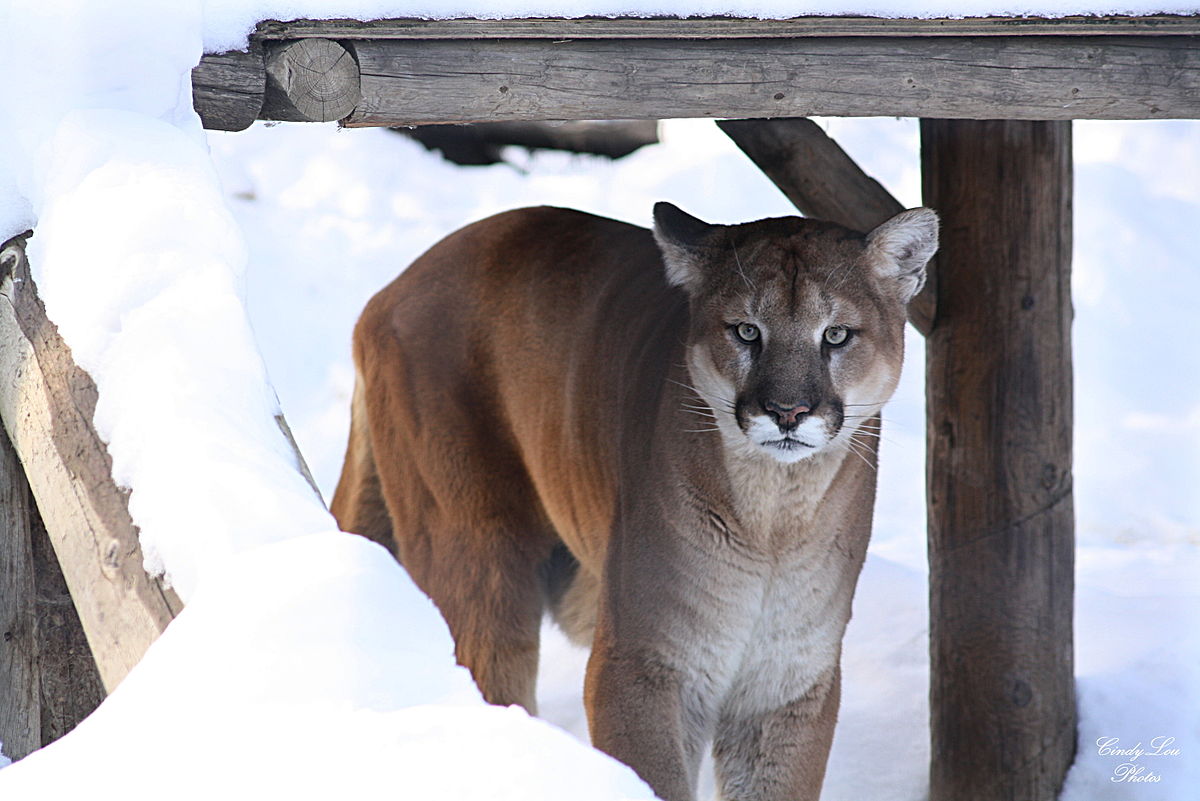
Header image credit Cindy Lou Photos/Wikimedia Commons

In The UK, Cat ‘Ownership’ Can Be A Hazy Concept

What does it mean to “own” a cat? If you believe a cat is neglected, can you take custody? As UK law changes, those questions need answers.

For the second time this week, two people are fighting over a cat after the original “owner” received a request from a microchip company to confirm another person’s claim on the feline.

Charlotte Sawyer of Swindon, a town in southwest England, told her local newspaper she was livid when she got the request to sign over her claim to one-year-old Oreo.

“I can’t believe the audacity of this person trying to steal our beautiful cat,” she told the Swindon Advertiser.

But Sawyer readily admitted Oreo was going out for days and sometimes weeks at a time before returning home, and she hasn’t seen him for four months now.

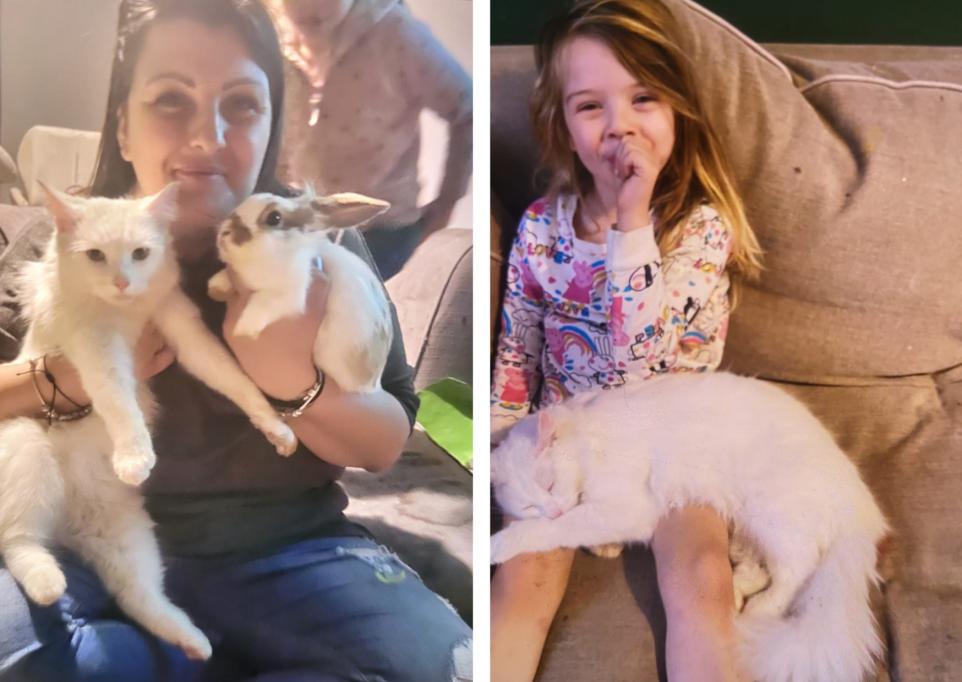
Sawyer and Oreo
Charlotte Sawyer, left, with her cat Oreo and a pet rabbit. Sawyer’s daughter, right, with Oreo. Credit: Charlotte Sawyer via Swindon Advertiser

Like many cats in the UK, Oreo not only had access to the outdoors, he was accustomed to coming and going as he pleased. Other families were feeding him, and it’s likely he made the rounds among several houses before returning home. Because “home” is a nebulous concept in this instance, it’s not the first time someone has asked Sawyer to relinquish custody of Oreo.

“A woman claiming to be someone who looks for missing cats once knocked on my door and handed me a form asking for permission to change Oreo’s microchip,” Sawyer said. “I wanted to rip it up, I was furious, and told her he was my cat. Now it’s happened again. At least it’s provided some reassurance that he’s still alive.”

While I feel for anyone who loses a pet, I don’t know how someone who truly loves a cat can accept the kitty being gone for days or weeks at a time, not knowing if he’s in danger, hurt or still breathing. That kind of arrangement isn’t in the cat’s best interests, and it’s not compatible with our responsibility to ensure the welfare of our four-legged friends, an obligation all of us take on when we adopt our pets.

The people who encountered Oreo likely thought he was a stray or an abandoned former pet. If they’re requesting a change to microchip registration, it probably means they spent their own money to take the little guy to the vet, where the chip was discovered and scanned.

This is emphatically not a blanket criticism of UK norms regarding outdoor access, by the way. Americans cannot claim moral superiority. In the past week or so we’ve had a Pennsylvania man kill a cat with a blow dart because the feline “was trying to kill my birds,” a vulgar approximation of a human being in New Jersey “repeatedly raped” his pet cat before torturing her to death, and some deranged lunatic in Florida used a cat as target practice, leaving 30 pellets lodged in the innocent animal’s little body.

That represents a tiny fraction of the cat abuse stories from the last 10 days and I’ve omitted the worsted examples because I know we have readers who can’t handle this stuff. (I can’t either, which is why I paused my Google News alerts for most of the past two weeks.)

My point here is not to shock. It’s to underscore the fact that we have absolutely no moral authority when it comes to telling people in other countries how to care for animals.

Outdoor cat
A cat exploring outdoors. Credit: Openverse

Moral authority concerns aside, the two examples of ownership claims by microchip this week raise important questions about the definition of “ownership” and what it means to properly care for a cat.

Like many cat lovers I don’t like the term “owner” and I describe myself as a caretaker, but where the law is concerned, ownership is important concept because it determines who has claim over the animal. The law views cats and dogs as property, whether we like it or not. That’s why animal welfare statutes fall under agriculture and markets law in many US states instead of the criminal code, and it’s why so many of those laws need updating.

Cat culture across the Atlantic is different in that the majority of people who have cats believe our furry friends must have access to the outdoors to live a complete, fulfilled life. In the US, 63 percent of cat caretakers keep their felines strictly indoors, while in the UK it’s virtually the opposite, with 70 percent allowing cats to roam outdoors. Not all definitions of outdoor access are equal: Some people allow only supervised outdoor time in the backyard (or “garden”), some make sure their kitties are safely indoors by nightfall, while others have cats who return at their own whim.

There are also differences regarding geography, traffic density, the prevalence of natural predators and the nature of city life that account for how much outdoor access they allow their cats.

As the UK sets a June 2024 date for the mandatory microchipping of pet cats, disputes like this are going to become more common, which means people would be wise to make sure their cats’ microchips have up-to-date information and have readily available proof that they own their felines. If cat owners don’t establish the criteria for what it means to “own” a feline, the government will.

It’s Official: Buddy The Philly Cat Has A Forever Home

Buddy’s journey ends on a high note, with the former stray getting a forever home, people who love and care for him, and a feline pal to play with.

Buddy the Philadelphia cat is home for good.

The former stray captured the hearts of people around the world when he survived a brutal attack on the front porch of a Philadelphia home, with two dogs mauling him at the urging of their teenage owners. The attack, which was captured on video, prompted worldwide outrage from animal lovers and resulted in an outpouring of help, with well-wishers flooding the Pennsylvania SPCA with more than $100,000 in donations.

Dr. Katie Venanzi was the veterinarian who performed emergency surgery on Buddy in the immediate aftermath of the attack, when his survival was doubtful.

That was back in March. Since then, Buddy’s glorious will to live carried him through those perilous first few hours and days, and he eventually healed up enough to go to a foster home.

Buddy the Philadelphia Cat
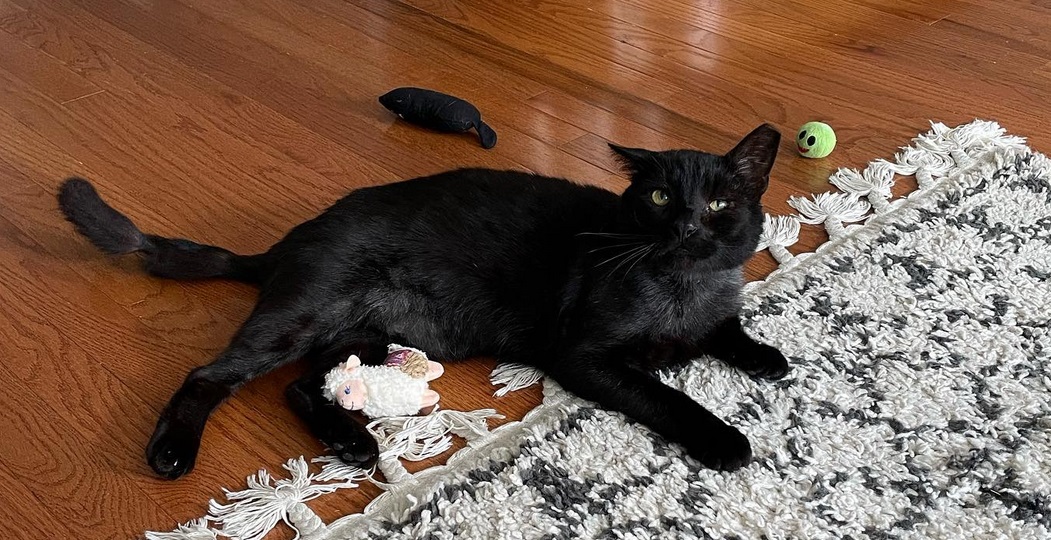
Buddy’s adjusted to the indoors, where he enjoys a perk he didn’t have during his life outside: Toys. Lots and lots of toys. Credit: Pennsylvania SPCA

Venanzi felt an emotional attachment to the little guy and offered to foster him with the hope of providing his forever home. It wasn’t clear if that would be possible: Buddy’s original family failed at making him an indoor cat because he was too accustomed to the freedom of being a stray, so they fed him and took care of him as best they could.

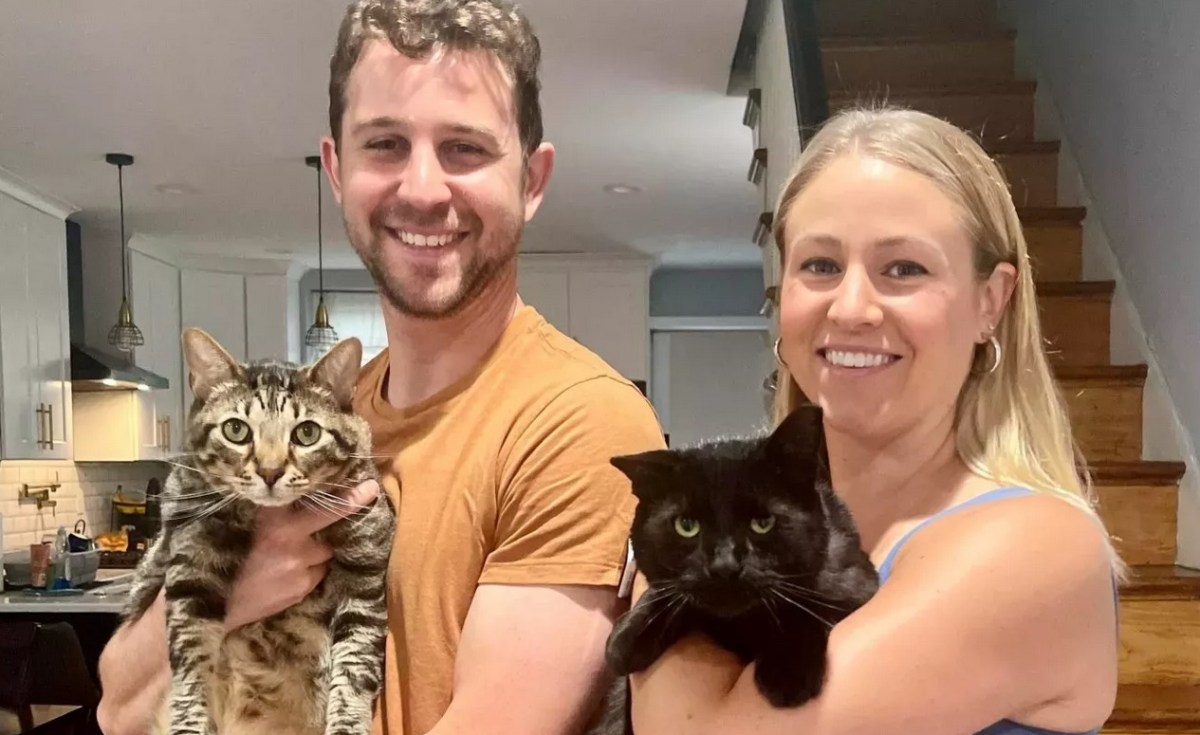
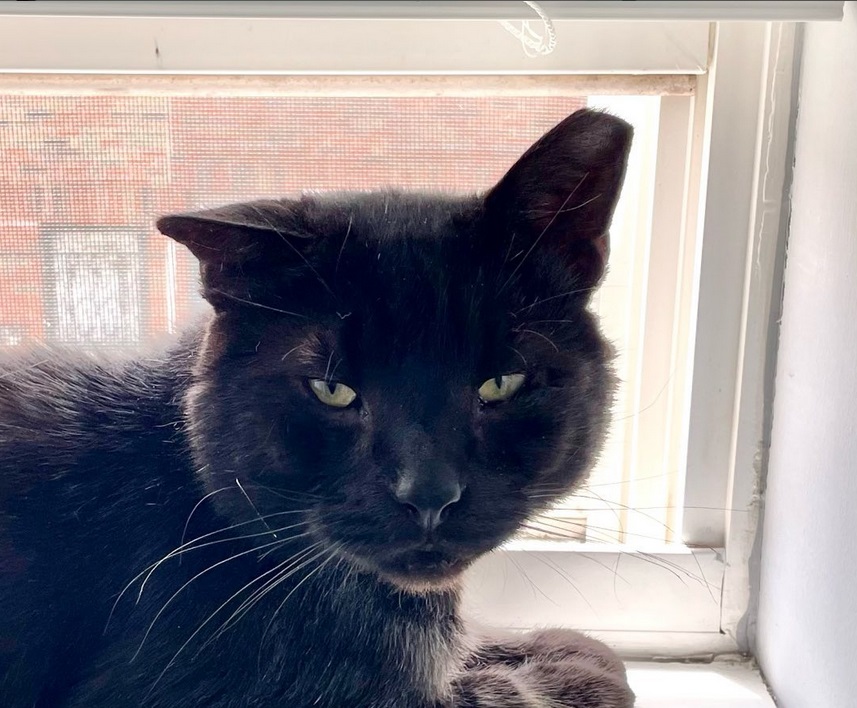
His brush with death seems to have tamed Buddy, who has adjusted to indoor life with Venanzi, her husband and their other cat, Teddy. Buddy enjoys “basking in the sun on a windowsill or watching the world go by from the front screen door,” the Pennsylvania SPCA’s Gillian Kocher said, and his new family “fell more and more in love” with him as the days and weeks went by.

“He has all the toys a cat could want, though his favorite seems to be an empty cardboard box for lounging,” she said. “He is loved, and he is home.”

With his story of perseverance and bravery, Buddy “has become a symbol of everything we do here,” Kocher said. The money left over from donations after all of Buddy’s veterinary needs were taken care of will be used to help other cats and dogs just like him who have suffered abuse and neglect.

You can support the Pennsylvania SPCA by buying a “Save Every Buddy” t-shirt or other gear on the group’s site.

Buddy the Philadelphia Cat
Buddy has fully recovered from the wounds he suffered in March. Credit: Pennsylvania SPCA