Twix and Gollum are in the process of converting my brother’s family into their dedicated servants.
My nieces have wanted a cat for a long time, but my brother and his wife had a few good reasons to hold off.
First and foremost, they were moving to a new country, and adding pets to a complex move that includes furniture, belongings and a long flight — plus adjusting to an entirely new country, new jobs and new schools — was a hassle they didn’t want.
In addition, I know they all deeply miss their dog, Cosmo, who passed away in the summer of 2023. Heck, I miss the little dude dearly. If he hadn’t burrowed his way into my heart, I wouldn’t have even thought of adopting a little buddy of my own.
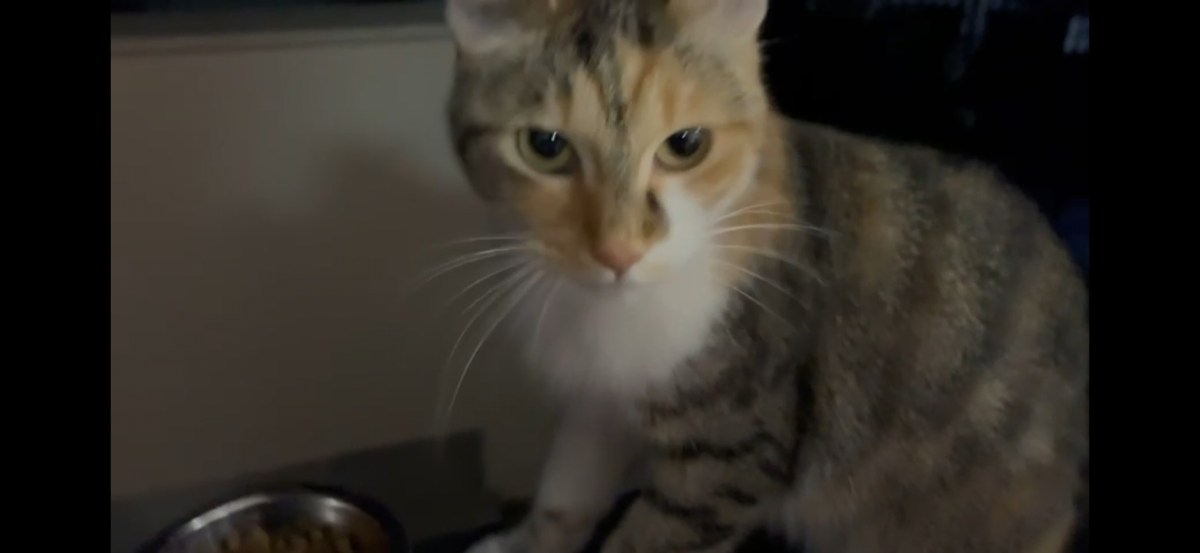
But the Cat Distribution System cares little for the plans of mere mortals, and when my brother and his family arrived at their new home in coastal Italy, they soon discovered it came with a cat: Twix, a fixed calico who lives on the property.
It wasn’t long before the friendly Twix established that these new humans could be trusted, which is when she introduced an orange tabby who is either her brother or companion. No one’s quite sure.
Now my nieces have two cats to play with, and they’re making Bud look bad. As cats who have lived outdoors on the property, they’re much more accustomed to noise and change, and they adjust more quickly. Buddy, by contrast, is used to a quiet apartment with me, and while he is friendly to guests, he’s also a bit wary of kids.
Here are Twix and Gollum:
In the meantime, Buddy’s second term as President of the Americats is chugging along. After recognizing the need for a new denomination, President Buddy has introduced the new $11 cat dollar bill featuring his presidential likeness:
We’re not sure a powdered wig is a particularly good look for the little fellow, but I know better than to raise that concern.
Why would anyone need an $11 bill, you ask? Because cats don’t have pockets, so they don’t do change!
Cat dollars are legal feline tender and entitle the bearer to the equivalent value in cat food cans or snacks, when presented at any accredited feline bank.
Buddy, pleased with his new currency, has ordered his treasury to get started on a new $7 cat bill, which will also feature his likeness.
The Europeans aren’t messing around when it comes to noise on public transportation, and a loud pet can cost you.
Note to self: Never take Buddy on a French train, unless I want to be out a few hundred bucks by the time I reach my destination.
That’s my takeaway after coming across this story about a woman who was fined €110 (about $130 in ‘Merican dollars) by the French National Railway Company after another passenger complained that her cat was causing “acute tensions” by vocalizing.
Naturally, the passenger and the railroad have two different versions of events. Camille, who was identified only by her first name, said she’d purchased a ticket (about $8) for her cat, Monet, and had the feline in a carrier for the trip from Vannes, Brittany, to Paris, per railroad rules.
Monet “meowed a bit at the start” at the beginning of the journey, Camille admitted, but wasn’t excessively loud.
“Loud? I’m merely expressing my displeasure with the level of service around here!”
Railroad operators said there were multiple complaints, not just one, and claimed a conductor asked Camille and her boyfriend, Pierre, to switch to a mostly-empty car as a compromise with other passengers.
A conductor ticketed Camille when she declined the “simple and common sense solution,” according to French broadcaster BFM.
I’ve joked in the past about sedating the Budster before flights so the other passengers won’t toss him out at 40,000 feet, but there’s truth at the heart of it: Buddy is a naturally chatty cat, he’s got strong opinions, and he doesn’t hesitate to share them with anyone.
Of course you don’t want your companion animal to create a scene or make other passengers uncomfortable. I still wince when ai think about the woman who forced fellow passengers to endure the smell, proximity and potential defecation of her “emotional support horse,” and when people began abusing the privilege of going places with emotional support animals (emotional support alligator, anyone?), it was only a matter of time before companies that operate common spaces — be they in a fuselage, a baseball stadium or a grocery store — tightened the rules to avoid conflict.
Still, unless the cat was wailing, or Camille really did refuse to switch seats, a $130 fine is excessive.
Just something to think about for those of us who have plans to travel with our cats.
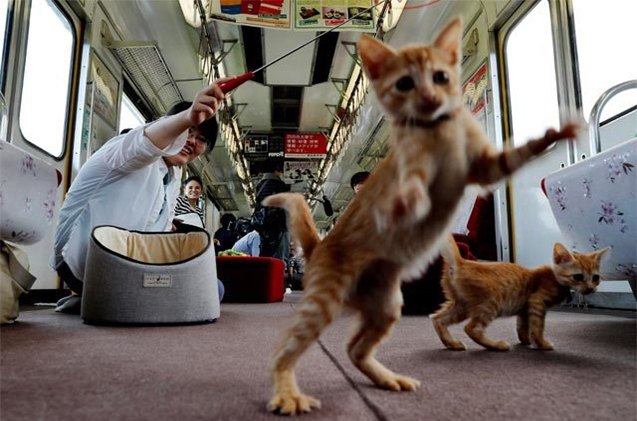
Header image of a cat cafe train car in Japan, credit: Wikimedia Commons
Today’s a good day to do something special for your little pal(s), and to help spread awareness that felines are sentient, intelligent animals with feelings.
Happy International Cat Day!
Today marks the 23rd annual observance of the special day, which was established by the International Fund for Animal Welfare, a nonprofit originally founded in the late 1960s to stop the commercial hunting of seals off Canada’s coasts.
Buddy sits on his vanquished foe, an alien xenomorph. “I don’t understand how these things gave humans so much trouble,” he said.
In more than half a century since, the group has expanded to an international operation with projects aimed at improving conditions for wild and domestic animals. They do wildlife rescue, rehabilitation, preserve management and more.
International Cat Day was intended to help raise awareness about cats, their behaviors and the best ways to interact with them and give them good homes.
For those of us who are already wrapped around the paws of our feline overlords, it’s an occasion to do something extra for our buddies. Here at Casa de Buddy, that means spending more time with little man, giving him catnip, and his favorite human food treat: cheese.
The thing that matters most to him is Buddy Time, when we hang out, play games with his wand toys, and eventually he snuggles up in my lap.
We hope all of you are enjoying International Cat Day and have the opportunity to spend some extra time with your furry pal(s) today. For all they do to improve our lives, a little expression of gratitude is the least we can do.
The makers of Temptations want you to feed your cats more snacks, as if they don’t get enough!
In yet another indication that some people don’t seem to pay attention to their feline masters, the Wall Street Journal reports on Mars and its internal operation “Cattitude,” which as far as I can tell amounts to a few people within the company realizing they haven’t squeezed every last dollar of revenue from people who have cats.
That’s a problem, the company realized, because more people are adopting cats, younger generations are more likely to adopt felines, and anyone who hasn’t had their head in the sand knows the little ones rule the internet with their cuteness.
Through “Cattitude,” which apparently involves everything from executives walking around the office wearing cat ears, to handing out “I Love Cats” decals and consulting with “cat parents” on products, the company says it’s identified a “treat gap” between felines and canines, with dogs as the far more frequent beneficiary of yums:
“Feline insecurity can be self-fulfilling. If you think your cat doesn’t care, you might be less likely to shower them with perks. That may be why dogs get way more treats.
Mars launched a campaign in May that spotlights the “treat gap” by the numbers: Dogs are nearly 32% more likely to get daily treats than cats in dogs-only and cats-only households; in homes with both, 38% of parents said they don’t give the same number of treats.“
The story does not say how the company arrived at those numbers. Probably market research in the form of surveys. Not exactly scientific, as these things go.
This is one of those stories that makes me wonder if these people actually have cats.
From the moment I wake up until the second I settle into bed, Bud shrieks at me for snacks. He won’t even let me stumble into the bathroom before the first shrill reminders. He demands snacks before dinner, after dinner, after he’s had snacks, and sometimes while he’s eating them.
If he could speak English and hold a bull horn, I have no doubt he’d spend the majority of his day blasting the demands into my ears: “MOAR SNACKS, BIG BUDDY! MOAR! MOAR!”
Mars should know this. One of its most popular products, Temptations, turns cats into slobbering addicts. I had to wean the Budster off them, then stupidly bought them again months later and had to wean him off the Temps again because he has a one-track mind when they’re in his bloodstream. Two are not enough. Six are not enough. Ten are not enough.
One time, I left a big tub of the damn things unattended for a minute and he managed to pop the top off by knocking it off the coffee table. When I walked back into the living room, he was dragging his jaw along the floor like a bulldozer, inhaling as many as was felinely possible into his little mouth.
Frantically, I shooed him away and began picking them up, but the damage was done. He threw up a few minutes later. Then he shrieked for more!
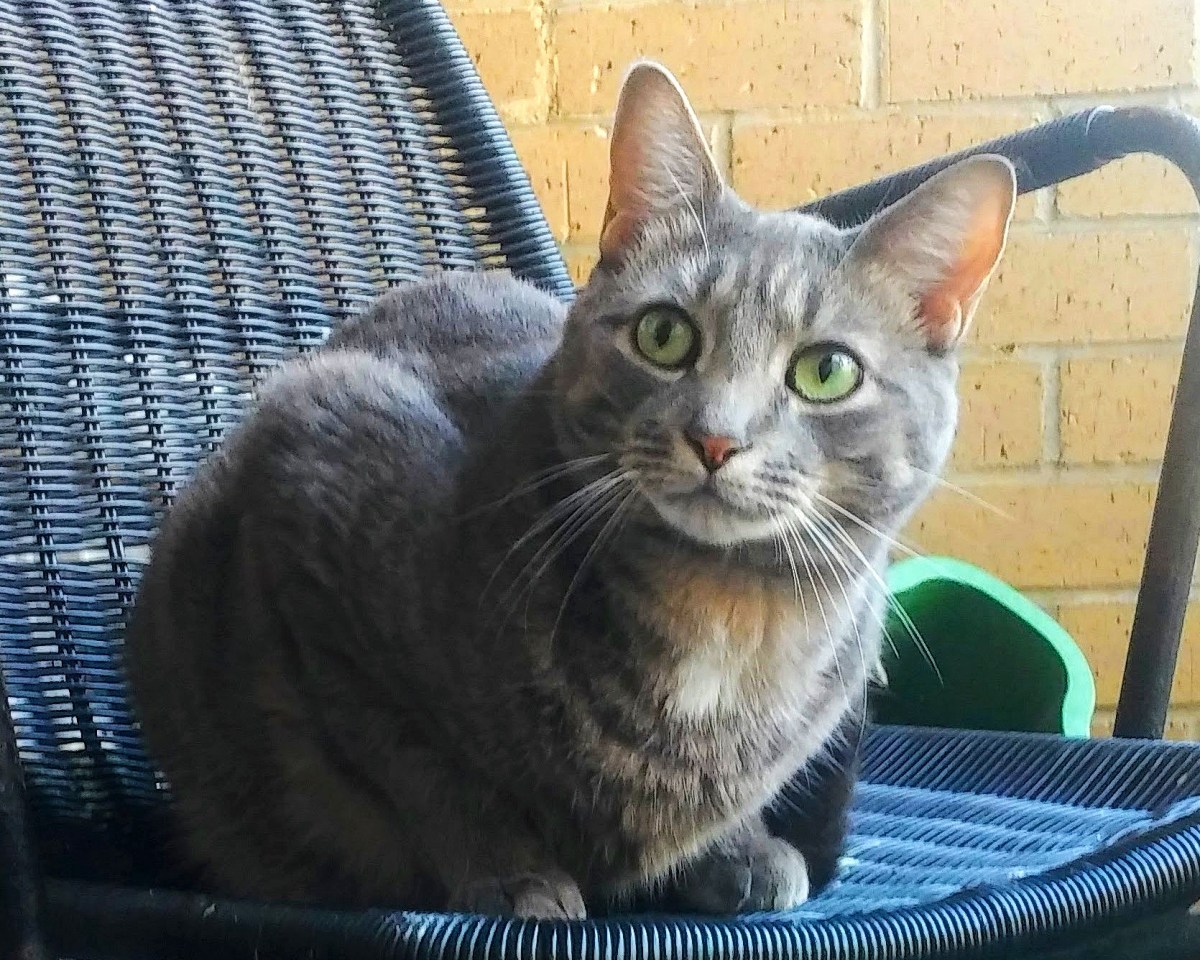
He always looks innocent, doesn’t he?
Interestingly, the WSJ notes that if you type “Does my cat” into Google, the first two auto-complete suggestions are “Does my cat love me?” and “Does my cat know I love her?”
And that brings us to a point on which I agree with the people at Mars: cats still aren’t well understood.
Dogs happily slobber over their people. Cats show their love in subtle ways, like proximity, head bunting and momentary contact.
Just like the whole “cats love milk” thing is half myth, half misunderstanding, so is the idea that your cat doesn’t love you unless he’s leaping into your arms to hug you as saccharine orchestral music swells in the background.
While there are always outliers, most cats don’t like being hugged or picked up, and most have hard limits when it comes to the amount of physical affection they’ll tolerate. It’s not because they don’t care for us, but because they’re semi-domesticated carnivores who still retain the skittish tendencies of their wild brethren, and because they get easily overstimulated, among other reasons.
If Mars’ Cattitude is an ongoing thing, I hope the decision-makers in the company come to what I believe are two of the most important conclusions to keep in mind when it comes to cats. Giving them your love means giving them your time and attention, and treating them like the sentient, emotional creatures they are.
The best piece of advice I ever got was to always take your cat’s emotions into consideration.
It really is that simple.
Now if you’ll excuse me, I have snacks to dispense.
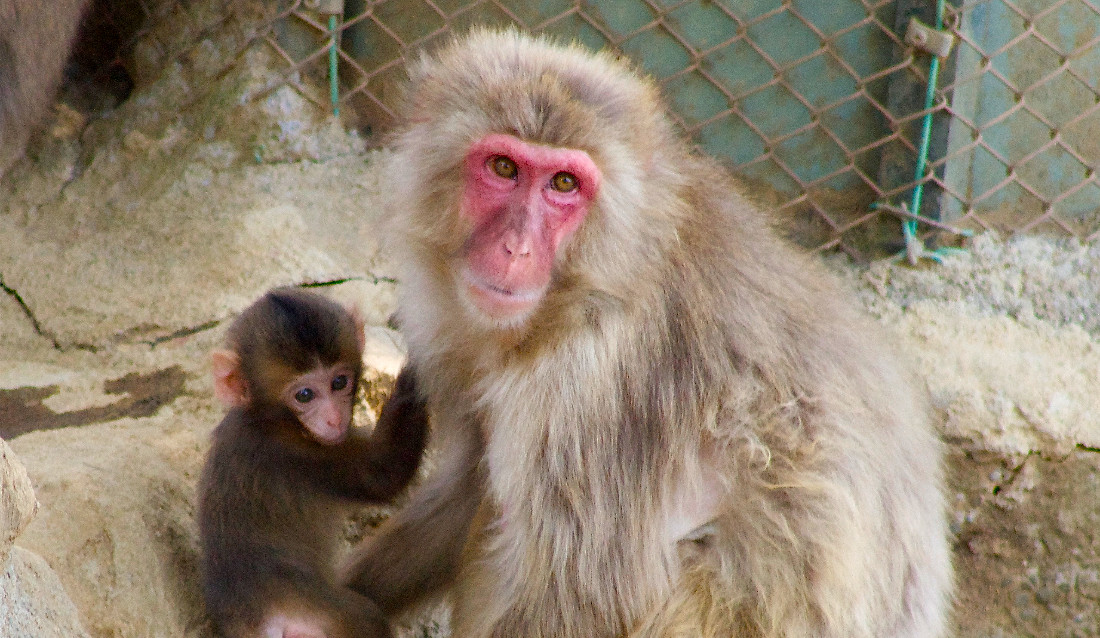
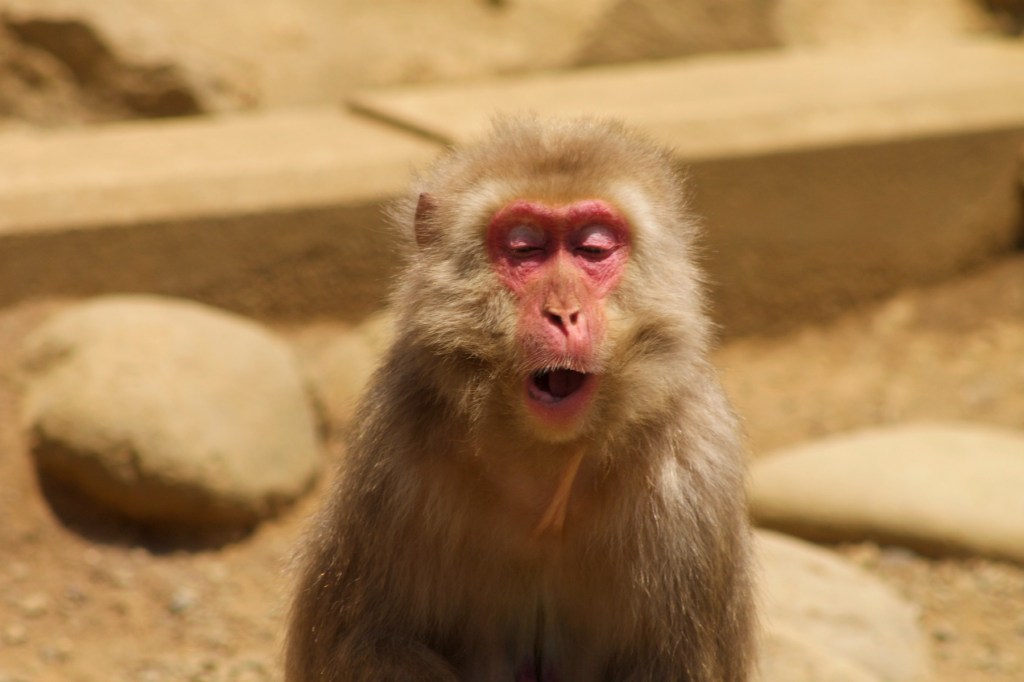
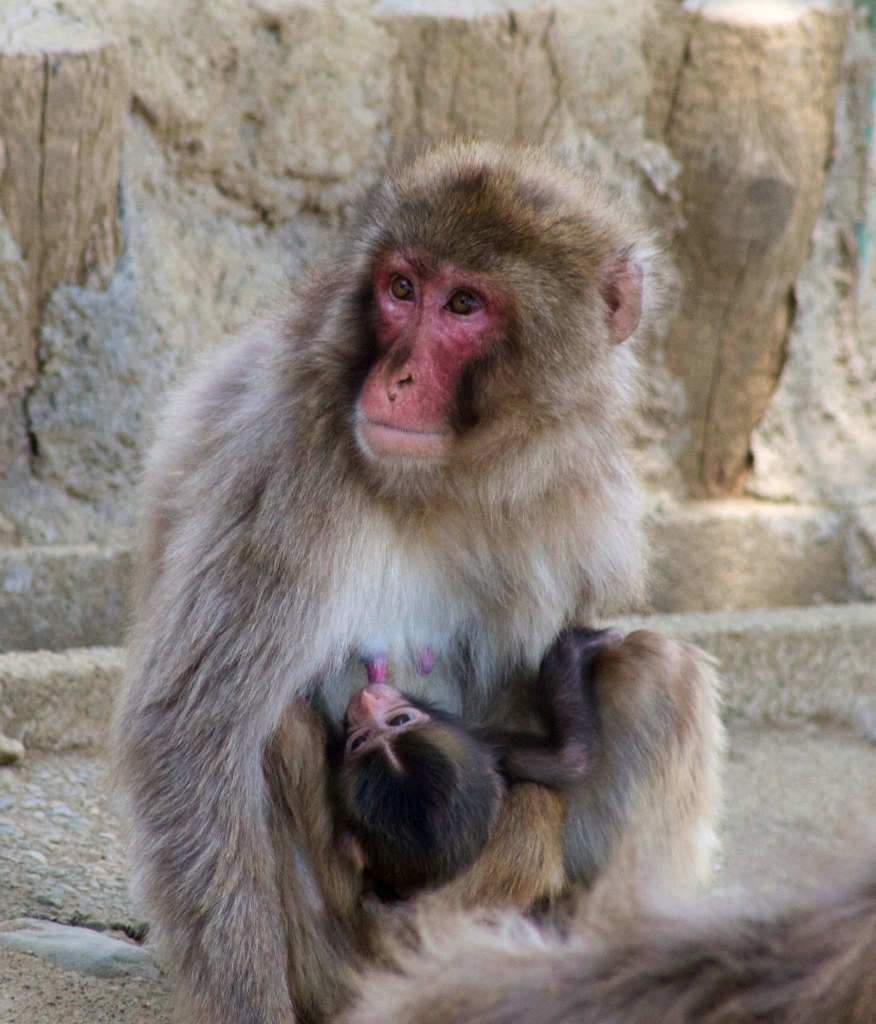
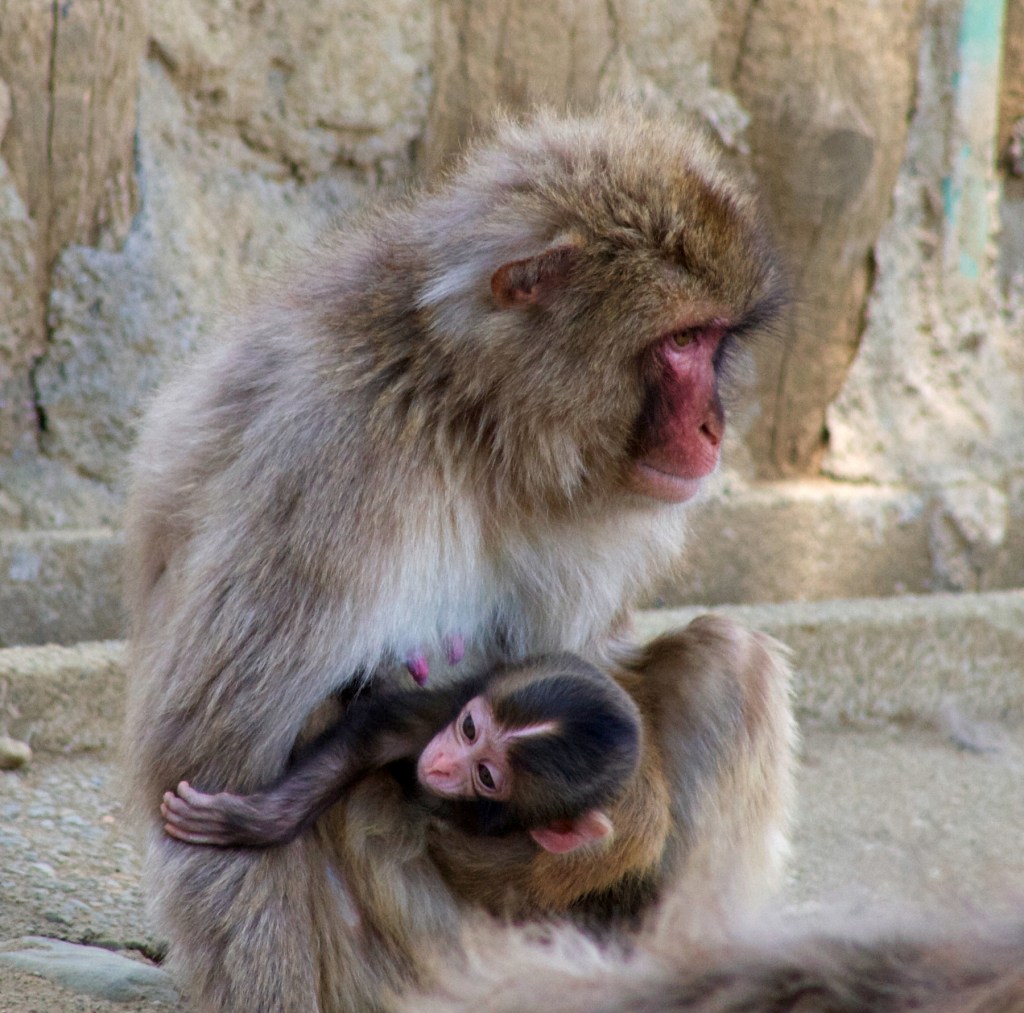
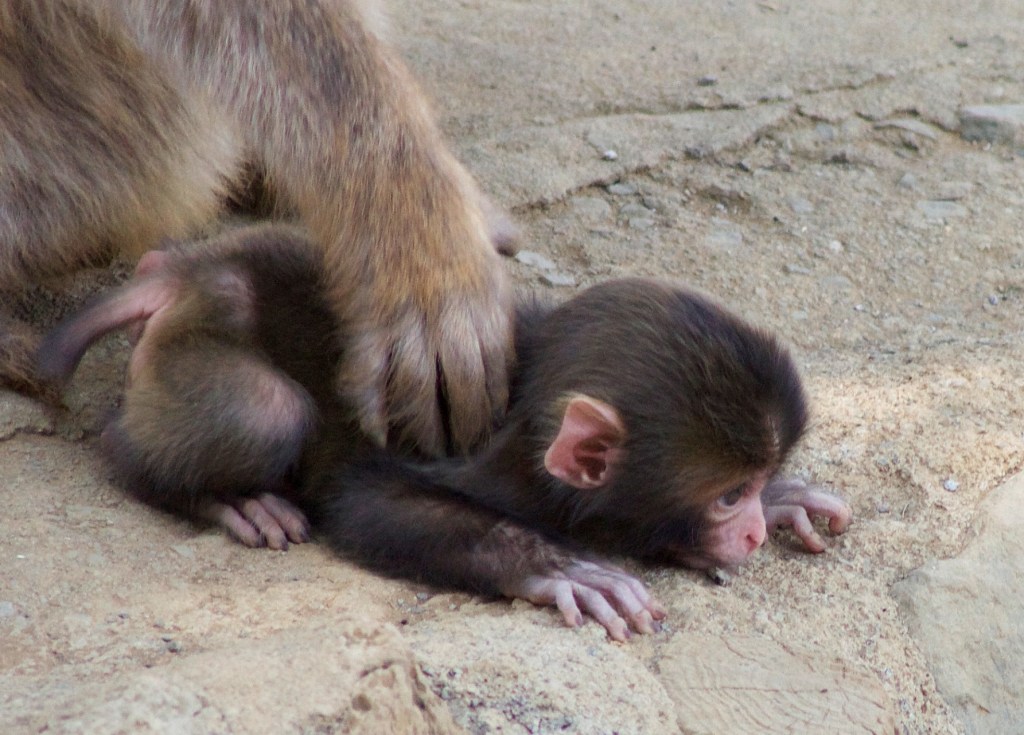
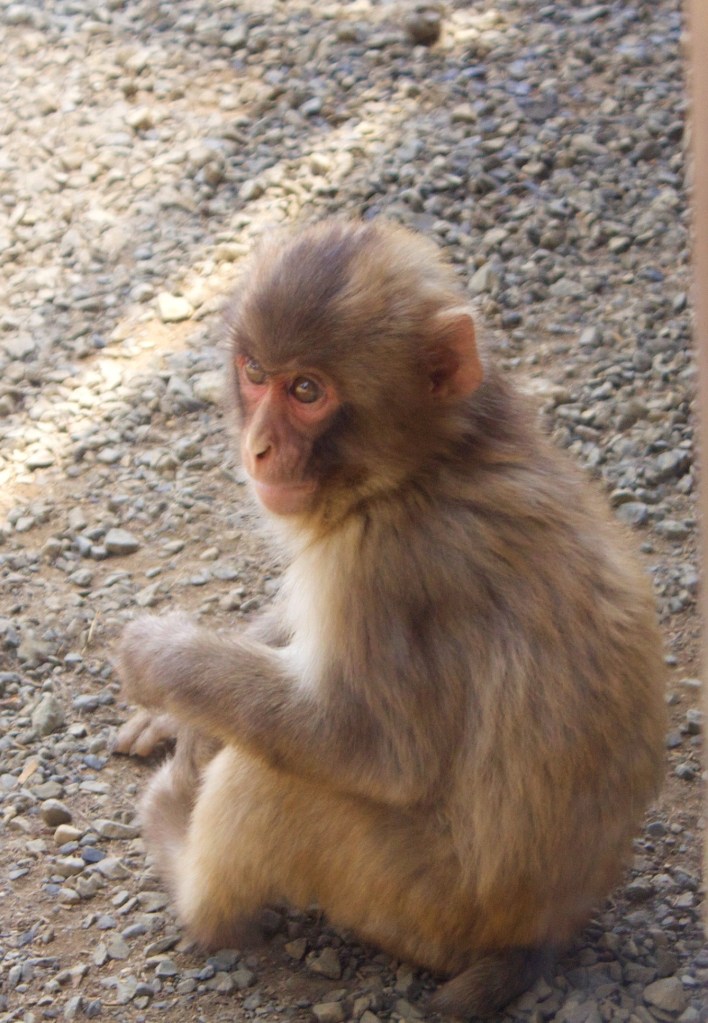
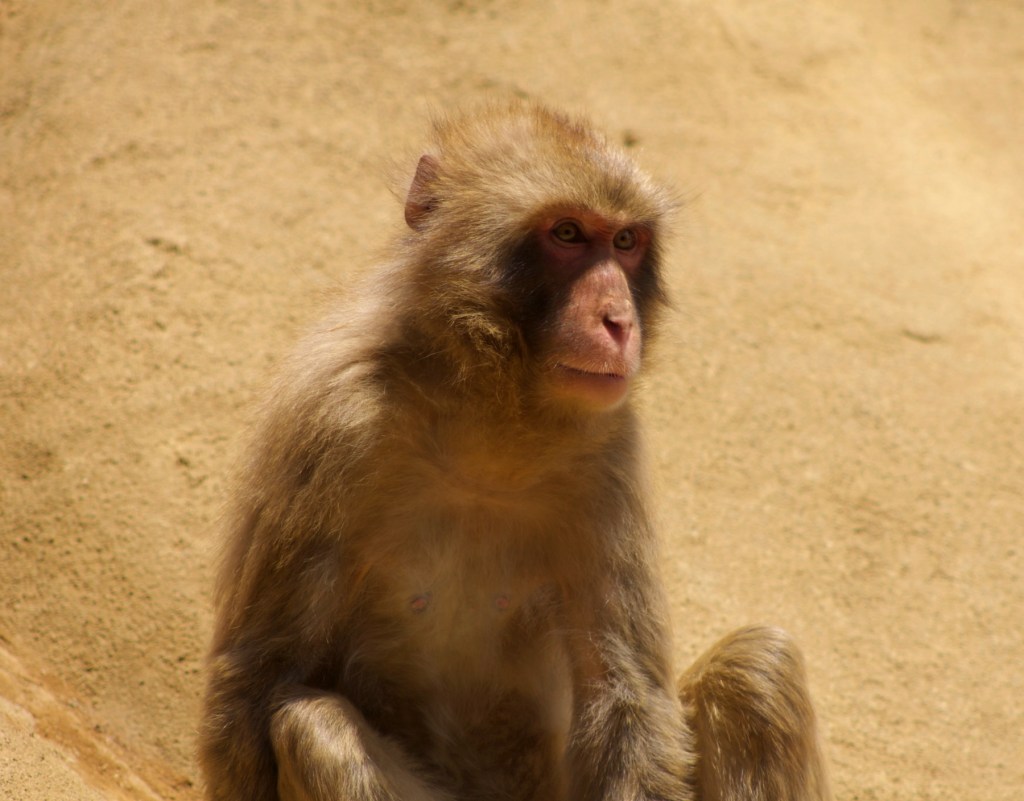
Meet the Japanese macaques, also known as snow monkeys, living in an enclosure on the side of Mt. Takao, about an hour from Tokyo.
A note on this series: Although I published some of these photos earlier, the majority have been recovered from an old drive that took a circuitous route of more than five years, three continents and four countries to get back to me. I plan to run them in themed segments on Wednesdays this summer, including Tokyo nightlife, shrines, cityscapes and more. This week’s photos are from the snow monkey exhibit at Mt. Takao.
Japanese macaques are the northernmost-dwelling of any non-human primate species.
They’re built for the cold, with heavier coats than their cousins, the rhesus, long-tailed and bonnet macaques. They also sleep in well-organized groups, rotating so each monkey gets time in the center to soak up body heat, and they’re famous for keeping warm in northern Japan’s hot springs.
But as these photos show, snow monkeys are also adaptable, and they make the best of things during the hot, humid summers at Mt. Takao, about 51 km (30 miles) from Tokyo.
These photos were taken on a hot day in June when I was one of only a handful of visitors.
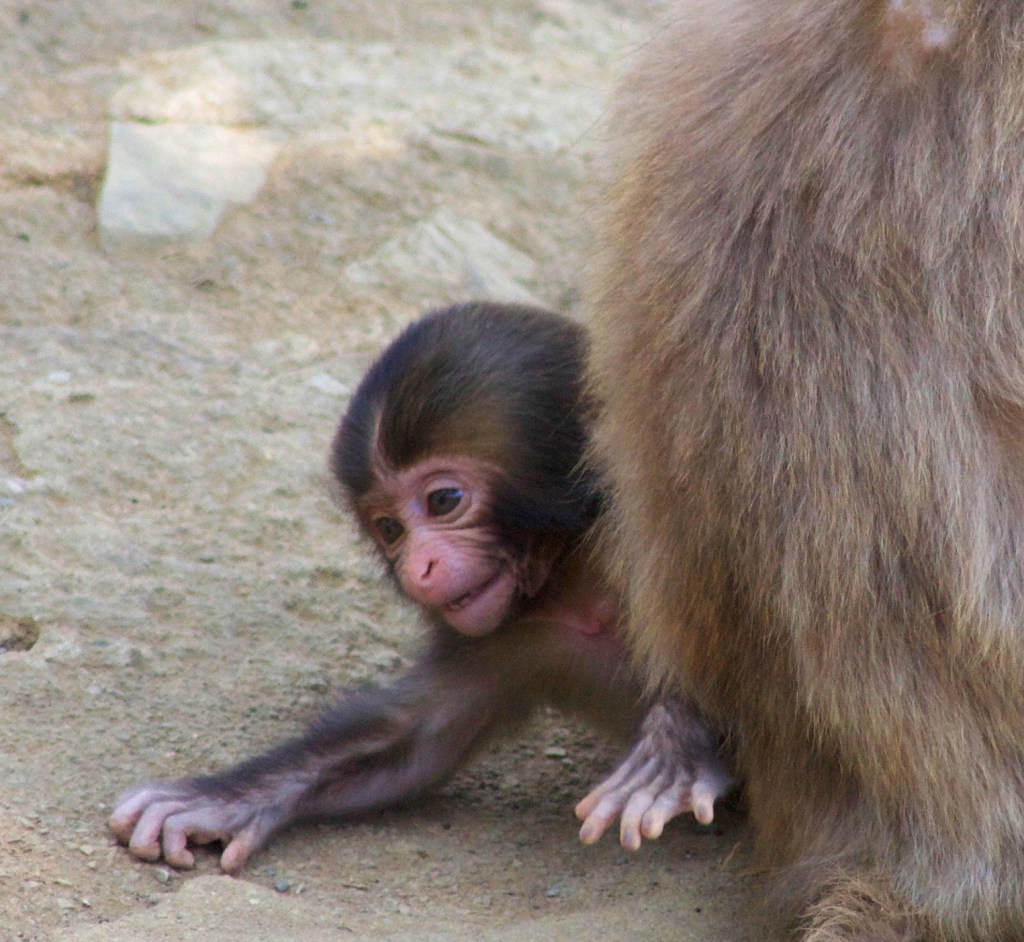
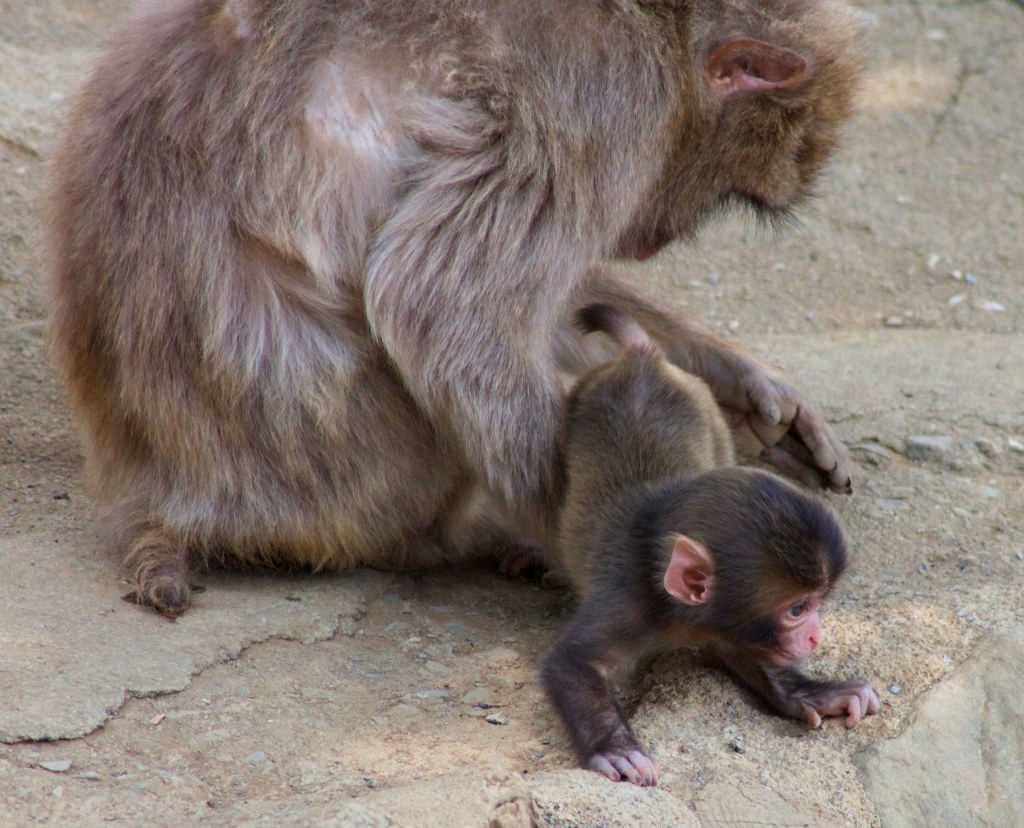
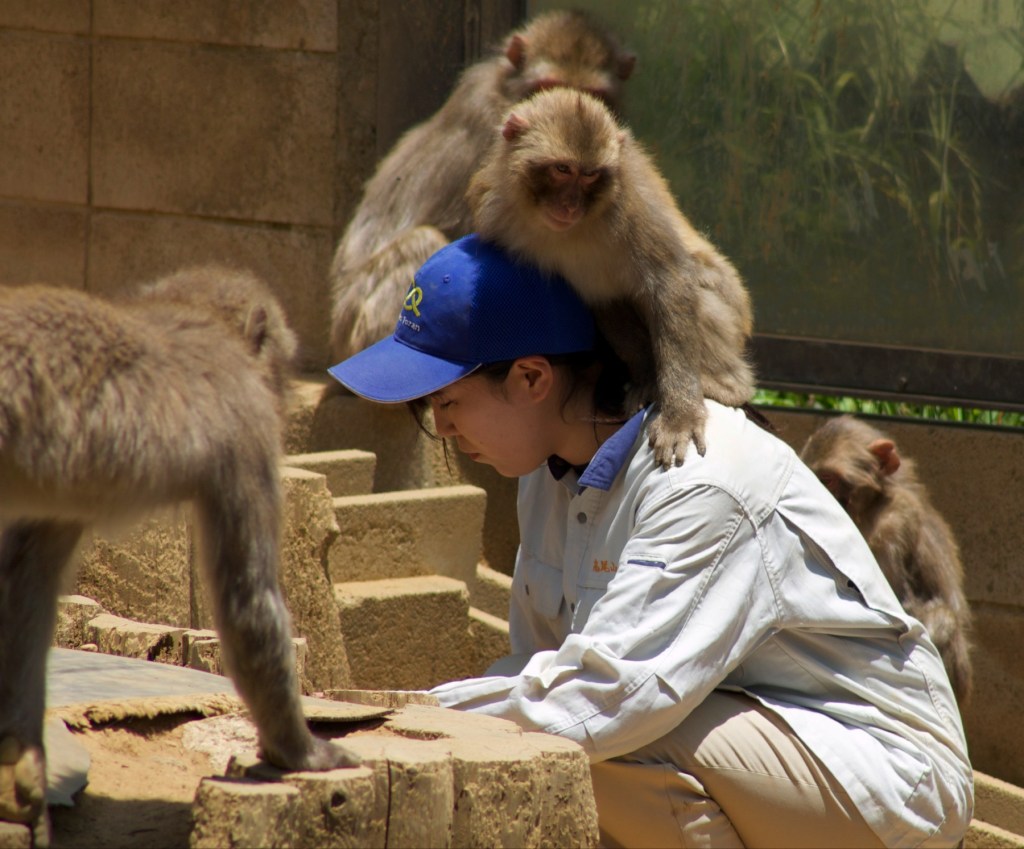
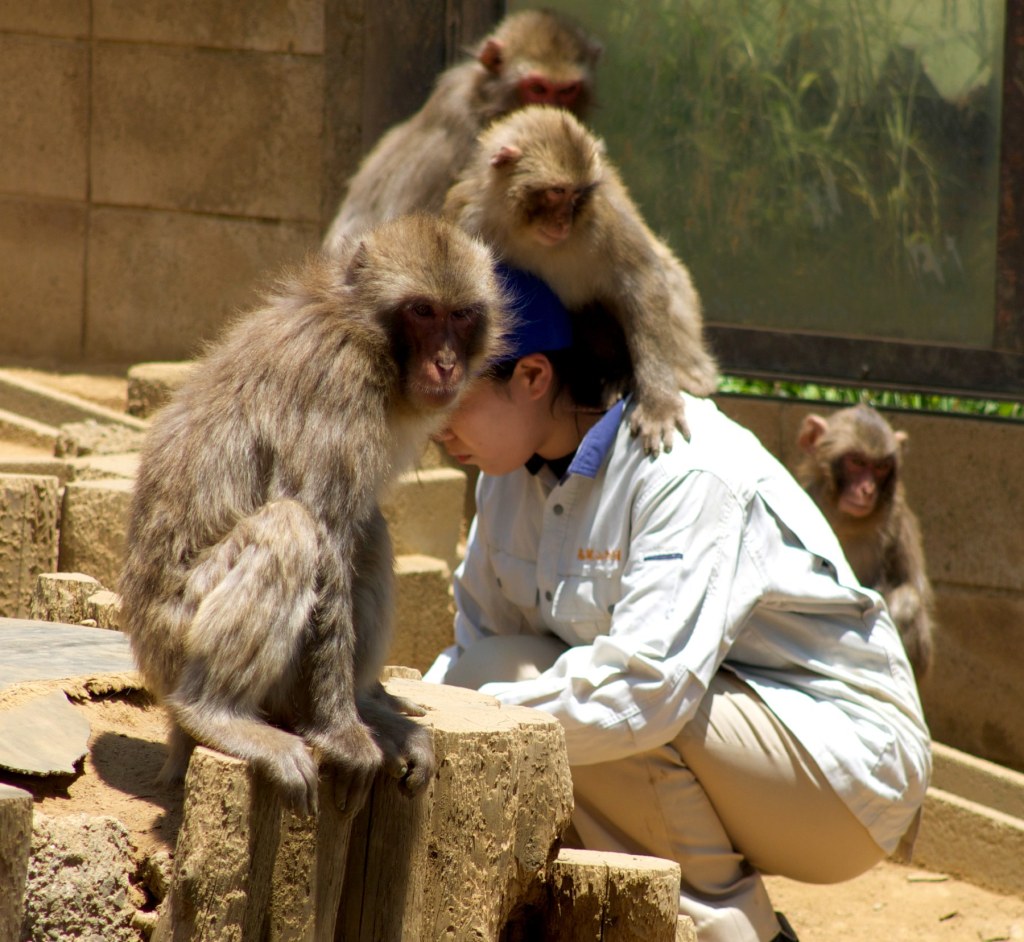
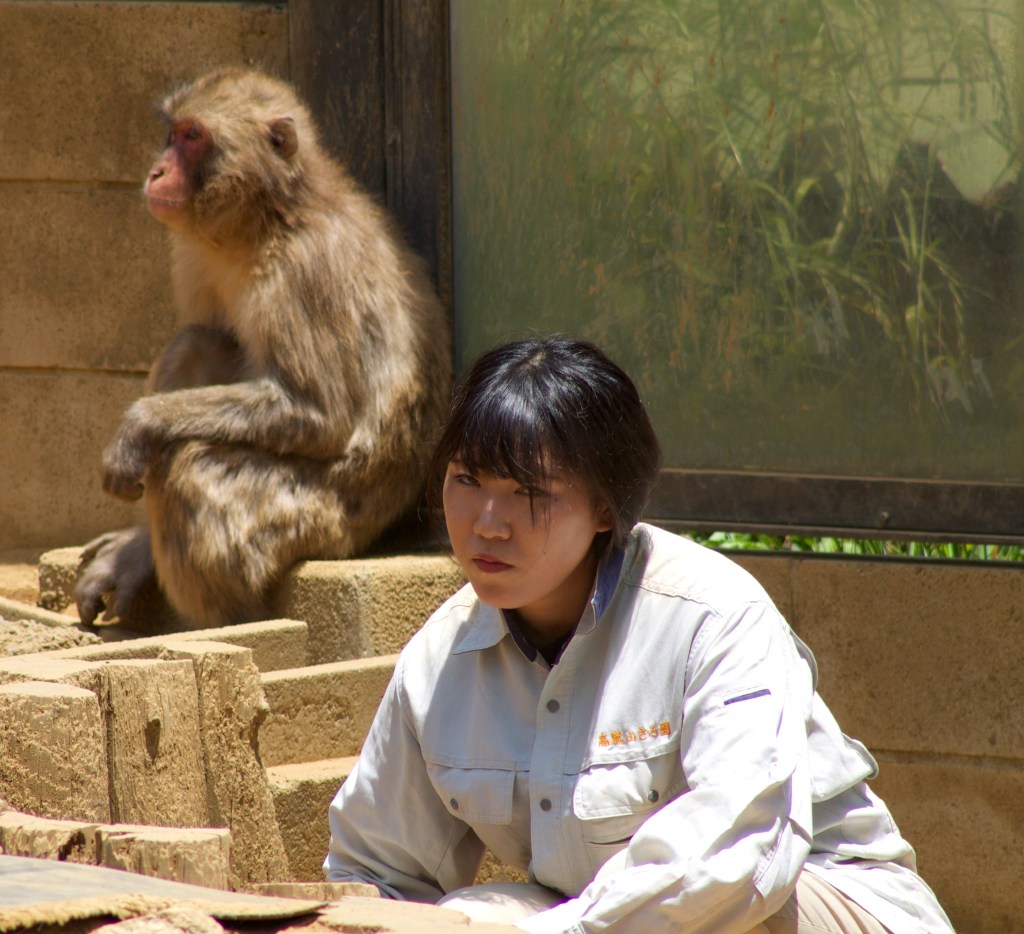
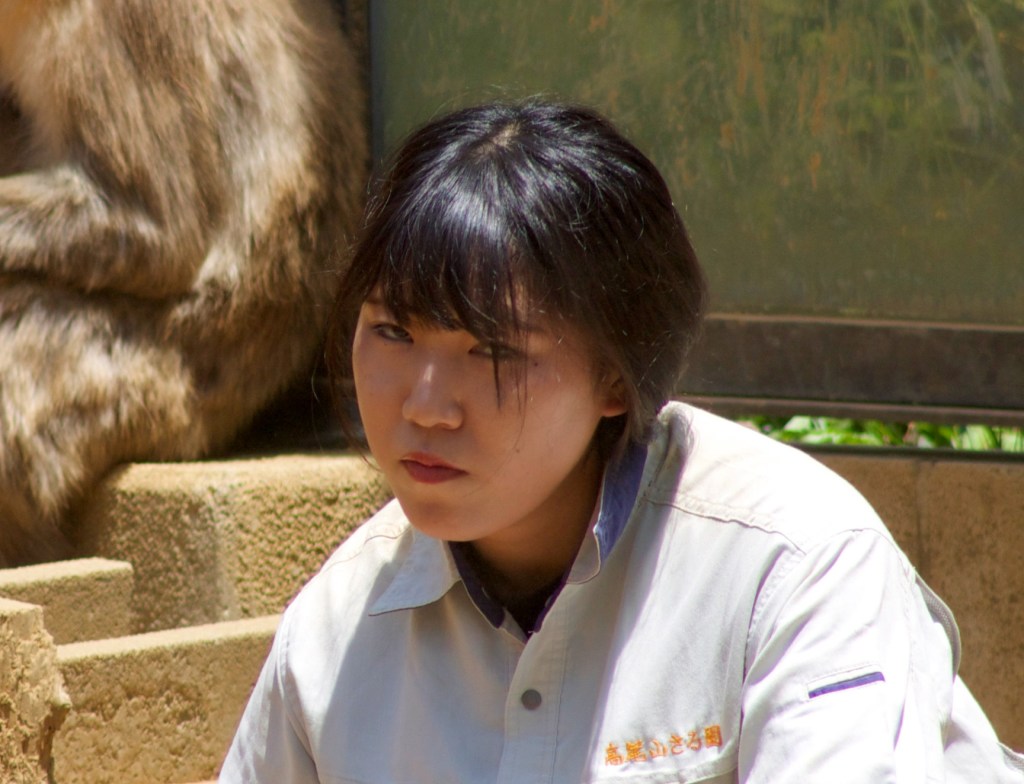
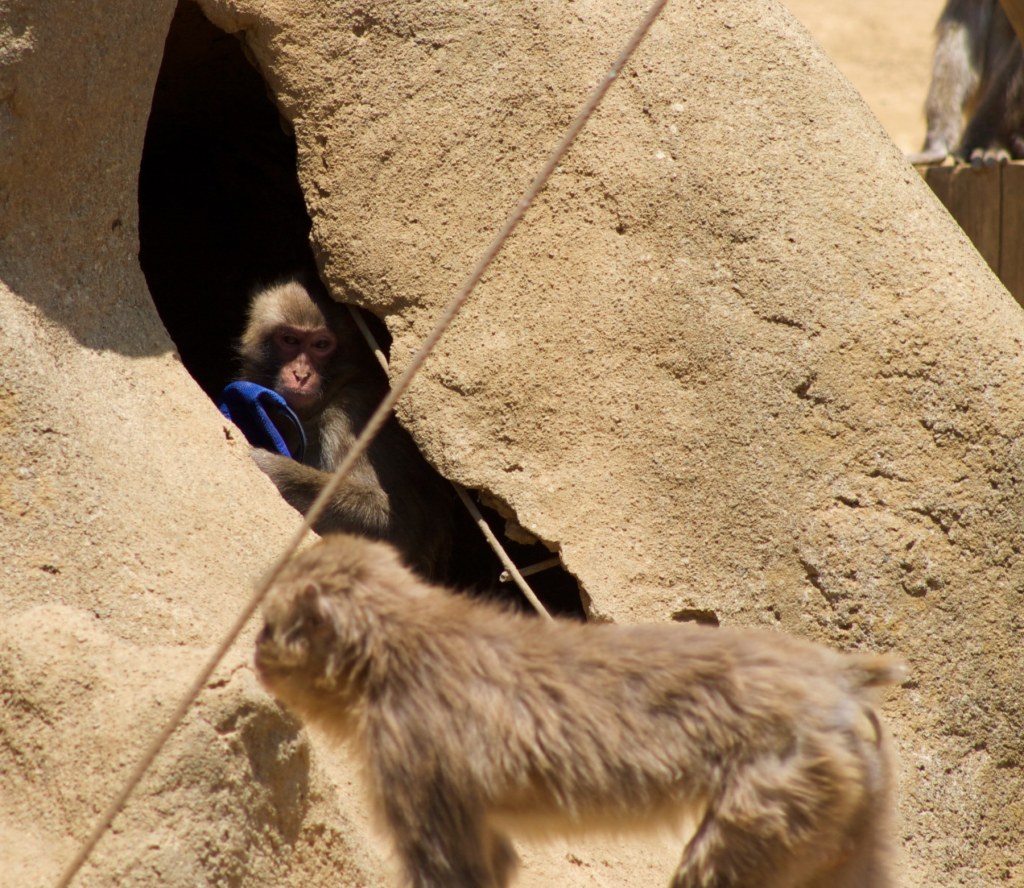
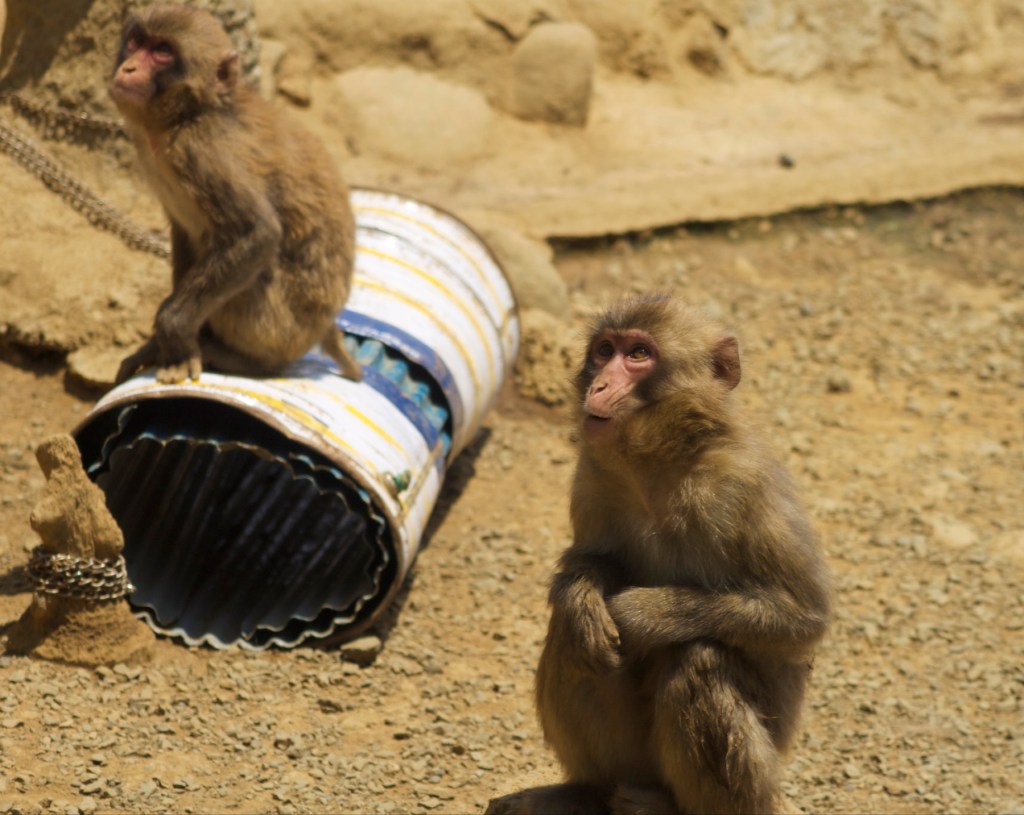
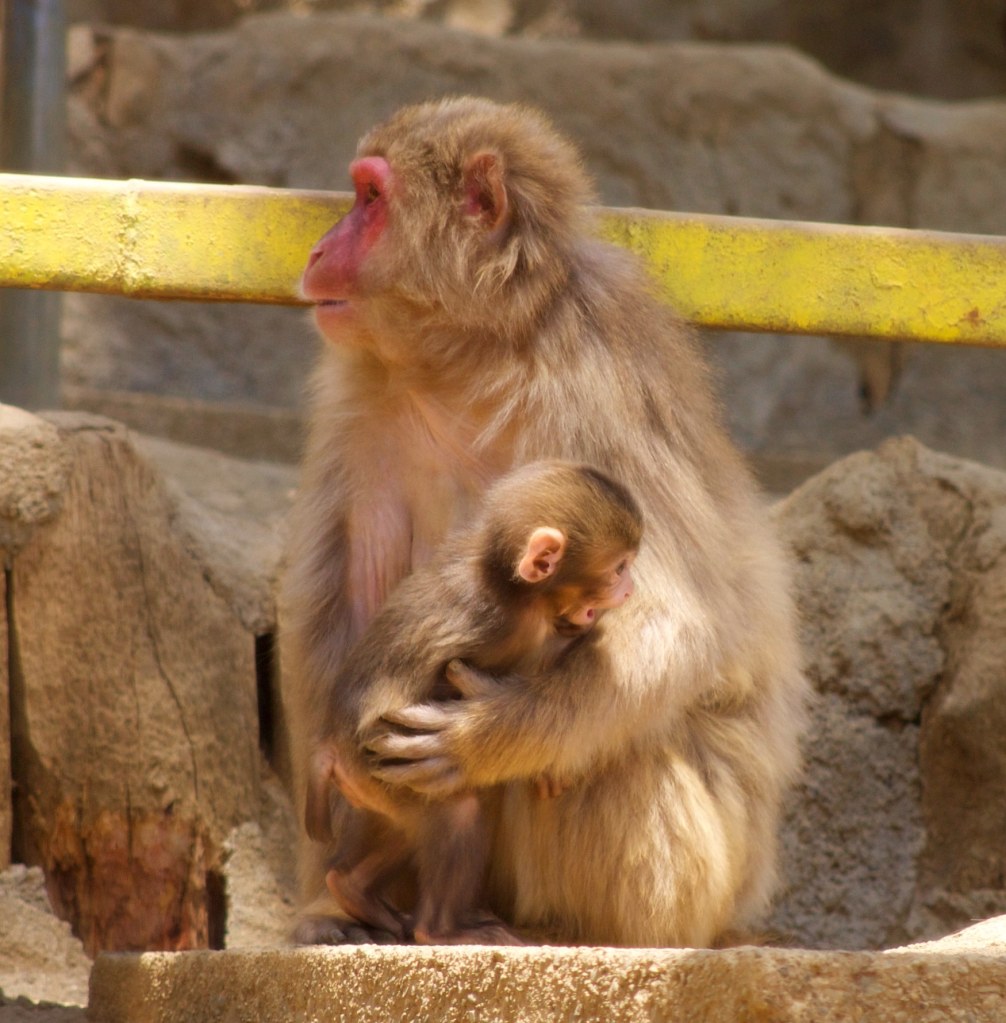
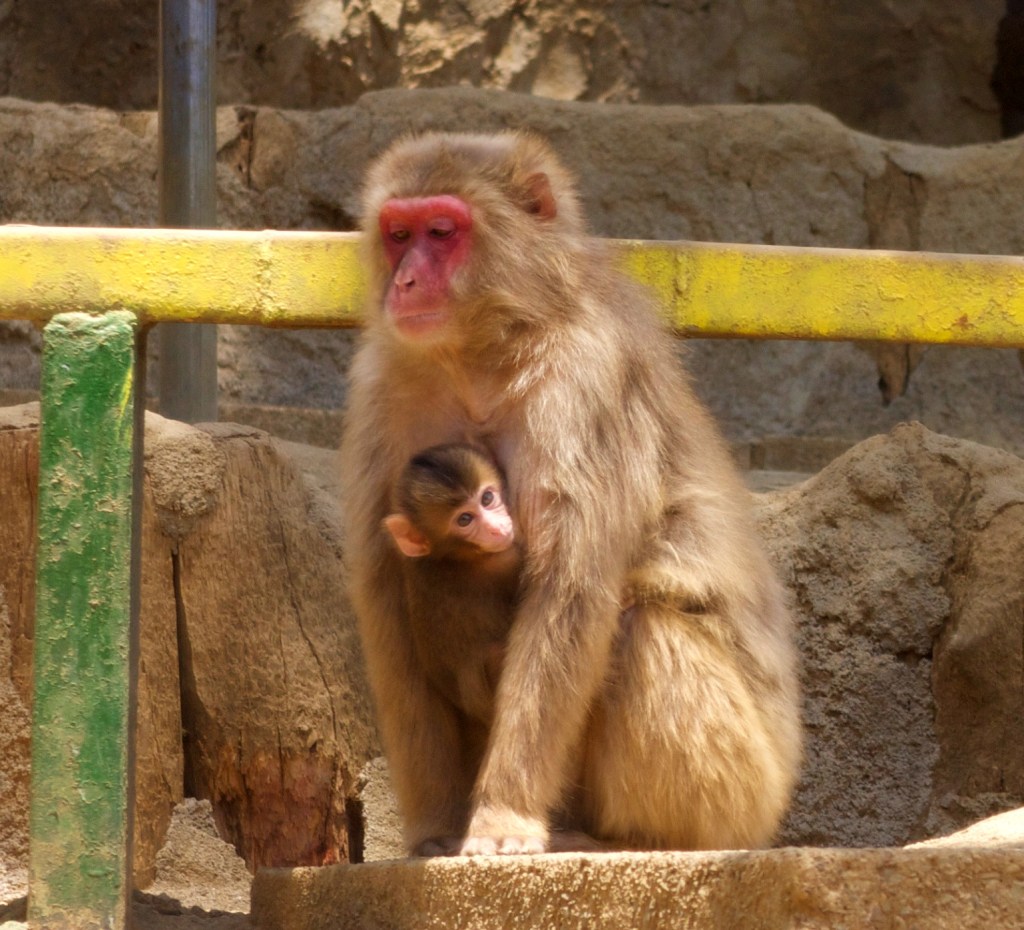
Welcome to Mount Takao! So you want to see snow monkeys?“The milk bar’s open!” Snow monkeys, aka Japanese macaques, are extremely attentive mothers. This baby is is about 8 to 10 weeks old and completely dependent on mom.“I’ve had my fill of milk, now it’s time to explore!”“But mom won’t let me go far! I’m too young to go off on my own, and mom is really protective of me.”“If I could…just…get away…for a sec!”“Come on, mom! Let me play!”A keeper at the Mt. Takao monkey enclosure. She has a hat…but not for long. Note the mischievous monkey on her shoulders, who’s waiting for just the right moment to grab her hat and run.The monkey on the left is like: “Oh crap, here it comes!”The keeper is staring daggers directly at me. There was a small crowd at the Mt. Takao snow monkey exhibit that day, and while the Hat Incident delighted the onlookers, the keeper was not amused when she saw me snapping away. I’m pretty sure she wanted to throttle me. Sorry!Yeah, she definitely hates me.Getting her hat back was not an easy task. The devious little monkey who made off with it immediately retreated into a small cave/shelter system big enough for the macaques, but too small for humans to enter. Making matters worse, there were at least four or five entrances and exits. Every time the keeper approached, the little monkey darted inside and popped up through a different hole, like a game of wack a mole. Eventually it took both keepers to retrieve the hat.“Oh, you know, just chillin’.”I was super close to this little lady. She was probably about two or three years old.Macaques live in troops of up to 300 members, and their societies are matrilinear, meaning an individual monkey’s “rank” in the troop’s social hierarchy is determined by who their mother is.
Macaque troops are headed by alphas who are the strongest males and deal directly with protecting troop members, but the matriarch runs most aspects of troop life.
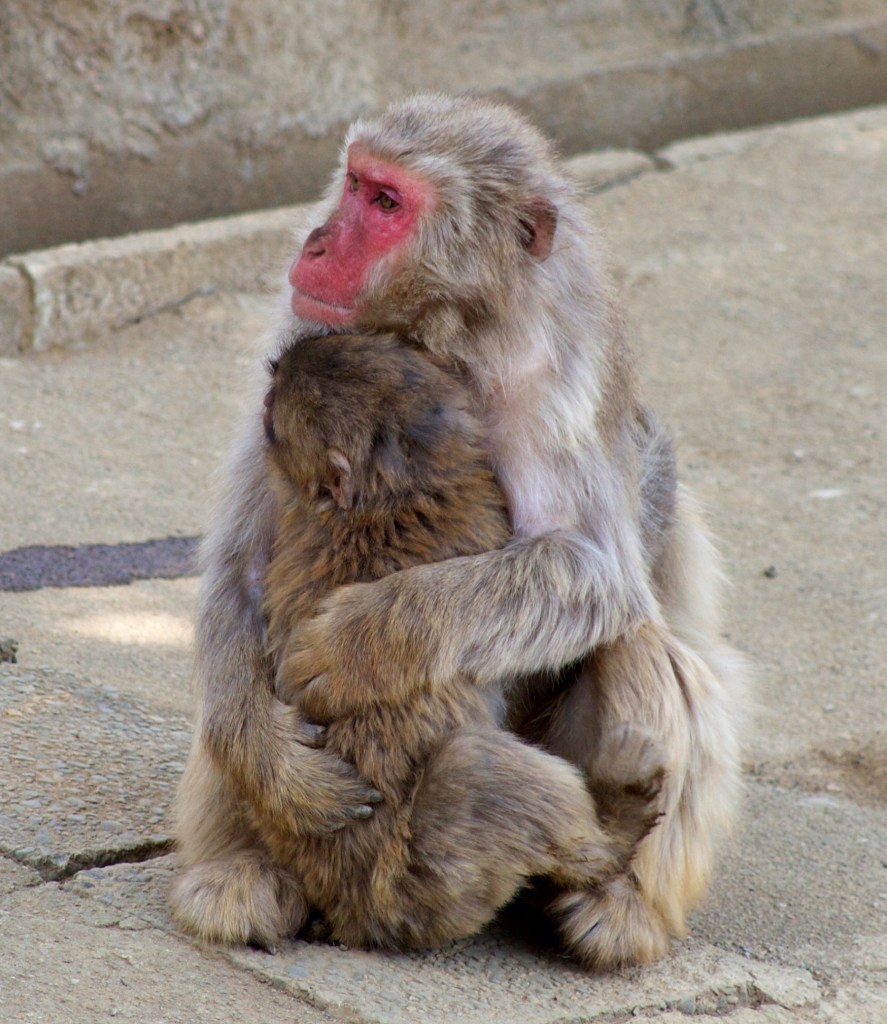
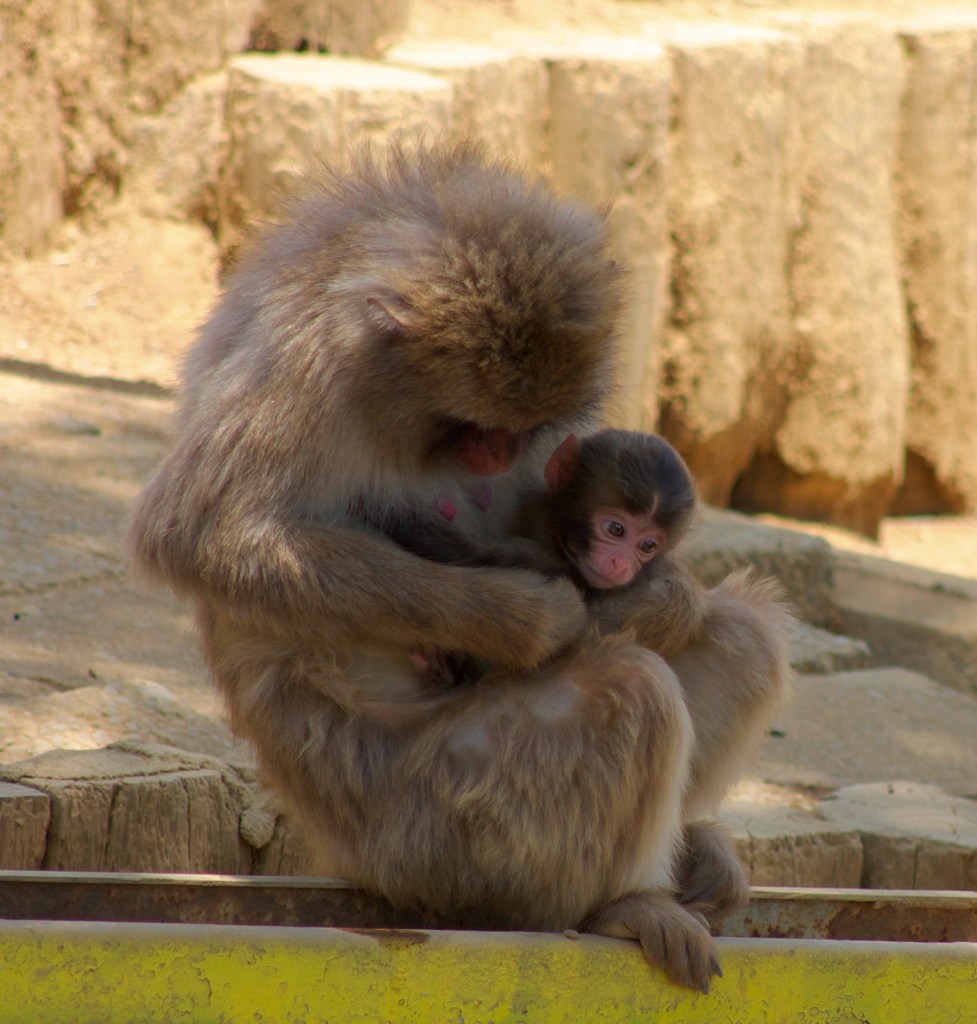
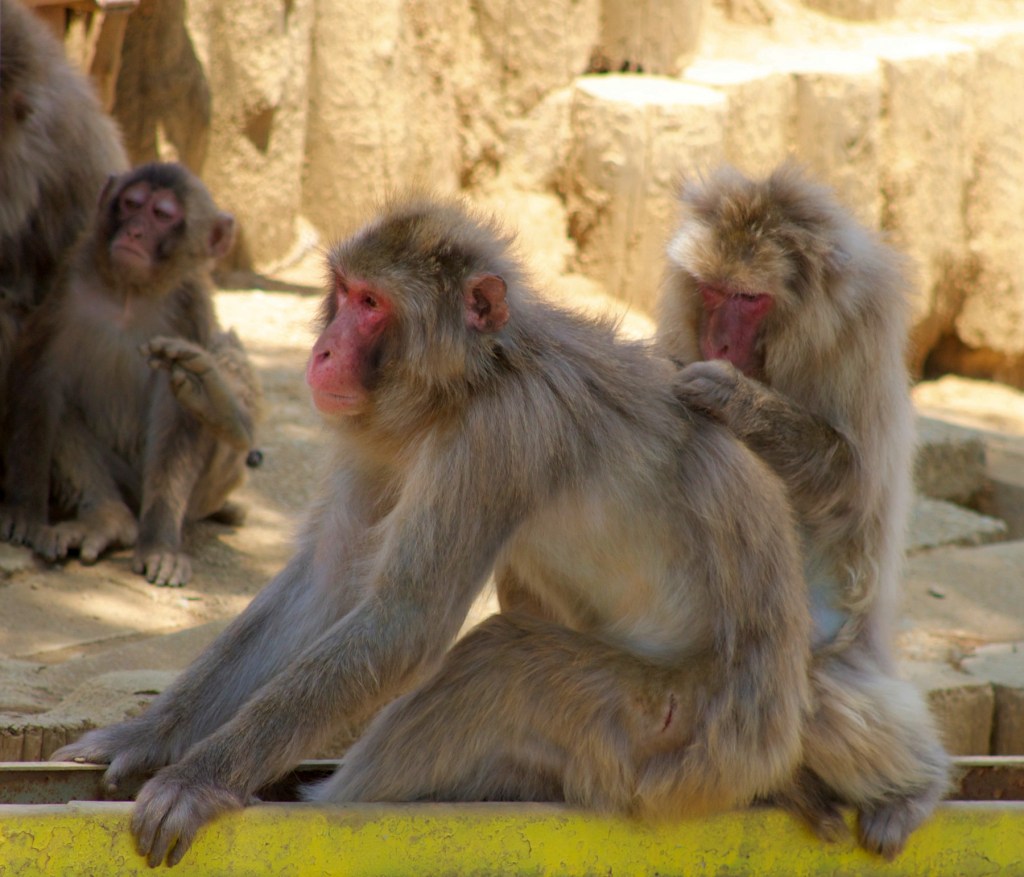
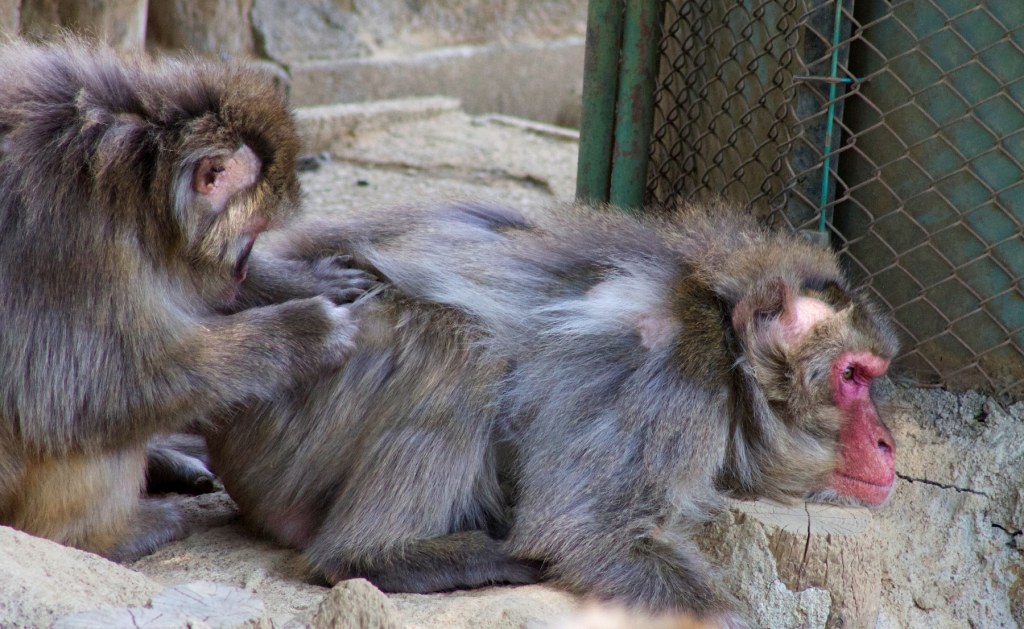
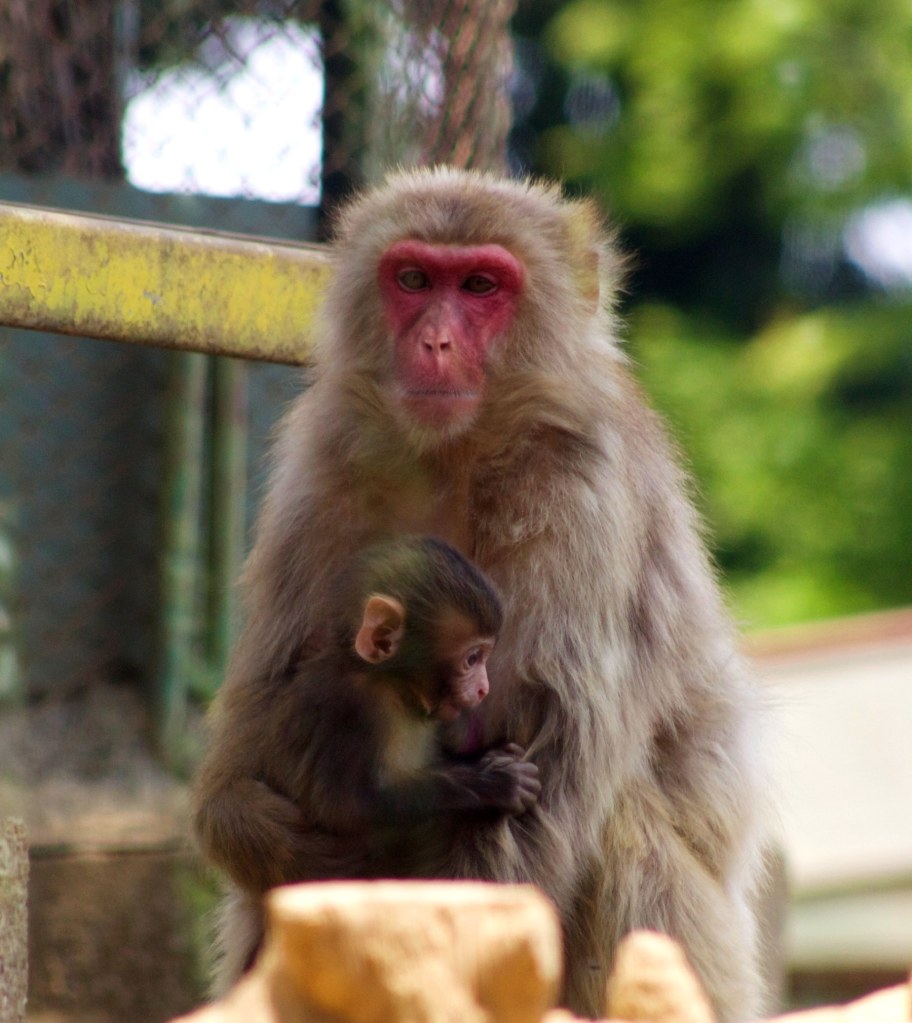
Here, a snow monkey mom hugs her child. The bond between moms and their kids is strong. Daughters stay with their mothers and their troops for life, while sons remain in the troop until they’re about five years old, at which time they depart to avoid inbreeding. They often go on to live as bachelors in small groups before joining or starting their own troops.This baby is geckering. A gecker is a “loud, pulsed vocalization” usually described as a “broken, staccato noise.” People often think of it as a baby macaque throwing a temper tantrum, but it’s more than that, and it’s involuntary, meaning the babies can’t control it. In plain English, it’s a noise, accompanied by spasms and made by babies and young macaques when they’re particularly upset. Babies usually gecker when they’re separated from their mothers, being bullied by older monkeys, or in situations when they want to nurse but their moms won’t let them. Another mom with a young nursing baby. This baby is a bit older than the one above, probably about three months old.The first baby again. Notice how mom is grooming the baby. Grooming is an important aspect of macaque social relations, in addition to serving the practical function of clearing insects and other debris from fur.More social grooming. The monkey on the right is attentively picking insects from the fur of the monkey on the left.He’s big, he’s old, he’s battle-scarred. He’s the alpha, and he always gets groomed first, whenever he wants. He also eats first, enjoys the best lounging spots, and gets to mate with his choice of females. In the wild, alphas don’t retain their thrones long, often being deposed within a year or two. Extraordinary alphas who keep their troops in good stead and enjoy an aura of invincibility can last a decade or longer.Babies nurse for as many as two years and spend almost the entire first year of their lives holding onto their moms. That’s one reason why the practice of buying baby monkeys — or any monkeys — as pets is incredibly cruel, and it’s why pet monkeys are always seen clinging to stuffed animals. They’re taken from their mothers within hours or days, and they need the tactile comfort of holding onto — and being held by — their mothers.
Harry Harlowe’s infamous experiments in the 1960s proved that the physical comfort of being held is crucial to the psychological development of all primates, humans included. If a baby is denied that, the consequences manifest as severe psychological issues later in life.A male member of the troop. It’s not clear if this guy was brought in from another captive troop elsewhere in the country, or if he’s native to the Mt. Takao troop. If it’s the latter, at his age — about four or five years old, give or take — he’ll be expected to soon depart. Young males leave their troops to avoid inbreeding and potential violence as they become stronger and are viewed as potential rivals to the alpha and/or his lieutenants.





 Pain In The Bud