A shelter operator has received death threats amid confusion over the facts after animal welfare authorities raided a Los Angeles County shelter on Friday.
The initial news headlines were apocalyptic — more than 700 dogs and cats were found in deplorable conditions according to authorities, who said the California property where they executed a search warrant represented the most extreme animal hoarding case in history.
A day later the numbers have been revised down to a still-significant 250 dogs and 66 cats, and the owner of Rock N Pawz shelter in Los Angeles County says she and her facility have been smeared, resulting in a flood of death threats directed at her.
The story is a reminder that facts aren’t always established as quickly as we’d like them to be in the age of 24/7 news and social media, and the advent of photorealistic AI can add to confusion and stir public outrage by distorting the reality of fluid situations.
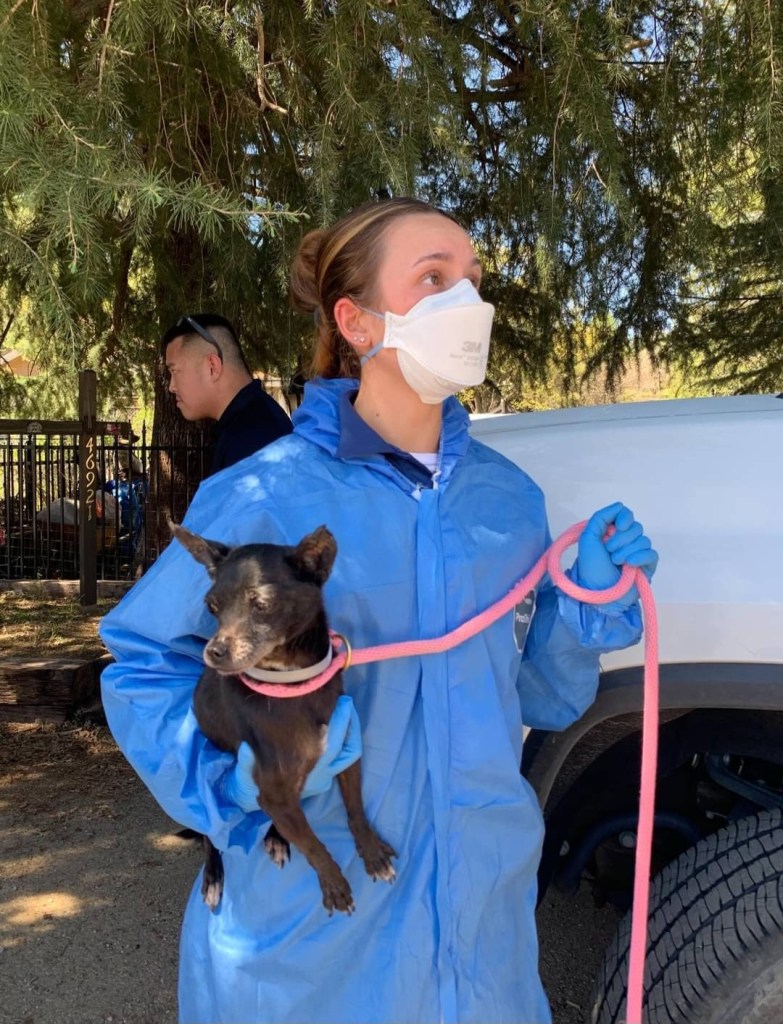
A woman holds a dog found on the Rock N Pawz property. Credit: Los Angeles County Department of Animal Care and Control
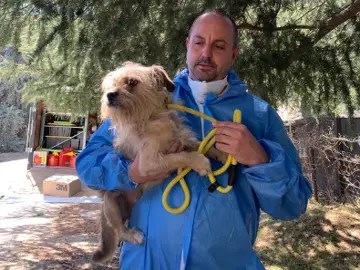
What we know for sure is that officers from the Los Angeles County Department of Animal Care and Control executed a search warrant on the property in Lake Hughes, an unincorporated community in the Sierra Pelona Mountains, about an hour’s drive from Los Angeles proper. The investigation was prompted by repeated complaints from neighbors, who said there were overwhelming odors coming from the shelter and claimed there were regular dog fights and incessant loud barking.
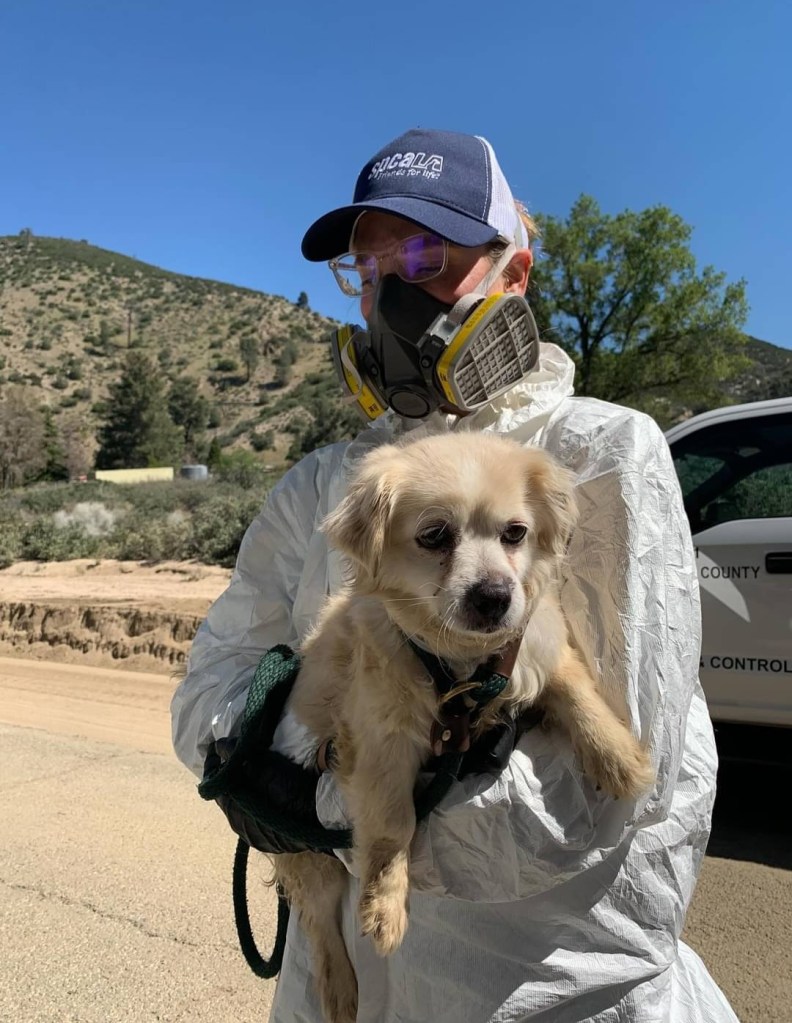
A local news station, KTLA, reported authorities on site were wearing respirators with protective gear, and quoted authorities who said they did not believe it was a case of intentional neglect.
“Sometimes people try to do the right thing, and they may bite off more than they can chew,” the Department of Animal Care’s Sgt. Matthew Davoodzadeh told the station. “They end up ultimately not being able to care for the animals in a proper way.”
Authorities have not filed charges related to the case and there have been no allegations of criminal conduct.
Credit: Los Angeles County Department of Animal Care and Control
The influx of animals has strained nearby shelters while veterinarians examine the 316 dogs and cats taken from the property.
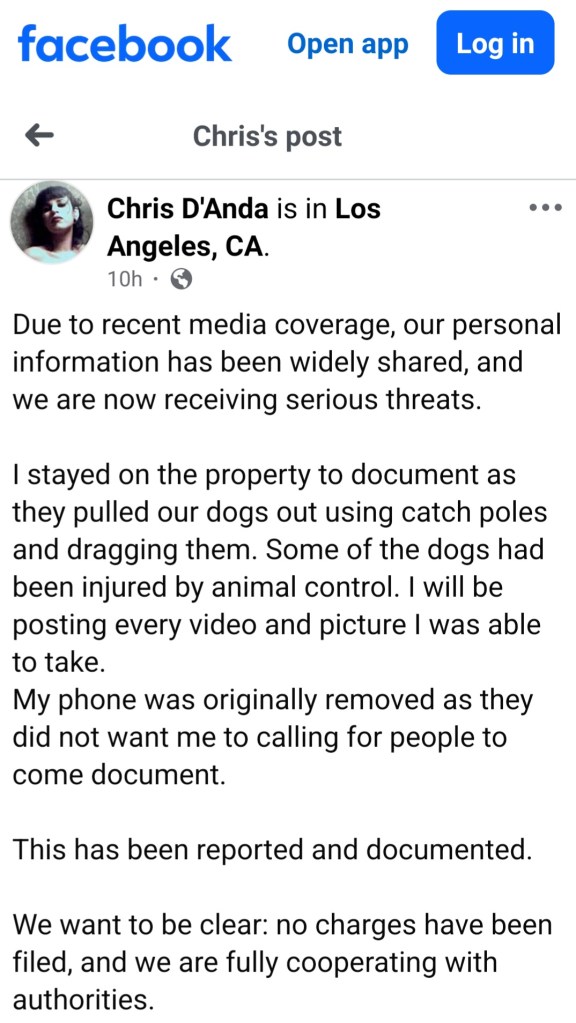
In the meantime, shelter owner Christine D’Anda said descriptions of the property and the conditions of the animals aren’t accurate, and took to social media to complain of harassment and death threats directed at her since news of the search warrant hit the web.
The shelter operator asked people to withhold judgment until the facts are established.
On Facebook, users posted images allegedly taken from the property, while others pushed back, alleging the images are either AI creations or were taken from unrelated news stories.
The shelter’s page indicated active rescue and adoption efforts, including fundraisers and an advertised adoption event last weekend.
D’Anda said she will fight the allegations in the legal system.
“There’s nothing that I can do. I’m a very stoic person,” she said. “I’m very sad about the whole situation, and I can’t wait to go to court.”
The reaction says volumes about our society’s sense of proportionality, our collective understanding of animals, and our ability to politely disagree on topics we feel strongly about.
This hasn’t been a great week for feline PR.
Not only did two celebrities come out with bizarrely forceful anti-cat sentiments, but from their statements, they both “hate” cats because they’ve misinterpreted feline behavior.
The fallout hasn’t been good either, for the actress and rapper involved, or for the more extreme animal lovers who have responded with disproportionate rage.
The first comes from rapper Docheii, who insists cats “genuinely aren’t friendly animals.”
“yall be scratched and beat tf up by your own animals I can’t lmaoooo,” the towering intellect from Florida wrote on social media.
Cats, she asserted, “don’t wanna be domesticated.”
Presumably she got that information from the Pew Center for Feline Public Opinion, and the rest of us simply aren’t privy to the latest opinion polls among cats. And here I thought our furry friends were mostly ambivalent about anything that doesn’t involve napping, playing and eating. (I took an informal poll of Bud. He responded with a simple “Fetch me a snack, will you, human?”)
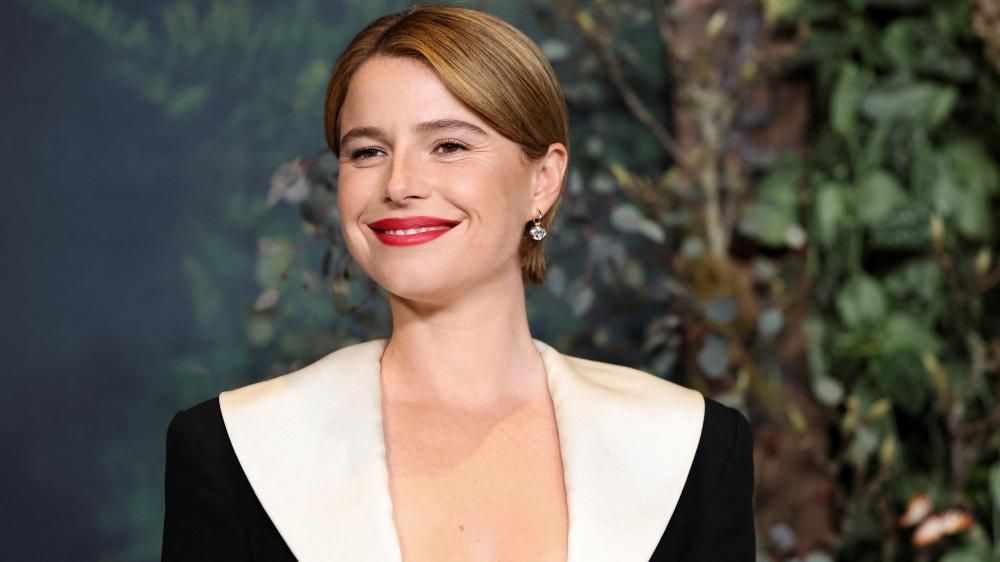
A promo shot of Doechii, real name Jaylah Ji’mya Hickmon
Regardless, even if there was some way to ascertain how cats feel about a process their ancestors initiated — one that takes thousands of years to result in speciation — it’s irrelevant. The decision was made 10,000 years ago when The First Kitteh was drawn to a human settlement by the promise of rodential prey in abundance.
Modern cats have no more say in the matter than we have in our ancestors slaughtering dodos. It happened. We can’t change the past.
The actress vs the ‘pedigree bitch’
The second bit of anti-feline sentiment comes from Jessie Buckley, an Irish actress who is weirdly proud of forcing her husband to ditch his two pet cats when they began dating. She talks as if she’s been waging a personal war against the species, and her reason for disliking felines also indicates a fundamental misunderstanding of their behavior.
Buckley’s comments were made on a podcast late in 2025, but resurfaced this week and went viral as her Oscar buzz reached its peak. On the podcast, Buckley said one of her husband’s cats was a “pedigree model bitch” who was orchestrating a “coup” against her.
She thinks the cat had it out for her: “I’d come home and there’d just be, like, poo on my pillow.”
This is actually sad, because people who really know cats, who understand why they behave certain ways, will immediately understand that they don’t have accidents out of spite. If the cat was eliminating outside her litter box, there was a legitimate underlying problem causing her a great deal of stress.
She could have been injured, she could have been sick, or she could have been plagued by the cumulative stress brought on by the presence of a hostile woman who ludicrously saw her as competition. Our furry friends are much more perceptive than generally realized, especially when it comes to our emotional states, and Buckley’s hostility would have been immediately apparent.
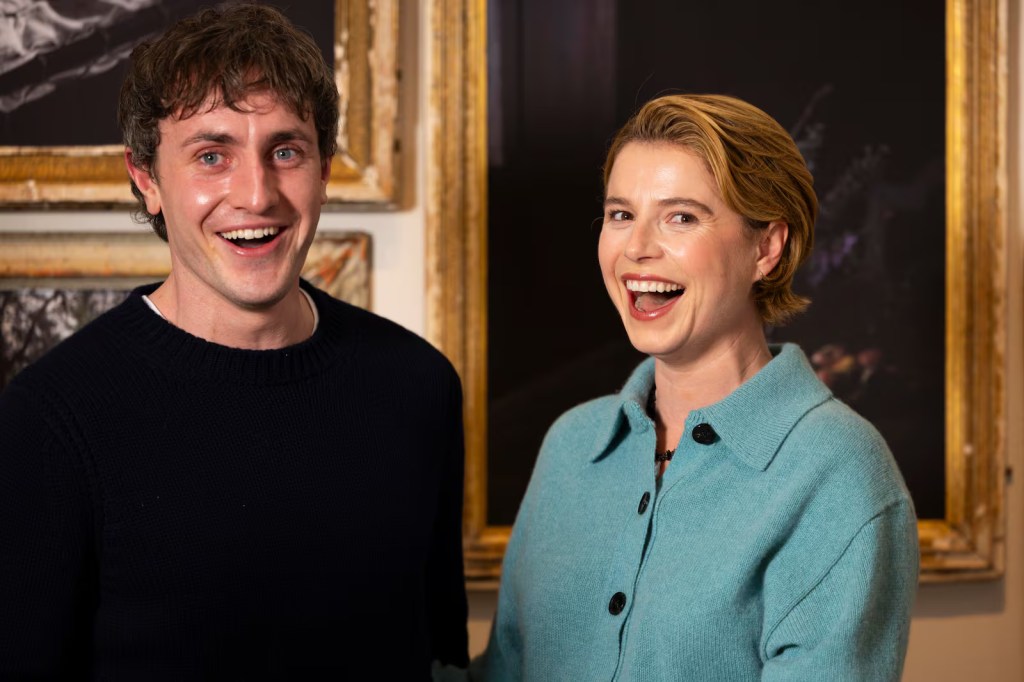
Buckley with co-star Paul Mezcal, who was equally enthusiastic in his intense dislike of felines, telling an interviewer: “Yeah, f— cats!”
Alas, Buckley didn’t reluctantly ask her then-boyfriend to give up his cats. She demanded it, then did a victory lap when he complied, which makes me suspect she was merely taking the whip out for a test drive before further commitment. If he’s willing to abandon two pets, he’s almost certainly going to be a pushover when she begins to prune his friends from his life, starts dressing him the way she likes, maybe even monitors his phone. *shudder*
“It’s me or the cats,” Buckley said she told her husband. “But I won!”
Congratulations, I guess?
The rage of cat lovers
As ludicrous as it seems, the backlash may cost Buckley an Oscar. Personally I don’t keep up with the approximately 200 awards ceremonies actors hold to fete themselves annually, but apparently Buckley turned in a solid performance in a movie called Hamnet.
She was considered the front-runner for an Academy Award. Now critics are openly wondering about her chances.
As always, these sorts of statements reveal a lot more about the people involved than they do about cats. I just wish people understood the species a little better, so maybe attitudes won’t default to anger or hostility if, say, a scared cat scratches a person who corners her, or a kitty with a stomach bug pukes on the carpet.
When a toddler gets sick, we don’t respond by yelling at the kid, blaming him and chasing him off. We make sure he’s okay, give him some medicine or take him to the doctor, and clean up the mess. Cats are essentially furry little toddlers, with the same innocence as children. When we adopt them, we agree to care for them.
Both Buckley and Docheii have been hammered on social media since their comments went viral, and it’s important to address that too. They expressed opinions. That doesn’t make them “pieces of s—,” “worthless human beings,” “scum” or any of the other nasty things some people have been saying.
We can disagree with them without overreacting, even in the age of dehumanizing online conversation.
Maintain yourselves!
And honestly, it makes all of us look bad. The day Walter Palmer returned to work is forever seared into my mind. Palmer was the American dentist who infamously and illegally lured Cecil the lion out of a protected area and killed him to take his head as a trophy in 2015.
Worse, Palmer — who had a history of getting in trouble for breaking the law while hunting — killed Cecil with a bow and arrow in order to claim some meaningless hunting record for himself and bungled the point-blank kill shot his guides had lined up for him. Cecil, who was an iconic lion with a distinct mane, suffered for hours before he died.
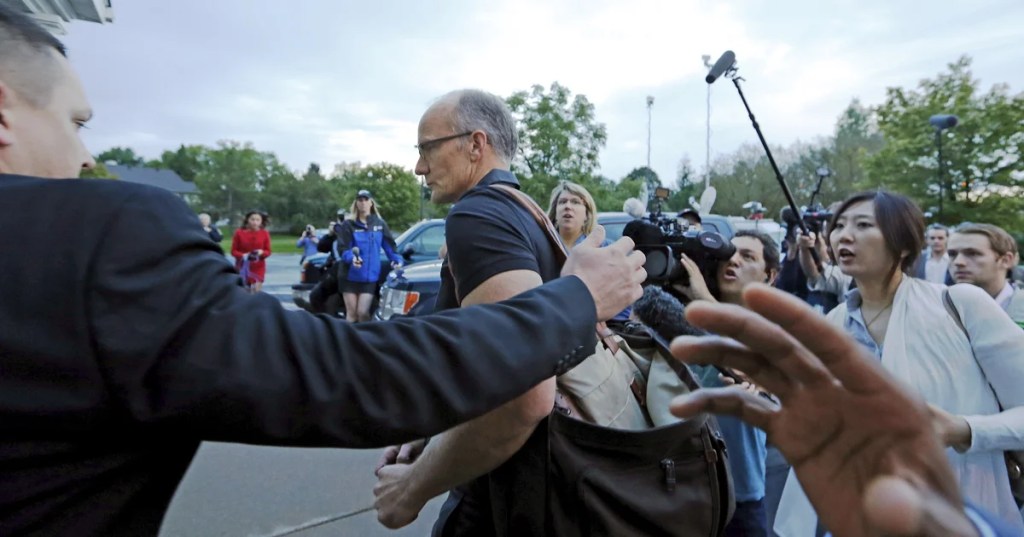
People were understandably angry, and protesters showed up outside Palmer’s office the day he returned to work. Most of them behaved themselves. But as Palmer made his way toward the front door of his dental practice, one of the protesters let loose a blood-curdling scream and shouted “WAAAAALTER PAAAAALMER!“, vowing vengeance for Cecil.
Palmer returning to work while media and protesters crowd him.
That moment of unhinged, unregulated rage overshadowed the good intentions of every person who registered their displeasure calmly and politely — and provided ample ammunition to those who enjoy painting all animal lovers as lunatics.
Buckley and Doechii expressed opinions we don’t like, and that’s their right. The best thing we can do is explain why they’ve misinterpreted feline behavior, and show them that cats really are loving, friendly animals — it just takes a little patience and trust. I say that as the faithful servant of a cat who can be particularly prickly and a complete lovebug, depending on the circumstance.
In the meantime, celebrities who hate cats should probably take a pass on broadcasting their intense dislike and save themselves the resulting headache. Sadly, we no longer have any sense of proportionality when it comes to disagreements, and no one gets a fair shake when things are litigated via social media.
I expected something truly extravagant when a reader wrote to Slate’s advice column to say she was considering doing something “wildly elitist” involving her cat.
What could it be? I wondered. Pure gold or silver eating and drinking bowls, a la Choupette? A fashionable $600 pet stroller like the young, childless women of Tokyo favor for their felines? Feeding premium meat from the butcher exclusively to her cat?
None of the above, it turns out. The allegedly “wildly elitist” thing this woman was deliberating was simply paying a veterinarian to have dental work done on her cat, with costs estimated at between $800 and $2,000, depending on the extent of the kitty’s cavities.
To make matters even stranger, the letter writer says the cost won’t be a financial hardship for her family. Their cat is only three years old, she notes, and the family has had him since he was found on the street as a kitten.
“I guess I didn’t think that part of taking him in would entail thousands of dollars to keep him alive at this stage of the game,” she wrote. “At what point do people draw the line on what it costs to save a cat’s life?”
Credit: Wikimedia Commons
The writer was essentially looking for “permission” to have the cat put down, for Slate’s advice columnist to virtually pat her on the head, say “There, there!” and agree that taking care of your own cat is “wildly elitist.”
Thankfully, Slate columnist Athena Valentine was having none of it, telling the woman seeking advice that “when you adopt an animal, you take financial responsibility.” Spending money on veterinary care when needed, Valentine noted, is “exactly what you signed up for” by adopting the little guy. A cat who, by the way, could easily live another decade at least.
“If you do not want to pay for your cat’s treatment, please surrender him to a rescue that will,” Valentine wrote. “The rescue will raise the funds you do not want to part with to pay for his teeth and will then adopt him out to a new home that understands the responsibilities of pet ownership. I also advise you to not adopt any more animals until you’re fully ready to accept the financial obligations that come with it.”
Cheers to Valentine for not taking the bait.
Do your feline overlords use their own beds?
One of the first things I bought for Bud, along with his litter box, bowls and toys, was a bed. It’s nothing extravagant, but it does look pretty comfortable.
He has never used it.
Or rather, he lounged on it a handful of times when he was a kitten, but he claimed my bed as his own. He was very clear on the new ownership situation, and generously allowed me to continue sleeping on my his bed as long as I accepted the fact that he would use me as a pillow, which he has been doing for more than a decade now.
A Newsweek story details the efforts of a woman who bought her cat a new bed, hoping he’d let her sleep at night, only for the feline overlord to drag his new bed onto her bed. Essentially, she bought him a new pillow.
Do cats ever do what we want them to? That’s a rhetorical question, by the way.
A cat whose fantasy soccer team ranked 222 out of 13 million players
At The Athletic, Conor Schmidt writes about creating a fantasy football (soccer) team for his cat, and letting the little guy choose who to draft and trade by writing the names of players on a dry erase board and putting treats next to each name. The first treat his cat goes for is the one whose associated player is dealt or drafted.
He says his cat reached an astonishing world ranking of 222 out of almost 13 million players on the same platform worldwide, which means either the little dude has incredible luck, or he’s a genius who knows a lot more than he lets on.
Maybe I should register a fantasy basketball or baseball team for Buddy, smear turkey gravy next to players’ names, and see how he does.
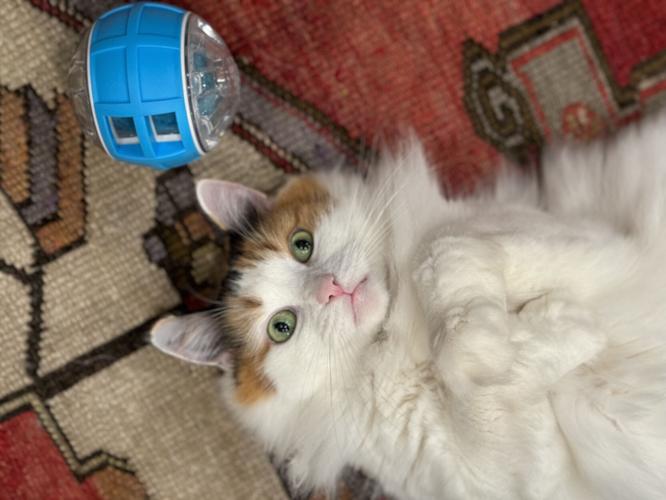
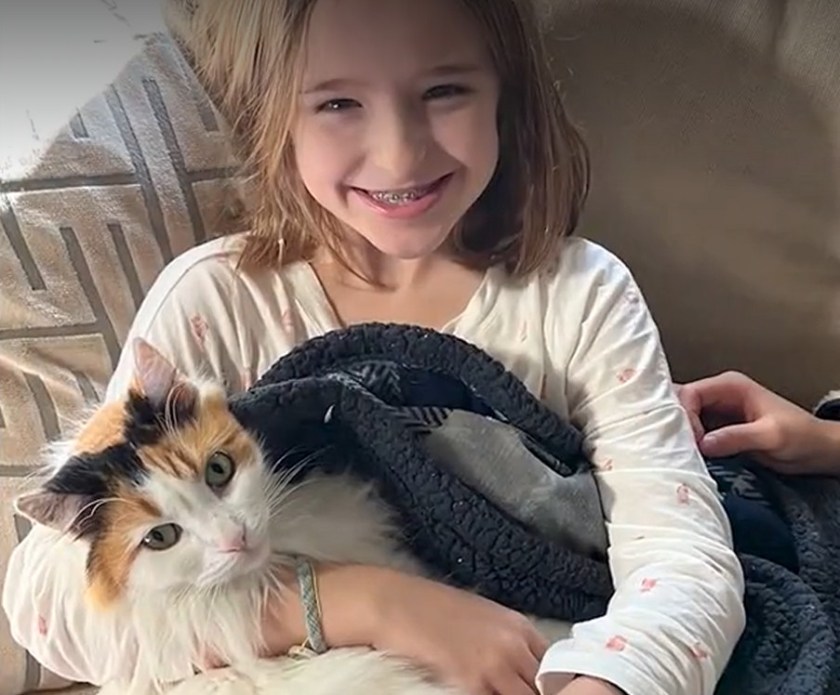
The family has pleaded for the return of four-year-old Willa, but the the woman accused of taking her has not cooperated and the Calico has now been missing for two weeks.
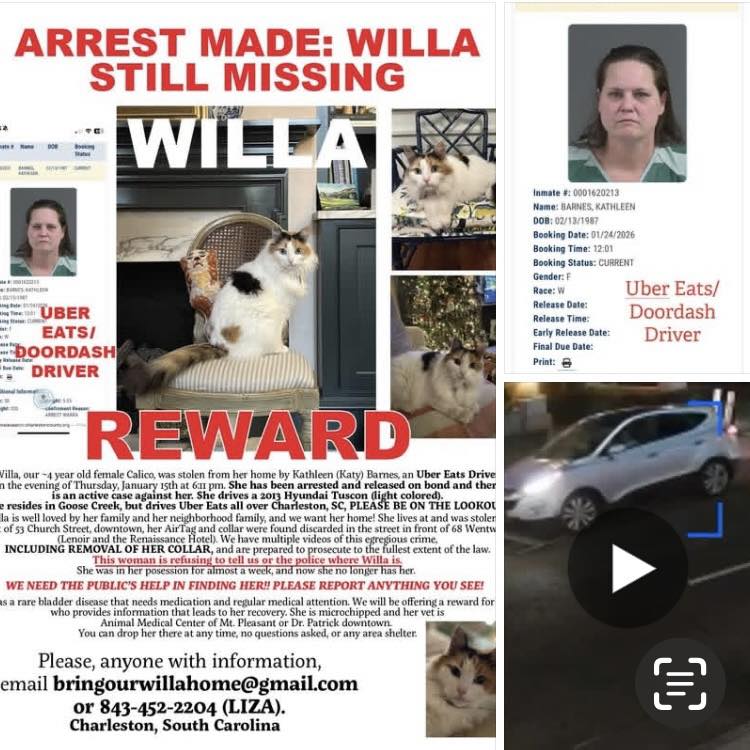
Despite an arrest, a criminal charge hanging over her head and widespread scorn from locals, a delivery driver has “refused to speak about” what she did with a Charleston family’s cat after allegedly stealing the Calico.
A story in Charleston’s Post and Courier details the herculean efforts by a family to get their cat back after 38-year-old Kathleen “Katy” Barnes allegedly stole the feline on Jan. 15, shortly after receiving a $15 tip for delivering Greek food on the same street.
When the Layfield family returned home that day, four-year-old Willa was nowhere to be found. The Layfields checked their security camera footage, which last showed Willa about 45 minutes before the family returned home but did not show her disappearance.
Since the extent of Willa’s outdoor activities involved straying no further than a few feet from the home, and mostly consisted of her sitting on the family’s front porch, the Layfields were worried and went to bed for an “uneasy” and “restless night,” per the Post Courier. When Willa’s AirTag pinged at 4 am near the Lindy Renaissance hotel about a mile away, Daniel Layfield got out of bed and rushed to the location. The device had been tossed in the street along with Willa’s collar.
The family has been relentless in tracking down information about Willa’s disappearance and getting access to surveillance camera footage from neighbors and local businesses, which is how they found footage of Barnes allegedly taking Willa (spotted on a neighbor’s cameras), then additional footage of her SUV stopping in front of the Lindy Renaissance hotel.
In video the Layfields pulled from a nearby gym’s surveillance cameras, Willa is seen on the dash of Barnes’ silver SUV. Barnes grabs her, removes the collar and AirTag, and tosses both out of the car before driving off again.
The Layfield family has also appealed to Barnes through statements to the press.
“Please let us know where she is,” Daniel Layfield said per the Post Courier, “if you have any compassion for animals and people.”
Charleston police deserve credit for taking the case seriously, going above and beyond what most departments would do in similar cases. They were able to secure a warrant to search Barnes’ home in Goose Creek, SC, but did not find Willa.
And this week they arrested Barnes for a second time, charging her with littering for disposing of Willa’s collar and AirTag, according to the Post-Courier.
It was the second time in about a week that police kept Barnes in overnight lockup, likely to send a message that they will not forget about the case. The Layfields have also enlisted the help of people who live in Barnes’ Goose Creek neighborhood, asking them to keep a lockout for the Calico, who has distinct markings.
This case is reminiscent of the theft of Feefee, a cat belonging to the Ishak family of Everett, Washington. Fefee was taken in the summer of 2024 by an Amazon Flex driver, and like the Layfields, the Ishaks had solid footage they were able to provide to the police, which led them to identify and track down the woman who took their cat.
That woman also refused to cooperate with police or tell the family what she did with their cat, despite their pleas and assurances that they weren’t interested in anything other than getting Feefee back.
Like the Layfield family, the Ishak family’s cat was well loved by the entire family, especially the kids, so Ray Ishak took the next several days off work and began driving around in an increasing radius, looking for the vehicle the Amazon contractor had been driving in the footage.
He found Feefee a few days later, scared and cowering in the bushes near the driver’s apartment. The driver had allegedly dumped the cat instead of returning her to the family, despite initially agreeing to bring her to the local police department.
In both cases, the families did everything right in their efforts to recover their four-legged family members.
They posted to social media, posted flyers, rallied support, and asked others to help spread the word. They reached out to local media, sent copies of the footage, then made themselves available for interviews and to plead for the return of their cats.
They also filed reports with the police and complained to the corporations — Amazon in the Washington case and Uber in the South Carolina case.
While Amazon is notoriously slow to respond to incidents like this and has repeatedly infuriated victims by treating the thefts as customer service issues, Uber said it contacted the driver and tried to persuade her to hand over the cat. While Barnes can’t technically be fired, as she’s a gig worker, the company said she will no longer be allowed to contract for Uber Eats.
“What’s been reported by the Layfields is extremely concerning,” Uber’s team wrote. “We removed the driver’s access to the Uber app and are working with law enforcement to support their investigation. We hope Willa is safe and reunited with her family.”
Unfortunately Willa’s been missing for two weeks now, and like most of the US, the normally temperate Charleston has been in a deep freeze, with temperatures plummeting below zero.
Because South Carolina views pets as property, as many states do, the worth of Willa’s life is pegged at a few hundred dollars at most, and she’s treated in the eyes of the law as an object.
That means the most severe charge the police could arrest Barnes for is petty larceny, a misdemeanor that carries a penalty of up to 30 days in county jail and a fine, if she’s convicted.
It is important to note that despite the footage, the charges are an allegation, and Barnes remains legally innocent pending a possible conviction.
But because the charge is just a misdemeanor, there is no pressure for her to cooperate and help the family get Willa back. (Or return her, if she still has the cat in her possession.)
Historically, pet theft has been associated with two primary motivations: thieves target breed cats and dogs because they believe they can make easy money selling them, whole others use stolen pets as bait or “training” for the violently conditioned dogs used in dogfighting. Some also target pedrigree pets to breed them.
In both these cases, and others that have been in the news recently, the thefts were crimes of opportunity, not pre-planned, and the cats were moggies. In addition, the cats were spayed/neutered. That rules out monetary gain by reselling or breeding. It also stretches credibility to believe gig workers are somehow more likely to be involved in dog fighting.
This is something new, a category of theft that may have began in earnest during the COVID era, when people felt isolated and shelters were literally being emptied due to the dramatic uptick in adoptions. Unable to find a companion animal through normal channels, some people stole pets for themselves.
But the shortage was short-lived, shelters and rescues are back in the familiar situation of having too many animals, and there’s no impediment to someone simply adopting a cat or dog instead of inflicting trauma on the animal and its family.
We hope the Layfields receive good news soon, and Willa is returned to the warmth and love she’s known with them.
Popularized by celebrities like Taylor Swift and online “influencers,” the breed cats have cute features but also suffer from chronic health problems.
Lots of people think breed cats are the product of fine pedigrees, the result of careful breeding to produce “superior” cats, like some sort of feline genetic aristocracy.
The truth is a lot less glamorous. So-called pedigree cats are the result of relentless breeding and inbreeding, often by people who know nothing about genetics, for a single purpose: magnifying a particular aesthetic quality, like a coat pattern, ear shape or flattened head.
Because the breeding pairs are selected for aesthetic characteristics only, without consideration for anything else, breed cats are often at higher risk of certain types of diseases or physical problems.
Persians, with their flat faces, often have problems breathing. Bengals are known for heart problems and a tendency to suffer from kidney stones. Ragdolls are prone to heart disease. Munchkins, with their unnaturally stubby legs, often have joint problems and quality of life issues.
The heartiest, healthiest and most long-lived cat is the “plain” old domestic moggie, proving that human-directed breeding has nothing on the designs of evolution and mother nature.
In the Netherlands, two breeds with chronic health problems have become especially popular thanks in large part to social media influencers who show off their pets.
As a result, Dutch legislators passed a law making it illegal to buy or own Scottish fold and sphynx cats. The legislation was hailed by veterinary groups, who noted that their members know better than anyone how much cats can suffer from chronic problems like arthritis, heart disease and susceptibility to infection.
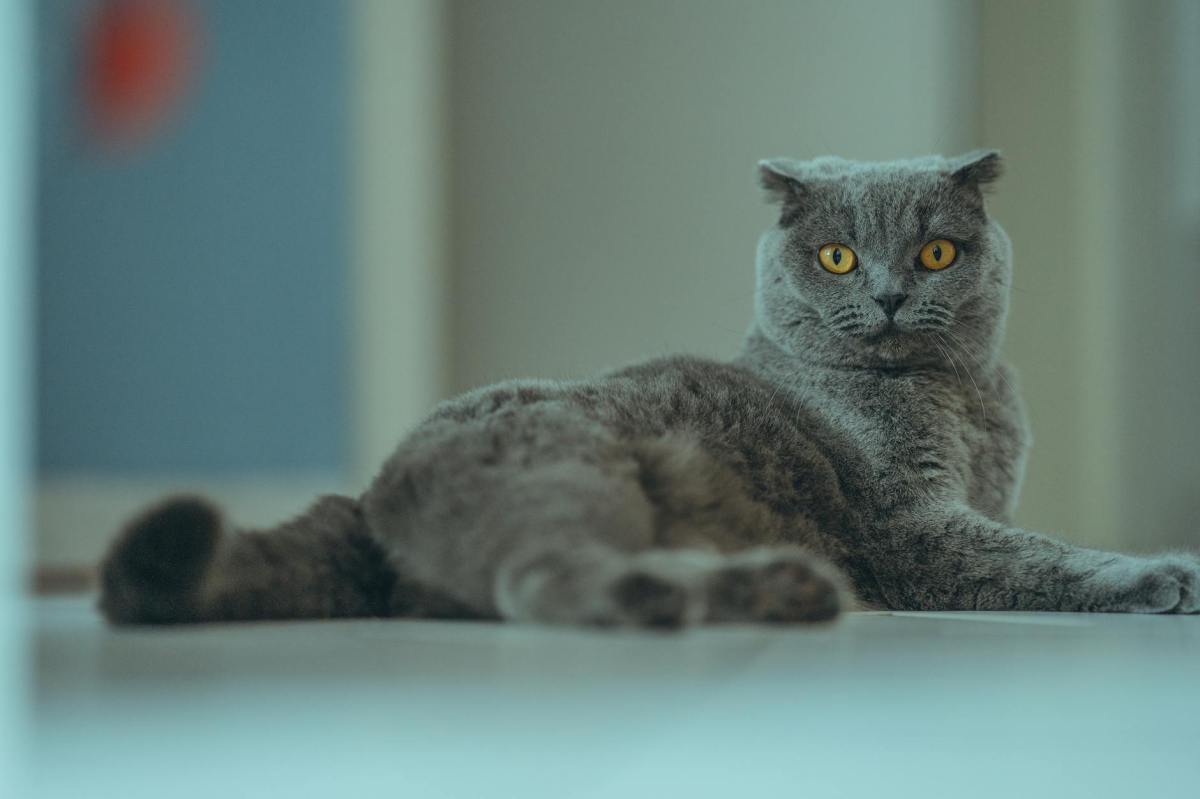
A classic Scottish fold with floppy ears. Credit: Mina Bau015fer/Pexels
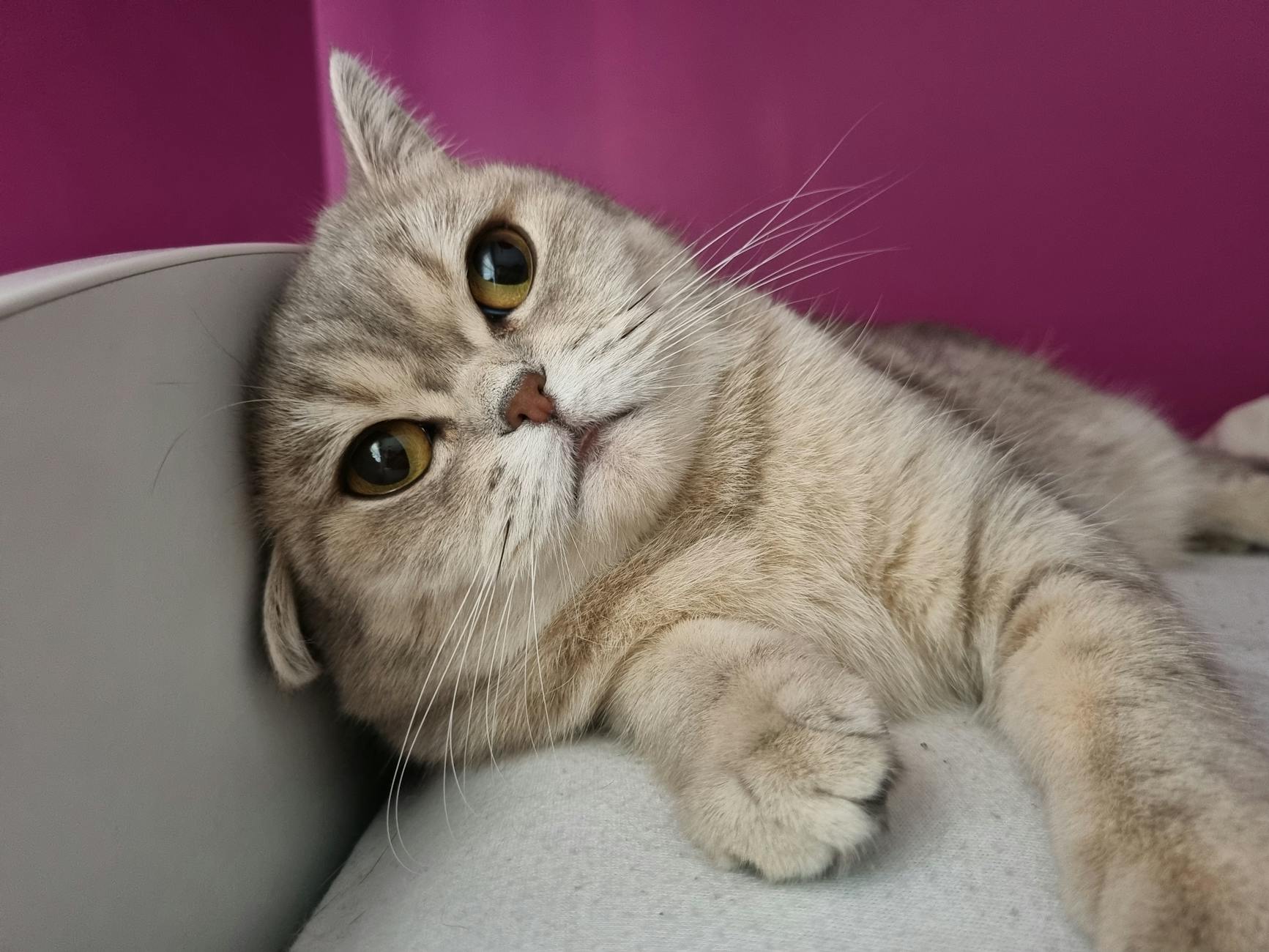
The former is a classic example of breeding to emphasize a”cute” feature without regard for the consequences. Lots of people think Scottish folds are cute because they have floppy ears like puppies, which amplifies their natal features. But the same genetic mutation that weakens the cartilage in their ears also weakens cartilage and bones in the rest of their compact bodies. As a result, Scottish folds not only regularly suffer arthritis and joint deformities, they begin to suffer from those conditions well before old age.
Taylor Swift is the most well-known fan of the breed, and its popularity skyrocketed as her two Scottish folds, Meredith Grey and Olivia Benson, have been frequently pictured on the singer’s Instagram feed. They’ve starred in her music videos, accompanied her on tour and appeared on magazine covers in her arms and perched on her shoulders.
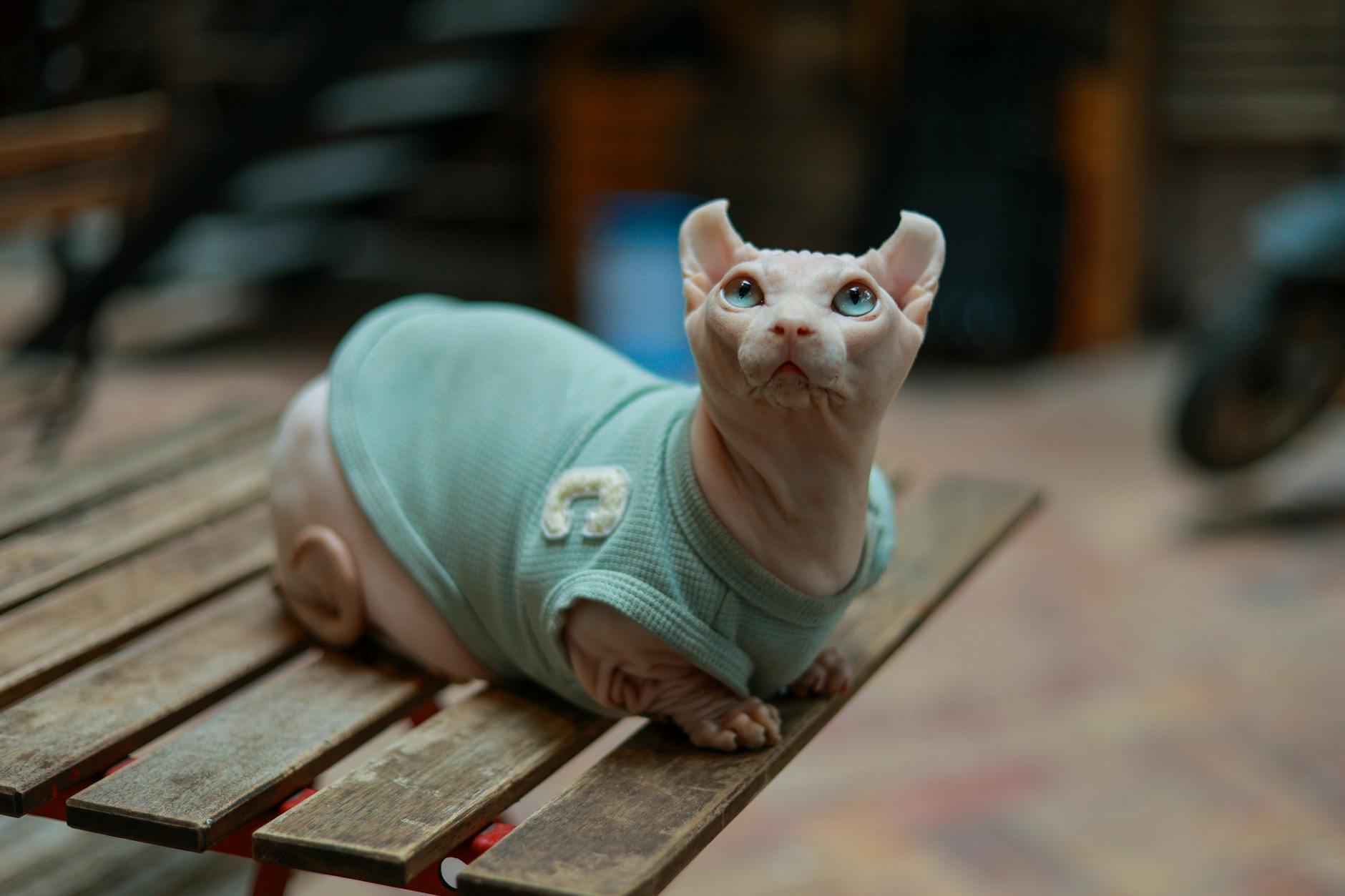
Sphynx cats have their own unique set of problems. Like several other breeds, sphynxes are more susceptible to heart disease, and their most recognizable trait, their lack of fur, is the source of most of their maladies. Sphynxes are more sensitive to cold and can’t regulate their body temperatures as well as other cats. The many folds in their skin make them vulnerable to dermatitis and fungal infections.
Sphynx cats are often seen bundled up because they have difficulty regulating their body temperatures. Credit: Nguyu1ec5n Thanh/Pexels
Previous attempts to curtail the popularity of sphynxes and Scottish folds had little impact, so under the new law it is illegal to buy, sell, breed and import felines of those breeds into the Netherlands. The previous law had severely curtailed the domestic breeding of Scottish folds and sphynxes, but did not make a dent in ownership rates as people elected to buy them from other European countries and “import” them.
People who already have cats of either breed will not have to surrender them. They will be grandfathered in, but they’re required to register their cats and have them microchipped, which the government hopes will stop people from reselling them.
“Animal welfare is my top priority,” said Jean Rummenie, the country’s agriculture and nature secretary. “It is important that cats do not suffer unnecessarily because of their physical traits. This ban allows us to prevent such suffering.”
Do you think the Netherlands made the right call here? Should the US, UK and other countries ban breeds that suffer from chronic health problems?


 Pain In The Bud